Centre for Family Health Initiative

Breaking Barriers to Quality Care for Women and Girls.

Breaking barriers to quality care for women and girls remains one of the most urgent global health priorities. Despite progress, millions of women still face obstacles in accessing essential healthcare services due to inequality, poverty, and weak health systems. According to the World Health Organization, at least half of the world’s population still lacks access to essential health services [1]. For women and girls, these gaps are even more pronounced, particularly in low- and middle-income countries where cultural norms, financial constraints, and limited infrastructure restrict access to care. Ensuring equitable healthcare is not only a moral obligation but a critical step toward sustainable development.

Maternal health remains a key indicator of these disparities. The United Nations reports that approximately 800 women die every day from preventable causes related to pregnancy and childbirth [2]. Many of these deaths occur due to lack of skilled birth attendants, poor access to emergency obstetric care, and delays in seeking treatment. In addition, adolescent girls face heightened risks due to early pregnancies and limited access to reproductive health education and services. Addressing these challenges requires targeted interventions that prioritize both prevention and timely access to quality care.

Several interventions have proven effective in breaking these barriers. Expanding access to primary healthcare, strengthening community health systems, and increasing the availability of skilled healthcare workers are essential steps. Programs that integrate maternal, newborn, and child health services, alongside nutrition, immunization, and gender-based violence prevention, have shown measurable impact. Organizations like the Centre for Family Health Initiative (CFHI) continue to implement community-based interventions, including health education, outreach services, and capacity building for healthcare providers, ensuring that women and girls receive the care they need at the grassroots level.

However, lasting change requires strong government commitment and investment. Governments must prioritize the revitalization of health facilities, ensuring they are well-equipped, adequately staffed, and accessible to all women and girls. Policies that promote free or affordable healthcare services, especially for maternal and reproductive health, must be enforced. Furthermore, health facilities must uphold dignity, respect, and quality in service delivery, recognizing that every woman deserves safe and compassionate care regardless of her background or location.

In conclusion, breaking barriers to quality care for women and girls demands collective action from governments, organizations, communities, and individuals. There is a need to challenge harmful norms, invest in health systems, and empower women with knowledge and resources to make informed health decisions. Let this serve as a call to action: prioritize women’s health, support inclusive policies, and advocate for stronger healthcare systems. By working together, we can ensure that every woman and girl has access to the quality care she deserves, leading to healthier families, stronger communities, and a more equitable world.

Speak Wednesday is an initiative of CFHI to address issues of gender-based violence and gender bias. 

Reference

  1. https://www.who.int/news-room/fact-sheets/detail/universal-health-coverage-(uhc)
  2. https://www.who.int/news-room/fact-sheets/detail/maternal-mortality

Breaking Barriers to Quality Care for Women and Girls. Read More »
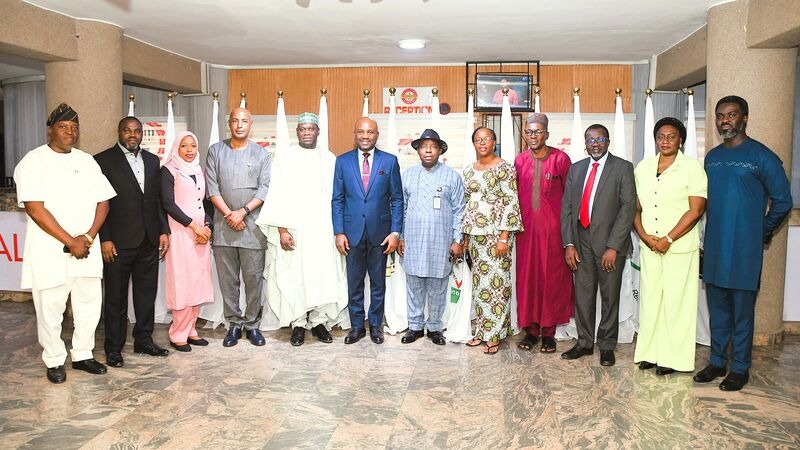
High-Level Policy Engagement: Courtesy Visit to the Honourable Minister of Innovation, Science & Technology

CFHI was honoured to join Grand Challenges Nigeria and fellow innovators on a courtesy visit to the Honourable Minister of the Federal Ministry of Innovation, Science and Technology.

As a grantee under GCNg’s inaugural request for proposals themed “Advancing Innovative Solutions for Maternal, Newborn, and Child Health,” CFHI is implementing the BIRTH Project in Zamfara and Adamawa States. The project addresses Nigeria’s high maternal and neonatal mortality rates by strengthening emergency obstetric services, expanding access to skilled birth attendants, deploying life-saving technologies, and building sustainable local capacity.

The BIRTH Project aligns with Nigeria’s broader national efforts, including the Maternal and Neonatal Mortality Reduction Innovation Initiative (MAMII), to accelerate reductions in maternal and newborn deaths through innovative, locally driven solutions.

We were pleased to engage alongside the Permanent Secretary, Ministry Directors, and representatives from the Nutrition Society of Nigeria, the Federal Ministry of Health and the Federal Ministry of Agriculture, reflecting the multisectoral collaboration required to sustainably reduce MNCH mortality.

At CFHI, we remain committed to ensuring innovation reaches the last mile, where mothers and newborns need it most.

High-Level Policy Engagement: Courtesy Visit to the Honourable Minister of Innovation, Science & Technology Read More »

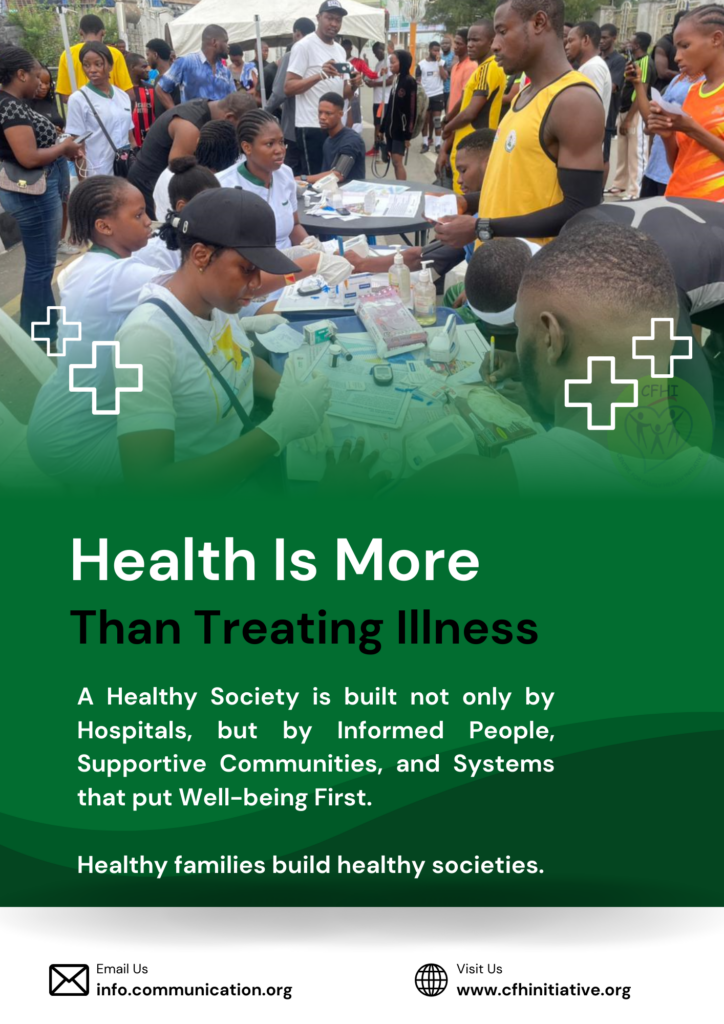
Health Is More Than Treating Illness

Health is often misunderstood as the absence of illness, yet evidence shows that health is far more than treating disease after it occurs. The World Health Organization defines health as a state of complete physical, mental, and social well-being, not merely the absence of disease or infirmity (1). This means that healthcare systems and communities must move beyond reactive treatment and prioritize prevention, education, and supportive environments that enable people to live healthy lives long before they become patients.

Globally, nearly 60% of deaths are linked to preventable causes, including infections, maternal complications, malnutrition, and non-communicable diseases that could be reduced through early awareness, healthy behaviors, and timely care (1). Treating illness alone addresses only the final stage of a much longer health journey. When communities lack access to accurate information, clean water, nutrition, and preventive services, diseases spread faster and outcomes worsen, even when treatment is available.

In Nigeria, the limits of treatment-focused health systems are clearly visible. The country bears a disproportionate burden of preventable conditions, accounting for about 20% of global maternal deaths, many of which are linked to delays in care-seeking, poor nutrition, and lack of antenatal education rather than lack of hospitals alone (2). Similarly, malaria remains endemic, with over 1.9 million reported cases annually, despite the disease being largely preventable through awareness, environmental control, and early testing (3). These figures demonstrate that treatment without prevention is insufficient.

Recent public health emergencies further reinforce this reality. Between 2023 and 2024, Nigeria recorded over 19,000 suspected cholera cases, driven by unsafe water, poor sanitation, and limited hygiene awareness (4). Cholera is not primarily a failure of medicine but a failure of systems that support healthy living. Likewise, outbreaks of measles and other vaccine-preventable diseases continue to occur, largely due to misinformation and low community awareness rather than lack of vaccines (5).

Health also includes mental and social well-being, areas often overlooked in treatment-centered approaches. Studies show that people living in environments marked by poverty, stress, gender inequality, or violence experience poorer health outcomes even when medical care is available (6). Women and girls exposed to harmful practices or denied health information often suffer long-term physical and psychological consequences that treatment alone cannot undo.

Research consistently shows that preventive and promotive health interventions can reduce disease burden by up to 40%, improve service uptake, and lower healthcare costs (1). Community education, early screening, nutrition support, immunization, clean water access, and supportive social structures are as essential to health as hospitals and medicines. Healthy communities are built through informed choices, safe environments, and systems that support well-being at every stage of life.

Call to Action: If health is truly more than treating illness, then governments, health institutions, civil society organizations, and communities must invest in prevention, awareness, and social support systems. Strengthening health education, promoting early screening, improving water and sanitation, addressing gender and social inequalities, and empowering communities with knowledge are critical steps toward sustainable health outcomes. Treating illness saves lives but preventing illness and promoting well-being transforms societies.

References

  1. World Health Organization – Constitution & Health Promotion
    https://www.who.int/about/governance/constitution
    https://www.who.int/teams/health-promotion
  2. WHO Nigeria – Maternal Health Facts
    https://www.who.int/nigeria/health-topics/maternal-health
  3. World Health Organization – Malaria Factsheet
    https://www.who.int/news-room/fact-sheets/detail/malaria
  4. Nigeria Centre for Disease Control – Cholera Updates
    https://ncdc.gov.ng/diseases/cholera
  5. UNICEF Nigeria – Immunization and Disease Prevention
    https://www.unicef.org/nigeria/health
  6. World Health Organization – Social Determinants of Health
    https://www.who.int/health-topics/social-determinants-of-health
  7. PAHO Calls for Increased Surveillance Amid Rising Measles Cases https://www.reuters.com/business/healthcare-pharmaceuticals/paho-calls-increased-surveillance-amid-rising-measles-cases-americas-2026-02-04/ (turn0news26)

Health Is More Than Treating Illness Read More »

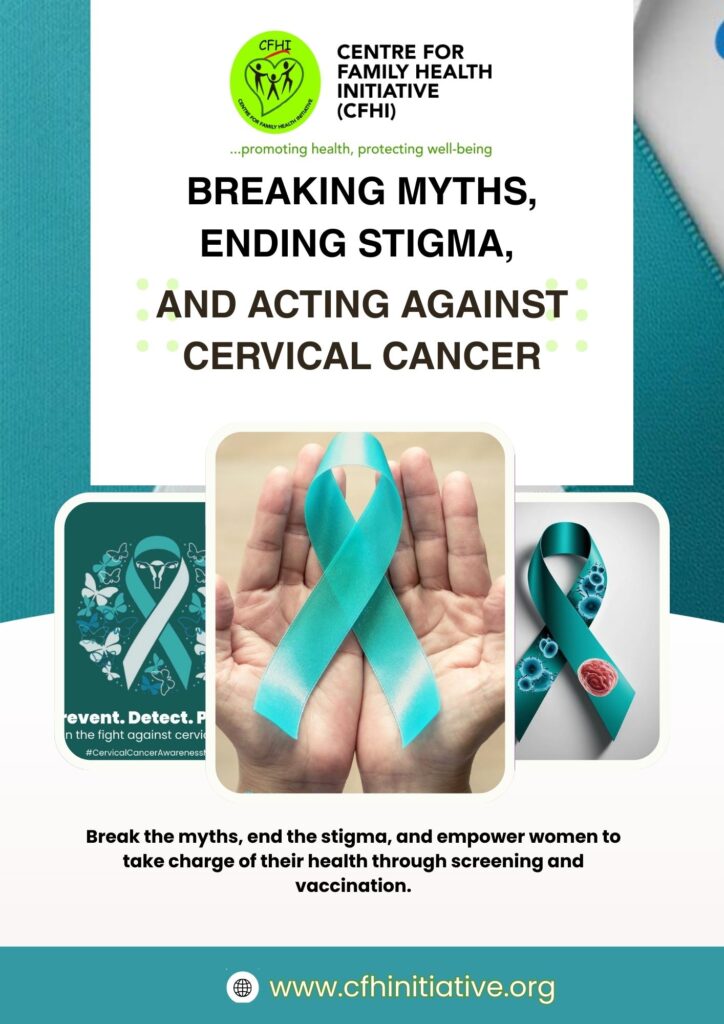
Breaking Myths, Ending Stigma, and Acting Against Cervical Cancer

Cervical cancer is a major global health issue yet one of the most preventable forms of cancer. Almost all cervical cancer cases (about 99%) are linked to infection with high-risk human papillomaviruses (HPV), which are extremely common and transmitted through sexual contact. Persistent HPV infection can cause cervical cancer if left untreated, but early detection and prevention make this disease largely preventable. ¹

Despite this, myths and misinformation persist and contribute to stigma around cervical cancer screening and HPV. Studies show that many women feel shame, anxiety, and embarrassment when diagnosed with HPV or advised to get screened, often because HPV is incorrectly perceived as a sign of promiscuity or extreme risk. ² This stigma can deter women from seeking preventive care and early diagnosis, undermining efforts to reduce disease burden. ³

Globally, cervical cancer remains a leading cause of cancer deaths among women. In 2022, an estimated 660,000 new cases were diagnosed worldwide, with about 350,000 deaths many of which could be prevented through vaccination, regular screening, and early treatment. ¹ In Nigeria, cervical cancer is the second most common cancer among women and carries significant risk in the reproductive age group. ⁴

Despite proven benefits, uptake of cervical cancer screening and HPV vaccination remains low. Studies in Nigeria (2021–2023) show that fewer than 15% of adolescent girls have received the HPV vaccine and only about 10% of women have ever been screened, indicating slow progress compared to global targets.⁵ This low uptake is driven by limited awareness, misconceptions, stigma, and weak family or partner support, while reviews from 2022–2024 highlight persistent beliefs that screening is only for certain women or may cause harm, further discouraging participation.⁶

Myths about cervical cancer include beliefs that HPV always leads to cancer, that only women with symptoms should screen, or that screening itself causes harm. Evidence shows these are false HPV does not always cause cancer, early stages of disease often have no symptoms, and regular screening (Pap tests or HPV testing) is safe and effective in detecting abnormalities before they progress. ⁷

Stigma further compounds the problem. Surveys indicate that significant numbers of women experience emotional distress or feel ashamed after receiving abnormal screening results, which can delay follow-up care and discourage others from attending future screenings. ² Overcoming this stigma requires not just medical interventions but community education and open conversations about HPV and cervical health.

Acting against cervical cancer involves three key strategies: vaccination, screening, and treatment. The World Health Organization’s global strategy targets HPV vaccination of 90% of girls by age 15, screening 70% of eligible women twice in their lifetimes, and ensuring 90% of women with pre-cancer or invasive cancer receive appropriate care. ⁴ Countries such as Pakistan have demonstrated wide vaccination coverage, with campaigns reaching millions of girls despite resistance fueled by misinformation.

Breaking myths and ending stigma is essential to increase screening uptake and vaccine acceptance. Community education campaigns, trusted health messaging, and culturally sensitive outreach can help shift perceptions, build trust, and empower women to take preventive action. We urge communities, health workers, and families to actively support women in accessing screenings and vaccinations, speak openly about cervical health, and challenge harmful myths whenever they arise. When women understand the facts and feel supported rather than judged, lives can be saved, and the stigma that hinders progress can be dismantled.

References

  1. World Health Organization (WHO). Cervical cancer prevention, diagnosis, screening.
    https://www.who.int/cancer/prevention/diagnosis-screening/cervical-cancer/en/
  2. Sheena Meredith. HPV stigma leads to shame for women with diagnosis. Medscape.
    https://www.medscape.com/viewarticle/HPV-Stigma-Leads-Shame-Women-Diagnosis-2022a10004lc
  3. BMC Public Health. Barriers to cervical cancer screening in Africa.
    https://bmcpublichealth.biomedcentral.com/articles/10.1186/s12889-024-17842-1
  4. WHO Africa. Cervical cancer early detection saves lives (Nigeria context).
    https://www.afro.who.int/countries/nigeria/news/cervical-cancer-early-detection-saves-lives
  5. BMC Women’s Health. Cervical cancer screening and HPV vaccination knowledge in Nigeria.
    https://bmcwomenshealth.biomedcentral.com/articles/10.1186/s12905-023-02345-9
  6. PubMed Central. Cervical cancer stigma—a silent barrier to elimination.
    https://pmc.ncbi.nlm.nih.gov/articles/PMC11869935/
  7. Thomson Medical. 9 common myths about cervical cancer debunked.
    https://www.thomsonmedical.com/blog/myths-about-cervical-cancer


Breaking Myths, Ending Stigma, and Acting Against Cervical Cancer Read More »

Strengthening Maternal Health Services at Rumde PHCC, Yola North

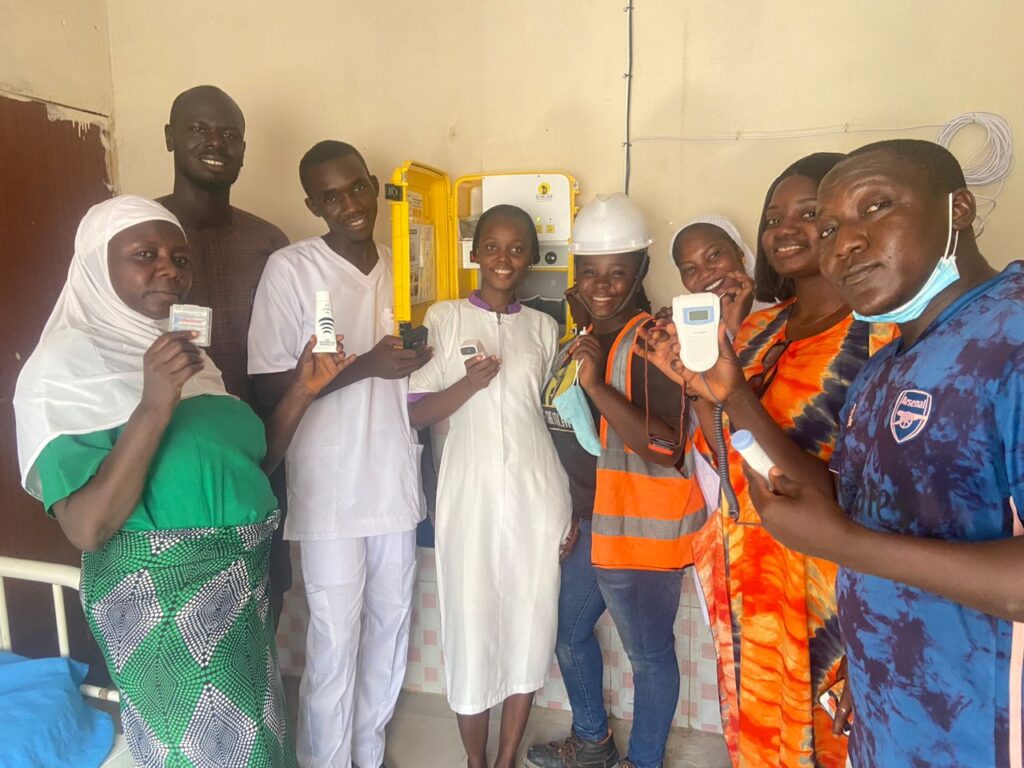
In a major boost to maternal and newborn health services in Adamawa State, Grand Challenges Nigeria, in partnership with the Centre for Family Health Initiative (CFHI), has donated and installed a Solar Birth Kit at the Rumde Primary Health Care Centre (PHCC) in Yola North Local Government Area. The installation was followed by a comprehensive training session for facility health workers to ensure effective and sustainable use of the equipment.

The Solar Birth Kit designed to provide uninterrupted power for childbirth aims to improve the safety and quality of deliveries, particularly in rural and low-resource settings prone to frequent power outages. The kit provides essential lighting and electricity needed for night-time deliveries, emergency procedures, sterilization, and critical maternal health interventions. Its primary purpose is to strengthen health system resilience, support skilled birth attendance, and reduce preventable maternal and neonatal complications linked to poor power supply.

The handover ceremony brought together key stakeholders including the Community Leader, the Local Government Health Secretary, the Facility Health Manager, the Women Leader, the Ward Development Committee Chairman, and the CFHI project team. Stakeholders collectively emphasized accountability, sustainability, and improved service delivery as central to achieving better health outcomes for mothers and infants in the community.

CFHI facilitated a hands-on training for health workers on the proper use, handling, and routine maintenance of the Solar Birth Kit. This capacity-building session was designed to ensure longevity of the technology and empower the facility team to optimize its benefits for safe delivery services.

Community leaders expressed deep appreciation for the intervention, noting that the Solar Birth Kit will significantly reduce risks during childbirth, especially during power interruptions. They reaffirmed their commitment to supporting the facility to maintain the equipment and sustain maternal health gains.

The installation marks a critical step in strengthening primary healthcare delivery in Yola North and advancing efforts to promote safer births in underserved communities.


Strengthening Maternal Health Services at Rumde PHCC, Yola North Read More »

UHC Day 2025: Unaffordable health costs? We’re sick of it!

Universal Health Coverage (UHC) Day is a global reminder that access to quality health care is a fundamental right, not a privilege reserved for the wealthy. This year’s theme, “Unaffordable health costs? We’re sick of it!”, speaks directly to one of the biggest barriers facing millions of Nigerians: skyrocketing healthcare costs and the widening gap between health needs and the ability to pay.

While achieving UHC requires multisectoral commitment, one of the most critical systems needed to bridge this gap is health insurance, an essential mechanism designed to protect individuals from financial hardship, ensure continuity of care, and promote equitable access to essential services. Yet, despite the existence of the National Health Insurance Authority (NHIA) and state-level schemes, enrolment remains abysmally low. Out-of-pocket payments still account for over 76% of total health spending in Nigeria, pushing millions deeper into poverty every year.

Health insurance providers cannot succeed alone; they face chronic underfunding, limited subsidies, weak enforcement, and low public awareness. Sustainable progress requires stronger government leadership, increased premium subsidies for the poor, upgraded health facilities, and digital systems that make enrolment seamless.

Yet progress is possible, and CFHI is proving it every day.

Through relentless community mobilization and strategic partnerships with philanthropists like Satoshi Koiso and development partners such as the Institute of Human Virology Nigeria (IHVN), CFHI has successfully enrolled 224 vulnerable individuals into NHIA-supported health coverage this year alone.

These are not just numbers.

They are mothers who no longer skip medication.

They are children who can see a doctor without their parents selling assets.

They are families now protected from choosing between medicine and food.

Health insurance must be affordable, accessible, and functional for every Nigerian. It is not just a policy tool; it is a lifeline that protects households from falling into poverty and guarantees timely care, especially for vulnerable groups.

On UHC Day 2025, our message is unequivocal:

No Nigerian should be denied quality care because they cannot afford it.

We call on federal and state governments to:

  • Fully subsidize premiums for low-income and vulnerable households
  • Strengthen primary health care facilities that deliver insured services
  • Enforce mandatory coverage and streamline digital enrolment

It is time to end the era of unaffordable health costs.

Health care is a right for every Nigerian, irrespective of socio-economic status.

Together, we can make “We’re sick of it” a rallying cry that finally delivers results.

UHC Day 2025: Unaffordable health costs? We’re sick of it! Read More »

Solar Birth Kit Installed at Shagari PHC to Improve Maternal Care Services

In a strategic move aimed at strengthening maternal healthcare delivery in Zamfara State, Grand Challenges Nigeria in partnership with the Centre for Family Health Initiative (CFHI), installed a Solar Birth Kit at the Shagari Primary Health Centre (PHC) in Gusau Local Government Area on Tuesday, November 25, 2025. The initiative is expected to significantly improve safe childbirth, lighting, and emergency response services at the facility, which serves several communities within the LGA.

Installation activities commenced at approximately 1:00 p.m. following the arrival of installation equipment and technical personnel from Kebbi State. The process, which lasted about four hours, included mounting solar panels and the internal lighting system, followed by operational testing. The kit provides reliable lighting and power sources required for deliveries conducted at night, vaccine storage, and essential medical procedures critical needs in facilities where electricity supply remains unstable.

Following the installation, engineers led a practical training session for CFHI field officers and health workers at Shagari PHC. The training focused on safe usage, battery maintenance, troubleshooting, and documentation of power output for service records. This capacity building effort is expected to enhance sustainability and ensure that healthcare workers maximize the support offered by the Solar Birth Kit.

The equipment was formally handed over to the Officer-in-Charge of the facility and representatives of the host community, symbolizing joint ownership and accountability. Traditional leaders expressed appreciation for the intervention, noting that improved lighting and equipment support will benefit pregnant women, particularly during night-time emergencies.

Although installation began behind schedule due to delayed arrival of equipment resulting in health workers waiting several hours beyond their duty time the activity was fully completed by 5:12 p.m. The successful deployment of the Solar Birth Kit stands as a notable milestone toward ensuring safer maternal care in underserved areas. CFHI urged government agencies and development partners to prioritise infrastructural upgrades at PHCs to complement such projects and guarantee quality healthcare delivery for women and children across the state.

Solar Birth Kit Installed at Shagari PHC to Improve Maternal Care Services Read More »

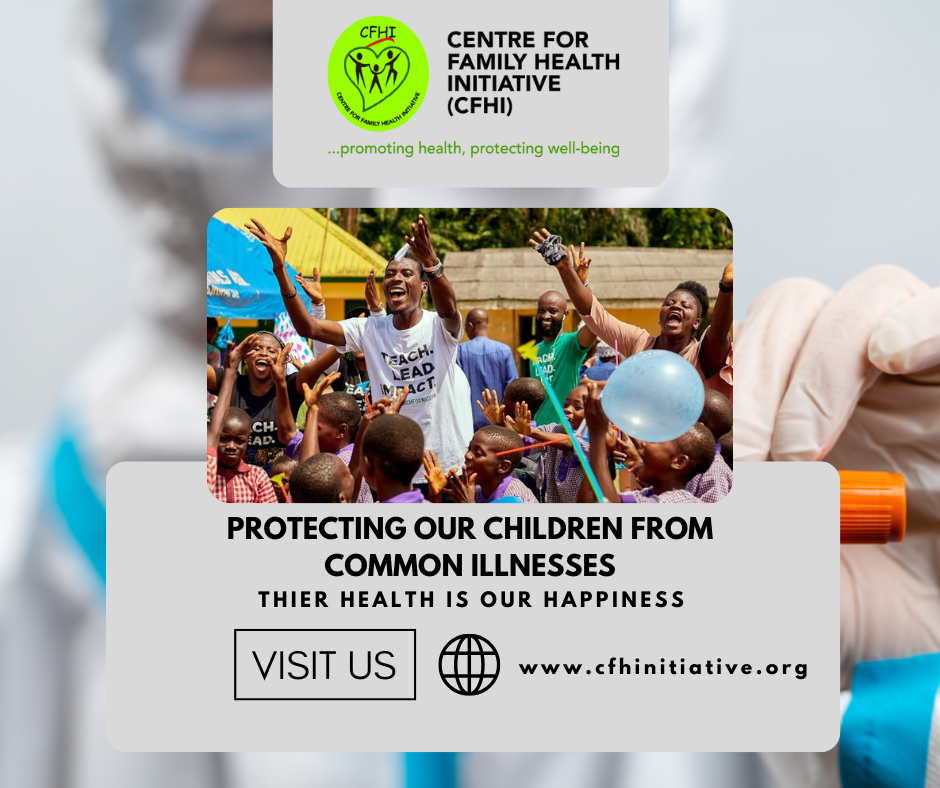
Protecting Our Children from Common Illnesses

Children remain highly vulnerable to common illnesses, and preventing these diseases is essential to safeguarding their growth and wellbeing. In Nigeria, infections such as diarrhea, malaria, and acute respiratory infections continue to be among the leading causes of sickness and death in children under five, despite being largely preventable. Evidence shows that environmental and structural factors contribute significantly to this burden. Research highlights that improved water, sanitation, and hygiene (WASH) are strongly associated with reduced childhood diarrhea and respiratory infections (1). Additionally, findings from Nigeria’s Demographic and Health Surveys indicate that poor housing conditions including overcrowding and inadequate ventilation are major predictors of child illness across the country (2).

The impact of these illnesses extends far beyond short-term discomfort. Children who frequently experience diarrhea or respiratory infections are at increased risk of stunting, and spatial health research in Nigeria reveals that these conditions often overlap, creating compounded threats to child growth and development (3). Preventable infections such as measles also have long-term consequences on immunity and overall health in later life, as demonstrated in studies tracking early-life measles exposure (6). Even though effective vaccines exist, childhood immunization coverage remains suboptimal in many regions, prompting the introduction of innovative solutions such as artificial intelligence systems to increase vaccine uptake (5). Reliable hospital data further confirm that pneumonia, malaria, and diarrheal diseases remain major contributors to child mortality in Nigerian healthcare settings (4). Alongside medical treatment, community-based interventions such as hygiene promotion, nutrition counselling, and timely referral are essential to reducing morbidity. Globally, standardized caregiver resources like UNICEF’s “Facts for Life” continue to guide families on preventing and responding to common childhood illnesses (7).

The Centre for Family Health Initiative (CFHI) plays a critical role in reducing the burden of childhood illnesses through targeted community programs. CFHI supports maternal, newborn, and child health activities, including MNCH weeks where children receive essential interventions such as vaccinations, deworming, vitamin A supplementation, growth monitoring, and malnutrition screening (8). The organization also drives WASH improvements aimed at reducing disease spread and implements extensive community health education on hygiene, sanitation, immunization, and early care-seeking. Through capacity-building efforts, CFHI strengthens the skills of health workers and volunteers to deliver quality child health services (9). CFHI’s approach is evidence-based and community-centered, ensuring that interventions respond to local needs and contribute meaningfully to child survival and development.

Protecting children from preventable illnesses requires collective responsibility. Caregivers should ensure full vaccination, practice proper handwashing, maintain clean household environments, and seek medical care early when their children show signs of illness. Community members must actively share health information and support local awareness programs. Policy and government actors should invest in clean water systems, sanitation infrastructure, and housing improvements to create healthier environments for children. Finally, individuals and organizations can strengthen CFHI’s efforts by volunteering, partnering, or supporting programs that promote child health. Together, these actions can secure a safer, healthier future for every child.


References

  1. Oyebanji TO, Chandra-Mouli V. Burden of Common Childhood Diseases in Relation to Improved Water, Sanitation, and Hygiene (WASH) among Nigerian Children. PubMed [Internet]. 2018 [cited 2025 Nov 23]. Available from: https://pubmed.ncbi.nlm.nih.gov/29895758/
  2. Olusanya BO, Odeyemi OA, Abimbola S, Adebowale SA. Housing conditions as predictors of common childhood illness: Evidence from Nigeria Demographic and Health Surveys, 2008–2018. PubMed [Internet]. 2021 [cited 2025 Nov 23]. Available from: https://pubmed.ncbi.nlm.nih.gov/33476186/
  3. Gai T, Cunningham E, Chukwuogo O, et al. Spatial Co-Morbidity of Childhood Acute Respiratory Infection, Diarrhoea and Stunting in Nigeria. PubMed [Internet]. 2022 [cited 2025 Nov 23]. Available from: https://pubmed.ncbi.nlm.nih.gov/35162859/
  4. van den Berg GJ, von Hinke S, Vitt N. Early life exposure to measles and later-life outcomes: Evidence from the introduction of a vaccine. arXiv [Internet]. 2023 [cited 2025 Nov 23]. Available from: https://arxiv.org/abs/2301.10558
  5. Kehinde O, Abdul R, Afolabi B, et al. Deploying ADVISER: Impact and Lessons from Using Artificial Intelligence for Child Vaccination Uptake in Nigeria. arXiv [Internet]. 2023 [cited 2025 Nov 23]. Available from: https://arxiv.org/abs/2402.00017
  6. Morbidity and Mortality Pattern of Childhood Illnesses Seen at the Children Emergency Unit of Federal Medical Center, Asaba, Nigeria. AMHSR [Internet]. [cited 2025 Nov 23]. Available from: https://www.amhsr.org/articles/morbidity-and-mortality-pattern-of-childhood-illnesses-seen-at-the-children-emergency-unit-of-federal-medical-center-asaba-nigeria.html
  7. Facts for Life. [Internet]. [cited 2025 Nov 23]. Available from: https://en.wikipedia.org/wiki/Facts_for_Life
  8. Centre for Family Health Initiative. 2020 Annual Report. Abuja: CFHI; 2020. [Internet]. [cited 2025 Nov 23]. Available from: https://www.cfhinitiative.org/wp-content/uploads/2022/10/CFHI_2020-Annual-Report.pdf
  9. Centre for Family Health Initiative. Who We Are. [Internet]. [cited 2025 Nov 23]. Available from: https://www.cfhinitiative.org/who-we-are/

Protecting Our Children from Common Illnesses Read More »

Commission on the Status of Women CSW 67 session

Sixty-seventh session of the Commission on the Status of Women (CSW 67)

The sixty-seventh session of the Commission on the Status of Women will take place from 6 to 17 March 2023 and representatives of Member States, UN entities, and ECOSOC-accredited non-governmental organizations (NGOs) from all regions of the world are invited to contribute to the session.

The year 2023 CSW67 will consider the priority theme of, “Innovation and technological change, and education in the digital age for achieving gender equality and the empowerment of all women and girls“. And in addition, will review the agreed conclusions of the sixty-second session, “Challenges and opportunities in achieving gender equality and the empowerment of rural women and girls“.

UN Women is the United Nations entity dedicated to gender equality and the empowerment of women. A global champion for women and girls, UN Women was established to accelerate progress in meeting their needs worldwide.

Commission on the Status of Women CSW 67 session

Sixty-seventh session of the Commission on the Status of Women (CSW 67) Read More »

ACCESS Team Imo State

Achieving Optimal Service Provision

Accelerated Control of HIV Epidemic and Sustainability Solution (ACCESS) OVC program aims to improve health, education, protection, and socio-economic outcomes among children living with and affected by HIV, their caregivers, and families.

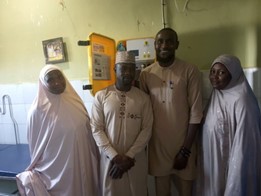
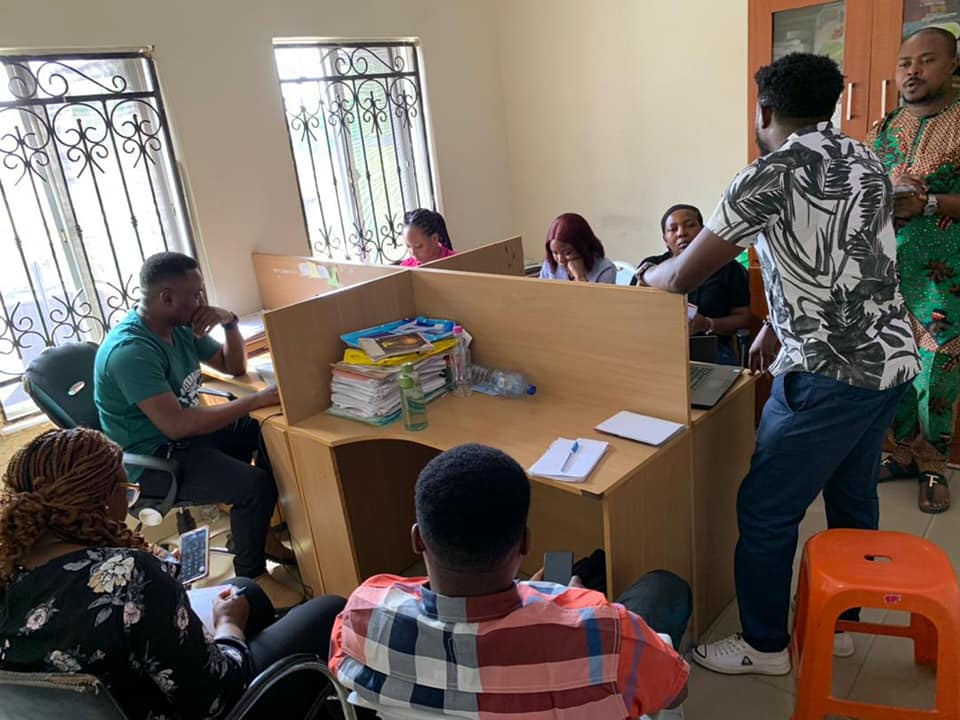
Today, Catholic Caritas Foundation of Nigeria (CCFN) staff visited CFHI ACCESS team in Imo State for both teams to design strategies to ensure optimal service provision for quarter 2, FY 23.


Achieving Optimal Service Provision Read More »