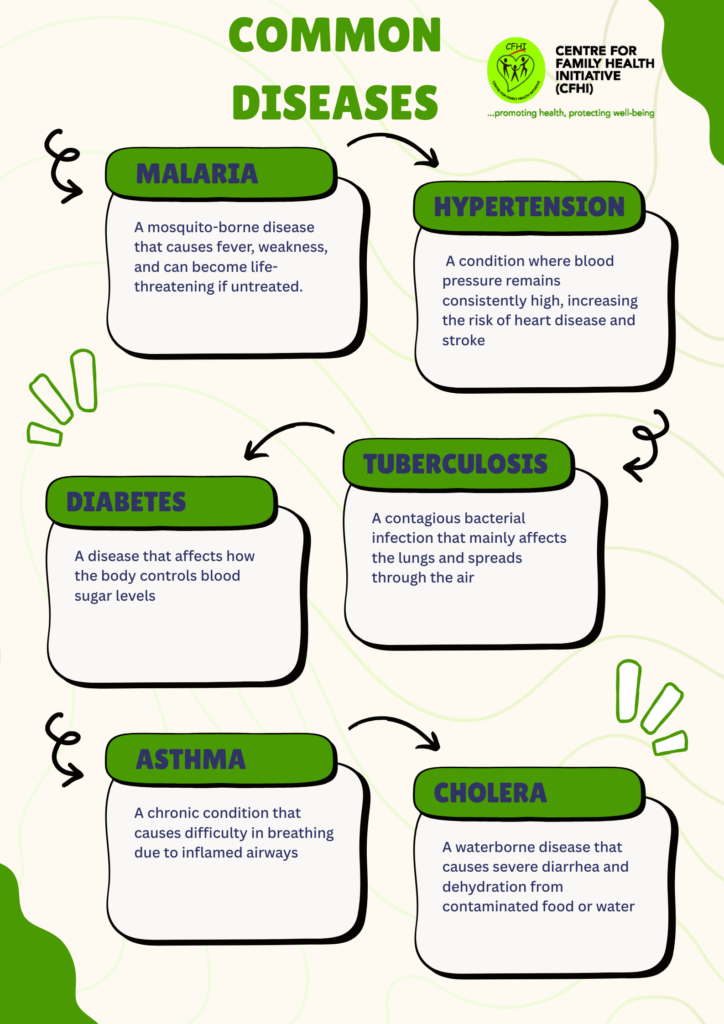
#MondayHealthBurst

Risk of Common Diseases

Diseases remain one of the leading causes of illness, disability, and death across the world. Common diseases such as malaria, diabetes, hypertension, tuberculosis, respiratory infections, heart disease, and diarrheal illnesses continue to affect millions of people yearly, especially in low- and middle-income countries. While some diseases are infectious and spread from person to person, others develop gradually due to unhealthy lifestyles, environmental conditions, and genetic factors.

According to the World Health Organization, noncommunicable diseases (NCDs) such as heart disease, stroke, cancer, diabetes, and chronic respiratory diseases account for about 74% of deaths globally. In 2021 alone, at least 43 million people died from NCDs worldwide. (World Health Organization) Cardiovascular diseases remain the leading cause of death, responsible for nearly 19.8 million deaths globally in 2022. (World Health Organization)

Infectious diseases also continue to pose major health threats. Diseases such as malaria, tuberculosis, HIV/AIDS, cholera, influenza, and pneumonia spread through contaminated food and water, mosquito bites, poor sanitation, and close human contact. Health experts explain that people with weak immune systems, poor nutrition, chronic illnesses, and inadequate healthcare access are at higher risk of developing severe infections. (Mayo Clinic)

Several factors increase the risk of common diseases. These include:

  1. Poor hygiene and sanitation
  2. Lack of vaccination and immunization
  3. Unhealthy diet and physical inactivity
  4. Tobacco and alcohol use
  5. Air pollution and unsafe environments
  6. Poverty and limited healthcare access
  7. Stress and poor mental health
  8. Weak immune systems and underlying illnesses

Research shows that unhealthy diets, tobacco use, physical inactivity, harmful alcohol consumption, and air pollution are among the top risk factors contributing to many chronic diseases globally. (World Health Organization)

Common Myths About Diseases

Myth Fact
Only older people develop chronic diseases Young people and children can also develop diseases like diabetes, hypertension, and heart disease.
Vaccines are not necessary Vaccines help prevent many deadly and preventable diseases.
If symptoms disappear, the disease is gone Some diseases can remain hidden and return if not properly treated.
Infectious diseases only affect poor communities Anyone can contract infectious diseases regardless of status or location.

Signs and Symptoms of Common Diseases

Some warning signs people should never ignore include:

  • Persistent fever
  • Difficulty breathing
  • Unexplained weight loss
  • Frequent headaches
  • Severe tiredness
  • Chest pain
  • Continuous cough
  • Diarrhea or vomiting lasting several days.
  • High blood pressure
  • Frequent urination and excessive thirst

Early detection and treatment significantly improve survival and recovery rates.

Prevention Tips

People can reduce their risk of common diseases by:

  • Washing hands regularly
  • Eating balanced and nutritious meals
  • Exercising frequently
  • Avoiding smoking and excessive alcohol use
  • Sleeping under insecticide-treated mosquito nets
  • Going for regular medical check-ups
  • Taking vaccines when due
  • Drinking clean water and maintaining proper sanitation
  • Seeking medical attention early when symptoms appear

Call to Action

Health is a shared responsibility. Preventing common diseases begins with awareness, healthy choices, and timely medical care. Individuals, families, communities, governments, and organizations must work together to strengthen healthcare systems, promote healthy lifestyles, and ensure equitable access to healthcare services. By taking preventive actions today, we can reduce the burden of disease and build healthier communities for future generations.

References


Risk of Common Diseases Read More »
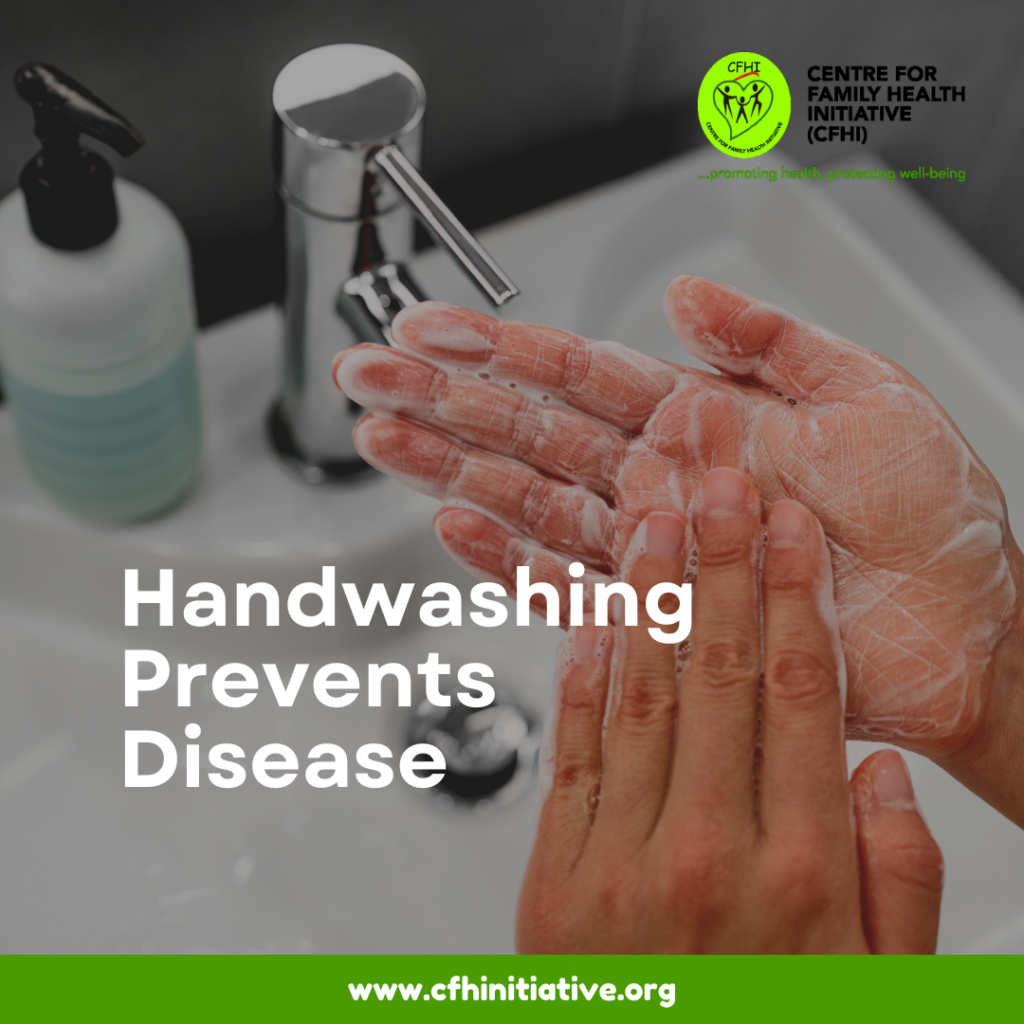
Handwashing Prevents Disease

Handwashing with soap remains one of the most effective and affordable ways to prevent diseases and protect public health. According to the World Health Organization and global health partners, proper hand hygiene significantly reduces the spread of infectious diseases such as diarrhea, respiratory infections, and even emerging outbreaks [1]. Despite its simplicity, handwashing is often overlooked, contributing to millions of preventable illnesses and deaths worldwide.

Scientific evidence shows that unclean hands are a major pathway for disease transmission. Germs from faecal matter, contaminated surfaces, and respiratory droplets easily spread through touch, food handling, and person-to-person contact. Research indicates that a single gram of human faeces can contain up to one trillion germs, making proper hand hygiene critical in breaking the chain of infection [2]. Handwashing with soap has been shown to reduce diarrheal diseases by 23–40% and respiratory infections by up to 21% [3].

Globally, the burden of poor hand hygiene remains alarming. An estimated 2.3 billion people lack access to basic handwashing facilities with soap and water, while 1.7 billion still do not have basic hygiene services at home [4]. Additionally, nearly half of healthcare facilities worldwide lack proper hand hygiene services, putting patients at risk of infections [5]. Among children, poor hygiene contributes significantly to disease, with approximately 1.8 million children under five dying annually from preventable illnesses such as diarrhea and pneumonia conditions that proper handwashing could help reduce [6].

Various interventions have been implemented globally to promote hand hygiene. Organizations such as UNICEF and WHO continue to support handwashing campaigns, improve access to water and sanitation, and integrate hygiene education into schools and communities [1]. Community awareness programs, provision of handwashing facilities, and behavior change communication have proven effective in improving hygiene practices. Studies show that even a small investment less than $1 per person annually can significantly expand access to handwashing facilities and save hundreds of thousands of lives [7].

Our commitment to ‘Standing with Science’ was most evident during the height of the COVID-19 pandemic. Recognizing that awareness is only effective when paired with resources, CFHI conducted extensive sensitization and distribution drives across the FCT. This included critical interventions at the Kuje Prison in Abuja and various schools throughout the FCT, where we provided essential hygiene tools such as professional-grade hand sanitizers, liquid soaps, and specialized buckets and bowls with attached taps to facilitate contactless handwashing. This proactive approach ensured that the most vulnerable populations had the physical means to break the chain of infection.

In conclusion, handwashing is a simple yet powerful tool that everyone can practice daily. Individuals are encouraged to wash their hands regularly especially before eating, after using the toilet, and after contact with potentially contaminated surfaces. Governments and institutions must also invest in accessible hygiene facilities and promote behaviour change. By making handwashing a habit, we can prevent diseases, save lives, and build healthier communities. Clean hands are not just a personal responsibility they are a public health necessity.

References

  1. https://www.who.int/news-room/fact-sheets/detail/hand-hygiene
  2. https://www.cdc.gov/hygiene/about/index.html
  3. https://www.cdc.gov/hygiene/personal-hygiene/hands.html
  4. https://www.unicef.org/reports/state-worlds-handwashing-2021
  5. https://www.who.int/publications/i/item/9789240055445
  6. https://www.who.int/news-room/fact-sheets/detail/diarrhoeal-disease
  7. https://www.worldbank.org/en/news/feature/2020/04/22/handwashing-for-all-the-value-of-hand-hygiene-to-save-lives-and-economies


Handwashing Prevents Disease Read More »

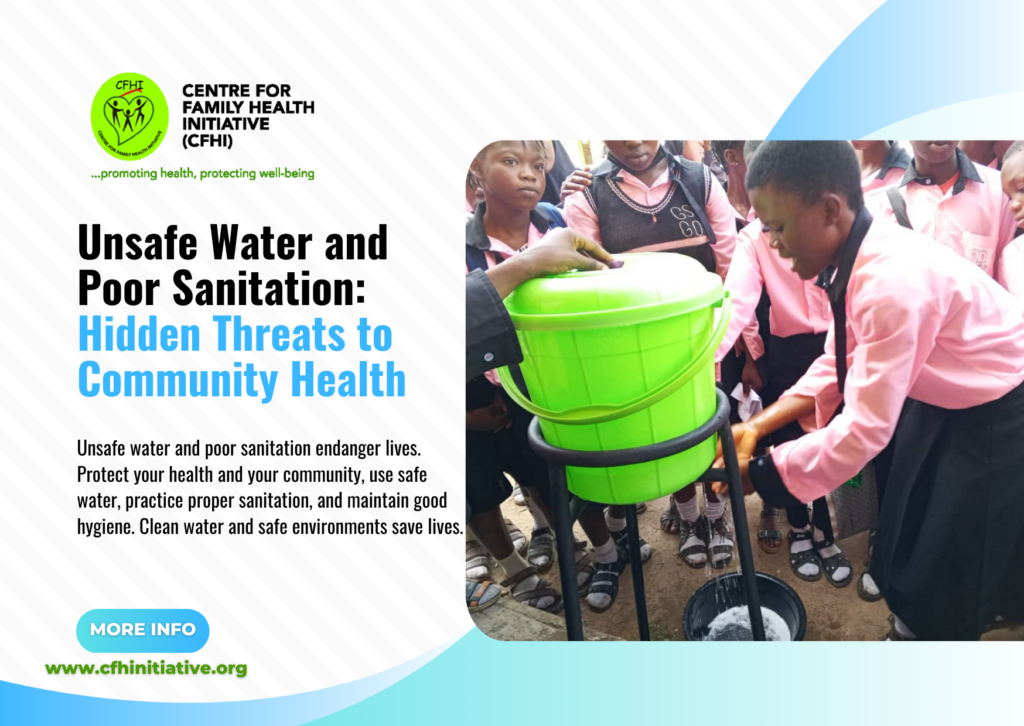
Unsafe Water and Poor Sanitation: Hidden Threats to Community Health

By Chiadika Emmanuel Chidera 

Unsafe water and poor sanitation remain major but often overlooked threats to community health. Access to clean drinking water and safe sanitation is a fundamental human right and a critical pillar of disease prevention. Yet millions of people around the world still lack these essential services. According to global health data, about 2 billion people do not have access to safely managed drinking water, while nearly 3.6 billion people lack safely managed sanitation services¹. These gaps create conditions where preventable diseases easily spread, particularly among vulnerable populations such as children and women.

Contaminated water often carries harmful bacteria, viruses, parasites, and toxic substances that can lead to serious illnesses. Diseases such as cholera, typhoid fever, dysentery, hepatitis A, and diarrhoea are commonly transmitted through unsafe water. Health estimates show that approximately 1.4 million deaths each year are linked to inadequate water, sanitation, and hygiene (WASH) services². Diarrhoeal diseases alone cause over 1 million deaths annually, with nearly 395,000 of these deaths occurring among children under the age of five². In Nigeria, the situation remains concerning, as reports indicate that over 100 children die daily from diarrhoeal diseases, many of which are connected to unsafe water sources and poor sanitation practices⁴.

The health hazards associated with unsafe water and poor sanitation are wide-ranging. These include (1) the rapid spread of waterborne diseases such as cholera and typhoid, (2) severe diarrhoeal infections that cause dehydration and malnutrition, (3) parasitic infections like intestinal worms that affect about 1.5 billion people globally³, (4) long-term malnutrition and stunted growth among children due to repeated infections, and (5) exposure to chemical contaminants that can lead to organ damage and developmental problems. Poor sanitation practices such as open defecation further worsen these risks by contaminating water sources and the surrounding environment.

Beyond the health effects, unsafe water and poor sanitation also create social and economic challenges. Families often spend limited resources on treating preventable diseases, children miss school due to illness, and communities experience reduced productivity. Research shows that improving water, sanitation, and hygiene services can reduce diarrhoeal diseases by 30–40 percent³, making WASH one of the most cost-effective public health interventions.

Addressing this hidden crisis requires coordinated action from governments, communities, and development partners. Expanding access to safe water infrastructure, improving sanitation facilities, and promoting hygiene education are critical steps toward protecting public health. Individuals and communities can also contribute by (1) using safe or treated drinking water, (2) practicing proper sanitation and avoiding open defecation, (3) washing hands regularly with soap, and (4) protecting local water sources from contamination.

Improving water, sanitation, and hygiene services is essential for building healthier communities and preventing avoidable diseases. By prioritizing safe water and proper sanitation, societies can protect lives, strengthen public health systems, and ensure a healthier future for all.

Monday Health Burst is an initiative of CFHI to address issues of basic health concern. Join us every Monday on all our social media platforms for more episodes.

References

  1. UNICEF & World Health Organization Joint Monitoring Programme for Water Supply, Sanitation and Hygiene (JMP). https://washdata.org
  2. World Health Organization. Global Burden of Disease Attributable to Water, Sanitation and Hygiene. https://www.who.int/health-topics/water-sanitation-and-hygiene-wash
  3. Centers for Disease Control and Prevention. Global Water, Sanitation, and Hygiene (WASH) Data. https://www.cdc.gov/healthywater/global/index.html
  4. Nigeria WASH and diarrhoeal disease statistics. https://washnigeria.com


Unsafe Water and Poor Sanitation: Hidden Threats to Community Health Read More »

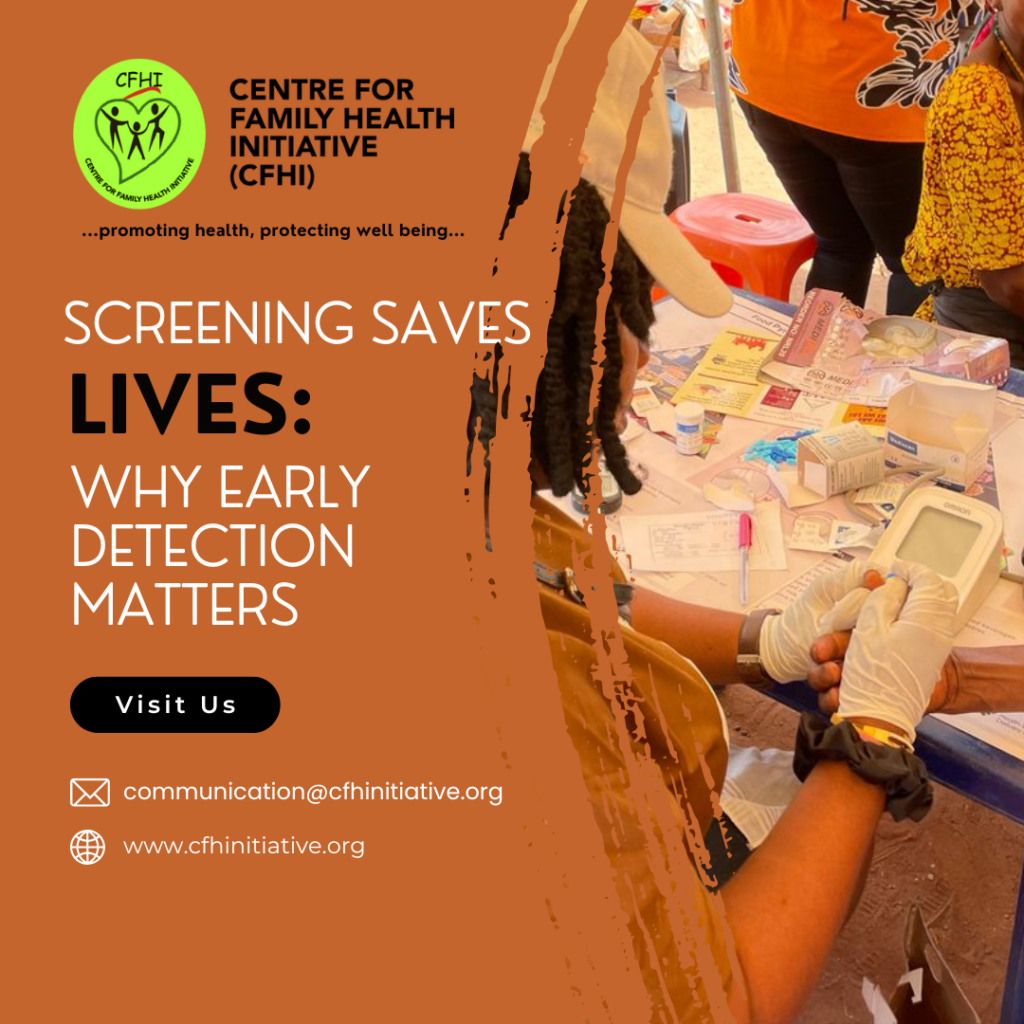
Screening Saves Lives: Why Early Detection Matters

Health screening and early detection are critical tools in the fight against cervical cancer, one of the most preventable yet deadly cancers affecting women worldwide. Cervical cancer develops slowly and is often caused by persistent infection with high-risk types of the human papillomavirus (HPV). Screening allows precancerous changes and early-stage disease to be detected and treated before they progress into life-threatening cancer, significantly improving survival, reducing complications, and saving lives¹.

Early detection plays a decisive role in cervical cancer outcomes. When cervical cancer is identified at an early stage, the chances of successful treatment are very high. Evidence shows that women diagnosed with early-stage cervical cancer have a five-year survival rate of over 90%, compared to much lower survival rates when the disease is detected late². Regular screening methods such as Pap smears, HPV testing, and visual inspection with acetic acid (VIA) help identify abnormal cervical changes early, long before symptoms appear³. Countries with strong screening programs have recorded substantial declines in cervical cancer incidence and mortality, demonstrating the life-saving impact of early detection⁴.

Detecting cervical cancer early also reduces the severity and complexity of treatment. Early-stage disease can often be managed with simpler procedures that preserve fertility and reduce long-term health complications. In contrast, late diagnosis frequently requires extensive surgery, chemotherapy, or radiotherapy, which can lead to long-term physical, emotional, and financial strain for affected women and their families⁵. In many low- and middle-income settings, late presentation remains a major challenge, contributing to high cervical cancer mortality rates.

Screening for cervical cancer is also cost-effective. Preventing cancer through early detection and treatment of precancerous lesions costs far less than treating advanced cervical cancer. Investing in routine screening programs reduces hospital admissions, lowers healthcare expenditure, and improves productivity by keeping women healthy and active in their communities⁶.

Despite the proven benefits of screening, many women particularly those in underserved and rural communities still lack access to cervical cancer screening services. Barriers such as poverty, limited health facilities, stigma, low awareness, and fear of diagnosis contribute to low screening uptake and late detection. These gaps underscore the need for sustained public health efforts to expand access to affordable, acceptable, and community-based screening services⁷.

Screening saves lives, but only when women act. CFHI calls on women to prioritize regular cervical cancer screening, caregivers, and community leaders to support awareness and reduce stigma, and policymakers and partners to invest in accessible and sustainable screening programs. Early detection of cervical cancer is not just a medical intervention it is a powerful step toward protecting women’s health, dignity, and lives.


References

  1. World Health Organization (WHO). Cervical cancer – Key facts.
    https://www.who.int/news-room/fact-sheets/detail/cervical-cancer
  2. American Cancer Society. Cervical Cancer Survival Rates.
    https://www.cancer.org/cancer/types/cervical-cancer/detection-diagnosis-staging/survival-rates.html
  3. World Health Organization (WHO). Comprehensive cervical cancer control: A guide to essential practice.
    https://www.who.int/publications/i/item/9789241548953
  4. International Agency for Research on Cancer (IARC). Impact of cervical cancer screening on incidence and mortality.
    https://www.iarc.who.int/research-groups/cancer-screening/
  5. National Cancer Institute. Cervical cancer treatment and outcomes.
    https://www.cancer.gov/types/cervical
  6. Centers for Disease Control and Prevention (CDC). Cervical cancer screening saves lives and reduces costs.
    https://www.cdc.gov/cancer/cervical/basic_info/screening.htm
  7. World Health Organization (WHO). Global strategy to accelerate the elimination of cervical cancer.
    https://www.who.int/initiatives/cervical-cancer-elimination-initiative


Screening Saves Lives: Why Early Detection Matters Read More »

MONDAY HEALTH BURST

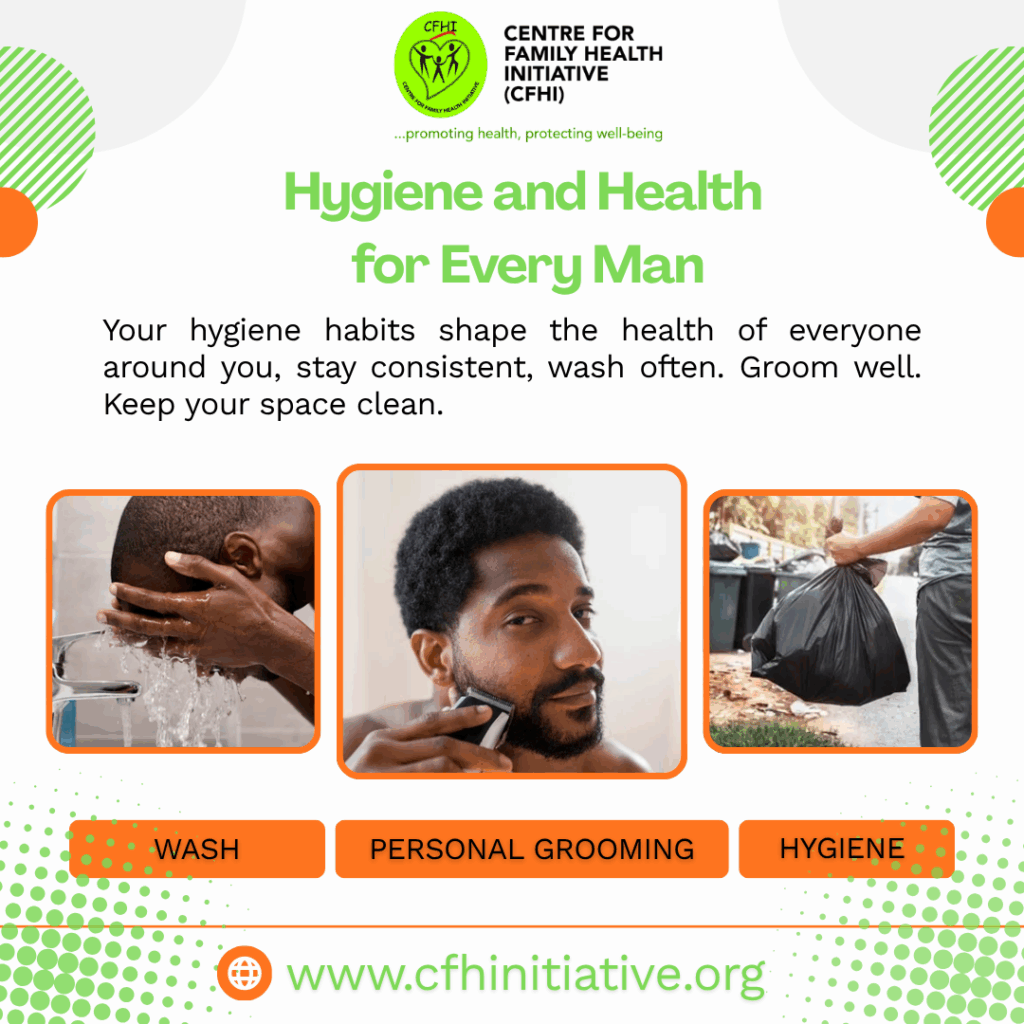
Hygiene and Health for Every Man

Good hygiene is not only a personal responsibility but a fundamental aspect of disease prevention, dignity, and overall well-being for men across all ages. Research shows that poor hygiene contributes significantly to the global burden of infectious diseases. According to the World Health Organization, inadequate hygiene practices account for nearly 432,000 deaths annually from diarrheal diseases alone (1) with millions more suffering from preventable infections linked to poor personal and environmental hygiene. Studies also reveal that men are statistically less likely than women to engage in consistent hygiene routines, including regular handwashing, oral care, and preventive health screenings. A 2022 global survey noted that over 65% of men admit to skipping basic hygiene routines (2) increasing their vulnerability to infections, skin diseases, urinary tract complications, and communicable illnesses. Poor hygiene also affects mental health, social interactions, productivity, and overall quality of life, especially in environments where men are primary earners and caregivers.

The implications of poor hygiene for men extend far beyond physical health. Lack of proper personal and environmental cleanliness can affect workplace productivity, family health, and community wellness. For example, studies show that effective handwashing alone can reduce respiratory infections by over 21% (3) yet many men either neglect this simple act or lack access to clean water and safe sanitation facilities. Globally, 3.5 billion people still lack safe sanitation (4) and this affects men in marginalized communities disproportionately, often exposing them to contaminated environments and increasing their risk of illness. Oral hygiene is another overlooked aspect; research indicates that men are 40% less likely than women to seek dental care (5) leading to higher rates of gum disease, which has been linked to heart disease, stroke, and diabetes. Hygiene is not just cleanliness it is a cornerstone of preventive health.

As we commemorate International Men’s Day and World Toilet Day, we encourage, admonish, and advise men everywhere to stay true to hygiene and neatness. Cleanliness is strength. Hygiene is responsibility. And taking care of your health is an act of leadership and self-respect. Men must break free from harmful cultural norms that label hygiene awareness as weakness or unmanliness. True masculinity includes caring for one’s body, environment, and overall well-being. A healthy man becomes a healthier father, partner, colleague, and community member. The global theme for this period emphasizes dignity, safe sanitation, and improved well-being for everyone and men must be active participants in this movement.

Wash your hands often, maintain proper grooming, care for your oral health, keep your environment clean, use toilets responsibly, practice safe sanitation, and seek regular health checks. Small habits save lives. Hygiene is health, and health is power. Let this be a reminder that healthier men build stronger families, stronger communities, and a stronger nation.

For enquiries, partnerships, or to invite CFHI for sensitization programs, kindly contact us via: info@cfhinitiative.org 


References

  1. World Health Organization. Diarrhoeal disease. 2023. Available from: https://www.who.int/news-room/fact-sheets/detail/diarrhoeal-disease
  2. Global hygiene behaviours survey results. 2022. Available from: https://yougov.co.uk/topics/health/articles-reports
  3. Centers for Disease Control and Prevention. Show Me the Science – How to Wash Your Hands. 2023. Available from: https://www.cdc.gov/handwashing/show-me-the-science-handwashing.html
  4. World Health Organization & UNICEF. Progress on household drinking water, sanitation and hygiene 2023 update. Available from: https://www.who.int/publications/i/item/9789240073347
  5. American Dental Association. Oral health and men’s health. 2022. Available from: https://www.ada.org/resources/research/science-and-research-institute


MONDAY HEALTH BURST Read More »

Monday Health Burst – Prevention of Mother-to-Child Transmission of HIV

In 2020, 1.7 million people in Nigeria were living with HIV (human immunodeficiency virus), according to National Agency for the Control of AIDS (NACA). Women being the most affected group, numbering about 960 thousand. Agreeably, this puts children at a very high risk of infection.

According to World Health Organization (WHO), HIV can be transmitted from infected pregnant woman to her infant during pregnancy to breastfeeding periods. However, with effective medical intervention, the rate of maternal to child transmission of HIV can be curtailed.

Some of the interventions include the sensitization of isolated communities and youths to the dangers of having unprotected sex, guidelines for HIV prevention, care and treatment for infected pregnant women, among others. Also, intensifying prevention of mother-to-child transmission (PMTCT) programmes in health care centres.

#MondayHealthBurst #PMTCT #Health4All #HIVAIDSPrevention

Monday Health Burst – Prevention of Mother-to-Child Transmission of HIV Read More »

SPEAK WEDNESDAY – PREDIABETES

PREDIABETES – YOUR CHANCE TO PREVENT TYPE 2 DIABETES

According to Centre for Disease Control (CDC), prediabetes is a serious health condition where blood sugar levels are higher than normal, yet not high enough to be diagnosed as type 2 diabetes. If one has prediabetes, it shows that the cells in the body do not respond normally to insulin. Hence, the pancreas makes more insulin to try to get cells to respond and eventually will not be able to keep up. The blood sugar then rises, setting the stage for prediabetes and type 2 diabetes.

Studies have shown that 1 in 3 American adults have prediabetes. In Nigeria, the prevalence of prediabetes is also high with hypertension emerging as the possible driving force. Though the exact cause of prediabetes is unknown, family history, genetics, lack of regular physical activity and being overweight with excess fat around the abdomen appear to be important factors. Other factors include ever having gestational diabetes (diabetes during pregnancy) or giving birth to a baby who weighed more than 9 pounds and having polycystic ovary syndrome.

Often times, one could be with prediabetes for years with no clear symptoms, so it often goes undetected until serious health problems such as type 2 diabetes show up. However, some people experience increased thirst, frequent urination, excess hunger, fatigue, blurred vision, and darkened skin on certain parts of the body (neck, armpits, elbows, knees and knuckles).

To reverse prediabetes, keep an active lifestyle by getting at least 150 minutes a week of brisk walking or a similar activity, avoid refined carbohydrates, cut back on sugar, eat healthy foods, drink less alcohol, get sufficient sleep, reduce food portion size. More so, periodic screening is key to detecting and reversing prediabetes. Simple Blood Sugar Test done in time could stop prediabetes from developing into type 2 diabetes, heart disease, and stroke.

SPEAK WEDNESDAY – PREDIABETES Read More »

HEALTH CONDITIONS ASSOCIATED WITH DRUG ABUSE

The Diagnostic and Statistical Manual of Mental Disorders fourth edition (DMS-4) defines drug abuse as “a maladaptive pattern of substance use leading to clinically significant impairment or distress.” Drug abuse also known as substance abuse refers to the use of certain chemicals to create pleasurable effects on the brain. Drugs most often used include alcohol, amphetamines, cannabis, cocaine, hallucinogens, and opioids.

Globally, some 35 million people are estimated to suffer from drug use disorder according to the latest World Drug Report, released by the United Nations Office on Drugs and Crime (UNODC). The report also estimates the number of opioid users at 53 million, up 56 per cent from previous estimates, and that opioids are responsible for two-thirds of the 585,000 people who died as a result of drug use in 2017. According to a survey led by Nigeria’s National Bureau of Statistics (NBS) and the Center for Research and Information on Substance Abuse, over the past year alone, nearly 15% of the adult population in Nigeria (around 14.3 million people) reported a “considerable level” of use of psychoactive drug substances—it’s a rate much higher than the 2016 global average of 5.6% among adults. It showed the highest levels of drug use were recorded among people aged between 25 to 39, with cannabis being the most widely used drug.

Addiction to any substance, whether legal or illegal, can in some cases lead to serious health conditions. The effects of drug abuse according to Medical News Today 2018 publication, depend on the type of drug, any other substances that a person is using, and their health history. Abusing a drug, or misusing prescription medication, can produce other short-term effects, such as changes in appetite, sleeplessness or insomnia, increased heart rate, slurred speech etc. On the other hand, experts have linked chronic drug use with the following health conditions:

  • Cardiovascular disease: Stimulants, such as cocaine and methamphetamines, can damage the heart and blood vessels. The long-term use of these drugs can lead to coronary artery disease, arrhythmia, and heart attack.
  • Respiratory problems: Drugs that people smoke or inhale can damage the respiratory system and lead to chronic respiratory infections and diseases.
  • Kidney damage: The kidneys filter excess minerals and waste products from the blood. Heroin, ketamine and synthetic cannabinoids can cause kidney damage or kidney failure.
  • Liver disease: Chronic drug and alcohol use can damage the liver cells, leading to inflammation, scarring, and even liver failure.
  • Overdose: Taking too much of a drug or taking multiple drugs together can result in an overdose.

Drug addiction is treatable and starts with detox under medical supervision. Family and friends can begin the healing process through group therapy, counselling, and talking to others in peer support groups or meetings and drug addiction forums.

HEALTH CONDITIONS ASSOCIATED WITH DRUG ABUSE Read More »

Monday Health Burst

CHALLENGES AND EFFECTS OF POOR MENSTRUAL HYGIENE MANAGEMENT

Menstruation is a naturally occurring physiological phenomenon in adolescent girls and pre-menopausal women. Menarche is an important biological milestone in a woman’s life as it marks the onset of the reproductive phase of her life. The World Health Organization (WHO) defines Menstrual Hygiene Management (MHM) as ‘Women and adolescent girls using a clean menstrual management material to absorb or collect blood that can be changed in privacy as often as necessary for the duration of the menstruation -period, using soap and water for washing the body as required and having access to facilities to dispose of used menstrual management materials.

Menstrual hygiene management can be particularly challenging for girls and women in developing countries, where clean water and toilet facilities are often inadequate. A World Bank report estimates that at least 500 million women and girls globally lack adequate facilities for menstrual hygiene management (MHM). The challenge menstruating girls and women face is often less tangible than simply the availability of infrastructure and is rooted in social norms and beliefs. In many cultures, menstruating women are considered impure and are systematically excluded from participating in everyday activities, such as education, employment, and cultural and religious practices. A growing body of evidence shows that girls’ inability to manage their menstrual hygiene in schools, results in school absenteeism, which in turn, has severe economic costs on their lives and the country.

According to the Economic times’ health magazine, menstruating women need to pay particular attention to personal hygiene. During this time, a woman’s vulnerability towards potentially life-threatening ailments increases. Poor menstrual hygiene can lead to many issues, such as fungal or bacterial infections of the reproductive tract and the urinary tract. Irritation of the skin causing discomfort and possibly dermatitis, the introduction of bacteria into the urethra leading to possible urinary tract infections (UTIs), alteration in the pH balance of vaginal secretions, amongst others. Asides from its health effects, poor MHM impacts the economy through absenteeism which results in lost wages, with women working in the formal sector missing on average 2.5 days per month. A World bank study linking menstruation to increased absenteeism revealed that not only do women take more sick leave (likely due to menstruation), but a small but measurable portion of the gender wage gap can be attributed to increased absences from work.

Hygiene-related practices of women during menstruation are also of considerable importance because if left unmet can lead to serious psychological impacts. Lack of knowledge regarding menstruation and menstrual hygiene leads to poor attitude and practice. There are various issues such as poor awareness; unavailability of quality sanitary napkins, poor WASH facilities; poor disposal of sanitary napkins, poor sexual and reproductive health rights education which also needs simultaneous attention for the promotion of menstrual hygiene. In this vein, Centre for Family Health Initiative has put at the forefront of its SRHR and WASH activities by adding a gender perspective to its programs by providing girls with not just adequate information on issues around menstruation but also providing these girls with access to conveniently maintaining good hygiene during their menstrual periods, through the provision of reusable sanitary napkins and equipped WASH facilities.

Though according to World Bank, promoting menstrual hygiene management (MHM) is not only a sanitation matter; it is also an important step towards safeguarding the dignity, bodily integrity and overall life opportunities of women and girls that is why an increased global awareness needs to be encouraged to accelerate a social and behavioural change as it relates to Menstrual Hygiene Management.


Monday Health Burst Read More »

MONDAY HEALTH BURST

ANXIETY DISORDER – CAUSES, SYMPTOMS AND TREATMENT

Anxiety is a normal reaction to stress and can be beneficial in some situations. It can alert us to dangers and help us prepare and pay attention. However, when a person regularly feels disproportionate levels of anxiety, it might become a medical disorder. Anxiety disorder is a mental health disorder characterized by feelings of worry, anxiety or fear that are strong enough to interfere with one’s daily activities. The excessive anxiety can make you avoid work, school, and other social situations that might trigger or worsen the symptoms.

Anxiety disorders form a category of mental health diagnoses that lead to excessive nervousness, fear, apprehension and worry. These disorders alter how a person processes emotions and behave, also causing physical symptoms. Mild anxiety might be vague and unsettling, while severe anxiety may seriously affect day-to-day living.

The causes of anxiety disorders are not fully understood. Researchers are yet to know exactly what brings on anxiety disorders. A complex mix of things play a role in who does and does not get one. Life experiences such as traumatic events appear to trigger anxiety disorders in people who are already prone to anxiety. Inherited treats can also be a factor. Some causes of anxiety disorders are:

  • Genetics – Anxiety disorders can run in families.
  • Brain chemistry – Research suggests anxiety disorders may be linked to faulty circuits in the brain that control fear and emotions.
  • Environmental stress – This refers to stressful events you have seen or lived through. Life events often linked to anxiety disorders include childhood abuse and neglect, a death of a loved one, being attacked or witnessing violence.
  • Drug withdrawal or misuse – Certain drugs may be used to hide or decrease certain anxiety disorder. Anxiety disorder often goes hand in hand with alcohol and substance use.
  • Medical conditions – Some heart, lung, and thyroid conditions can cause symptoms similar to anxiety disorders or make anxiety symptoms worse. It is important to get a full physical exam to rule out other medical conditions when talking to your doctor about anxiety.

Anxiety disorders are characterized by a variety of symptoms. One of the most common is excessive and intrusive worrying that disrupts daily functioning, other signs include agitation, restlessness, fatigue, difficulty concentrating, irritability, tense muscles and trouble sleeping. Anxiety disorder can be debilitating, but they can be managed with proper help from a medical professional. Recognizing the symptoms is the first step.

Once one is diagnosed with anxiety disorder, it is important to explore treatment options with a doctor. For some people, medical treatment is not necessary. Lifestyle changes may be enough to cope with the symptoms. Treatment for anxiety disorder falls into two categories: psychotherapy and medication. Meeting with a therapist or psychologist can help learn tools to use and strategies to cope with anxiety when it occurs.

Medications typically used to treat anxiety disorder include antidepressants and sedatives. They work to balance brain chemistry, prevent episodes of anxiety, and ward off the most severe symptoms of the disorder.

Monday Health Burst is an initiative of CFHI to address issues of basic health concerns. Join us every Monday for more interesting episodes.


MONDAY HEALTH BURST Read More »