
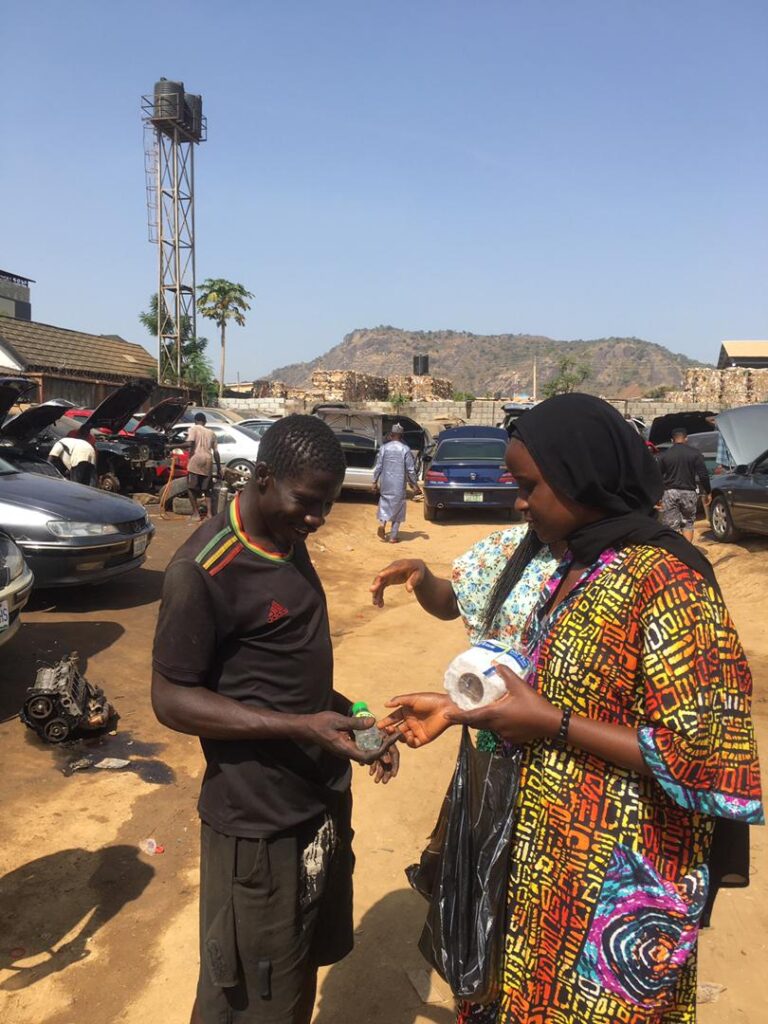
Today, as the world commemorates World Toilet Day, the Centre for Family Health Initiative (CFHI) joined the global movement to emphasize that safe sanitation is a human right and a critical component of public health. This year’s focus reinforces the message that toilets, hygiene, and sanitation systems are essential for human dignity, disease prevention, and healthier communities.
In Abuja, CFHI carried out a targeted sensitization outreach engaging men on the importance of personal hygiene and proper toilet maintenance. Recognizing the influential role men play in shaping hygiene practices at home and in public spaces, the session provided clear guidance on essential habits such as regular handwashing, responsible toilet use, and sustaining cleanliness in shared environments. To further support these practices, CFHI also distributed toilet hygiene items including disinfectants, soap, and cleaning materials to encourage immediate action and reinforce the lessons shared during the engagement.
The sensitization highlighted the health risks linked to poor toilet hygiene, including diarrhoeal diseases, cholera, parasitic infections, and antimicrobial resistance conditions that continue to affect millions across communities with limited sanitation awareness. By embracing consistent hygiene routines, men can significantly reduce these risks, protect their households, and contribute to broader public health improvement.
Participants were encouraged to take ownership of sanitation spaces within their homes and workplaces. Practical demonstrations were provided on effective toilet maintenance techniques such as routine cleaning, proper waste disposal, ensuring good ventilation, and addressing minor infrastructural issues before they escalate.
Strengthening these practices improves well-being, boosts productivity, and contributes to achieving Sustainable Development Goal 6: clean water and sanitation for all.