
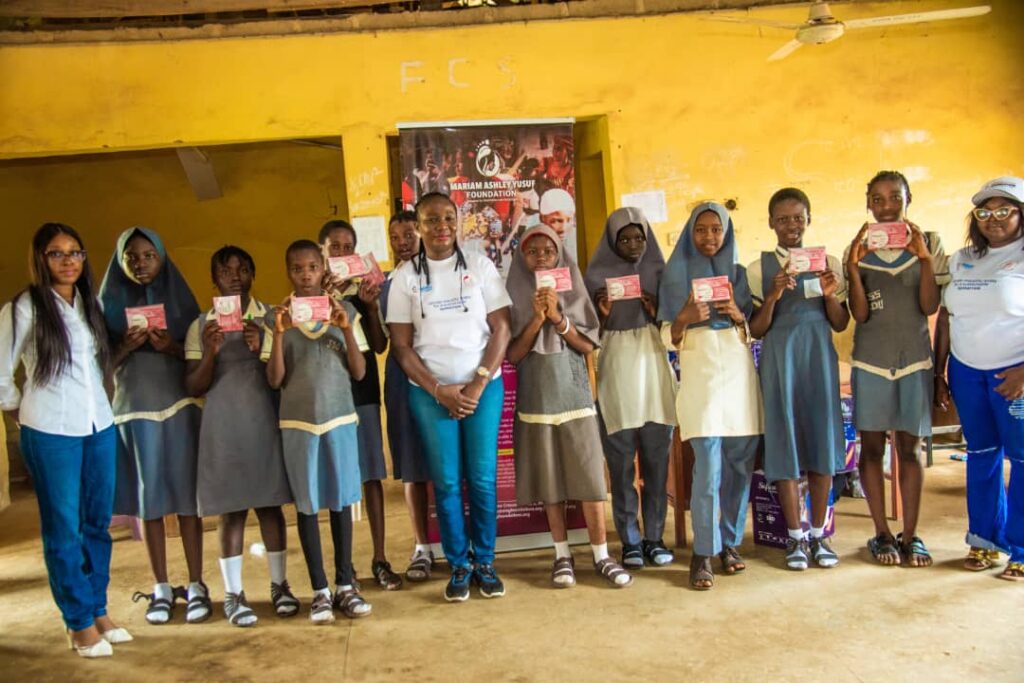
In commemoration of the 2026 edition of Menstrual Hygiene Management Day, the Centre for Family Health Initiative (CFHI), in collaboration with the May Ashley Yusuf Foundation, organized a menstrual health sensitization and outreach activity at Government Secondary School (GSS) Idu-Koro aimed at promoting menstrual hygiene awareness, education, and dignity among adolescent girls.
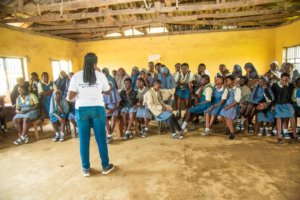
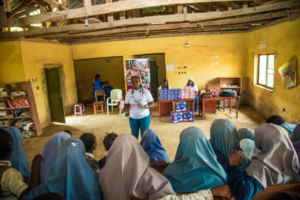
The event served as a platform to educate students on menstrual hygiene management through interactive health education sessions focused on menstrual health, hygiene practices, and the importance of breaking harmful myths and misconceptions surrounding menstruation. During the session, facilitators engaged the students in discussions on myths and facts about menstruation, helping them understand menstruation as a normal biological process while correcting misinformation that often fuels stigma, shame, and poor menstrual practices.
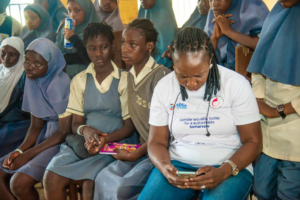
As part of the intervention, sanitary pads were distributed to female students to support menstrual dignity and ensure that lack of access to menstrual products does not hinder girls’ confidence, health, or school attendance.
Speaking on the significance of the commemoration, CFHI stated that commemorating Menstrual Hygiene Management Day presents an opportunity to strengthen awareness, improve access to menstrual health education, provide practical support, and empower girls with the knowledge and confidence to manage menstruation safely and with dignity.
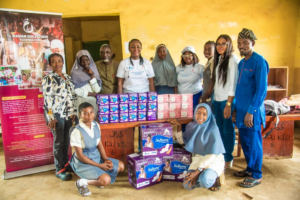
The collaboration between CFHI and the May Ashley Yusuf Foundation reflects a shared commitment and joint effort to sensitize adolescent girls on menstrual hygiene management, eliminate stigma, and create safe spaces for open conversations around menstruation. Through partnerships such as this, both organizations continue to advocate for menstrual health education, access to menstrual products, and increased awareness to ensure that no girl is left behind due to menstruation.
The activity aligns with the global observance of Menstrual Hygiene Management Day marked annually on May 28, reinforcing the importance of awareness, education, and access to menstrual health resources for girls and young women in schools and communities.