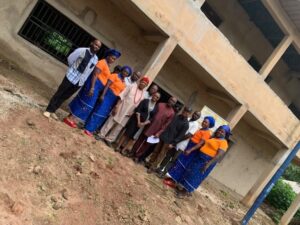
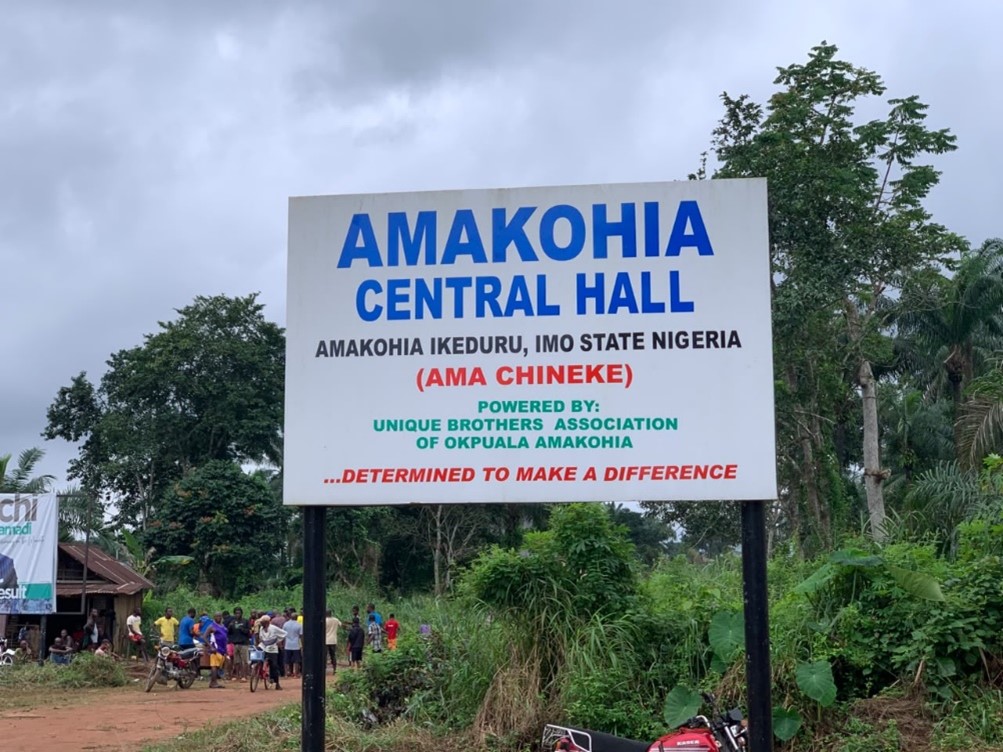
Community leaders and key stakeholders in Amakohia, Ikeduru Local Government Area of Imo State, have renewed their commitment to protecting girls from Female Genital Mutilation (FGM) and strengthening community accountability against harmful practices.
The commitment was secured during an advocacy visit led by the Centre for Family Health Initiative (CFHI) under the PROTECT HER Project, with support from Global Affairs Canada, ActionAid Nigeria, and the Renewed Women’s Voice and Leadership (RWVL) Project. CFHI appreciates the support and partnership of these funders in advancing community accountability, protecting girls’ rights, and promoting the elimination of FGM in Imo State.
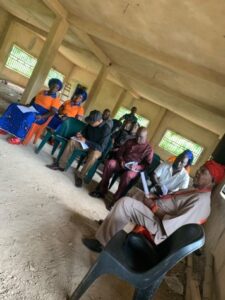
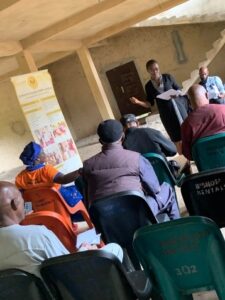
The advocacy visit focused on strengthening community PROTECT HER Project Promoting Rights, Opportunities, and Transformative Engagement for Community Accountability and the Elimination of Harmful Practices. The engagement, held at Amakohia Central Hall, brought together eight stakeholders representing the traditional institution, community leadership, women, youth, religious groups, security structures structures and securing the commitment of duty bearers to prevent FGM, protect girls’ rights and promote sexual and reproductive health and rights (SRHR).
According to data cited during the engagement, Imo State has a high burden of FGM, with a reported prevalence of 38% among women aged 15–49, underscoring the need for stronger community action to prevent the practice and protect girls from its harmful consequences.
During the meeting, the PROTECT HER Project Manager highlighted the health, social and legal implications of FGM and connected efforts to end the practice with Sustainable Development Goal 5.3, which calls for the elimination of harmful practices, including FGM.
A major highlight of the engagement was the commitment from the traditional institution. HRH Eze Dr. Umunnakwe Alaribe, Traditional Ruler of Amakohia Autonomous Community, emphasized the responsibility of culture and community leadership to protect girls, stating:
“Our culture must protect our girls, not harm them. From today, anyone who practices FGM in this community will face the palace and the law.”
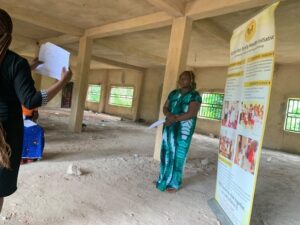
The declaration signals a stronger role for traditional leadership in preventing FGM and supporting community-level accountability. Other stakeholders also participated in discussions on strengthening existing protection mechanisms through the palace, women’s groups, youth structures, religious institutions, and health services.
The engagement further provided an opportunity to discuss the next steps toward the inauguration and monitoring of a Community Protection Committee (CPC), which will support sustained community action, prevention, and response to FGM.
The advocacy visit reflects the growing importance of community ownership in ending harmful practices. While laws and policies provide an essential framework, lasting change requires communities, traditional leaders, young people, women, religious leaders, health workers and other duty bearers to work together to protect girls and uphold their rights.
The Amakohia engagement marks an important step toward building stronger community-led mechanisms for FGM prevention in Ikeduru LGA and contributing to the broader effort to eliminate FGM in Imo State and Nigeria.