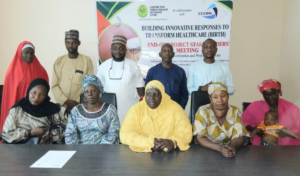
As the BIRTH Project approached its conclusion, the Centre for Family Health Initiative (CFHI) convened Stakeholders’ Close-out Meetings in Adamawa and Zamfara States in October 2026 to present the project’s achievements, share implementation experiences and lessons learned, and strengthen plans for sustaining the interventions beyond the project period.
The meetings were led by CFHI’s Executive Director, Engr. Krystal Anyanwu, who presented the project’s achievements and facilitated discussions on sustainability, government ownership and opportunities for future scale-up. They brought together representatives of state health institutions, implementing partners, supported health facilities and community stakeholders. Discussions focused on the continued utilisation and maintenance of project-supported technologies, capacity development for health workers, routine service reporting and the sustainability of community-based interventions.
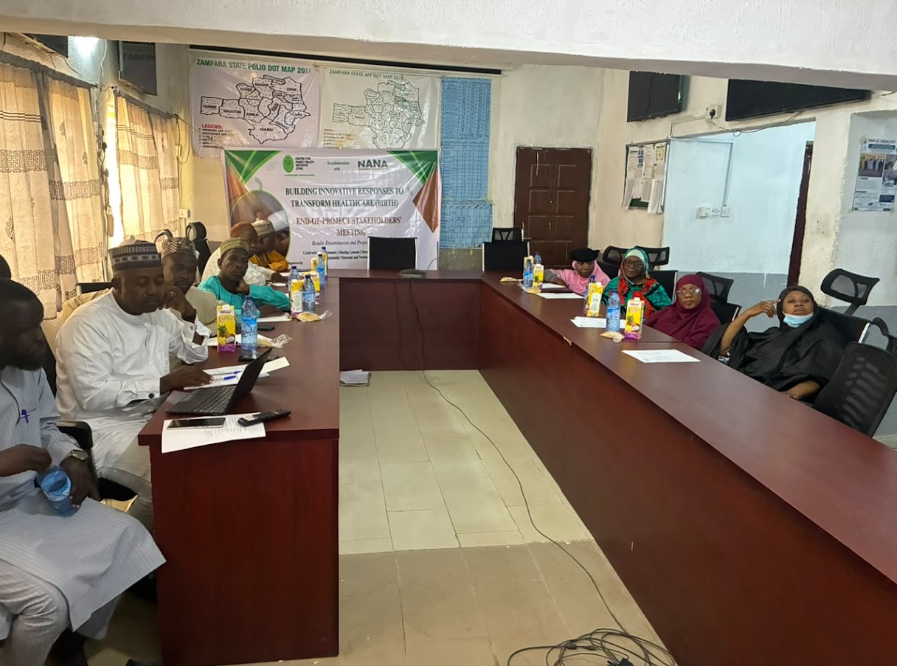
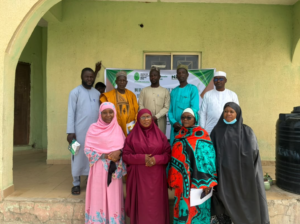
Held on 22 October 2026, the Zamfara State meeting brought together 18 stakeholders, including the Executive Secretary of the State Primary Health Care Board, representatives of supported health facilities and community stakeholders from Gusau and Bungudu LGAs.
A key outcome was the Zamfara State Primary Health Care Board’s commitment to oversee the continued utilisation, protection, and maintenance of the AI-enabled portable handheld ultrasound device at WCWC PHC and the Solar-Powered Birth Suitcase at Shagari PHC, in collaboration with facility management teams.
Stakeholders also identified refresher training for health workers, routine documentation of equipment utilisation and maternal and child health services through approved facility registers and DHIS2, and integrating community nutrition education into existing state and facility structures as key sustainability priorities. The project’s nutrition model also received stakeholders’ endorsement for continuation.
Looking ahead, the State Primary Health Care Board pledged institutional, administrative and technical support from the State Government to facilitate the proposed scale-up phase. The Director of Community Health Services commended the Principal Investigator and her team for their oversight and support throughout implementation, while expressing optimism about sustaining and expanding the BIRTH innovations across the State.
The Adamawa State meeting, held on 27 October 2026, attracted 15 participants from the State Ministry of Health, Adamawa State Primary Health Care Development Agency (ADSPHCDA), Adamawa State Health Research Ethics Committee, local government health authorities, implementing partners, community women leaders, Ward Development Committee chairpersons, facility managers and project personnel.
Stakeholders acknowledged the project’s contributions to improving antenatal care attendance, facility-based deliveries and community engagement. They also highlighted the importance of continued capacity development, particularly refresher training to strengthen health workers’ confidence and skills in using the handheld ultrasound device.
Discussions also explored the future of the project’s maternal health technologies. Following the relocation of the Solar-Powered Birth Suitcase from Rumde PHCC to Nassarawo PHCC during renovation works, stakeholders requested that the unit remain at Nassarawo, while additional units be considered for Rumde and other facilities with significant maternal health needs. The Executive Secretary for Health, Yola North, also advocated for an extension of the project and the provision of additional equipment to expand access to maternal health technologies.
On sustainability, stakeholders agreed that ADSPHCDA would oversee the continued utilisation and maintenance of the project-supported ultrasound device and Solar-Powered Birth Suitcases.
They also explored opportunities to incorporate equipment maintenance and health worker training into annual operational plans and budgets, including through the Basic Health Care Provision Fund (BHCPF), facility work plans and business plans.
A significant outcome was ADSPHCDA’s commitment to provide the institutional, administrative, and technical support required to facilitate the proposed scale-up phase.
Across both states, the close-out meetings reinforced the importance of government ownership and institutional commitment in sustaining maternal and newborn health innovations beyond donor-supported project cycles.
Both States pledged institutional, administrative and technical support for the proposed scale-up phase.
The commitments emerging from the meetings provide an important foundation for continued engagement with government institutions and health facility stakeholders to sustain the BIRTH interventions and explore opportunities to extend their reach to more communities and health facilities.