Centre for Family Health Initiative

Strengthening Innovation Partnerships: CFHI Meets Honourable Minister with Grand Challenges Nigeria

CFHI was honoured to join Grand Challenges Nigeria and fellow innovators on a courtesy visit to the Honourable Minister of the Federal Ministry of Innovation, Science and Technology.

As a grantee under GCNg’s inaugural request for proposals themed “Advancing Innovative Solutions for Maternal, Newborn, and Child Health,” CFHI is implementing the BIRTH Project in Zamfara and Adamawa States. The project addresses Nigeria’s high maternal and neonatal mortality rates by strengthening emergency obstetric services, expanding access to skilled birth attendants, deploying life-saving technologies, and building sustainable local capacity.

The BIRTH Project aligns with Nigeria’s broader national efforts, including the Maternal and Neonatal Mortality Reduction Innovation Initiative (MAMII), to accelerate reductions in maternal and newborn deaths through innovative, locally driven solutions.

We were pleased to engage alongside the Permanent Secretary, Ministry Directors, and representatives from the Nutrition Society of Nigeria, the Federal Ministry of Health and the Federal Ministry of Agriculture, reflecting the multisectoral collaboration required to sustainably reduce MNCH mortality.

At CFHI, we remain committed to ensuring innovation reaches the last mile, where mothers and newborns need it most.

Strengthening Innovation Partnerships: CFHI Meets Honourable Minister with Grand Challenges Nigeria Read More »

Promoting Maternal Nutrition Through Food Demonstration at Adamawa PHC


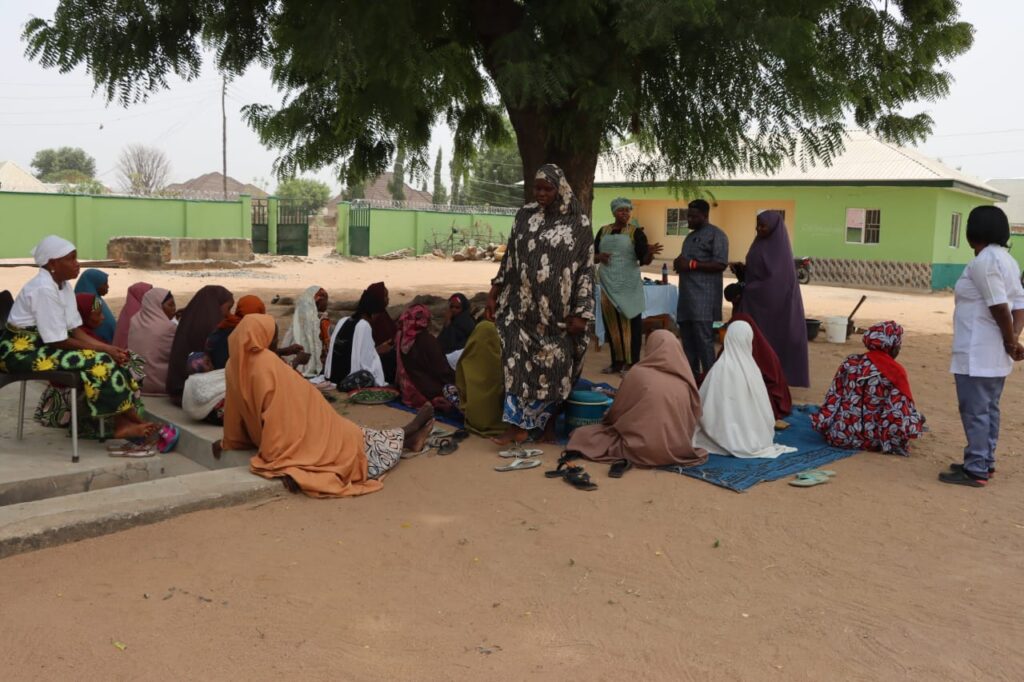
A comprehensive food demonstration session was conducted at Girei A Primary Health Care Centre, targeting 13 pregnant women and 13 lactating mothers. The session was facilitated by a food security and nutrition specialist.

The session aimed to:

  1. Promote the importance of adequate and balanced nutrition for pregnant women, lactating mothers, and children.
  2. Increase knowledge of locally available, affordable, and nutritious food options.
  3. Strengthen understanding of optimal infant and young child feeding practices.
  4. Demonstrate practical, hygienic food preparation techniques.

Participants were actively engaged in discussions on how commonly available food items within the community can be combined to achieve a balanced diet and improve overall family health outcomes.

Have you ever prepared:

  1. JOLLOF RICE with LOCUST BEAN and MORINGA LEAVES?
  2. DO YOU LIKE TOM BROWN – Yes or No?

Tell us in the comment below.

Promoting Maternal Nutrition Through Food Demonstration at Adamawa PHC Read More »

CFHI Leads GBV Awareness Outreach at King Fahad Hospital to Mark 16 Days of Activism

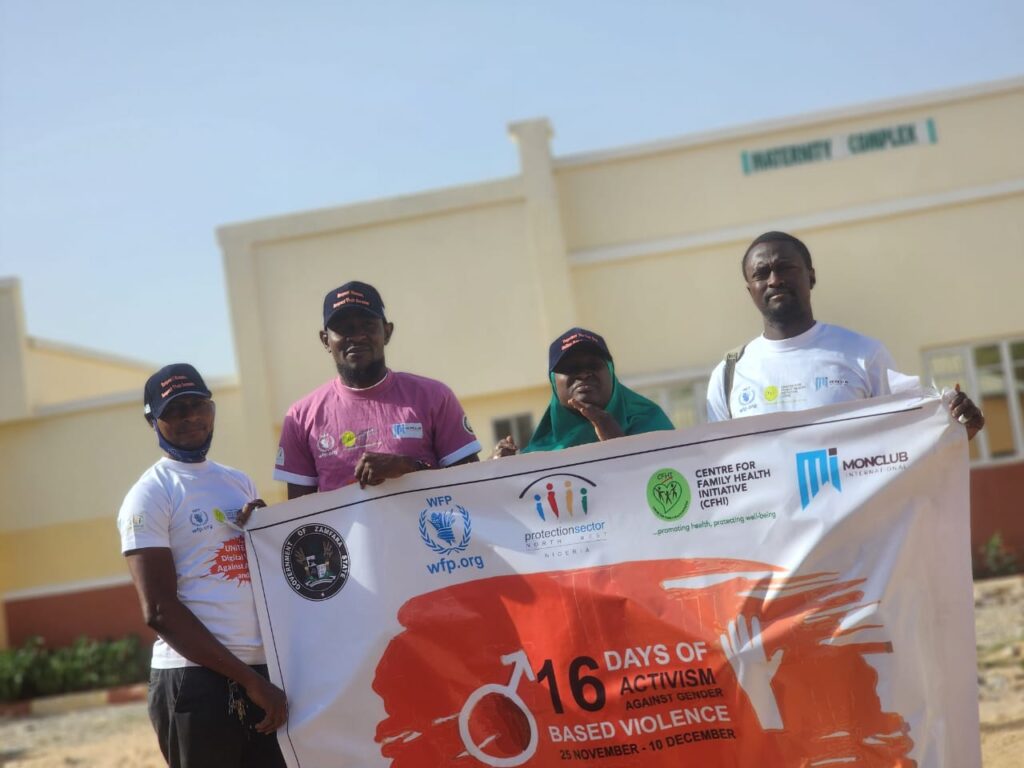
As part of activities commemorating the 2025 16 Days of Activism Against Gender-Based Violence, the Centre for Family Health Initiative (CFHI) in collaboration with MonClub International conducted a targeted GBV awareness and sensitization outreach at King Fahad Hospital in Gusau, Zamfara State. The session which held during the facility’s Antenatal Clinic (ANC) day, formed part of CFHI’s intensified advocacy to reduce violence against women and girls and strengthen community-level prevention systems within maternal health settings.

More than 120 pregnant women and caregivers in attendance received comprehensive enlightenment on the various forms of GBV including domestic violence, emotional abuse, harmful traditional practices, and sexual abuse. Facilitators also emphasized key prevention approaches, early disclosure, available medical and psychosocial support systems, and safe channels for reporting cases. Questions raised by attendees were addressed to promote improved knowledge, confidence, and help-seeking behavior.

Stakeholders present at the outreach included CFHI and MonClub International staff, ANC matrons, facility health workers, and a UNICEF supervision team. During the sensitization, attendees were educated on the impact of gender-based violence on maternal health, emotional wellbeing, and household stability, and further enlightened on its wider social and economic repercussions. Their participation reinforced collaborative support for survivor-centered response mechanisms and validated the effectiveness of the outreach on facility-based clients.

Facility staff expressed appreciation, noting that GBV remains an underlying barrier to maternal health outcomes, and that continuous sensitization helps improve disclosure and access to services.

The outreach was successfully executed and well-received by both participants and the facility leadership, who commended CFHI’s timely engagement during the global campaign period. CFHI reaffirmed its commitment to advancing stronger advocacy, providing information, enhancing survivor referral pathways, and working with institutional partners to scale GBV prevention initiatives across Zamfara State

CFHI Leads GBV Awareness Outreach at King Fahad Hospital to Mark 16 Days of Activism Read More »

Solar Birth Kit Installed at Shagari PHC to Improve Maternal Care Services

In a strategic move aimed at strengthening maternal healthcare delivery in Zamfara State, Grand Challenges Nigeria in partnership with the Centre for Family Health Initiative (CFHI), installed a Solar Birth Kit at the Shagari Primary Health Centre (PHC) in Gusau Local Government Area on Tuesday, November 25, 2025. The initiative is expected to significantly improve safe childbirth, lighting, and emergency response services at the facility, which serves several communities within the LGA.

Installation activities commenced at approximately 1:00 p.m. following the arrival of installation equipment and technical personnel from Kebbi State. The process, which lasted about four hours, included mounting solar panels and the internal lighting system, followed by operational testing. The kit provides reliable lighting and power sources required for deliveries conducted at night, vaccine storage, and essential medical procedures critical needs in facilities where electricity supply remains unstable.

Following the installation, engineers led a practical training session for CFHI field officers and health workers at Shagari PHC. The training focused on safe usage, battery maintenance, troubleshooting, and documentation of power output for service records. This capacity building effort is expected to enhance sustainability and ensure that healthcare workers maximize the support offered by the Solar Birth Kit.

The equipment was formally handed over to the Officer-in-Charge of the facility and representatives of the host community, symbolizing joint ownership and accountability. Traditional leaders expressed appreciation for the intervention, noting that improved lighting and equipment support will benefit pregnant women, particularly during night-time emergencies.

Although installation began behind schedule due to delayed arrival of equipment resulting in health workers waiting several hours beyond their duty time the activity was fully completed by 5:12 p.m. The successful deployment of the Solar Birth Kit stands as a notable milestone toward ensuring safer maternal care in underserved areas. CFHI urged government agencies and development partners to prioritise infrastructural upgrades at PHCs to complement such projects and guarantee quality healthcare delivery for women and children across the state.

Solar Birth Kit Installed at Shagari PHC to Improve Maternal Care Services Read More »

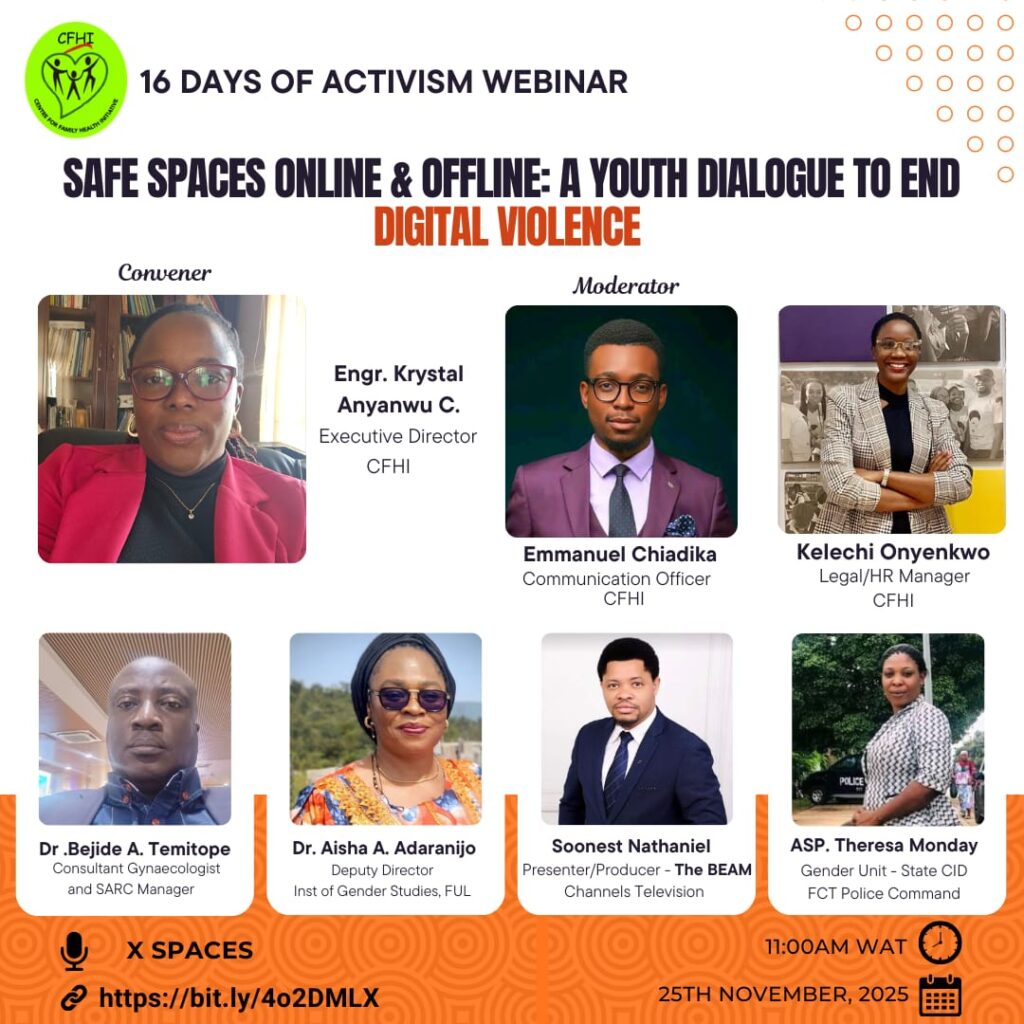
16 DAYS OF ACTIVISM WEBINAR

The 16 Days of Activism against Gender-Based Violence serves as a crucial reminder that the fight for safety is no longer confined to the physical world. For today’s youth, the lines between online and offline spaces are virtually non-existent, making digital violence a terrifying, ever-present threat. From cyber-harassment and doxing to the non-consensual sharing of intimate images, the consequences of this virtual aggression are acutely real, impacting mental health, educational opportunities, and future prospects. We cannot talk about empowering young people without addressing the toxicity that permeates the very platforms they use for connection and education.

This is why we need to move the discussion from just individual awareness to collective systemic change. The current approach often places the burden of protection entirely on the victim, telling them to ‘log off,’ ‘block,’ or ‘ignore.’ But the root of the problem is a culture of entitlement, misogyny, and power imbalance that thrives in the anonymity of the internet. Our upcoming webinar, is built on the belief that those who live this reality the youth themselves must lead the charge in defining the solutions. This is not another lecture; it is an active forum for sharing strategies, demanding accountability from platforms, and shaping policy.

To truly end digital violence, we must recognize that the actions taken online are merely reflections of the attitudes held offline. Building safer online communities requires us to simultaneously cultivate respectful, equitable relationships in our schools, homes, and public spaces. By bringing together young leaders, activists, tech experts, and policymakers, we will explore practical, multi-pronged strategies: from digital literacy that teaches consent and empathy, to legislative frameworks that hold abusers and enablers accountable. Our dialogue aims to forge a united front that ensures freedom of expression does not come at the cost of personal safety.

Your voice is the missing piece of this urgent conversation. Join us for this critical dialogue during the International Day for the Elimination of Violence against Women and Girls to move beyond awareness and into action. Let’s co-create a future where every young person can navigate the digital world and the physical world with confidence, respect, and zero fear. Digital spaces must be the engines of opportunity, not the trenches of abuse. Register now to secure your spot and become part of the solution to end digital violence once and for all.

16 DAYS OF ACTIVISM WEBINAR Read More »

World Toilet Day: Promoting Hygiene, Dignity, and Wellness in our Community

 Today, as the world commemorates World Toilet Day, the Centre for Family Health Initiative (CFHI) joined the global movement to emphasize that safe sanitation is a human right and a critical component of public health. This year’s focus reinforces the message that toilets, hygiene, and sanitation systems are essential for human dignity, disease prevention, and healthier communities.

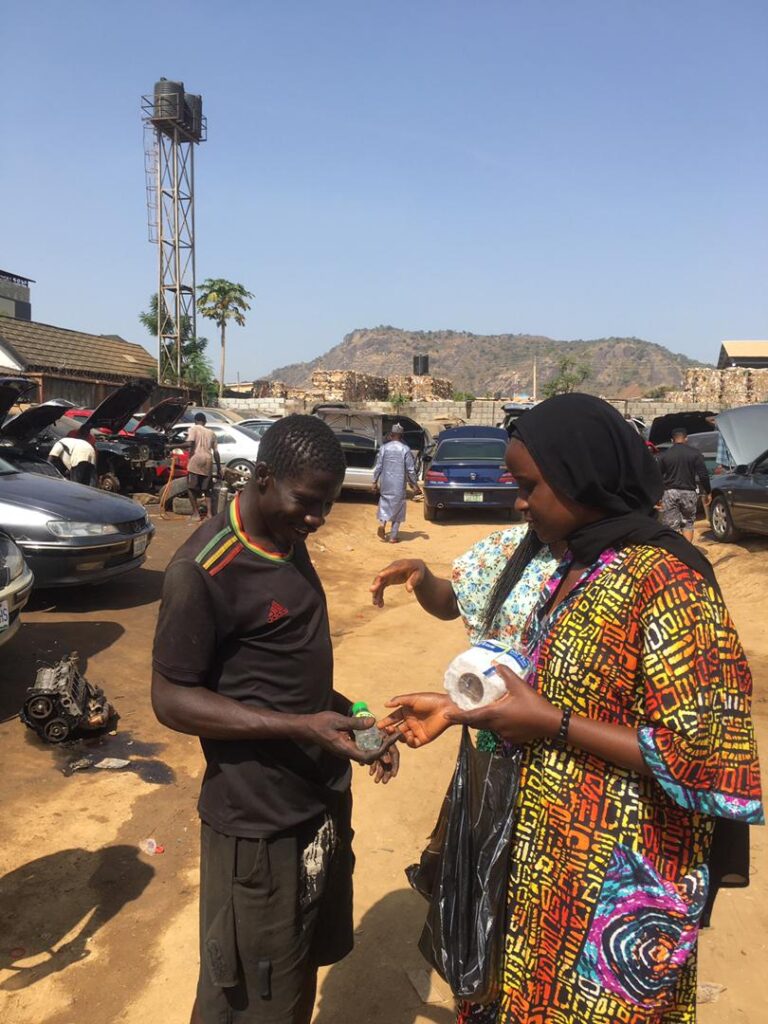
In Abuja, CFHI carried out a targeted sensitization outreach engaging men on the importance of personal hygiene and proper toilet maintenance. Recognizing the influential role men play in shaping hygiene practices at home and in public spaces, the session provided clear guidance on essential habits such as regular handwashing, responsible toilet use, and sustaining cleanliness in shared environments. To further support these practices, CFHI also distributed toilet hygiene items including disinfectants, soap, and cleaning materials to encourage immediate action and reinforce the lessons shared during the engagement.

The sensitization highlighted the health risks linked to poor toilet hygiene, including diarrhoeal diseases, cholera, parasitic infections, and antimicrobial resistance conditions that continue to affect millions across communities with limited sanitation awareness. By embracing consistent hygiene routines, men can significantly reduce these risks, protect their households, and contribute to broader public health improvement.

Participants were encouraged to take ownership of sanitation spaces within their homes and workplaces. Practical demonstrations were provided on effective toilet maintenance techniques such as routine cleaning, proper waste disposal, ensuring good ventilation, and addressing minor infrastructural issues before they escalate.

Strengthening these practices improves well-being, boosts productivity, and contributes to achieving Sustainable Development Goal 6: clean water and sanitation for all.


World Toilet Day: Promoting Hygiene, Dignity, and Wellness in our Community Read More »

Men’s Health Matters

Good health is the foundation of a fulfilling life, and for men, taking care of one’s physical, mental, and emotional wellbeing is more important than ever. Men who prioritize their health are better able to meet the demands of daily life, care for their families, pursue their professional goals, and contribute positively to their communities.

The benefits of maintaining good health for men are multi-dimensional. Physically, engaging in regular exercise, eating a balanced diet, and undergoing routine medical check-ups help prevent chronic diseases such as hypertension, heart disease, diabetes, and obesity. Preventive healthcare, including screenings for conditions like prostate cancer, testicular cancer, and cholesterol management, allows men to detect potential health problems early, leading to more effective treatments and better outcomes. Adequate physical health also supports stamina, energy levels, and mobility, enabling men to participate fully in family life, work, and social activities.

Mental and emotional health is equally crucial. Men often face societal expectations to be strong, stoic, and self-reliant, which can lead to unaddressed stress, anxiety, depression, and other mental health challenges. Prioritizing mental health through stress management techniques, open communication, counselling, or therapy not only reduces the risk of mental illness but also improves decision-making, emotional regulation, and overall life satisfaction. When men take care of their mental wellbeing, they are better equipped to nurture relationships, mentor younger generations, and handle challenges with resilience and clarity.

Good health also supports healthy relationships and social engagement. Men who manage their physical and mental wellbeing are more likely to be present, attentive, and supportive in their roles as fathers, partners, friends, and community members. They serve as role models, demonstrating the importance of self-care, responsible decision-making, and balance. Additionally, healthy men are more productive and focused, contributing positively to workplaces and society at large. The ripple effects of good health extend far beyond the individual, benefiting families, communities, and future generations.

Diet, sleep, and lifestyle choices play critical roles in overall health. Consuming nutrient-rich foods, staying hydrated, avoiding harmful substances such as tobacco and excessive alcohol, and ensuring adequate rest are all essential components of a healthy life. These practices not only prevent disease but also enhance cognitive function, emotional stability, and long-term wellbeing. Creating environments of calm and balance, even amidst stressful circumstances, helps men maintain clarity and peace of mind, reducing the risk of burnout and chronic stress-related conditions.

Maintaining optimal health not only enhances longevity but also improves quality of life, productivity, relationships, and overall life satisfaction. Health is, in essence, a source of strength, resilience, and empowerment.

Happy International Men’s Day!!

Learn more and collaborate with us at: info@cfhinitiative.org

 

Men’s Health Matters Read More »

Safe Sanitation, Healthy Lives

Safe sanitation is more than a basic service it is a foundation for public health, human dignity, and community development. Across the world, millions still lack access to functional toilets, clean water, and proper waste-management systems, exposing them to infections, unsafe environments, and preventable health risks. According to the World Health Organization, over 3.5 billion people live without safe sanitation, leaving communities vulnerable to disease outbreaks and environmental contamination (1). When sanitation is unsafe, the impact is felt not only in individual households but across entire societies, ultimately affecting economic productivity, education, and the wellbeing of future generations.

Unsafe sanitation often arises from a mix of structural and social challenges. In many communities, poor investment in sanitation infrastructure means people rely on broken toilets, shared facilities, or open defecation. Rapid urban growth creates overcrowded spaces where waste systems cannot keep up, and poverty prevents families from constructing or maintaining hygienic toilets. In some locations, environmental factors like recurring floods and blocked drainage systems worsen sanitation conditions, generating stagnant pools of wastewater that become breeding grounds for disease. Cultural norms and limited hygiene education also play a major role; in places where sanitation is not recognized as a health priority, unsafe practices continue unchecked, reinforcing a cycle of risk (2).

The health consequences of unsafe sanitation are far-reaching and deeply concerning. Contaminated water and soil become pathways for diseases such as cholera, typhoid, dysentery, and hepatitis A, which remain leading causes of sickness and death in areas with poor hygiene (3). Children bear the greatest burden, as repeated diarrhoeal infections weaken their immune systems and lead to malnutrition, stunted growth, and reduced school performance. For women and girls, the risks extend even further. When toilets are distant, unsafe, or lack privacy, they become vulnerable to harassment and gender-based violence. Many women avoid defecating during the day due to shame or lack of privacy, causing health complications and discomfort that could easily be prevented with safe sanitary facilities (4).

Solving sanitation challenges requires a coordinated effort across communities, governments, and health organizations. Expanding access to improved toilets, investing in sewage and wastewater systems, and maintaining clean public facilities are critical steps toward ensuring healthier environments. Communities also benefit greatly from hygiene education that empowers families with the knowledge and motivation to adopt safe habits such as proper waste disposal, regular toilet cleaning, and handwashing with soap. It is equally important to integrate gender-sensitive sanitation designs that ensure privacy, safety, and accessibility for women, children, and persons living with disabilities. When these elements are prioritized, the ripple effect is powerful healthier households, safer schools, cleaner communities, and reduced disease transmission.

CFHI champions safe sanitation by ensuring communities have both the knowledge and the means to practice healthy hygiene. While our school health clubs, community programs, and advocacy campaigns educate families and highlight the vital link between sanitation and human dignity, we also lay the physical foundation for change. CFHI directly builds and renovates WASH facilities in schools, creating the essential infrastructure that allows education to translate into action. By uniting practical construction with sustained awareness, we empower communities and shape healthier environments where every individual can thrive.

A healthy society begins with clean surroundings, safe toilets, and informed communities. Today, let us reaffirm our commitment to safe sanitation because protecting our environment means protecting our lives. We encourage everyone to maintain hygienic toilets, practice proper waste disposal, wash hands regularly, report damaged sanitation systems, and advocate for better WASH facilities in schools, homes, and public spaces. Safe sanitation is not just a necessity; it is a shared responsibility, and together, we can create healthier and safer communities for all. Learn more or collaborate with us at: info@cfhinitiative.org

References

  1. World Health Organization. Sanitation [Internet]. 2024. Available from: https://www.who.int/news-room/fact-sheets/detail/sanitation
  2. UNICEF. State of the World’s Sanitation Report [Internet]. 2022. Available from: https://www.unicef.org/reports/state-worlds-sanitation-2022
  3. Centers for Disease Control and Prevention. Global WASH Fast Facts [Internet]. 2023. Available from: https://www.cdc.gov/healthywater/global/wash_statistics.html
  4. UN Women. Gender and WASH: Addressing inequalities [Internet]. 2023. Available from: https://www.unwomen.org/en/what-we-do/ending-violence-against-women/facts-and-figures


Safe Sanitation, Healthy Lives Read More »

CFHI Conducts First FGDs and KIIs Under the BIRTH Project in Adamawa and Zamfara

As part of its Quarter 1 implementation activities, the Centre for Family Health Initiative (CFHI) successfully conducted its first Focus Group Discussions (FGDs) and Key Informant Interviews (KIIs) in selected communities across Adamawa and Zamfara States under the BIRTH Project.

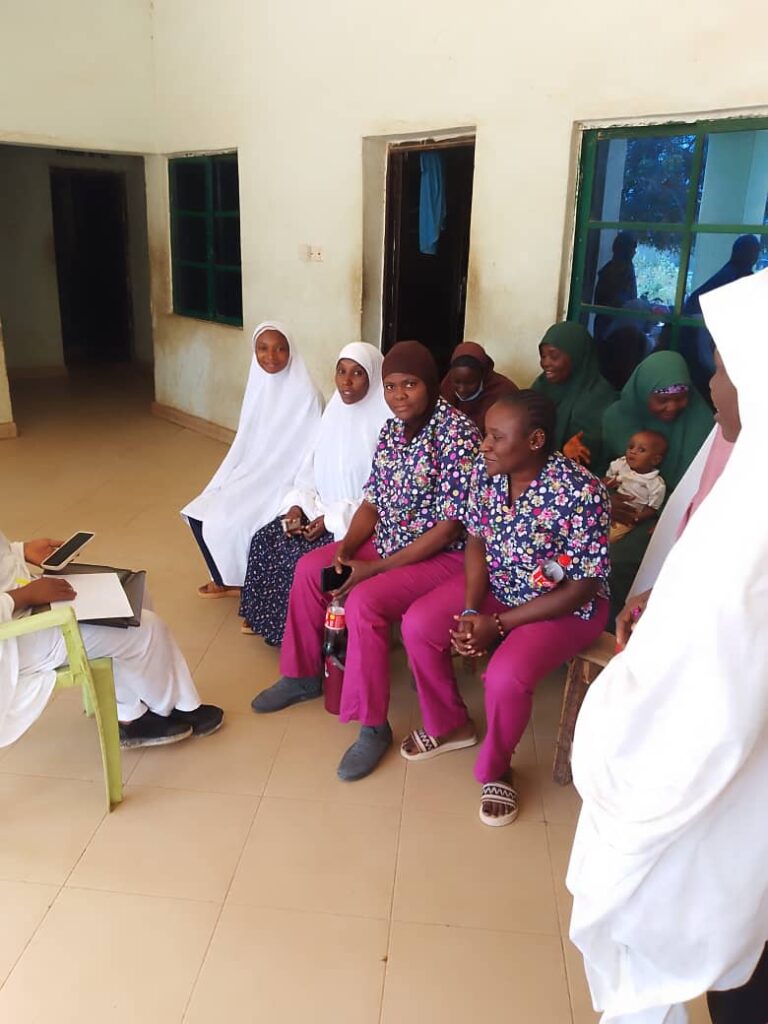
The engagements brought together pregnant women, nursing mothers, community leaders, and key stakeholders to better understand the realities surrounding maternal and newborn health at community and facility levels.

Why This Matter

FGDs and KIIs are critical in ensuring that interventions are community-driven and evidence-based. By listening directly to women and local stakeholders, CFHI is able to identify context-specific barriers, strengthen community ownership, and design responsive strategies that address real challenges.

Key Insights from the Engagements

Discussions across both states revealed:

  • Continued transportation and emergency referral gaps affecting timely access to health facilities
  • Persistent reliance on home births due to cost, accessibility, and trust factors
  • Nutrition misconceptions influencing maternal and infant feeding practices
  • Economic vulnerability limiting women’s ability to seek timely care
  • The need for stronger male involvement and improved health worker-community relationships

Community leaders and stakeholders emphasized the importance of structured emergency transport systems, improved facility readiness, and economic empowerment initiatives to support maternal and newborn health outcomes.

The findings from these Quarter 1 consultations will directly inform the next phase of the BIRTH Project. CFHI remains committed to strengthening health systems, promoting safe deliveries, enhancing nutrition awareness, and empowering women to improve maternal and newborn survival in Adamawa and Zamfara States.

By listening first, we are building interventions that truly respond to community needs ensuring safer pregnancies, healthier newborns, and stronger communities.

CFHI Conducts First FGDs and KIIs Under the BIRTH Project in Adamawa and Zamfara Read More »