“My name is Zara, and I’m a 12-year-old girl from Kogi. Like many kids in my community, I had to start working hawking when I was very young. Instead of going to school and having fun with my friends, I walked around busy streets all day, selling things to help my family survive.
I would start very early in the morning and continue until it was dark outside. I had to go through crowded marketplaces, enduring the hot sun and heavy traffic. Each day felt like a race against time, and I often felt very tired. But the physical challenges weren’t the only problems I faced; I was always scared of people treating me badly or harassing me.” ~ Zara
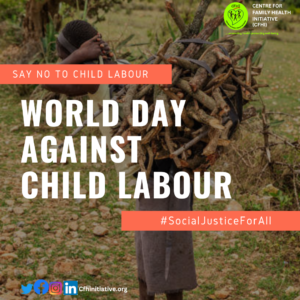
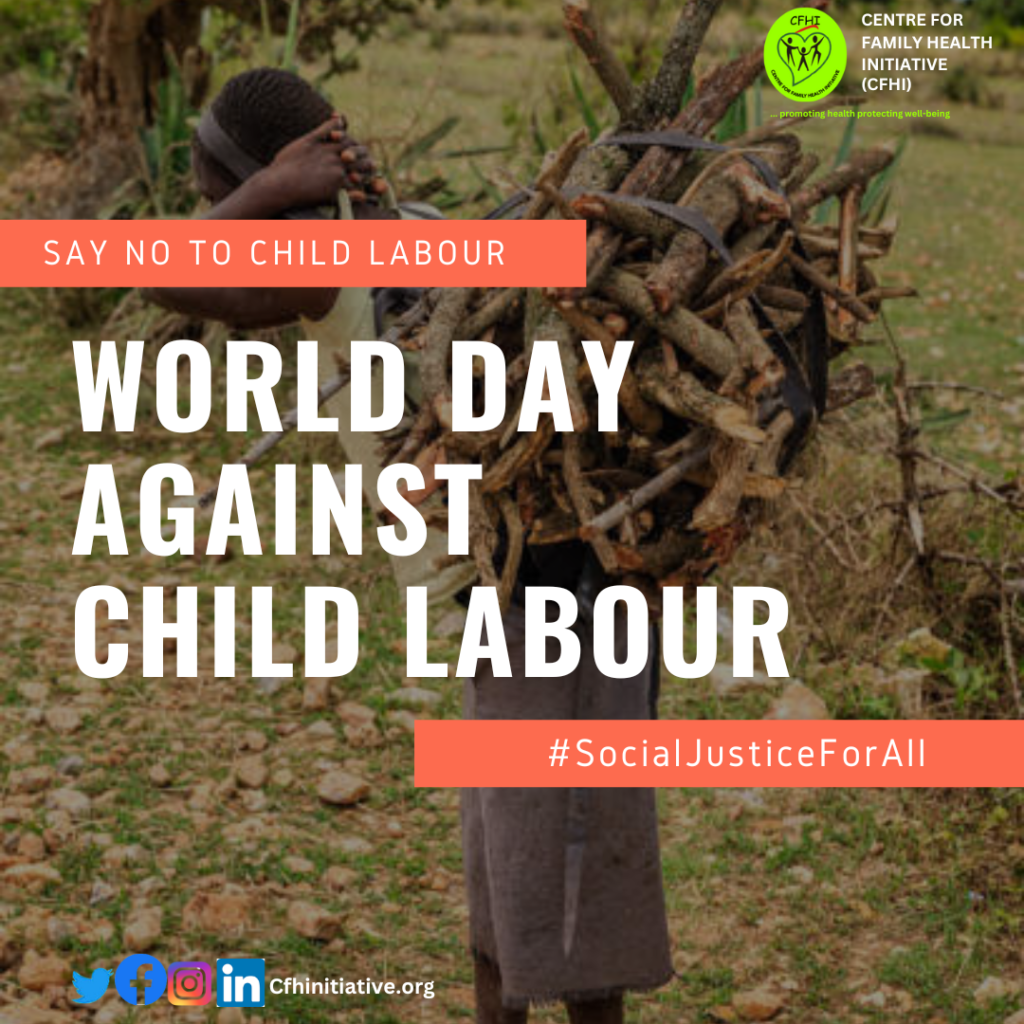
Zara’s story is unfortunately not unique. According to the International Labour Organization, there are approximately 152 million children engaged in child labour worldwide, and Nigeria is one of the countries significantly affected by this issue.
The United Nations Convention on the Rights of the Child (CRC) defines child labour as any work that is mentally, physically, socially, or morally harmful to children and deprives them of their rights, potential, and dignity. It stresses the importance of providing children with access to education, healthcare, and protection from exploitation.
Child labour has been identified as a serious violation of children’s rights by the World Health Organization, the United Nations Children’s Fund (UNICEF), and other global organizations. Children should be safeguarded from all sorts of economic exploitation, including dangerous job and work that interferes with their education, according to Nigeria’s Child Rights Act.
Child labour has a terrible effect on children’s health, wellbeing, and development, as acknowledged by the World Health Organization and the United Nations Children’s Fund (UNICEF) for a very long time. Child labour denies children their right to an education, stunts their physical and mental development, and perpetuates a poverty cycle that traps future generations.
Children who don’t receive an education are denied the chance to escape the grip of poverty and support the growth of their communities. They are required to carry out obligations that are beyond their delicate years, rather than learning and playing. They risk developing hunger, accidents, and chronic illnesses due to long work hours, exposure to dangerous environments, and a lack of adequate healthcare.
Child Rights Act of Nigeria:
In order to fight child labour, Nigeria passed the Child Rights Act in 2003, which was created to protect children’s rights and welfare. This law is in accordance with the United Nations Convention on the Rights of the Child (CRC), a binding international treaty that outlines each child’s civil, political, economic, social, and cultural rights.
The CRC and the Child Rights Act emphasize the following key principles:
Right to Education: Every child has the right to free and compulsory education, which should be accessible, inclusive, and of high quality. Education plays a crucial role in breaking the cycle of poverty and equipping children with the skills necessary for a better future.
Protection from Exploitation: Children should be protected from all forms of exploitation, including child labour, trafficking, and harmful practices. Governments and societies must work together to create a safe environment for children to thrive.
Health and Well-being: Children have the right to enjoy the highest attainable standard of physical and mental health. They should have access to healthcare, nutrition, and safe living conditions to ensure their well-being.
Participation and Voice: Children should be able to express their opinions, be heard, and participate in matters that affect them. Their voices should be respected, and they should be involved in decision-making processes that concern their lives.
On this World Day Against Child Labour, it is critical to recognize the challenges faced by millions of children worldwide, including child hawkers like Zara. To end child labour and safeguard children’s rights as provided in the United Nations Convention on the Rights of the Child and the Child Rights Act of Nigeria, governments, civil society organizations, and individual citizens must work together.
By investing in education, implementing effective child protection policies, and promoting social and economic development, we can break the chains of child labour and create a future where every child can flourish.
On this day, as we observe the World Day Against Child Labour, CFHI stands together with the Nigerian and global community to raise awareness about the importance of ending child labour and safeguarding the rights of vulnerable children worldwide. We believe that by joining forces, we can make a significant impact and create a better future for all children, free from the shackles of child labour.