
FGM

Promoting Maternal Nutrition Through Food Demonstration at Adamawa PHC


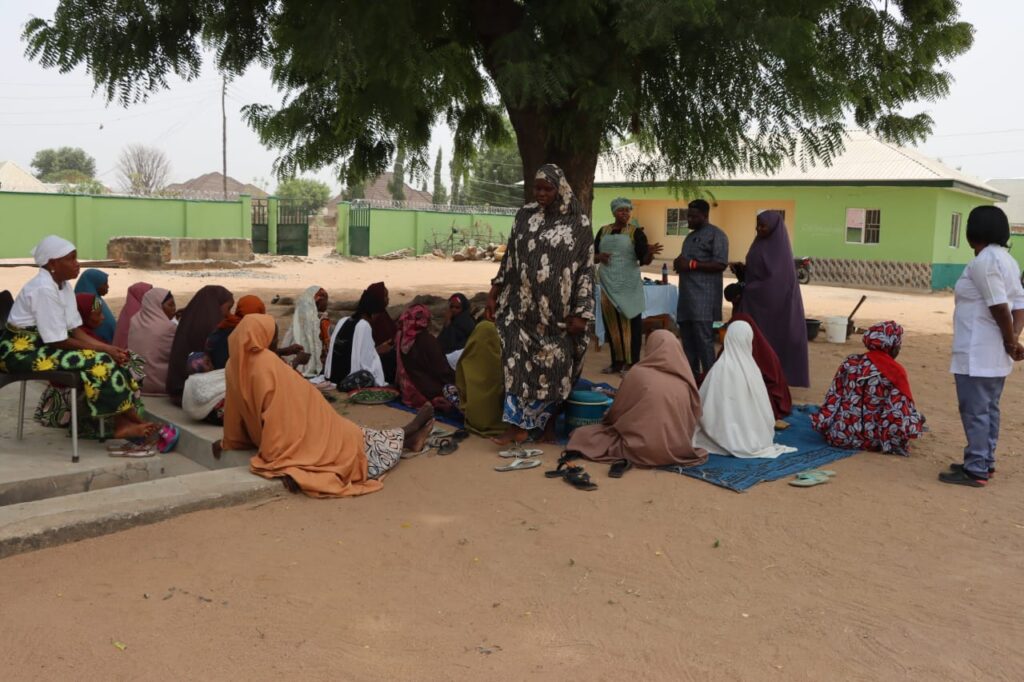
A comprehensive food demonstration session was conducted at Girei A Primary Health Care Centre, targeting 13 pregnant women and 13 lactating mothers. The session was facilitated by a food security and nutrition specialist.

The session aimed to:

  1. Promote the importance of adequate and balanced nutrition for pregnant women, lactating mothers, and children.
  2. Increase knowledge of locally available, affordable, and nutritious food options.
  3. Strengthen understanding of optimal infant and young child feeding practices.
  4. Demonstrate practical, hygienic food preparation techniques.

Participants were actively engaged in discussions on how commonly available food items within the community can be combined to achieve a balanced diet and improve overall family health outcomes.

Have you ever prepared:

  1. JOLLOF RICE with LOCUST BEAN and MORINGA LEAVES?
  2. DO YOU LIKE TOM BROWN – Yes or No?

Tell us in the comment below.

Promoting Maternal Nutrition Through Food Demonstration at Adamawa PHC Read More »
CFHI Conducts First FGDs and KIIs Under the BIRTH Project in Adamawa and Zamfara

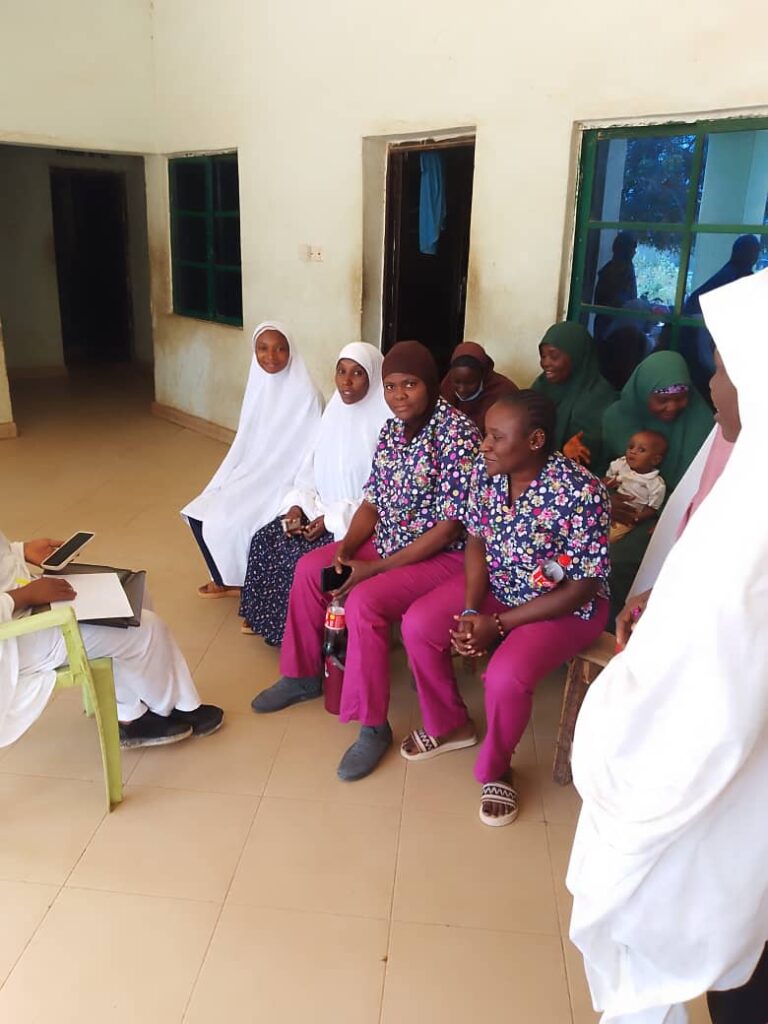
As part of its Quarter 1 implementation activities, the Centre for Family Health Initiative (CFHI) successfully conducted its first Focus Group Discussions (FGDs) and Key Informant Interviews (KIIs) in selected communities across Adamawa and Zamfara States under the BIRTH Project.

The engagements brought together pregnant women, nursing mothers, community leaders, and key stakeholders to better understand the realities surrounding maternal and newborn health at community and facility levels.

Why This Matter

FGDs and KIIs are critical in ensuring that interventions are community-driven and evidence-based. By listening directly to women and local stakeholders, CFHI is able to identify context-specific barriers, strengthen community ownership, and design responsive strategies that address real challenges.

Key Insights from the Engagements

Discussions across both states revealed:

  • Continued transportation and emergency referral gaps affecting timely access to health facilities
  • Persistent reliance on home births due to cost, accessibility, and trust factors
  • Nutrition misconceptions influencing maternal and infant feeding practices
  • Economic vulnerability limiting women’s ability to seek timely care
  • The need for stronger male involvement and improved health worker-community relationships

Community leaders and stakeholders emphasized the importance of structured emergency transport systems, improved facility readiness, and economic empowerment initiatives to support maternal and newborn health outcomes.

The findings from these Quarter 1 consultations will directly inform the next phase of the BIRTH Project. CFHI remains committed to strengthening health systems, promoting safe deliveries, enhancing nutrition awareness, and empowering women to improve maternal and newborn survival in Adamawa and Zamfara States.

By listening first, we are building interventions that truly respond to community needs ensuring safer pregnancies, healthier newborns, and stronger communities.

CFHI Conducts First FGDs and KIIs Under the BIRTH Project in Adamawa and Zamfara Read More »