Safe sanitation is more than a basic service it is a foundation for public health, human dignity, and community development. Across the world, millions still lack access to functional toilets, clean water, and proper waste-management systems, exposing them to infections, unsafe environments, and preventable health risks. According to the World Health Organization, over 3.5 billion people live without safe sanitation, leaving communities vulnerable to disease outbreaks and environmental contamination (1). When sanitation is unsafe, the impact is felt not only in individual households but across entire societies, ultimately affecting economic productivity, education, and the wellbeing of future generations.
Unsafe sanitation often arises from a mix of structural and social challenges. In many communities, poor investment in sanitation infrastructure means people rely on broken toilets, shared facilities, or open defecation. Rapid urban growth creates overcrowded spaces where waste systems cannot keep up, and poverty prevents families from constructing or maintaining hygienic toilets. In some locations, environmental factors like recurring floods and blocked drainage systems worsen sanitation conditions, generating stagnant pools of wastewater that become breeding grounds for disease. Cultural norms and limited hygiene education also play a major role; in places where sanitation is not recognized as a health priority, unsafe practices continue unchecked, reinforcing a cycle of risk (2).
The health consequences of unsafe sanitation are far-reaching and deeply concerning. Contaminated water and soil become pathways for diseases such as cholera, typhoid, dysentery, and hepatitis A, which remain leading causes of sickness and death in areas with poor hygiene (3). Children bear the greatest burden, as repeated diarrhoeal infections weaken their immune systems and lead to malnutrition, stunted growth, and reduced school performance. For women and girls, the risks extend even further. When toilets are distant, unsafe, or lack privacy, they become vulnerable to harassment and gender-based violence. Many women avoid defecating during the day due to shame or lack of privacy, causing health complications and discomfort that could easily be prevented with safe sanitary facilities (4).
Solving sanitation challenges requires a coordinated effort across communities, governments, and health organizations. Expanding access to improved toilets, investing in sewage and wastewater systems, and maintaining clean public facilities are critical steps toward ensuring healthier environments. Communities also benefit greatly from hygiene education that empowers families with the knowledge and motivation to adopt safe habits such as proper waste disposal, regular toilet cleaning, and handwashing with soap. It is equally important to integrate gender-sensitive sanitation designs that ensure privacy, safety, and accessibility for women, children, and persons living with disabilities. When these elements are prioritized, the ripple effect is powerful healthier households, safer schools, cleaner communities, and reduced disease transmission.
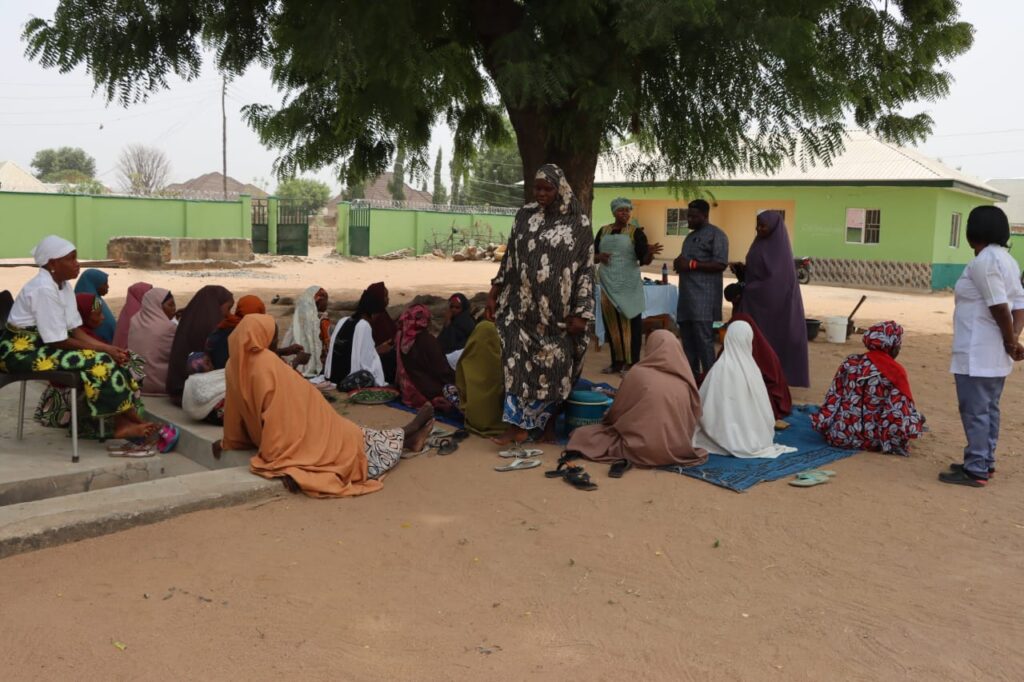
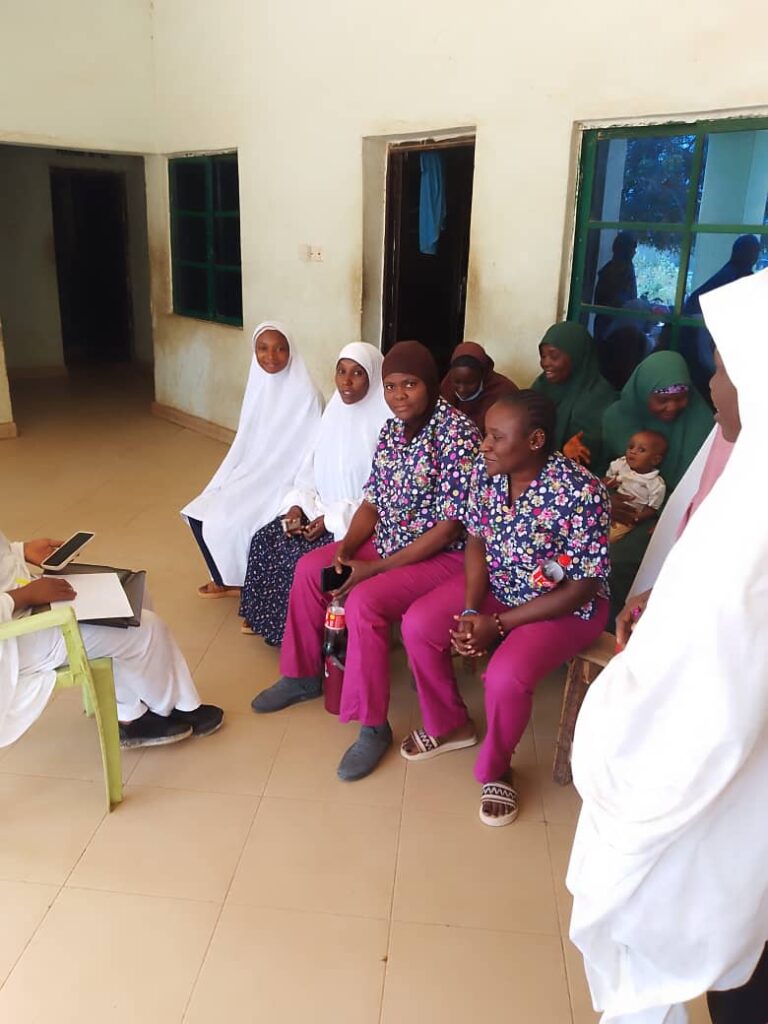
CFHI champions safe sanitation by ensuring communities have both the knowledge and the means to practice healthy hygiene. While our school health clubs, community programs, and advocacy campaigns educate families and highlight the vital link between sanitation and human dignity, we also lay the physical foundation for change. CFHI directly builds and renovates WASH facilities in schools, creating the essential infrastructure that allows education to translate into action. By uniting practical construction with sustained awareness, we empower communities and shape healthier environments where every individual can thrive.
A healthy society begins with clean surroundings, safe toilets, and informed communities. Today, let us reaffirm our commitment to safe sanitation because protecting our environment means protecting our lives. We encourage everyone to maintain hygienic toilets, practice proper waste disposal, wash hands regularly, report damaged sanitation systems, and advocate for better WASH facilities in schools, homes, and public spaces. Safe sanitation is not just a necessity; it is a shared responsibility, and together, we can create healthier and safer communities for all. Learn more or collaborate with us at: info@cfhinitiative.org
References
- World Health Organization. Sanitation [Internet]. 2024. Available from: https://www.who.int/news-room/fact-sheets/detail/sanitation
- UNICEF. State of the World’s Sanitation Report [Internet]. 2022. Available from: https://www.unicef.org/reports/state-worlds-sanitation-2022
- Centers for Disease Control and Prevention. Global WASH Fast Facts [Internet]. 2023. Available from: https://www.cdc.gov/healthywater/global/wash_statistics.html
- UN Women. Gender and WASH: Addressing inequalities [Internet]. 2023. Available from: https://www.unwomen.org/en/what-we-do/ending-violence-against-women/facts-and-figures