Health Financing

Empowering Mothers with Practical Nutrition Skills in Zamfara State

In a strategic effort to address maternal and child malnutrition, a series of capacity-building sessions and hands-on nutrition workshops were conducted across Zamfara State from Wednesday, 11th to Friday, 13th March 2026. The initiative reached 40 pregnant and nursing mothers from Gadar Baga, Albarkawa, Sabon Birni, and Sabon Gari communities within Gusau and Bungudu LGAs.

The intervention focused on equipping caregivers with practical, sustainable skills to reduce dependence on Ready-to-Use Therapeutic Food (RUTF) by promoting the preparation of nutritious homemade alternatives using affordable, locally available ingredients.

The workshops featured live food demonstrations facilitated by facility nutrition officers. Participants were introduced to the preparation of Tom Brown, a nutrient-rich blend of millet, soybeans, and groundnuts, alongside the incorporation of protein sources such as eggs, meat, fish, and crayfish, which are essential for growth and brain development.

Emphasis was also placed on the importance of balanced diets through the inclusion of vitamin-rich vegetables, energy-giving foods like sweet potatoes, and healthy fats such as palm and groundnut oil to enhance nutrient absorption. By combining these food groups, mothers learned how to create balanced ‘plate’ meals that supply essential nutrients including iron, folate, and calcium, critical for preventing anemia and supporting both maternal health and child development.

The sessions reinforced the importance of dietary diversity during pregnancy and breastfeeding. Adequate maternal nutrition not only reduces the risk of birth complications and low birth weight but also improves breast milk quality, ensuring infants receive the nutrients and antibodies needed during the critical first 1,000 days of life.

A key takeaway from the workshops was the realization that optimal nutrition does not depend on expensive or imported products. Rather, it can be achieved through the effective use of locally available foods when combined hygienically and appropriately.

The sessions recorded remarkable outcomes, including increased awareness among mothers on the link between diet and disease prevention. Participants left the workshop with the strengthened capacity to provide nutritious complementary feeding, ensuring their children hit critical growth milestones. By fostering an environment of active participation and interaction, the program successfully bridged the gap between nutritional theory and kitchen reality, leaving the participants better equipped to manage their households’ health independently.

As these mothers return to their communities, they do so not only as caregivers but also as informed advocates for better nutrition.

This initiative has laid a strong foundation for improving household nutrition practices in Gusau and Bungudu LGAs, with the potential to significantly reduce malnutrition rates across the target communities.

Empowering Mothers with Practical Nutrition Skills in Zamfara State Read More »

Safe Sanitation, Healthy Lives

Safe sanitation is more than a basic service it is a foundation for public health, human dignity, and community development. Across the world, millions still lack access to functional toilets, clean water, and proper waste-management systems, exposing them to infections, unsafe environments, and preventable health risks. According to the World Health Organization, over 3.5 billion people live without safe sanitation, leaving communities vulnerable to disease outbreaks and environmental contamination (1). When sanitation is unsafe, the impact is felt not only in individual households but across entire societies, ultimately affecting economic productivity, education, and the wellbeing of future generations.

Unsafe sanitation often arises from a mix of structural and social challenges. In many communities, poor investment in sanitation infrastructure means people rely on broken toilets, shared facilities, or open defecation. Rapid urban growth creates overcrowded spaces where waste systems cannot keep up, and poverty prevents families from constructing or maintaining hygienic toilets. In some locations, environmental factors like recurring floods and blocked drainage systems worsen sanitation conditions, generating stagnant pools of wastewater that become breeding grounds for disease. Cultural norms and limited hygiene education also play a major role; in places where sanitation is not recognized as a health priority, unsafe practices continue unchecked, reinforcing a cycle of risk (2).

The health consequences of unsafe sanitation are far-reaching and deeply concerning. Contaminated water and soil become pathways for diseases such as cholera, typhoid, dysentery, and hepatitis A, which remain leading causes of sickness and death in areas with poor hygiene (3). Children bear the greatest burden, as repeated diarrhoeal infections weaken their immune systems and lead to malnutrition, stunted growth, and reduced school performance. For women and girls, the risks extend even further. When toilets are distant, unsafe, or lack privacy, they become vulnerable to harassment and gender-based violence. Many women avoid defecating during the day due to shame or lack of privacy, causing health complications and discomfort that could easily be prevented with safe sanitary facilities (4).

Solving sanitation challenges requires a coordinated effort across communities, governments, and health organizations. Expanding access to improved toilets, investing in sewage and wastewater systems, and maintaining clean public facilities are critical steps toward ensuring healthier environments. Communities also benefit greatly from hygiene education that empowers families with the knowledge and motivation to adopt safe habits such as proper waste disposal, regular toilet cleaning, and handwashing with soap. It is equally important to integrate gender-sensitive sanitation designs that ensure privacy, safety, and accessibility for women, children, and persons living with disabilities. When these elements are prioritized, the ripple effect is powerful healthier households, safer schools, cleaner communities, and reduced disease transmission.

CFHI champions safe sanitation by ensuring communities have both the knowledge and the means to practice healthy hygiene. While our school health clubs, community programs, and advocacy campaigns educate families and highlight the vital link between sanitation and human dignity, we also lay the physical foundation for change. CFHI directly builds and renovates WASH facilities in schools, creating the essential infrastructure that allows education to translate into action. By uniting practical construction with sustained awareness, we empower communities and shape healthier environments where every individual can thrive.

A healthy society begins with clean surroundings, safe toilets, and informed communities. Today, let us reaffirm our commitment to safe sanitation because protecting our environment means protecting our lives. We encourage everyone to maintain hygienic toilets, practice proper waste disposal, wash hands regularly, report damaged sanitation systems, and advocate for better WASH facilities in schools, homes, and public spaces. Safe sanitation is not just a necessity; it is a shared responsibility, and together, we can create healthier and safer communities for all. Learn more or collaborate with us at: info@cfhinitiative.org

References

  1. World Health Organization. Sanitation [Internet]. 2024. Available from: https://www.who.int/news-room/fact-sheets/detail/sanitation
  2. UNICEF. State of the World’s Sanitation Report [Internet]. 2022. Available from: https://www.unicef.org/reports/state-worlds-sanitation-2022
  3. Centers for Disease Control and Prevention. Global WASH Fast Facts [Internet]. 2023. Available from: https://www.cdc.gov/healthywater/global/wash_statistics.html
  4. UN Women. Gender and WASH: Addressing inequalities [Internet]. 2023. Available from: https://www.unwomen.org/en/what-we-do/ending-violence-against-women/facts-and-figures


Safe Sanitation, Healthy Lives Read More »
CFHI Conducts First FGDs and KIIs Under the BIRTH Project in Adamawa and Zamfara

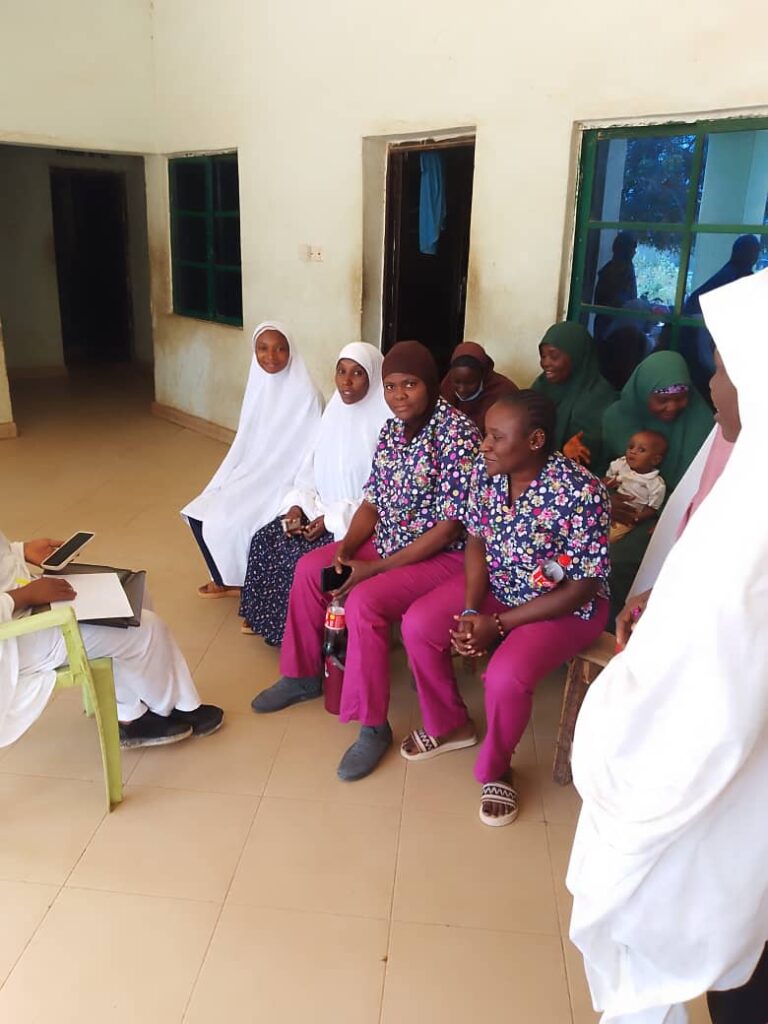
As part of its Quarter 1 implementation activities, the Centre for Family Health Initiative (CFHI) successfully conducted its first Focus Group Discussions (FGDs) and Key Informant Interviews (KIIs) in selected communities across Adamawa and Zamfara States under the BIRTH Project.

The engagements brought together pregnant women, nursing mothers, community leaders, and key stakeholders to better understand the realities surrounding maternal and newborn health at community and facility levels.

Why This Matter

FGDs and KIIs are critical in ensuring that interventions are community-driven and evidence-based. By listening directly to women and local stakeholders, CFHI is able to identify context-specific barriers, strengthen community ownership, and design responsive strategies that address real challenges.

Key Insights from the Engagements

Discussions across both states revealed:

  • Continued transportation and emergency referral gaps affecting timely access to health facilities
  • Persistent reliance on home births due to cost, accessibility, and trust factors
  • Nutrition misconceptions influencing maternal and infant feeding practices
  • Economic vulnerability limiting women’s ability to seek timely care
  • The need for stronger male involvement and improved health worker-community relationships

Community leaders and stakeholders emphasized the importance of structured emergency transport systems, improved facility readiness, and economic empowerment initiatives to support maternal and newborn health outcomes.

The findings from these Quarter 1 consultations will directly inform the next phase of the BIRTH Project. CFHI remains committed to strengthening health systems, promoting safe deliveries, enhancing nutrition awareness, and empowering women to improve maternal and newborn survival in Adamawa and Zamfara States.

By listening first, we are building interventions that truly respond to community needs ensuring safer pregnancies, healthier newborns, and stronger communities.

CFHI Conducts First FGDs and KIIs Under the BIRTH Project in Adamawa and Zamfara Read More »