SDG

CFHI Equips LEA Primary School Kabusa Library

CFHI carried out a library intervention at LEA Primary School, Kabusa, FCT, as part of its commitment to promoting education and nurturing young minds. The initiative focused on improving access to learning materials by donating a variety of books to support reading culture among pupils. This intervention is in line with CFHI’s broader goal of empowering children through education and creating opportunities for intellectual growth at the grassroots level.

The donation included age-appropriate storybooks, academic texts, and educational resources designed to stimulate curiosity, creativity, and learning among the pupils. By providing these materials, CFHI aims to bridge the gap in access to quality reading resources, particularly in underserved schools where such materials are often limited. The presence of these books is expected to enhance both classroom learning and independent reading habits.


Teachers and school administrators expressed appreciation for the intervention, noting that access to books plays a vital role in improving literacy levels and academic performance. They highlighted that the availability of diverse reading materials will encourage pupils to develop a love for reading, expand their vocabulary, and improve comprehension skills. The initiative also supports teachers in delivering more engaging and effective lessons.

Pupils of LEA Primary School, Kabusa, received the donation with excitement and enthusiasm, demonstrating eagerness to explore the new materials.  “Readers are leaders, and with these books, we will raise leaders. This initiative will not only benefit the students but also support teachers in their research and continuous learning.” Asst head teacher Haruna Joseph

The intervention created an opportunity for students to interact with books beyond their regular curriculum, fostering imagination and critical thinking. It also served as a reminder of the importance of creating a supportive learning environment where children feel inspired to learn and grow.

In conclusion, CFHI encourages pupils to make effective use of the donated books and cultivate a consistent reading culture. They were advised to handle the materials with care and share knowledge with their peers. CFHI remains committed to supporting educational initiatives that contribute to the holistic development of children, recognizing that investing in young minds today is key to building a brighter and more informed future.

CFHI Equips LEA Primary School Kabusa Library Read More »

Empowering Mothers with Practical Nutrition Skills in Zamfara State

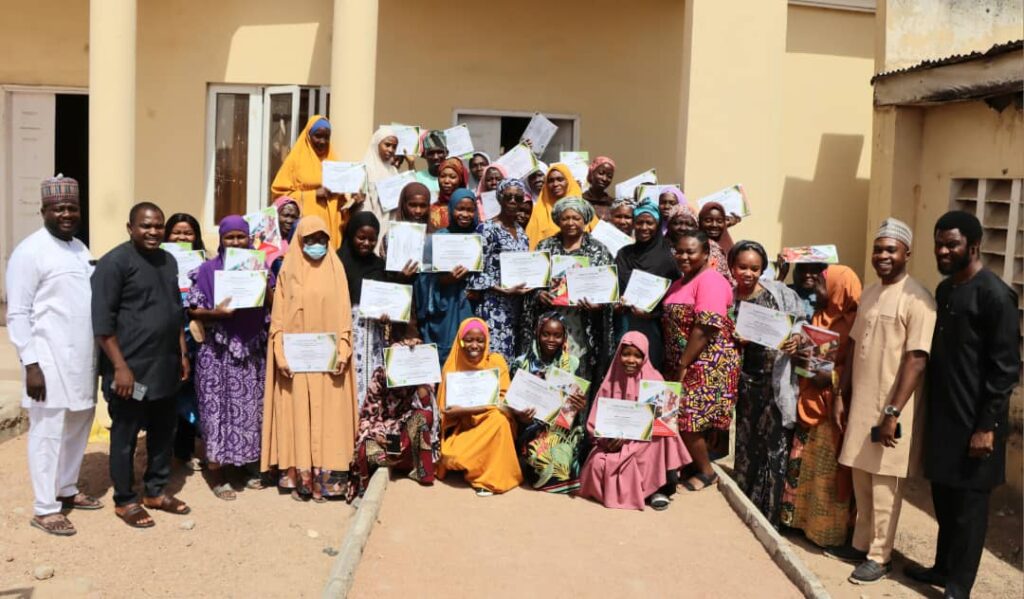
In a strategic effort to address maternal and child malnutrition, a series of capacity-building sessions and hands-on nutrition workshops were conducted across Zamfara State from Wednesday, 11th to Friday, 13th March 2026. The initiative reached 40 pregnant and nursing mothers from Gadar Baga, Albarkawa, Sabon Birni, and Sabon Gari communities within Gusau and Bungudu LGAs.

The intervention focused on equipping caregivers with practical, sustainable skills to reduce dependence on Ready-to-Use Therapeutic Food (RUTF) by promoting the preparation of nutritious homemade alternatives using affordable, locally available ingredients.

The workshops featured live food demonstrations facilitated by facility nutrition officers. Participants were introduced to the preparation of Tom Brown, a nutrient-rich blend of millet, soybeans, and groundnuts, alongside the incorporation of protein sources such as eggs, meat, fish, and crayfish, which are essential for growth and brain development.

Emphasis was also placed on the importance of balanced diets through the inclusion of vitamin-rich vegetables, energy-giving foods like sweet potatoes, and healthy fats such as palm and groundnut oil to enhance nutrient absorption. By combining these food groups, mothers learned how to create balanced ‘plate’ meals that supply essential nutrients including iron, folate, and calcium, critical for preventing anemia and supporting both maternal health and child development.

The sessions reinforced the importance of dietary diversity during pregnancy and breastfeeding. Adequate maternal nutrition not only reduces the risk of birth complications and low birth weight but also improves breast milk quality, ensuring infants receive the nutrients and antibodies needed during the critical first 1,000 days of life.

A key takeaway from the workshops was the realization that optimal nutrition does not depend on expensive or imported products. Rather, it can be achieved through the effective use of locally available foods when combined hygienically and appropriately.

The sessions recorded remarkable outcomes, including increased awareness among mothers on the link between diet and disease prevention. Participants left the workshop with the strengthened capacity to provide nutritious complementary feeding, ensuring their children hit critical growth milestones. By fostering an environment of active participation and interaction, the program successfully bridged the gap between nutritional theory and kitchen reality, leaving the participants better equipped to manage their households’ health independently.

As these mothers return to their communities, they do so not only as caregivers but also as informed advocates for better nutrition.

This initiative has laid a strong foundation for improving household nutrition practices in Gusau and Bungudu LGAs, with the potential to significantly reduce malnutrition rates across the target communities.

Empowering Mothers with Practical Nutrition Skills in Zamfara State Read More »

International Women’s Day 2026 Celebration in Adamawa State

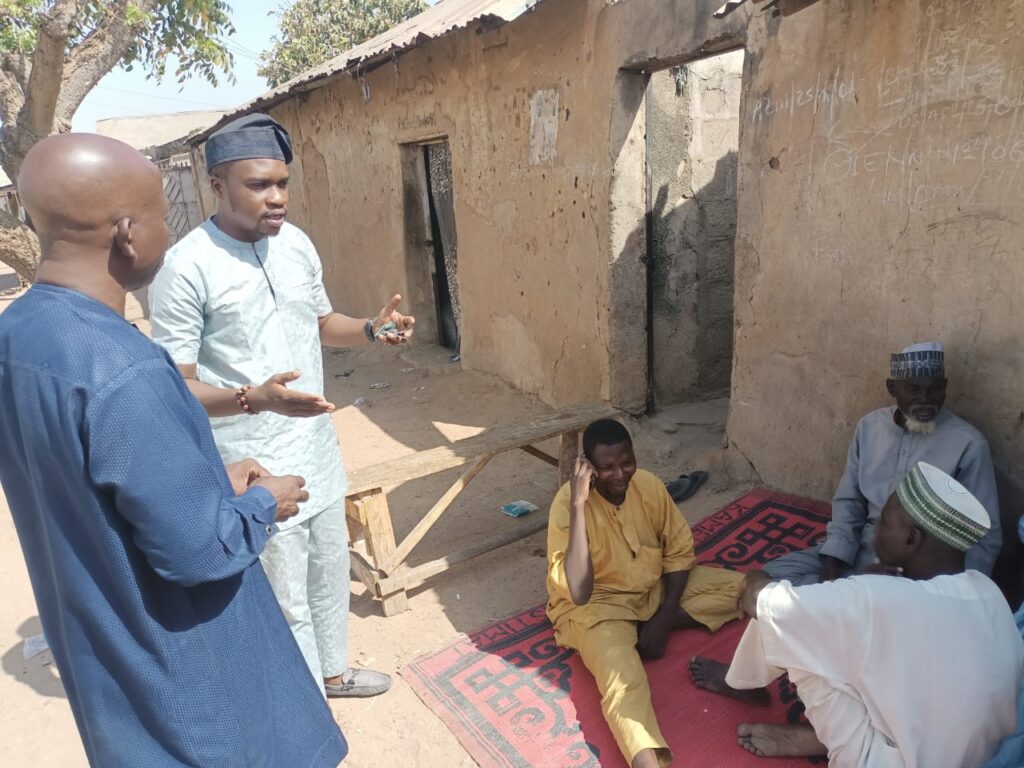
In commemoration of International Women’s Day (IWD) 2026, the Centre for Family Health Initiative (CFHI) hosted a landmark community engagement at the residence of the Ward Development Chairman (WDC) in Rumde, Yola North LGA. The event was attended by high-level stakeholders, including the CFHI Project Coordinator, the Facility Manager of Rumde PHCC, and the Yola North Women Leader.

The activity was centered on the localized theme, “Lafiyar Iyali, Girman Namiji” (A healthy family is a man’s pride). This theme was strategically chosen to engage men as active partners in the domestic sphere. It reinforces the idea that a man’s true strength and dignity are reflected in the well-being of his wife and children. This local perspective is deeply connected to the 2026 United Nations IWD theme: “Rights, Justice, and Action.” While the UN focuses on the systemic justice and legal rights of women, the Rumde celebration translated these global goals into domestic action. By ensuring a woman’s right to health and safety is upheld within the home, the community is delivering “Justice” at the most fundamental level. A healthy home is the ultimate celebration of IWD, where a man’s role shifts from a mere provider to a protector of health and a champion of his family’s fundamental rights.

The gathering in Yola North was not merely a celebration but a blueprint for future interventions across the region. This meeting intended to spark a behavioural shift, emphasizing that community development is impossible without the active participation of men in women’s health issues. The goal of this dialogue is to foster a society where men take pride in escorting their wives to clinics and ensuring their daughters are educated and healthy.

As we celebrate International Women’s Day, we honour the homes where equality and health reside, recognizing that when a woman thrives, the entire family and indeed the entire community prospers.


International Women’s Day 2026 Celebration in Adamawa State Read More »

Training on Maternal and Neonatal Child Health for TBAs and CHEWs

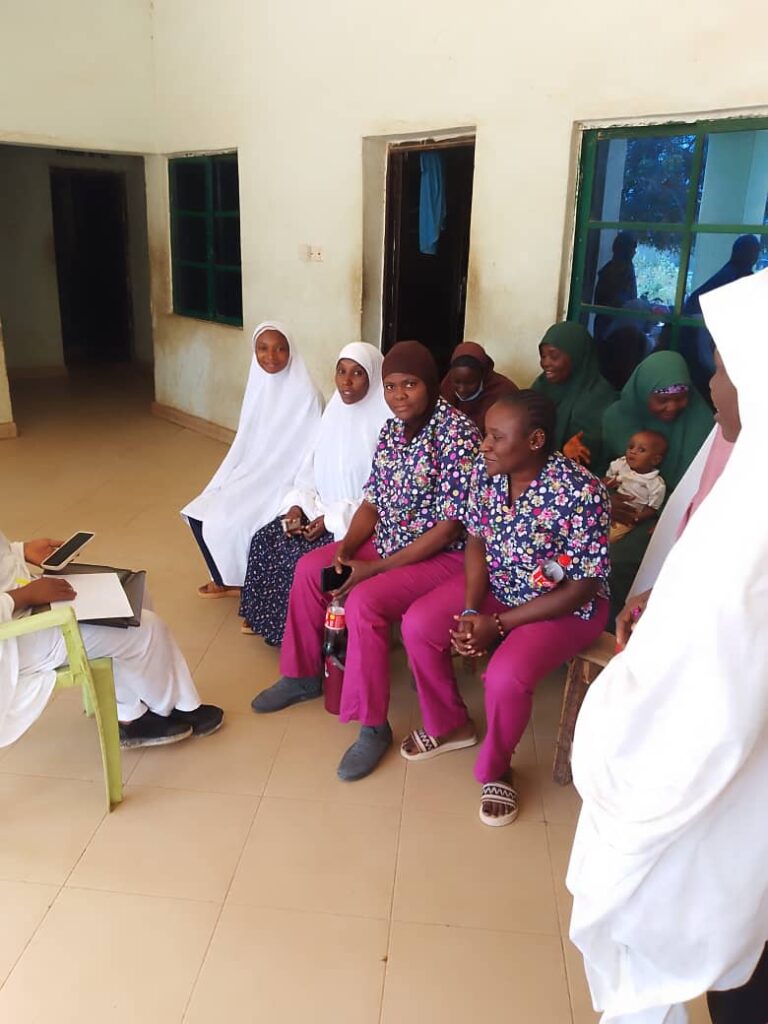
The Centre for Family Health Initiative (CFHI) with support from relevant partners successfully conducted a specialized 4-day training program in Adamawa State, focused on enhancing the synergy between Traditional Birth Attendants (TBAs) and Community Health Extension Workers (CHEWs). The exercise commenced on the 2nd and 3rd of March 2026 at the NSHIP Hall in Girei LGA, followed by sessions on the 4th and 5th of March at the NSHIP Hall in Yola North LGA. A total of 90 participants, 45 from each Local Government Area were reached, creating a robust network of community health providers equipped to tackle maternal mortality at the grassroots level. The sessions were led by a team of expert facilitators who utilized interactive modules to bridge the gap between traditional practices and clinical standards.


The core of the curriculum centered on the critical roles of TBAs and CHEWs before, during, and after pregnancy and delivery. Participants were trained on the “Three Delays” model, emphasizing their role in early danger sign recognition during the prenatal period and the necessity of immediate referral to skilled facilities during labor. Facilitators detailed the collaborative workflow required during delivery to ensure sanitary conditions and professional overwatch, while the postnatal sessions focused on essential newborn care and monitoring the mother for hemorrhaging. By clarifying these roles, the training sought to transform TBAs from isolated practitioners into “Community Linkage Agents” who work together with CHEWs to ensure every birth is attended by a skilled professional.


The importance and benefits of this training lie in its ability to significantly reduce maternal and neonatal morbidity rates across Adamawa State. By integrating TBAs into the formal health referral system, CFHI is ensuring that cultural trust is maintained while medical safety is prioritized. The primary benefit is the creation of a seamless “Continuum of Care,” where pregnant women are encouraged to seek antenatal services early and deliver in safe environments. Ultimately, this intervention empowers community health actors with the knowledge to save lives, ensuring that pregnancy is a journey of joy rather than a risk, and strengthening the overall health ecosystem in Girei and Yola North.


Training on Maternal and Neonatal Child Health for TBAs and CHEWs Read More »

CFHI Conducts First FGDs and KIIs Under the BIRTH Project in Adamawa and Zamfara

As part of its Quarter 1 implementation activities, the Centre for Family Health Initiative (CFHI) successfully conducted its first Focus Group Discussions (FGDs) and Key Informant Interviews (KIIs) in selected communities across Adamawa and Zamfara States under the BIRTH Project.

The engagements brought together pregnant women, nursing mothers, community leaders, and key stakeholders to better understand the realities surrounding maternal and newborn health at community and facility levels.

Why This Matter

FGDs and KIIs are critical in ensuring that interventions are community-driven and evidence-based. By listening directly to women and local stakeholders, CFHI is able to identify context-specific barriers, strengthen community ownership, and design responsive strategies that address real challenges.

Key Insights from the Engagements

Discussions across both states revealed:

  • Continued transportation and emergency referral gaps affecting timely access to health facilities
  • Persistent reliance on home births due to cost, accessibility, and trust factors
  • Nutrition misconceptions influencing maternal and infant feeding practices
  • Economic vulnerability limiting women’s ability to seek timely care
  • The need for stronger male involvement and improved health worker-community relationships

Community leaders and stakeholders emphasized the importance of structured emergency transport systems, improved facility readiness, and economic empowerment initiatives to support maternal and newborn health outcomes.

The findings from these Quarter 1 consultations will directly inform the next phase of the BIRTH Project. CFHI remains committed to strengthening health systems, promoting safe deliveries, enhancing nutrition awareness, and empowering women to improve maternal and newborn survival in Adamawa and Zamfara States.

By listening first, we are building interventions that truly respond to community needs ensuring safer pregnancies, healthier newborns, and stronger communities.

CFHI Conducts First FGDs and KIIs Under the BIRTH Project in Adamawa and Zamfara Read More »

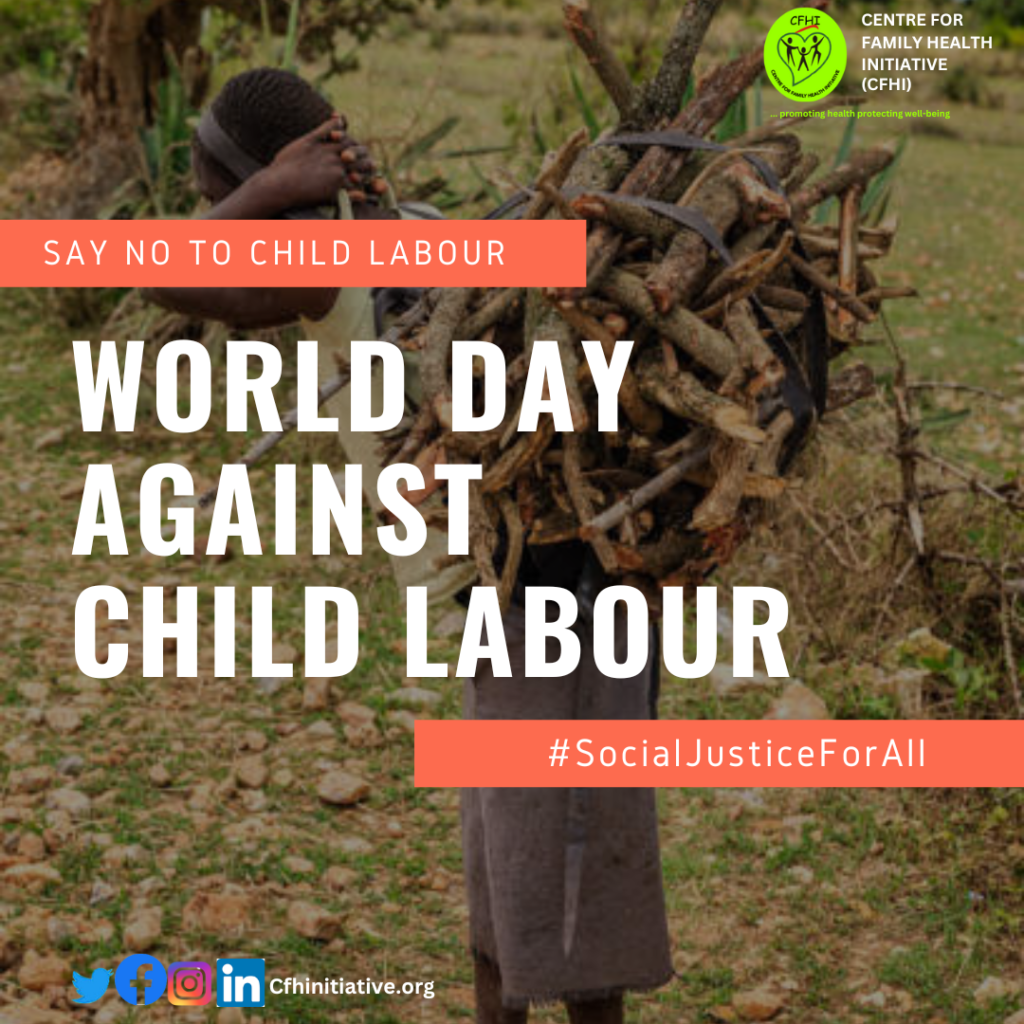
WORLD DAY AGAINST CHILD LABOUR

“My name is Zara, and I’m a 12-year-old girl from Kogi. Like many kids in my community, I had to start working hawking when I was very young. Instead of going to school and having fun with my friends, I walked around busy streets all day, selling things to help my family survive.

I would start very early in the morning and continue until it was dark outside. I had to go through crowded marketplaces, enduring the hot sun and heavy traffic. Each day felt like a race against time, and I often felt very tired. But the physical challenges weren’t the only problems I faced; I was always scared of people treating me badly or harassing me.” ~ Zara

Zara’s story is unfortunately not unique. According to the International Labour Organization, there are approximately 152 million children engaged in child labour worldwide, and Nigeria is one of the countries significantly affected by this issue.

The United Nations Convention on the Rights of the Child (CRC) defines child labour as any work that is mentally, physically, socially, or morally harmful to children and deprives them of their rights, potential, and dignity. It stresses the importance of providing children with access to education, healthcare, and protection from exploitation.

Child labour has been identified as a serious violation of children’s rights by the World Health Organization, the United Nations Children’s Fund (UNICEF), and other global organizations. Children should be safeguarded from all sorts of economic exploitation, including dangerous job and work that interferes with their education, according to Nigeria’s Child Rights Act.

Child labour has a terrible effect on children’s health, wellbeing, and development, as acknowledged by the World Health Organization and the United Nations Children’s Fund (UNICEF) for a very long time. Child labour denies children their right to an education, stunts their physical and mental development, and perpetuates a poverty cycle that traps future generations.

Children who don’t receive an education are denied the chance to escape the grip of poverty and support the growth of their communities. They are required to carry out obligations that are beyond their delicate years, rather than learning and playing. They risk developing hunger, accidents, and chronic illnesses due to long work hours, exposure to dangerous environments, and a lack of adequate healthcare.

Child Rights Act of Nigeria:

In order to fight child labour, Nigeria passed the Child Rights Act in 2003, which was created to protect children’s rights and welfare. This law is in accordance with the United Nations Convention on the Rights of the Child (CRC), a binding international treaty that outlines each child’s civil, political, economic, social, and cultural rights.

The CRC and the Child Rights Act emphasize the following key principles:

Right to Education: Every child has the right to free and compulsory education, which should be accessible, inclusive, and of high quality. Education plays a crucial role in breaking the cycle of poverty and equipping children with the skills necessary for a better future.

Protection from Exploitation: Children should be protected from all forms of exploitation, including child labour, trafficking, and harmful practices. Governments and societies must work together to create a safe environment for children to thrive.

Health and Well-being: Children have the right to enjoy the highest attainable standard of physical and mental health. They should have access to healthcare, nutrition, and safe living conditions to ensure their well-being.

Participation and Voice: Children should be able to express their opinions, be heard, and participate in matters that affect them. Their voices should be respected, and they should be involved in decision-making processes that concern their lives.

On this World Day Against Child Labour, it is critical to recognize the challenges faced by millions of children worldwide, including child hawkers like Zara. To end child labour and safeguard children’s rights as provided in the United Nations Convention on the Rights of the Child and the Child Rights Act of Nigeria, governments, civil society organizations, and individual citizens must work together.

By investing in education, implementing effective child protection policies, and promoting social and economic development, we can break the chains of child labour and create a future where every child can flourish.

On this day, as we observe the World Day Against Child Labour, CFHI stands together with the Nigerian and global community to raise awareness about the importance of ending child labour and safeguarding the rights of vulnerable children worldwide. We believe that by joining forces, we can make a significant impact and create a better future for all children, free from the shackles of child labour.     
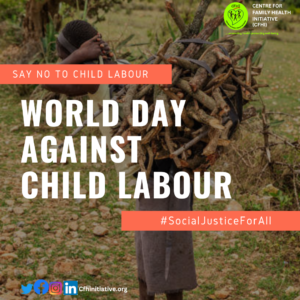


WORLD DAY AGAINST CHILD LABOUR Read More »