
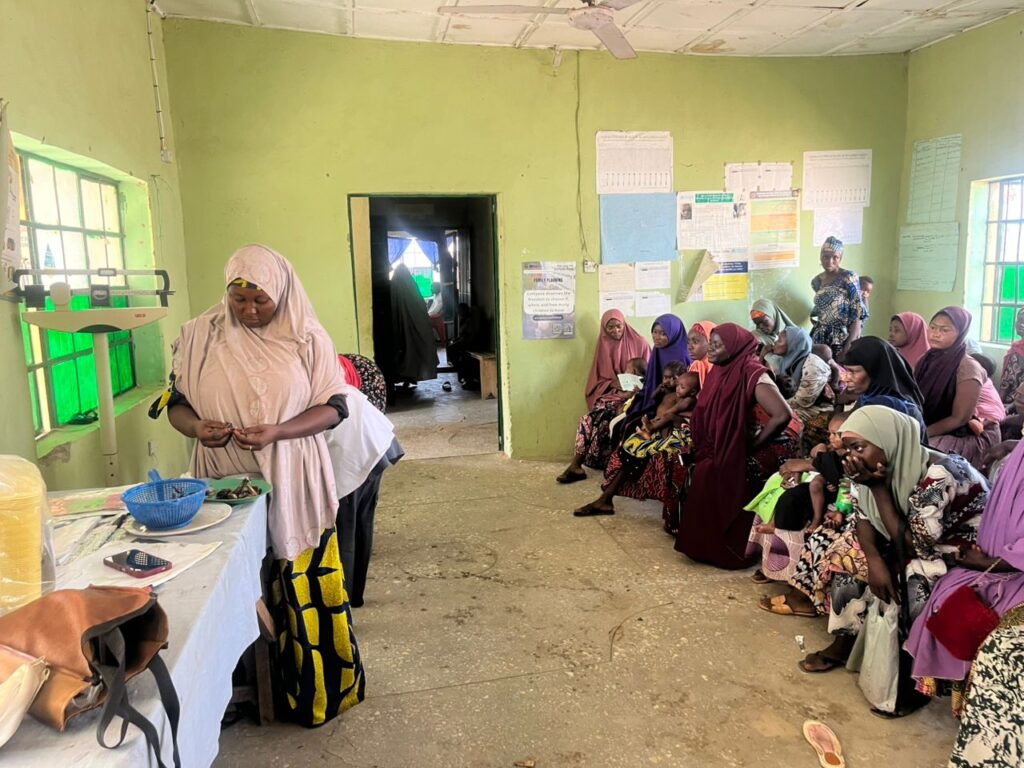
In a strategic effort to address maternal and child malnutrition, a series of capacity-building sessions and hands-on nutrition workshops were conducted across Zamfara State from Wednesday, 11th to Friday, 13th March 2026. The initiative reached 40 pregnant and nursing mothers from Gadar Baga, Albarkawa, Sabon Birni, and Sabon Gari communities within Gusau and Bungudu LGAs.
The intervention focused on equipping caregivers with practical, sustainable skills to reduce dependence on Ready-to-Use Therapeutic Food (RUTF) by promoting the preparation of nutritious homemade alternatives using affordable, locally available ingredients.
The workshops featured live food demonstrations facilitated by facility nutrition officers. Participants were introduced to the preparation of Tom Brown, a nutrient-rich blend of millet, soybeans, and groundnuts, alongside the incorporation of protein sources such as eggs, meat, fish, and crayfish, which are essential for growth and brain development.
Emphasis was also placed on the importance of balanced diets through the inclusion of vitamin-rich vegetables, energy-giving foods like sweet potatoes, and healthy fats such as palm and groundnut oil to enhance nutrient absorption. By combining these food groups, mothers learned how to create balanced ‘plate’ meals that supply essential nutrients including iron, folate, and calcium, critical for preventing anemia and supporting both maternal health and child development.
The sessions reinforced the importance of dietary diversity during pregnancy and breastfeeding. Adequate maternal nutrition not only reduces the risk of birth complications and low birth weight but also improves breast milk quality, ensuring infants receive the nutrients and antibodies needed during the critical first 1,000 days of life.
A key takeaway from the workshops was the realization that optimal nutrition does not depend on expensive or imported products. Rather, it can be achieved through the effective use of locally available foods when combined hygienically and appropriately.
The sessions recorded remarkable outcomes, including increased awareness among mothers on the link between diet and disease prevention. Participants left the workshop with the strengthened capacity to provide nutritious complementary feeding, ensuring their children hit critical growth milestones. By fostering an environment of active participation and interaction, the program successfully bridged the gap between nutritional theory and kitchen reality, leaving the participants better equipped to manage their households’ health independently.
As these mothers return to their communities, they do so not only as caregivers but also as informed advocates for better nutrition.
This initiative has laid a strong foundation for improving household nutrition practices in Gusau and Bungudu LGAs, with the potential to significantly reduce malnutrition rates across the target communities.