September 2025

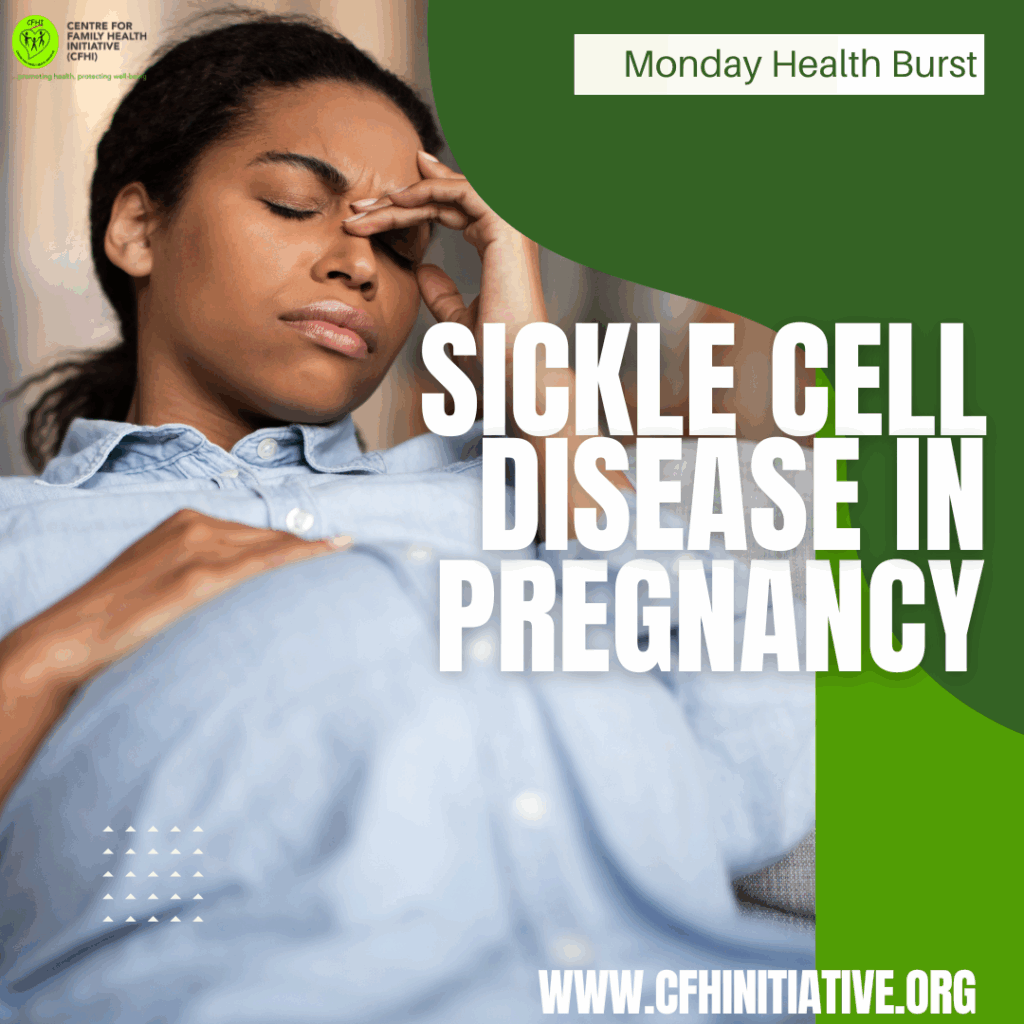
MONDAY HEALTH BURST ON SICKLE CELL DISEASE IN PREGNANCY

Sickle Cell Disease (SCD) is a hereditary blood disorder in which red blood cells, normally round and flexible, become rigid and shaped like a crescent or sickle. These abnormal cells can block blood flow, leading to pain crises, organ damage, and increased risk of complications. While SCD affects people at all stages of life, it poses unique challenges for women during pregnancy.

Pregnancy naturally places extra demands on a woman’s body, including increased blood volume and oxygen needs. For women with SCD, these changes can worsen complications, making both mother and baby more vulnerable. Some key risks include:

  • Maternal risks: Severe pain crises, anemia, preeclampsia (high blood pressure in pregnancy), infections, and increased likelihood of needing blood transfusions.
  • Fetal risks: Miscarriage, preterm birth, low birth weight, restricted growth in the womb, and stillbirth.

Despite the risks, many women with SCD go on to have successful pregnancies with proper medical care. Key aspects of management include:

  1. Preconception Counseling: Women with SCD are encouraged to seek genetic counseling and medical advice before pregnancy to understand risks and available options.
  2. Specialist Care: Antenatal care should be provided by a multidisciplinary team, including obstetricians, hematologists, and pediatricians.
  3. Regular Monitoring: Frequent check-ups, blood tests, and ultrasound scans are essential to monitor maternal health and fetal growth.
  4. Preventive Measures: Adequate hydration, folic acid supplementation, malaria prevention (in endemic areas), and vaccines against infections are critical.
  5. Safe Delivery Planning: Mode of delivery (vaginal or caesarean section) should be carefully planned based on the mother’s condition, with access to emergency care and blood transfusion services.

Beyond medical care, social and emotional support is vital. Family and community members can help by ensuring women with SCD have access to balanced nutrition, rest, emotional encouragement, and timely hospital visits.

Sickle Cell Disease in pregnancy is a high-risk condition, but with early diagnosis, specialized medical care, and strong support systems, women can achieve safe pregnancies and healthy babies. Increasing awareness, improving access to quality healthcare, and reducing stigma remain crucial steps toward better outcomes for mothers living with SCD.

References:

Preconception Counseling: Checklist, Benefits & When It Occurs

https://www.who.int/publications/i/item/9789240109124?utm_source
MONDAY HEALTH BURST ON SICKLE CELL DISEASE IN PREGNANCY Read More »
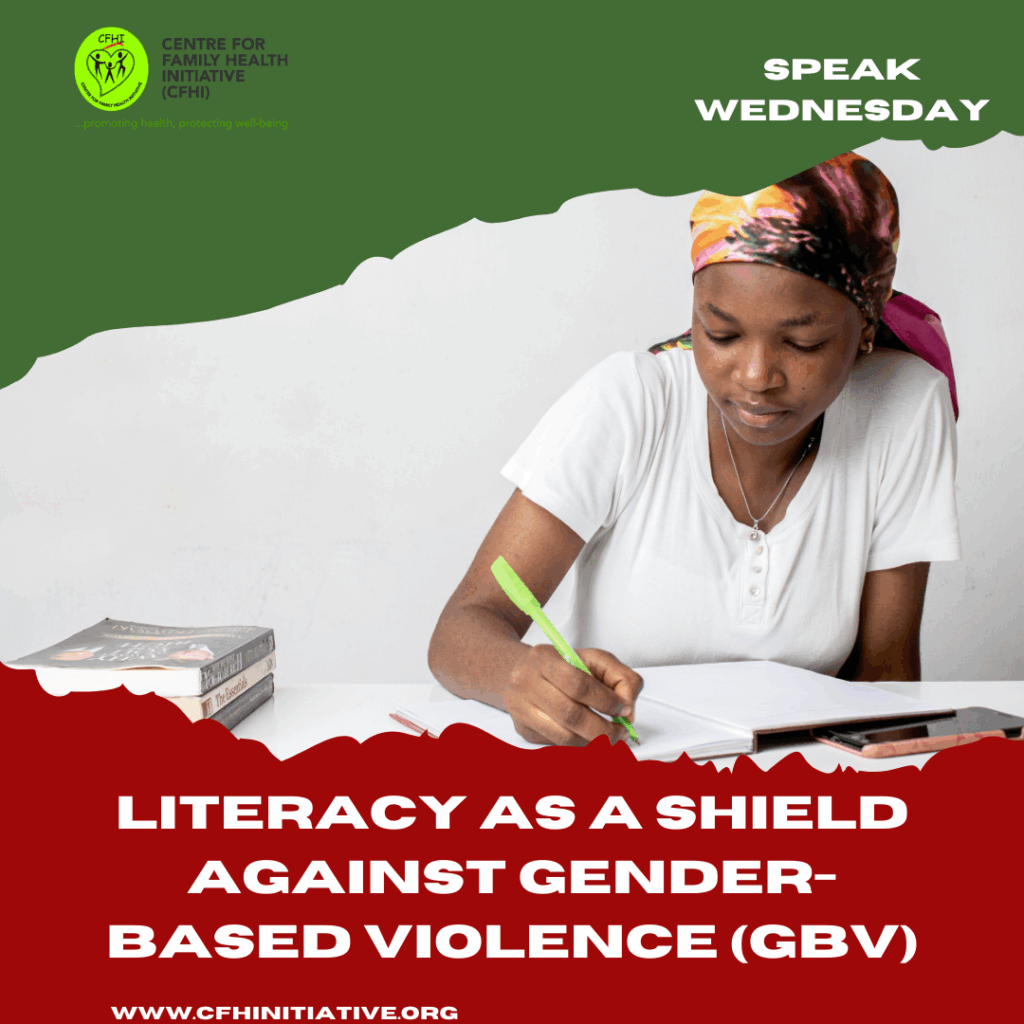
SPEAK WEDNESDAY ON LITERACY AS A SHIELD AGAINST GENDER-BASED VIOLENCE (GBV)

In a crowded community classroom in Gwagwalada, Aisha sat hunched over her exercise book. She was thirty-five, a mother of four, and had never finished primary school. The day she finally read a passage out loud, she broke down in tears. For the first time, she could read a hospital form without begging for help. She could text her sister to say, “I am not safe.” That is the quiet revolution of literacy.

In Nigeria, the literacy gap tells its own story of urgency and survival. Only about 52 percent of Nigerian women aged fifteen and above are literate, compared to 70 percent of men.  Adult literacy enrolment for women still hovers under 50 percent. At the same time, one in three Nigerian women has experienced physical violence since age 15, most often by intimate partners.

These statistics are not unrelated. Literacy is a shield. A literate woman can read her rights, understand legal processes, and demand justice. She is better able to secure paid work, making her less dependent on an abuser. She can read health brochures, helpline numbers, and contracts. She can mobilize her peers. Without literacy, too many Nigerian women remain silent targets, unable to navigate systems that were already stacked against them.

Research consistently shows that literacy reduces women’s vulnerability to violence. In Nigeria, scholars confirm literacy is a “preventative force” against gender-based violence This is not just theory, it is lived reality in rural villages, IDP camps, and bustling cities.

What Must Change

The global fight against GBV cannot succeed if literacy is treated as an afterthought. Governments and international partners must deliberately embed literacy into GBV prevention and response frameworks. That means funding second-chance learning for women who were forced out of school. It means designing shelters, clinics, and police stations to provide information in simple, accessible formats. It means collecting and publishing disaggregated data that shows how literacy gaps map onto vulnerability to violence.

Equally important, literacy must be framed as a cultural and social good, not just an individual skill. Traditional leaders, faith communities, and grassroots organizers across Nigeria and beyond can reshape norms so that women’s literacy is understood as dignity itself.

A Call to Action

This agenda is at the heart of Sustainable Development Goal 4 (Quality Education) and Goal 5 (Gender Equality). But it also strengthens progress on Goal 16 (Peace, Justice, and Strong Institutions) because literate women are better positioned to engage with governance and justice systems. Literacy is not a side project; it is a front-line intervention in the fight against gender inequality and violence.

When women can read, they resist silence, dependency, and abuse. They resist systems designed to keep them small. They resist by teaching their daughters to read and by demanding that their communities do better.

The stories may begin in Gwagwalada, but the message is universal: when she can read, she can resist. Literacy is liberation. Literacy is justice.

Speak Wednesday is an initiative of CFHI to address issues around gender-based violence and gender bias

#SpeakWednesday #WhenSheReadsSheResists #LiteracyIsJustice #EndGBV #EducationForHer #CFHI

References
UNESCO: Female literacy rate in Nigeria (unesco.org)
NBS: Literacy statistics for women and men in Nigeria (nigerianstat.gov.ng)
UNFPA: GBV prevalence in Nigeria (nigeria.unfpa.org)
PMC: Literacy and domestic violence reduction (pmc.ncbi.nlm.nih.gov)
ResearchGate: Literacy as prevention of GBV in Nigeria (researchgate.net)


SPEAK WEDNESDAY ON LITERACY AS A SHIELD AGAINST GENDER-BASED VIOLENCE (GBV) Read More »

MONDAY HEALTH BURST ON SICKLE CELL DISEASE: RISK FACTORS FOR DEATH

Sickle Cell Disease (SCD) is one of the most common genetic disorders worldwide, affecting millions of people, particularly in sub-Saharan Africa. The condition alters the shape of red blood cells, making them rigid and sickle-like. These abnormal cells block blood flow, reduce oxygen supply, and break down faster than normal red cells. While advances in treatment have improved life expectancy, many individuals with SCD still face a heightened risk of premature death.

One of the leading causes of mortality in SCD is severe infection. Because the spleen gradually loses its function in filtering bacteria, individuals with SCD are highly vulnerable to life-threatening infections such as pneumonia, meningitis, and septicemia.1 Without timely vaccination, antibiotics, and medical attention, these infections remain a major cause of death, especially in children.

Another critical complication is acute chest syndrome, a sudden and severe condition marked by chest pain, cough, and difficulty in breathing. Often triggered by infection, fat embolism, or trapped sickled cells in the lungs, it is one of the deadliest complications and a frequent cause of hospitalization.

Stroke is also a significant risk factor. The blockage of blood vessels in the brain can lead to irreversible damage, disability, or even death. In children with SCD, the risk of stroke is several times higher than in the general population, and without early screening and preventive care, the consequences are often fatal.

In addition, severe anemia can develop when the body rapidly destroys sickled red blood cells. A sudden drop in hemoglobin levels caused by infections, splenic sequestration, or bone marrow suppression can quickly become life-threatening if blood transfusion is not available.

Over time, chronic damage to vital organs such as the kidneys, liver, lungs, and heart also increases the risk of death. Conditions like kidney failure and pulmonary hypertension are particularly common among adults living with SCD and often contribute to premature mortality.

Beyond medical complications, delayed diagnosis and poor access to healthcare remain critical challenges in many parts of the world. Children often die before SCD is even detected, while others lack access to lifesaving treatments like hydroxyurea, routine transfusion therapy, or emergency medical care. Poverty, malnutrition, and stigma further worsen outcomes.

Despite these risks, it is important to emphasize that SCD is not a death sentence. With early diagnosis, comprehensive medical care, preventive measures such as vaccination, and consistent treatment, individuals with SCD can live longer, healthier lives.2 Expanding newborn screening, improving access to affordable treatment, and raising community awareness are crucial steps toward reducing preventable deaths.

References:

  1. https://www.cdc.gov/sickle-cell/complications/complications-of-scd-infection.html

Prevention and Treatment of SCD Complications | Sickle Cell Disease (SCD) | CDC

MONDAY HEALTH BURST ON SICKLE CELL DISEASE: RISK FACTORS FOR DEATH Read More »

MONDAY HEALTH BURST ON SICKLE CELL OVERVIEW: TYPES AND SYMPTOMS

Sickle Cell Disease (SCD) is one of the most common inherited blood disorders, affecting millions of people worldwide, particularly in Africa, including Nigeria. It occurs when the body produces abnormal hemoglobin known as hemoglobin S which causes red blood cells to become rigid, sticky, and shaped like a sickle instead of being round and flexible. These sickle shaped cells can block blood flow, leading to pain and other complications.

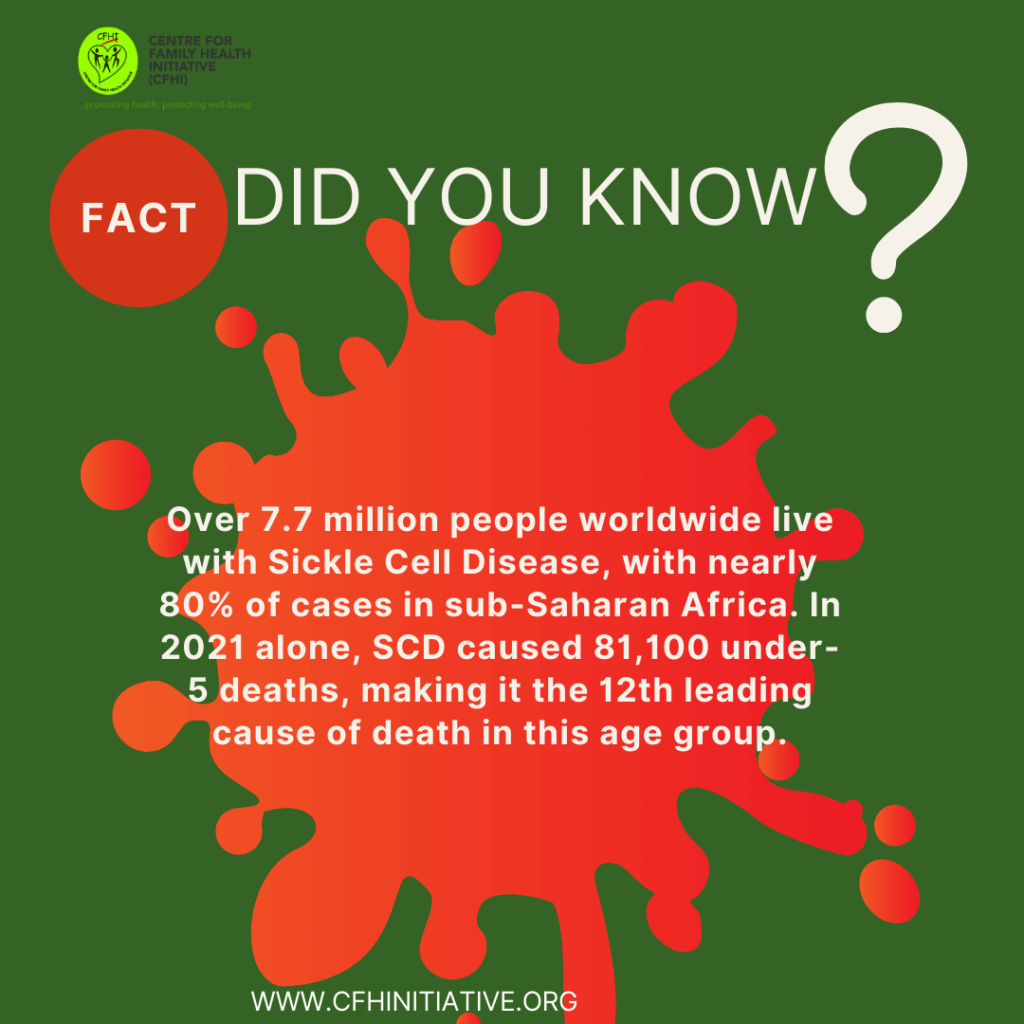
According to the World Health Organization (WHO), an estimated 7.74 million people were living with sickle-cell disease globally, with 515,000 new births recorded, primarily in sub-Saharan Africa, which accounts for nearly 80% of global cases. Sickle-cell disease also contributes significantly to child mortality, causing 81,100 under-5 deaths in 2021, ranking as the 12th leading cause of death in this age group when considering the total mortality burden.

Types of Sickle Cell Disease

There are several forms of SCD, depending on the type of abnormal hemoglobin inherited:

  • HbSS (Sickle Cell Anemia): The most severe type, inherited when a person receives two sickle cell genes, one from each parent.
  • HbSC: Occurs when a person inherits one sickle cell gene and one gene for abnormal hemoglobin C. This type is usually less severe than HbSS but can still cause complications.
  • HbS Beta Thalassemia: Results from inheriting one sickle cell gene and one beta thalassemia gene. Severity depends on the form of thalassemia inherited.
  • Other rare types: Variations occur when the sickle cell gene is combined with other unusual hemoglobin mutations.

Common Symptoms of Sickle Cell Disease

The symptoms of SCD often begin in early childhood and may vary in severity from person to person. They include:

  • Anemia: Caused by the rapid breakdown of sickle cells, leading to fatigue and weakness.
  • Pain Episodes (Crises): Sudden episodes of severe pain in the chest, abdomen, joints, or bones when sickle cells block blood flow.
  • Swelling: Especially in the hands and feet, due to poor circulation of blood caused by blocked blood vessels.
  • Frequent Infections: Sickle cells can damage the spleen, making individuals more prone to infections.
  • Delayed Growth and Puberty: Due to a lack of oxygen and nutrients reaching body tissues.
  • Vision Problems: Blocked blood vessels in the eye can lead to sight issues over time.

Prompt diagnosis and comprehensive care are pivotal in enhancing the lives of those with SCD, involving pain management, blood transfusions, medications, and, in severe cases, bone marrow or stem cell transplantation. Raising awareness and promoting early intervention are essential steps towards alleviating the burden of this disease on affected individuals and their families.

Monday Health Burst is an initiative of CFHI to address issues of basic health concern. Join us every Monday on all our social media platforms for more episodes.

Reference

https://www.who.int/news-room/fact-sheets/detail/sickle-cell-disease

MONDAY HEALTH BURST ON SICKLE CELL OVERVIEW: TYPES AND SYMPTOMS Read More »