Monday Health Burst

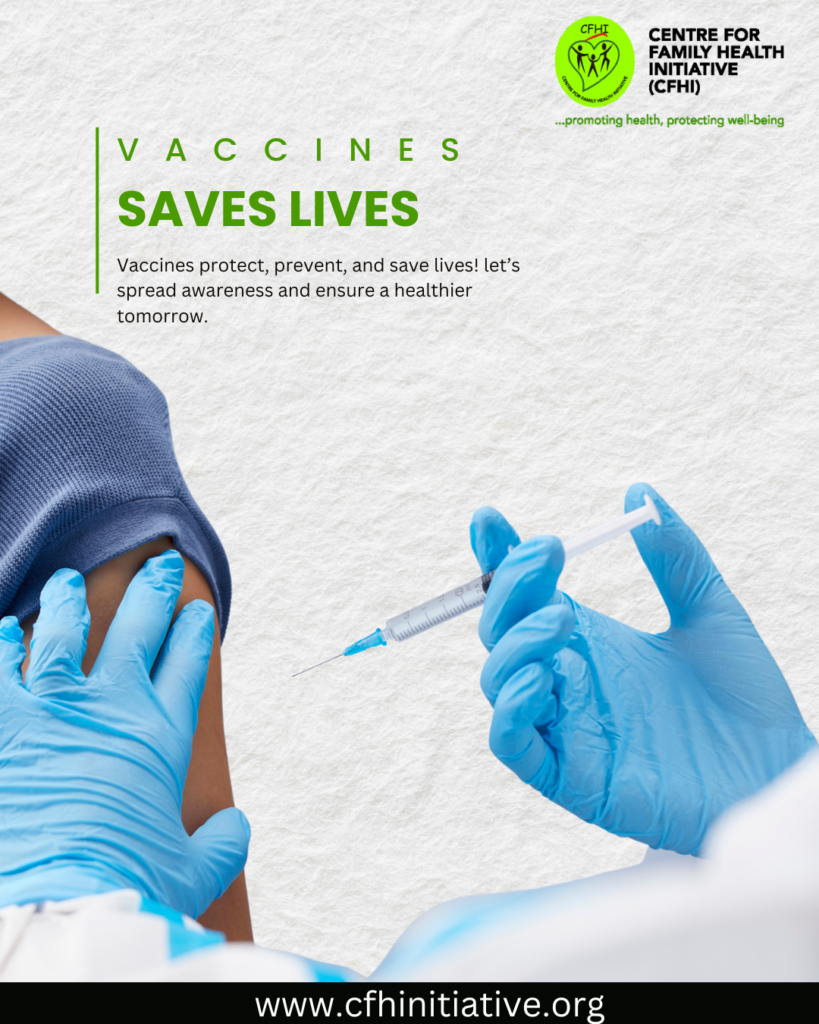
VACCINES SAVE LIVES

Vaccination is one of the greatest achievements in public health, and the statement “vaccines save lives” is far more than a slogan it is a reality backed by decades of scientific evidence, global data, and measurable impact across countries and generations. Vaccines protect individuals and communities by preventing illness, disability, and death from infectious diseases such as measles, polio, tetanus, and influenza. According to the World Health Organization, immunization prevents between 3.5 and 5 million deaths every year worldwide [1], while the Centers for Disease Control and Prevention estimates that about 4 million deaths are prevented annually through childhood vaccination alone [2]. These are not projections they are outcomes already achieved through consistent global efforts.

Looking over a longer period, the scale of impact becomes even more striking. In the past 50 years, vaccination programmes have saved approximately 154 million lives globally [3], which translates to about six lives saved every minute [4]. Most of these lives around 95 percent are children under the age of five [5], highlighting the critical role vaccines play in child survival. Measles vaccination alone accounts for nearly 94 million lives saved [3], demonstrating how a single vaccine can transform global health outcomes. These figures are supported by extensive research, including studies published in The Lancet, which consistently confirm the enormous contribution of immunization to reducing mortality and improving life expectancy worldwide [6].

Vaccines work by training the body’s immune system to recognize and fight harmful pathogens before they cause disease, providing protection that is both effective and long-lasting. Their benefits extend beyond individual protection to entire populations. By reducing disease transmission, vaccines create herd immunity, protecting even those who cannot be vaccinated. They prevent outbreaks of deadly diseases, reduce the burden on healthcare systems, and generate significant economic returns saving up to $52 for every $1 invested in immunization programmes in low- and middle-income countries [2]. Over time, vaccines have contributed to a 40 percent reduction in global infant mortality [5], a remarkable achievement that underscores their importance in improving survival rates.

Diseases that once caused widespread fear and death have been brought under control or eliminated entirely due to vaccination. Smallpox, for example, has been eradicated globally, while polio is now on the verge of elimination after decades of sustained immunization efforts. These successes demonstrate what is possible when science, policy, and community engagement work together.

Despite these achievements, significant gaps in immunization coverage remain. An estimated 14.3 million children worldwide have never received a single dose of any vaccine, often referred to as “zero-dose” children [7]. Nigeria is among the countries with the highest number of unvaccinated children, highlighting a critical public health challenge that requires urgent attention [7]. In addition, measles vaccination coverage remains below optimal levels in many regions, leaving millions of children vulnerable to preventable disease outbreaks [7]. These gaps not only endanger lives but also risk reversing decades of progress.

Efforts to close these gaps are strengthened by global initiatives such as World Immunization Week, celebrated annually in the last week of April. Led by the World Health Organization, this campaign raises awareness about the importance of vaccines, promotes equitable access, and encourages governments and communities to prioritize immunization [8]. Themes such as “Immunization for All is Humanly Possible” emphasize the need to reach every child, everywhere, regardless of location or socioeconomic status.

At the national level, governments play a central role in ensuring vaccine access and uptake. In Nigeria, interventions such as the National Programme on Immunization (NPI), the integration of vaccines into primary healthcare services, and partnerships with global organizations have significantly improved immunization coverage. Campaigns targeting polio eradication and routine immunization have contributed to notable progress, but challenges remain. Reaching underserved communities, strengthening healthcare infrastructure, and addressing vaccine hesitancy require sustained investment and commitment.

Recent global disruptions, including the COVID-19 pandemic, have led to missed vaccinations and declining coverage in some areas, increasing the risk of disease outbreaks. Public health experts warn that without renewed efforts, diseases that were once under control could resurface, threatening lives and straining already burdened health systems. This makes it more important than ever to prioritize immunization as a cornerstone of public health.[9]

At the Centre for Family Health Initiative (CFHI), these gaps have been actively addressed through sustained, community-driven interventions aimed at improving immunization uptake over time. CFHI has implemented targeted vaccine awareness campaigns, strengthened community mobilization, and integrated immunization education into maternal, child health, and HIV service delivery platforms. Through consistent engagement with caregivers, community leaders, and health facilities, CFHI has contributed to reducing vaccine hesitancy, improving demand for routine immunization, and supporting last-mile access to life-saving vaccines in underserved communities. These efforts form part of CFHI’s broader commitment to strengthening primary healthcare systems and safeguarding children and vulnerable populations from vaccine-preventable diseases.[10]

Vaccines remain one of the most cost-effective, impactful, and scalable health interventions available today. However, their life-saving potential can only be realized when they reach the people who need them. Vaccines save lives but only when they are accessible, accepted, and administered on time. Individuals and families must ensure that children receive all routine immunizations according to schedule, while communities must promote accurate information and counter misinformation. Governments must increase funding for immunization programmes and strengthen healthcare systems, while organizations and partners must support outreach to underserved populations. Health workers, as trusted voices, must continue to advocate for vaccination and engage communities effectively.

No one should die from a disease that vaccines can prevent. The science is clear, the evidence is overwhelming, and the solution is within reach. Vaccines save lives and with collective action, they can save millions more.

References

  1. WHO – Vaccines and Immunization: https://www.who.int/health-topics/vaccines-and-immunization
  2. CDC – Global Immunization Fast Facts: https://www.cdc.gov/global-immunization/fast-facts
  3. WHO – 154 million lives saved: https://www.who.int/news/item/24-04-2024-global-immunization-efforts-have-saved-at-least-154-million-lives-over-the-past-50-years
  4. London School of Hygiene & Tropical Medicine – EPI impact
  5. UNICEF – Why vaccines matter: https://www.unicef.org/stories/why-vaccines-matter-children
  6. The Lancet Study on Immunization Impact
  7. WHO – Immunization Coverage Factsheet: https://www.who.int/news-room/fact-sheets/detail/immunization-coverage
  8. World Immunization Week Overview
  9. https://www.who.int/news/item/15-07-2022-covid-19-pandemic-fuels-largest-continued-backslide-in-vaccinations-in-three-decades?utm_source=chatgpt.com
  10. https://www.cfhinitiative.org/ending-hiv-stigma-community-support-beyond-world-aids-day/ 


VACCINES SAVE LIVES Read More »

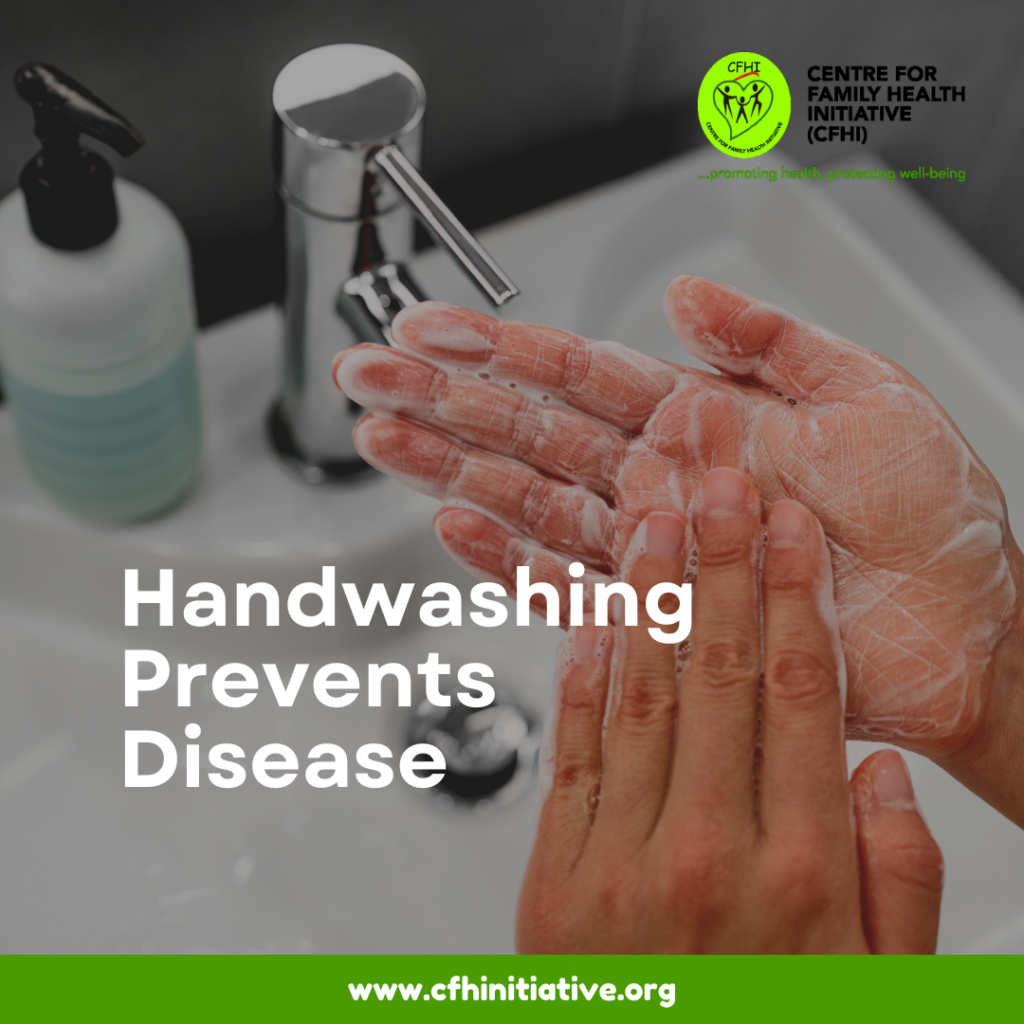
Handwashing Prevents Disease

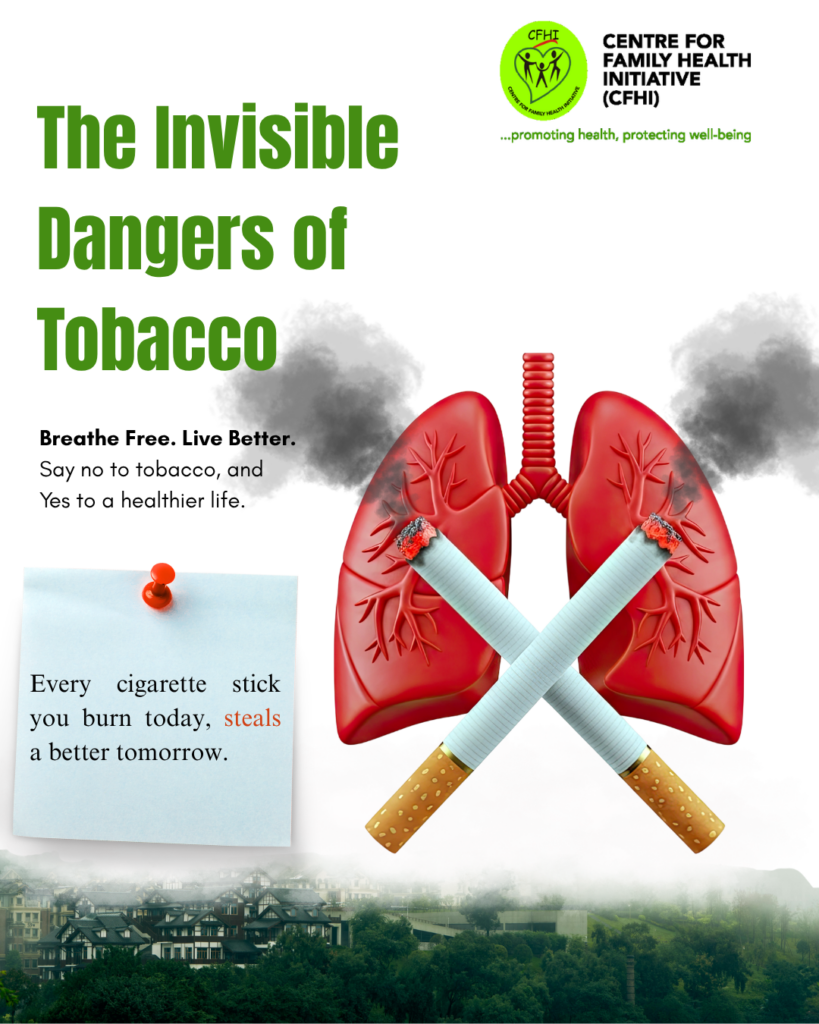
Handwashing with soap remains one of the most effective and affordable ways to prevent diseases and protect public health. According to the World Health Organization and global health partners, proper hand hygiene significantly reduces the spread of infectious diseases such as diarrhea, respiratory infections, and even emerging outbreaks [1]. Despite its simplicity, handwashing is often overlooked, contributing to millions of preventable illnesses and deaths worldwide.

Scientific evidence shows that unclean hands are a major pathway for disease transmission. Germs from faecal matter, contaminated surfaces, and respiratory droplets easily spread through touch, food handling, and person-to-person contact. Research indicates that a single gram of human faeces can contain up to one trillion germs, making proper hand hygiene critical in breaking the chain of infection [2]. Handwashing with soap has been shown to reduce diarrheal diseases by 23–40% and respiratory infections by up to 21% [3].

Globally, the burden of poor hand hygiene remains alarming. An estimated 2.3 billion people lack access to basic handwashing facilities with soap and water, while 1.7 billion still do not have basic hygiene services at home [4]. Additionally, nearly half of healthcare facilities worldwide lack proper hand hygiene services, putting patients at risk of infections [5]. Among children, poor hygiene contributes significantly to disease, with approximately 1.8 million children under five dying annually from preventable illnesses such as diarrhea and pneumonia conditions that proper handwashing could help reduce [6].

Various interventions have been implemented globally to promote hand hygiene. Organizations such as UNICEF and WHO continue to support handwashing campaigns, improve access to water and sanitation, and integrate hygiene education into schools and communities [1]. Community awareness programs, provision of handwashing facilities, and behavior change communication have proven effective in improving hygiene practices. Studies show that even a small investment less than $1 per person annually can significantly expand access to handwashing facilities and save hundreds of thousands of lives [7].

Our commitment to ‘Standing with Science’ was most evident during the height of the COVID-19 pandemic. Recognizing that awareness is only effective when paired with resources, CFHI conducted extensive sensitization and distribution drives across the FCT. This included critical interventions at the Kuje Prison in Abuja and various schools throughout the FCT, where we provided essential hygiene tools such as professional-grade hand sanitizers, liquid soaps, and specialized buckets and bowls with attached taps to facilitate contactless handwashing. This proactive approach ensured that the most vulnerable populations had the physical means to break the chain of infection.

In conclusion, handwashing is a simple yet powerful tool that everyone can practice daily. Individuals are encouraged to wash their hands regularly especially before eating, after using the toilet, and after contact with potentially contaminated surfaces. Governments and institutions must also invest in accessible hygiene facilities and promote behaviour change. By making handwashing a habit, we can prevent diseases, save lives, and build healthier communities. Clean hands are not just a personal responsibility they are a public health necessity.

References

  1. https://www.who.int/news-room/fact-sheets/detail/hand-hygiene
  2. https://www.cdc.gov/hygiene/about/index.html
  3. https://www.cdc.gov/hygiene/personal-hygiene/hands.html
  4. https://www.unicef.org/reports/state-worlds-handwashing-2021
  5. https://www.who.int/publications/i/item/9789240055445
  6. https://www.who.int/news-room/fact-sheets/detail/diarrhoeal-disease
  7. https://www.worldbank.org/en/news/feature/2020/04/22/handwashing-for-all-the-value-of-hand-hygiene-to-save-lives-and-economies


Handwashing Prevents Disease Read More »

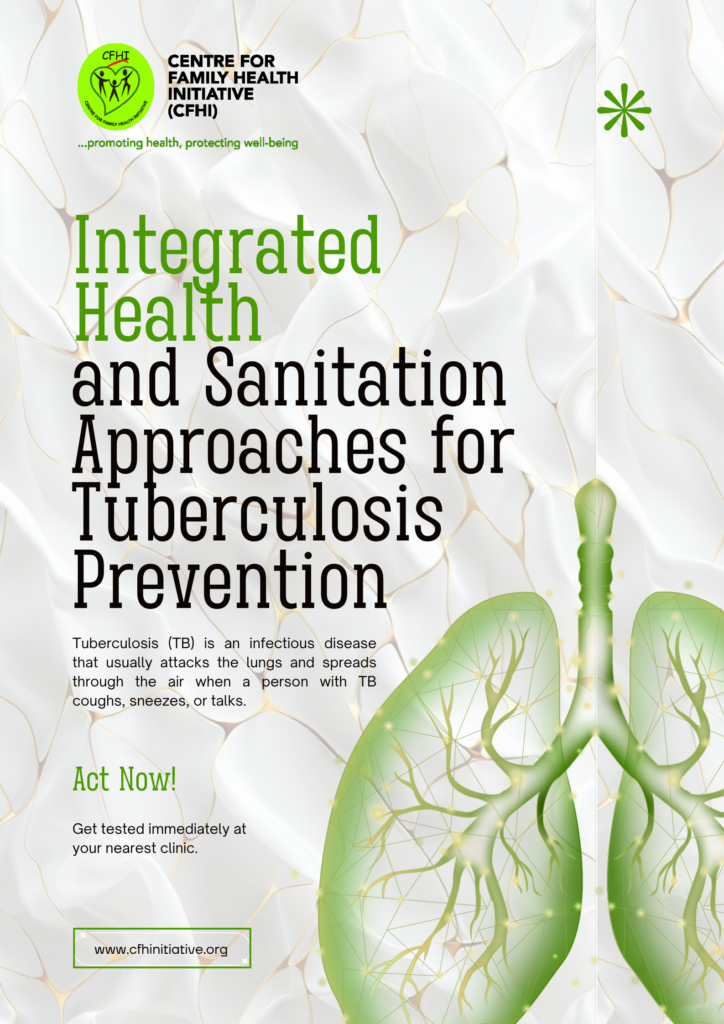
Integrated Health and Sanitation Approaches for Tuberculosis Prevention

Tuberculosis (TB) remains a major public health concern globally and in Nigeria, requiring a comprehensive and integrated approach that combines healthcare services with sanitation and environmental interventions. TB is caused by Mycobacterium tuberculosis and spreads through airborne droplets when an infected person coughs or sneezes. Globally, TB continues to be one of the leading infectious killers, with millions of new infections recorded annually. Nigeria is among the top high-burden TB countries, with an estimated incidence rate of 219 cases per 100,000 population and hundreds of thousands of infections reported yearly². Despite progress, gaps in early detection, treatment access, and environmental health conditions continue to drive transmission.

An integrated approach to TB prevention recognizes that the disease is not only a medical issue but also closely linked to living conditions, sanitation, and social determinants of health. Research shows that TB transmission is higher in overcrowded, poorly ventilated, and unsanitary environments, where airborne bacteria can easily spread⁷. In many communities, poor housing, inadequate waste management, and lack of hygiene practices contribute to increased exposure. Studies further highlight that weak implementation of infection prevention and control measures in health facilities also increases transmission risks among patients and healthcare workers⁷.

Effective TB prevention therefore requires combining health interventions with sanitation and hygiene (WASH) strategies. From a health systems perspective, early diagnosis and prompt treatment are critical. The World Health Organization emphasizes that starting TB treatment quickly after diagnosis significantly reduces transmission and improves outcomes¹. In addition, contact tracing and active case finding have proven effective. For instance, community-based screening interventions in Nigeria have shown that targeted contact investigation yields higher TB detection rates compared to general screening approaches, demonstrating the importance of integrated community health strategies¹².

Sanitation and environmental health measures also play a vital role in TB prevention. Improving ventilation in homes, schools, and health facilities reduces the concentration of infectious droplets in the air. Promoting good hygiene practices, such as covering the mouth when coughing and reducing indoor air pollution, helps limit transmission. Addressing overcrowding and ensuring access to clean and safe living environments are equally important. Furthermore, strengthening nutrition is essential, as malnutrition weakens immunity and increases susceptibility to TB infection.

Integrated interventions must also address vulnerable populations. TB is closely associated with HIV infection, poverty, and weak immune systems, making collaborative TB/HIV programs essential. In Nigeria, about 4.9% of TB patients are co-infected with HIV, highlighting the need for integrated service delivery that includes HIV testing, treatment, and TB care⁰. The global End TB Strategy also emphasizes patient-centered care, strong health systems, and community engagement as key pillars for reducing TB burden⁵.

Organizations like the Centre for Family Health Initiative (CFHI) play a critical role in advancing integrated TB prevention efforts in Nigeria. Through community-based programs, CFHI supports TB awareness, screening, referral, and linkage to treatment services, particularly among vulnerable populations such as children, adolescents, and people living with HIV. The organization also promotes health education, hygiene practices, and community mobilization, helping to address both the medical and environmental factors driving TB transmission. CFHI’s work aligns with national and global strategies that emphasize integration of health services with social and behavioral interventions.

To strengthen TB prevention, several measures should be prioritized. First, expand community-based TB screening and early diagnosis services to detect cases early. Second, improve sanitation and housing conditions, especially in high-density communities. Third, promote WASH interventions, including hygiene education and environmental cleanliness. Fourth, strengthen infection prevention and control practices in health facilities to protect both patients and healthcare workers. Fifth, increase public awareness campaigns to reduce stigma and encourage timely healthcare seeking. Finally, ensure consistent access to free TB treatment and adherence support, as treatment success rates can reach over 90% when properly followed⁰.

The fight against tuberculosis requires a multi-sectoral and integrated response that goes beyond clinical treatment. By combining health services with sanitation, environmental improvements, and community engagement, it is possible to significantly reduce TB transmission and improve health outcomes. Individuals also have a role to play by seeking early testing when symptoms appear, maintaining good hygiene practices, and supporting affected persons without stigma.


Tuberculosis is preventable and curable, but only when detected and treated early. Communities, health workers, organizations, and policymakers must work together to strengthen integrated health and sanitation interventions. If you experience symptoms such as a persistent cough lasting more than two weeks, fever, or weight loss, visit the nearest health facility for testing. Together, through improved hygiene, better living conditions, and timely treatment, we can reduce the burden of TB and move closer to ending the epidemic.

References

  1. World Health Organization – TB Prevention and Infection Control
    https://www.who.int/teams/global-tuberculosis-programme/tb-reports/global-tuberculosis-report-2023/tb-prevention
  2. CDC Nigeria TB Data and Statistics
    https://www.cdc.gov/global-hiv-tb/php/where-we-work/nigeria.html
  3. WHO Global Tuberculosis Programme – Nigeria Case Study
    https://www.who.int/docs/default-source/documents/tuberculosis/engage-tb-nigeria-case-study.pdf
  4. National Tuberculosis and Leprosy Control Programme (NTBLCP)
    https://ntblcp.org.ng/
  5. WHO End TB Strategy Overview
    https://afro.who.int/health-topics/tuberculosis-tb
  6. BMC Public Health – TB Burden and Treatment Outcomes in Nigeria
    https://bmcpublichealth.biomedcentral.com/articles/10.1186/s12889-020-09289-x
  7. BMC Infectious Diseases – TB Infection Control in Nigeria
    https://bmcinfectdis.biomedcentral.com/articles/10.1186/s12879-016-1453-y
  8. TB Preventive Practices Study (Nigeria)
    https://pmc.ncbi.nlm.nih.gov/articles/PMC10262855/
  9. TB Infection Control Study (Enugu, Nigeria)
    https://pmc.ncbi.nlm.nih.gov/articles/PMC9120735/
  10. WHO TB Case Finding Initiatives in Nigeria
    https://www.afro.who.int/countries/nigeria/news/intensifying-new-initiatives-tb-case-finding-nigeria


Integrated Health and Sanitation Approaches for Tuberculosis Prevention Read More »

Early Symptoms of Tuberculosis and Why Prompt Treatment Matters

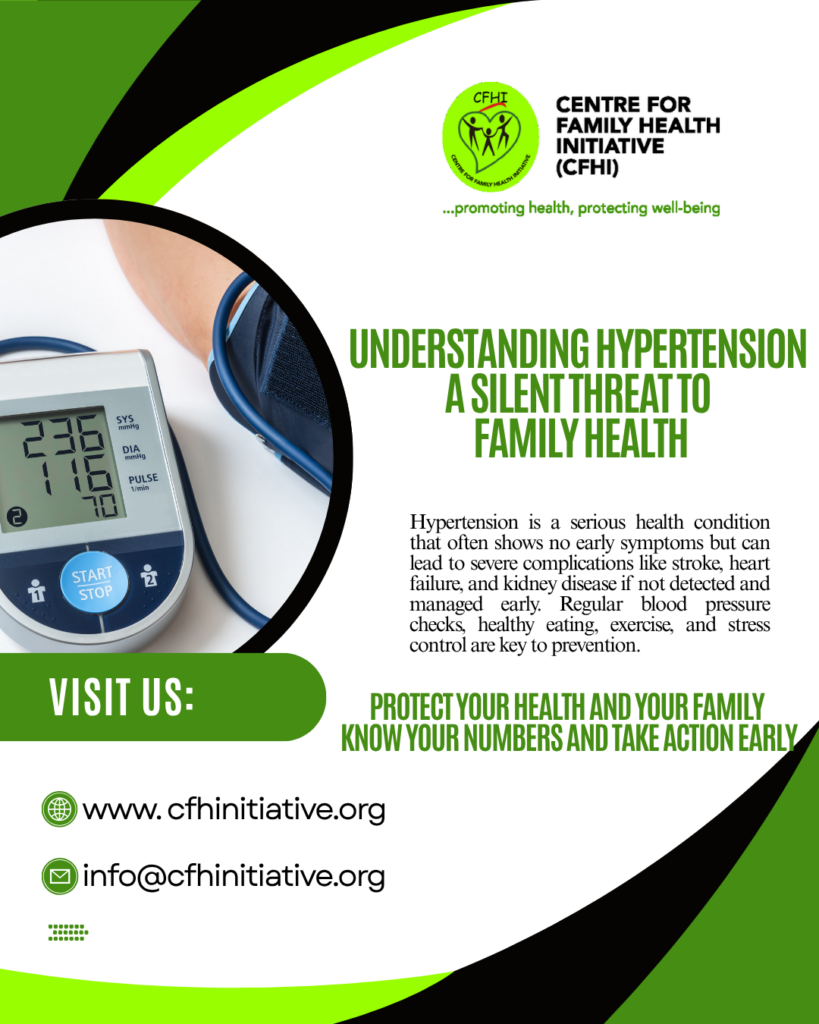
Tuberculosis (TB) remains one of the world’s most significant infectious threats, claiming approximately 1.25 million lives globally in 2023 alone 3. Despite being a preventable and curable bacterial infection, its ability to remain dormant makes early detection a critical challenge. The primary red flag is a persistent cough lasting three weeks or longer, often accompanied by chest pain and the coughing up of blood or blood-stained sputum 1. These early signs are the body’s alarm system indicating that the Mycobacterium tuberculosis bacteria are actively attacking the lung tissue, necessitating immediate medical evaluation to prevent permanent respiratory damage.

In addition to respiratory issues, the disease often presents with systemic symptoms that are frequently mistaken for minor ailments. Patients may experience unexplained weight loss, a total loss of appetite, and a persistent low-grade fever accompanied by chills 1. One of the most distinctive markers of the infection is the occurrence of heavy night sweats, where a person wakes up with soaked bedding regardless of the room temperature or weather conditions 2. Fatigue and a general sense of weakness also prevail as the body’s immune system is stretched thin while attempting to combat the bacterial load within the lungs.

Prompt treatment is a necessity for both individual survival and public safety because a person with active, untreated pulmonary TB can infect between 10 to 15 other people through close contact in a single year 3. When treatment is delayed, the bacteria have more time to multiply and potentially spread to other parts of the body, such as the spine or kidneys. Furthermore, delaying the start of the standard six-month medication course significantly increases the risk of developing Multi-Drug Resistant TB (MDR-TB). This strain does not respond to the most powerful first-line drugs and requires longer, more toxic, and significantly more expensive treatment regimens with lower survival rates 4.

According to the 2024 WHO Global Tuberculosis Report, while the global treatment success rate for drug-susceptible TB is a high 88%, a massive gap in funding persists. Currently, global investment stands at US$ 5.7 billion, which is far below the required US$ 22 billion annually needed to meet 2027 targets 3. This funding gap limits the availability of rapid diagnostic tools, such as GeneXpert machines, especially in high-burden regions. To mitigate this impact, communities must prioritize environmental ventilation to reduce airborne droplet concentration and ensure strict adherence to the Directly Observed Treatment Short-course (DOTS) strategy, where healthcare workers supervise medication intake 2.

Over the years, CFHI has established strategic partnerships with key stakeholders, particularly the National Tuberculosis and Leprosy Control Programme (NTBLCP), to facilitate community sensitization, mass screenings, and the delivery of essential TB services. Currently, CFHI provides these services in Imo State with support from relevant partners and stakeholders.

Ultimately, ending TB requires early action, community awareness, and the removal of social stigma. If you or anyone you know has experienced a persistent cough for more than two weeks, visit the nearest Primary Health Centre for a free TB test. TB treatment is free at government-supported health facilities, and completing the full course of medication ensures cure and prevents the spread of infection.

By recognizing symptoms early, supporting those undergoing treatment, and encouraging routine screening, we can protect our families and move closer to a TB-free future.

References

  1. Mayo Clinic: Tuberculosis Symptoms & Causes
  2. Centers for Disease Control and Prevention (CDC): Basic TB Facts
  3. World Health Organization (WHO): Global Tuberculosis Report 2024
  4. Stop TB Partnership: MDR-TB Factsheet


Early Symptoms of Tuberculosis and Why Prompt Treatment Matters Read More »

Unsafe Water and Poor Sanitation: Hidden Threats to Community Health

By Chiadika Emmanuel Chidera 

Unsafe water and poor sanitation remain major but often overlooked threats to community health. Access to clean drinking water and safe sanitation is a fundamental human right and a critical pillar of disease prevention. Yet millions of people around the world still lack these essential services. According to global health data, about 2 billion people do not have access to safely managed drinking water, while nearly 3.6 billion people lack safely managed sanitation services¹. These gaps create conditions where preventable diseases easily spread, particularly among vulnerable populations such as children and women.

Contaminated water often carries harmful bacteria, viruses, parasites, and toxic substances that can lead to serious illnesses. Diseases such as cholera, typhoid fever, dysentery, hepatitis A, and diarrhoea are commonly transmitted through unsafe water. Health estimates show that approximately 1.4 million deaths each year are linked to inadequate water, sanitation, and hygiene (WASH) services². Diarrhoeal diseases alone cause over 1 million deaths annually, with nearly 395,000 of these deaths occurring among children under the age of five². In Nigeria, the situation remains concerning, as reports indicate that over 100 children die daily from diarrhoeal diseases, many of which are connected to unsafe water sources and poor sanitation practices⁴.

The health hazards associated with unsafe water and poor sanitation are wide-ranging. These include (1) the rapid spread of waterborne diseases such as cholera and typhoid, (2) severe diarrhoeal infections that cause dehydration and malnutrition, (3) parasitic infections like intestinal worms that affect about 1.5 billion people globally³, (4) long-term malnutrition and stunted growth among children due to repeated infections, and (5) exposure to chemical contaminants that can lead to organ damage and developmental problems. Poor sanitation practices such as open defecation further worsen these risks by contaminating water sources and the surrounding environment.

Beyond the health effects, unsafe water and poor sanitation also create social and economic challenges. Families often spend limited resources on treating preventable diseases, children miss school due to illness, and communities experience reduced productivity. Research shows that improving water, sanitation, and hygiene services can reduce diarrhoeal diseases by 30–40 percent³, making WASH one of the most cost-effective public health interventions.

Addressing this hidden crisis requires coordinated action from governments, communities, and development partners. Expanding access to safe water infrastructure, improving sanitation facilities, and promoting hygiene education are critical steps toward protecting public health. Individuals and communities can also contribute by (1) using safe or treated drinking water, (2) practicing proper sanitation and avoiding open defecation, (3) washing hands regularly with soap, and (4) protecting local water sources from contamination.

Improving water, sanitation, and hygiene services is essential for building healthier communities and preventing avoidable diseases. By prioritizing safe water and proper sanitation, societies can protect lives, strengthen public health systems, and ensure a healthier future for all.

Monday Health Burst is an initiative of CFHI to address issues of basic health concern. Join us every Monday on all our social media platforms for more episodes.
References

  1. UNICEF & World Health Organization Joint Monitoring Programme for Water Supply, Sanitation and Hygiene (JMP). https://washdata.org
  2. World Health Organization. Global Burden of Disease Attributable to Water, Sanitation and Hygiene. https://www.who.int/health-topics/water-sanitation-and-hygiene-wash
  3. Centers for Disease Control and Prevention. Global Water, Sanitation, and Hygiene (WASH) Data. https://www.cdc.gov/healthywater/global/index.html
  4. Nigeria WASH and diarrhoeal disease statistics. https://washnigeria.com


Unsafe Water and Poor Sanitation: Hidden Threats to Community Health Read More »

Gender Inequality: A Threat to the Health, Safety, and Rights of Women and Girls in Nigeria

Gender inequality remains a deeply entrenched threat to the health, safety, and rights of women and girls in Nigeria, undermining progress toward equitable development and directly shaping outcomes in health, education, economic participation, political representation, and freedom from violence. According to the United Nations Development Programme (UNDP), Nigeria ranks 147 out of 191 countries on the Gender Inequality Index, reflecting large disparities between men and women in reproductive health, empowerment, and labour market participation. ¹ These inequalities manifest in real and measurable ways that compromise the wellbeing and opportunities of women and girls across the country.

One of the most profound impacts of gender inequality in Nigeria is observed in health outcomes. The maternal mortality ratio remains unacceptably high at 512 maternal deaths per 100,000 live births, indicating that women are still at disproportionate risk during pregnancy and childbirth compared to global averages. ² Factors driving this include limited access to quality reproductive health services, lack of autonomy in health decision-making, and economic barriers that delay care-seeking. Research shows that women who lack financial independence or decision-making power are less likely to utilise antenatal care or deliver in health facilities, increasing the likelihood of preventable complications. ³

Education is another field deeply affected by gender inequality. UNESCO reports that girls’ school completion rates in Nigeria lag boys’, particularly at the secondary level, a gap that translates into reduced opportunities for advanced learning, better jobs, and informed health choices later in life. ⁴ Early marriage, still prevalent in many regions, significantly contributes to school dropout rates among girls. UNICEF estimates that 43% of girls in Nigeria are married before their 18th birthday, limiting educational attainment and exposing them to early pregnancy and increased health risks such as obstetric fistula and maternal mortality. ⁵

Gender-based violence (GBV) is another grave consequence of systemic inequality. The Nigeria Demographic and Health Survey (NDHS) reveals that around 30% of ever-married women aged 15–49 have experienced physical violence, with many cases going unreported due to stigma, fear, and weak legal enforcement. ⁶ Violence affects not only physical health but also leads to long-term psychological trauma, increased vulnerability to HIV infection, and reduced participation in economic and community life. ⁷

Political inequality further illustrates the scale of exclusion. In the current 10th National Assembly (2023–2027), women remain severely underrepresented in national decision-making. Out of 109 Senate seats, only 4 are held by women (approximately 3.7%), while 105 seats (96.3%) are held by men. In the House of Representatives, only 17 out of 360 seats are occupied by women (approximately 4.7%), compared to 343 men. Altogether, women hold just 21 out of 469 seats in the National Assembly, representing about 4.2% of federal lawmakers.¹⁰ This means that despite women making up nearly half of Nigeria’s population, their voice in shaping laws and policies that directly affect their health, safety, and rights remains below 5% — one of the lowest representation rates in the region.¹¹ Limited political participation restricts the advancement of gender-responsive policies and slows progress on critical issues such as maternal health funding, protection from violence, and equal economic opportunities.

Economic inequality further compounds these threats. Although women actively participate in Nigeria’s labour force, wage gaps, informal employment, and occupational segregation persist. The World Economic Forum’s Global Gender Gap Report highlights that women often earn less than men for similar work and remain underrepresented in leadership positions. ⁸ Without economic empowerment, many women are unable to afford essential health services, invest in their education, or break cycles of poverty and dependency.

These disparities are not inevitable; they are shaped by social norms, discriminatory practices, and gaps in policy implementation. Research consistently shows that gender-responsive policies including universal access to reproductive healthcare, enforcement of laws against child marriage, protection from gender-based violence, equal educational opportunities, and increased political inclusion significantly improve health, economic, and social outcomes. ⁹

Addressing gender inequality is therefore not only a moral obligation but also a public health, governance, and economic priority. When women and girls have equal access to education, healthcare, leadership opportunities, and economic resources, maternal and infant mortality decline, household incomes rise, communities become safer, and national development accelerates. Nigeria cannot achieve sustainable development while half of its population remains structurally disadvantaged.

We call on the Federal and State Governments to strengthen and fully enforce laws protecting women and girls from discrimination and violence, expand access to quality healthcare services, promote girls’ education, and implement affirmative measures to increase women’s political representation. Development partners, civil society, and community leaders must intensify advocacy, scale up gender-responsive programming, and challenge harmful norms that sustain inequality. Every sector health, education, justice, governance, and economic development must mainstream gender equity as a foundational principle. The health, safety, and rights of Nigeria’s women and girls demand bold, sustained, and collective action.

References

  1. UNDP Gender Inequality Index
    https://hdr.undp.org/data-center/thematic-composite-indices/gender-inequality-index
  2. WHO Trends in Maternal Mortality 2000–2023
    https://www.who.int/publications/i/item/9789240068759
  3. Journal of Women’s Health – Decision-Making Power & Maternal Service Utilisation
    https://www.liebertpub.com/doi/10.1089/jwh.2020.8805
  4. UNESCO Institute for Statistics – Girls’ Education
    https://uis.unesco.org/en/topic/girls-education
  5. UNICEF – Child Marriage in Nigeria
    https://data.unicef.org/topic/child-protection/child-marriage/
  6. Nigeria Demographic and Health Survey (NDHS)
    https://dhsprogram.com/pubs/pdf/FR379/FR379.pdf
  7. WHO – Violence Against Women Prevalence Estimates
    https://www.who.int/publications/i/item/9789240022256
  8. World Economic Forum – Global Gender Gap Report 2023
    https://www3.weforum.org/docs/WEF_GGGR_2023.pdf
  9. Journal of Gender & Development – Gender-Responsive Policies
    https://www.tandfonline.com/doi/full/10.1080/13552074.2021.1952743
  10. The Nation Newspaper – Women in the 10th National Assembly
    https://thenationonlineng.net/meet-the-only-four-female-senators-in-10th-nass/
  11. The Guardian Nigeria – Women’s Representation in N’Assembly
    https://guardian.ng/news/national/only-4-5-of-nassembly-members-are-women-says-wilan-report/

Gender Inequality: A Threat to the Health, Safety, and Rights of Women and Girls in Nigeria Read More »

Maternal Health – Access to Care

Nigeria’s maternal health landscape continues to reveal stark inequalities that jeopardize the lives of women and newborns, particularly in underserved states like Adamawa and Zamfara. Despite global and national efforts to improve maternal survival, access to essential care remains limited for millions of women across the country. Research shows that utilisation of maternal healthcare services including antenatal care, skilled delivery, and postnatal care is persistently low, with only about 52% of women attending at least four antenatal visits, 38% delivering in health facilities, and about 37% receiving postnatal care. These gaps contribute directly to preventable complications and deaths during pregnancy and childbirth. ¹

According to the 2024 Nigeria Demographic and Health Survey (NDHS), while antenatal care coverage has improved to 63%, only 46% of births are attended by skilled health personnel, leaving more than half of Nigerian mothers vulnerable during their most critical hour.² The stakes are staggering; a woman in Nigeria faces a 1 in 19 lifetime risk of dying during pregnancy or childbirth, compared to 1 in 4,900 in high-income countries.³ Despite these daunting statistics, recent government reports from the 2025 Joint Annual Review indicate a 17% reduction in maternal deaths across high-burden areas, driven largely by initiatives like the Maternal and Neonatal Mortality Reduction Innovation Initiative (MAMII), which facilitated over 4,000 free Cesarean sections and revitalized 435 health facilities within one year.⁴

At the heart of this changing landscape is the work of the Centre for Family Health Initiative (CFHI) through the BIRTH Project (Building Innovative Responses to Transform Healthcare), currently being implemented in Adamawa State and Zamfara State. In these regions, where geographical, financial, and systemic barriers often stand between a mother and survival, CFHI’s interventions are providing practical and life-saving solutions to improve access to skilled maternal care.

In Adamawa State, CFHI strengthened the Rumde Primary Health Care Centre in Yola North by installing a solar-powered birth suitcase, ensuring uninterrupted delivery services even in the absence of stable electricity. The intervention has become the primary source of light during childbirth in the facility, enabling safe deliveries at all hours. Beyond the health facility, the project promotes maternal wellbeing through community-led nutrition demonstrations aimed at preventing maternal anemia, a condition responsible for a significant proportion of pregnancy-related complications worldwide³.

In Zamfara State, where facility-based delivery rates have historically been low, similar solar-powered birth kits were installed at facilities such as Shagari Primary Health Centre, improving nighttime emergency response and increasing community confidence in the health system. However, the BIRTH Project goes beyond the provision of equipment. It directly addresses the five delays identified under the Maternal and Neonatal Mortality Reduction Innovation Initiative (MAMII).

The consequences of poor access are not only clinical but social and economic. Women who cannot reach care in time often resort to unskilled birth attendants or home deliveries, increasing the likelihood of complications and long-term disability. National analyses show that financial constraints, distance to facilities, and perceived poor quality of care are major determinants of home births, even among women who attend antenatal care. ⁶ Beyond these structural issues, cultural norms and limited decision-making autonomy further restrict women’s ability to seek timely and appropriate maternal healthcare.

To transform maternal health outcomes in Nigeria with Adamawa and Zamfara as case studies sustained investment is required in strengthening primary healthcare systems, expanding referral networks, improving emergency transport, and increasing the availability of skilled health workers trained in emergency obstetric and newborn care. Governments, donors, and civil society must work together to remove financial barriers, improve transportation systems, and empower women socially and economically so that no woman is forced to choose between distance and survival.

CFHI’s ongoing MNCH interventions demonstrate that progress is possible when communities are engaged, health systems are supported, and maternal care is prioritized. The task ahead is to scale these efforts with urgency, political commitment, and adequate funding to ensure that every pregnancy is safe, and every mother survives childbirth.

Monday Health Burst is an initiative of CFHI to address issues of basic health concern. Join us every Monday on all our social media platforms for more episodes.
 

References

  1. National Library of Medicine (PMC). Determinants of maternal healthcare service utilization in Nigeria.
    https://www.ncbi.nlm.nih.gov/pmc/articles/PMC
  2. National Population Commission (NPC) Nigeria and ICF. Nigeria Demographic and Health Survey 2024 (Key Indicators Report).
    https://dhsprogram.com
  3. World Health Organization (WHO). Trends in Maternal Mortality 2000–2023.
    https://www.who.int/publications
  4. Federal Ministry of Health Nigeria. 2025 Joint Annual Review Report & MAMII Initiative Update.
    https://health.gov.ng
  5. National Library of Medicine (PubMed). Barriers to facility-based delivery after antenatal care attendance in Nigeria.
    https://pubmed.ncbi.nlm.nih.gov


Maternal Health – Access to Care Read More »

The Role of Families and Communities in Preventing FGM

In the landscape of global health in 2026, Female Genital Mutilation (FGM) stands as one of the most persistent violations of human rights, yet the tide is beginning to turn through sophisticated, community-led interventions. As of this year, over 230 million women and girls alive today have undergone the procedure, and UNICEF projects that 4.5 million more remain at risk in 2026 alone [1]. The struggle to end this practice is no longer just a legal battle; it has evolved into a deep-rooted cultural shift focusing on the intersection of family protection and communal health [4].

The prevention of FGM begins at the heart of the home, where families are being empowered to dismantle the “social obligation” myth. Recent research from the UNFPA-UNICEF Joint Programme indicates that when mothers are provided with formal education and economic agency, the likelihood of their daughters being cut drops significantly [3]. Families are now being reached through “Positive Masculinity” programs, where over 800,000 men and boys have pledged to protect their female relatives, challenging the outdated notion that FGM is a prerequisite for marriageability [3]. By addressing the family as the primary decision-making unit, advocacy groups are successfully replacing fear of social exclusion with a shared commitment to a daughter’s physical integrity and future health.

Moving beyond the front door, the most effective preventative measure in 2026 has been the rise of Public Declarations of Abandonment within local communities. This collective approach shifts the “social contract,” ensuring that no single family feels isolated in their choice to stop the practice. Many regions have successfully implemented Alternative Rites of Passage (ARP), which preserve the cultural celebration of womanhood through education, mentorship, and gifts minus the physical harm. This allows communities to maintain their rich heritage while evolving their health standards. Simultaneously, health systems are closing the gap on “medicalization” the dangerous trend of health professionals performing the cut. The World Health Organization has recently tightened codes of conduct, training midwives and doctors to serve as the first line of defense, educating parents on the $1.4 billion annual global cost of treating FGM-related complications, ranging from obstetric hemorrhage to lifelong psychological trauma [2].

To ensure these gains are permanent, a robust network of local surveillance and cross-border cooperation has emerged. In 2026, over 3,200 communities have established “watchdog” groups that monitor girls during school holidays, a peak time for the practice [3]. These grassroots efforts, supported by national laws that criminalize “vacation cutting,” create a safety net that follows a girl from her village to the city and beyond. The data proves that this holistic approach works; for every dollar invested in these prevention measures, there is a tenfold return in health savings and economic productivity [2]. By weaving together, the strength of the family unit with the collective will of the community, we are finally moving toward a world where every girl can grow up whole, healthy, and empowered.

Call to Action

The end of FGM is within our reach, but it requires your voice and your action. You can make a difference today:

  • Educate and Advocate: Share the facts about the health risks of FGM within your social circles. Silence is where the practice thrives.
  • Support Grassroots Organizations: Donate to or volunteer with local NGOs that facilitate Alternative Rites of Passage and provide education to at-risk families.
  • Report Risk: If you know a girl is at risk of being subjected to FGM, contact local child protection services or international helplines immediately.
  • Engage Men and Boys: Start conversations with the men in your community about the importance of protecting the rights and health of women and girls.

Monday Health Burst is an initiative of CFHI to address issues of basic health concern. Join us every Monday on all our social media platforms for more episodes.
References

  • UNICEF Data (2025/2026): FGM Prevalence and Statistics
  • WHO Global Health Update: The Cost of FGM and Prevention Strategies
  • UNFPA 2025 Annual Report: Eliminating FGM through Community Action
  • United Nations: International Day of Zero Tolerance for FGM


The Role of Families and Communities in Preventing FGM Read More »

Families as Frontline Defenders Against Harmful Practices.

Across the world, harmful practices such as female genital mutilation (FGM) and child marriage continue to violate the rights, health, and futures of millions of girls and young women, often entrenched in patriarchal norms and social pressures. UNICEF estimates that at least 230 million girls and women alive today have undergone FGM, and over 12 million girls are married before age 18 every year, both of which are rooted in gender inequality and harmful social norms upheld at the family and community level. These practices not only harm physical and psychological wellbeing but also constrain girls’ access to education, livelihoods, and basic human rights. (UNICEF)

Families are not merely passive bystanders in this landscape they can be frontline defenders against harmful practices. Research shows that families influence health behavior, decision-making, and wellbeing from early life through adolescence and adulthood, making them invaluable actors in preventing and countering abuse and discrimination. Family-oriented health promotion strategies have been found to be effective in reducing child maltreatment and strengthening protective factors by enhancing parenting practices, social support, and overall family wellbeing. (PubMed)

In many communities where harmful practices like FGM and child marriage persist, decision making often occurs within the household, with parents, extended family members, and elders shaping whether girls are subjected to such rites. In parts of sub-Saharan Africa, families fear social ostracism and harm to a girl’s “marriage prospects” if she is not cut or married early beliefs that are enforced by elders and community expectations. This social pressure persists even where awareness of harm is increasing, illustrating how deeply family influence and social norms are intertwined. (acrl-rfp.org) In Mali, for example, prevalence rates of FGM remain high only dropping from 91% to 89% over two decades underscoring that legal change alone is insufficient without deep shifts in family and community norms. (ODI: Think change)

However, when families act as agents of change rather than enforcers of harmful norms, progress is possible. In Sudan in 2025, community committees that included family members mobilized against an FGM practitioner’s arrival, stopping the practice in its tracks, and demonstrating the power of collective family and community action to protect children. This local action, grounded in awareness about health risks and legal protections, helped shift attitudes and strengthen community resistance against harmful practices. (UNICEF)

Education is another critical lever. Families that value girls’ schooling and future potential are more likely to delay or abandon harmful practices, recognizing the long-term benefits of learning and opportunity. Research from UNICEF indicates that education can shift attitudes and reduce the transmission of harmful practices across generations, as families who understand the risks and benefits are better positioned to protect their daughters. (UNICEF DATA)

Promoting family engagement as a public health strategy also aligns with broader efforts to prevent violence and abuse. Evidence shows that family-based interventions reduce harmful behaviors such as bullying among children and adolescents by improving parenting, communication, and protective supervision. These family systems create environments where children feel supported, informed, and safer, reducing the likelihood of various forms of harm. (SpringerLink)

Yet meaningful change requires more than individual awareness it requires collective, sustained action that equips families with knowledge, resources, and support to challenge harmful norms. Governments, civil society, health systems, and community leaders must invest in education, legal protections, economic opportunities, and culturally appropriate outreach that reinforces families as protectors rather than perpetuators of harmful practices. As one advocate puts it, “Families who understand the suffering these practices cause is increasingly willing to resist, one conversation at a time.” (UNICEF)

Call to Action: Ending harmful practices such as FGM and child marriage depends on empowering families with evidence, support, and tools to reject harmful norms and champion girls’ rights. Invest in family-focused education and prevention, strengthen community support networks, involve elders and parents in advocacy, and ensure every girl’s health, education, and dignity are protected.

References

Families as Frontline Defenders Against Harmful Practices. Read More »

Health Is More Than Treating Illness

Health is often misunderstood as the absence of illness, yet evidence shows that health is far more than treating disease after it occurs. The World Health Organization defines health as a state of complete physical, mental, and social well-being, not merely the absence of disease or infirmity (1). This means that healthcare systems and communities must move beyond reactive treatment and prioritize prevention, education, and supportive environments that enable people to live healthy lives long before they become patients.

Globally, nearly 60% of deaths are linked to preventable causes, including infections, maternal complications, malnutrition, and non-communicable diseases that could be reduced through early awareness, healthy behaviors, and timely care (1). Treating illness alone addresses only the final stage of a much longer health journey. When communities lack access to accurate information, clean water, nutrition, and preventive services, diseases spread faster and outcomes worsen, even when treatment is available.

In Nigeria, the limits of treatment-focused health systems are clearly visible. The country bears a disproportionate burden of preventable conditions, accounting for about 20% of global maternal deaths, many of which are linked to delays in care-seeking, poor nutrition, and lack of antenatal education rather than lack of hospitals alone (2). Similarly, malaria remains endemic, with over 1.9 million reported cases annually, despite the disease being largely preventable through awareness, environmental control, and early testing (3). These figures demonstrate that treatment without prevention is insufficient.

Recent public health emergencies further reinforce this reality. Between 2023 and 2024, Nigeria recorded over 19,000 suspected cholera cases, driven by unsafe water, poor sanitation, and limited hygiene awareness (4). Cholera is not primarily a failure of medicine but a failure of systems that support healthy living. Likewise, outbreaks of measles and other vaccine-preventable diseases continue to occur, largely due to misinformation and low community awareness rather than lack of vaccines (5).

Health also includes mental and social well-being, areas often overlooked in treatment-centered approaches. Studies show that people living in environments marked by poverty, stress, gender inequality, or violence experience poorer health outcomes even when medical care is available (6). Women and girls exposed to harmful practices or denied health information often suffer long-term physical and psychological consequences that treatment alone cannot undo.

Research consistently shows that preventive and promotive health interventions can reduce disease burden by up to 40%, improve service uptake, and lower healthcare costs (1). Community education, early screening, nutrition support, immunization, clean water access, and supportive social structures are as essential to health as hospitals and medicines. Healthy communities are built through informed choices, safe environments, and systems that support well-being at every stage of life.

Call to Action: If health is truly more than treating illness, then governments, health institutions, civil society organizations, and communities must invest in prevention, awareness, and social support systems. Strengthening health education, promoting early screening, improving water and sanitation, addressing gender and social inequalities, and empowering communities with knowledge are critical steps toward sustainable health outcomes. Treating illness saves lives but preventing illness and promoting well-being transforms societies.

References

  1. World Health Organization – Constitution & Health Promotion
    https://www.who.int/about/governance/constitution
    https://www.who.int/teams/health-promotion
  2. WHO Nigeria – Maternal Health Facts
    https://www.who.int/nigeria/health-topics/maternal-health
  3. World Health Organization – Malaria Factsheet
    https://www.who.int/news-room/fact-sheets/detail/malaria
  4. Nigeria Centre for Disease Control – Cholera Updates
    https://ncdc.gov.ng/diseases/cholera
  5. UNICEF Nigeria – Immunization and Disease Prevention
    https://www.unicef.org/nigeria/health
  6. World Health Organization – Social Determinants of Health
    https://www.who.int/health-topics/social-determinants-of-health
  7. PAHO Calls for Increased Surveillance Amid Rising Measles Cases https://www.reuters.com/business/healthcare-pharmaceuticals/paho-calls-increased-surveillance-amid-rising-measles-cases-americas-2026-02-04/ (turn0news26)

Health Is More Than Treating Illness Read More »