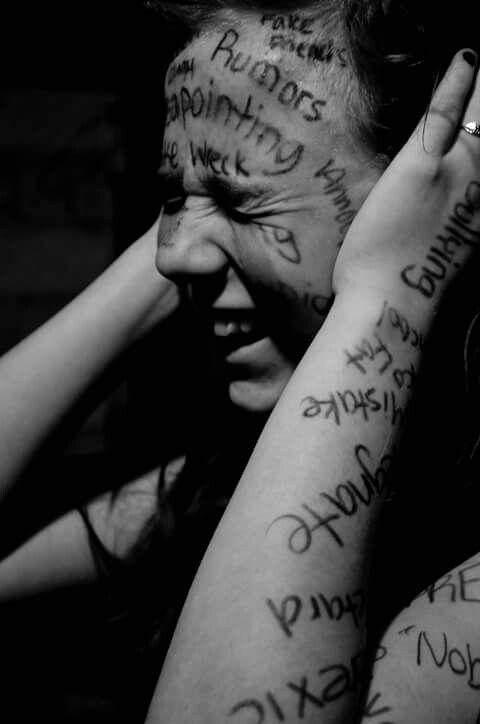
She was harassed, yet they questioned her clothing. She was assaulted, yet they questioned her choices. She found the courage to speak, yet they questioned her character. Why is a girl made to defend herself for the harm someone else chose to inflict on her?
Victim-blaming shifts responsibility from the person who commits abuse to the person who experiences it. Comments such as “She should have known better” or “Why was she there?” may seem ordinary, but they can deepen a survivor’s pain, damage her self-esteem, and make her feel responsible for something that was never her fault.
The consequences go beyond emotional distress. Sexual assault and harassment can contribute to anxiety, depression, trauma, social isolation, and disrupted education. Fear of being judged, rejected, or disbelieved may prevent girls from reporting abuse or seeking medical and psychological support. When survivors are silenced, perpetrators may escape accountability, and other girls may remain vulnerable to similar harm.
The World Health Organization estimates that approximately one in three women worldwide experiences physical or sexual violence during her lifetime. Behind these figures are individuals whose experiences deserve to be taken seriously, not dismissed, or turned into reasons for shame. World Health Organization — Violence against women.
We must challenge the attitudes that excuse abuse and create environments where girls can speak without fear of humiliation or retaliation. Parents, teachers, community leaders and institutions must listen without judgment, protect survivors’ privacy, and ensure that reports are handled appropriately. Girls should have access to safe reporting channels, trusted adults, professional support, and platforms where their concerns can be heard.
Speaking up must lead to action. Girls’ voices should not simply be heard and forgotten; their concerns must inform practical measures to prevent abuse, protect survivors, investigate allegations fairly and hold perpetrators accountable through lawful processes.
A girl’s clothing is not consent. Her silence is not permission. Her decision to report abuse is not a reason to shame her.
Let us stop asking girls what they did to deserve the harm and start asking what we are doing to prevent it. Use your voice, your platforms, and your community spaces to challenge victim-blaming, support survivors and demand meaningful action. Every girl deserves safety, dignity, justice, and the freedom to speak without being blamed for someone else’s wrongdoing.
Speak Wednesday is an initiative of CFHI to address issues of gender-based violence and gender bias.