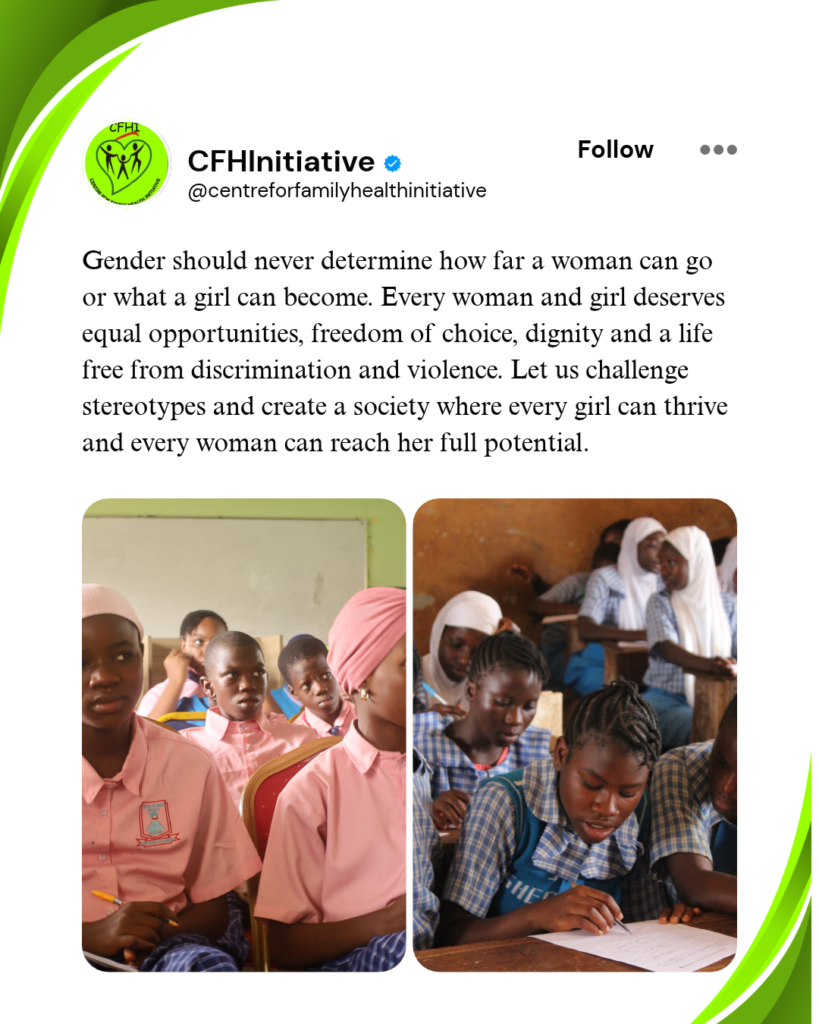
Gender stereotypes are deeply rooted beliefs about how women and men should behave, the roles they should occupy and the opportunities they should pursue. While these assumptions may appear harmless, they often restrict women’s freedom, undermine girls’ confidence, and reinforce inequalities in education, careers, economic independence, and personal lives.
As we observe the 16 Days of Activism Against Gender-Based Violence, it is important to recognise that ending violence against women and girls also requires challenging the social norms and unequal power relations that enable discrimination and abuse.
From childhood, girls are sometimes taught to be submissive, quiet, and accommodating, while boys are encouraged to be confident, independent, and assertive. These expectations influence the choices girls make, the subjects they study and the careers they believe are available to them.
In some communities, girls are discouraged from pursuing education or leadership opportunities because marriage, motherhood and domestic responsibilities are considered their primary roles. Women also experience workplace discrimination, unequal opportunities for advancement and assumptions that caregiving responsibilities make them less committed to their careers.
According to UNICEF, girls aged 5–14 spend 160 million more hours every day on unpaid care and domestic work than boys globally. This limits the time available for education, recreation, and personal development. [1] (https://data.unicef.org/topic/gender/gender-norms-and-unpaid-work/)
Gender stereotypes can reinforce harmful beliefs that men should control decision-making while women should remain submissive. Such attitudes can normalise discrimination, excuse abuse and encourage victim-blaming when women experience violence.
Harmful practices such as child marriage and female genital mutilation (FGM) are also sustained by discriminatory social norms that undermine girls’ rights and bodily autonomy.
According to UNICEF, more than 230 million girls and women alive today have undergone FGM, highlighting the urgent need to challenge the beliefs and practices that continue to violate their rights. [2] (https://www.unicef.org/protection/female-genital-mutilation)
Gender inequality remains a challenge in Nigeria. UN Women reports that only 3.9% of seats in Nigeria’s parliament were held by women as of February 2024, reflecting the significant gap in women’s political representation. [3] (https://data.unwomen.org/country/nigeria)
This underrepresentation reinforces the need to create environments where women can participate meaningfully in leadership, decision-making, education, and economic activities without discrimination.
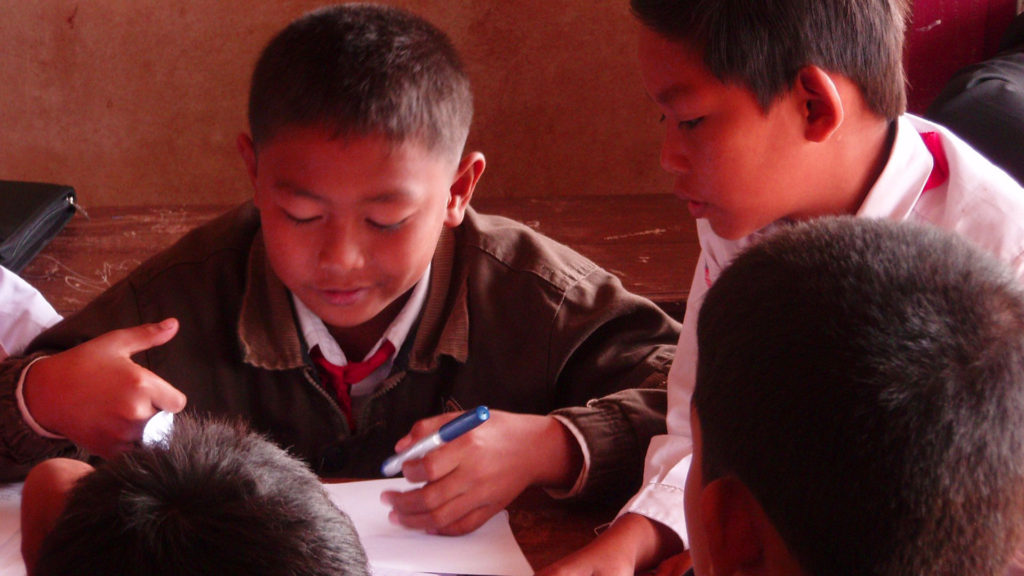
Challenging gender stereotypes requires collective responsibility. Families must encourage girls and boys equally, schools should promote equal learning opportunities, workplaces must provide fair treatment, and community leaders must challenge harmful cultural expectations.
Men and boys must also be part of this change by promoting respect, sharing domestic responsibilities, and rejecting attitudes that justify discrimination or violence.
Every girl deserves the freedom to dream beyond society’s expectations, and every woman deserves the opportunity to fulfil her potential without fear, discrimination, or limitation.
Speak Wednesday is an initiative of CFHI to address issues of gender-based violence and gender bias.
References
1. UNICEF – Gender Norms and Unpaid Work
2. UNICEF – Female Genital Mutilation
3. UN Women – Nigeria Country Data