Menstruation is a natural part of life, yet many women and girls lack access to affordable menstrual products, clean water, private toilets, and proper sanitation facilities. Menstrual hygiene is therefore not just a personal concern but an important public health, education, and dignity issue.
Safe toilets are essential for managing menstruation. They provide privacy, clean water, soap, and appropriate waste disposal facilities. Without these basic provisions, girls may experience discomfort, embarrassment, and anxiety, and may miss school during their periods. Women attending workplaces and healthcare facilities also deserve safe and hygienic spaces to manage their menstrual needs.
According to the 2024 WHO/UNICEF Joint Monitoring Programme report, only 39% of schools globally provide menstrual health education. In sub-Saharan Africa, just 11% of schools have bins for menstrual waste in girls’ toilets, while only 12% provide menstrual materials free of charge or for purchase [1].
The situation in Nigeria is equally concerning. UNICEF’s 2024 Situation Analysis of Children and Adolescents in Nigeria reports that only 8% of schools have separate girls’ toilets with provisions for menstrual hygiene management. Similarly, just 12% of health facilities have separate basic sanitation facilities for females that support menstrual hygiene management [2].
The 2024 Nigeria Demographic and Health Survey further highlights the need for accessible menstrual products, reporting that 54% of women aged 15–49 use disposable sanitary pads, while 46% use cloth [3]. These findings emphasise the importance of providing affordable menstrual materials alongside adequate sanitation facilities.
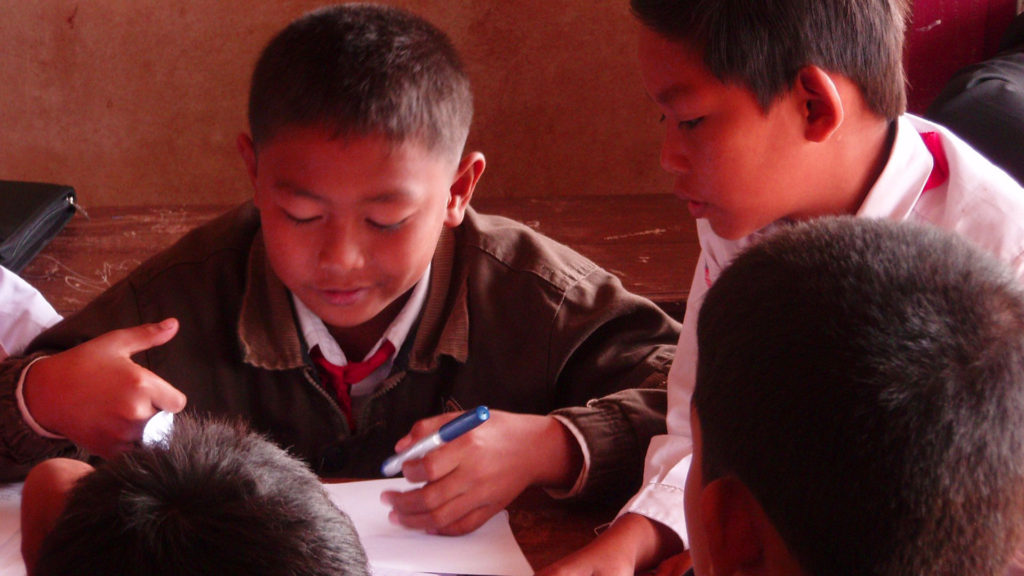
The impact of safe sanitation is evident in the experiences of Nigerian schoolgirls. In a UNICEF report, 12-year-old Ikwe Racheal from Benue State explained how clean school toilets help her manage her period and remain comfortable in class. She shared, “I cope well during my periods because, my school sanitary facility gives me the space to keep clean during classes” [4]. This demonstrates how proper sanitation can support girls’ confidence, school attendance and participation in education.
CFHI carried out an assessment and has an impact report. Use our findings/ students quotes or responses. Replace UNICEF activity in Benue with CFHI’s activitiesImproving menstrual hygiene requires practical and sustained action:
- Better school toilets
- Affordable menstrual products
- Menstrual health education
- Safe healthcare facilities
- Community partnerships
- Women’s participation
Progress is possible when menstrual products, education and sanitation are addressed together. UNICEF’s interventions in Benue State demonstrate how improved school WASH facilities can help girls manage menstruation with dignity and remain engaged in learning [4]. The 2024 UN Nigeria Annual Results Report also documented the distribution of menstrual hygiene kits and reusable pads to 490,000 women and girls [5].
The World Health Organization recognises menstrual health as an important component of health, wellbeing, gender equality and human rights. It emphasises access to accurate information, appropriate menstrual materials, water, sanitation, healthcare and freedom from stigma and discrimination [6].
At the Centre for Family Health Initiative (CFHI), we recognise that menstrual health is closely connected to dignity, education, and equal opportunities. Through menstrual health education, community engagement and the promotion of reusable menstrual products, we continue to encourage women and girls to manage their periods safely and confidently.
Every girl deserves to attend school without fear or embarrassment during her period. Every woman deserves access to clean and safe sanitation facilities, including in healthcare settings. A period should never cost a girl her education, compromise a woman’s dignity or prevent anyone from accessing essential healthcare.
Let us act by supporting menstrual health education, advocating for safe and gender-sensitive toilets, contributing to menstrual product initiatives and demanding better sanitation in our schools, workplaces, and healthcare facilities. Together, we can create communities where every woman and girl menstruate with dignity.
Monday Health Burst is an initiative of CFHI to address issues of basic health concern. Join us every Monday on all our social media platforms for more episodes.
References
- WHO/UNICEF (2024). Progress on Drinking Water, Sanitation and Hygiene in Schools 2015–2023: Special Focus on Menstrual Health.
https://data.unicef.org/resources/jmp-wash-in-schools-2024/ - UNICEF Nigeria (2024). Situation Analysis of Children and Adolescents in Nigeria 2024.
https://www.unicef.org/nigeria/media/14381/file/Nigeria%20SitAn%202024%20Report_pdf.pdf.pdf - National Population Commission and ICF (2024). Nigeria Demographic and Health Survey 2024.
https://health.gov.ng/wp-content/uploads/2025/10/NDHS-2024-Final-Report_Disseminated17102025.pdf - UNICEF Nigeria. Clean, Safe Places for Menstrual Hygiene in Schools.
https://www.unicef.org/nigeria/stories/clean-safe-places-menstrual-hygiene-schools - United Nations Nigeria (2024). UN Country Annual Results Report 2024 – Nigeria.
https://nigeria.un.org/sites/default/files/2025-04/UN%20Nigeria_2024%20Annual%20Results%20Report_0.pdf - World Health Organization. Menstrual Health.
https://www.who.int/news-room/fact-sheets/detail/menstrual-health