
Women Education

Effects of Teenage Pregnancy

SPEAK WEDNESDAY

EFFECTS OF TEENAGE PREGNANCY

Effects of Teenage Pregnancy

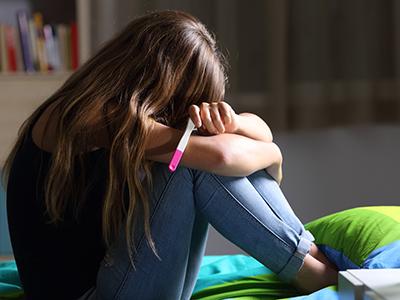
Teenage pregnancy is pregnancy in a woman 19 years of age or younger. A woman can get pregnant if she has vaginal sex with a man at any age after she’s begun having regular monthly periods.

Teenage pregnancies are a global problem that occurs in high, middle, and low income countries. However, there is a higher prevalence in marginalized communities, commonly driven by poverty and lack of education and employment opportunities. According to World Health Organisation (W.H.O), approximately 16 million girls aged 15 to 19 years and 2.5 million girls under 16 years give birth each year in developing regions and the leading cause of mortality for this age group is complication during pregnancy and childbirth. Many girls face considerable pressure to marry early and become mothers at a tender age. Teenage pregnancy increases when girls are denied the right to make decisions about their sexual and reproductive health and well-being.

Studies show that teen mothers face significant levels of stress that can lead to increased mental health concerns. In addition to higher rates of postpartum depression, teenage mothers have higher rates of depression. Pregnant teens also have a higher chance of becoming anemic which is a reduction in the number of red blood cells (RBCs). This can make you feel weak and tired and can affect your baby’s development. They also have higher rates of suicidal ideation than their peers who aren’t mothers. Teen mothers are more likely to experience posttraumatic stress disorder (PTSD) than other teenage women, as well and this is attributed to the fact that they are more likely to have gone through mental and/or physical abuse.

Many pregnant teens drop out of school, and some never complete their education which means that a large proportion of mothers who get pregnant as teenagers live in poverty and are not able to realize their full potential. Their children are not left out also, born to a teenage mother, they have greater risk for lower birth weight and infant mortality; less prepared to enter kindergarten; are more likely to be incarcerated at some time during adolescence; are more likely to drop out of high school; are more likely to be unemployed or underemployed as a young adult.

When teenagers engage in sexual relationships, they do not think about the consequences. That is why it is pertinent to invest much in the issue of reproductive health with more emphasis on adopting the right attitudes about responsible sexual behavior.

Speak Wednesday is an initiative of CFHI to address issues of gender based violence and gender inequality. Join us every Wednesday on all our social media platforms for more episodes.
SPEAK WEDNESDAY Read More »

SPEAK WEDNESDAY

WOMEN’S RIGHTS TO EDUCATION

Education is a basic human right and has been recognized as such since the 1948 adoption of the Universal Declaration on Human Rights. Every one has the human right to education, training and information. Despite widespread agreement that all people have the fundamental human right to education, the United Nations Statistics Division states that 100 million children, with 60% of them being girls, do not have access to primary education. 960 million adults in the world are illiterate, and more than two-thirds of them are women. Women and girls continue to face discrimination at all levels of education, a fact which poses grave hindrance to their advancement. Equality of access to all levels of education is crucial to empowering women and girls to participate in economic, social and political life of their societies. Education unlocks a woman¹s potential, and is accompanied by improvements in health, nutrition, and well-being of women and their families.

According to the United Nations office of the high commissioner on Women and the right to education, it says: “Article 10 of the Convention on the Elimination of All Forms of Discrimination against Women, states that the right to education is the entitlement to access free primary education, and to have equal opportunities to continue with further studies. Such education must be inclusive and accessible to girls and boys, women and men, in law and in practice. Education is not only a right in itself, but is also the surest way to empower individuals to enjoy all of their human rights”.

Women in Nigeria have had various challenges in order to obtain equal education in all forms of formal education. Although more women and girls go to school today, the access to formal education is still being constrained especially in rural communities. They face multiple barriers based on gender and its intersections with other factors, such as age, ethnicity, poverty, and disability. Other barriers to access quality education include among others: harmful gender stereotypes and wrongful gender stereotyping, child marriage, early and unintended pregnancy, paid and unpaid care work which continues to be disproportionately borne by women and girls, gender-based violence against women and girls, lack of inclusive and quality learning environments, inadequate and unsafe education infrastructure, including sanitation.

Research shows that there is an improved health and an overall increase in quality of life of educated women. Educated women are more likely to seek proper medical care both for themselves, especially maternal care and their children. Likewise, higher rates of female education correspond with lower HIV and STD rates. There is a less occurrence of child marriages and teenage pregnancies if the prospects are educated. Many experts agree that focusing on women’s education is one of the best investments a developing nation can make, because female education rates are directly correlated with national economic growth. Educated women are more likely to hold stable jobs, less likely to be in poverty, and more likely to contribute to the overall economy.

Speak Wednesday is an initiative of Centre for Family Health Initiative to stop the cycle of domestic violence by breaking the silence around gender-based violence and gender bias. Join us every Wednesday on all our social media handles for more episodes.

SPEAK WEDNESDAY Read More »