Gender Based Violence

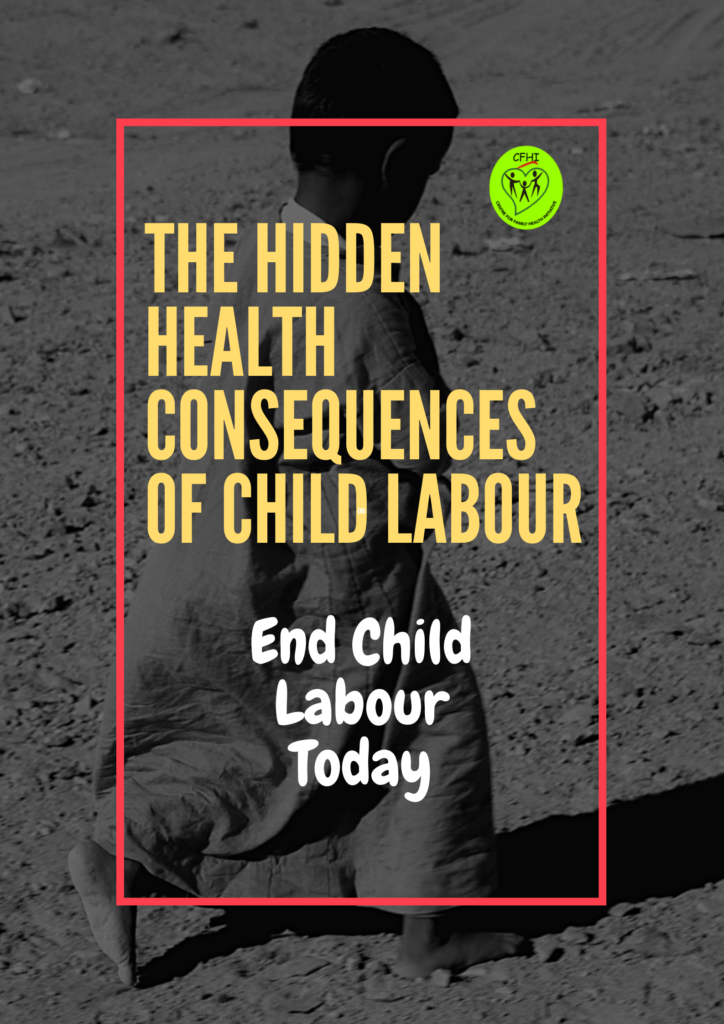
The Hidden Health Consequences of Child Labour

Child labour is often discussed as a social and economic issue, but its profound health consequences receive far less attention. According to the International Labour Organization (ILO) and UNICEF, an estimated 138 million children were engaged in child labour globally in 2024, with approximately 54 million performing hazardous work that endangers their health, safety, and development (1,2). While the visible effects may include fatigue and physical injuries, many of the most damaging consequences remain hidden, affecting children’s bodies, minds, futures, and overall quality of life long after the work has ended.

Children involved in labour are frequently exposed to dangerous environments that place them at risk of cuts, fractures, burns, respiratory diseases, hearing loss, and chronic musculoskeletal disorders (3,4). Research shows that carrying heavy loads, repetitive physical tasks, prolonged standing, and exposure to dust, chemicals, pesticides, and toxic substances can interfere with normal growth and development (4). In some cases, exposure to hazardous substances during childhood can increase the risk of chronic illnesses later in life, including lung disease, neurological disorders, and certain forms of cancer (4,5). These health effects may not be immediately visible but can remain with affected children throughout adulthood.

Beyond physical harm, child labour silently damages mental and emotional well-being. Studies have found that working children are more likely to experience anxiety, depression, emotional distress, low self-esteem, sleep disturbances, and psychological trauma (4,5). Many endure exploitation, violence, verbal abuse, neglect, or unsafe working conditions that create toxic levels of stress. Prolonged exposure to such stress during childhood can affect brain development, impair learning ability, reduce concentration, and increase the likelihood of mental health challenges later in life (4,5).

Another hidden consequence is malnutrition and poor physical development. Children who spend long hours working often miss regular meals, adequate rest, recreation, and healthcare services (3,4). The combination of physically demanding work and inadequate nutrition can lead to stunted growth, weakened immunity, delayed development, and increased vulnerability to infections (4,5). Research has consistently shown that children engaged in labour are more likely to suffer from poor health outcomes than their peers who attend school and live in protective environments (4).

The hidden health consequences of child labour extend far beyond the workplace. They affect physical growth, mental health, educational achievement, economic opportunities, and social development (3,4,5,6). Protecting children from labour is therefore not only a matter of safeguarding rights but also an investment in healthier families, stronger communities, and sustainable national development. Every child deserves the chance to learn, play, grow, and thrive in a safe environment free from exploitation.

Key Points to Remember

  • 138 million children were engaged in child labour globally in 2024 (1,2).
    54 million children were involved in hazardous work (1,2).
    • Child labour increases the risk of injuries, respiratory diseases, chronic pain, and developmental problems (3,4).
    • Exposure to pesticides, toxic chemicals, dust, and dangerous machinery can cause lifelong health complications (4,5).
    • Working children are more likely to experience anxiety, depression, trauma, and emotional distress (4,5).
    • Child labour contributes to malnutrition, weakened immunity, and stunted physical growth (4,5).

Many children engaged in labour are exposed to exploitation, violence, verbal abuse, neglect, and unsafe working environments. They may be forced to work long hours, denied adequate rest, subjected to harsh treatment, or placed in situations where their rights and dignity are violated. These experiences create chronic stress and fear, which can have serious consequences for a child’s mental and emotional well-being.

Research shows that prolonged exposure to toxic stress during childhood can interfere with healthy brain development, affecting memory, learning, decision-making, and emotional regulation. Children experiencing such conditions may struggle with concentration in school, have difficulty building healthy relationships, and face an increased risk of anxiety, depression, low self-esteem, and other mental health challenges later in life. Beyond the immediate harm, the psychological effects of child labour can persist into adulthood, limiting opportunities for personal growth and overall well-being (4,5).

Ending child labour requires collective action. Parents, communities, schools, employers, policymakers, and civil society organizations all have a role to play in ensuring that children are protected, educated, and given the opportunity to reach their full potential. Speak up against child exploitation, support access to quality education, and advocate for policies that prioritize the health, safety, and well-being of every child. A child’s place is in the classroom, not the workplace.

References

  1. International Labour Organization (ILO) & UNICEF. Child Labour: Global Estimates 2024, Trends and the Road Forward. 2025.
  2. International Labour Organization (ILO). Despite Progress, Child Labour Still Affects 138 Million Children Globally. 2025.
  3. Child Labour and Children’s Rights. Available at: https://www.unicef.org/protection/child-labour
  4. Ibrahim A., Abdalla S.M., Jafer M. (2019). Child Labor and Health: A Systematic Literature Review of the Impacts of Child Labor on Children’s Health in Low- and Middle-Income Countries. Journal of Public Health, 41(1), 18–26.
  5. World Health Organization (WHO). Social Determinants of Health and Child Development. Available at: https://www.who.int
  6. United Nations Children’s Fund (UNICEF). The State of the World’s Children Reports.


The Hidden Health Consequences of Child Labour Read More »
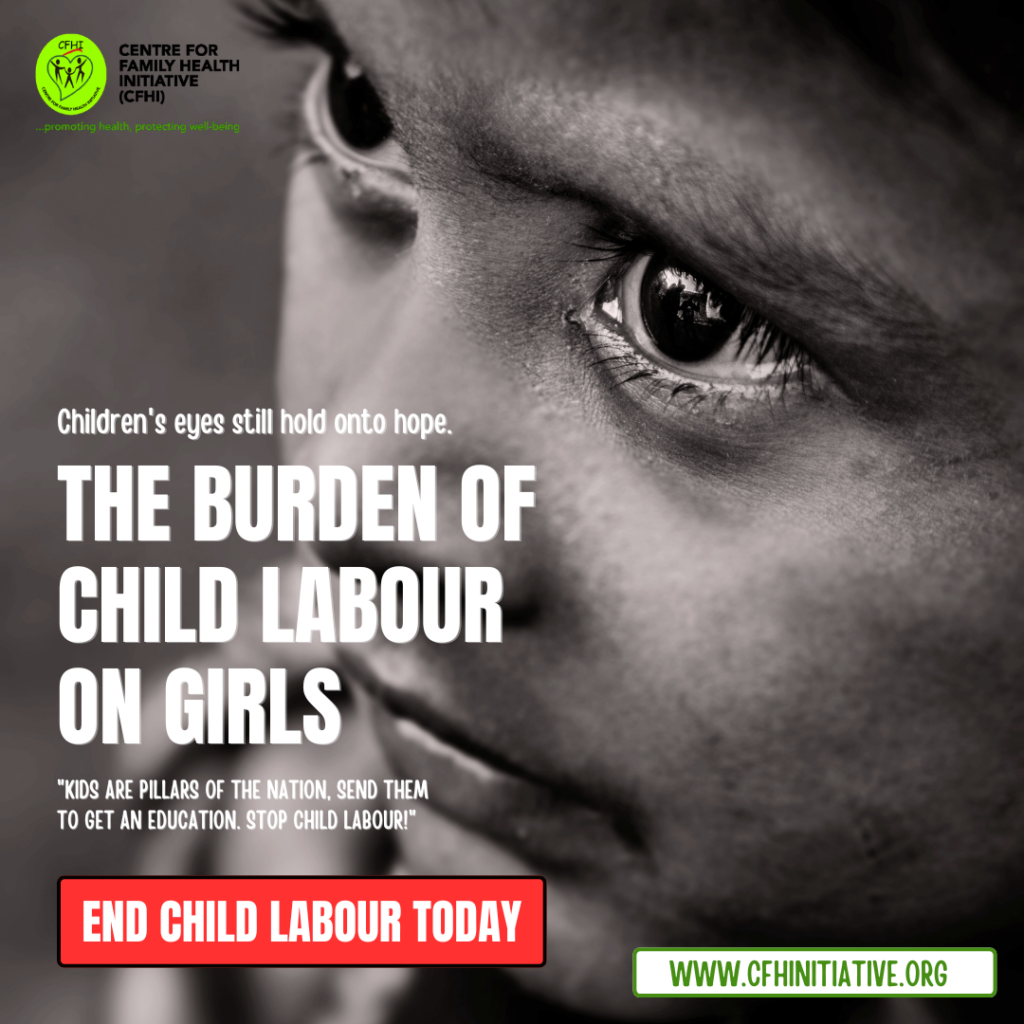
The Burden of Child Labour on Girls

A girl carrying a tray of goods under the scorching sun while her peers sit in classrooms is a familiar sight across many communities. For some, it has become so common that it barely raises concern. Yet behind this seemingly ordinary scene lies a profound injustice that robs millions of girls of their childhood, education, health, dignity, and future opportunities.

Child labour remains one of the most persistent violations of children’s rights globally. Although progress has been made over the years, recent estimates indicate that approximately 138 million children worldwide are still engaged in child labour, with about 54 million involved in hazardous work that threatens their health, safety, and development [1]. While statistics often suggest that boys are more likely to be involved in economic labour, the true burden on girls is frequently hidden because much of their work occurs within homes and communities, where it is less visible and less likely to be counted [2].

The experience of child labour is often shaped by gender. Girls are disproportionately represented in domestic work, caregiving responsibilities, street trading, and other informal activities. In many households, girls are expected to cook, clean, fetch water, care for younger siblings, and support family businesses before and after school. When these unpaid responsibilities consume significant hours of their day, education becomes secondary and personal development suffers [2].

One of the most devastating consequences of child labour on girls is the interruption of education. A girl who spends her mornings hawking goods, caring for siblings, or working as a domestic helper is less likely to attend school regularly, complete assignments, or progress academically. Over time, absenteeism often leads to poor performance, school dropout, and limited future opportunities. This creates a cycle where poverty fuels child labour, and child labour in turn perpetuates poverty.

Beyond educational setbacks, child labour places enormous physical demands on girls. Many are exposed to long working hours, hazardous environments, heavy loads, harsh weather conditions, and dangerous substances. Girls engaged in domestic labour often work behind closed doors where exploitation can remain hidden from public scrutiny [3]. Their vulnerability is heightened by unequal power dynamics, making them susceptible to abuse, neglect, and violence.

The mental and emotional consequences are equally concerning. Childhood is a critical period for emotional growth, social interaction, and identity formation. When girls are forced into labour, they are deprived of opportunities to learn, play, build friendships, and develop confidence. Constant pressure to contribute economically or shoulder adult responsibilities can lead to anxiety, emotional distress, low self-esteem, and feelings of hopelessness. The burden becomes even heavier when girls are expected to balance labour with household duties and schooling.

Many child labourers also experience social isolation. Domestic workers often spend most of their time indoors, disconnected from peers and support systems. Such isolation increases the risk of psychological distress and limits access to protection mechanisms that could identify and address abuse [3].

The issue extends beyond individual girls and affects society. Every girl denied education and protection represents lost human potential. Communities lose future teachers, health workers, entrepreneurs, scientists, and leaders. Economies lose productive contributors. Nations lose opportunities for inclusive development. Child labour therefore is not merely a family issue; it is a social, economic, and public health challenge.

The persistence of child labour among girls is often rooted in poverty, gender inequality, limited access to quality education, weak social protection systems, and harmful social norms. In some communities, investment in boys’ education is prioritized while girls are expected to contribute to household labour. Such beliefs continue to reinforce cycles of disadvantage and inequality.

Addressing this challenge requires collective action. Governments must strengthen the enforcement of child protection laws and ensure access to free, quality education. Communities must challenge harmful gender norms that place excessive responsibilities on girls. Families need economic support and social protection programmes that reduce reliance on children’s labour. Schools must create safe and inclusive learning environments that encourage girls to remain in education. Civil society organisations, development partners, and community leaders must continue advocating for children’s rights and gender equality.

As we speak about the burden of child labour on girls, we must remember that every child deserves a childhood. Girls should be carrying books, not burdens. They should be building dreams, not sacrificing them for survival. Protecting girls from child labour is not charity; it is an investment in healthier families, stronger communities, and a more equitable society.

The question before us is not whether child labour harms girls. The evidence is overwhelming. The real question is whether society is willing to act decisively to end it.

Speak Wednesday is an initiative of CFHI to address issues of gender-based violence and gender bias. 

References

[1] International Labour Organization (ILO) & UNICEF. Child Labour: Global Estimates 2024, Trends and the Road Forward. Available at: https://www.ilo.org/publications/major-publications/child-labour-global-estimates-2024-trends-and-road-forward

[2] UNICEF. What is Child Labour? Available at: https://www.unicef.org/protection/child-labour

[3] International Labour Organization (ILO). Ending Child Labour in Domestic Work and Protecting Young Workers from Abusive Working Conditions. Available at: https://www.ilo.org/publications/ending-child-labour-domestic-work-and-protecting-young-workers-abusive

[4] International Labour Organization (ILO). 2024 Global Estimates of Child Labour: Frequently Asked Questions. Available at: https://www.ilo.org/resource/other/2024-global-estimates-child-labour-frequently-asked-questions

[5] UNICEF and ILO Joint Statement. Despite Progress, Child Labour Still Affects 138 Million Children Globally. Available at: https://www.unicef.org/eca/press-releases/despite-progress-child-labour-still-affects-138-million-children-globally-ilo-unicef

The Burden of Child Labour on Girls Read More »

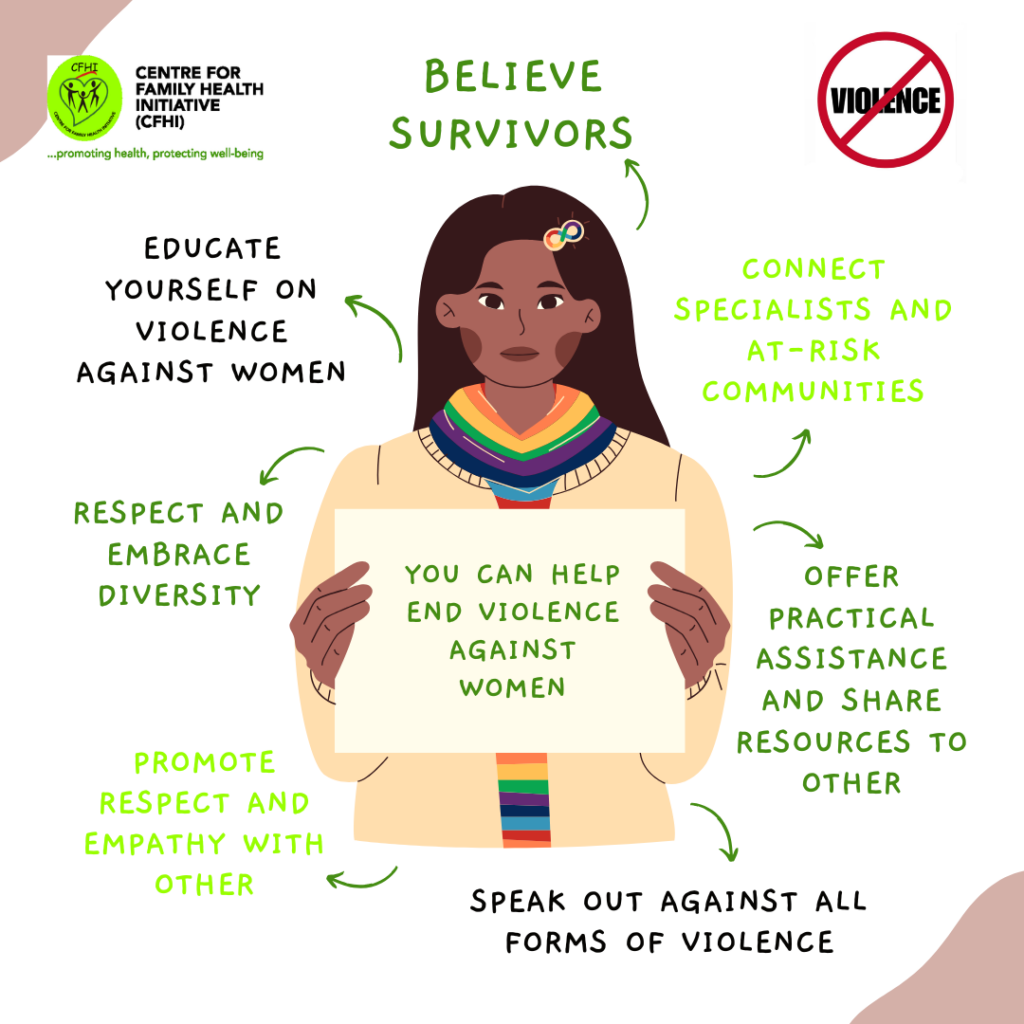
Breaking the Silence on Violence Against Women and Girls

Violence against women and girls remains one of the most widespread human rights and public health challenges in the world today. Across communities, homes, schools, workplaces, and even online spaces, millions of women and girls continue to experience abuse, discrimination, fear, and silence. Many victims suffer quietly because of stigma, shame, threats, fear of rejection, or lack of support systems. Yet, silence only allows the violence to continue. Breaking the silence is an important step toward protecting lives, restoring dignity, and creating safer communities for women and girls everywhere. [1]

Violence against women and girls includes physical, emotional, psychological, sexual, and economic abuse. It can appear in different forms such as domestic violence, rape, sexual harassment, child marriage, female genital mutilation (FGM), trafficking, cyberbullying, and emotional manipulation. While some forms of violence leave visible injuries, others leave emotional and psychological scars that can last a lifetime. Many survivors experience depression, anxiety, fear, trauma, poor reproductive health, and social isolation as a result of abuse. [1][2]

According to the World Health Organization (WHO), nearly 1 in 3 women globally have experienced physical and/or sexual violence at least once in their lifetime. Research also shows that millions of adolescent girls are exposed to violence at a young age, often by people they know or trust. Reports from UN Women reveal that hundreds of millions of women worldwide have experienced intimate partner violence, while thousands lose their lives each year due to gender-related killings and abuse. These figures highlight that violence against women is not just a personal issue but a global crisis that affects families, communities, economies, and national development. [1][2][3]

The effects of violence go beyond immediate physical harm. Many women and girls lose educational opportunities, struggle with low self-esteem, face financial difficulties, and withdraw from social activities because of fear and trauma. Children who grow up in violent homes are also more likely to suffer emotional distress and may continue cycles of violence later in life. This means violence against women and girls affects entire generations and weakens the social fabric of communities. [2][4]

One major challenge in addressing gender-based violence is underreporting. Many women and girls do not speak up because they fear being blamed, ignored, embarrassed, or threatened. In some communities, harmful cultural beliefs and gender inequality continue to normalize abuse, making it difficult for survivors to seek justice or support. Financial dependence, lack of trust in authorities, and limited access to healthcare or counselling services also prevent many victims from reporting violence. As a result, countless cases remain hidden, and survivors continue to suffer in silence. [2][4]

Ending violence against women and girls requires collective action from everyone. Families, schools, religious leaders, healthcare providers, governments, media organizations, and community groups all have important roles to play. Raising awareness about gender equality, teaching respect and consent, supporting survivors without judgment, and strengthening laws against abuse are necessary steps toward change. Communities must also create safe spaces where women and girls can speak openly, seek help, and access healthcare, counselling, and legal support without fear or discrimination. [1][3]

Education and empowerment are powerful tools in preventing violence. When girls have access to education, accurate information, supportive environments, and equal opportunities, they are better equipped to protect themselves and make informed decisions. Engaging boys and men in conversations about respect, healthy relationships, and positive masculinity is also important in challenging harmful social norms and reducing violence. [3][4]

Technology and social media have created new opportunities to raise awareness and amplify the voices of survivors. However, online violence against women is also increasing through cyberbullying, harassment, threats, and image-based abuse. This highlights the need for stronger digital safety measures and responsible online behaviour to protect women and girls both offline and online. [2]

Violence against women and girls is preventable, and every voice matters in the fight against abuse. Speaking up, supporting survivors, reporting violence, and promoting equality can help break the cycle of silence and fear. Communities become stronger and healthier when women and girls feel safe, respected, valued, and empowered to live free from violence. Together, through awareness, education, advocacy, and collective action, society can create a future where every woman and girl can live with dignity, freedom, and hope.

References

[1] World Health Organization (WHO) – Violence Against Women Factsheet (World Health Organization)

[2] UN Women – Facts and Figures on Ending Violence Against Women (UN Women Knowledge hub)

[3] United Nations Population Fund (UNFPA) – Gender Equality and Protection Reports

[4] UNICEF – Gender-Based Violence and Child Protection Reports


Breaking the Silence on Violence Against Women and Girls Read More »

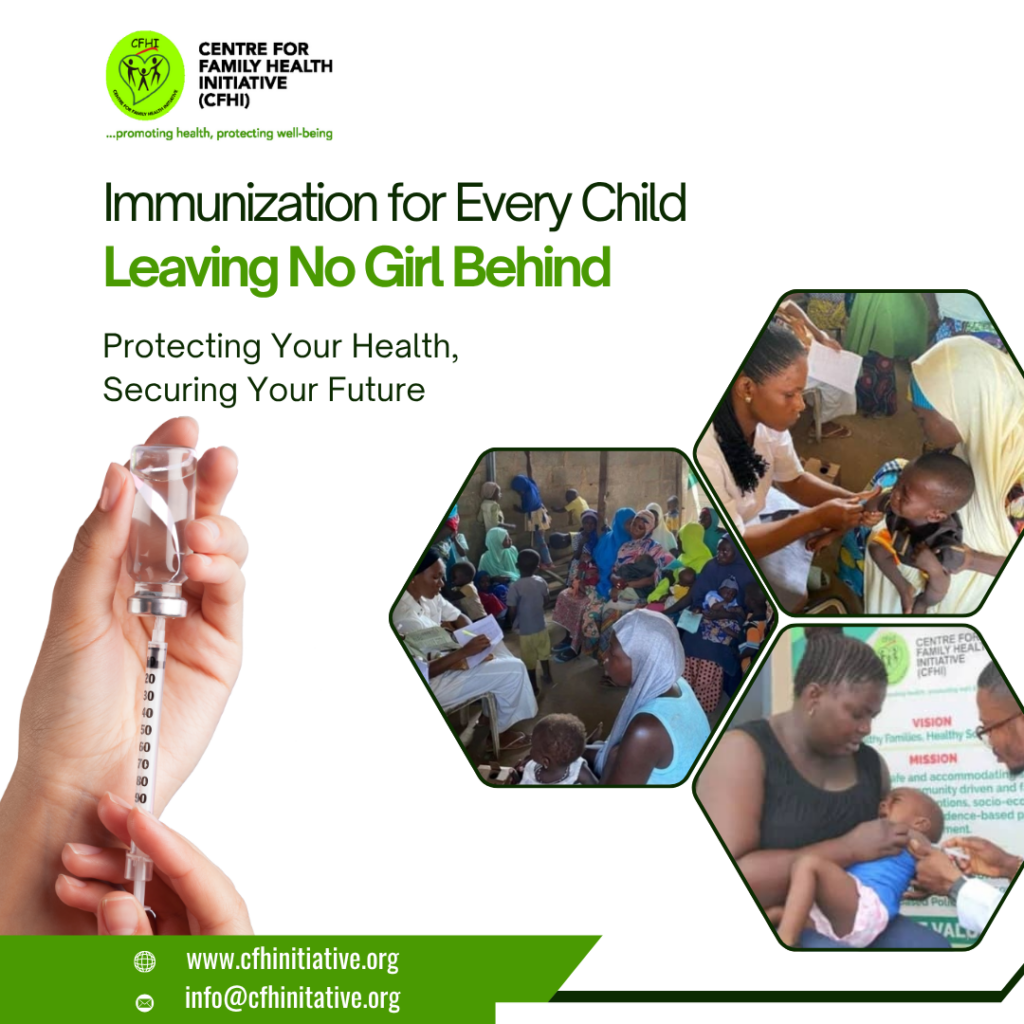
Immunization for Every Child-Leaving No Girl Behind

Immunization remains one of the most powerful and cost-effective public health interventions in human history, yet millions of children especially girls are still left behind. Globally, about 14.3 million children received no vaccines at all in 2024, while coverage for essential vaccines like DTP3 stagnates around 85%, far below the universal target (World Health Organization). This is not just a statistic it is a moral failure. Vaccines prevent deadly diseases such as measles, polio, and pneumonia, yet preventable deaths persist because systems fail to reach the most vulnerable. In an era of scientific advancement, allowing children to remain unprotected is unacceptable and demands urgent correction.

The reality is even more alarming in countries like Nigeria, which ranks among the highest in the number of “zero-dose” children, with over 2.3 million children missing basic vaccines (World Health Organization). Research shows that only 36% of Nigerian children aged 12–23 months are fully immunized, while 18% have never received any vaccine (PMC). These gaps are not random they are deeply rooted in poverty, weak health systems, misinformation, and conflict. When we fail to immunize children, we are not just neglecting health; we are reinforcing cycles of inequality and vulnerability that threaten national development.

Critically, gender inequality continues to widen the immunization gap. Girls in many communities’ face barriers such as cultural norms, limited access to education, and reduced decision-making power within households. Studies highlight that gender-related barriers significantly limit access to vaccines in low-and middle-income countries (PMC). While progress is being made such as the increase in HPV vaccine coverage among girls to 31% globally in 2024 this is still far from the 90% target needed to eliminate cervical cancer (World Health Organization). Leaving girls behind in immunization is not just a health issue; it is a violation of their rights and a threat to future generations.

Globally, efforts by organizations such as the World Health Organization (WHO) and UNICEF, alongside partners like Gavi, have made significant strides. Initiatives like the “Big Catch-Up” campaign have delivered over 100 million vaccine doses to 18.3 million children, including millions who had never received a single vaccine (Reuters). However, progress is fragile. Funding cuts, vaccine hesitancy, and misinformation continue to stall gains, with 14.5 million children missing routine immunization in 2023 alone (Reuters). These figures should alarm policymakers and stakeholders alike because every missed child is a potential outbreak waiting to happen.

At the community level, CFHI (Centre for Family Health Initiative) have continued to bridge these gaps through targeted interventions. Across various states in Nigeria, CFHI has implemented community health education campaigns, strengthened primary healthcare linkages, and supported routine immunization outreach. By working with community leaders, schools, and health workers, CFHI helps ensure that hard-to-reach populations including girls are not excluded. These localized, people-centered approaches complement national and global strategies, proving that sustainable impact begins at the grassroots. (https://mailchi.mp/0e754fe23ec3/cfhi-providing-access-to-vaccinations-for-chikakore-and-angwan-shehu-communities?e=c0952e74ba)

In Angwan Shahu community, Karimo, Abuja, the community members expressed their challenges in accessing immunization, such as the overcrowded PHC in the nearby town and the high cost of transportation.

Therefore, to mark World Immunization Week, the Centre for Family Health Initiative (CFHI) partnered with Idu Primary Health Care facility to immunise over 30 children in Angwa Shahu community to overcome some of their challenges in accessing immunization.  

The time for complacency is over. Governments, development partners, and communities must act decisively to ensure every child especially every girl is immunized. Investment in primary healthcare, gender-sensitive programming, and community engagement must be prioritized. Parents and caregivers must reject misinformation and embrace vaccines as lifesaving tools.

We must stop normalizing gaps in immunization coverage because every missed child is a preventable tragedy. Let this be a call to action: strengthen systems, fund immunization programmes, empower girls, and hold leaders accountable. The future of our children and the health of our nation depends on it.

References

Immunization for Every Child-Leaving No Girl Behind Read More »

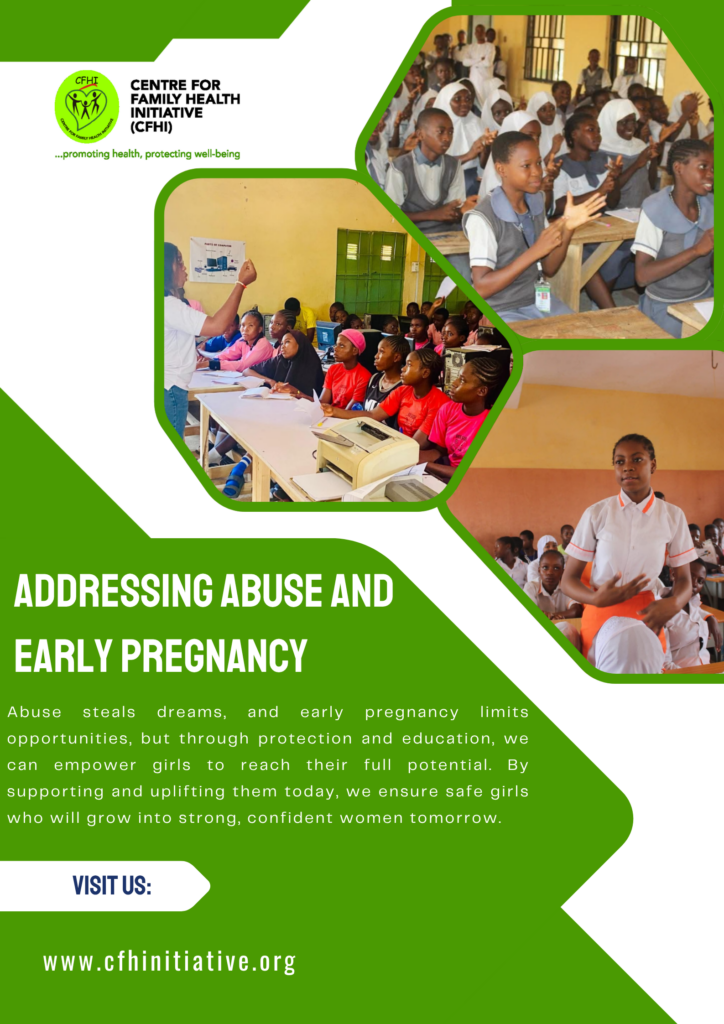
Addressing Abuse and Early Pregnancy

Abuse and early pregnancy continue to threaten the health, dignity, and future of women and girls globally. These issues are deeply rooted in inequality and human rights violations, disproportionately affecting girls in vulnerable communities. According to the United Nations Population Fund, an estimated 21 million adolescent girls (aged 15–19) become pregnant every year in low- and middle-income countries [1]. Alarmingly, recent global findings show that more than one in eight girls experience sexual violence before the age of 18, highlighting the strong link between abuse and early pregnancy [2]. These realities underscore the urgent need for protective systems that prioritize girls’ safety, education, and health.

The causes of early pregnancy are complex and interconnected. Key drivers include poverty, lack of education, gender-based violence, child marriage, and limited access to sexual and reproductive health services. Recent research shows that adolescent pregnancy is rarely a deliberate choice but often the result of coercion, lack of autonomy, and restricted access to information and services [1]. In fragile and conflict-affected settings, these risks are even higher. A 2026 report by UNFPA revealed a sharp increase in child marriage and adolescent pregnancies in crisis-affected regions, driven by insecurity, displacement, and economic hardship [3]. In Nigeria, data indicates that one in three young women are married before age 18, further increasing the likelihood of early pregnancy and lifelong disadvantage [4].

The consequences of abuse and early pregnancy are severe and long-lasting. Health risks include complications during pregnancy and childbirth, unsafe abortions, and increased vulnerability to infections. For girls under 15, the risk of maternal death is significantly higher than for older women [1]. Socially and economically, early pregnancy often leads to school dropout, reduced employment opportunities, and cycles of poverty. Studies show that girls who become pregnant early are less likely to complete their education and more likely to face long-term financial instability [1]. Additionally, survivors of abuse often experience trauma, depression, and social stigma, which further limits their opportunities and well-being.

To address these challenges, governments, and organizations such as Centre for Family Health Initiative, UNICEF and United Nations Population Fund are implementing evidence-based interventions. These include comprehensive sexuality education, access to youth-friendly health services, enforcement of laws against child marriage and gender-based violence, and community awareness programs. Recent evidence from Northern Nigeria shows that investing in girls’ education could reduce child marriage by up to two-thirds and significantly lower adolescent pregnancy rates [4]. Additionally, programs that empower girls economically, provide safe spaces, and engage men and boys in gender equality discussions have proven effective in reducing abuse and early pregnancy.

In conclusion, addressing abuse and early pregnancy requires urgent, collective action. Families, communities, governments, and organizations must work together to create safe environments where girls are protected, educated, and empowered. Every girl deserves the right to grow, learn, and make informed choices about her life without fear of violence or coercion. The call to action is clear: strengthen laws, invest in education, expand access to healthcare, and challenge harmful norms that put girls at risk. When we protect and empower women and girls, we build stronger, healthier, and more equitable societies for all.

References

[1] https://www.unfpa.org/adolescent-pregnancy/
[2]  https://data.unicef.org/topic/child-protection/violence/sexual-violence/
[3] https://www.unfpa.org/sowp
[4] https://www.unicef.org/nigeria/child-protection


Addressing Abuse and Early Pregnancy Read More »

Breaking Barriers to Quality Care for Women and Girls.

Breaking barriers to quality care for women and girls remains one of the most urgent global health priorities. Despite progress, millions of women still face obstacles in accessing essential healthcare services due to inequality, poverty, and weak health systems. According to the World Health Organization, at least half of the world’s population still lacks access to essential health services [1]. For women and girls, these gaps are even more pronounced, particularly in low- and middle-income countries where cultural norms, financial constraints, and limited infrastructure restrict access to care. Ensuring equitable healthcare is not only a moral obligation but a critical step toward sustainable development.

Maternal health remains a key indicator of these disparities. The United Nations reports that approximately 800 women die every day from preventable causes related to pregnancy and childbirth [2]. Many of these deaths occur due to lack of skilled birth attendants, poor access to emergency obstetric care, and delays in seeking treatment. In addition, adolescent girls face heightened risks due to early pregnancies and limited access to reproductive health education and services. Addressing these challenges requires targeted interventions that prioritize both prevention and timely access to quality care.

Several interventions have proven effective in breaking these barriers. Expanding access to primary healthcare, strengthening community health systems, and increasing the availability of skilled healthcare workers are essential steps. Programs that integrate maternal, newborn, and child health services, alongside nutrition, immunization, and gender-based violence prevention, have shown measurable impact. Organizations like the Centre for Family Health Initiative (CFHI) continue to implement community-based interventions, including health education, outreach services, and capacity building for healthcare providers, ensuring that women and girls receive the care they need at the grassroots level.

However, lasting change requires strong government commitment and investment. Governments must prioritize the revitalization of health facilities, ensuring they are well-equipped, adequately staffed, and accessible to all women and girls. Policies that promote free or affordable healthcare services, especially for maternal and reproductive health, must be enforced. Furthermore, health facilities must uphold dignity, respect, and quality in service delivery, recognizing that every woman deserves safe and compassionate care regardless of her background or location.

In conclusion, breaking barriers to quality care for women and girls demands collective action from governments, organizations, communities, and individuals. There is a need to challenge harmful norms, invest in health systems, and empower women with knowledge and resources to make informed health decisions. Let this serve as a call to action: prioritize women’s health, support inclusive policies, and advocate for stronger healthcare systems. By working together, we can ensure that every woman and girl has access to the quality care she deserves, leading to healthier families, stronger communities, and a more equitable world.

Speak Wednesday is an initiative of CFHI to address issues of gender-based violence and gender bias. 

Reference

  1. https://www.who.int/news-room/fact-sheets/detail/universal-health-coverage-(uhc)
  2. https://www.who.int/news-room/fact-sheets/detail/maternal-mortality

Breaking Barriers to Quality Care for Women and Girls. Read More »

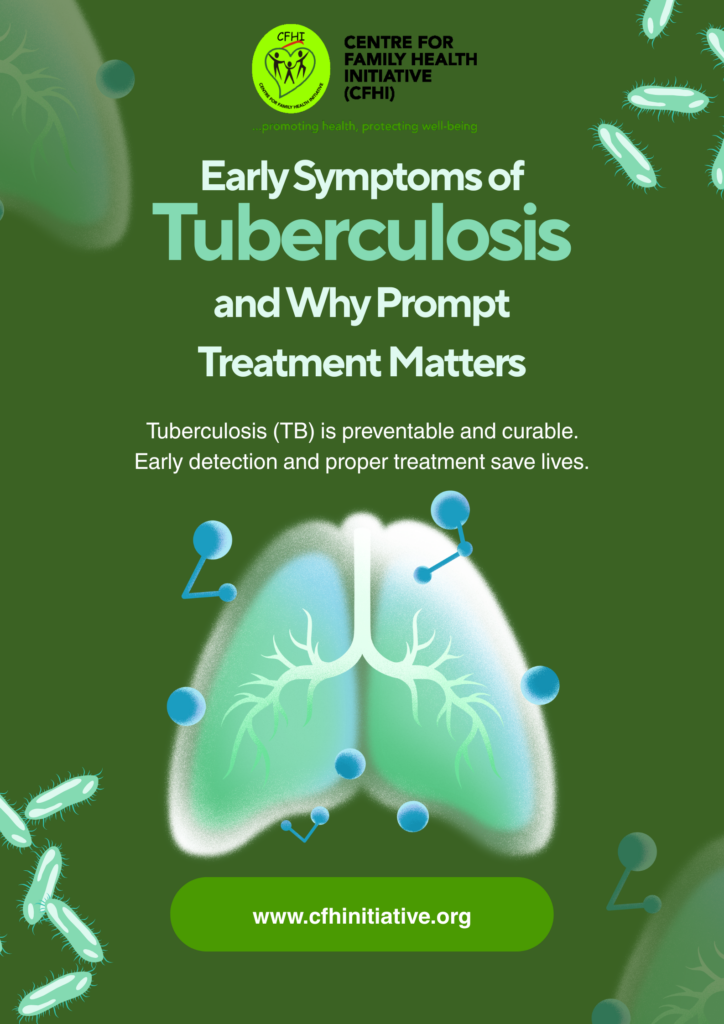
Early Symptoms of Tuberculosis and Why Prompt Treatment Matters

Tuberculosis (TB) remains one of the world’s most significant infectious threats, claiming approximately 1.25 million lives globally in 2023 alone 3. Despite being a preventable and curable bacterial infection, its ability to remain dormant makes early detection a critical challenge. The primary red flag is a persistent cough lasting three weeks or longer, often accompanied by chest pain and the coughing up of blood or blood-stained sputum 1. These early signs are the body’s alarm system indicating that the Mycobacterium tuberculosis bacteria are actively attacking the lung tissue, necessitating immediate medical evaluation to prevent permanent respiratory damage.

In addition to respiratory issues, the disease often presents with systemic symptoms that are frequently mistaken for minor ailments. Patients may experience unexplained weight loss, a total loss of appetite, and a persistent low-grade fever accompanied by chills 1. One of the most distinctive markers of the infection is the occurrence of heavy night sweats, where a person wakes up with soaked bedding regardless of the room temperature or weather conditions 2. Fatigue and a general sense of weakness also prevail as the body’s immune system is stretched thin while attempting to combat the bacterial load within the lungs.

Prompt treatment is a necessity for both individual survival and public safety because a person with active, untreated pulmonary TB can infect between 10 to 15 other people through close contact in a single year 3. When treatment is delayed, the bacteria have more time to multiply and potentially spread to other parts of the body, such as the spine or kidneys. Furthermore, delaying the start of the standard six-month medication course significantly increases the risk of developing Multi-Drug Resistant TB (MDR-TB). This strain does not respond to the most powerful first-line drugs and requires longer, more toxic, and significantly more expensive treatment regimens with lower survival rates 4.

According to the 2024 WHO Global Tuberculosis Report, while the global treatment success rate for drug-susceptible TB is a high 88%, a massive gap in funding persists. Currently, global investment stands at US$ 5.7 billion, which is far below the required US$ 22 billion annually needed to meet 2027 targets 3. This funding gap limits the availability of rapid diagnostic tools, such as GeneXpert machines, especially in high-burden regions. To mitigate this impact, communities must prioritize environmental ventilation to reduce airborne droplet concentration and ensure strict adherence to the Directly Observed Treatment Short-course (DOTS) strategy, where healthcare workers supervise medication intake 2.

Over the years, CFHI has established strategic partnerships with key stakeholders, particularly the National Tuberculosis and Leprosy Control Programme (NTBLCP), to facilitate community sensitization, mass screenings, and the delivery of essential TB services. Currently, CFHI provides these services in Imo State with support from relevant partners and stakeholders.

Ultimately, ending TB requires early action, community awareness, and the removal of social stigma. If you or anyone you know has experienced a persistent cough for more than two weeks, visit the nearest Primary Health Centre for a free TB test. TB treatment is free at government-supported health facilities, and completing the full course of medication ensures cure and prevents the spread of infection.

By recognizing symptoms early, supporting those undergoing treatment, and encouraging routine screening, we can protect our families and move closer to a TB-free future.

References

  1. Mayo Clinic: Tuberculosis Symptoms & Causes
  2. Centers for Disease Control and Prevention (CDC): Basic TB Facts
  3. World Health Organization (WHO): Global Tuberculosis Report 2024
  4. Stop TB Partnership: MDR-TB Factsheet


Early Symptoms of Tuberculosis and Why Prompt Treatment Matters Read More »

Gender Inequality: A Threat to the Health, Safety, and Rights of Women and Girls in Nigeria

Gender inequality remains a deeply entrenched threat to the health, safety, and rights of women and girls in Nigeria, undermining progress toward equitable development and directly shaping outcomes in health, education, economic participation, political representation, and freedom from violence. According to the United Nations Development Programme (UNDP), Nigeria ranks 147 out of 191 countries on the Gender Inequality Index, reflecting large disparities between men and women in reproductive health, empowerment, and labour market participation. ¹ These inequalities manifest in real and measurable ways that compromise the wellbeing and opportunities of women and girls across the country.

One of the most profound impacts of gender inequality in Nigeria is observed in health outcomes. The maternal mortality ratio remains unacceptably high at 512 maternal deaths per 100,000 live births, indicating that women are still at disproportionate risk during pregnancy and childbirth compared to global averages. ² Factors driving this include limited access to quality reproductive health services, lack of autonomy in health decision-making, and economic barriers that delay care-seeking. Research shows that women who lack financial independence or decision-making power are less likely to utilise antenatal care or deliver in health facilities, increasing the likelihood of preventable complications. ³

Education is another field deeply affected by gender inequality. UNESCO reports that girls’ school completion rates in Nigeria lag boys’, particularly at the secondary level, a gap that translates into reduced opportunities for advanced learning, better jobs, and informed health choices later in life. ⁴ Early marriage, still prevalent in many regions, significantly contributes to school dropout rates among girls. UNICEF estimates that 43% of girls in Nigeria are married before their 18th birthday, limiting educational attainment and exposing them to early pregnancy and increased health risks such as obstetric fistula and maternal mortality. ⁵

Gender-based violence (GBV) is another grave consequence of systemic inequality. The Nigeria Demographic and Health Survey (NDHS) reveals that around 30% of ever-married women aged 15–49 have experienced physical violence, with many cases going unreported due to stigma, fear, and weak legal enforcement. ⁶ Violence affects not only physical health but also leads to long-term psychological trauma, increased vulnerability to HIV infection, and reduced participation in economic and community life. ⁷

Political inequality further illustrates the scale of exclusion. In the current 10th National Assembly (2023–2027), women remain severely underrepresented in national decision-making. Out of 109 Senate seats, only 4 are held by women (approximately 3.7%), while 105 seats (96.3%) are held by men. In the House of Representatives, only 17 out of 360 seats are occupied by women (approximately 4.7%), compared to 343 men. Altogether, women hold just 21 out of 469 seats in the National Assembly, representing about 4.2% of federal lawmakers.¹⁰ This means that despite women making up nearly half of Nigeria’s population, their voice in shaping laws and policies that directly affect their health, safety, and rights remains below 5% — one of the lowest representation rates in the region.¹¹ Limited political participation restricts the advancement of gender-responsive policies and slows progress on critical issues such as maternal health funding, protection from violence, and equal economic opportunities.

Economic inequality further compounds these threats. Although women actively participate in Nigeria’s labour force, wage gaps, informal employment, and occupational segregation persist. The World Economic Forum’s Global Gender Gap Report highlights that women often earn less than men for similar work and remain underrepresented in leadership positions. ⁸ Without economic empowerment, many women are unable to afford essential health services, invest in their education, or break cycles of poverty and dependency.

These disparities are not inevitable; they are shaped by social norms, discriminatory practices, and gaps in policy implementation. Research consistently shows that gender-responsive policies including universal access to reproductive healthcare, enforcement of laws against child marriage, protection from gender-based violence, equal educational opportunities, and increased political inclusion significantly improve health, economic, and social outcomes. ⁹

Addressing gender inequality is therefore not only a moral obligation but also a public health, governance, and economic priority. When women and girls have equal access to education, healthcare, leadership opportunities, and economic resources, maternal and infant mortality decline, household incomes rise, communities become safer, and national development accelerates. Nigeria cannot achieve sustainable development while half of its population remains structurally disadvantaged.

We call on the Federal and State Governments to strengthen and fully enforce laws protecting women and girls from discrimination and violence, expand access to quality healthcare services, promote girls’ education, and implement affirmative measures to increase women’s political representation. Development partners, civil society, and community leaders must intensify advocacy, scale up gender-responsive programming, and challenge harmful norms that sustain inequality. Every sector health, education, justice, governance, and economic development must mainstream gender equity as a foundational principle. The health, safety, and rights of Nigeria’s women and girls demand bold, sustained, and collective action.

References

  1. UNDP Gender Inequality Index
    https://hdr.undp.org/data-center/thematic-composite-indices/gender-inequality-index
  2. WHO Trends in Maternal Mortality 2000–2023
    https://www.who.int/publications/i/item/9789240068759
  3. Journal of Women’s Health – Decision-Making Power & Maternal Service Utilisation
    https://www.liebertpub.com/doi/10.1089/jwh.2020.8805
  4. UNESCO Institute for Statistics – Girls’ Education
    https://uis.unesco.org/en/topic/girls-education
  5. UNICEF – Child Marriage in Nigeria
    https://data.unicef.org/topic/child-protection/child-marriage/
  6. Nigeria Demographic and Health Survey (NDHS)
    https://dhsprogram.com/pubs/pdf/FR379/FR379.pdf
  7. WHO – Violence Against Women Prevalence Estimates
    https://www.who.int/publications/i/item/9789240022256
  8. World Economic Forum – Global Gender Gap Report 2023
    https://www3.weforum.org/docs/WEF_GGGR_2023.pdf
  9. Journal of Gender & Development – Gender-Responsive Policies
    https://www.tandfonline.com/doi/full/10.1080/13552074.2021.1952743
  10. The Nation Newspaper – Women in the 10th National Assembly
    https://thenationonlineng.net/meet-the-only-four-female-senators-in-10th-nass/
  11. The Guardian Nigeria – Women’s Representation in N’Assembly
    https://guardian.ng/news/national/only-4-5-of-nassembly-members-are-women-says-wilan-report/

Gender Inequality: A Threat to the Health, Safety, and Rights of Women and Girls in Nigeria Read More »

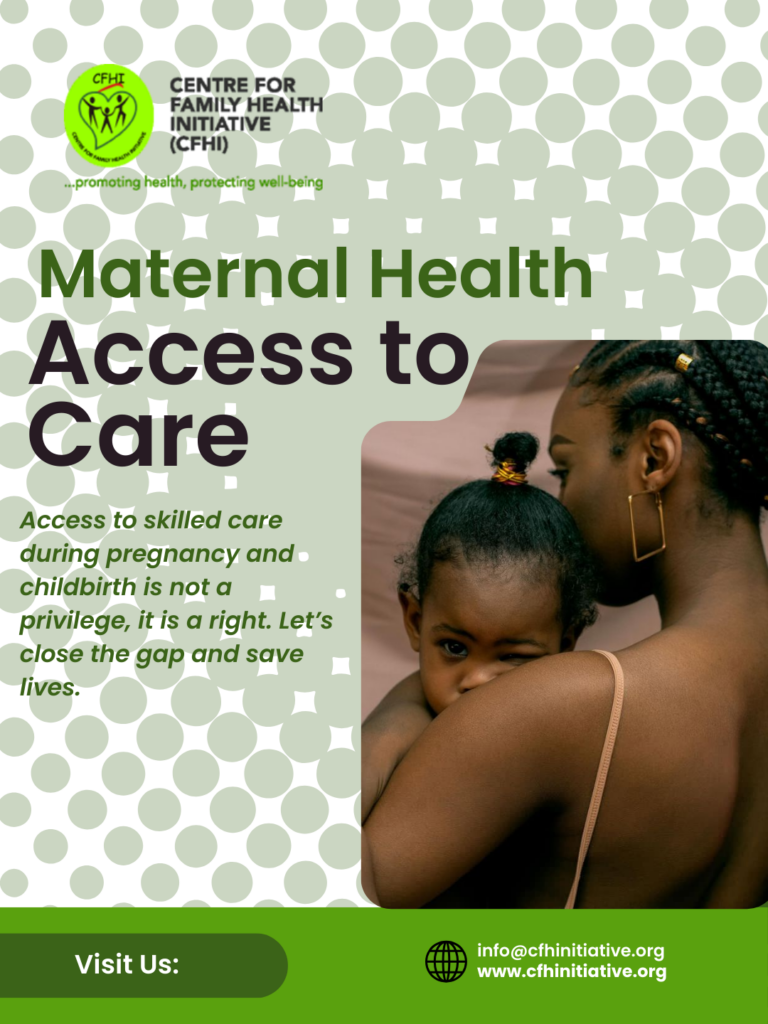
Maternal Health – Access to Care

Nigeria’s maternal health landscape continues to reveal stark inequalities that jeopardize the lives of women and newborns, particularly in underserved states like Adamawa and Zamfara. Despite global and national efforts to improve maternal survival, access to essential care remains limited for millions of women across the country. Research shows that utilisation of maternal healthcare services including antenatal care, skilled delivery, and postnatal care is persistently low, with only about 52% of women attending at least four antenatal visits, 38% delivering in health facilities, and about 37% receiving postnatal care. These gaps contribute directly to preventable complications and deaths during pregnancy and childbirth. ¹

According to the 2024 Nigeria Demographic and Health Survey (NDHS), while antenatal care coverage has improved to 63%, only 46% of births are attended by skilled health personnel, leaving more than half of Nigerian mothers vulnerable during their most critical hour.² The stakes are staggering; a woman in Nigeria faces a 1 in 19 lifetime risk of dying during pregnancy or childbirth, compared to 1 in 4,900 in high-income countries.³ Despite these daunting statistics, recent government reports from the 2025 Joint Annual Review indicate a 17% reduction in maternal deaths across high-burden areas, driven largely by initiatives like the Maternal and Neonatal Mortality Reduction Innovation Initiative (MAMII), which facilitated over 4,000 free Cesarean sections and revitalized 435 health facilities within one year.⁴

At the heart of this changing landscape is the work of the Centre for Family Health Initiative (CFHI) through the BIRTH Project (Building Innovative Responses to Transform Healthcare), currently being implemented in Adamawa State and Zamfara State. In these regions, where geographical, financial, and systemic barriers often stand between a mother and survival, CFHI’s interventions are providing practical and life-saving solutions to improve access to skilled maternal care.

In Adamawa State, CFHI strengthened the Rumde Primary Health Care Centre in Yola North by installing a solar-powered birth suitcase, ensuring uninterrupted delivery services even in the absence of stable electricity. The intervention has become the primary source of light during childbirth in the facility, enabling safe deliveries at all hours. Beyond the health facility, the project promotes maternal wellbeing through community-led nutrition demonstrations aimed at preventing maternal anemia, a condition responsible for a significant proportion of pregnancy-related complications worldwide³.

In Zamfara State, where facility-based delivery rates have historically been low, similar solar-powered birth kits were installed at facilities such as Shagari Primary Health Centre, improving nighttime emergency response and increasing community confidence in the health system. However, the BIRTH Project goes beyond the provision of equipment. It directly addresses the five delays identified under the Maternal and Neonatal Mortality Reduction Innovation Initiative (MAMII).

The consequences of poor access are not only clinical but social and economic. Women who cannot reach care in time often resort to unskilled birth attendants or home deliveries, increasing the likelihood of complications and long-term disability. National analyses show that financial constraints, distance to facilities, and perceived poor quality of care are major determinants of home births, even among women who attend antenatal care. ⁶ Beyond these structural issues, cultural norms and limited decision-making autonomy further restrict women’s ability to seek timely and appropriate maternal healthcare.

To transform maternal health outcomes in Nigeria with Adamawa and Zamfara as case studies sustained investment is required in strengthening primary healthcare systems, expanding referral networks, improving emergency transport, and increasing the availability of skilled health workers trained in emergency obstetric and newborn care. Governments, donors, and civil society must work together to remove financial barriers, improve transportation systems, and empower women socially and economically so that no woman is forced to choose between distance and survival.

CFHI’s ongoing MNCH interventions demonstrate that progress is possible when communities are engaged, health systems are supported, and maternal care is prioritized. The task ahead is to scale these efforts with urgency, political commitment, and adequate funding to ensure that every pregnancy is safe, and every mother survives childbirth.

Monday Health Burst is an initiative of CFHI to address issues of basic health concern. Join us every Monday on all our social media platforms for more episodes.


References

  1. National Library of Medicine (PMC). Determinants of maternal healthcare service utilization in Nigeria.
    https://www.ncbi.nlm.nih.gov/pmc/articles/PMC
  2. National Population Commission (NPC) Nigeria and ICF. Nigeria Demographic and Health Survey 2024 (Key Indicators Report).
    https://dhsprogram.com
  3. World Health Organization (WHO). Trends in Maternal Mortality 2000–2023.
    https://www.who.int/publications
  4. Federal Ministry of Health Nigeria. 2025 Joint Annual Review Report & MAMII Initiative Update.
    https://health.gov.ng
  5. National Library of Medicine (PubMed). Barriers to facility-based delivery after antenatal care attendance in Nigeria.
    https://pubmed.ncbi.nlm.nih.gov


Maternal Health – Access to Care Read More »

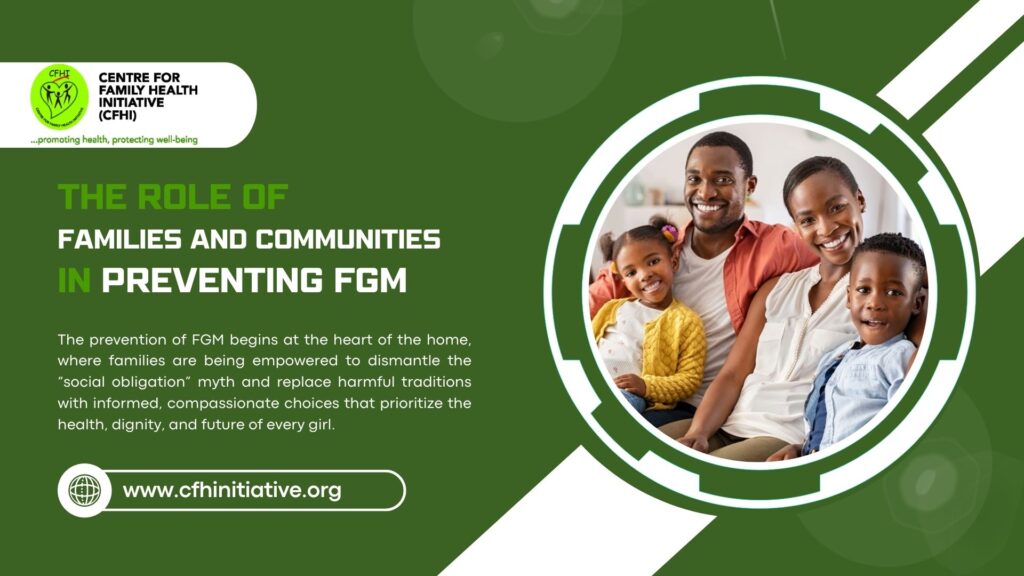
The Role of Families and Communities in Preventing FGM

In the landscape of global health in 2026, Female Genital Mutilation (FGM) stands as one of the most persistent violations of human rights, yet the tide is beginning to turn through sophisticated, community-led interventions. As of this year, over 230 million women and girls alive today have undergone the procedure, and UNICEF projects that 4.5 million more remain at risk in 2026 alone [1]. The struggle to end this practice is no longer just a legal battle; it has evolved into a deep-rooted cultural shift focusing on the intersection of family protection and communal health [4].

The prevention of FGM begins at the heart of the home, where families are being empowered to dismantle the “social obligation” myth. Recent research from the UNFPA-UNICEF Joint Programme indicates that when mothers are provided with formal education and economic agency, the likelihood of their daughters being cut drops significantly [3]. Families are now being reached through “Positive Masculinity” programs, where over 800,000 men and boys have pledged to protect their female relatives, challenging the outdated notion that FGM is a prerequisite for marriageability [3]. By addressing the family as the primary decision-making unit, advocacy groups are successfully replacing fear of social exclusion with a shared commitment to a daughter’s physical integrity and future health.

Moving beyond the front door, the most effective preventative measure in 2026 has been the rise of Public Declarations of Abandonment within local communities. This collective approach shifts the “social contract,” ensuring that no single family feels isolated in their choice to stop the practice. Many regions have successfully implemented Alternative Rites of Passage (ARP), which preserve the cultural celebration of womanhood through education, mentorship, and gifts minus the physical harm. This allows communities to maintain their rich heritage while evolving their health standards. Simultaneously, health systems are closing the gap on “medicalization” the dangerous trend of health professionals performing the cut. The World Health Organization has recently tightened codes of conduct, training midwives and doctors to serve as the first line of defense, educating parents on the $1.4 billion annual global cost of treating FGM-related complications, ranging from obstetric hemorrhage to lifelong psychological trauma [2].

To ensure these gains are permanent, a robust network of local surveillance and cross-border cooperation has emerged. In 2026, over 3,200 communities have established “watchdog” groups that monitor girls during school holidays, a peak time for the practice [3]. These grassroots efforts, supported by national laws that criminalize “vacation cutting,” create a safety net that follows a girl from her village to the city and beyond. The data proves that this holistic approach works; for every dollar invested in these prevention measures, there is a tenfold return in health savings and economic productivity [2]. By weaving together, the strength of the family unit with the collective will of the community, we are finally moving toward a world where every girl can grow up whole, healthy, and empowered.

Call to Action

The end of FGM is within our reach, but it requires your voice and your action. You can make a difference today:

  • Educate and Advocate: Share the facts about the health risks of FGM within your social circles. Silence is where the practice thrives.
  • Support Grassroots Organizations: Donate to or volunteer with local NGOs that facilitate Alternative Rites of Passage and provide education to at-risk families.
  • Report Risk: If you know a girl is at risk of being subjected to FGM, contact local child protection services or international helplines immediately.
  • Engage Men and Boys: Start conversations with the men in your community about the importance of protecting the rights and health of women and girls.

Monday Health Burst is an initiative of CFHI to address issues of basic health concern. Join us every Monday on all our social media platforms for more episodes.

References

  • UNICEF Data (2025/2026): FGM Prevalence and Statistics
  • WHO Global Health Update: The Cost of FGM and Prevention Strategies
  • UNFPA 2025 Annual Report: Eliminating FGM through Community Action
  • United Nations: International Day of Zero Tolerance for FGM


The Role of Families and Communities in Preventing FGM Read More »