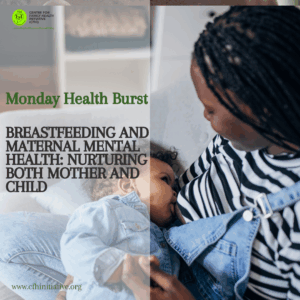
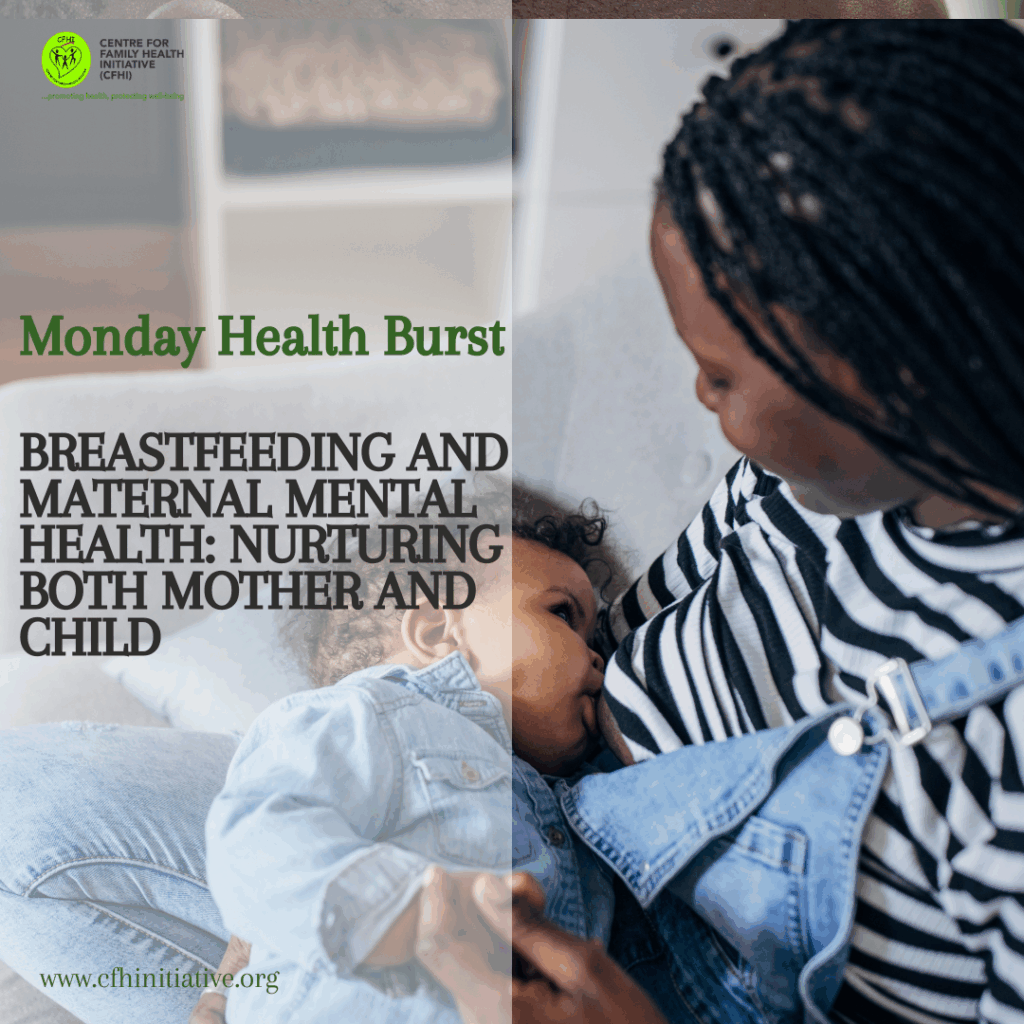
Breastfeeding is often described as the most natural way to feed a baby, providing essential nutrients and antibodies that protect infants from illness. Beyond its physical health benefits, breastfeeding is an emotional process that can significantly influence a mother’s mental well-being. However, while breastfeeding can be a source of comfort and connection, it can also present emotional challenges that affect a mother’s psychological health.
The Emotional Connection
Breastfeeding stimulates the release of hormones like oxytocin and prolactin, which promote relaxation, bonding, and a sense of fulfillment. Many mothers describe feeding time as a period of closeness that strengthens their connection with their babies. This hormonal and emotional bond can contribute to reduced stress levels and enhanced maternal confidence.
Challenges and Emotional Strain
Not every breastfeeding journey is smooth. Difficulties such as poor latching, low milk supply, engorgement, or mastitis can cause physical discomfort and emotional distress. Some mothers may feel guilt, shame, or inadequacy if they cannot breastfeed as planned. These feelings can be amplified by societal expectations, cultural pressures, and conflicting advice from healthcare providers or family members.
For mothers already at risk of postpartum depression or anxiety, breastfeeding difficulties can intensify symptoms. Lack of sleep, hormonal changes, and the overwhelming demands of caring for a newborn can create a perfect storm for mental health struggles.
Postpartum Depression and Breastfeeding
The relationship between breastfeeding and postpartum depression is complex. For some women, successful breastfeeding is linked to a lower risk of depression due to increased oxytocin and emotional satisfaction. For others, persistent breastfeeding challenges can become a source of stress, increasing feelings of hopelessness and isolation. Recognizing these different experiences is essential to providing the right kind of support.
The Role of Support Systems
Maternal mental health during breastfeeding is best protected when mothers have strong support networks. Partners can share responsibilities such as burping, diaper changes, and household tasks, allowing the mother to rest. Family and friends can offer encouragement rather than criticism, while healthcare providers can provide evidence-based guidance tailored to the mother’s unique needs.
Peer support groups both in-person and online also give mothers a safe space to share experiences, learn practical tips, and feel understood.
Empowering Informed Choices
One of the most important steps in protecting maternal mental health is removing the pressure to breastfeed at all costs. While exclusive breastfeeding is highly recommended for the first six months, mothers who cannot or choose not to breastfeed should be supported without judgment. The ultimate goal is a healthy, thriving mother and baby and that can be achieved through different feeding approaches.
Breastfeeding is a journey that intertwines physical nourishment with emotional well-being. By acknowledging the mental health dimension of breastfeeding, society can move away from guilt-driven narratives and toward a culture of understanding and support. When a mother’s mental health is prioritized, she is better equipped to care for herself and her child fostering a healthier start to life for both.
Monday Health Burst is an initiative of Centre for Family Health Initiative (CFHI) to tackle issues of basic health concerns. Join us every Monday for more health-related articles on all our social media platforms.
References