HUMAN IMMUNODEFICIENCY VIRUS (HIV) PREVENTION AND CARE
PREVENTION
The US Centre for Disease Control and Prevention (CDC) places abstinence as the first practice to reduce the risk of HIV transmission. This includes abstinence from oral, anal or vaginal sex, and avoiding sharing of sharps (needles, blades, clippers etc) with an infected person.
In cases where abstinence becomes difficult, the following must be put into consideration:
Use of condoms: Male latex condoms are most effective in preventing HIV and other Sexually Transmitted Infections (STIs) during an intercourse. Because a man does not need to ejaculate to give or get some STIs, make sure to put the condom on before the penis touches the vagina, mouth, or anus. Female condoms can also help to prevent HIV infection.
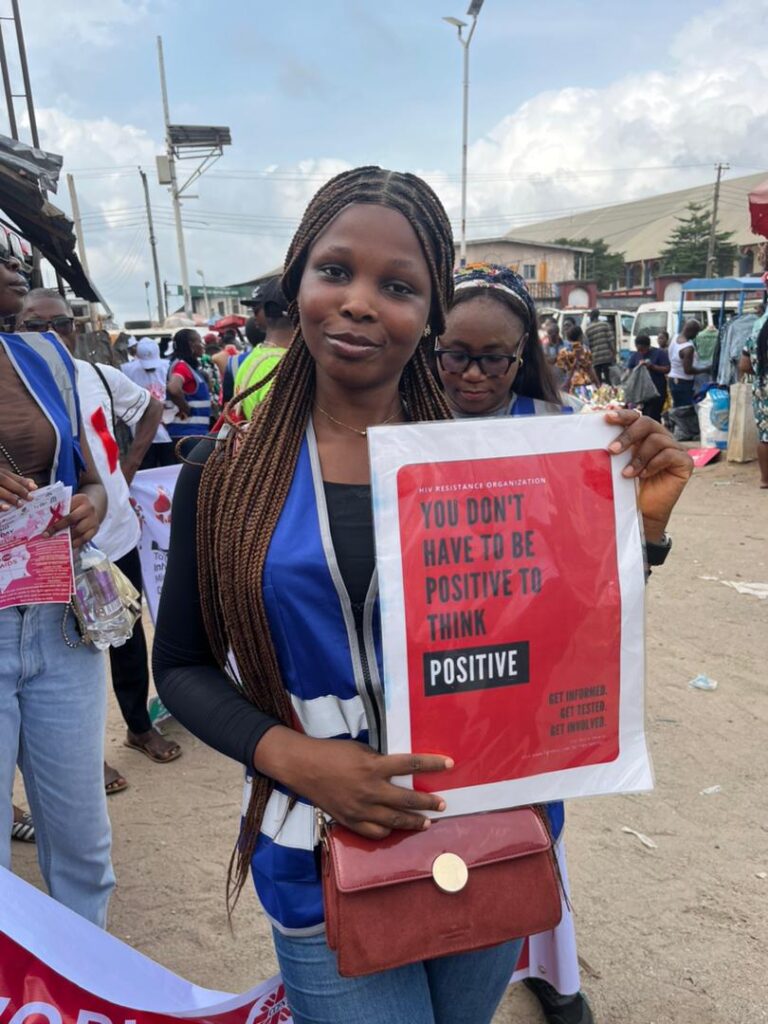
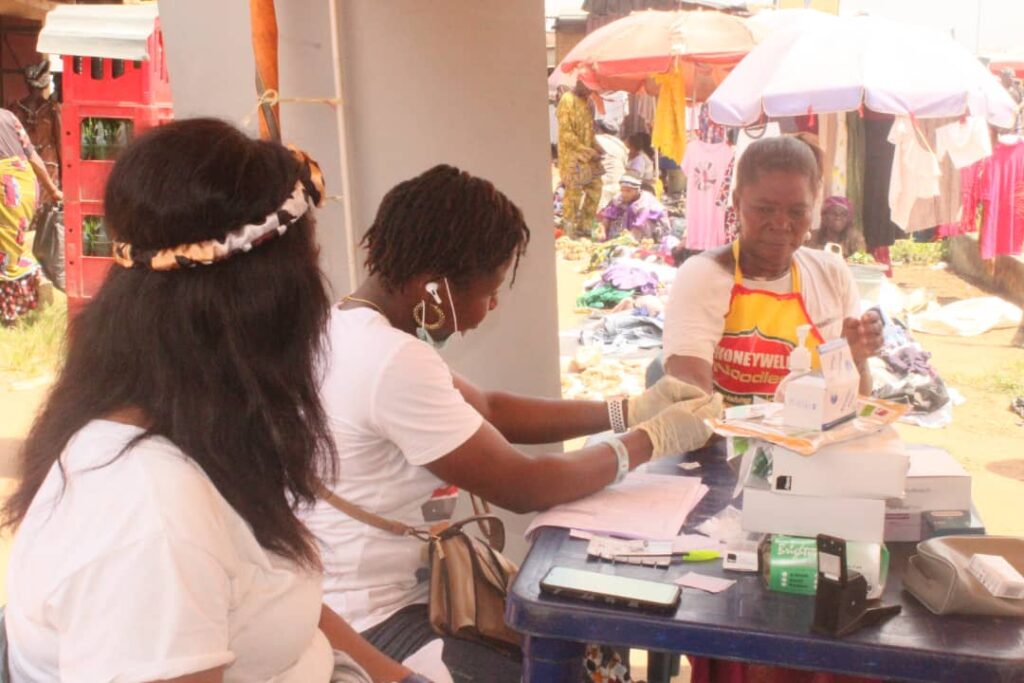
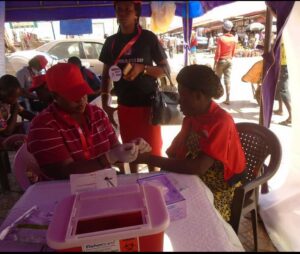
Routine testing: It is important to carry out routine HIV testing. Sexual partners Should endeavour to speak to each other about their HIV and STI status. This is because having an STI increases the chances of becoming infected with HIV during sex. If a partner has an STI in addition to HIV, the chances of transmitting the virus increases. The CDC recommends at least one HIV test for everyone ages 13 to 64 years. Yearly testing is recommended if one is at higher risk of infection. For gays and bisexual men, CDC recommends that HIV testing is carried out every three to six months.
Be monogamous: Having sex with just one partner can lower the risk of contacting the HIV virus and other STIs. After being tested for STIs, be faithful to each other. That means that you have sex only with each other and no one else. The risk of getting HIV and other STIs goes up with the number of sexual partners.
Get vaccinated: You can get a vaccine to protect against Human papillomavirus (HPV) and hepatitis B, which are STIs. There is no vaccine to prevent or treat HIV.
Do not douche: Douching (washing or cleaning out the inside of the vagina with water or other mixtures of fluidsremoves some of the normal bacteria in the vagina that protects one from infections. This may increase the risk of getting HIV and other STIs.
Do not abuse alcohol or drugs: Alcohol or drug abuse may lead to risky behaviours such as sharing needles to inject drugs or not using a condom when having sex.
Pre-exposure prophylaxis (PrEP)
PrEP is an HIV prevention method for people who do not have HIV infection but who may be at high risk. For example, mixed-status couples (also known as serodiscordant), people with multiple sex partners, inject illegal drugs or share needles. For mixed-status couples who are interested in having a child, PrEP may help protect the mother and child. CDC estimates that PrEP could prevent transmission in as many as 140,000 serodiscordant heterosexual couples.
Post-exposure prophylaxis (PEP)
PEP is an anti-HIV medicine for people who may have been recently exposed to HIV, like in cases of a condom break or sexual assault. However, PEP must be taken within three days of exposure to help lower the risk for HIV. It is also important to take two to three antiretroviral medicines for 28 days to prevent the virus from copying itself and spreading through the body. While taking PEP, one still needs to take steps to prevent HIV, including using a condom with sex partners.
HIV/AIDS CARE
Use of Antiretroviral (ARV) Drugs becomes important when one tests positive to HIV to help reduce the viral load (the amount of HIV in the blood). Knowing the viral load measurement and how to control it by reducing it to undetectable levels can protect mother to child transmission of HIV during pregnancy, labour, and delivery. It can also help prevent spreading HIV to a sexual partner, or people who come in contact with the infected blood.
In conclusion, HIV is a preventable disease. Effective HIV prevention interventions have been proven to reduce HIV transmission, and people who get tested for HIV and are well sensitized can make significant behavioural changes to improve their health and reduce the risk of transmitting HIV to others.
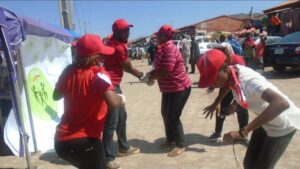
Centre for Family Health Initiative (CFHI) has worked in different states across Nigeria for over 10 years to tackle issues around HIV/AIDS. Some of its interventions include communication/house-to-house testing of HIV, health facility testing, counselling, community sensitization, provision of ARV drugs, household economic strengthening, among others. Join us every Monday on Monday Health Burst on all our social media platforms for more health related articles of basic health concerns.