Immunization remains one of the most powerful and cost-effective public health interventions in human history, yet millions of children especially girls are still left behind. Globally, about 14.3 million children received no vaccines at all in 2024, while coverage for essential vaccines like DTP3 stagnates around 85%, far below the universal target (World Health Organization). This is not just a statistic it is a moral failure. Vaccines prevent deadly diseases such as measles, polio, and pneumonia, yet preventable deaths persist because systems fail to reach the most vulnerable. In an era of scientific advancement, allowing children to remain unprotected is unacceptable and demands urgent correction.
The reality is even more alarming in countries like Nigeria, which ranks among the highest in the number of “zero-dose” children, with over 2.3 million children missing basic vaccines (World Health Organization). Research shows that only 36% of Nigerian children aged 12–23 months are fully immunized, while 18% have never received any vaccine (PMC). These gaps are not random they are deeply rooted in poverty, weak health systems, misinformation, and conflict. When we fail to immunize children, we are not just neglecting health; we are reinforcing cycles of inequality and vulnerability that threaten national development.
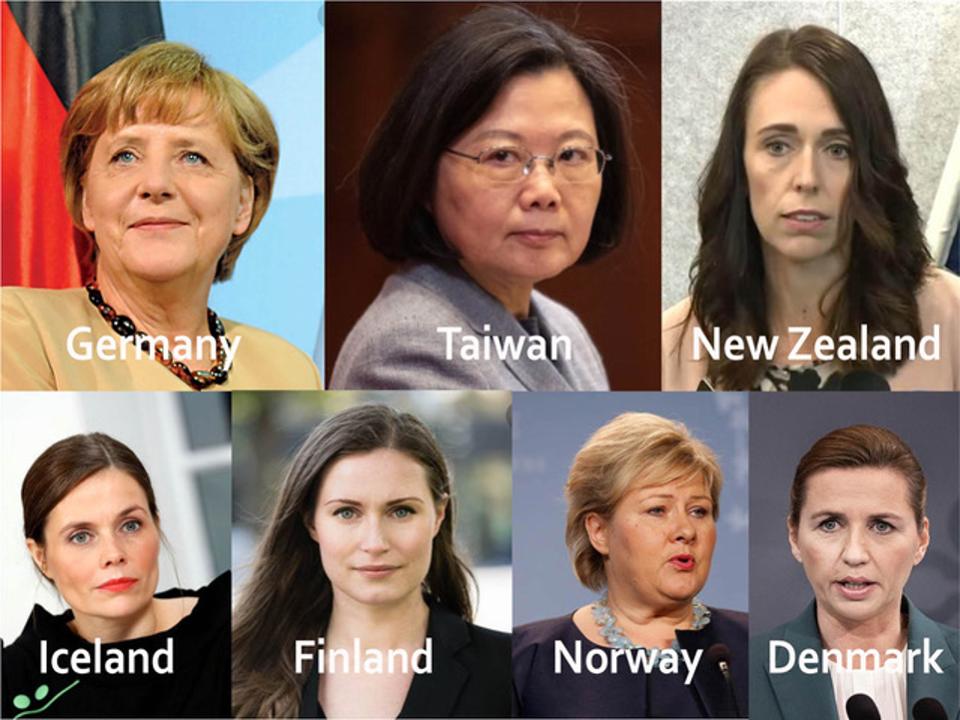
Critically, gender inequality continues to widen the immunization gap. Girls in many communities’ face barriers such as cultural norms, limited access to education, and reduced decision-making power within households. Studies highlight that gender-related barriers significantly limit access to vaccines in low-and middle-income countries (PMC). While progress is being made such as the increase in HPV vaccine coverage among girls to 31% globally in 2024 this is still far from the 90% target needed to eliminate cervical cancer (World Health Organization). Leaving girls behind in immunization is not just a health issue; it is a violation of their rights and a threat to future generations.
Globally, efforts by organizations such as the World Health Organization (WHO) and UNICEF, alongside partners like Gavi, have made significant strides. Initiatives like the “Big Catch-Up” campaign have delivered over 100 million vaccine doses to 18.3 million children, including millions who had never received a single vaccine (Reuters). However, progress is fragile. Funding cuts, vaccine hesitancy, and misinformation continue to stall gains, with 14.5 million children missing routine immunization in 2023 alone (Reuters). These figures should alarm policymakers and stakeholders alike because every missed child is a potential outbreak waiting to happen.
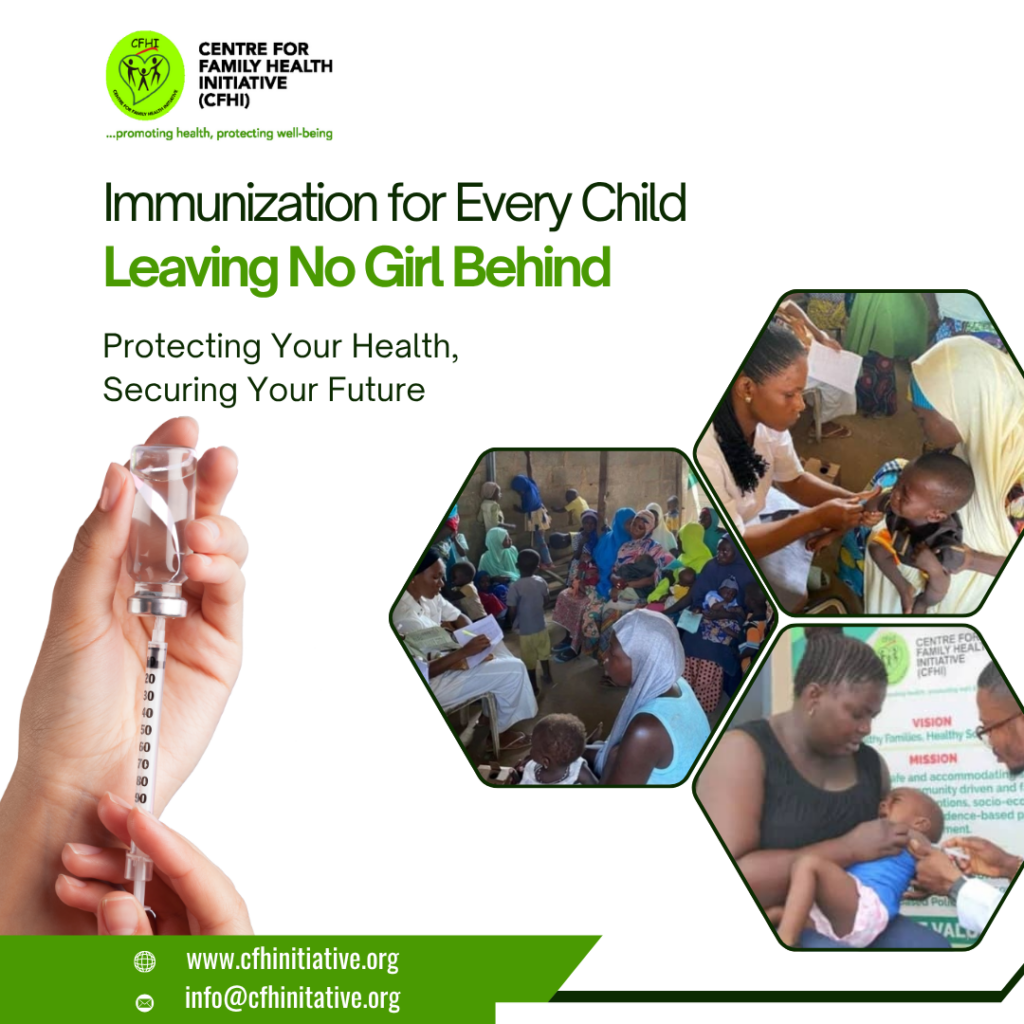
At the community level, CFHI (Centre for Family Health Initiative) have continued to bridge these gaps through targeted interventions. Across various states in Nigeria, CFHI has implemented community health education campaigns, strengthened primary healthcare linkages, and supported routine immunization outreach. By working with community leaders, schools, and health workers, CFHI helps ensure that hard-to-reach populations including girls are not excluded. These localized, people-centered approaches complement national and global strategies, proving that sustainable impact begins at the grassroots. (https://mailchi.mp/0e754fe23ec3/cfhi-providing-access-to-vaccinations-for-chikakore-and-angwan-shehu-communities?e=c0952e74ba)
In Angwan Shahu community, Karimo, Abuja, the community members expressed their challenges in accessing immunization, such as the overcrowded PHC in the nearby town and the high cost of transportation.
Therefore, to mark World Immunization Week, the Centre for Family Health Initiative (CFHI) partnered with Idu Primary Health Care facility to immunise over 30 children in Angwa Shahu community to overcome some of their challenges in accessing immunization.
The time for complacency is over. Governments, development partners, and communities must act decisively to ensure every child especially every girl is immunized. Investment in primary healthcare, gender-sensitive programming, and community engagement must be prioritized. Parents and caregivers must reject misinformation and embrace vaccines as lifesaving tools.
We must stop normalizing gaps in immunization coverage because every missed child is a preventable tragedy. Let this be a call to action: strengthen systems, fund immunization programmes, empower girls, and hold leaders accountable. The future of our children and the health of our nation depends on it.
References
- WHO Immunization Coverage Fact Sheet: https://www.who.int/en/news-room/fact-sheets/detail/immunization-coverage
- WHO/UNICEF Immunization Data: https://www.who.int/news/item/15-07-2024-global-childhood-immunization-levels-stalled-in-2023-leaving-many-without-life-saving-protection
- WHO Nigeria Immunization Report: https://www.who.int/news-room/feature-stories/detail/breaking-barriers-building-bridges-collaborative-effort-nigeria
- WHO Results Report Nigeria: https://www.who.int/about/accountability/results/who-results-report-2020-mtr/country-story/2023/strong-collaboration-for-better-health–closing-immunization-gaps-in-nigeria-through-a-primary-health-care-approach
- Research on Gender and Immunization in Nigeria: https://pmc.ncbi.nlm.nih.gov/articles/PMC13059553/
- CFHI: Providing Access to Vaccinations for Chikakore and Angwan Shehu Communities: https://mailchi.mp/0e754fe23ec3/cfhi-providing-access-to-vaccinations-for-chikakore-and-angwan-shehu-communities?e=c0952e74ba