COVID-19

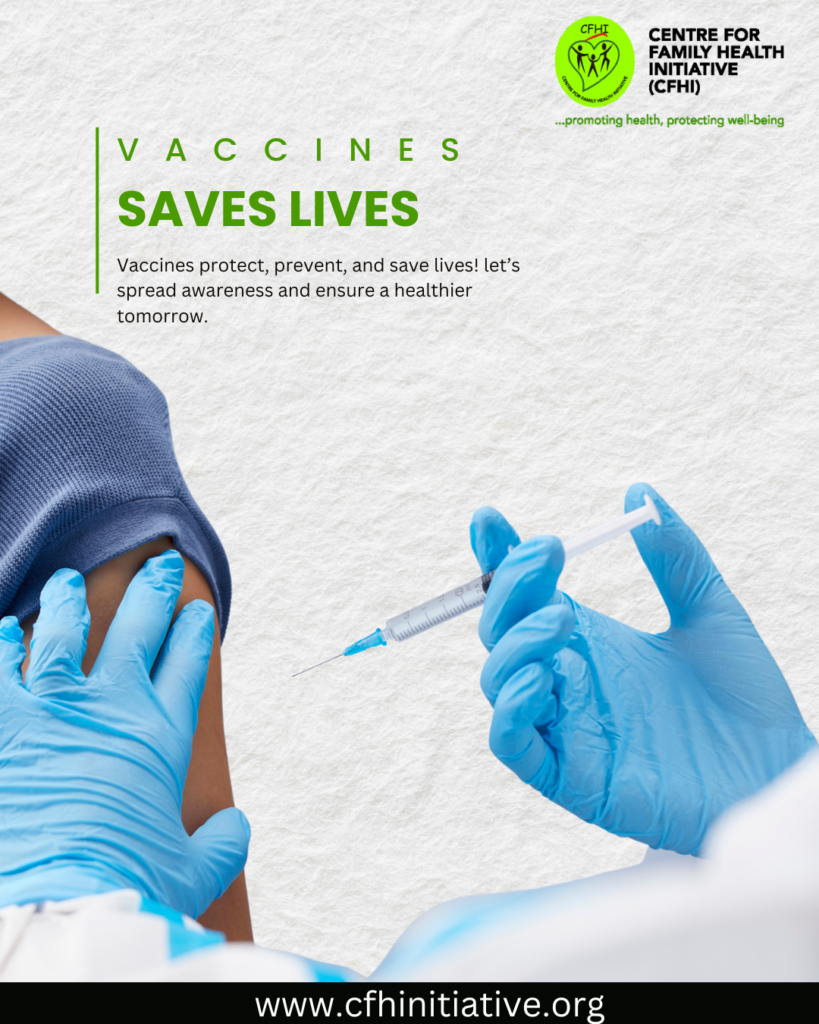
VACCINES SAVE LIVES

Vaccination is one of the greatest achievements in public health, and the statement “vaccines save lives” is far more than a slogan it is a reality backed by decades of scientific evidence, global data, and measurable impact across countries and generations. Vaccines protect individuals and communities by preventing illness, disability, and death from infectious diseases such as measles, polio, tetanus, and influenza. According to the World Health Organization, immunization prevents between 3.5 and 5 million deaths every year worldwide [1], while the Centers for Disease Control and Prevention estimates that about 4 million deaths are prevented annually through childhood vaccination alone [2]. These are not projections they are outcomes already achieved through consistent global efforts.

Looking over a longer period, the scale of impact becomes even more striking. In the past 50 years, vaccination programmes have saved approximately 154 million lives globally [3], which translates to about six lives saved every minute [4]. Most of these lives around 95 percent are children under the age of five [5], highlighting the critical role vaccines play in child survival. Measles vaccination alone accounts for nearly 94 million lives saved [3], demonstrating how a single vaccine can transform global health outcomes. These figures are supported by extensive research, including studies published in The Lancet, which consistently confirm the enormous contribution of immunization to reducing mortality and improving life expectancy worldwide [6].

Vaccines work by training the body’s immune system to recognize and fight harmful pathogens before they cause disease, providing protection that is both effective and long-lasting. Their benefits extend beyond individual protection to entire populations. By reducing disease transmission, vaccines create herd immunity, protecting even those who cannot be vaccinated. They prevent outbreaks of deadly diseases, reduce the burden on healthcare systems, and generate significant economic returns saving up to $52 for every $1 invested in immunization programmes in low- and middle-income countries [2]. Over time, vaccines have contributed to a 40 percent reduction in global infant mortality [5], a remarkable achievement that underscores their importance in improving survival rates.

Diseases that once caused widespread fear and death have been brought under control or eliminated entirely due to vaccination. Smallpox, for example, has been eradicated globally, while polio is now on the verge of elimination after decades of sustained immunization efforts. These successes demonstrate what is possible when science, policy, and community engagement work together.

Despite these achievements, significant gaps in immunization coverage remain. An estimated 14.3 million children worldwide have never received a single dose of any vaccine, often referred to as “zero-dose” children [7]. Nigeria is among the countries with the highest number of unvaccinated children, highlighting a critical public health challenge that requires urgent attention [7]. In addition, measles vaccination coverage remains below optimal levels in many regions, leaving millions of children vulnerable to preventable disease outbreaks [7]. These gaps not only endanger lives but also risk reversing decades of progress.

Efforts to close these gaps are strengthened by global initiatives such as World Immunization Week, celebrated annually in the last week of April. Led by the World Health Organization, this campaign raises awareness about the importance of vaccines, promotes equitable access, and encourages governments and communities to prioritize immunization [8]. Themes such as “Immunization for All is Humanly Possible” emphasize the need to reach every child, everywhere, regardless of location or socioeconomic status.

At the national level, governments play a central role in ensuring vaccine access and uptake. In Nigeria, interventions such as the National Programme on Immunization (NPI), the integration of vaccines into primary healthcare services, and partnerships with global organizations have significantly improved immunization coverage. Campaigns targeting polio eradication and routine immunization have contributed to notable progress, but challenges remain. Reaching underserved communities, strengthening healthcare infrastructure, and addressing vaccine hesitancy require sustained investment and commitment.

Recent global disruptions, including the COVID-19 pandemic, have led to missed vaccinations and declining coverage in some areas, increasing the risk of disease outbreaks. Public health experts warn that without renewed efforts, diseases that were once under control could resurface, threatening lives and straining already burdened health systems. This makes it more important than ever to prioritize immunization as a cornerstone of public health.[9]

At the Centre for Family Health Initiative (CFHI), these gaps have been actively addressed through sustained, community-driven interventions aimed at improving immunization uptake over time. CFHI has implemented targeted vaccine awareness campaigns, strengthened community mobilization, and integrated immunization education into maternal, child health, and HIV service delivery platforms. Through consistent engagement with caregivers, community leaders, and health facilities, CFHI has contributed to reducing vaccine hesitancy, improving demand for routine immunization, and supporting last-mile access to life-saving vaccines in underserved communities. These efforts form part of CFHI’s broader commitment to strengthening primary healthcare systems and safeguarding children and vulnerable populations from vaccine-preventable diseases.[10]

Vaccines remain one of the most cost-effective, impactful, and scalable health interventions available today. However, their life-saving potential can only be realized when they reach the people who need them. Vaccines save lives but only when they are accessible, accepted, and administered on time. Individuals and families must ensure that children receive all routine immunizations according to schedule, while communities must promote accurate information and counter misinformation. Governments must increase funding for immunization programmes and strengthen healthcare systems, while organizations and partners must support outreach to underserved populations. Health workers, as trusted voices, must continue to advocate for vaccination and engage communities effectively.

No one should die from a disease that vaccines can prevent. The science is clear, the evidence is overwhelming, and the solution is within reach. Vaccines save lives and with collective action, they can save millions more.

References

  1. WHO – Vaccines and Immunization: https://www.who.int/health-topics/vaccines-and-immunization
  2. CDC – Global Immunization Fast Facts: https://www.cdc.gov/global-immunization/fast-facts
  3. WHO – 154 million lives saved: https://www.who.int/news/item/24-04-2024-global-immunization-efforts-have-saved-at-least-154-million-lives-over-the-past-50-years
  4. London School of Hygiene & Tropical Medicine – EPI impact
  5. UNICEF – Why vaccines matter: https://www.unicef.org/stories/why-vaccines-matter-children
  6. The Lancet Study on Immunization Impact
  7. WHO – Immunization Coverage Factsheet: https://www.who.int/news-room/fact-sheets/detail/immunization-coverage
  8. World Immunization Week Overview
  9. https://www.who.int/news/item/15-07-2022-covid-19-pandemic-fuels-largest-continued-backslide-in-vaccinations-in-three-decades?utm_source=chatgpt.com
  10. https://www.cfhinitiative.org/ending-hiv-stigma-community-support-beyond-world-aids-day/ 


VACCINES SAVE LIVES Read More »
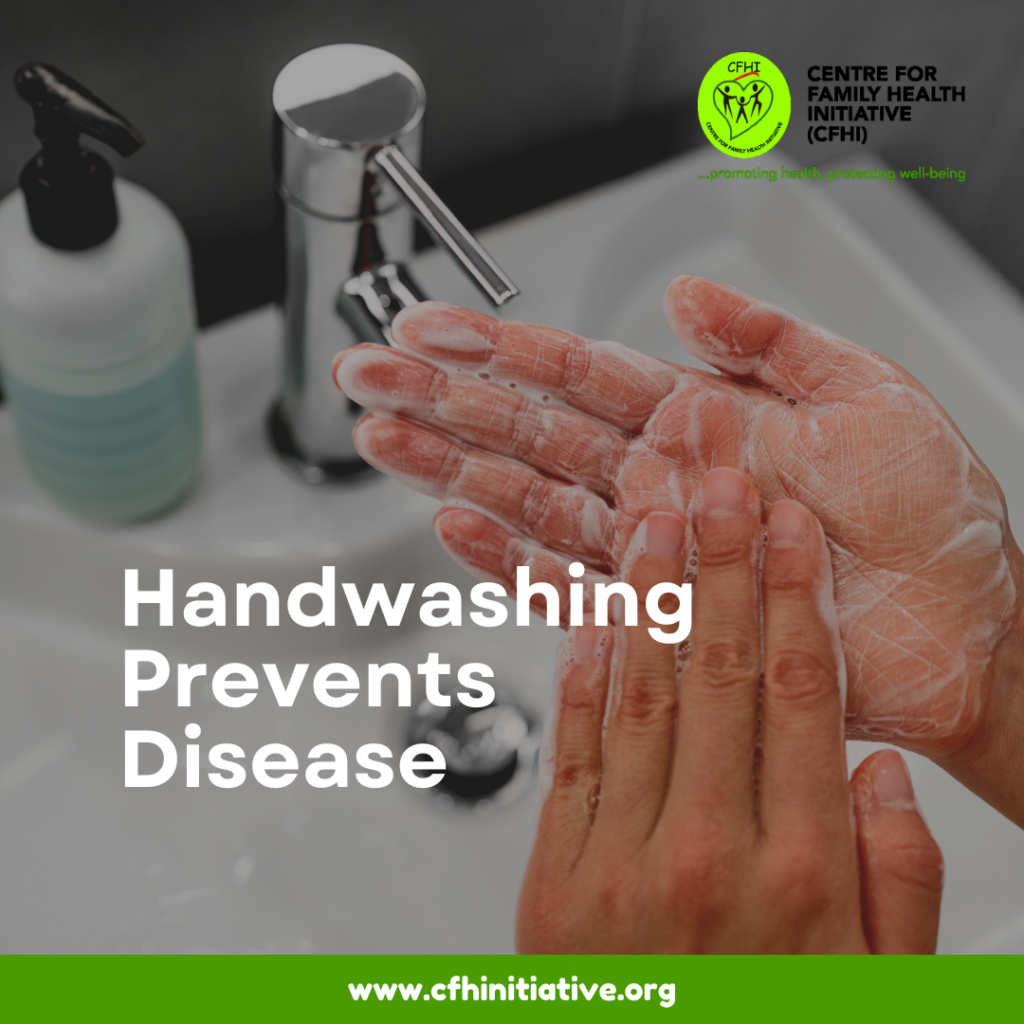
Handwashing Prevents Disease

Handwashing with soap remains one of the most effective and affordable ways to prevent diseases and protect public health. According to the World Health Organization and global health partners, proper hand hygiene significantly reduces the spread of infectious diseases such as diarrhea, respiratory infections, and even emerging outbreaks [1]. Despite its simplicity, handwashing is often overlooked, contributing to millions of preventable illnesses and deaths worldwide.

Scientific evidence shows that unclean hands are a major pathway for disease transmission. Germs from faecal matter, contaminated surfaces, and respiratory droplets easily spread through touch, food handling, and person-to-person contact. Research indicates that a single gram of human faeces can contain up to one trillion germs, making proper hand hygiene critical in breaking the chain of infection [2]. Handwashing with soap has been shown to reduce diarrheal diseases by 23–40% and respiratory infections by up to 21% [3].

Globally, the burden of poor hand hygiene remains alarming. An estimated 2.3 billion people lack access to basic handwashing facilities with soap and water, while 1.7 billion still do not have basic hygiene services at home [4]. Additionally, nearly half of healthcare facilities worldwide lack proper hand hygiene services, putting patients at risk of infections [5]. Among children, poor hygiene contributes significantly to disease, with approximately 1.8 million children under five dying annually from preventable illnesses such as diarrhea and pneumonia conditions that proper handwashing could help reduce [6].

Various interventions have been implemented globally to promote hand hygiene. Organizations such as UNICEF and WHO continue to support handwashing campaigns, improve access to water and sanitation, and integrate hygiene education into schools and communities [1]. Community awareness programs, provision of handwashing facilities, and behavior change communication have proven effective in improving hygiene practices. Studies show that even a small investment less than $1 per person annually can significantly expand access to handwashing facilities and save hundreds of thousands of lives [7].

Our commitment to ‘Standing with Science’ was most evident during the height of the COVID-19 pandemic. Recognizing that awareness is only effective when paired with resources, CFHI conducted extensive sensitization and distribution drives across the FCT. This included critical interventions at the Kuje Prison in Abuja and various schools throughout the FCT, where we provided essential hygiene tools such as professional-grade hand sanitizers, liquid soaps, and specialized buckets and bowls with attached taps to facilitate contactless handwashing. This proactive approach ensured that the most vulnerable populations had the physical means to break the chain of infection.

In conclusion, handwashing is a simple yet powerful tool that everyone can practice daily. Individuals are encouraged to wash their hands regularly especially before eating, after using the toilet, and after contact with potentially contaminated surfaces. Governments and institutions must also invest in accessible hygiene facilities and promote behaviour change. By making handwashing a habit, we can prevent diseases, save lives, and build healthier communities. Clean hands are not just a personal responsibility they are a public health necessity.

References

  1. https://www.who.int/news-room/fact-sheets/detail/hand-hygiene
  2. https://www.cdc.gov/hygiene/about/index.html
  3. https://www.cdc.gov/hygiene/personal-hygiene/hands.html
  4. https://www.unicef.org/reports/state-worlds-handwashing-2021
  5. https://www.who.int/publications/i/item/9789240055445
  6. https://www.who.int/news-room/fact-sheets/detail/diarrhoeal-disease
  7. https://www.worldbank.org/en/news/feature/2020/04/22/handwashing-for-all-the-value-of-hand-hygiene-to-save-lives-and-economies


Handwashing Prevents Disease Read More »

MONDAY HEALTH BURST

MONDAY HEALTH BURST – MENTAL HEALTH

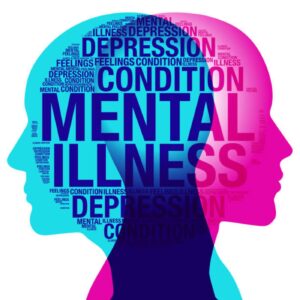
Mental health according to Oxford Dictionary refers to “a person’s condition with regard to their psychological and emotional well-being.” Wikipedia also defines mental health as “The level of psychological well-being or an absence of mental illness”.

According to World Health Organization (WHO), one in four Nigerians (about 50 million people) are suffering from some sort of mental illness, and as the seventh largest country in the world, Nigeria has Africa’s highest caseload of depression, and ranks 15th in the world in the frequency of suicide. Also, WHO stated in December 2016 that less than 10% of mentally ill Nigerians have access to psychiatrists or health workers.

Mental health issues include and are not limited to mood disorders, psychotic disorder, suicidal thoughts and behaviours, anxiety disorder, post traumatic stress disorder, autism, attention deficit and hyperactivity disorder, eating disorders, personality disorders and many more. Factors that affect mental health can be grouped into biological factors (genetic or heredity factors, injury to the brain, deficits of the brain cause during development in pregnancy and during birth, infection, substance abuse and poor nutrition), psychological factors (emotional and physical trauma, neglect and abandonment) and social factors (poor social interaction, verbal abuse, severe stress or being overworked). These and more are root causes of mental illness according to several reports.

There are some important signs of mental illness that can be observed like prolonged periods of grief, sadness or irritability, extreme highs or low mood swings, increased level of fear, anxiety or worry, withdrawal from society, dramatic changes in daily life habits like eating, exercising, sleeping, and more. When these signs occur, it is important to seek help from a health worker or a psychiatrist because early diagnosis and treatment are essential to speedy recovery.

Maintaining a positive mental health can also be achieved by regular exercise, eating balanced and healthy meals, opening up to people when in tough situations, taking a break when needed, reflecting on beautiful memories or something you are grateful for, and sound sleep. These can help reduce drastically the burden of mental illness in the society.

Monday Health Burst is an initiative of Centre for Family Health Initiative (CFHI) to tackle issues of basic health concerns. Join us every Monday for more health related articles on all our social media platforms.

MONDAY HEALTH BURST Read More »

Speak Wednesday

EFFECTS OF VIOLENCE ON WOMEN AND CHILDREN

According to UNICEF, violence against women denies women their most basic rights and freedoms, including freedom of opinion, equality and justice before the law, to marry (or not) according to their own free will, to mobility, participation, to have access information and education, to work, to be employed, or to vote. Violence against children on the other hand includes all forms of violence perpetrated against people below the age of 18, either by parents, caregivers, peers, romantic partners, or strangers.

Victims and survivors are mostly the immediate persons affected by violence, but the effects of these violence go far beyond the survivors to having negative impact on their relationships, communities and the societies they live in. In homes where domestic violence is carried out in the presence of the children, it may lead to short or long term harm on children. These children most times end up being abusers, while on the short term, there are physical injuries and serious health conditions.

Exposure to violence at an early age can impair brain development and damage to immune systems, with lifelong consequences. As such, violence against children can negatively affect cognitive development and results in educational and vocational under-achievement. Children exposed to violence and other adversities are more likely to drop out of school, have difficulty finding and keeping a job, involve in harmful use of alcohol and drugs and have disability or mental health problems.

Women who have experienced domestic violence or abuse are at a significantly high risk of experiencing a range of mental health conditions like post-traumatic stress disorder (PTSD), depression, anxiety, substance abuse, having suicidal thoughts, unstable relationships, and emotional imbalance. Many women and children have lost their lives as a result of domestic violence.

Teenage girls when faced with sexual violence may lead to unintended pregnancies, induced abortions, gynecological problems, and sexually transmitted infections, including HIV. According to Pauline Tallen, Nigeria Minister for Women Affairs in a recent address on Nigeria Television Authority (NTA), mentioned that over 3000 rape cases have been reported between March and June, 2020. She also acknowledged that rape has always happened in Nigeria, “but with the lockdown of people in homes because of COVID-19, women and children are locked down with their abusers.” Majority of these incidences are carried out by parents, caregivers and those trusted by the victims. Rape is never the fault of the victim, but rather the fault of the rapist.

Speak Wednesday is an initiative of Centre for Family Health Initiative to stop the cycle of domestic violence by breaking the silence around gender based violence. CFHI believes that violence against women and children can be prevented if we all contribute our quota. A life without violence is essential to the health and peace of everyone. We will continue to raise our voices against any form of violence against women and children, provide legal, psycho-social and economic supports to victims and survivors of gender based violence.

Speak Wednesday Read More »

MONDAY HEALTH BURST

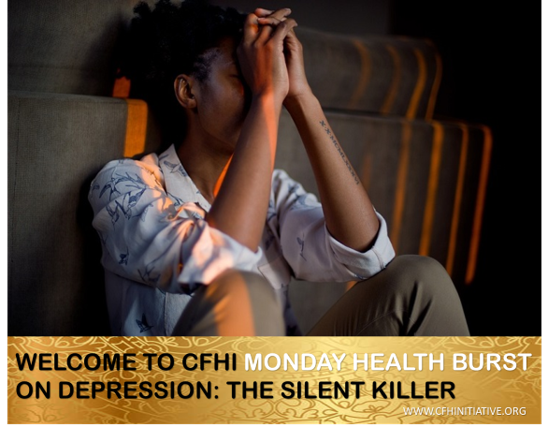
DEPRESSION: THE SILENT KILLER

Depression is a mental health disorder characterized by persistently unhappy mood or loss of interest in activities, causing significant impairment in daily life. It is a very common mental disorder and in Nigeria, there are about 1.5million cases annually.

Possible causes of depression include a combination of biological, psychological and social sources of distress. Everyone who experiences depression is different and have different contributing factors. Some of these causes are identified as stressful life events including loss of a loved one, stress, isolation or loneliness, low self-esteem, personal factors like family history, personality, serious medical illness, drug and alcohol use, and chemical changes in the brain.

Symptoms of depression involve changes in sleep, appetite, energy level, concentration, daily behavior or self-esteem.

  • Change in Mood: anxiety, apathy, general discontent, guilt, hopelessness, loss of interest or pleasure in activities, mood swings, or sadness.
  • Change in Behavior: agitation, excessive crying, irritability, restlessness, or social isolation.
  • Change in Sleep: early awakening, excess sleepiness, insomnia, or restless sleep.
  • Change in Whole body: excessive hunger, fatigue, or loss of appetite.
  • Cognitive change: lack of concentration, slowness in activity, or suicidal thoughts.
  • Change in Weight; weight gain or weight loss.

Many people suffering from depression never seek medical attention during their entire lives. They choose to absorb the burden of depression into their different body systems. This can lead to physical symptoms and various diseases at a later stage. If left untreated, major depression is life threatening.

The mainstay of treatment is usually medication, talk therapy or a combination of the two. Mild depression can be handled with family support, behavioral therapy, lifestyle changes, and learning skills for managing while Severe or chronic depression with other underlying health issues need medical therapy.

CFHI Monday Health Burst is an initiative of the organization to tackle issues of basic health concerns. Join us every Monday for more health related articles on all our social media platforms.

MONDAY HEALTH BURST Read More »

MONDAY HEALTH BURST – MAY 25, 2020

SAFETY MEASURES FOR CHILDREN DURING LOCKDOWN

Children witness families struggling with government lock downs that prevent their parents from earning a living and bringing their education to a stand-still. It is important to keep the children busy at home so they can adhere to the lock down rules and still have a stable mental health.

Children can do the following to keep themselves busy at home

  • Talk on the phone or do a video call with family and friends
  • Text or use other messaging apps to talk with family and friends.
  • Play online games that let them play with other kids from home.
  • Exercise daily
  • Trying out new skills and reading new books/story books

Important safety precautions at home to help prevent infection and spread of COVID-19 in children includes:

  • Regular hand washing with soap and running water
  • Regular laundry of their wears
  • Disinfecting frequently used surfaces such as doorknobs, switch, toys, remote, sink handles, etc
  • Adequate nutrition such as lots of fruits and vegetables to help build their immune system.
  • Avoid self-medication. When a child is noticed to have developed any symptom of ill health, visit a health facility.

Important safety precautions at the health facilities during the pandemic

  • Collaborate to ensure child-friendly health facilities/access to health care, including guidance for health staff on child-friendly communication and special measures to support children’s psycho-social well-being when undergoing treatment and quarantine.
  • Support child safeguarding training for health workers (particularly where children are separated from their families or caregivers).
  • Establish safe, child-friendly complaints and feedback mechanisms in health care facilities.
  • Strengthen capacity on clinical management of rape (CMR) and ensure minimum CMR supplies are available in key facilities to appropriately respond to sexual violence.
  • Collaborate on mental health and psycho-social support care and messaging for children and caregivers affected by COVID-19.
  • Collaborate to ensure child-friendly hand-washing stations are available at health facilities, schools, childcare centres, alternative care centres, and other locations children are likely to visit.

Psychologists and economists have considered parenting style such as how warm, strict, or communicative a parent is, is an important determinant of a child’s skills. During a period of home schooling, parents will try to enforce rules and boundaries so that their children can learn. However, harsh parenting including shouting at or smacking children particularly when the socio-emotional skills of children are low, will exacerbate children’s behavioral and emotional problems. Instead, moving to a more sensitive style of parenting can help close the socio-emotional gaps observed across children. Policy makers should also ensure that information, education, and communication (IEC) materials, including information on available services, are produced, and displayed with limited text in child-friendly versions.

MONDAY HEALTH BURST – MAY 25, 2020 Read More »

MONDAY HEALTH BURST

MONDAY HEALTH BURST

Studies are limited in how effective the use of face masks on healthy individuals affect the outcome of prevention of a respiratory virus. However, during the Covid-19 pandemic, we have seen nations use the precaution of implementing the use of face masks nationwide and have seen remarkable results on the prevention of the spread of the virus together with hand washing and social distancing. This among other studies led to the recommendation of non medical masks by WHO and Nigeria Centre for Disease Control (NCDC).

According to WHO guidelines, appropriate use and disposal of face masks are essential to ensure that they are effective and to avoid any increase in transmission. Hence, the need for proper sensitization to the proper way of using a face mask and how to dispose it, since so many people had little or no knowledge of what a face mask is prior to the pandemic.

Below are recommended steps on the correct use of face masks by Practices in Healthcare Settings:

  • Place the mask carefully, ensuring it covers the mouth and nose and tie it securely to minimize any gaps between the face and the mask.
  • Avoid touching the mask while wearing it.
  • Remove the mask appropriately by not touching the front of the mask but untie from behind.
  • After removal, clean hands using an alcohol-based hand sanitizer or wash with soap and water.
  • Replace masks as soon as they become dampened.
  • Do not re-use single-use masks.
  • Discard single-use masks after each use and dispose of them immediately upon removal.
  • For non medical masks, make sure to wash with disinfectant as well as soap and water after single use and make sure to dry under the sun. It is also advisable to have more than one non medical mask.

#StaySafe #MondayHealthBurst

MONDAY HEALTH BURST Read More »

WORLD MALARIA DAY 2020

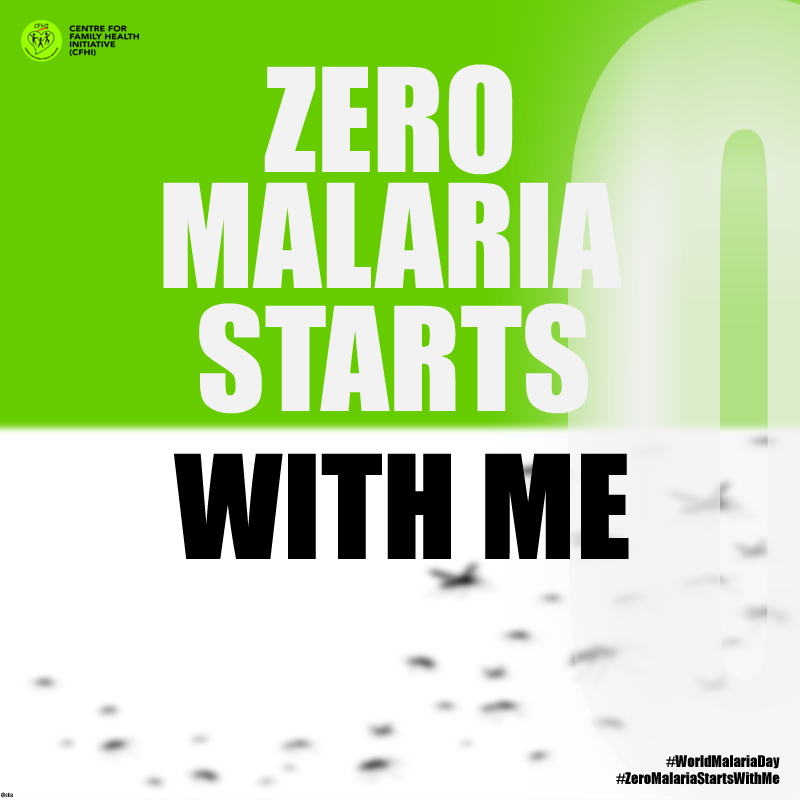
WORLD MALARIA DAY 2020: ZERO MALARIA STARTS WITH ME:

“From 2000 to 2015, several countries made tremendous progress in the fight against malaria. Globally, malaria deaths fell by more than 50%. Seventeen countries eliminated malaria, and six were certified by the WHO as malaria-free”. This exceptional progress demonstrated that malaria elimination is achievable.

Despite the progress made in the fight against malaria, half of the world population is still at risk of this devastating disease. According to WHO’s World Malaria Report for 2019, the scourge of malaria continues to strike hardest against pregnant women and young children in Africa. Scaling up efforts to reduce cases and deaths among these two populations would provide significant boost in the fight against malaria.

With the present Covid-19 pandemic concerns taking the front line, there is need to ensure that efforts and progress gained in the fight against malaria are not lost and there is continued testing and treatment of malaria cases even within this pandemic. WHO warned on Thursday, April 23, that the number of deaths caused by malaria in Sub-Saharan Africa could double to 769,000 this year, as efforts to curb the disease are disrupted by the COVID-19 pandemic.

It is essential that we keep to the guidelines of cleaning the environment and dispensing stagnant waters around homes, ensuring proper covering of openings, fumigate regularly, appropriate clothing especially for children at night and most importantly the use of insecticide treated mosquito net. In as much as we enjoin everyone to stay at home, never hesitate to seek medical help if fever occurs.

Happy World Malaria Day!

#StaySafe #WMD2020

WORLD MALARIA DAY 2020 Read More »