Gender inequality is more than a social issue; it is a barrier to justice, development, and human progress. Across the world, millions of women and girls continue to face discrimination that limits their access to education, healthcare, employment, leadership opportunities, and basic human rights. For many, especially those without a voice or platform to speak out, inequality remains a daily reality that shapes every aspect of their lives. ¹
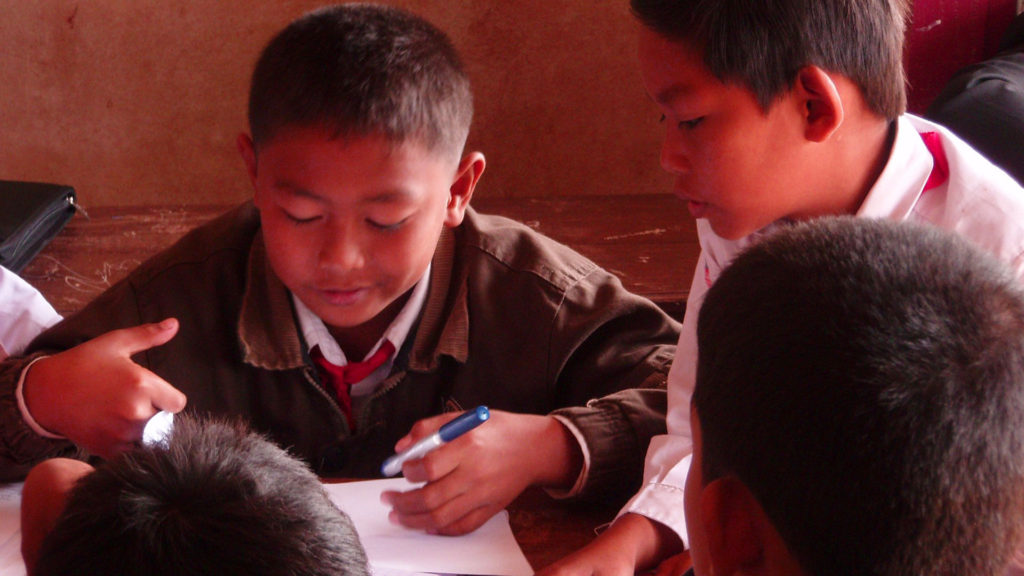
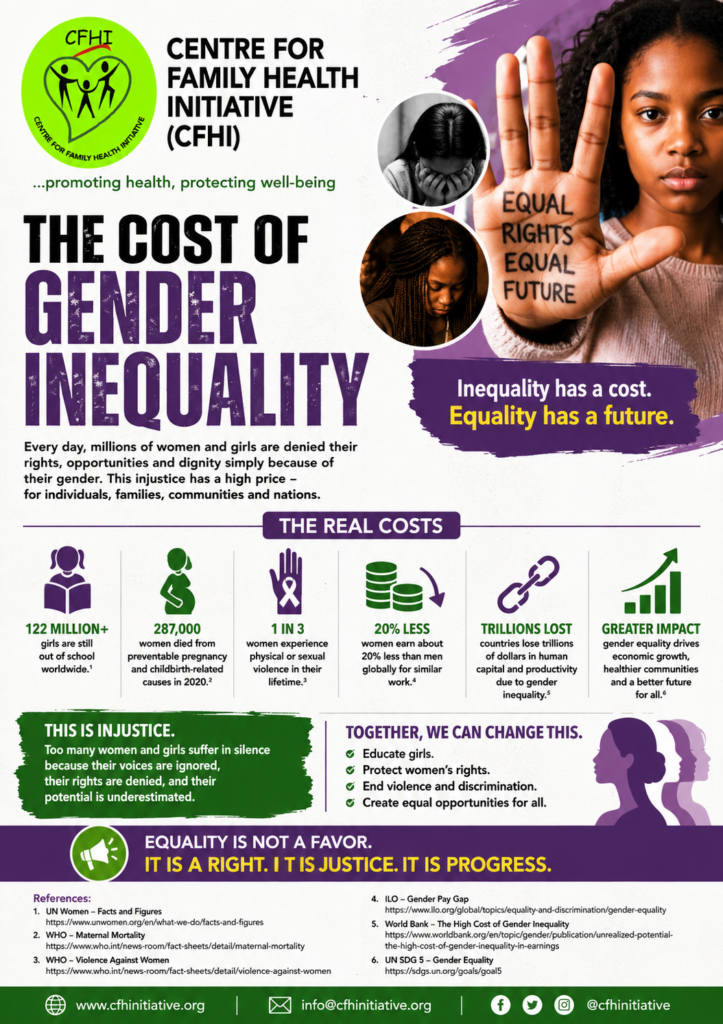
One of the greatest costs of gender inequality is the loss of opportunity. Despite progress in recent decades, more than 122 million girls remain out of school globally. ³ Many are forced into child marriage, domestic labor, or other circumstances that prevent them from reaching their full potential. Yet research consistently shows that educating girls improves health outcomes, reduces poverty, and strengthens economies. ⁴
Gender inequality also places women and girls at greater risk of poor health outcomes. In many communities, women have limited control over decisions affecting their health and wellbeing. This contributes to preventable maternal deaths, inadequate access to healthcare services, and poor reproductive health outcomes. In 2020 alone, approximately 287,000 women died from preventable pregnancy and childbirth-related causes worldwide. ⁵
Violence against women remains another painful consequence of inequality. Nearly one in three women globally experiences physical or sexual violence during her lifetime. ⁶ Many victims remain silent due to fear, stigma, and lack of support, while countless others never receive justice.
The economic impact is equally significant. Women continue to earn less than men and face greater barriers to employment, financial resources, and leadership positions. According to the International Labour Organization, women earn about 20% less than men globally. ⁷ The World Bank further estimates that gender inequality costs countries trillions of dollars in lost human capital and productivity. ⁹
Gender inequality does not only harm women and girls it weakens families, communities, and nations. When women are denied equal opportunities, societies lose talent, innovation, and economic growth. ¹⁰ Conversely, countries that invest in gender equality experience stronger development outcomes, healthier populations, and more inclusive economies. ¹¹
Achieving gender equality requires more than policies and promises. It demands deliberate action to protect the rights of women and girls, expand access to education and healthcare, eliminate harmful practices, and create spaces where their voices are heard and respected.
The cost of gender inequality is simply too high. Every girl denied an education, every woman denied an opportunity, and every victim denied justice represents a loss not only to individuals but to society. Building a fairer world begins with ensuring that women and girls have the same rights, opportunities, and freedoms as everyone else.
References
1. https://www.unwomen.org/en/what-we-do/facts-and-figures
2. https://www.unesco.org/gem-report
3. https://www.unicef.org/education/girls-education
4. https://www.who.int/news-room/fact-sheets/detail/maternal-mortality
5. https://www.who.int/news-room/fact-sheets/detail/violence-against-women
6. https://www.ilo.org/global/topics/equality-and-discrimination/gender-equality
7. https://www.worldbank.org/en/topic/gender/publication/unrealized-potential-the-high-cost-of-gender-inequality-in-earnings
8. https://www.mckinsey.com/featured-insights/diversity-and-inclusion/the-power-of-parity-advancing-womens-equality-in-africa
9. https://sdgs.un.org/goals/goal5