
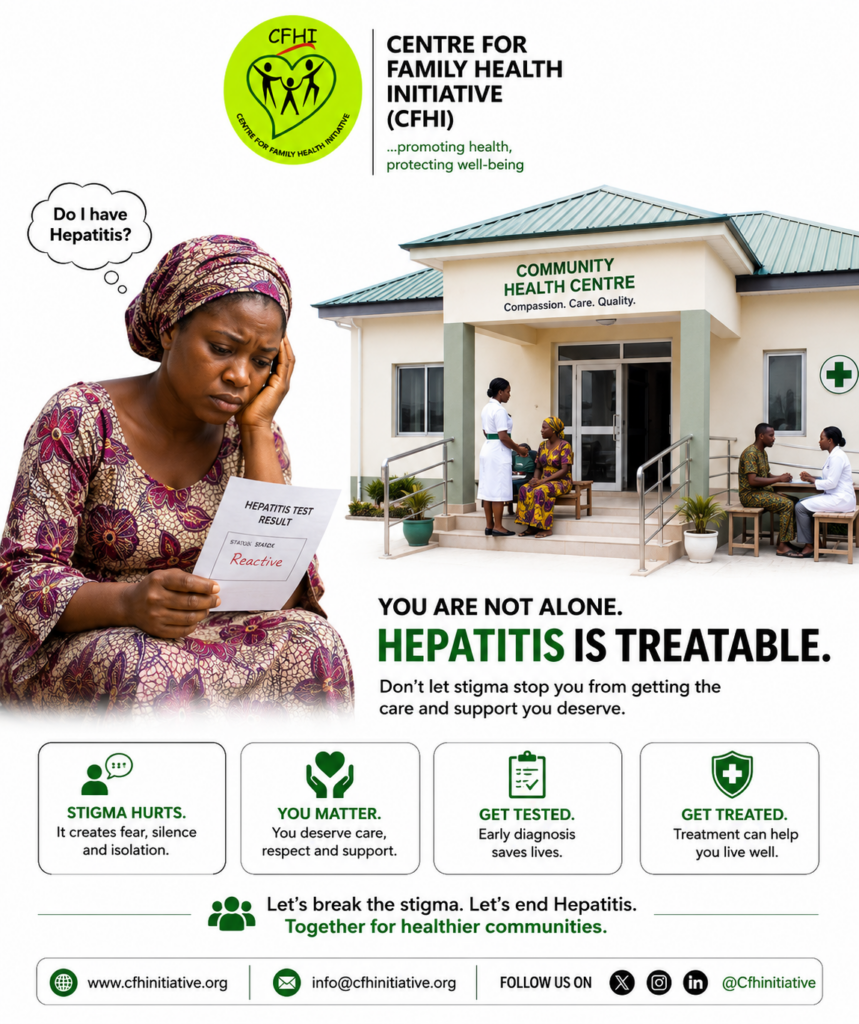
A diagnosis of viral hepatitis should mark the beginning of care, treatment, and support not discrimination. Yet for many women and girls, hepatitis carries a burden that extends far beyond the disease itself. Across many communities, women living with hepatitis often face stigma, social isolation, and unfair judgment that affect their health, relationships, livelihoods, and overall well-being. These experiences not only violate their rights but also discourage many from seeking timely testing, treatment, and support, allowing the disease to spread silently within families and communities. ¹
Viral hepatitis, particularly hepatitis B and C, remains a major public health concern worldwide. According to the World Health Organization (WHO), an estimated 304 million people were living with chronic hepatitis B or C in 2022, while 1.3 million deaths occurred from hepatitis-related liver diseases, including cirrhosis and liver cancer.² Despite the availability of effective vaccines for hepatitis B and curative treatment for hepatitis C, millions remain undiagnosed, especially in low- and middle-income countries where awareness and access to healthcare are limited.²
For women, the impact of hepatitis is often compounded by gender inequality and harmful social norms. In many societies, women are expected to shoulder the responsibility for family health and caregiving. When they are diagnosed with hepatitis, they may be blamed for bringing illness into the home or wrongly assumed to have contracted the infection through immoral behaviour. These misconceptions persist even though hepatitis B and C are primarily transmitted through contact with infected blood and body fluids, unsafe medical procedures, unsterilized equipment, or from an infected mother to her baby during childbirth. ³
The consequences of stigma are particularly severe during pregnancy. Pregnant women who avoid antenatal care or hepatitis testing because they fear discrimination may unknowingly pass hepatitis B to their babies during delivery. Without appropriate interventions, the risk of mother-to-child transmission can be as high as 90% when mothers are highly infectious. However, this risk can be dramatically reduced through routine antenatal screening, timely administration of the hepatitis B birth-dose vaccine, and appropriate medical care. ⁴ Early diagnosis therefore protects not only mothers but also the next generation.
Stigma also affects girls and young women in less visible ways. Fear of being judged may prevent adolescents from seeking accurate health information, vaccination, or medical attention. Women who experience discrimination are more likely to delay treatment, conceal their diagnosis, or withdraw from social support networks, increasing their risk of severe liver disease and poor mental health outcomes. Studies have shown that stigma associated with chronic infectious diseases can contribute to anxiety, depression, reduced self-esteem, and lower quality of life. ⁵
The effects extend beyond individuals to entire communities. When people fear being labelled or rejected, they are less likely to participate in screening programmes or disclose their status to healthcare providers and close contacts. This delays diagnosis, limits access to treatment, and undermines efforts to eliminate viral hepatitis as a public health threat. The World Health Organization has set a goal of eliminating viral hepatitis by 2030, but this target cannot be achieved if stigma continues to keep people away from lifesaving services. ⁶
Ending stigma begins with replacing myths with facts. Hepatitis is not spread through hugging, shaking hands, sharing meals, coughing, or casual social contact. ³ People living with hepatitis deserve compassion, respect, confidentiality, and access to quality healthcare not fear or exclusion. Communities, healthcare workers, religious institutions, schools, and the media all have a role to play in promoting accurate information and challenging harmful stereotypes.
Governments and health organizations must also strengthen policies that ensure routine hepatitis screening, particularly for pregnant women, expand access to vaccination and treatment, and integrate psychosocial support into hepatitis care. Public education campaigns should highlight that hepatitis is a medical condition that can often be prevented, managed, and in some cases cured, rather than a reason for discrimination.
No woman or girl should have to choose between protecting her health and protecting herself from stigma. By creating supportive communities where women can seek testing, treatment, and care without fear, we move closer to eliminating hepatitis and safeguarding the health of families and future generations. Ending hepatitis is not only about medical advances it is also about ending the silence, misinformation, and discrimination that allow the disease to persist.
References
1. World Health Organization. Global health sector strategies on HIV, viral hepatitis and sexually transmitted infections 2022–2030. https://www.who.int/publications/i/item/9789240053779
2. World Health Organization. Hepatitis. https://www.who.int/news-room/fact-sheets/detail/hepatitis
3. World Health Organization. Hepatitis B. https://www.who.int/news-room/fact-sheets/detail/hepatitis-b
4. World Health Organization. Prevention of mother-to-child transmission of hepatitis B virus. https://www.who.int/teams/immunization-vaccines-and-biologicals/diseases/hepatitis
5. World Hepatitis Alliance. Breaking Down Barriers: The Impact of Hepatitis Stigma. https://www.worldhepatitisalliance.org
6. World Health Organization. Global health sector strategy on viral hepatitis. https://www.who.int/teams/global-hiv-hepatitis-and-stis-programmes/hepatitis/strategic-information