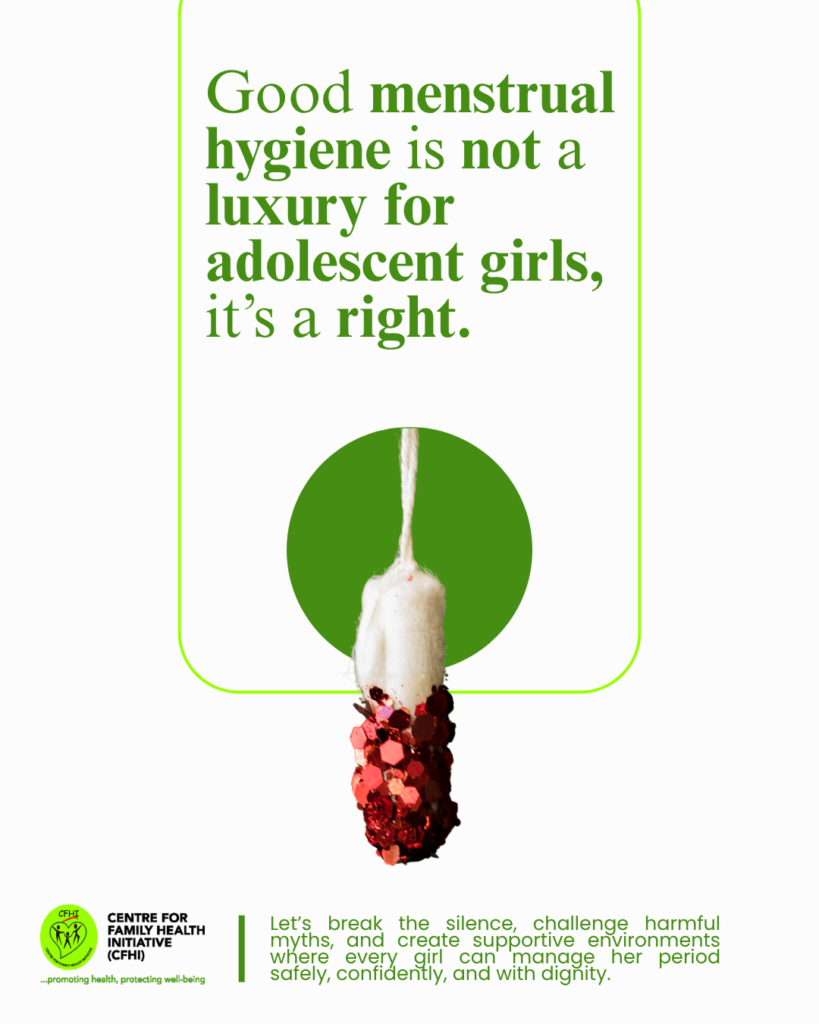
Menstrual health is an essential part of adolescent girls’ health and well-being. However, stigma, misinformation, unaffordable menstrual products, and inadequate water and sanitation facilities continue to make period management difficult for many girls.
The World Health Organization (WHO) estimates that 1.9 billion people menstruate worldwide, yet many still lack the resources and facilities needed to manage menstruation with dignity [1].
Good menstrual hygiene involves using clean menstrual products, changing them regularly, washing hands before and after changing products, maintaining personal hygiene, and having access to clean water and private sanitation facilities. Schools and communities also have a responsibility to provide accurate menstrual health education and safe disposal facilities [2].
Menstrual pain and heavy bleeding can affect girls’ comfort, school attendance and daily activities. Although some discomfort is common, severe, or persistent pain and unusually heavy bleeding should not be ignored, as they may require medical attention [3].
In Nigeria, improving menstrual health requires continued investment in education, affordable menstrual products, clean water, adequate sanitation, and access to healthcare. Parents, teachers, healthcare professionals and community leaders must work together to challenge stigma and ensure girls can discuss their concerns without shame.
Every girl deserves to understand her body, manage her period safely and confidently, and continue her education without discrimination. Menstruation is natural and managing it with dignity is a matter of health, equality, and human rights.
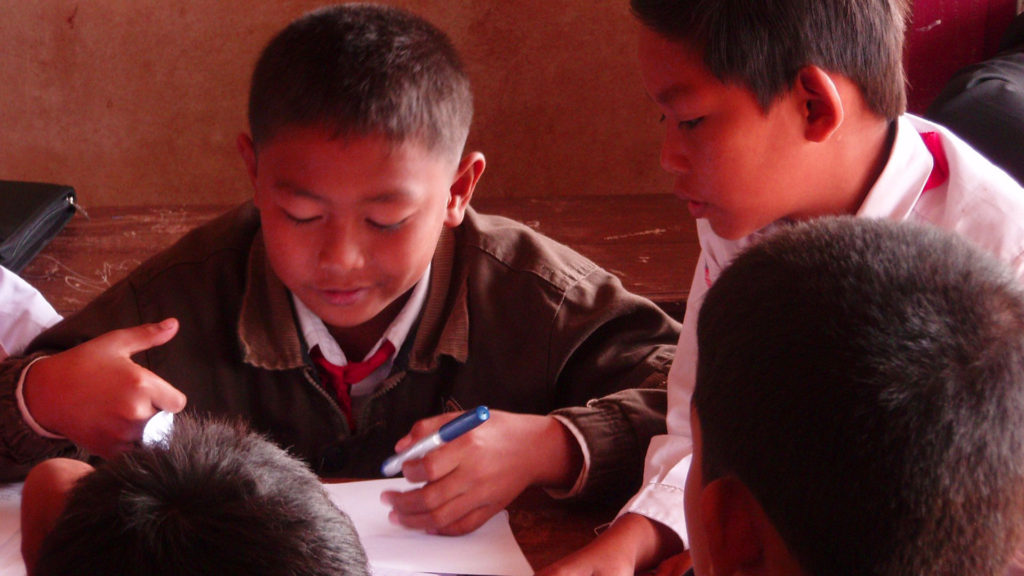
Through its menstrual health initiatives, the Centre for Family Health Initiative (CFHI) promotes menstrual health education by sensitising adolescent girls and boys and distributing reusable sanitary pads to vulnerable girls to support safe and dignified menstrual hygiene practices.
Monday Health Burst is an initiative of CFHI to address issues of basic health concern. Join us every Monday on all our social media platforms for more episodes.
References
[1] World Health Organization (WHO). Menstrual health.
https://www.who.int/news-room/fact-sheets/detail/menstrual-health
[2] WHO/UNICEF Joint Monitoring Programme. Progress on Drinking Water, Sanitation and Hygiene in Schools 2015–2023: Special Focus on Menstrual Health.
https://www.who.int/publications/i/item/9789240097490
[3] American College of Obstetricians and Gynecologists (ACOG). Menstruation in Girls and Adolescents: Using the Menstrual Cycle as a Vital Sign.
https://www.acog.org/clinical/clinical-guidance/committee-opinion/articles/2015/12/menstruation-in-girls-and-adolescents-using-the-menstrual-cycle-as-a-vital-sign