cfhinitiative

SPEAK WEDNESDAY

Democracy Fails Women When It Ignores Gender Violence

Democracy is more than ballots, parliaments, and courtrooms it is the everyday reality that allows every person to live with dignity and safety. When a democratic system pretends that voting and institutions alone guarantee equality while turning a blind eye to the daily threat of gender-based violence (GBV), it is failing a fundamental promise: protection for all citizens. For millions of women, the “freedoms” democracy claims to protect are hollow if public systems, laws, and practices do not prevent, punish, and deter gendered violence.

The hard numbers refuse to let us look away. Globally, roughly one in three women has experienced physical and/or sexual violence by an intimate partner or sexual violence by a non-partner in her lifetime a staggering indicator that violence is not an exception but a systemic condition that persists across democratic and non-democratic states alike. (World Health Organization)

Nigeria’s statistics reflect this painful truth at home. National data and large-scale studies point to around a third of women experiencing intimate partner violence (IPV), with some surveys showing 31–35% having experienced some form of IPV in recent measures. These are not abstract percentages they translate to millions of women whose bodily autonomy, mental health, economic participation and civic engagement are continuously undermined. (DHS Program)

Worse, the trendlines in some places show an alarming rise in certain forms of violence over time. Comparative analyses of regional data (for example, conflict-affected northeast Nigeria) demonstrate increases in emotional and sexual IPV between survey rounds a decade apart; a signal that crises, weak accountability, and institutional neglect worsen GBV even within states that hold elections. When democratic systems fail to protect women in times of stress, the social contract fractures. (ResearchGate)

 There are three recurring failures because democracy fail in practice:

  1. Visibility without remedy. Democracies can record crimes and produce statistics, but if police, health systems and courts do not follow through, documentation becomes an exercise in moral hygiene rather than justice. Survivors who report violence often encounter blame, delays, unsafe processes, or outright dismissal.
  2. Law without implementation. Nigeria has laws criminalizing domestic and sexual violence, but enforcement is uneven. Where patriarchy is embedded in institutions, legal protections are toothless. Laws on paper become meaningless when budgets, training, and survivor-centered services are absent.
  3. Public indifference normalized as “private matters.” When GBV is repeatedly framed as a private or cultural problem, democratic debate excludes the voices of survivors and diminishes the urgency required for structural change.

These failures matter because gender violence is not merely a private tragedy it is a public, democratic harm. GBV shrinks women’s political voice (fear limits public participation), undermines economic independence (injury, trauma, time away from work), and burdens health systems. Democracies that do not treat GBV as a governance and human-rights priority are sustaining inequality disguised as civility.

It’s not enough to pass new laws; democracies must transform institutions and social norms. That means guaranteeing emergency health and legal services; training and holding police and judiciary accountable; funding safe shelters; integrating GBV prevention in schools and workplaces; and centering survivors in policy design. It also means political leaders must stop treating GBV as a “women’s issue” and recognize it as a democracy and development crisis.

At the Centre for Family Health Initiative (CFHI), we approach this challenge on three complementary fronts: prevention, survivor support, and advocacy. On prevention, we run community dialogues and gender norms activities that challenge the attitudes that normalize violence and silence survivors. For survivors, CFHI facilitates safe referrals and trains Community Health Workers to provide trauma-informed first response and linkages to legal and psychosocial support. On advocacy, we engage local leaders and stakeholders to press for funded, accountable GBV services and to include GBV metrics in local governance performance reviews.

These actions are small in the face of a systemic problem, but democracy is built from local actions. When community-level institutions protect women’s rights and when civic actors demand accountability, national democracy is strengthened. CFHI’s work shows that when communities are empowered to respond and when survivors are listened to, trust grows, and that trust is the living tissue of democratic life.

A call to action

Democracy will keep failing women until citizens and leaders act as if their safety is a public good. If you read this and care about democracy, do three things today:

  • Speak up publicly: challenge the narrative that GBV is a “private” problem.
    • Support survivors and local organizations: fund and volunteer with groups offering direct services.
    • Hold institutions to account: demand transparent budgets for GBV response and regular reporting on prosecutions, service availability, and survivor outcomes.

Democracy isn’t earned through election cycles alone it is preserved by institutions and communities that protect the most vulnerable. Ignoring gender violence is not neutrality; it is complicity. Let us insist that our democracy lives up to its promise not only in rhetoric but in the daily safety and dignity of every woman.

Speak Wednesday is an initiative of CFHI to address issues around gender-base violence and gender-bias.
SPEAK WEDNESDAY Read More »

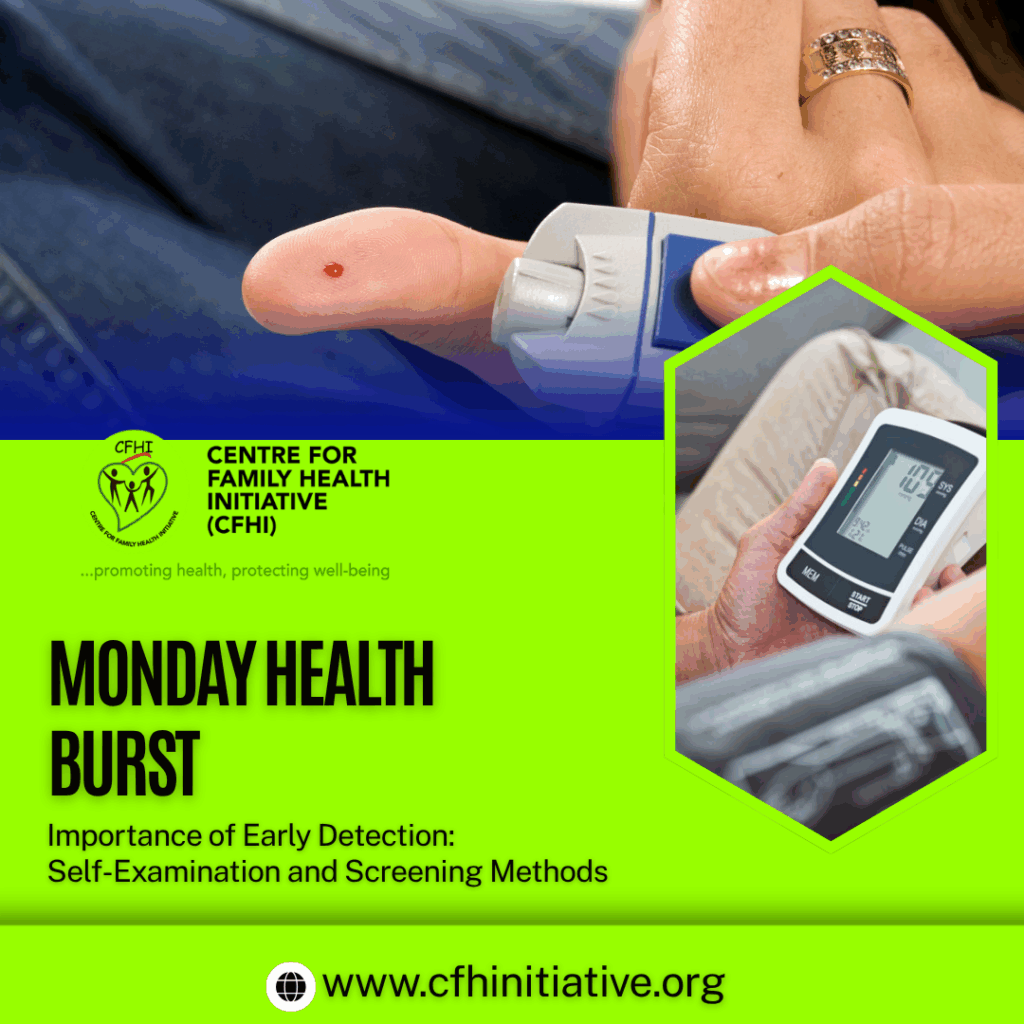
MONDAY HEALTH BURST

Importance of Early Detection: Self-Examination and Screening Methods
Early detection plays a pivotal role in improving global health outcomes by enabling the prompt diagnosis and management of diseases before they progress to critical stages. According to the World Health Organization (WHO), early detection through regular screening and self-examination significantly reduces mortality rates associated with noncommunicable diseases (NCDs), which account for approximately 74% of global deaths annually1. Diseases such as cancer, diabetes, hypertension, and chronic respiratory illnesses often develop silently, highlighting the necessity for individuals to take proactive measures in monitoring their health2. Evidence shows that screening can lead to a 20–30% reduction in mortality for breast, cervical, and colorectal cancers when implemented consistently3.

Self-examination is a vital preventive health practice that encourages individuals to familiarize themselves with their bodies and recognize unusual changes early. For instance, breast self-examination allows women to detect lumps or abnormalities, which, when reported promptly, can lead to early breast cancer diagnosis and improved survival chances4. Similarly, testicular self-examination helps men identify abnormal growths that could signal testicular cancer, a disease with over 95% survival rate when treated early5. Additionally, individuals can engage in simple health monitoring routines such as checking their blood pressure, blood sugar, and body mass index using approved health tools. However, it is essential to emphasize that self-examination and home monitoring should never replace professional evaluation. They serve as alert systems prompting individuals to seek medical consultation when necessary6

Screening programs complement self-examination by employing medical tests to identify diseases at early stages, often before symptoms manifest. According to the Centers for Disease Control and Prevention (CDC), routine screenings such as Pap smears, mammograms, blood pressure measurements, and HIV testing have been instrumental in reducing the burden of preventable diseases7. For example, the introduction of cervical cancer screening through Pap smears has reduced mortality rates by more than 60% in countries with sustained programs8. Similarly, diabetes screening helps detect prediabetes a condition affecting nearly 10% of adults globally enabling timely lifestyle modification and treatment9. These findings reaffirm that preventive screening is not just a diagnostic tool but a cost-effective strategy for strengthening public health systems.

It is equally important to distinguish between self-examination and self-medication. The WHO warns that misuse of over-the-counter drugs without medical supervision contributes to antimicrobial resistance and adverse health outcomes10. Individuals should instead rely on evidence-based preventive practices regular checkups, health education, and medical screening to maintain their wellbeing. The goal is to empower people to recognize early warning signs while avoiding the dangers of unprescribed medication and misinformation.

At Centre for Family Health Initiative (CFHI), we prioritize early detection as a cornerstone of preventive healthcare. Through our community outreach programs, health education sessions, and screening campaigns, CFHI enlightens individuals on the benefits of routine medical checkups and responsible self-examination. Our interventions promote proactive health-seeking behavior, equip communities with accurate health information, and strengthen early response systems against preventable diseases. By fostering awareness and action, CFHI continues to drive lasting impact in the promotion of health and prevention of illness across Nigeria.

References
[1] World Health Organization. Noncommunicable diseases. WHO.
[2] GBD 2021 Non-Communicable Disease Collaborators. Global burden of disease study 2021. Lancet. 2023;401(10383):1641–1712. https://doi.org/10.1016/S0140-6736(23)00221-2.
[3] International Agency for Research on Cancer. Cancer screening and prevention. IARC.
[4] American Cancer Society. Breast self-exam and awareness. https://www.cancer.org/cancer/breast-cancer/screening-tests-and-early-detection.html.
[5] National Cancer Institute. Testicular cancer treatment (PDQ)–Health professional version. https://www.cancer.gov/types/testicular/hp/testicular-treatment-pdq.
[6] National Institutes of Health. Health monitoring and disease prevention. NIH.
[7] Centers for Disease Control and Prevention. Screening for chronic diseases. CDC.
[8] Arbyn M, Weiderpass E, Bruni L, et al. Estimates of incidence and mortality of cervical cancer in 2020: a worldwide analysis. Lancet Glob Health. 2020;8(2):e191–e203. https://doi.org/10.1016/S2214-109X(19)30482-6.
[9] International Diabetes Federation. IDF Diabetes Atlas, 10th ed. Brussels, Belgium: IDF; 2021. https://diabetesatlas.org/.
[10] World Health Organization. The dangers of self-medication. WHO.

MONDAY HEALTH BURST Read More »

SPEAK WEDNESDAY

Closing the Gender Wealth Gap to End Violence Against Women

Economic justice is the key to safety, health, and empowerment for women worldwide. Every Wednesday, we raise our voices to challenge injustice, and today we confront one of the most entrenched roots of gender-based violence: economic inequality. The gender wealth gap isn’t just a financial statistic; it’s a silent enabler of abuse, a barrier to freedom, and a public health emergency.

Globally, women earn less than men for the same work3, own less property, have limited access to leadership4 and fewer financial safety nets1. This economic disparity creates a cycle of dependency that heightens exposure to violence and limits the ability to escape abusive environments. In Nigeria, for instance, the Minister of Women Affairs recently emphasized that closing the gender gap could add ₦15 trillion to the country’s GDP annually by 20252, underscoring the economic potential of gender equity.

These issues are persistent and global. In the EU, despite the “Women on Boards” directive aiming for 40% female representation by 2026, progress is slow. Women currently hold only 35% of non-executive roles and 21% of senior executive positions 4. This is despite evidence from a 2025 report showing that companies with greater gender diversity are 25% more likely to be more profitable3. In sectors like tech and finance, women continue to report being passed over for promotions, excluded from decision-making, and subjected to gender-based microaggressions, which stifles their economic advancement4.

Call To Action

To end violence against women, we must invest in their economic power. As outlined in a UN Women 2025 advocacy paper, closing the funding gap in programs that support survivors and prevent violence is critical1. We call on Governments, NGOs, and private sector to collaborate on expanding access to education and vocational training, supporting women-led businesses and financial literacy programs, funding essential services for survivors, including shelters, legal aid, and healthcare, and advocating for and enforcing equal pay and robust workplace protections.

At the Centre for Family Health Initiative (CFHI), we are committed to this work. Through collaborations with partners like the Institute of Human Virology Nigeria (IHVN), Caritas Nigeria, FCT Social Development Secretariat (SDS), TY Danjuma Foundation (TYDF), and Global Philanthropy Alliance (GPA), we have empowered over 2500 women and girls with education, vocational training, business start-up kits, and financial support.

Financial inequality isn’t just unfair; it’s dangerous. It limits women’s choices, increases health risks, and perpetuates cycles of violence and poverty. Empowering women economically is not merely a matter of justice; it is the essential foundation for building safer, healthier societies for all.

Speak Wednesday is an initiative of CFHI to address issues around gender-based violence and gender bias.

References

  1. UN Women. Closing the funding gap to end violence against women and girls [Internet]. 2025 [cited 2025 Oct 21]. Available from: https://knowledge.unwomen.org/sites/default/files/2025-06/closing-the-funding-gap-to-end-violence-against-women-and-girls-en.pdf
  2. The Guardian Nigeria. Closing gender gap will add ₦15tr to Nigeria’s GDP by 2025 [Internet]. 2025 [cited 2025 Oct 21]. Available from: https://guardian.ng/news/closing-gender-gap-will-add-n15tr-to-nigerias-gdp-by-2025/
  3. Women in the workplace 2025: Research and trends [Internet]. 2025 [cited 2025 Oct 21]. Available from: https://www.wellable.co/blog/women-in-the-workplace-2025-research-and-trends
  1. IMD. Gender inequality in the workplace: Why it persists? [Internet]. 2025 [cited 2025 Oct 21]. Available from: https://www.imd.org/research-knowledge/articles/gender-inequality-in-the-workplace-why-it-persists/

SPEAK WEDNESDAY Read More »

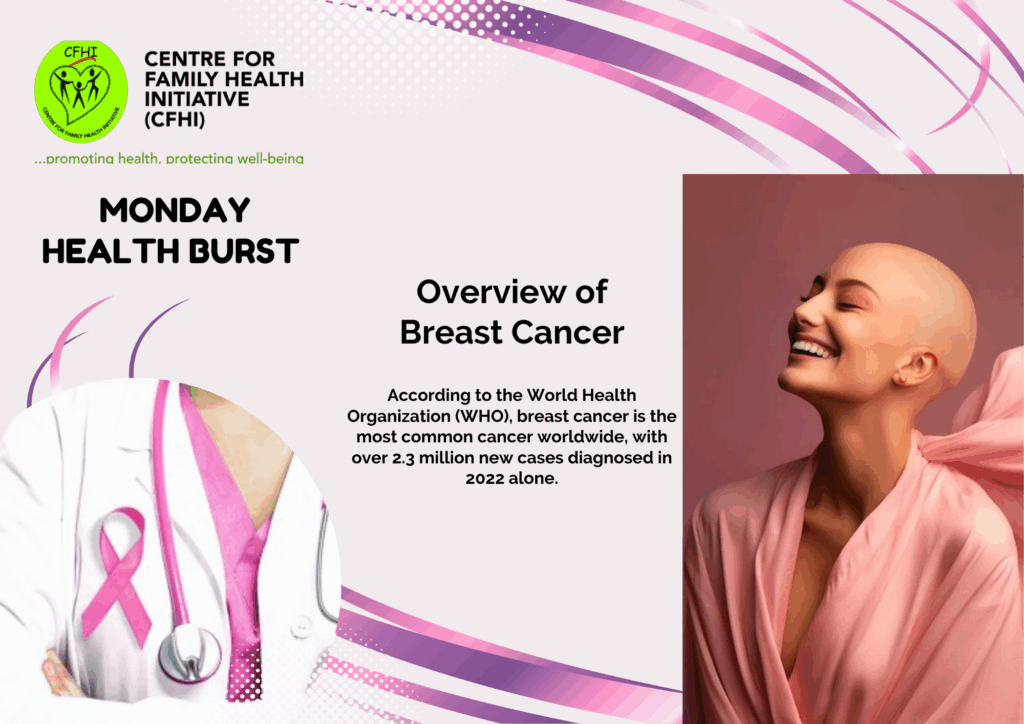
MONDAY HEALTH BURST: OVERVIEW OF BREAST CANCER

Overview of Breast Cancer

Breast cancer remains one of the most prevalent and life-altering diseases affecting millions globally. Despite significant advances in detection and treatment, it continues to pose a major public health challenge.

Breast cancer is a malignant tumor that originates in the cells of the breast. It occurs when breast cells mutate and grow uncontrollably, forming a mass of tissue. These cells can invade surrounding tissues and spread to other parts of the body through the lymphatic system or bloodstream—a process known as metastasis. According to the World Health Organization (WHO)1World Health Organization Breast Cancer Fact Sheet. WHO, breast cancer is the most common cancer worldwide, with over 2.3 million new cases diagnosed in 2022 alone.


Types of Breast Cancer

Breast cancer is not a single disease but a group of diseases with various subtypes. The most common types include:

  • Ductal Carcinoma In Situ (DCIS): A non-invasive cancer where abnormal cells are found in the lining of a breast duct but haven’t spread.
  • Invasive Ductal Carcinoma (IDC): The most common type, accounting for about 80% of cases. It begins in the ducts and invades surrounding tissue.
  • Invasive Lobular Carcinoma (ILC): Starts in the lobules (milk-producing glands) and can spread to nearby tissues.
  • Triple-Negative Breast Cancer (TNBC): Lacks estrogen, progesterone, and HER2 receptors, making it more aggressive and difficult to treat.
  • HER2-Positive Breast Cancer: Characterized by overexpression of the HER2 protein, which promotes cancer cell growth.

Each type has different treatment options and prognoses, emphasizing the importance of accurate diagnosis.

Breast cancer development is influenced by genetic, hormonal, and environmental factors. Mutations in genes like BRCA1 and BRCA2 significantly increase the risk. These mutations can be inherited or acquired over time due to exposure to carcinogens, lifestyle factors, or aging.

The process typically follows these stages:

  1. Initiation: Genetic mutations occur in breast cells.
  2. Promotion: Mutated cells begin to multiply.
  3. Progression: Cells form a tumor and may invade surrounding tissues.
  4. Metastasis: Cancer cells spread to other parts of the body.

In Nigeria, breast cancer accounts for 22.7% of all cancer cases among women, globally, 1 in 8 women will be diagnosed with breast cancer in their lifetime. Men are also affected, though less frequently—about 1% of all breast cancer cases occur in men, the highest incidence rates are found in high-income countries, but mortality rates are disproportionately higher in low- and middle-income countries due to late diagnosis and limited access to treatment. Nigerian Cancer Society. Cancer Statistics in Nigeria. NCS


Signs and Symptoms

Common symptoms of breast cancer may include a lump or thickening in the breast or underarm, changes in breast size, shape, or appearance, dimpling or puckering of the skin, nipple discharge (especially if it is bloody), nipple inversion or pain, and redness, scaling, or swelling of the breast or nipple. Regular self-examinations and clinical screenings play a vital role in ensuring early detection. While not all breast cancers are preventable, several strategies can reduce risk:

At CFHI, we are committed to transforming lives through health education, advocacy, and preventive care. We empower individuals and communities with the knowledge and tools they need to make informed health decisions. By fostering a culture of health consciousness, CFHI is helping to reduce the burden of preventable illnesses and build a healthier, more resilient society.

Breast cancer affects millions, but together, we can change the narrative. CFHI invites you to join the movement; whether by attending our health seminars, volunteering in community outreach, sharing educational materials, or simply encouraging loved ones to get screened. Your voice, your time, and your support can save lives.

Monday Health Burst is an initiative of CFHI to address issues of basic health concern. Join us every Monday on all our social media platforms for more episodes.

References

  1. World Health Organization Breast Cancer Fact Sheet. WHO
  2. Nigerian Cancer Society. Cancer Statistics in Nigeria. NCS

MONDAY HEALTH BURST: OVERVIEW OF BREAST CANCER Read More »

SPEAK WEDNESDAY

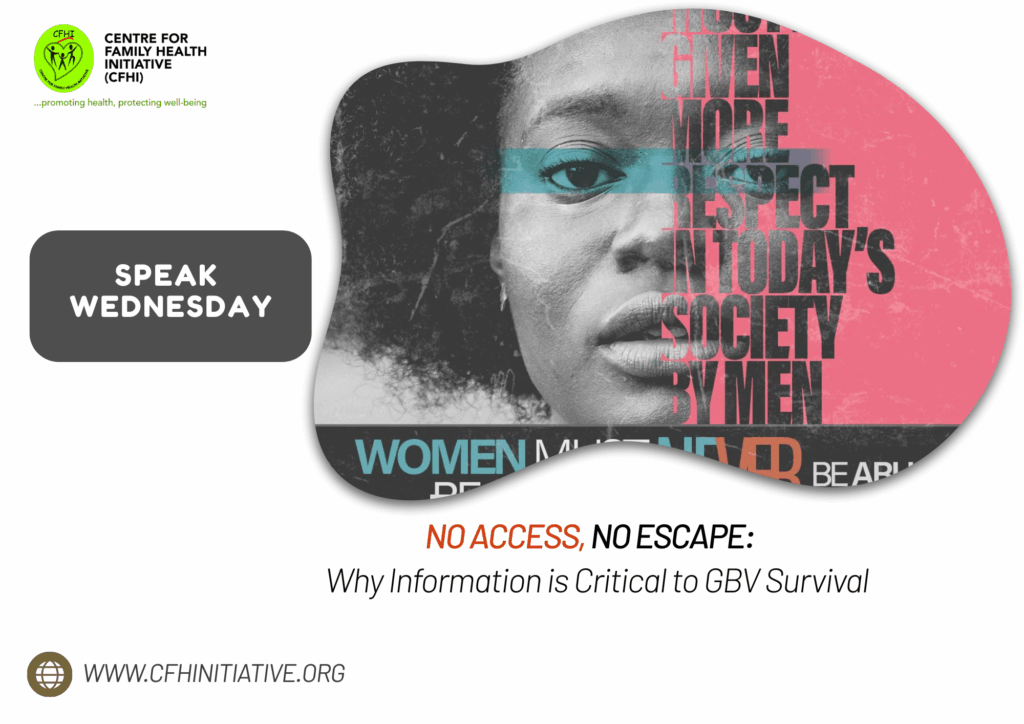
No Access, No Escape: Why Information is Critical to GBV Survival

When Sheila was nineteen and living in Lagos, the threats began. Her husband told her that if she ever disobeyed him, he would make sure she lost her job and her reputation. One night, terrified, she sent a friend a message begging for help. But she did not know where to go, which law could protect her, or who to call. Information could have saved her. Its absence trapped her.

This is the silent epidemic within gender-based violence (GBV): not only physical harm but the isolation created by ignorance. Without access to timely and accurate information, survivors are left in darkness. Information is not a luxury. It is the first line of defence and the foundation of justice.

Why Information Saves Lives

When a woman understands that violence against her is a crime, she begins to reclaim her power. When she knows where to report, what medical help to seek, and how to preserve evidence, she increases her chances of survival and justice. Without that knowledge, fear becomes her only companion.

Studies from Nigeria show that most women who experience GBV are unaware of available support. In Adamawa State, 60 percent of women knew that services existed, but fewer than 18 percent understood what those services actually offered. A 2025 study found that even educated young women often avoid post-violence health care because they do not know where to go, or they fear stigma and disbelief.

Globally, the United Nations has affirmed through multiple conventions including the Convention on the Elimination of All Forms of Discrimination against Women (CEDAW) and UN Security Council Resolution that access to information is central to ending violence. Without it, laws, services, and resources remain out of reach.


The Barriers That Keep Survivors Silent


Survivors often do not seek help because they believe nobody will believe them. Others live far from formal services. Many lack access to the internet or even a simple phone number they can trust. Information materials are often written in legal or medical language that ordinary people cannot understand. In rural areas, the absence of community-based awareness campaigns means women do not even know that shelters or hotlines exist.


These are not personal failures. They are systemic failures of governments that under fund awareness programmes, of institutions that do not communicate in local languages, and of communities that allow silence to thrive.


What Survivors Can Do When They Need Help

Every survivor deserves a pathway to safety. Here is what that path can look like:


  1. Seek immediate safety: If you are in danger, leave the space if possible. Go to a trusted friend, relative, neighbour, or nearby public place.
  2. Reach out for help: Call the national GBV toll-free line: 0800 033 3333. You can also contact the organisations that provide counselling, medical referrals, and legal support.
  3. Preserve evidence: Avoid bathing or changing clothes if you experienced physical or sexual violence. Seek medical care immediately.
  4. Know your rights: Violence against women is a crime under the Violence Against Persons (Prohibition) Act, 2015. Every survivor has a right to medical treatment, legal assistance, and protection.
  5. Document and speak. Keep copies of threatening messages or photos. Report to a the police or NAPTIP. You are not alone, and help exists.


Call to Action

Governments and institutions must treat access to information as a legal right and embed it firmly within all GBV policies and action plans. Every state should guarantee that survivors know what services exist and how to reach them. Public awareness must go beyond slogans to reach the offline majority through community radio, schools, and local languages that resonate. Survivor-friendly spaces should be standard in every police station, hospital, and local government office, where trained officers and clear contact points offer judgement-free guidance. Finally, investment in ethical data systems and public education is non-negotiable. Reliable data exposes the gaps, directs resources, and saves lives, as demonstrated by the efforts of UNFPA and Nigeria’s GBV Information Management System.


How CFHI Is Closing the Information Gap

At the Centre for Family Health Initiative (CFHI), we believe that information is power and in the fight against GBV, it is protection. CFHI leads nationwide awareness through the 16 Days of Activism, runs community and school groups that teach health, rights, and safety, and provides direct referrals for survivors to medical, psychosocial, and legal services. Our work reaches those often left behind; the woman without a phone, the girl who cannot read, the family with no internet or transport. By breaking information barriers, we give survivors a voice, a pathway, and a plan. Because when women know their rights and how to use them, violence begins to lose its power.


The Global Urgency

Across the world, violence thrives where information is weakest. For the woman in a remote village without a phone or access to the internet, silence becomes her only shelter. For the girl who cannot read, the poster on the clinic wall might as well be blank. For displaced women in camps, and for widows in informal settlements, help often feels like a rumour whispered too far away to reach. In these spaces, information is not abstract,  it is survival. It is the map that leads from danger to safety, from fear to agency. Every hotline number, every awareness programme, every conversation led in a local dialect is more than communication. It is protection. It is the first step toward justice and the quiet revolution that keeps women alive.


Speak Wednesday is an initiative of CFHI to address issues around gender-based violence and gender bias.


#NoAccessNoEscape #InformationSavesLives #EndGBV #RightsAreKnowledge #SpeakWednesday #GenderJustice


SPEAK WEDNESDAY Read More »

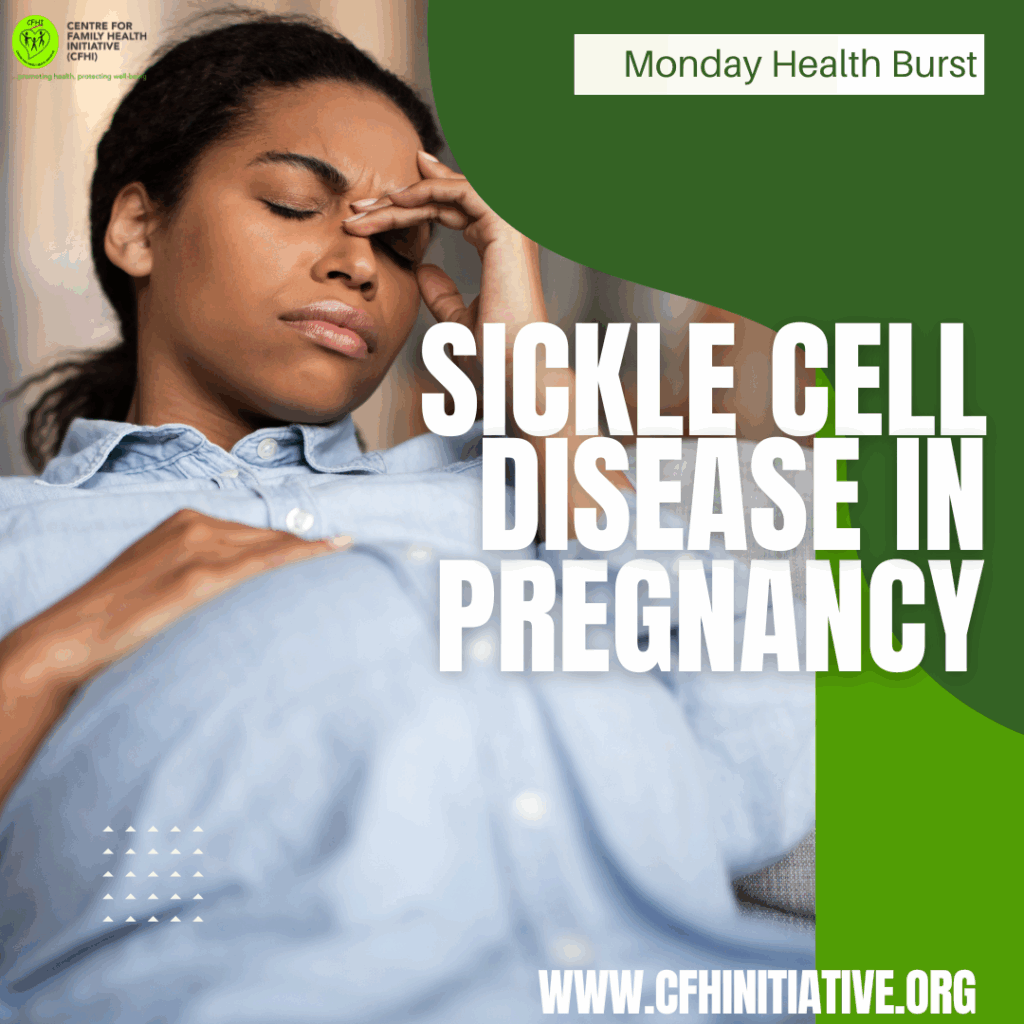
MONDAY HEALTH BURST ON SICKLE CELL DISEASE IN PREGNANCY

Sickle Cell Disease (SCD) is a hereditary blood disorder in which red blood cells, normally round and flexible, become rigid and shaped like a crescent or sickle. These abnormal cells can block blood flow, leading to pain crises, organ damage, and increased risk of complications. While SCD affects people at all stages of life, it poses unique challenges for women during pregnancy.

Pregnancy naturally places extra demands on a woman’s body, including increased blood volume and oxygen needs. For women with SCD, these changes can worsen complications, making both mother and baby more vulnerable. Some key risks include:

  • Maternal risks: Severe pain crises, anemia, preeclampsia (high blood pressure in pregnancy), infections, and increased likelihood of needing blood transfusions.
  • Fetal risks: Miscarriage, preterm birth, low birth weight, restricted growth in the womb, and stillbirth.

Despite the risks, many women with SCD go on to have successful pregnancies with proper medical care. Key aspects of management include:

  1. Preconception Counseling: Women with SCD are encouraged to seek genetic counseling and medical advice before pregnancy to understand risks and available options.
  2. Specialist Care: Antenatal care should be provided by a multidisciplinary team, including obstetricians, hematologists, and pediatricians.
  3. Regular Monitoring: Frequent check-ups, blood tests, and ultrasound scans are essential to monitor maternal health and fetal growth.
  4. Preventive Measures: Adequate hydration, folic acid supplementation, malaria prevention (in endemic areas), and vaccines against infections are critical.
  5. Safe Delivery Planning: Mode of delivery (vaginal or caesarean section) should be carefully planned based on the mother’s condition, with access to emergency care and blood transfusion services.

Beyond medical care, social and emotional support is vital. Family and community members can help by ensuring women with SCD have access to balanced nutrition, rest, emotional encouragement, and timely hospital visits.

Sickle Cell Disease in pregnancy is a high-risk condition, but with early diagnosis, specialized medical care, and strong support systems, women can achieve safe pregnancies and healthy babies. Increasing awareness, improving access to quality healthcare, and reducing stigma remain crucial steps toward better outcomes for mothers living with SCD.

References:

Preconception Counseling: Checklist, Benefits & When It Occurs

https://www.who.int/publications/i/item/9789240109124?utm_source

MONDAY HEALTH BURST ON SICKLE CELL DISEASE IN PREGNANCY Read More »

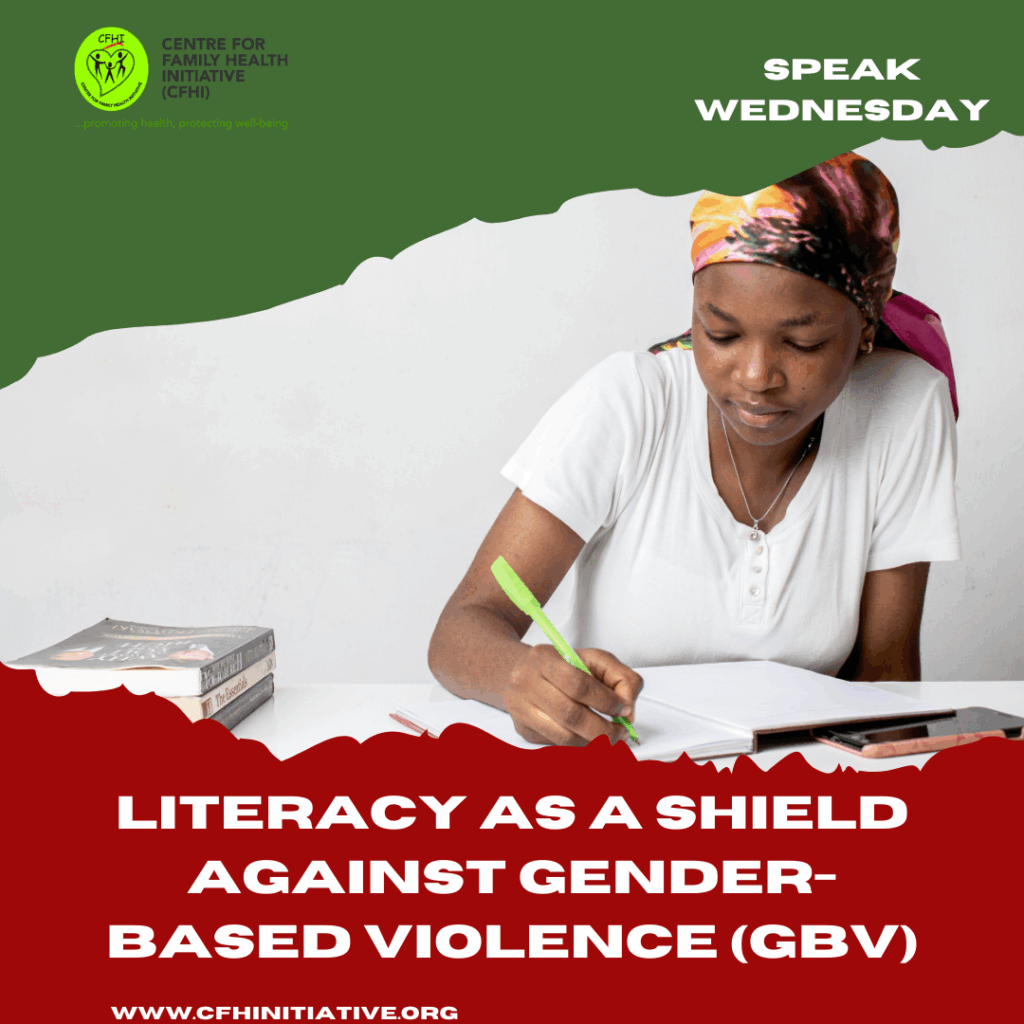
SPEAK WEDNESDAY ON LITERACY AS A SHIELD AGAINST GENDER-BASED VIOLENCE (GBV)

In a crowded community classroom in Gwagwalada, Aisha sat hunched over her exercise book. She was thirty-five, a mother of four, and had never finished primary school. The day she finally read a passage out loud, she broke down in tears. For the first time, she could read a hospital form without begging for help. She could text her sister to say, “I am not safe.” That is the quiet revolution of literacy.

In Nigeria, the literacy gap tells its own story of urgency and survival. Only about 52 percent of Nigerian women aged fifteen and above are literate, compared to 70 percent of men.  Adult literacy enrolment for women still hovers under 50 percent. At the same time, one in three Nigerian women has experienced physical violence since age 15, most often by intimate partners.

These statistics are not unrelated. Literacy is a shield. A literate woman can read her rights, understand legal processes, and demand justice. She is better able to secure paid work, making her less dependent on an abuser. She can read health brochures, helpline numbers, and contracts. She can mobilize her peers. Without literacy, too many Nigerian women remain silent targets, unable to navigate systems that were already stacked against them.

Research consistently shows that literacy reduces women’s vulnerability to violence. In Nigeria, scholars confirm literacy is a “preventative force” against gender-based violence This is not just theory, it is lived reality in rural villages, IDP camps, and bustling cities.

What Must Change

The global fight against GBV cannot succeed if literacy is treated as an afterthought. Governments and international partners must deliberately embed literacy into GBV prevention and response frameworks. That means funding second-chance learning for women who were forced out of school. It means designing shelters, clinics, and police stations to provide information in simple, accessible formats. It means collecting and publishing disaggregated data that shows how literacy gaps map onto vulnerability to violence.

Equally important, literacy must be framed as a cultural and social good, not just an individual skill. Traditional leaders, faith communities, and grassroots organizers across Nigeria and beyond can reshape norms so that women’s literacy is understood as dignity itself.

A Call to Action

This agenda is at the heart of Sustainable Development Goal 4 (Quality Education) and Goal 5 (Gender Equality). But it also strengthens progress on Goal 16 (Peace, Justice, and Strong Institutions) because literate women are better positioned to engage with governance and justice systems. Literacy is not a side project; it is a front-line intervention in the fight against gender inequality and violence.

When women can read, they resist silence, dependency, and abuse. They resist systems designed to keep them small. They resist by teaching their daughters to read and by demanding that their communities do better.

The stories may begin in Gwagwalada, but the message is universal: when she can read, she can resist. Literacy is liberation. Literacy is justice.

Speak Wednesday is an initiative of CFHI to address issues around gender-based violence and gender bias

#SpeakWednesday #WhenSheReadsSheResists #LiteracyIsJustice #EndGBV #EducationForHer #CFHI

References
UNESCO: Female literacy rate in Nigeria (unesco.org)
NBS: Literacy statistics for women and men in Nigeria (nigerianstat.gov.ng)
UNFPA: GBV prevalence in Nigeria (nigeria.unfpa.org)
PMC: Literacy and domestic violence reduction (pmc.ncbi.nlm.nih.gov)
ResearchGate: Literacy as prevention of GBV in Nigeria (researchgate.net)


SPEAK WEDNESDAY ON LITERACY AS A SHIELD AGAINST GENDER-BASED VIOLENCE (GBV) Read More »

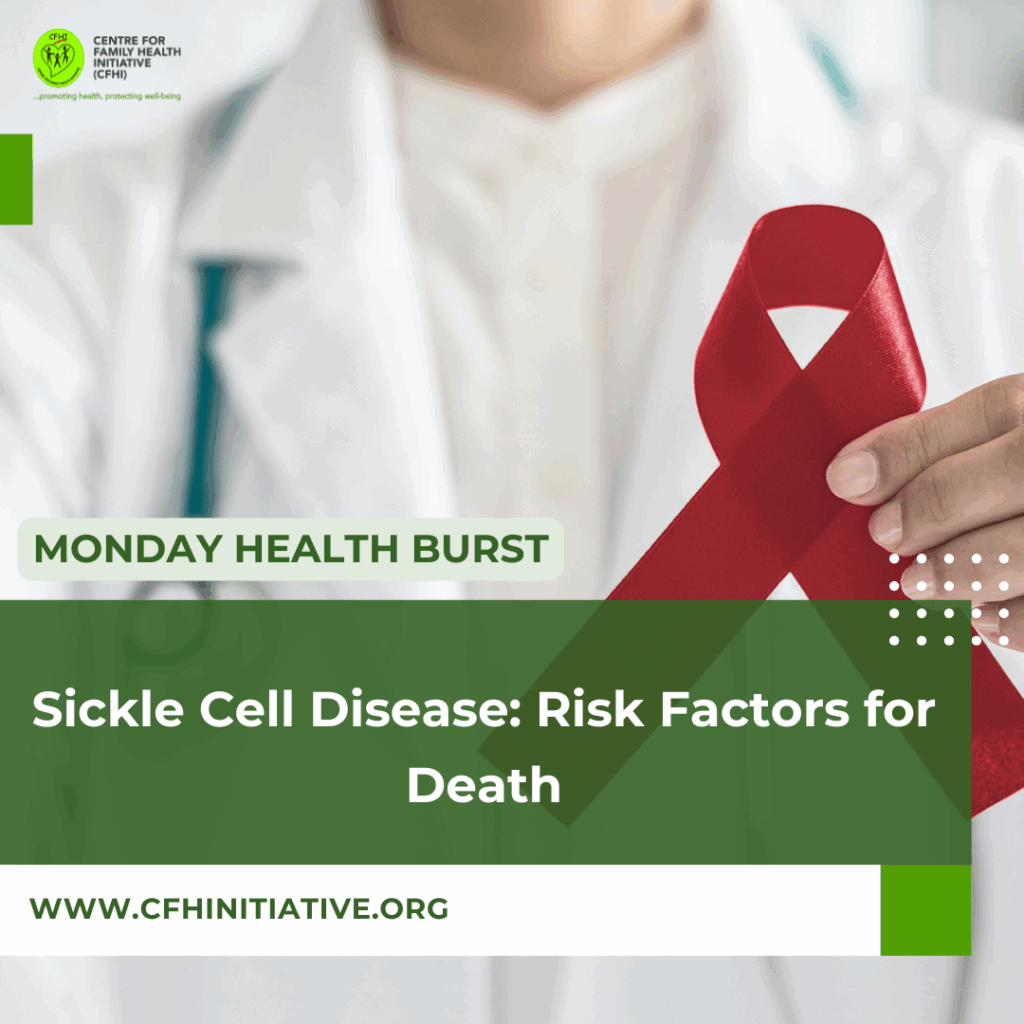
MONDAY HEALTH BURST ON SICKLE CELL DISEASE: RISK FACTORS FOR DEATH

Sickle Cell Disease (SCD) is one of the most common genetic disorders worldwide, affecting millions of people, particularly in sub-Saharan Africa. The condition alters the shape of red blood cells, making them rigid and sickle-like. These abnormal cells block blood flow, reduce oxygen supply, and break down faster than normal red cells. While advances in treatment have improved life expectancy, many individuals with SCD still face a heightened risk of premature death.

One of the leading causes of mortality in SCD is severe infection. Because the spleen gradually loses its function in filtering bacteria, individuals with SCD are highly vulnerable to life-threatening infections such as pneumonia, meningitis, and septicemia.1 Without timely vaccination, antibiotics, and medical attention, these infections remain a major cause of death, especially in children.

Another critical complication is acute chest syndrome, a sudden and severe condition marked by chest pain, cough, and difficulty in breathing. Often triggered by infection, fat embolism, or trapped sickled cells in the lungs, it is one of the deadliest complications and a frequent cause of hospitalization.

Stroke is also a significant risk factor. The blockage of blood vessels in the brain can lead to irreversible damage, disability, or even death. In children with SCD, the risk of stroke is several times higher than in the general population, and without early screening and preventive care, the consequences are often fatal.

In addition, severe anemia can develop when the body rapidly destroys sickled red blood cells. A sudden drop in hemoglobin levels caused by infections, splenic sequestration, or bone marrow suppression can quickly become life-threatening if blood transfusion is not available.

Over time, chronic damage to vital organs such as the kidneys, liver, lungs, and heart also increases the risk of death. Conditions like kidney failure and pulmonary hypertension are particularly common among adults living with SCD and often contribute to premature mortality.

Beyond medical complications, delayed diagnosis and poor access to healthcare remain critical challenges in many parts of the world. Children often die before SCD is even detected, while others lack access to lifesaving treatments like hydroxyurea, routine transfusion therapy, or emergency medical care. Poverty, malnutrition, and stigma further worsen outcomes.

Despite these risks, it is important to emphasize that SCD is not a death sentence. With early diagnosis, comprehensive medical care, preventive measures such as vaccination, and consistent treatment, individuals with SCD can live longer, healthier lives.2 Expanding newborn screening, improving access to affordable treatment, and raising community awareness are crucial steps toward reducing preventable deaths.

References:

  1. https://www.cdc.gov/sickle-cell/complications/complications-of-scd-infection.html

Prevention and Treatment of SCD Complications | Sickle Cell Disease (SCD) | CDC

MONDAY HEALTH BURST ON SICKLE CELL DISEASE: RISK FACTORS FOR DEATH Read More »

MONDAY HEALTH BURST ON SICKLE CELL OVERVIEW: TYPES AND SYMPTOMS

Sickle Cell Disease (SCD) is one of the most common inherited blood disorders, affecting millions of people worldwide, particularly in Africa, including Nigeria. It occurs when the body produces abnormal hemoglobin known as hemoglobin S which causes red blood cells to become rigid, sticky, and shaped like a sickle instead of being round and flexible. These sickle shaped cells can block blood flow, leading to pain and other complications.

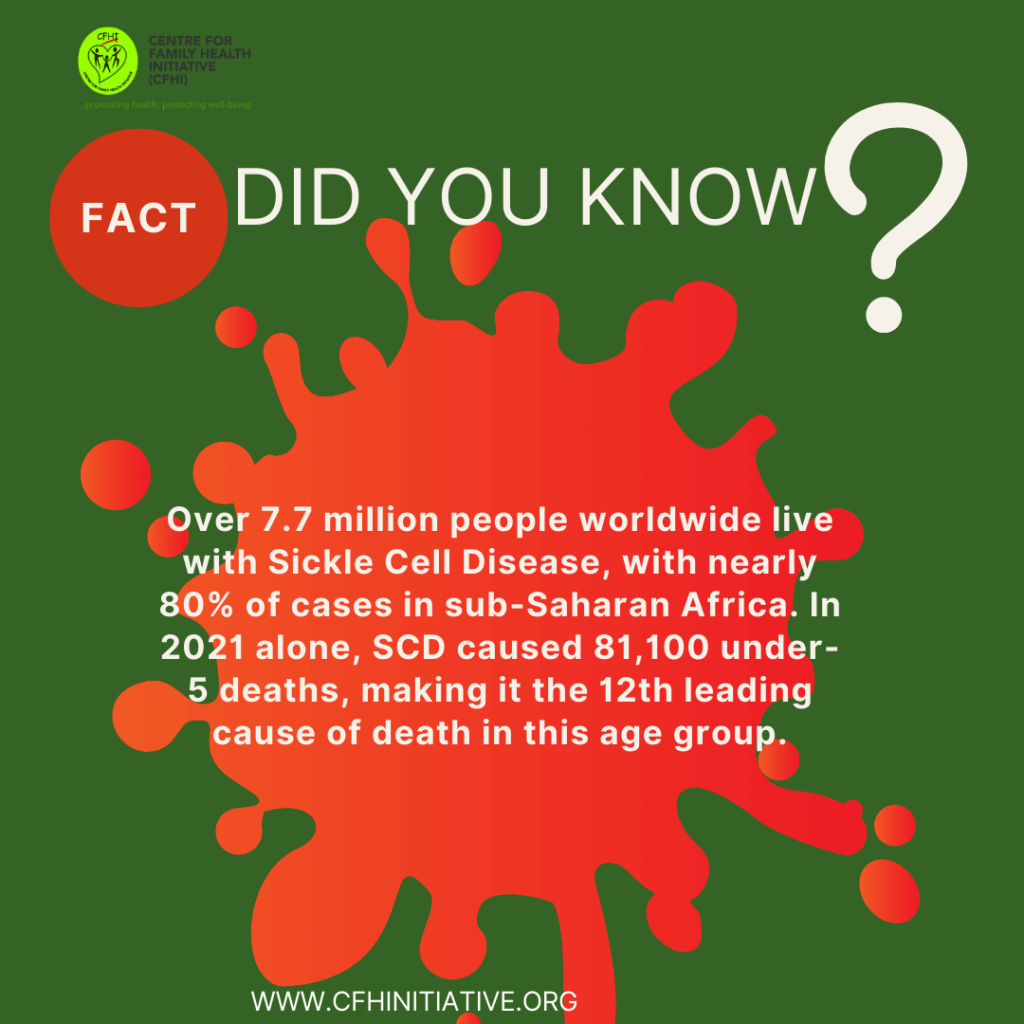
According to the World Health Organization (WHO), an estimated 7.74 million people were living with sickle-cell disease globally, with 515,000 new births recorded, primarily in sub-Saharan Africa, which accounts for nearly 80% of global cases. Sickle-cell disease also contributes significantly to child mortality, causing 81,100 under-5 deaths in 2021, ranking as the 12th leading cause of death in this age group when considering the total mortality burden.

Types of Sickle Cell Disease

There are several forms of SCD, depending on the type of abnormal hemoglobin inherited:

  • HbSS (Sickle Cell Anemia): The most severe type, inherited when a person receives two sickle cell genes, one from each parent.
  • HbSC: Occurs when a person inherits one sickle cell gene and one gene for abnormal hemoglobin C. This type is usually less severe than HbSS but can still cause complications.
  • HbS Beta Thalassemia: Results from inheriting one sickle cell gene and one beta thalassemia gene. Severity depends on the form of thalassemia inherited.
  • Other rare types: Variations occur when the sickle cell gene is combined with other unusual hemoglobin mutations.

Common Symptoms of Sickle Cell Disease

The symptoms of SCD often begin in early childhood and may vary in severity from person to person. They include:

  • Anemia: Caused by the rapid breakdown of sickle cells, leading to fatigue and weakness.
  • Pain Episodes (Crises): Sudden episodes of severe pain in the chest, abdomen, joints, or bones when sickle cells block blood flow.
  • Swelling: Especially in the hands and feet, due to poor circulation of blood caused by blocked blood vessels.
  • Frequent Infections: Sickle cells can damage the spleen, making individuals more prone to infections.
  • Delayed Growth and Puberty: Due to a lack of oxygen and nutrients reaching body tissues.
  • Vision Problems: Blocked blood vessels in the eye can lead to sight issues over time.

Prompt diagnosis and comprehensive care are pivotal in enhancing the lives of those with SCD, involving pain management, blood transfusions, medications, and, in severe cases, bone marrow or stem cell transplantation. Raising awareness and promoting early intervention are essential steps towards alleviating the burden of this disease on affected individuals and their families.

Monday Health Burst is an initiative of CFHI to address issues of basic health concern. Join us every Monday on all our social media platforms for more episodes.

Reference

https://www.who.int/news-room/fact-sheets/detail/sickle-cell-disease

MONDAY HEALTH BURST ON SICKLE CELL OVERVIEW: TYPES AND SYMPTOMS Read More »

SPEAK WEDNESDAY ON PSYCHOLOGICAL EFFECTS OF GBV ON MOTHER-INFANT ATTACHMENT

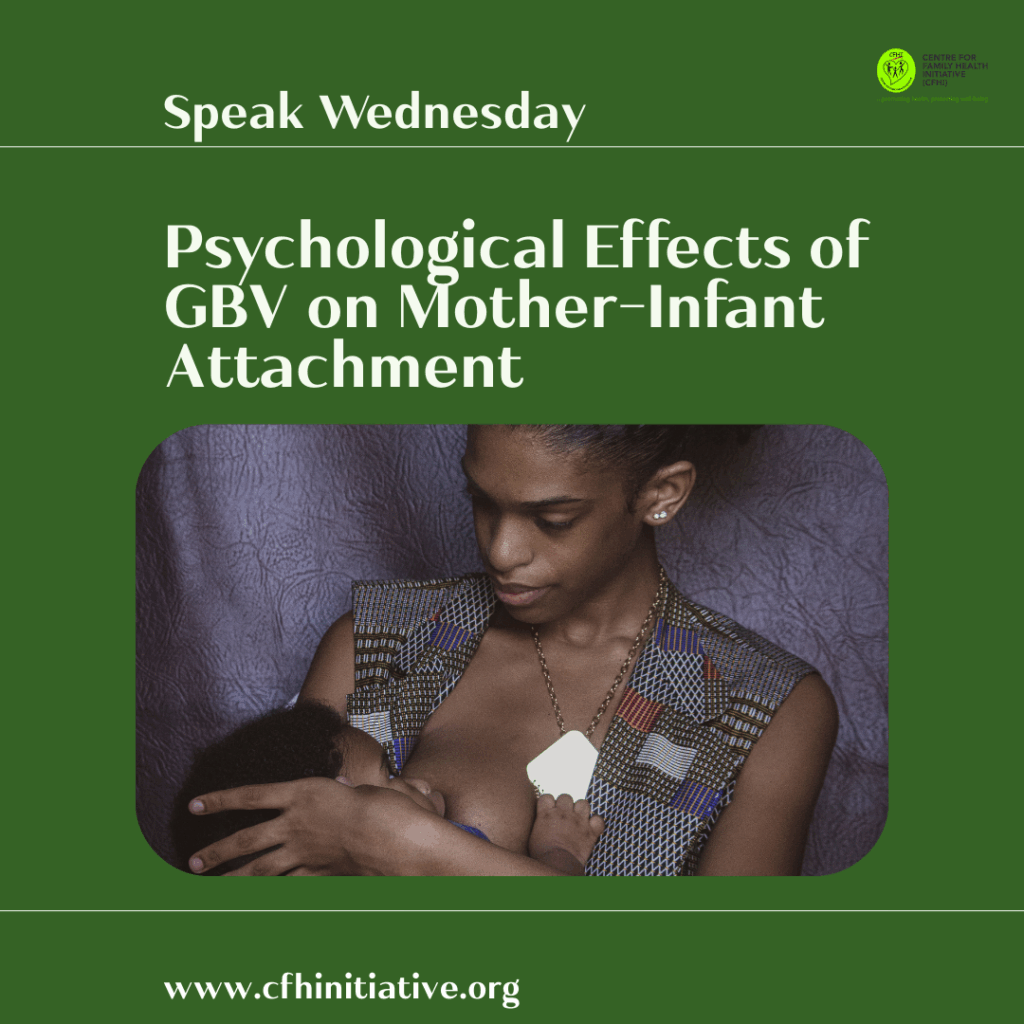
She held her baby with trembling hands. Not from fear of motherhood, but from fear of a man. A man she once trusted. A man who turned her body into a battlefield.
This is not fiction. This is the everyday, hushed reality of thousands of Nigerian women living with the trauma of gender-based violence (GBV) and the invisible heartbreak it causes their children before they even learn how to speak.

When Violence Enters the Womb
In many Nigerian cultures, a pregnant woman is treated with care and reverence. But behind closed doors, some women are being battered while their unborn babies kick helplessly in the womb. According to the World Health Organization, 1 in 3 women globally experience physical or sexual violence in their lifetime and many of them are pregnant when it happens.
What happens when a baby’s first experience of the world is stress? What happens when a mother carries both her child and her trauma?
Research shows that when a pregnant woman is abused, her body floods with stress hormones like cortisol. These chemicals don’t stay with her, they cross the placenta and reach the baby, altering the way the child’s brain develops. That child may be born with a heightened sensitivity to stress, and a brain wired for fear.

The Silent Wound: Attachment and Survival
In healthy conditions, a mother and her infant develop a secure attachment, a bond of trust and comfort that shapes the child’s emotional foundation for life. But when a mother is surviving GBV, her own emotional resources are depleted. She may be physically present but emotionally unreachable. She’s in survival mode.
This isn’t a question of love. These mothers love their babies with every fibre of their being. But trauma changes the brain. A woman dealing with Post-traumatic stress disorder (PTSD) or depression caused by abuse may struggle to read her baby’s cues. She might flinch at a cry. She might freeze during breastfeeding. Her touch may lack the warmth she desperately wants to give.
This emotional disconnect is called disrupted attachment, and it’s not the mother’s fault. It’s the consequence of living in fear. UNICEF link GBV to insecure mother-infant attachments, which increase the risk of behavioural problems, anxiety, and poor emotional regulation in children.

Breaking the Silence, Healing the Bond
This is not just a woman’s issue. This is a society issue. A society where women are unsafe is a society where childhoods are fractured before they begin. It is time to protect mothers so they can nurture, not just survive.

What We Must Do:
• Create safe reporting systems for pregnant women and mothers experiencing GBV.
• Train healthcare workers to screen for abuse during prenatal visits and provide trauma-informed care.
• Educate communities to stop victim-blaming and start protecting.
• Support shelters and psychosocial support services for survivors and their children.
• Involve men. This is not a woman’s fight alone. The cycle can’t break without male accountability.
Break the silence. Protect the mother. Save the child.
Speak Wednesday is an initiative of CFHI to address issues around gender-based violence and gender bias
#SpeakWednesday #EndGBV #CFHI #MotherhoodInNigeria #MentalHealthMatters #BreakTheCycle #ProtectMothers #TraumaHealing #AttachmentMatters #SayNoToViolence
References
• WHO: Violence Against Women
• APA: How Maternal Stress Affects Babies
• UNICEF: Why Secure Attachment Matters

SPEAK WEDNESDAY ON PSYCHOLOGICAL EFFECTS OF GBV ON MOTHER-INFANT ATTACHMENT Read More »