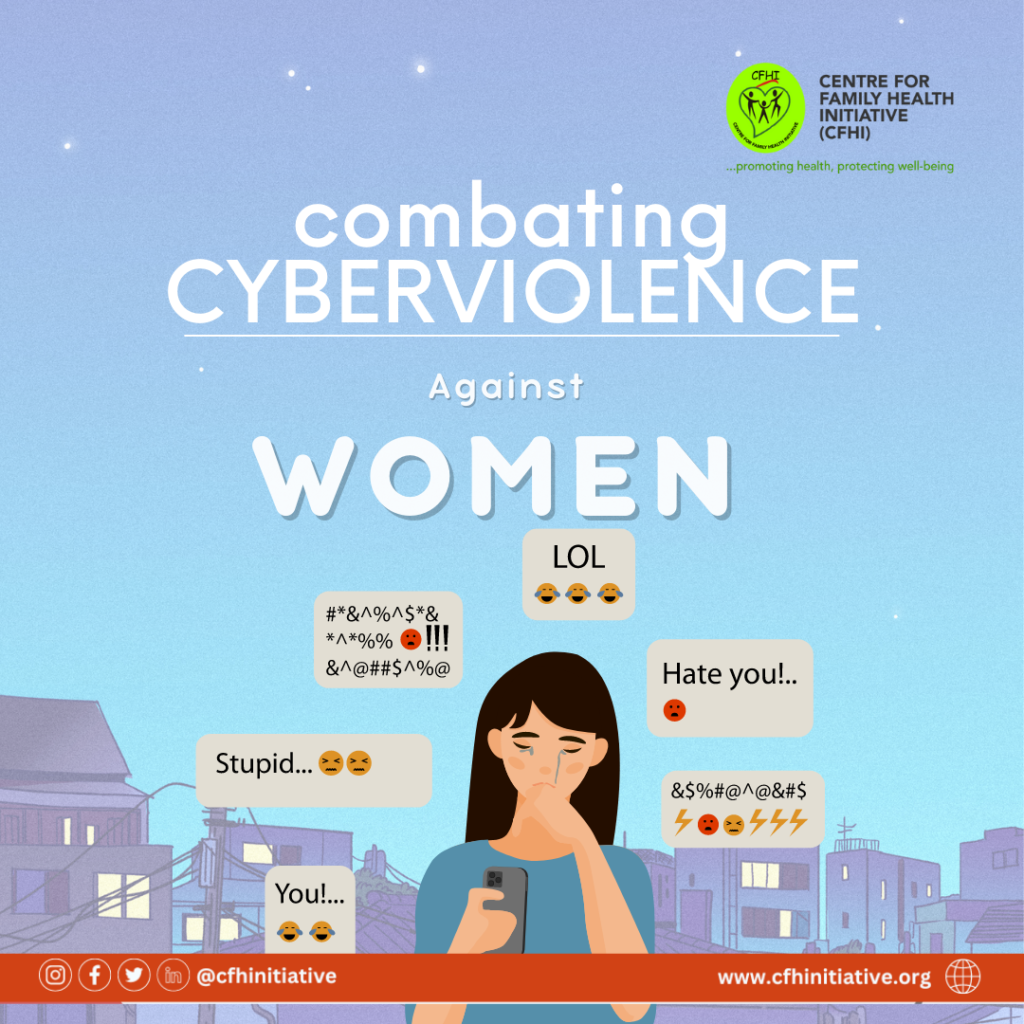
SPEAK WEDNESDAY – Combating Cyberviolence Against Women

The widespread usage of the internet and the quick development of technology have had various positive effects on society. They have, however, also contributed to a worrying development: cyberviolence against women. Women’s safety, privacy, and wellbeing are seriously threatened by this type of online assault. This, the UN identified as a kind of gender-based violence that exacerbates existing inequities.

According to UN Women, cyberviolence against women takes various forms, such as sexual harassment, stalking, intimate image abuse, trolling, doxing, and misogynistic hate speech. Additionally, technology is used to facilitate other forms of violence, including intimate partner or domestic violence and trafficking. These digital tools enable abusers to monitor, track, threaten, and perpetrate violence, while traffickers exploit technology to profile, recruit, control, and exploit their victims. Reports by UN Women and the UN Special Rapporteur on Violence Against Women highlight the adverse impacts of cyberviolence, including psychological and emotional distress, fear, social isolation, and educational and professional consequences faced by victims.

Women at heightened risks of cyberviolence includes young women and girls, women in public life including women’s rights activists, women human rights defenders, women in politics, and women journalists.

Nigeria has taken significant steps to address cyberviolence against women through its legal system. The Cybercrime Act of 2015 criminalizes various forms of cyberviolence, including cyberstalking, cyberbullying, identity theft, and the distribution of sexually explicit materials without consent. This legislation plays a crucial role in protecting women from online abuse and provides a legal framework to prosecute perpetrators. Furthermore, legal frameworks like the Violence Against Persons (Prohibition) Act, and the Convention on the Elimination of All Forms of Discrimination Against Women (CEDAW) recognizes cyberviolence as a form of violence against women. These legislative measures provide a foundation for protecting women from online abuse and prosecuting perpetrators.

Although Nigeria has made strides in addressing cyberviolence against women, stronger enforcement measures are required to guarantee that existing laws are implemented. 

Raising awareness and promoting legislative changes are essential components in the fight against cyberviolence against women, in addition to legal measures. Public campaigns, educational initiatives, and media outreach should emphasize raising awareness of the seriousness of the problem, encouraging appropriate online conduct, and creating an environment where women may feel respected and safe.

Speak Wednesday is an initiative of CFHI to address issues around gender-based violence and gender bias.

#SpeakWednesday #Cyberviolence #GenderBasedViolence #Women’sRights #GenderStereotype #GenderBias #GenderInequality


SPEAK WEDNESDAY – Combating Cyberviolence Against Women Read More »
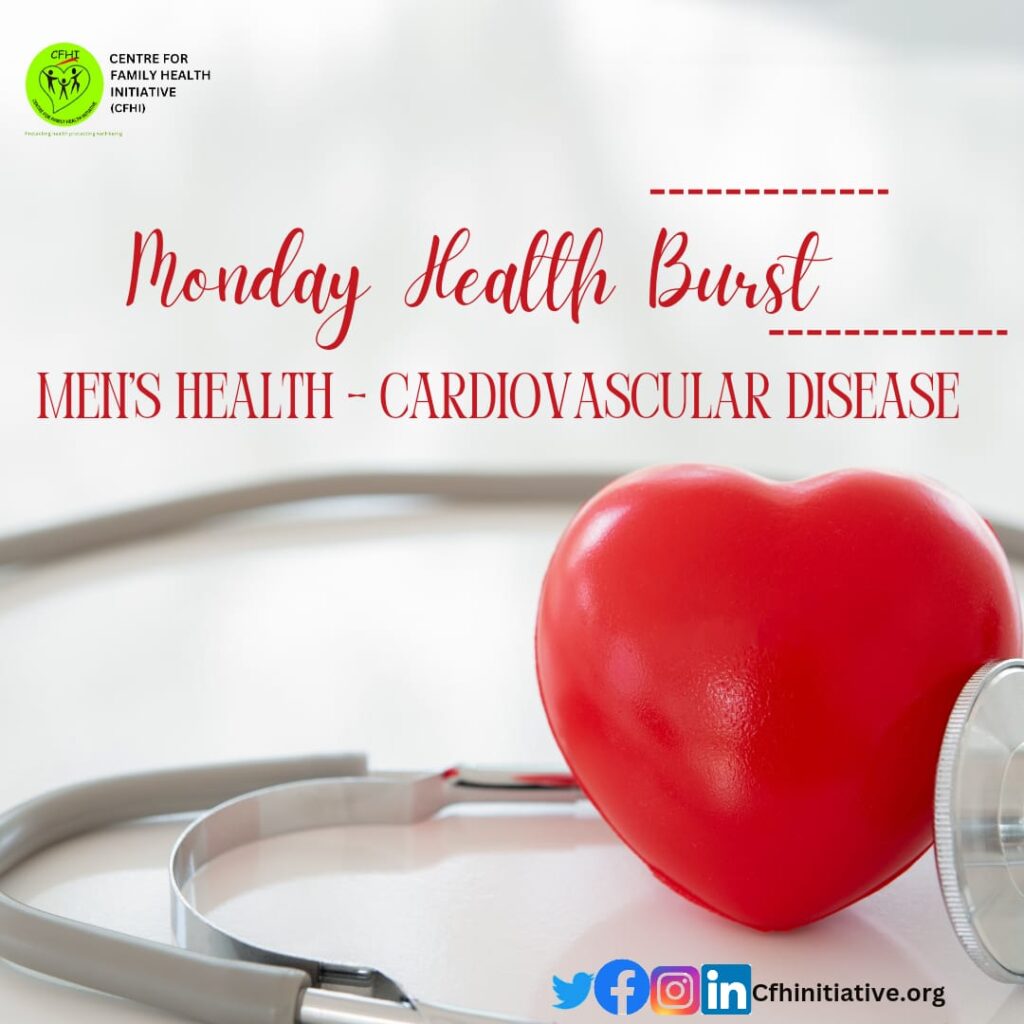
MONDAY HEALTH BUSRT ON MEN’S HEALTH – CARDIOVASCULAR DISEASES

Cardiovascular disease refers to a class of conditions that affect the heart and blood vessels.

According to WHO in the year 2021, cardiovascular diseases (CVDs) are the leading cause of death globally, taking an estimated 17.9 million lives each year.

Risk Factors:

Men have unique risk factors for cardiovascular disease that may differ from those of women. Some common risk factors for men include:

  • Age: The risk of developing cardiovascular disease increases with age, particularly after the age of 45 for men.
  • High blood pressure: Men are more likely to develop high blood pressure compared to women, especially at a younger age.
  • High cholesterol: Elevated levels of LDL cholesterol (often referred to as “bad” cholesterol) and low levels of HDL cholesterol (often referred to as “good” cholesterol) can increase the risk of cardiovascular disease in men.
  • Obesity: Excess body weight, especially around the waist, increases the risk of developing cardiovascular disease in men.
  • Smoking: Men who smoke or have a history of smoking have a higher risk of heart disease compared to nonsmokers.
  • Diabetes: Men with diabetes are at an increased risk of developing cardiovascular disease, as diabetes can damage blood vessels and contribute to other risk factors such as high blood pressure and high cholesterol.

Symptoms:

The symptoms of cardiovascular disease in men can be similar to those experienced by women. However, men are more likely to experience chest pain or discomfort as the primary symptom of a heart attack. Other symptoms may include shortness of breath, pain radiating to the arm, jaw, or back, nausea, lightheadedness, and cold sweats. It is important to note that some men may experience “silent” heart attacks with minimal or no symptoms.

Prevention:

To reduce the risk of cardiovascular disease, men can take several preventive measures, including:

  • Adopting a healthy lifestyle: Engage in regular physical activity, eat a balanced diet rich in fruits, vegetables, whole grains, lean proteins, and low-fat dairy products, and maintain a healthy weight.
  • Quitting smoking: If you smoke, seek assistance to quit, as this will significantly reduce your risk of developing cardiovascular disease.
  • Managing blood pressure and cholesterol: Regularly monitor your blood pressure and cholesterol levels. If they are elevated, work with your healthcare provider to develop a plan to manage them effectively.
  • Controlling diabetes: If you have diabetes, follow your healthcare provider’s recommendations to manage your blood sugar levels and minimize the risk of cardiovascular complications.
  • Managing stress: Find healthy ways to cope with stress, such as exercising, practicing relaxation techniques, or engaging in hobbies and activities you enjoy.
  • Regular check-ups: Visit your healthcare provider for routine check-ups and screenings to assess your cardiovascular health and identify any potential issues early.

A healthcare expert should be consulted for tailored guidance and to go over any worries you may have about cardiovascular disease or your general health.

Monday Health Burst is an initiative of CFHI to address issues of basic health concern. Join us every Monday on all our social media platforms for more episodes.

MONDAY HEALTH BUSRT ON MEN’S HEALTH – CARDIOVASCULAR DISEASES Read More »

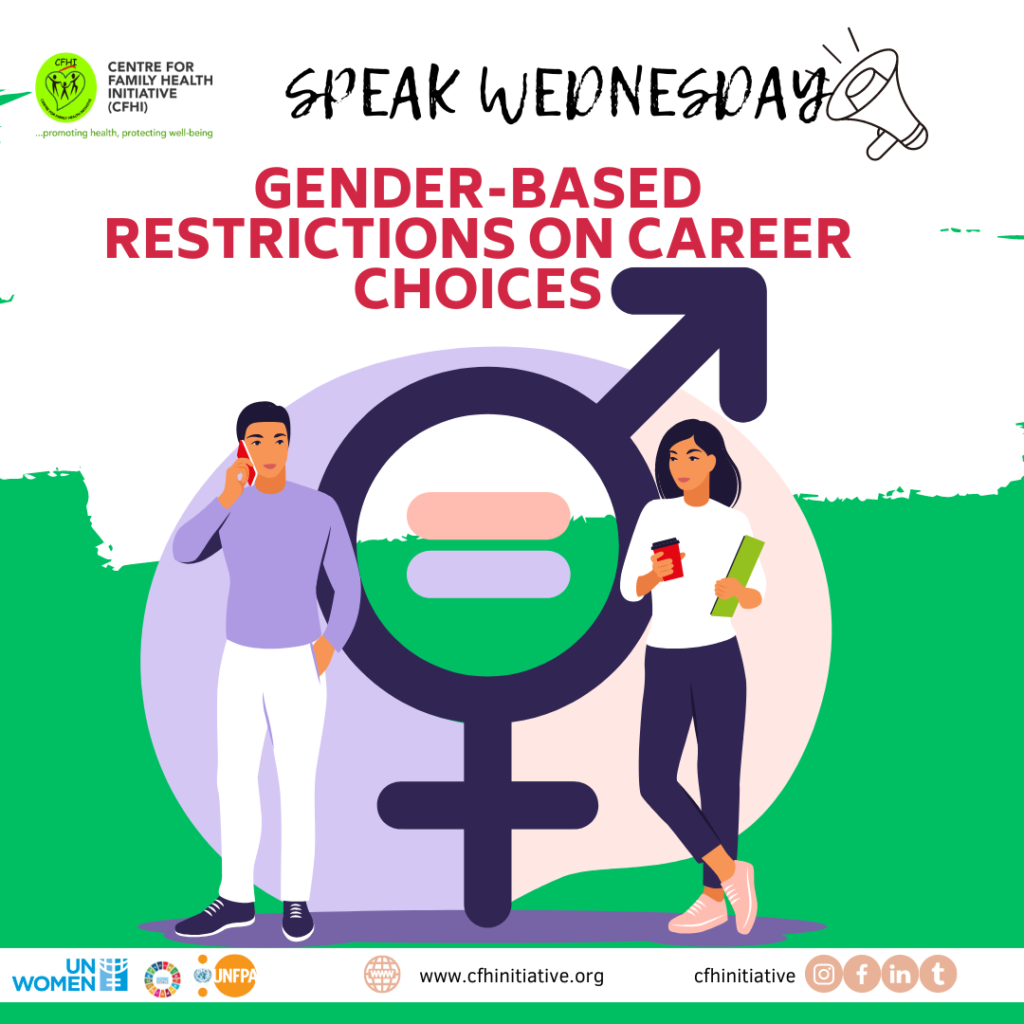
SPEAK WEDNESDAY – Gender-Based Restrictions on Career Choices

Gender-Based Restrictions on Career Choices: Examining the Impact on Female Children in Nigeria


In Nigeria, young girls face significant challenges when choosing their career paths due to gender-based limitations. Despite progress in women’s rights and gender equality, traditional views, cultural norms, and socioeconomic factors still limit the career options available to girls. These biases have contributed to a significant gender gap in many professions. Unfortunately, like many others, Nigerian society continues to adhere to gender norms that restrict the career opportunities available to female children. Cultural factors like patriarchal standards and expectations of women’s domestic responsibilities have perpetuated the belief that certain professions are better suited for men.


According to the World Bank’s report on gender disparities in Nigeria, cultural biases discourage girls from pursuing careers in fields like science, technology, engineering, and mathematics (STEM), often considered male-dominated. This leads to a persistent gender gap in these fields and limits educational and employment opportunities for girls. Factors such as limited access to quality education, early marriage, poverty, inadequate educational infrastructure, and cultural norms favoring boys’ education further restrict girls’ career choices in Nigeria.


The limitations placed on female students’ career options based on gender in Nigeria profoundly impact both the individual and the larger society. Limiting girls’ goals undermines their personal growth, perpetuates gender inequality, and obstructs the nation’s progress towards achieving gender equality and socioeconomic development.


In 2022, the Centre for Family Health Initiative (CFHI) celebrated the International Day of the Girl Child by educating over 40 students and teachers from Junior Secondary School Gosa – Abuja about the negative impacts of gender-based violence and encouraging students to pursue their preferred fields, including STEM-related ones, regardless of gender.


Addressing gender-based restrictions on career choices for female children in Nigeria requires a holistic approach encompassing education, awareness, and equal opportunities. By challenging traditional gender roles, providing role models, ensuring access to quality education, and promoting options in male-dominated fields, we can empower girls to pursue their dreams and contribute to the nation’s progress. Through these concerted efforts, Nigeria can build a more inclusive and equitable society where all children have the freedom to choose their desired career paths, irrespective of gender.


Speak Wednesday is an initiative of CFHI to address issues around gender-based violence and gender bias.


#SpeakWednesday #Career #Girl’sRights #Women’sRights #GenderStereotype #GenderBias #GenderInequality #Nigeria #Progress


SPEAK WEDNESDAY – Gender-Based Restrictions on Career Choices Read More »

MONDAY HEALTH BURST – COMMON CAUSES AND SYMPTOMS OF ANEMIA

Anemia is a condition characterized by a reduction in the number of red blood cells or hemoglobin in the blood. This can result in a decreased capacity of the blood to transport oxygen to the body’s tissues and organs. Anemia can manifest in different forms and symptoms and can be caused by various factors.

According to a 2023 report from the United Nations Children Fund (UNICEF) report, 55 percent of adolescent girls and women suffer from anemia in Nigeria.

Some common causes of anemia include:

Iron deficiency: This is the most common cause of anemia worldwide. It occurs when the body doesn’t have enough iron to produce adequate amounts of hemoglobin.

Vitamin deficiency: Lack of specific vitamins like vitamin B12 or folate can impair the production of healthy red blood cells.

Chronic diseases: Conditions such as kidney disease, liver disease, cancer, or autoimmune disorders can interfere with the production of red blood cells.

Blood loss: Excessive bleeding from menstruation, trauma, surgery, or gastrointestinal conditions like ulcers or hemorrhoids can lead to anemia.

Inherited disorders: Certain genetic conditions like sickle cell anemia or thalassemia affect the structure or production of red blood cells.

The symptoms of anemia can vary depending on the underlying cause and the severity of the condition. However, common symptoms include:

  • Fatigue and weakness
  • Shortness of breath
  • Pale skin
  • Dizziness or lightheadedness
  • Rapid or irregular heartbeat
  • Cold hands and feet
  • Headaches
  • Chest pain (in severe cases)

It’s important to consult with a healthcare professional for an accurate diagnosis and appropriate treatment plan if you suspect you have anemia or are experiencing related symptoms.

Monday Health Burst is an initiative of CFHI to address issues of basic health concern. Join us every Monday on all our social media platforms for more episodes.


MONDAY HEALTH BURST – COMMON CAUSES AND SYMPTOMS OF ANEMIA Read More »

BENEFITS OF DONATING BLOOD

Why should you donate blood?
Donating blood is a selfless act that can have numerous benefits, not just to save the lives of the recipients, but for the donors themselves. Here are some of the key benefits of donating blood.

1. Lower Risk of Heart Attack: Studies have shown that regular blood donation can significantly reduce the risk of heart attacks by up to 88%. By maintaining healthy iron levels and reducing oxidative stress, blood donation promotes cardiovascular health and helps safeguard against heart disease.

2. Decreased Risk of Cancer and Hemochromatosis: Donating blood not only benefits your heart but also lowers the risk of certain types of cancer. Moreover, individuals with hereditary hemochromatosis, a condition characterized by excessive iron absorption, can benefit from blood donation as it helps reduce iron overload and associated complications.

3. Calorie Burn: Did you know that donating a pint of blood, approximately 450ml, can burn around 650 calories? This unexpected benefit makes blood donation a unique way to contribute to your fitness goals while saving lives.

4. Stimulation of Blood Cell Production: One of the remarkable benefits of donating blood is that it stimulates your body to produce fresh blood cells. This process enhances blood circulation, improves oxygen transport, and promotes overall health by supporting the production of new red blood cells, white blood cells, and platelets.

5. Fulfillment and Emotional Well-being: Donating blood goes beyond physical health benefits; it also provides a profound sense of fulfillment and emotional well-being. Knowing that your selfless act has potentially saved lives and made a positive impact on others can be immensely rewarding and uplifting.

Consider donating blood as a way to improve your own health while making a significant difference in the lives of others. Contact us to learn more about eligibility and how you can participate in this life-saving act.

#DonateBlood #HealthBenefits #SaveLives

BENEFITS OF DONATING BLOOD Read More »

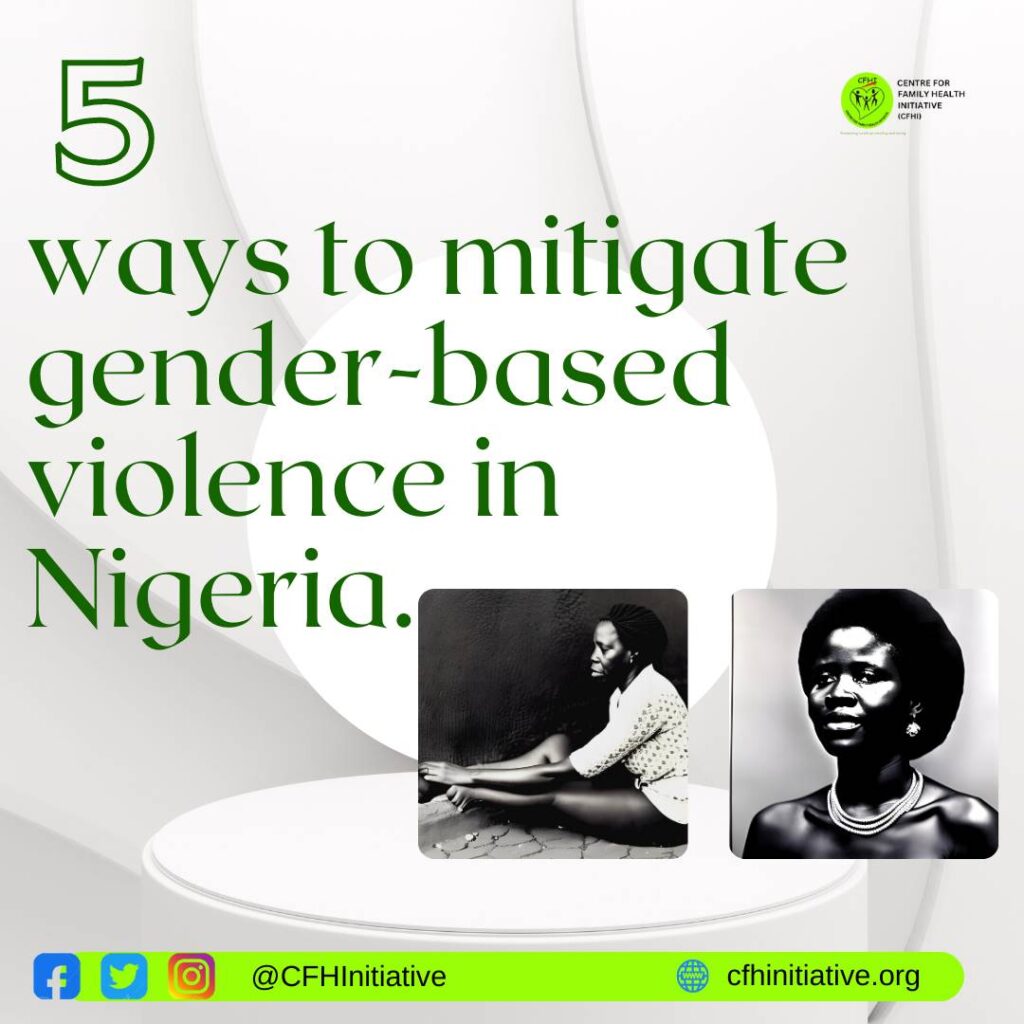
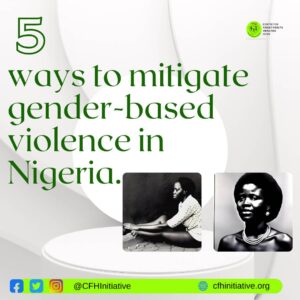
SPEAK WEDNESDAY ON MITIGATING GENDER-BASED VIOLENCE

Gender-based violence refers to violence, harm, or discrimination based on gender. It affects primarily women and girls but can impact others too. It includes physical, sexual, psychological, and economic abuse. This form of violence arises from unequal power dynamics and harmful social norms. It violates human rights and has severe consequences. Addressing it is essential for gender equality and creating a violence-free society.

Education and Awareness. 

Promoting comprehensive and gender-sensitive education programs challenge harmful stereotypes, promotes gender equality, and fosters respectful relationships among people. 

Empowerment and economic opportunities. 

The provision of economic empowerment initiatives, skills training, and access to resources for women and marginalized communities will help to reduce economic dependence and enhance their autonomy.

Men and boys engagement. 

Engaging men and boys as allies and change agents in addressing gender-based violence through education, awareness programs, and promoting positive masculinity will reduce the rate of gender-based violence in society.

Speak Out! Break the Silence!

GBV thrives in silence and secrecy. By speaking out, survivors break the silence, giving voice to their experiences and empowering others to do the same. This collective voice exposes the magnitude of the problem and encourages others to come forward.

Legal reforms and implementation.

Strengthen legal frameworks and ensure their effective implementation to provide protection, support, and justice for survivors of gender-based violence. This includes enforcing laws, improving access to legal aid, and training law enforcement and judicial personnel.


SPEAK WEDNESDAY ON MITIGATING GENDER-BASED VIOLENCE Read More »

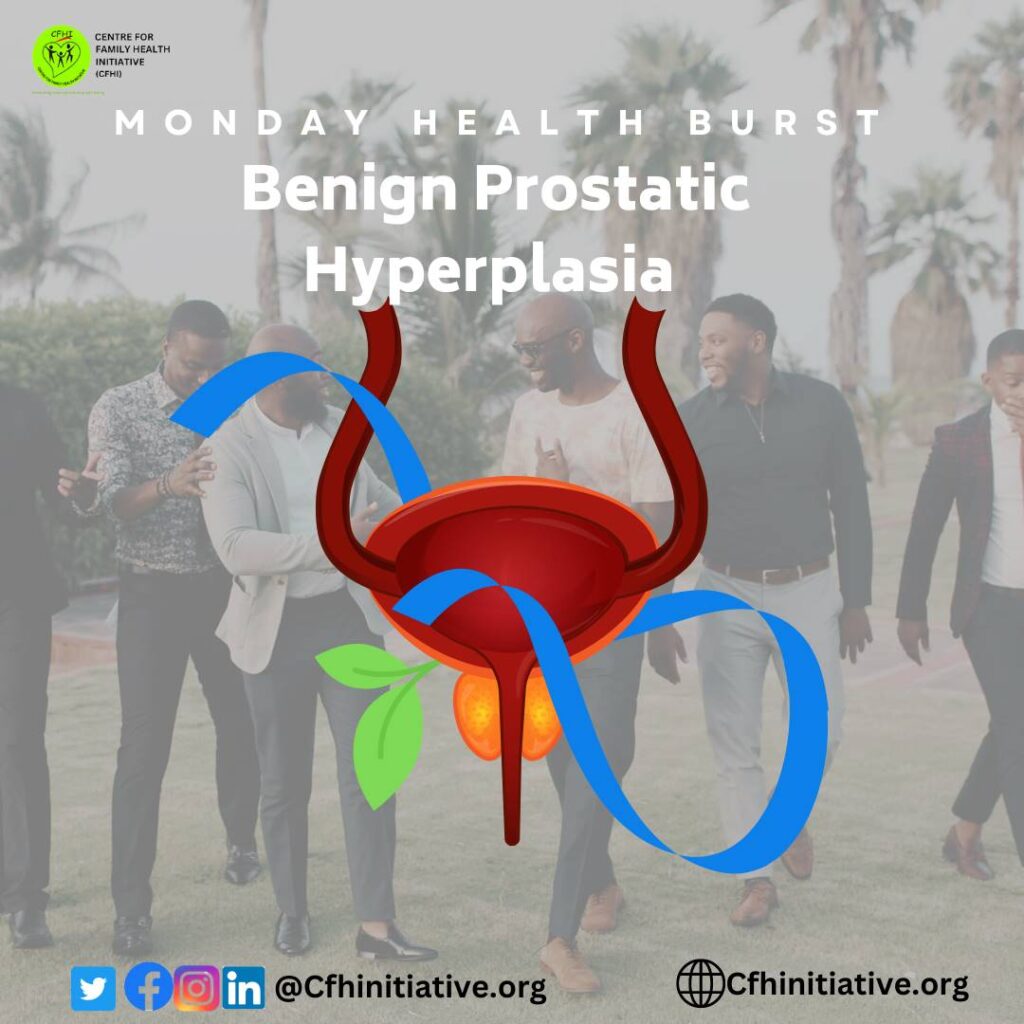
MONDAY HEALTH BURST ON BENIGN PROSTATIC HYPERPLASIA

Did you know that an enlarged prostate, known as Benign Prostatic Hyperplasia (BPH), is common among older men?

As men age, hormonal changes can cause the prostate gland to grow. While the exact cause is not fully understood, factors like age, family history, and hormonal imbalances play a role in the development of BPH.

Studies indicate that BPH affects approximately 12% of men aged 40-49 and around 60% of men aged 70-79, making it more common than you may think.

Recognizing the symptoms is essential for early detection. Keep an eye out for the following:

– Frequent urination, especially at night (nocturia)

– Urgency and a strong urge to urinate

– Weak urine flow and difficulty starting or stopping urination

– Feeling like your bladder isn’t empty

In addition, BPH can increase the risk of urinary tract infections (UTIs) and bladder stones, so seeking timely medical care can help prevent these complications. If you’re experiencing these symptoms or suspect an enlarged prostate, consult a healthcare professional who can evaluate your condition and recommend appropriate treatment options.

Managing an enlarged prostate starts with awareness. By recognizing the symptoms and seeking medical care, you can effectively address BPH and reduce the risk of complications.

Monday Health Burst is an initiative of CFHI to address issues of basic health concern. Join us every Monday on all our social media platforms for more episodes.

MONDAY HEALTH BURST ON BENIGN PROSTATIC HYPERPLASIA Read More »

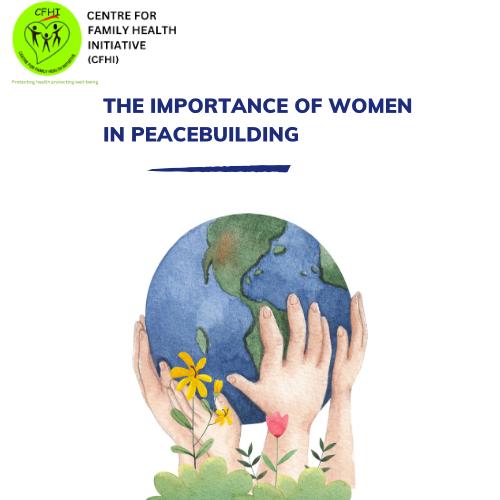
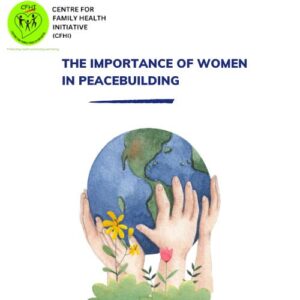
SPEAK WEDNESDAY ON THE IMPORTANCE OF WOMEN IN PEACE BUILDING

 Women have often demonstrated their ability to bring about constructive change in conflict-affected societies. According to UNICEF, involving women in peace processes increases the likelihood of long-term peace. In their peacebuilding efforts, women frequently prioritize communal welfare and human security, developing understanding, compassion, and conversation. Their involvement can assist to establish bridges, foster reconciliation, and more effectively address the core causes of conflict.

The significance of women’s engagement in peacebuilding initiatives has grown in recent decades. Women bring unique perspectives, abilities, and experiences to the table, making them vital change agents in the development of peaceful and inclusive societies. Women have distinct viewpoints that are molded by their experiences and positions in communities. The competence of women in fields including healthcare, education, and community development is critical for post-conflict reconstruction, according to the World Health Organization.

Furthermore, the presence of women in peacebuilding guarantees that peacebuilding initiatives are thorough, encompassing various facets of society. The SDGs; SDG 5 (Gender Equality), SDG 16 (Peace, Justice, and Strong Institutions), and SDG 17 (Partnerships for the Goals) are all aligned with women’s involvement in peacebuilding.

Consequently, women’s active involvement in peacebuilding is essential for achieving long-lasting peace in addition to being an issue of equity and justice. By respecting the perspectives, skills, and voices of women, we can build a more inclusive world.

Speak Wednesday is an initiative of CFHI to address issues around gender-based violence and gender bias.
#SpeakWednesday #WomenInPeacebuilding #Women’sRights #HumanRights #GenderStereotype #GenderBias #GenderInequality


SPEAK WEDNESDAY ON THE IMPORTANCE OF WOMEN IN PEACE BUILDING Read More »

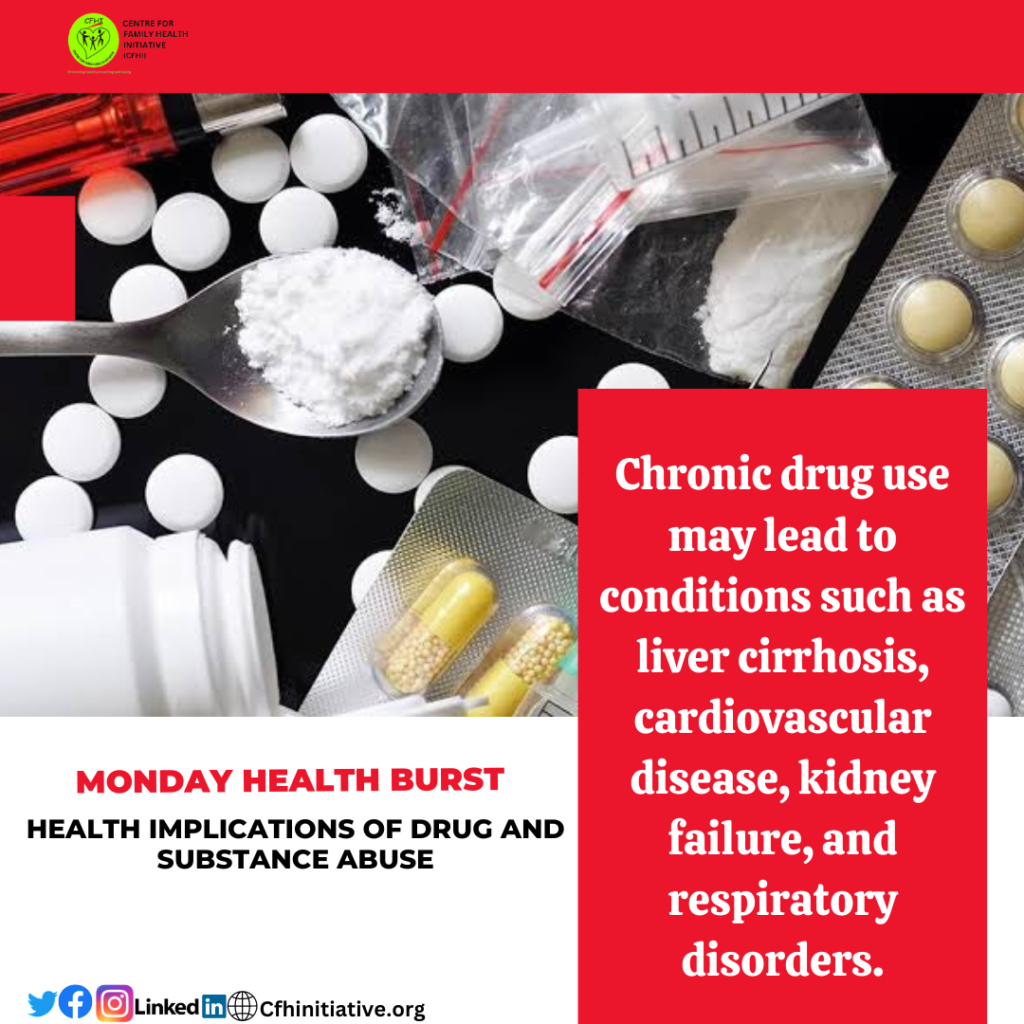
MONDAY HEALTH BURST ON HEALTH IMPLICATIONS OF DRUG AND SUBSTANCE ABUSE

Drug abuse can lead to severe health issues that can be life-threatening. Here are some crucial points to consider:

Addiction: Those with addiction often suffer from health problems associated with lung or heart disease, stroke, cancer, or mental health conditions. (National Institute on Drug Abuse)

Mental health disorders: Drug abuse is linked to mental health issues such as depression, anxiety, psychosis, and an increased risk of suicide. Substance abuse can worsen existing mental health conditions or trigger new ones.

Physical health problems: Different drugs can cause various physical health issues. For instance, inhalants can damage the respiratory system, while stimulants can lead to heart problems and stroke. Additionally, injecting drugs raises the risk of infectious diseases like HIV and hepatitis.

Overdose: Drug abuse significantly increases the risk of overdosing, which can be fatal. This happens when an individual takes a toxic substance, leading to respiratory depression, organ failure, seizures, or coma. Opioids, like heroin or prescription painkillers, are primarily associated with overdose deaths.

Long-term organ damage: Prolonged drug abuse can damage vital organs such as the liver, heart, kidneys, and lungs. Chronic drug use may lead to liver cirrhosis, cardiovascular disease, kidney failure, and respiratory disorders.

Impaired cognitive function: Drug abuse can affect cognitive function, memory, attention, and decision-making abilities. Long-term drug use may cause irreversible damage to the brain’s structure and function.

In collaboration with Leap Africa, CFHI, in February 2023, educated more than 200 young people in Bwari local government, FCT, about drug and substance abuse, civic participation, and political thuggery. This was achieved through the Community Action against Drug Abuse project, funded by the MacArthur Foundation and the Ford Foundation.

It is crucial to seek prompt and appropriate treatment to address drug abuse and minimize its health consequences.

Monday Health Burst is an initiative of CFHI to address issues of basic health concern. Join us every Monday on all our social media platforms for more episodes.


MONDAY HEALTH BURST ON HEALTH IMPLICATIONS OF DRUG AND SUBSTANCE ABUSE Read More »

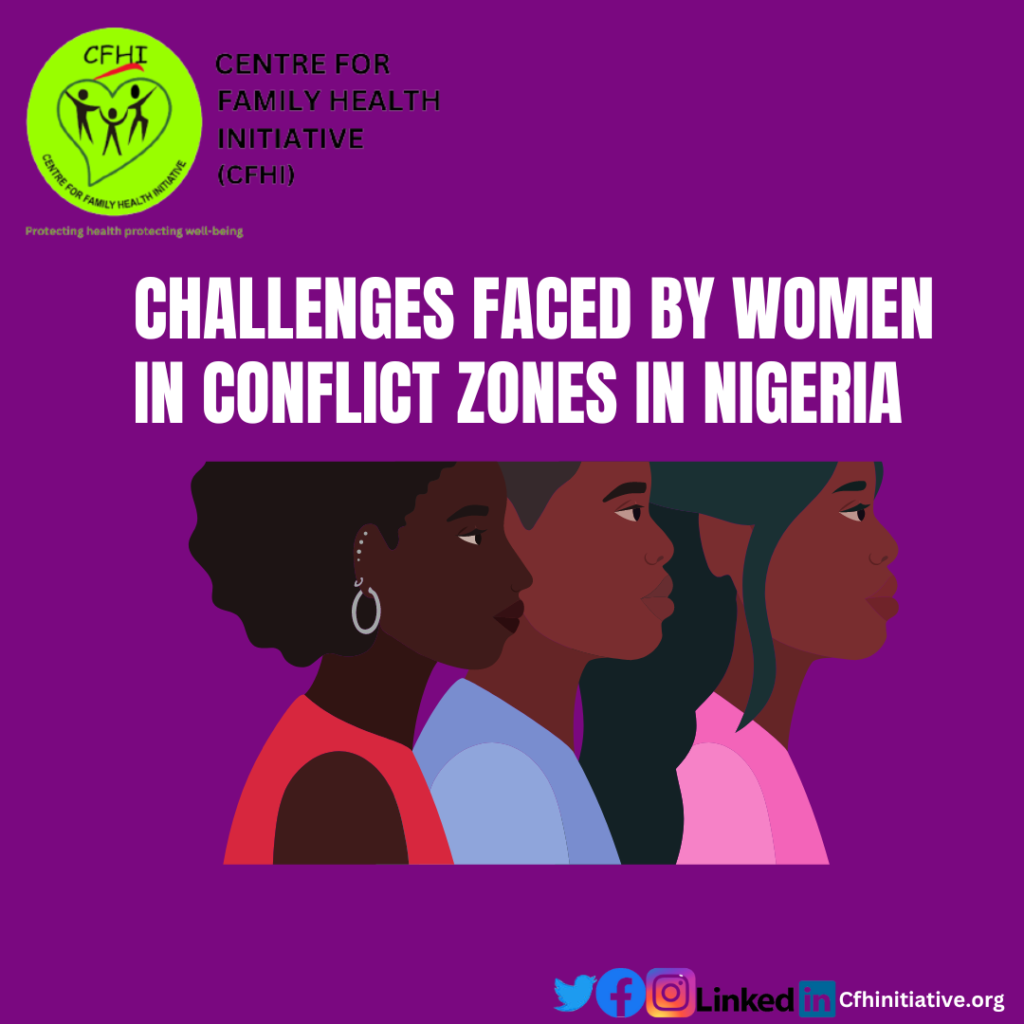
SPEAK WEDNESDAY ON CHALLENGES FACED BY WOMEN IN CONFLICT ZONES IN NIGERIA: AN INSIGHT

Women in Nigeria’s crisis zones face several problems, which are frequently exacerbated by deep-seated gender bias. Armed conflicts and violence have had devastating effects various communities in Nigeria, with women bearing the brunt of the burden. These difficulties are frequently made worse by gender-based discrimination and biases that pervade numerous facets of their lives.
One of the most significant challenges faced by women in conflict zones is exposure to various forms of gender-based violence. Research by the United Nations indicates that women in Nigeria’s conflict zones are at higher risk of experiencing sexual violence, domestic abuse, forced marriages, and human trafficking. In conflict zones, societal norms and the rule of law frequently break down, allowing offenders to get away with crimes. The difficulties faced by survivors of gender-based violence are further worsened by their limited ability to access justice and their lack of access to safe spaces.

In addition, due to gender bias, women in conflict zones suffer barriers to receiving sufficient healthcare and reproductive rights. World Health Organization reports that women’s access to reproductive healthcare, including prenatal care, family planning, and safe delivery, is hampered by destroyed infrastructure, disrupted healthcare services, and cultural barriers. This lack of access jeopardizes women’s health and well-being, contributing to higher rates of maternal and new-born mortality. Furthermore, gender prejudices may hinder women’s rights in making reproductive health decisions, restricting their choices and control over their bodies.

Women in conflict zones in Nigeria suffer displacement, limited decision-making capacity, gender-based violence and discrimination, limited access to education and healthcare, and economic disempowerment, all of which are intensified by deeply embedded gender prejudices.

To address these issues, a complete approach that encompasses dispute resolution, protective measures, access to vital services, economic possibilities, and gender-responsive policies is required. The Nigerian government and stakeholders can cultivate resilience, promote gender equality, empower women, and create conditions for long-term peace and development by emphasizing the needs of women in conflict-affected areas.

Speak Wednesday is an initiative of CFHI to address issues around gender-based violence and gender bias.

#SpeakWednesday #WomenInConflictZones #Women’sRights #HumanRights #GenderStereotype #GenderBias #GenderInequality

SPEAK WEDNESDAY ON CHALLENGES FACED BY WOMEN IN CONFLICT ZONES IN NIGERIA: AN INSIGHT Read More »