Gender Based Violence

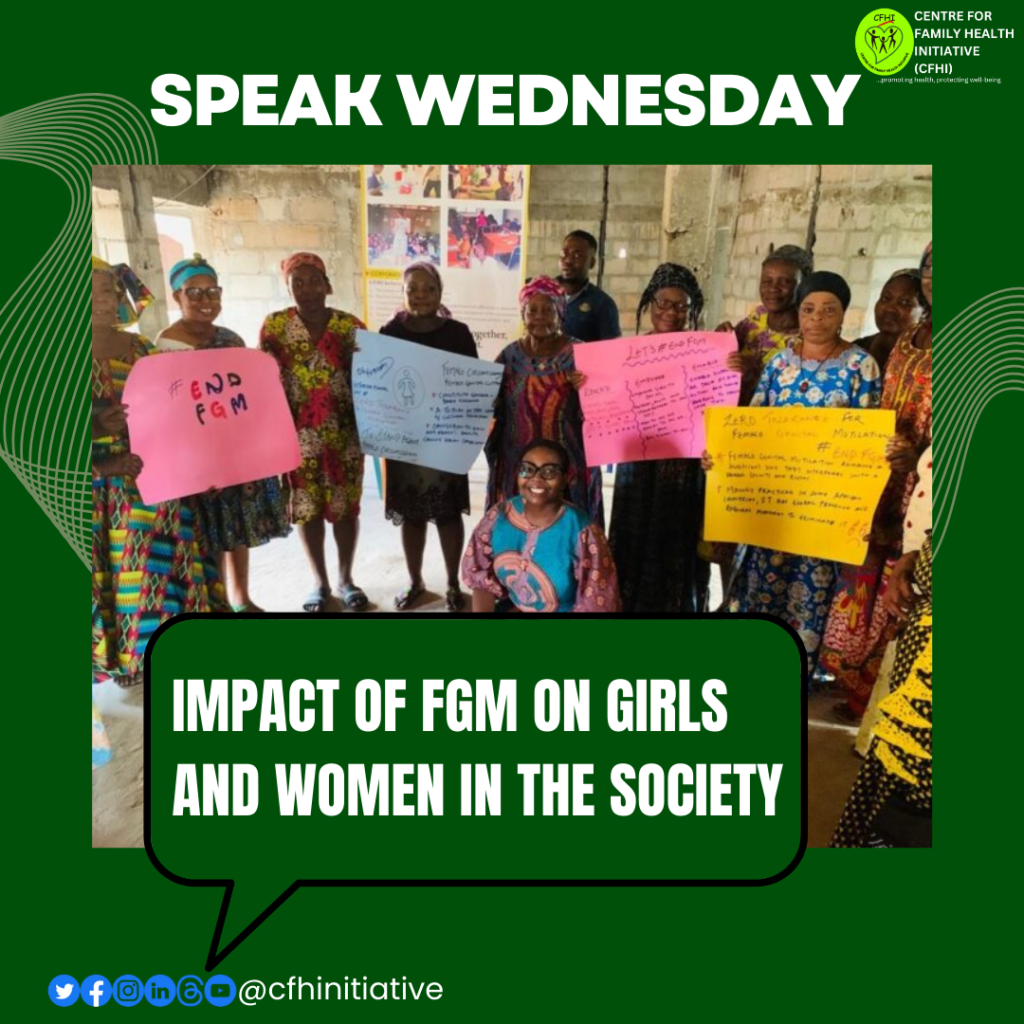
IMPACT OF FGM ON GIRLS AND WOMEN IN THE SOCIETY

The Centre for Family Health Initiative (CFHI) stands in solidarity with worldwide efforts aimed at eliminating FGM in commemoration of the International Day of Zero Tolerance for Female Genital Mutilation (FGM).

Female Genital Mutilation (FGM) is a form of gender-based violence that has plagued women and girls for centuries. It is internationally denounced as a breach of the fundamental human rights of girls and women. The United Nations reports that over 200 million girls and women currently alive have been subjected to FGM.1 Alarmingly, in the year 2024 alone, approximately 4.4 million girls—or more than 12,000 daily—are at imminent risk of undergoing FGM across the globe.2

Proponents of FGM often defend the practice by citing cultural traditions, alleging that it curtails female sexuality and preserves virginity before marriage. Others mistakenly believe that FGM offers hygienic benefits, reduces promiscuity, modifies socio-sexual behaviour, promotes fertility, and even augments marriage prospects.

However, research and studies unequivocally demonstrate that FGM offers no health advantages to girls or women. On the contrary, those subjected to FGM experience immediate complications such as intense pain, shock, excessive bleeding, infection, and difficulties urinating. The long-term repercussions are equally dire, adversely affecting their sexual, reproductive, and mental health. These findings underscore the fact that FGM is a cultural practice deeply rooted in gender inequality, as highlighted by the United Nations.

The persistence of FGM underscores the critical need for comprehensive education and community engagement to dismantle myths surrounding the practice and promote gender equality. Empowering girls and women through education, providing support to communities in transitioning away from FGM, and enforcing legal frameworks that protect the rights of girls and women are vital steps towards eradicating FGM.

As we observe the International Day of Zero Tolerance for Female Genital Mutilation, CFHI echoes the call for a united action by the government, organisations, stakeholders, and individuals in the fight against FGM. It is imperative to listen to and amplify the voices of girls and women affected by FGM, to ensure their rights are protected, and to work tirelessly towards a future where every girl can grow up free from the threat of gender-based violence.

Her voice. Her future. Let’s End FGM Today.

Speak Wednesday is an initiative of CFHI to address issues around gender-based violence and gender bias.

.1. United Nations_Female Genital Mutilation Day Observance
.2. UNFPA_International Day of Zero Tolerance Female Genital Mutilation

IMPACT OF FGM ON GIRLS AND WOMEN IN THE SOCIETY Read More »
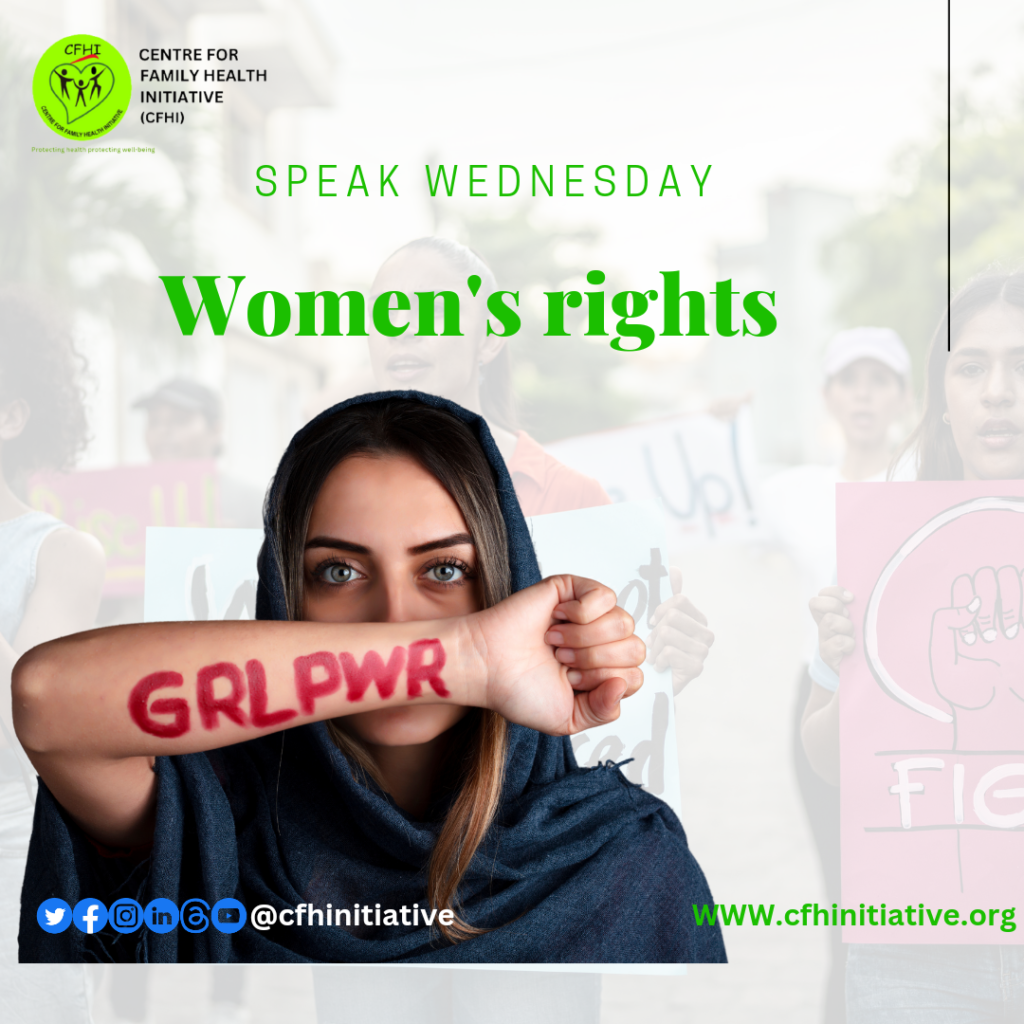
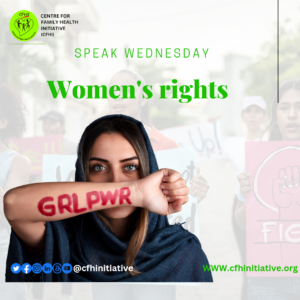
SPEAK WEDNESDAY ON WOMEN’S RIGHTS

On September 5, 1995, Hillary Rodham Clinton, the First Lady of the United States, coined the phrase “women’s rights are human rights,” demonstrating that the struggle for women’s rights is a global issue that has been ongoing for centuries.

The right of women to live free from violence and discrimination, to receive an education, to earn equal pay, to occupy political positions, to have access to sexual and reproductive health, and other rights are not just confined to women but are fundamental human rights.
Despite Nigeria’s government being a signatory to the Convention on the Elimination of all forms of Discrimination against Women (CEDAW), women still face struggles in the country’s patriarchal society, which is rife with discriminatory customs and practices that devalue women.

According to the United Nations, half of the world’s population and potential is represented by women and girls. Therefore, gender equality is not only a fundamental human right but also necessary to achieve peaceful societies, full human potential, and sustainable development. If we all respect women’s rights, we can achieve a society that is free of discrimination. It is critical to remember that women are humans too, and their rights are human rights. Gender inequality is everyone’s problem.

Speak Wednesday is an initiative of CFHI to address issues around gender-based violence and gender bias.

#SpeakWednesday #Women’sRights #HumanRights #GenderStereotype #GenderBias #GenderInequality


SPEAK WEDNESDAY ON WOMEN’S RIGHTS Read More »

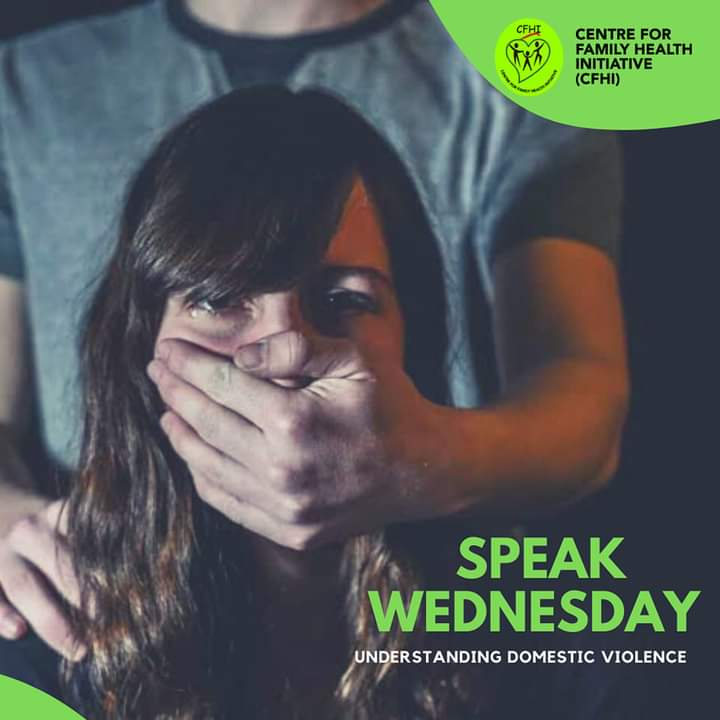
SPEAK WEDNESDAY ON UNDERSTANDING DOMESTIC VIOLENCE

The Nigerian federal law, Violence Against persons (prohibition) Act (VAPP) which was passed to address violence against women defines domestic violence as any act perpetrated on any person in a domestic relationship where such act causes harm or may cause imminent harm to the safety, and health, or well-being of any person.

The forms of domestic violence according to VAPP Act include physical abuse, sexual abuse, emotional, verbal and psychological abuse, intimidation, economic abuse, sexual harassment, forceful eviction from a person’s home except on court order, stalking, damage to property, isolation from family and friends, abandonment of children, spouse and other persons, depriving a person of his or her liberty, harmful widowhood practices, harmful traditional practices, spousal battery and others.

Domestic violence is a global problem that has been condemned internationally and nationally through the legal instruments. It is also recognized as a human rights violation. Domestic violence can be suffered by both genders, however, women are at a higher risk of which is more prevalent in Nigeria today.

The Guardian Nigeria on the 27th of February 2021, reported that cases of domestic violence are on the high, especially the spousal battery. According to the report, at least once a week, there is a case of a man beating, maiming or killing his wife, and in some very rare cases, a woman dealing with her husband in like manner.

It is applauding to know that Nigerians in recent times have been able to start a movement on social media calling our pepetrators of domestic violence and encouraging victims to speak up and take actions. This movement has also made victims and surveyors come out to share their stories.

Cases of domestic violence can be highly mitigated if they are not treated as family affairs. Whereas anyone can report cases with evidence, and pepetrators be made to stand a trial against the state. The society, culture and religion must encourage victims of domestic violence to speak up and seek justice.

Speak Wednesday is an initiative of Centre for Family Health Initiative to address issues around gender based violence and gender bias. Join us every Wednesday for more episodes on all our social media platforms.

#SpeakWednesday #UnderstandingDomesticViolence #EndGBVNow!
Break The Silence Against Domestic Violence
The National Network to End Domestic Violence
Domestic and Family Violence Prevention Queensland

SPEAK WEDNESDAY ON UNDERSTANDING DOMESTIC VIOLENCE Read More »

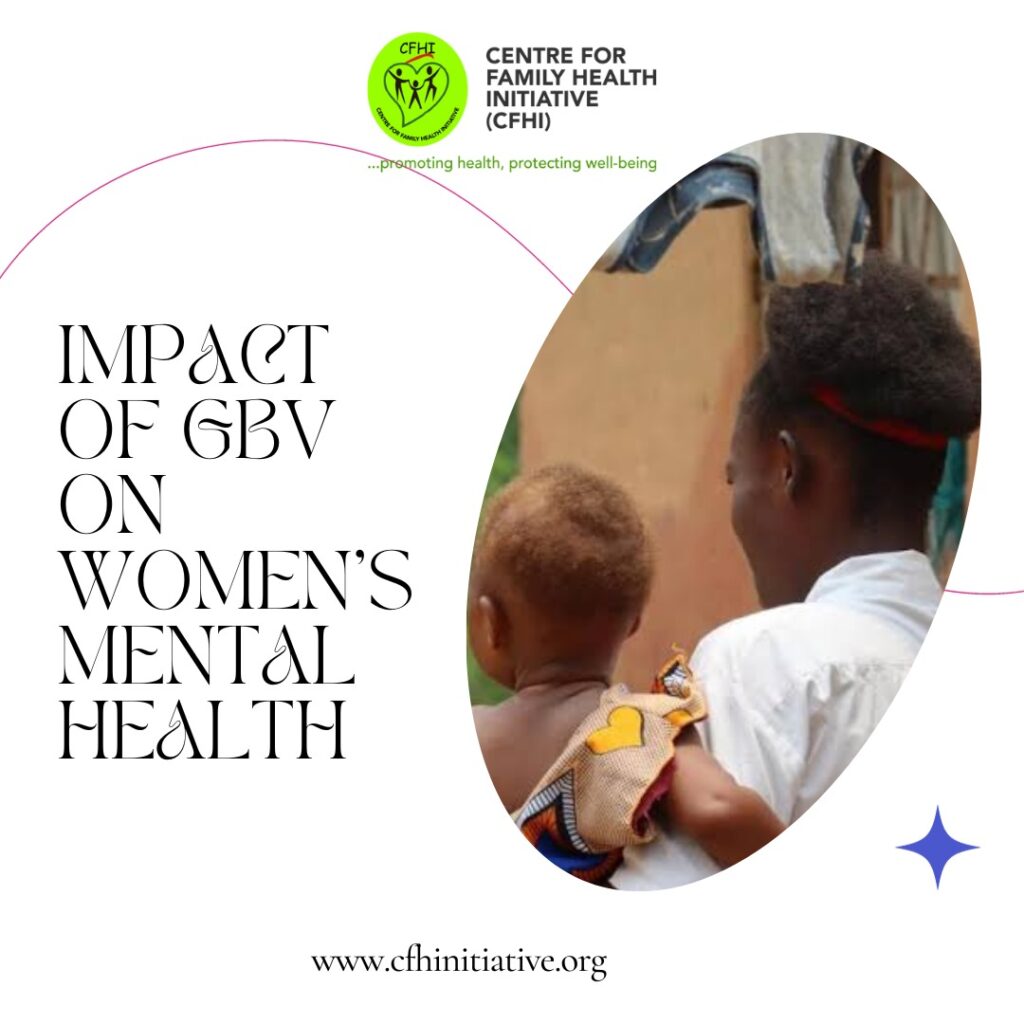
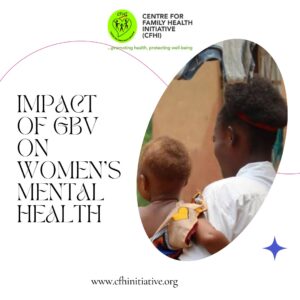
SPEAK WEDNESDAY ON IMPACT OF GBV ON WOMEN’S MENTAL HEALTH

Impact of GBV on Women’s Mental Healt
The Nigerian federal law, Violence Against Persons (Prohibition) Act VAAP, defines domestic violence as any act perpetrated on any person in a domestic relationship where such action causes harm or may cause imminent harm to the safety, health, or well-being of any person.
Gender-based violence (GBV) has far-reaching and devastating effects on women’s mental health. It encompasses a range of harmful behaviours directed at individuals based on their gender. It includes physical, sexual, emotional, and economic abuse. Survivors of GBV often face significant psychological challenges as a result of their experiences.
Post-Traumatic Stress Disorder (PTSD): Many survivors of GBV develop symptoms of PTSD. This can include flashbacks, intrusive thoughts, nightmares, and severe anxiety. The trauma from the experience can be so overwhelming that it disrupts daily life and functioning.
Depression and Anxiety Disorders: The chronic stress and fear associated with GBV can lead to the development of depression and various anxiety disorders. Women may experience feelings of hopelessness, sadness, and an overwhelming sense of dread. They may also struggle with feelings of worthlessness or guilt.
Dissociation and Depersonalization: Some survivors may experience a disconnection from their own bodies or a feeling of being detached from reality. This can be a coping method for the intense mental and bodily suffering brought on by the violence.
Self-Harm and Suicidal Thoughts: The emotional pain and distress caused by GBV can lead to self-destructive behaviours, including self-harm and suicidal ideation.
Substance Abuse: Many survivors turn to drugs or alcohol as a way to cope with the trauma they’ve experienced. Substance abuse can provide temporary relief from emotional pain, but it often leads to further physical and mental health issues.
Impact on Parenting and Relationships: For survivors who are parents, the trauma from GBV can affect their ability to parent effectively. It may also strain relationships with their children and other family members.
Negative Impact on Work and Education: The mental health consequences of GBV can spill over into various aspects of a survivor’s life, including their ability to perform at work or in educational settings. Financial instability and a reduced quality of life may result from this.
Re-victimization: Survivors of GBV may be at higher risk of experiencing further violence or abuse, as the psychological effects of trauma can make it more challenging to recognize and avoid potentially dangerous situations.
Recognising the severe impact of GBV on women’s mental health and providing adequate assistance and resources are critical. Organizations like the World Health Organisation (WHO) and UN Women emphasize the necessity of giving survivors complete treatment, which includes mental health services, therapy, and access to safe spaces.
Raising awareness, challenging societal norms, and enacting legislation to prevent and respond to GBV are critical to lowering the occurrence of GBV against women and minimizing its destructive impact on their mental health.

REFERENCE:
1. Kim, Stefani. “Phonak Launches NaíDa Marvel (M).” The Hearing Review (Online), vol., no., 2020, p. n/a.
2. UN Women https://www.unwomen.org/
3. Committee on the Elimination of Discrimination against Women (CEDAW) https://www.ohchr.org/en/hrbodies/cedaw/pages/cedawindex.aspx

#SpeakWednesday


SPEAK WEDNESDAY ON IMPACT OF GBV ON WOMEN’S MENTAL HEALTH Read More »

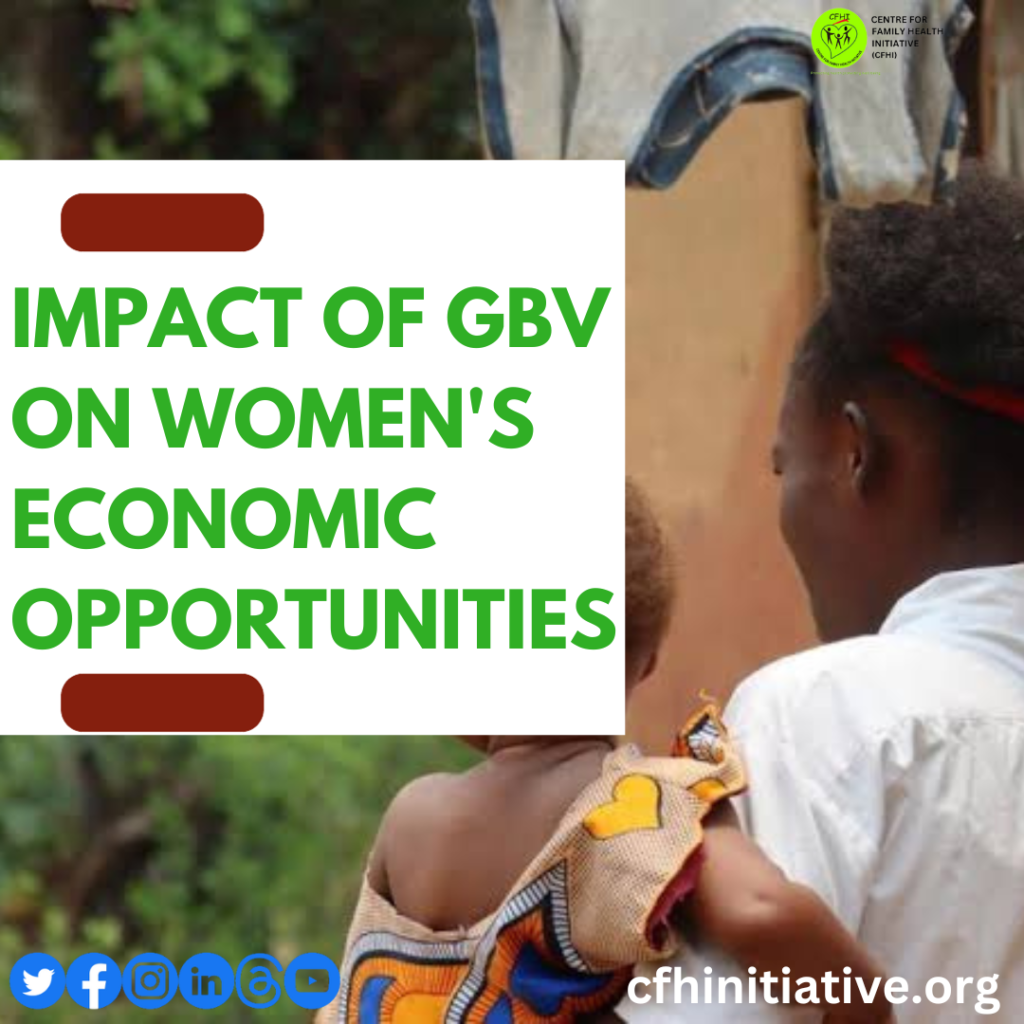
SPEAK WEDNESDAY ON The Impact of GENDER BASED VIOLENCE ON WOMEN’S ECONOMIC OPPORTUNITIES

Gender-based violence (GBV) is the most prevalent yet least apparent human rights violation in the world, according to UNICEF. It involves impairment to a person’s bodily, sexual, mental, or financial health brought on by socially accepted gender power disparities. Threats of violence, coercion, and deprivation of public or private liberty are also included.
The profound repercussions of GBV on women’s economic opportunities are broad and substantial, as it is predominantly directed at women.
GBV inflicts direct harm on women’s economic stability. WHO reports highlight that women experiencing GBV often encounter challenges maintaining consistent employment due to absenteeism, reduced productivity, and job instability (WHO, 2013). This leads to a palpable decrease in income, leaving them financially vulnerable. The economic ramifications of GBV are enduring. Women who experience violence may face challenges in building a stable career, accumulating savings, and planning for retirement.
According to UN Women, GBV is a formidable barrier to women’s access to education and vocational training. Fear of violence or harassment may deter them from pursuing educational and skill-building opportunities, curtailing their capacity to attain qualifications essential for higher-paying occupations.

Furthermore, the fear of GBV can discourage women from venturing into entrepreneurship. This is corroborated by UN Women, highlighting that women may hesitate to seek loans, network, or engage in public activities necessary for entrepreneurial success (UN Women, 2019).

GBV is a significant hindrance to women’s economic empowerment and equality. Combating GBV and its economic effects needs comprehensive solutions that include legal reforms, social support systems, education, and awareness campaigns. By fostering violence-free settings, society can enable women to fully participate in economic opportunities, contributing to developing communities and nations.
Speak Wednesday is an initiative of CFHI to address issues around gender-based violence and gender bias.
#SpeakWednesday #Women’sRights #ENDGBV #WomenEconomicRights #GenderBias #GenderInequality

SPEAK WEDNESDAY ON The Impact of GENDER BASED VIOLENCE ON WOMEN’S ECONOMIC OPPORTUNITIES Read More »

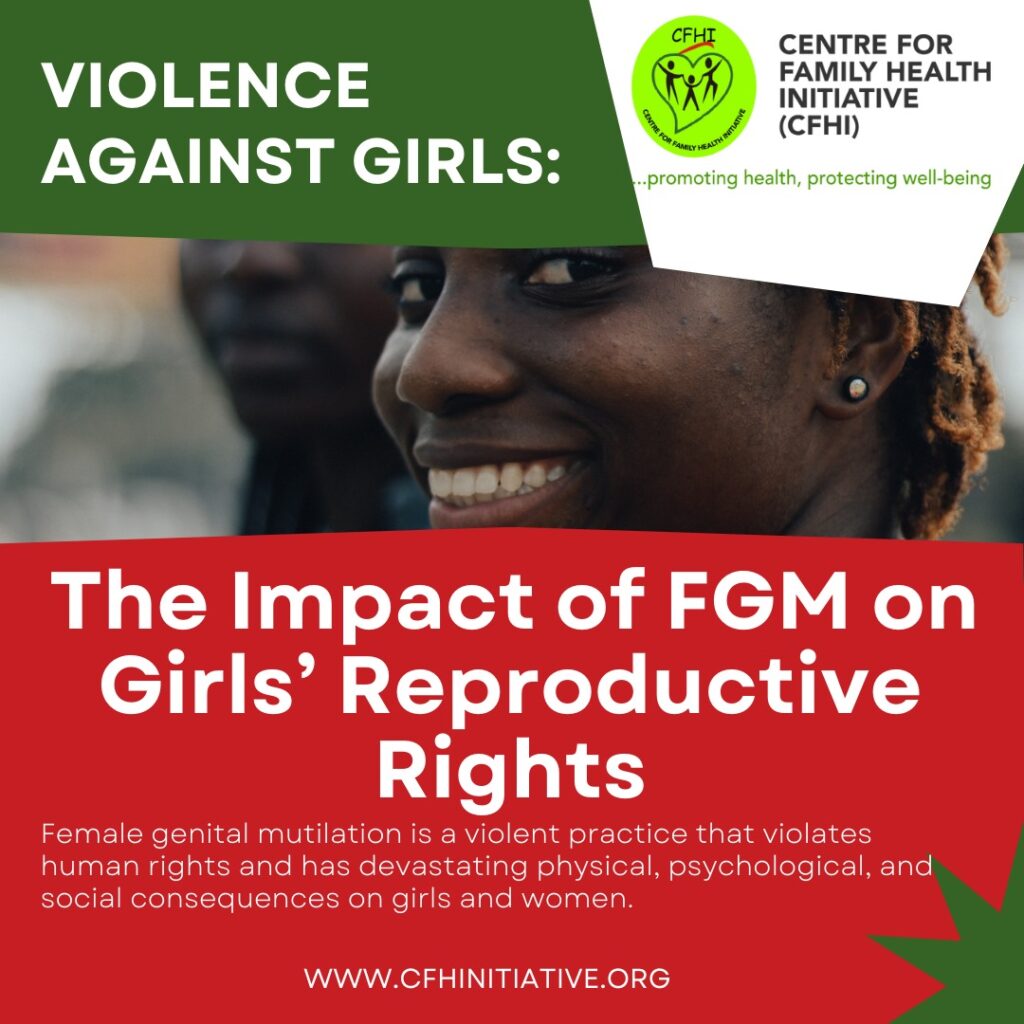
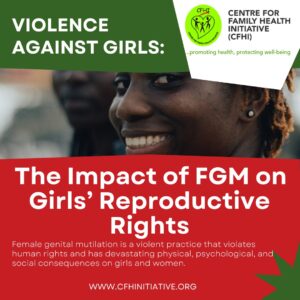
SPEAK WEDNESDAY ON THE IMPACT OF FGM ON GIRLS’ REPRODUCTIVE RIGHTS

I could barely walk after the cut. My mother and the old woman who helped to hold me down during the process tried to help me up, but I collapsed. I almost bled to death. ~ FGM Survivor

Female Genital Mutilation is a form of gender-based violence that girls have suffered for ages. It has been recognized internationally as a violation of the reproductive rights of girls and women.

FGM can be described as the practice of the partial or total removal of the external genital organs in young girls and women. This procedure predominantly occurs in females from infancy to adolescence, and sometimes in adult women. This procedure is carried out by a religious leader, elder, or amateur medical practitioner using a razor or a sharp glass.

The fact that there are no health benefits of FGM but harm cannot be overemphasized.

The World Health Organization states that girls who undergo the practice of FGM run the immediate risk of hemorrhage, excruciating pain, fever, genital tissue swelling, infections like tetanus, urinary problems, problems with wound healing, shock, and death.

Due to their lack of knowledge about the act’s effects, girls and women who undergo FGM run a higher risk of developing accumulated life-long health issues that may not be discovered immediately after the cut. The long-term side effects also include a higher risk of complications during childbirth and urinary, vaginal, menstrual, and scar tissue issues. It is pertinent to note that all forms and types of FGM can result in immediate or long-term health complications, and a victim can suffer multiple complications.

To this extent, research has unquestionably demonstrated that FGM is only connected to endangering the well-being of women and girls, with consequences that may last a lifetime.

The Convention on the Rights of the Child (Article 24 (3)) mandates states to abolish traditional practices prejudicial to children’s health. Therefore, it is urgent to step up efforts to end FGM, educate the general public about the health effects of FGM, and provide medical help to victims of FGM.

FGM is a violation of the reproductive rights of children. Say no to FGM!

Speak Wednesday is an initiative of CFHI to address issues around gender-based violence and gender bias.
#SpeakWednesday # FGM #EndFGM #ChildHealth #ChildRights #GenderStereotype #GenderBias #GenderInequality

SPEAK WEDNESDAY ON THE IMPACT OF FGM ON GIRLS’ REPRODUCTIVE RIGHTS Read More »

SPEAK WEDNESDAY ON MEN AS ALLIES IN COMBATTING GENDER BIAS

Gender bias is a universal problem that cuts across national boundaries and affects women from all areas of life. It has far-reaching effects, perpetuating inequality and impeding efforts to create a society that is inclusive and just.

The UN Secretary-General António Guterres has urged men and boys to be active agents of change, stating, “Gender equality is a human rights issue, but it is also in all our interests: men and boys, women and girls.”

UN initiatives like HeForShe aim to mobilize men and boys as advocates for gender equality, encouraging them to challenge harmful stereotypes and support women’s empowerment. By engaging men in the conversation, the UN recognizes that achieving true equality requires a collective effort.

Engaging men and boys as allies in combatting gender bias and addressing gender-based violence (GBV) is crucial for creating a more inclusive and equitable society. This can be achieved through;
• Education and Awareness
• Challenging Harmful Norms and Stereotypes
• Fostering Empathy and Compassion
• Positive male Role Models
• Active Bystander Intervention
• Promoting Healthy Relationships
• Parenting and Mentorship
• Addressing Toxic Masculinity
• Advocacy and Policy Changes:

Addressing gender bias is a collective effort that requires the active participation of individuals of all genders. Men, as allies, play an important part in this endeavour. Men can make a vital contribution to developing a more inclusive and equitable society for all by comprehending the far-reaching effects of gender bias and taking aggressive actions to confront and deconstruct it. Collaboration between men and women in this fight is critical for achieving a future free of gender bias.

Over the years, through the Gender Norms program for adolescents, CFHI creates awareness in communities and educate young boys on how to develop healthy relationships, impacts of harmful gender norms, and importance of gender equality. The intervention is an important step towards creating a more inclusive and equitable society for all.

Speak Wednesday is an initiative of CFHI to address issues around gender-based violence and gender bias.

#SpeakWednesday #GenderBias #Women’sRights #HumanRights
#GenderStereotype #GenderInequality

SPEAK WEDNESDAY ON MEN AS ALLIES IN COMBATTING GENDER BIAS Read More »

SPEAK WEDNESDAY ON GBV AND INTIMATE PARTNER VIOLENCE (IPV)

In the shadows of many households worldwide, a silent but pervasive threat looms large: Gender-Based Violence (GBV), particularly in the form of Intimate Partner Violence (IPV). GBV is a deeply concerning issue that affects individuals regardless of age, race, or socioeconomic background, but IPV specifically targets intimate relationships. It’s crucial to shed light on this issue, raise awareness, and work collectively to eradicate it from our society.

IPV refers to any behavior within an intimate relationship that causes physical, psychological, or sexual harm to a partner. It encompasses acts of physical violence, emotional abuse, coercive control, and sexual assault. IPV knows no boundaries; it affects people of all genders and sexual orientations.

One of the most alarming aspects of IPV is its hidden nature. Victims often suffer in silence, fearing stigma, retaliation, or a lack of support. This silence can perpetuate the cycle of abuse, making it crucial to create an environment where survivors feel safe to come forward and seek help.

The consequences of IPV are profound. Beyond physical injuries, survivors often grapple with long-term mental health issues, such as depression, anxiety, and post-traumatic stress disorder. The trauma experienced can affect not only the survivor but also children who witness the abuse, perpetuating a cycle of violence.
Breaking the cycle of IPV requires a multi-faceted approach. It begins with education and awareness. We must teach individuals about healthy relationships, consent, and the signs of abuse. Providing safe spaces and resources for survivors to seek help is equally crucial. Support from friends, family, and professionals can empower survivors to leave abusive relationships and heal.

Laws and policies that protect survivors and hold perpetrators accountable play a vital role in combatting IPV. Advocacy groups and organizations work tirelessly to raise awareness, push for legal reforms, and provide resources for survivors. Supporting these initiatives and being an ally to survivors is essential in the fight against IPV.

Intimate Partner Violence is a grave concern that affects countless lives. It thrives in silence and secrecy, making it our collective responsibility to break that silence, support survivors, and work toward a world where love and respect flourish in all relationships. By understanding the dynamics of IPV, raising awareness, and advocating for change, we can strive to eliminate this hidden epidemic and ensure that everyone can live free from the fear of violence in their most intimate relationships.

Speak Wednesday is an initiative of CFHI to address issues around gender-based violence and gender bias.

#SpeakWednesday #GenderEquality #GenderDiscrimination #RapeCulture

SPEAK WEDNESDAY ON GBV AND INTIMATE PARTNER VIOLENCE (IPV) Read More »

SPEAK WEDNESDAY ON RAPE CULTURE

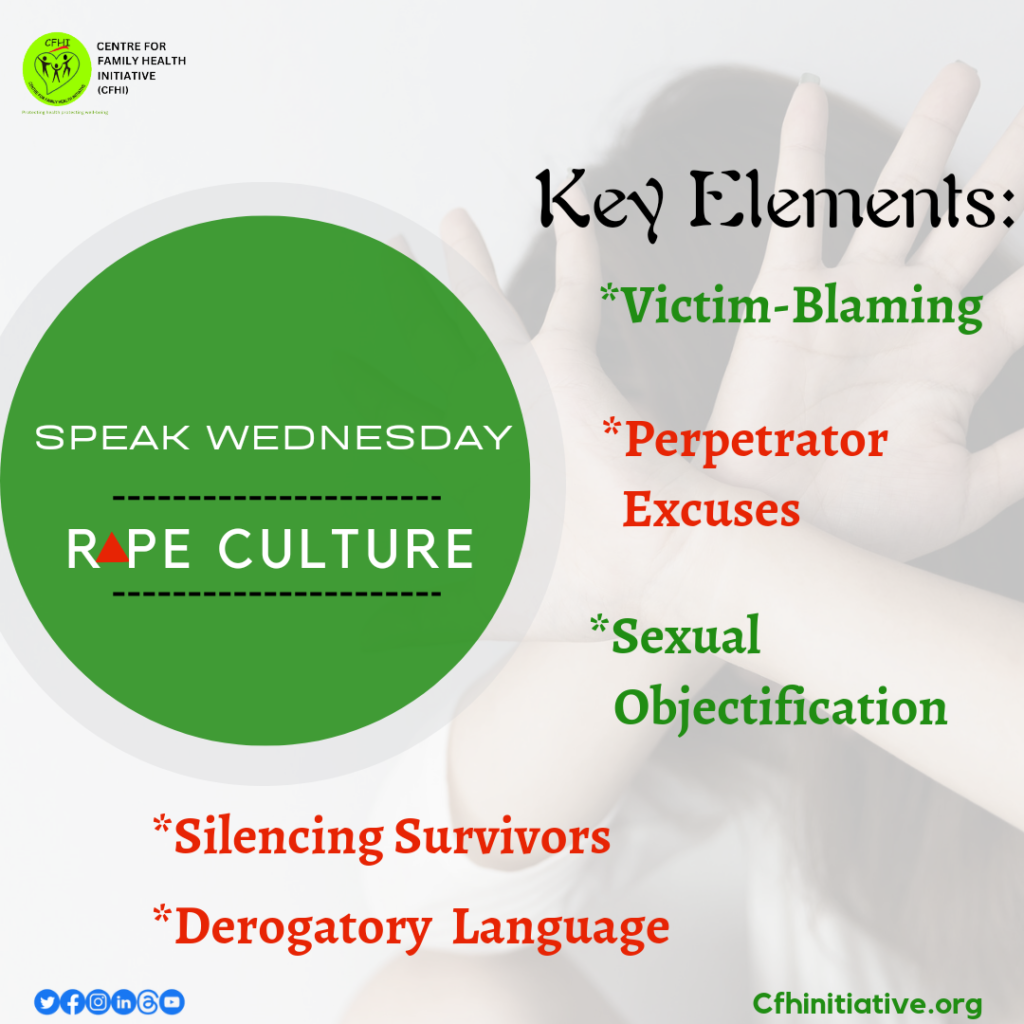
Rape culture is a complex and pervasive societal issue that encompasses attitudes, beliefs, and behaviors that normalize or trivialize sexual assault and harassment. It is important to understand that rape culture can vary in intensity and prevalence across different cultures and communities. Some key elements and characteristics of rape culture include:

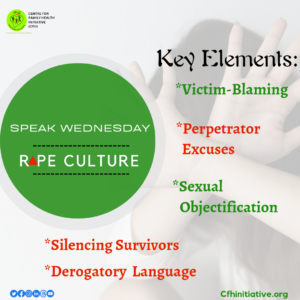
Victim-Blaming: This occurs when the survivor of sexual assault is held partially or fully responsible for the incident. Questions like, “What were they wearing?” or “Were they drinking?” contribute to victim-blaming.

Perpetrator Excuses: Rape culture often involves minimizing or excusing the actions of perpetrators. Phrases like “boys will be boys” or “he didn’t mean it” can downplay the seriousness of sexual assault.

Sexual Objectification: Treating individuals as objects for sexual gratification rather than as autonomous beings with their own desires and boundaries is a harmful aspect of rape culture. This is evident in advertising, media, and everyday interactions.

Institutional Failures: Rape culture can be perpetuated when institutions such as law enforcement, schools, or workplaces fail to take sexual assault reports seriously or protect survivors adequately.

Jokes and Language: The use of rape jokes or derogatory language that trivializes sexual assault contributes to a culture where such behavior is normalized.

Lack of Consent Education: Inadequate education about consent and healthy sexual relationships can contribute to misunderstandings and blurred boundaries.

Silencing Survivors: When survivors are discouraged from speaking out or reporting their experiences due to fear, shame, or disbelief, it perpetuates a culture of silence.

Addressing rape culture requires a collective effort to challenge and change these attitudes and behaviors. Education, awareness campaigns, supportive policies, and legal reforms are essential steps in combating rape culture and promoting a culture of consent, respect, and gender equality. It is crucial to create an environment where survivors are supported and perpetrators are held accountable for their actions.

Speak Wednesday is an initiative of CFHI to address issues around gender-based violence and gender bias.
#SpeakWednesday #GenderEquality #GenderDiscrimination #RapeCulture

SPEAK WEDNESDAY ON RAPE CULTURE Read More »

SPEAK WEDNESDAY ON EFFECTS OF GENDER-BASED VIOLENCE (GBV) ON REPRODUCTIVE HEALTH

Gender-Based Violence (GBV) is a pervasive human rights violation that affects millions of individuals worldwide, with significant and far-reaching consequences. Among its numerous adverse effects, GBV has a profound impact on reproductive health, causing physical, psychological, and social harm to survivors. Understanding these effects is crucial for addressing the broader issue of GBV and safeguarding the reproductive health and rights of those affected. Here, we explore the various ways in which GBV can affect reproductive health:

1. Physical Injuries and Complications: Physical violence, such as sexual assault or intimate partner violence, can lead to immediate injuries, including genital trauma. These injuries can result in long-term complications, such as chronic pain, sexually transmitted infections (STIs), and even infertility in some cases. Survivors may also be at a higher risk of unwanted pregnancies due to a lack of control over contraceptive choices.

2. Sexual and Reproductive Coercion: GBV often involves reproductive control, where survivors are coerced into unwanted pregnancies or abortions. Perpetrators may sabotage contraception methods or force survivors into sexual acts without their consent. This coercion can lead to unwanted pregnancies, unsafe abortions, and emotional distress.

3. Psychological Trauma: Survivors of GBV commonly experience psychological trauma, which can have a profound impact on their reproductive health. Post-Traumatic Stress Disorder (PTSD), depression, anxiety, and other mental health conditions can disrupt normal reproductive functioning, affecting menstrual cycles and sexual health.

4. Substance Abuse: Some survivors turn to substance abuse as a coping mechanism to deal with the psychological and emotional trauma caused by GBV. Substance abuse can result in risky sexual behaviors, including unprotected sex, which increases the risk of STIs and unintended pregnancies.

5. Delayed or Avoided Healthcare: Stigma, shame, and fear often prevent survivors from seeking timely medical care and support. Delayed or avoided healthcare can result in untreated injuries, untreated STIs, and complications during pregnancy or childbirth.

6. Reproductive Health Inequities: GBV disproportionately affects marginalized and vulnerable populations, exacerbating existing health inequities. Survivors who face additional layers of discrimination based on factors like race, ethnicity, socioeconomic status, or sexual orientation may encounter further challenges in accessing appropriate reproductive healthcare.

7. Impact on Mother-Child Relationships: If GBV occurs during pregnancy, it can have detrimental effects on both the mother and the developing foetus. Violence during pregnancy is associated with adverse birth outcomes, such as low birth weight and preterm birth. Furthermore, the psychological stress experienced by pregnant survivors can affect the bond between mother and child.

8. Barriers to Family Planning: Survivors of GBV may encounter obstacles to accessing family planning services. They may lack autonomy in making decisions about contraception or face difficulties in negotiating safe sex practices with their partners, resulting in increased risks of unintended pregnancies.

Addressing the effects of GBV on reproductive health requires a comprehensive approach. Efforts should include:

– Awareness and Education: Promoting awareness about GBV and its consequences on reproductive health to encourage survivors to seek help and support.

– Healthcare Services: Ensuring that healthcare providers are trained to recognize and respond to GBV, offering sensitive and confidential care to survivors.

– Counseling and Mental Health Support: Providing survivors with access to mental health services to address trauma and psychological distress.

– Prevention and Advocacy: Implementing policies and programs aimed at preventing GBV and advocating for gender equality.

Speak Wednesday is an initiative of CFHI to address issues around gender-based violence and gender bias.
#SpeakWednesday #GenderEquality #GenderDiscrimination #Women’sFinance

SPEAK WEDNESDAY ON EFFECTS OF GENDER-BASED VIOLENCE (GBV) ON REPRODUCTIVE HEALTH Read More »