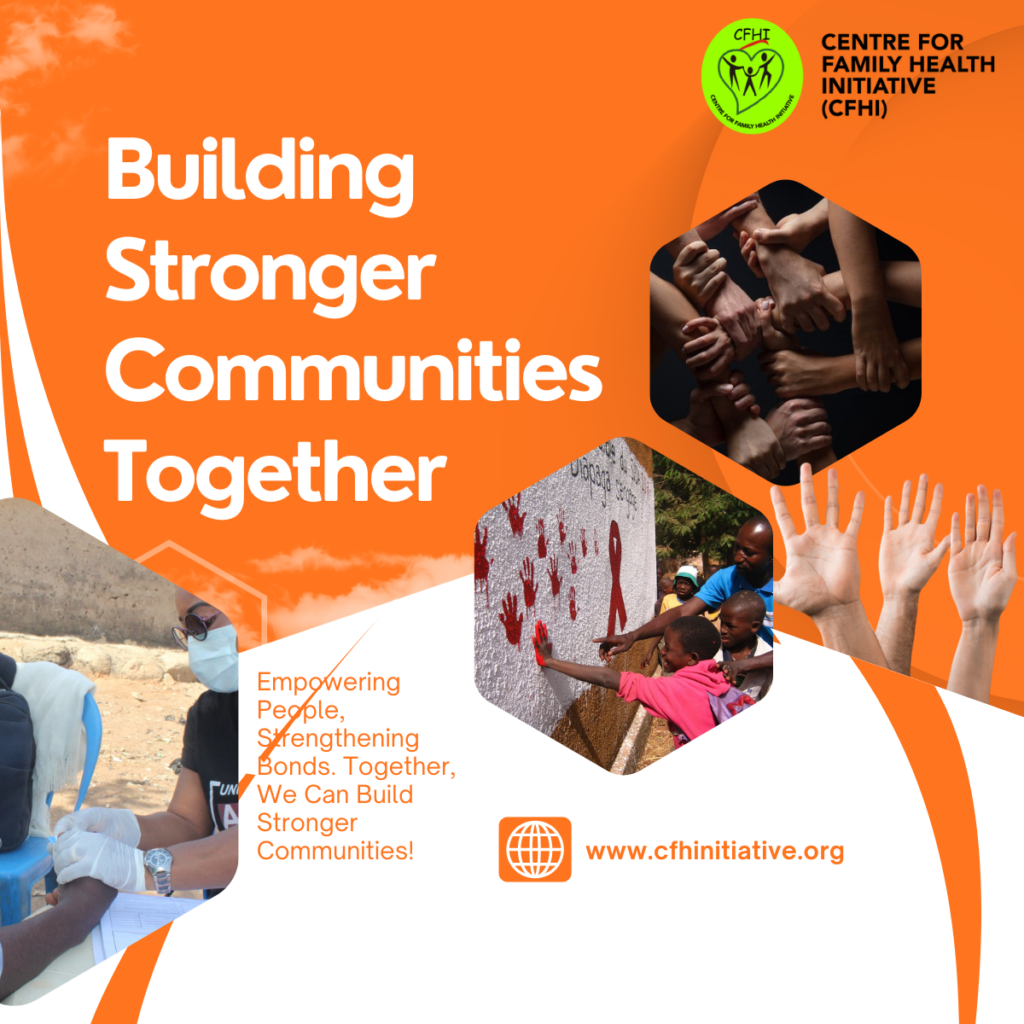
#HIV/AIDS

Beyond Stigma: Community-Led Support for Women and Girls Living with HIV

Stigma remains one of the greatest obstacles to ending HIV: globally, according to the latest UNAIDS estimates, about 40.8 million people were living with HIV as of the end of 2024, with women and girls accounting for approximately 53% of all infections [1]. Despite progress in expanding treatment access bringing lifesaving antiretroviral therapy to over 31 million people worldwide millions still face stigma, discrimination, and social exclusion, which continue to limit their ability to seek testing, care, and long-term support [1].

Evidence shows that stigma discourages people from testing, delays linkage to treatment, and undermines adherence; pooled analyses across African surveys and facility studies find that people who experience stigma are significantly less likely to know their status or remain engaged in care, which in turn reduces chances of viral suppression and worsens health outcomes [2,3]. The scientific consensus that “U=U” (Undetectable = Untransmittable) underscores why ending stigma is also a prevention strategy: people on effective antiretroviral therapy (ART) who achieve and maintain an undetectable viral load do not sexually transmit HIV [4]. Despite these advances, gaps remain UNAIDS reports that while millions are on treatment, about 31.6 million people were accessing ART in 2024, leaving a substantial number still unreached by life-saving services [1].

Community-led support is central to bridging those gaps for women and girls. Practical, evidence-based community interventions peer support groups, community health worker follow-up, safe disclosure spaces, integrated mental-health services, and targeted outreach to adolescents have been shown to increase testing uptake, improve retention on ART, and reduce internalized stigma [5,6]. In Nigeria and other countries, facility-level and community studies link stigma with lower adherence and higher loss to follow up, highlighting the need for local, culturally sensitive responses that engage families, faith leaders, youth networks, and women’s groups [3,7]. Gender-sensitive programming is particularly important: women and girls face intersectional stigma driven by gender norms, economic dependence, and the risk of gender-based violence barriers that require combined social protection, livelihood support, and confidential clinical services to overcome [5].

At the Centre for Family Health Initiative (CFHI), community-led support is operationalized through sustained activities that go beyond one-day events. CFHI provides community HIV testing and counselling, adolescent-friendly education, psychosocial support, and peer navigation to link women and girls to care and keep them on treatment [8]. The organization integrates stigma-reduction messaging into gender-norms dialogues, trains community health volunteers in respectful care, and runs livelihood and empowerment sessions that reduce economic vulnerability an important factor that often forces women to remain in situations where disclosure is dangerous. CFHI’s community outreach also emphasizes U=U messaging to demystify treatment and encourage adherence and last year’s community testing and sensitization activities in Imo State reached hundreds with counselling and referrals, reinforcing the role of sustained local engagement in improving outcomes [8].

Ending HIV stigma requires action across sectors. Health facilities must adopt anti-discrimination policies and provide confidential, quality services; community leaders and faith institutions must publicly reject harmful narratives; schools and youth groups must deliver age-appropriate HIV education; and social protection programmes should prioritize women and girls so economic dependence does not block access to care. Donors and governments must sustain funding for community-led responses, which evidence shows are cost-effective and essential for reaching the UN targets to end AIDS as a public health threat [5,6].

Now is the time for communities to move from awareness to durable action. Support people living with HIV by learning and sharing accurate facts, joining, or starting peer support groups, encouraging friends and family to test, demanding respectful care at clinics, and supporting empowerment programmes that reduce vulnerability. CFHI and partners stand ready to work with communities, faith groups, schools, and health services to build safe, supportive environments where women and girls living with HIV can thrive. Together we can make stigma a thing of the past because when communities lead, lives change.


References

  1. Global HIV & AIDS statistics — Fact sheet. Geneva: Joint United Nations Programme on HIV/AIDS; 2025.
    Available from: https://www.unaids.org/en/resources/fact-sheet
  2. Doyle CM, Kuchukhidze S, Stannah J, Flores Anato JL, Xia Y, Logie CH, et al. The impact of HIV stigma and discrimination on HIV testing, antiretroviral treatment, and viral suppression in Africa: a pooled analysis of population-based surveys.
    Available from: https://www.researchgate.net/publication/391079137_The_Impact_of_HIV_Stigma_and_Discrimination_on_HIV_Testing_Antiretroviral_Treatment_and_Viral_Suppression_in_Africa_A_Pooled_Analysis_of_Population-Based_Surveys
  3. Mahlalela NB, et al. The association between HIV-related stigma and health-seeking behaviour, testing and adherence: a systematic review. J Public Health. 2024.
    Available from: https://www.ncbi.nlm.nih.gov/pmc/articles/PMC10896802/
  4. UNAIDS / IAS / Prevention Access Campaign. Undetectable = Untransmittable (U=U) consensus and evidence. Geneva: UNAIDS; 2018–2024.
    Available from: https://www.unaids.org/en/resources/presscentre/featurestories/2018/july/undetectable-untransmittable
  5. World Health Organization. Eliminating stigma and discrimination in HIV responses: evidence and interventions. Geneva: WHO; 2022.
    Available from: https://www.who.int/teams/global-hiv-hepatitis-and-stis-programmes/hiv/strategic-information/hiv-data-and-statistics
  6. Community-led monitoring / Community-led responses — evidence and good practice. Geneva: UNAIDS; 2023.
    Available from: https://www.unaids.org/en/resources/documents/2023/community-led-monitoring-in-action
  7. Okunola A, et al. The impact of stigma on ART adherence in Ondo State clinics: cross-sectional evidence. Int J Res Innov Social Sci. 2025.
    Available from: https://rsisinternational.org/journals/ijriss/articles/the-impact-of-stigma-and-discrimination-on-adherence-levels-in-hiv-positive-patients-evidence-from-ondo-state-clinics/
  8. Centre for Family Health Initiative (CFHI). Community HIV services, stigma reduction and outreach report. Owerri: CFHI; 2024–2025.
    Available from: https://www.cfhinitiative.org


Beyond Stigma: Community-Led Support for Women and Girls Living with HIV Read More »
World AIDS DAY


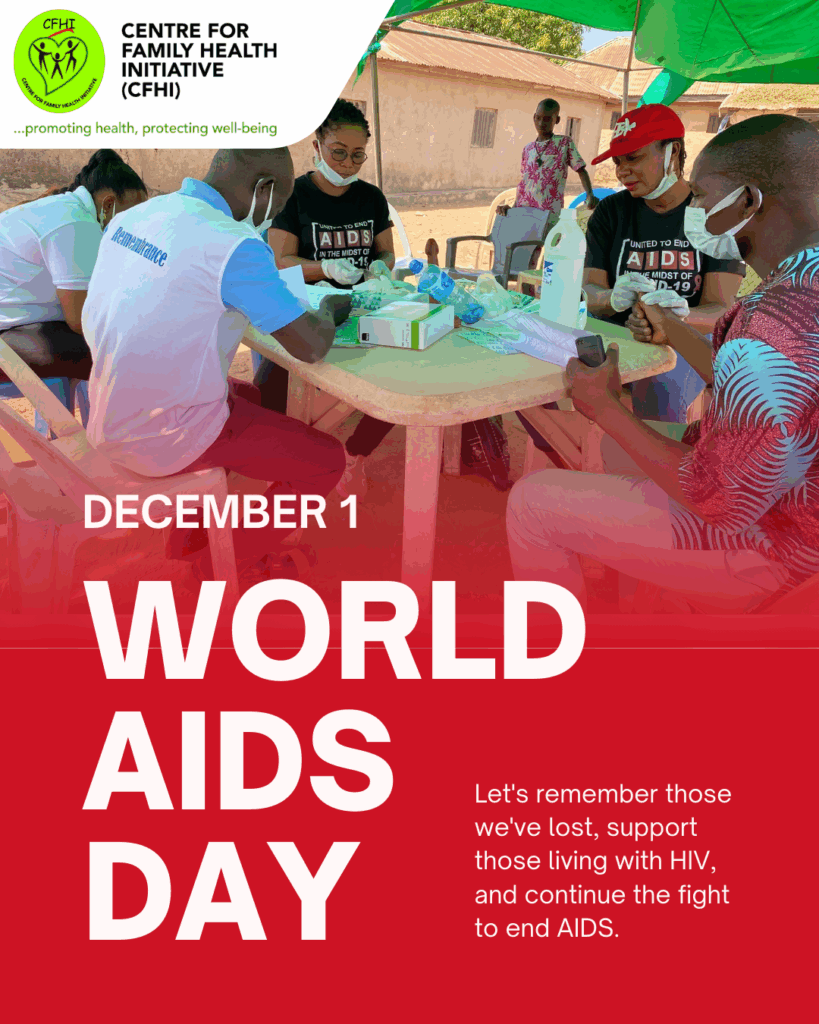
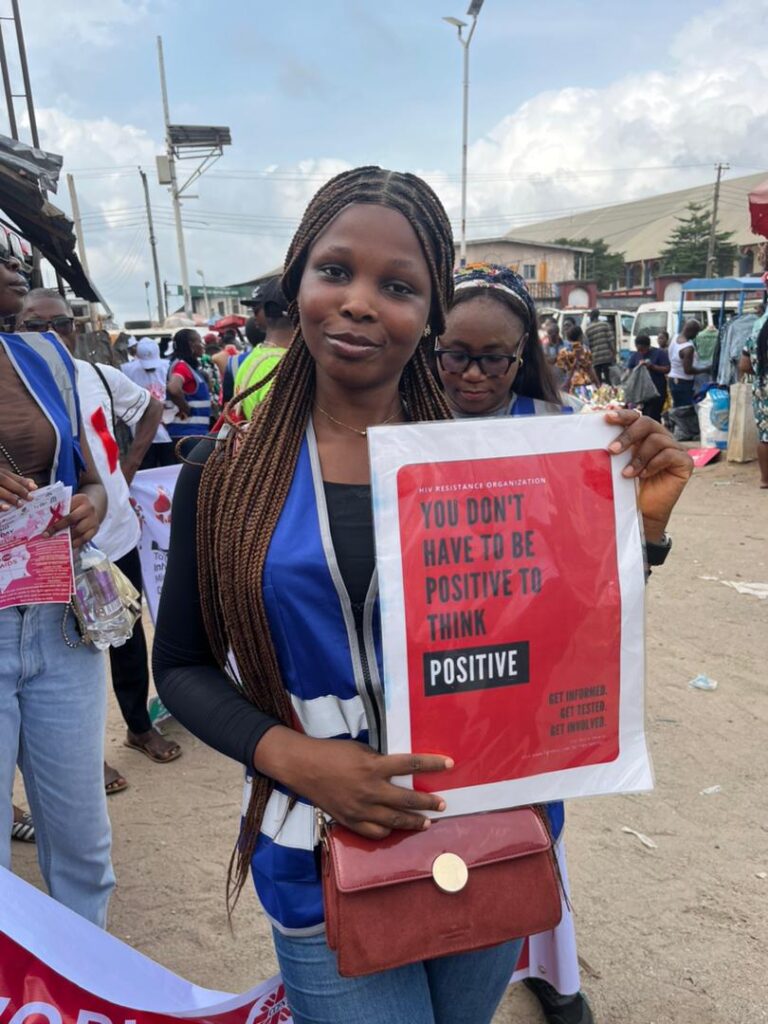
The Centre for Family Health Initiative (CFHI) in partnership with the Imo State Ministry of Health and other key stakeholders, marked World AIDS Day 2025 with a high-impact community sensitization event in Owerri, Imo State. Held under the global theme “Overcoming Disruption, Transforming the AIDS Response,” the exercise featured a symbolic road walk that kicked off at Owerri City School, MCC Junction, passed through Fire-Service Roundabout, and concluded at Alvan Ikoku Federal University of Education. More than 4,000 residents were engaged with vital information on HIV prevention, testing, treatment adherence, and the importance of sustaining progress in the fight against the epidemic.

The Honourable Commissioner for Health, Dr. Mrs. Chioma Egu, led the engagement, urging the public to embrace collective responsibility in ending HIV/AIDS through informed choices and supportive community action. She emphasized that consistent awareness, early testing, and accessible treatment remain critical to reducing new infections.

The event reinforces CFHI’s and the State’s ongoing commitment to public health promotion, ensuring that no one is left behind in the effort to build a healthier, more resilient Imo State.

World AIDS DAY Read More »

World AIDS Day

Today, December 1st, the world once again marks World AIDS Day, a global reminder of our shared responsibility to end HIV and support people living with it. This year’s theme, “Overcoming Disruption, Transforming the AIDS Response,” highlights the urgent need to rebuild stronger, more resilient, and equitable systems that ensure no one is left behind in HIV prevention and care [1]. Despite decades of progress, HIV continues to thrive where misinformation, stigma, poverty, and limited access to health services persist, especially among vulnerable groups such as adolescents, young women, and key populations [2].

Understanding how HIV spreads remains essential. The virus is transmitted through unprotected sexual intercourse, sharing contaminated needles, mother-to-child transmission during pregnancy, birth, or breastfeeding, and rarely through unscreened blood transfusion [3]. It is important to emphasize that HIV cannot be transmitted through casual contact, which means stigma rooted in misinformation must continue to be challenged [4]. Prevention remains powerful when individuals consistently use condoms, access regular HIV testing, utilize PrEP when at risk, avoid sharing needles, and ensure pregnant women living with HIV receive PMTCT services [5]. Effective treatment such as antiretroviral therapy suppresses viral load, making HIV untransmittable when undetectable (U=U), a breakthrough in global HIV care [6].

The Centre for Family Health Initiative (CFHI) remains committed to strengthening the HIV response through coordinated community engagements that include HIV testing, counselling, prevention education, PMTCT support, stigma reduction activities, and linkage to care for individuals and families. Over the years, CFHI has collaborated with partners such as Excellence and Friends Management Care Centre (EFMC), the Catholic Caritas Foundation of Nigeria (CCFN), and the Institute of Human Virology Nigeria (IHVN). These partnerships have supported CFHI in reaching over 14,000 children and caregivers with essential HIV-related services. Currently, CFHI continues to work actively with IHVN alongside support from the FCT Social Development Secretariat (SDS) to provide ongoing care, and treatment adherence services to about 6,000 children and their caregivers. Through its OVC programming, CFHI remains committed to improving long-term health, resilience, and stability for vulnerable families affected by HIV.

As Nigeria joins the global community in commemorating World AIDS Day 2025, it is essential for the government to strengthen its leadership in the national HIV response. This includes increasing investment in public health systems, ensuring consistent availability of testing kits and antiretroviral medications, expanding prevention programs such as PrEP and PMTCT, and improving data management for timely decision-making. Government action is also needed to address stigma through nationwide awareness campaigns, to support state-level implementation of HIV programs, and to create enabling environments where community organizations, healthcare workers, and development partners can scale interventions effectively. HIV is preventable and treatable, and with informed choices, prioritizing equitable access to services, sustaining political commitment, and collective action, Nigeria can accelerate progress toward ending AIDS as a public health threat.

Everyone is encouraged to take responsibility by getting tested, reducing risk, supporting those living with HIV, and rejecting stigma in every form.


References

  1. World Health Organization. World AIDS Day 2025 Theme: Overcoming Disruption, Transforming the AIDS Response. Geneva: WHO; 2025. https://www.who.int
  2. UNAIDS. Global HIV & AIDS Statistics — Fact Sheet 2025. Joint United Nations Programme on HIV/AIDS; 2025. https://www.unaids.org/en/resources/fact-sheet
  3. Centers for Disease Control and Prevention. HIV Transmission Overview. Atlanta: CDC; 2024. https://www.cdc.gov/hiv/basics/transmission.html
  4. UNAIDS. Confronting HIV Stigma and Discrimination. Joint United Nations Programme on HIV/AIDS; 2024. https://www.unaids.org/en/key-programmes/stigma-discrimination
  5. World Health Organization. HIV Prevention Guidelines. Geneva: WHO; 2024. https://www.who.int/health-topics/hiv
  6. UNAIDS. Undetectable = Untransmittable (U=U) Scientific Update. Geneva: UNAIDS; 2024. https://www.unaids.org/en/resources/presscentre/featurestories/2024/u-u
  7. Centre for Family Health Initiative. Community HIV Services and OVC Support Report. Abuja: CFHI; 2024. https://www.cfhinitiative.org

World AIDS Day Read More »

MONDAY HEALTH BURST ON POST- EXPOSURE PROPHYLAXIS

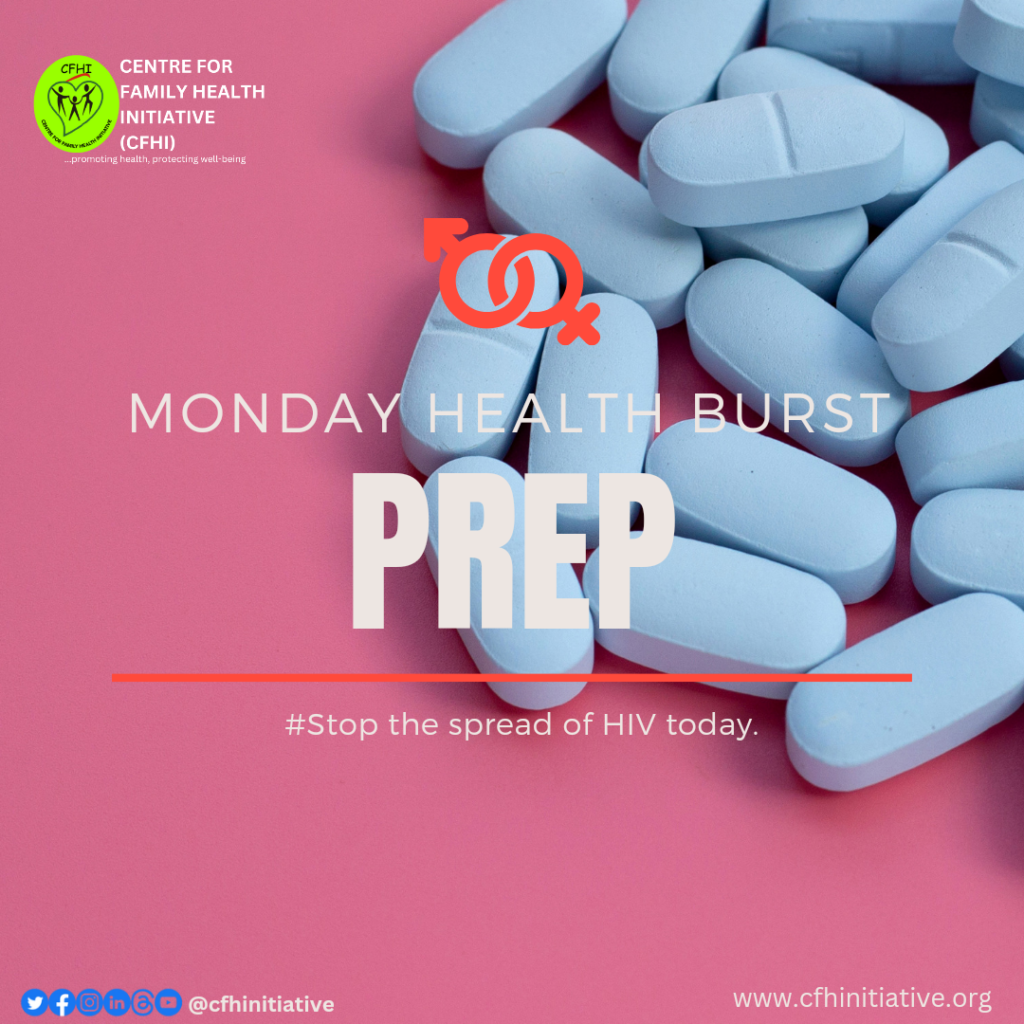
According to Centre for Disease Control (CDC), PrEP is the medicine people at risk for HIV take to prevent getting HIV from sex or injection drug use. When taken as prescribed, PrEP is highly effective for preventing HIV.

PrEP is advisable if one tests negative for HIV, yet has had unprotected sex (oral or vaginal) in the past 6 months with a sexual partner who is living with HIV/AIDs; had unprotected sex (oral or vaginal) in the past 6 months without consistently using condom; had unprotected sex (oral or vaginal) in the past 6 months and have been diagnosed with an STD; shares needles, syringes, or other equipment to inject drugs used by someone who is HIV positive; and someone who has been prescribed PEP (post-exposure prophylaxis) and report continued risk behaviour, or have used multiple courses of PEP.

According to research, PrEP reduces the risk of getting HIV from sex by about 99%, reduces the risk of getting HIV from injection drug use by at least 74%. However, PrEP is less effective when not taken as prescribed.

Aside HIV, there are other sexually transmitted diseases. Since PrEP only protects against HIV, condom use is still important for the protection against other STDs. Condom use is also important to help prevent HIV if PrEP is not taken as prescribed. Anyone considering PrEP should consult a doctor. Let’s stop HIV together.

#MondayHealthBurst #HIVAIDSPrevention #HealthForAll #PrEP CDC World Health Organization (WHO) PEPFAR Vietnam


MONDAY HEALTH BURST ON POST- EXPOSURE PROPHYLAXIS Read More »

4GATES Closeout meeting FY22

4GATES Project Closeout Meeting

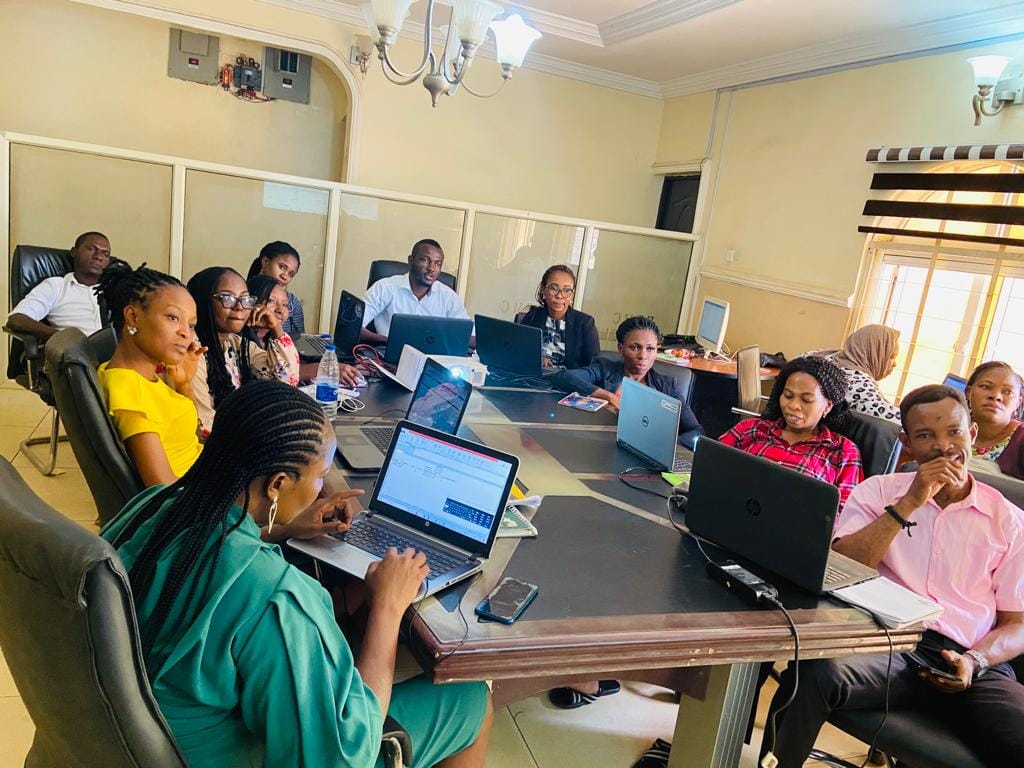
Centre for Family Health Initiative (CFHI) in collaboration with Catholic Caritas Foundation of Nigeria (CCFN) have been implementing the Global Action Towards HIV Epidemic Control in Subnational Units (4GATES) project across different communities in Owerri West, Owerri North, Owerri Municipal and Mbaitoli Local Government Areas (LGAs) in Imo State. 

As the project is winding up, a closeout meeting was held on 16th September, 2022 at Owerri Municipal Council with all key stakeholders present. 

Success stories of various interventions from all four thematic areas were shared, including interventions to support beneficiaries attain viral suppression, provision of emergency food and medical support, engagement of beneficiaries in psychosocial activities, payments of examination fees and block granting (classroom desks, renovation of classrooms, et al.), empowerment for income generating activities and vocational skills training including presentation of business start-up kits. 

Following the presentation, the royal father of the day, HRH Eze Engr. Samuel O. Ugboaja (Uba 1 of Ubahaeze) expressed his deep-seated delight that his people are beneficiaries of all the notable achievements being narrated such as the vocational skills training and provision of start-up kits like sewing machine, baking equipment, hair dressing materials.

Furthermore, he referred to the success story of the little child that recovered from Marasmic Kwashiorkor after CFHI and CCFN intervened, likening the picture to what they saw during the war. He concluded by saying that “I haven’t seen such organization that takes health issues as serious as you did for that little child and for all your services and interventions, the Almighty God will bless CFHI”.

Other stakeholders like the Women Leaders, expressed delight for the achievements of the project mentioning particularly the weekly contribution by the Village Savings and Loan Association (VSLA) which has helped a lot of vulnerable community women in their businesses. 

The stakeholders promised to ensure the sustenance of the interventions, especially the VSLA groups which has contributed as a pillar to most of the small businesses managed by the community members.

In attendance were the traditional ruler of Ubahaeze Orodo in Mbaitoli LGA (HRH Eze Engr. Samuel O. Ugboaja), representatives of the Sole Administrators of the LGAs, the Directors of Admin and General Services, Directors of Social Welfare of 3 LGAs, representatives of the CPCs, selected beneficiaries (Caregivers and VCs) and a representative of CCFN.


4GATES Project Closeout Meeting Read More »

Speak Wednesday

WOMEN AND GIRLS, HIV/AIDS

WOMEN AND GIRLS, HIV/AIDS

HIV (Human Immunodeficiency Virus) is a sexually transmitted infection (STI) which can be transmitted through contact with infected blood, semen or vaginal fluids.

According to AVERT (2020), since the start of the global HIV epidemic, women in many regions have been disproportionately affected by HIV. Today, women constitute more than half of all people living with HIV, and AIDS-related illnesses remain the leading cause of death for women aged between 15 and 49. Young women (aged 15-24), and adolescent girls (aged 10-19) in particular, account for a disproportionate number of new HIV infections. In 2017, 7,000 adolescent girls and young women became HIV-positive. This is a far higher rate than new infections among young men, with young women twice as likely to acquire HIV as their male peers.

Also AVERT (2020) states that in sub-Saharan Africa, despite making up just 10% of the population, one out of every five new HIV infections happens among adolescent girls and young women. In the worse-affected countries, 80% of new HIV infections among adolescents are among girls, who are up to eight times more likely to be living with HIV than adolescent boys. It is estimated that around 50 adolescent girls die every day from AIDS-related illnesses. Nigeria has the second largest HIV epidemic in the world. Although HIV prevalence among adults is much less (1.3%) than other sub-Saharan African countries such as South Africa (19%) and Zambia (11.5%), the size of Nigeria’s population means 1.8 million people were living with HIV in 2019. According to United Nations AIDS (UNAIDS), Nigeria has the second largest HIV epidemic in the world and one of the highest rates of new infection in sub-Saharan Africa.

In the article “How does HIV/AIDS affect women” by the National Institute of Child Health and Human Development (2017), HIV disproportionately affects women and girls because of their unequal cultural, social and economic status in society. HIV is most often spread through sex. Women may be at greater risk of being infected with HIV during sexual contact than men are. This is because the fragile tissues of the female ex organ can tear slightly during sex and let the virus enter the body. (This is especially likely among girls under age 18.) Studies show that the female sex organ due its large surface is easily exposed to the virus, thus increasing risk of infection and most women around the world who have HIV were mostly infected through sex with a man.

Furthermore, unaccommodating attitudes towards sex outside of marriage and the restricted social autonomy of women and young girls can reduce their ability to access sexual health and HIV services. Other factors as opined by AVERT (2020) which have contributed to this disparity include; poverty, lack of access to education, gender-based violence, “sugar-daddy culture” and transactional sex, child marriage, etc. Intimate partner violence, inequitable laws and harmful traditional practices reinforce unequal power dynamics between men and women, with young women particularly disadvantaged. HIV is not only driven by gender inequality, but it also entrenches gender inequality, leaving women more vulnerable to its impact.

A call for new approaches to reducing HIV rates among women is highly encouraged at this stage. Firstly, more efforts should be geared towards a universal access to sexual and reproductive health for women and girls. Secondly, increased public awareness campaigns for gender equality that stigmatize violence and discrimination against women and girls and the use of female-controlled prevention methods should be encouraged.

However, CFHI through her HIV/AIDS based programs and its social media platforms has continually advocated and still continues to advocate for the Sexual and Reproductive Health and Rights (SRHRs) of women and girls whilst providing and catering to the special needs of women and girls with HIV/AIDS and Orphans and Vulnerable Children in the society.


Speak Wednesday is an initiative of Centre for Family Health Initiative (CFHI) to address issues around gender-based violence and gender bias. Join us every Wednesday on all our social media platforms for more interesting episodes.

Speak Wednesday Read More »

MONDAY HEALTH BURST

MONDAY HEALTH BURST –  HIV/AIDS (INTRODUCTION)

HIV (Human Immunodeficiency Virus) is a sexually transmitted infection (STI) which can be transmitted through contact with infected blood, semen or vaginal fluids. According to Institute of Human Virology, AIDS (Acquired Immune Deficiency Syndrome) is the final and most serious stage of HIV disease, which causes severe damage to the immune system, leaving the body vulnerable to a variety of life-threatening illnesses like Cancer.

Centre for Disease Control (CDC) reports that about 47 million people worldwide have been infected with HIV since the start of the epidemic, and it is the fifth leading cause of death among persons between ages 25 and 44 in the United States. According to United Nations AIDS (UNAIDS), Nigeria has the second largest HIV epidemic in the world and one of the highest rates of new infection in sub-Saharan Africa. Also in 2019 alone, 45,000 people died from AIDS-related illnesses in Nigeria.

There are several means of HIV transmission like the mother to child during pregnancy, childbirth or breast-feeding, but the most common ways that HIV is passed from person to person include sexual contact with infected persons and sharing of needles or syringes. In recent times, a cure has been said to be found from stem cell therapy according to researchers from University College London, but this is not widely used yet. So, medications are used to dramatically slow the progression of the disease.

Monday Health Burst is an initiative of Centre for Family Health Initiative (CFHI) to tackle issues of basic health concerns. Join us next week for details on HIV/AIDS prevention, care, and CFHI’s intervention in curbing this menace.
#WorldAIDSDay2020.

MONDAY HEALTH BURST Read More »