https://www.who.int/health-topics/vaccines-and-immunization#tab=tab_1

IMPORTANCE OF VACCINES

Vaccines are one of the most effective tools we have to prevent infectious diseases and safeguard public health. They have played a crucial role in reducing the burden of numerous illnesses, preventing millions of deaths globally, and improving overall quality of life.1 Despite their proven benefits, there can be misconceptions and hesitancy surrounding vaccines. Understanding the importance of vaccines is essential for promoting individual and community well-being.

1. Disease Prevention

Vaccines are designed to stimulate the immune system to recognize and fight specific pathogens, such as viruses or bacteria. By receiving a vaccine, the body can develop immunity against these pathogens without experiencing the full-blown disease. This process not only protects vaccinated individuals but also helps to prevent the spread of infectious diseases within communities.

2. Eradication and Control of Diseases

Historically, vaccines have been instrumental in eradicating or significantly reducing the prevalence of infectious diseases. For instance, smallpox was eradicated globally through vaccination efforts, and diseases like polio and measles have been controlled in many parts of the world due to widespread vaccination campaigns.

3. Protecting Vulnerable Populations

Vaccination is especially important for vulnerable populations, including infants, elderly individuals, and those with weakened immune systems. These individuals are at higher risk of severe complications from vaccine-preventable diseases. Vaccinating a significant portion of the population creates “herd immunity,” which helps protect those who cannot be vaccinated due to medical reasons. 

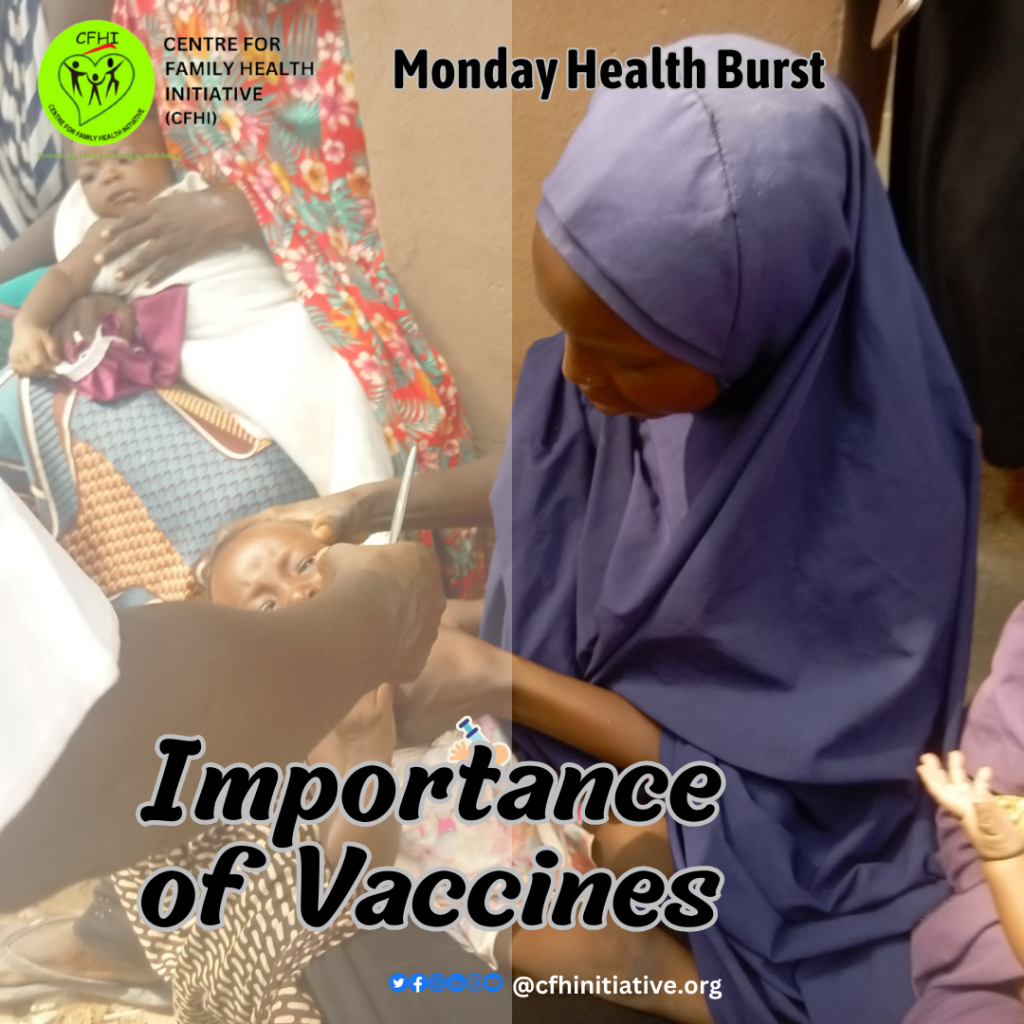
Angwan Guragu, Karonmajiji, locally known as Unguwar Guragu, translating to “a community of disabled people,” comprises of closely packed shanties accommodating over 500 vulnerable inhabitants with diverse disabilities. On April 25, in commemoration of World Immunization week 2023, Centre for Family Health Initiative (CFHI) partnered with the Primary Healthcare Center in Angwan Guragu, Karonmajiji to conducted a comprehensive program that included awareness sessions, immunization, and vaccination services aimed at addressing the healthcare needs of this population comprehensively, with a focus on prevention, education, and empowerment, ultimately leading to improved health outcomes and quality of life for this vulnerable group. Over 50 individuals, including both adults and children, benefited from this initiative, ensuring they received essential vaccinations to protect against preventable diseases. This collaborative effort highlights the importance of community engagement and healthcare partnerships in promoting immunization and safeguarding public health.

4. Prevention of Outbreaks

Vaccines play a critical role in preventing disease outbreaks. When vaccination rates decline, as seen in certain communities with vaccine hesitancy, outbreaks of vaccine-preventable diseases can occur. Recent measles outbreaks in various parts of the world highlight the consequences of falling vaccination rates.

5. Cost-Effective Public Health Measure

Vaccination programs are highly cost-effective compared to the costs associated with treating infectious diseases. Vaccinating individuals against preventable diseases reduces healthcare expenditures related to hospitalizations, treatments, and long-term care for complications.

Vaccines are a cornerstone of public health, saving countless lives and preventing widespread suffering. Emphasizing the importance of vaccination through education, access to vaccines, and strong public health policies is essential for protecting individuals and communities from infectious diseases. By ensuring high vaccination rates and addressing vaccine hesitancy, we can continue to reap the benefits of vaccines and build healthier societies.

Join CFHI’s “Monday Health Burst” initiative on all social media platforms for weekly discussions on basic health concern.

References.

https://www.who.int/health-topics/vaccines-and-immunization#tab=tab_1

https://www.cdc.gov/vaccinesafety/ensuringsafety/history/index.html
https://www.who.int/news/item/16-11-2023-global-measles-threat-continues-to-grow-as-another-year-passes-with-millions-of-chil


IMPORTANCE OF VACCINES Read More »

VACCINE PREVENTABLE DISEASES

Millions of lives are saved annually by vaccination, making it a success story in global health and development. Vaccines lower the chance of contracting an illness by enhancing your body’s defenses against infection.1

Vaccination also reduces the risk of spreading the diseases among family members, school mates or colleagues, friends and neighbours, as well as to other people in the community.2 However, despite their proven efficacy, vaccine-preventable diseases (VPDs) continue to pose significant challenges globally, underscoring the importance of vaccination efforts.

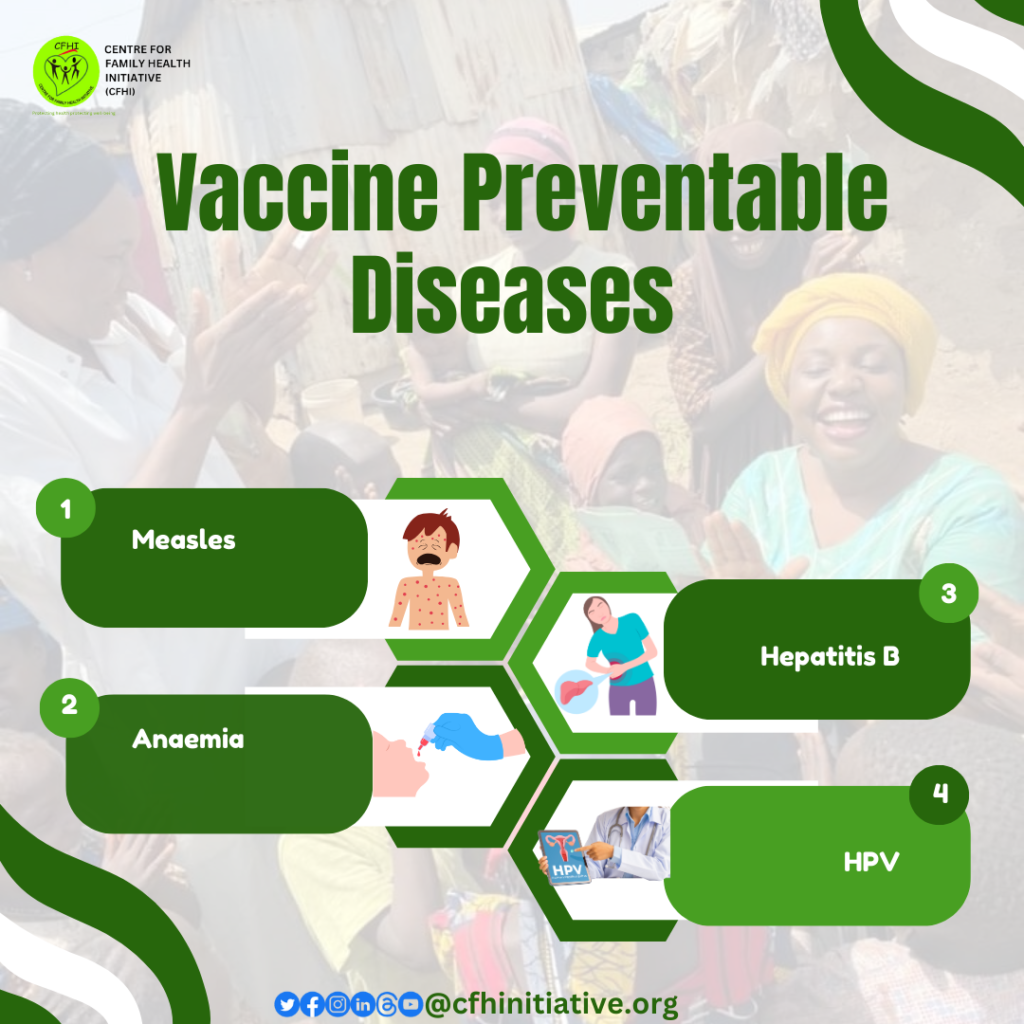
VPDs are illnesses that can be effectively prevented through vaccination. These diseases range from relatively common infections like influenza and measles to more severe conditions such as polio and hepatitis. While some VPDs have been largely eradicated in certain regions due to successful vaccination campaigns, others remain prevalent, particularly in areas with limited access to healthcare and vaccination programs.

Measles, for example, once considered eliminated in many developed countries, has seen a resurgence in recent years due to gaps in vaccine coverage and hesitancy.3 The highly contagious nature of measles underscores the importance of high vaccination rates to achieve herd immunity, protecting vulnerable populations such as infants who are too young to be vaccinated and individuals with compromised immune systems.

Polio serves as another stark reminder of the importance of vaccination. While significant progress has been made in reducing polio cases globally, the disease remains endemic in a few countries. Efforts to eradicate polio entirely continue, highlighting the necessity of sustained vaccination efforts and international cooperation. In Nigeria, the Nigeria Polio Lab Sample Transport (PLST) Project sought to contribute to Goal 2 – Stop poliovirus transmission and prevent outbreaks in non-endemic countries – of the Global Polio Eradication Strategy 2022 -2026. It focused on increasing the speed of detection and precision surveillance system.4, 5.

Influenza, commonly known as the flu, poses a yearly challenge due to its ability to mutate rapidly, necessitating annual vaccination campaigns. While influenza vaccines may not offer complete immunity, they significantly reduce the severity of illness and lower the risk of complications, especially among vulnerable populations such as the elderly and individuals with chronic health conditions.6

Hepatitis B and human papillomavirus (HPV) vaccines represent notable advancements in preventing certain types of cancer. Hepatitis B vaccination at birth has significantly reduced the incidence of chronic hepatitis B infection and liver cancer, while HPV vaccination has led to a decrease in HPV-related cancers, including cervical cancer. In 2023, CFHI with support from the National Primary Healthcare Development Agency (NPHCDA), Women Advocates for Vaccine Access (WAVA), and other stakeholders, trained and equipped 10 Human Papillomavirus (HPV) vaccine champions from Kurudu ward in Bwari Area Council on demand generation, sensitization, and referral for HPV Vaccine Uptake in Kurudu Community. As of December 2023, about 4000 people were sensitized, and 2300 girls were mobilized for HPV vaccination in Kurudu ward.7

Vaccine hesitancy, fueled by misinformation and mistrust, poses a significant obstacle to achieving optimal vaccine coverage. Addressing vaccine hesitancy requires comprehensive public health education efforts to dispel myths and misconceptions, build trust in vaccines, and emphasize their safety and efficacy based on scientific evidence.

Furthermore, ensuring equitable access to vaccines is essential to reducing disparities in disease burden and achieving global health security. Efforts to improve vaccine distribution infrastructure, strengthen healthcare systems, and address socioeconomic barriers are critical in reaching underserved communities and achieving universal vaccine coverage.
Join CFHI’s “Monday Health Burst” initiative on all social media platforms for weekly discussions on basic health concern.

References:

https://www.who.int/health-topics/vaccines-and-immunization#tab=tab_1

https://www.ecdc.europa.eu/en/vaccine-preventable-diseases

https://www.who.int/health-topics/vaccines-and-immunization#tab=tab_1

https://www.cfhinitiative.org/ongoing-projects/

https://www.cfhinitiative.org/media-releases/annual-reports/cfhi-annual-report-2022-2/

https://www.who.int/news/item/29-11-2018-measles-cases-spike-globally-due-to-gaps-in-vaccination-coverage

https://www.who.int/news-room/fact-sheets/detail/influenza-(seasonal)


VACCINE PREVENTABLE DISEASES Read More »