#UNICEF

WORLD DAY AGAINST CHILD LABOUR

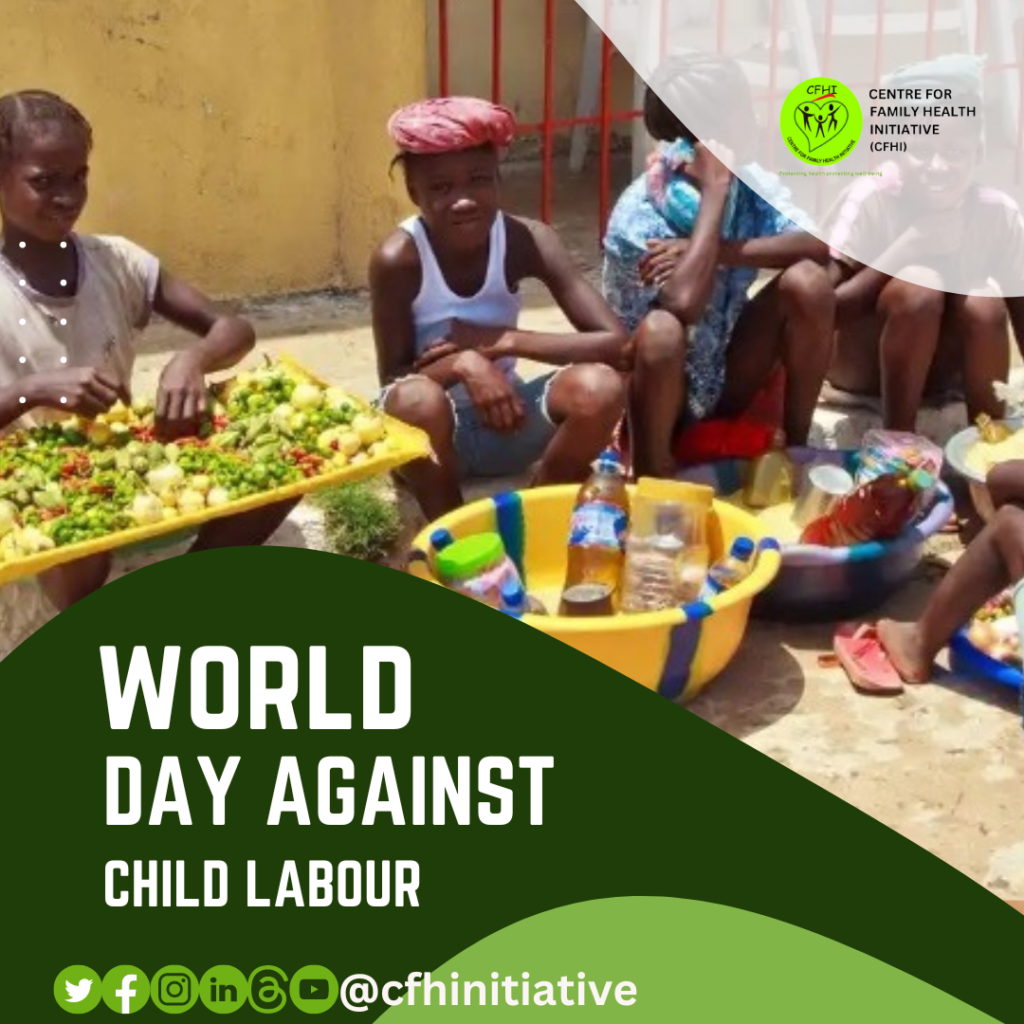
Every year, on June 12th, the world comes together to recognize World Day Against Child Labour, a day dedicated to raising awareness about the plight of child labourers globally and encouraging actions to eliminate this scourge. This year, the theme, “Let’s Act on Our Commitments: End Child Labour!” calls upon governments, organizations, and individuals to reaffirm their pledges and take concrete steps toward eradicating child labour.

Child labour is defined by the International Labour Organization (ILO) as work that is mentally, physically, socially, or morally dangerous and harmful to children. It deprives them of the opportunity to attend school and impedes their overall development. As per Business Insider (2018), child labour not only denies children their right to education but also exposes them to severe human rights violations, including sexual assault, human trafficking, and exploitation by drug dealers and armed groups.

An estimated 218 million children worldwide, aged between 5 and 17, are engaged in labour, with 152 million of them working under hazardous conditions. These children toil away in fields, factories, and homes, sacrificing their childhood and their future for survival.

In today’s reality, poverty remains a significant driver of child labour, especially in countries like Nigeria. Children are often forced to toil in harsh conditions to support their families, becoming the primary breadwinners. This harsh reality not only perpetuates the cycle of poverty but also compounds social inequality and discrimination.

While constructive activities like helping with light housework or taking on part-time jobs during school breaks can benefit children, child labour starkly contrasts by severely restricting access to education and impeding a child’s physical, mental, and social growth. For girls, the situation is even more dire, as they bear the “triple burden” of school, work, and household chores, heightening their risk of falling behind and increasing their vulnerability to poverty and exclusion.

On this day, CFHI joins the global community in reminding us that there is no justification for child labour. CFHI actively engages in awareness campaigns, educational programs, and advocacy efforts to highlight the dangers of child labour and champion systemic changes that safeguard vulnerable children from exploitation.

As UNICEF aptly puts it, “There is no reason, there is no excuse. Child labour is child abuse.” By acting on our commitments and working together, we can ensure that every child enjoys a childhood free from labour, filled with education, play, and the promise of a brighter future.
 

WORLD DAY AGAINST CHILD LABOUR Read More »
4GATES Closeout meeting FY22

4GATES Project Closeout Meeting

Centre for Family Health Initiative (CFHI) in collaboration with Catholic Caritas Foundation of Nigeria (CCFN) have been implementing the Global Action Towards HIV Epidemic Control in Subnational Units (4GATES) project across different communities in Owerri West, Owerri North, Owerri Municipal and Mbaitoli Local Government Areas (LGAs) in Imo State. 

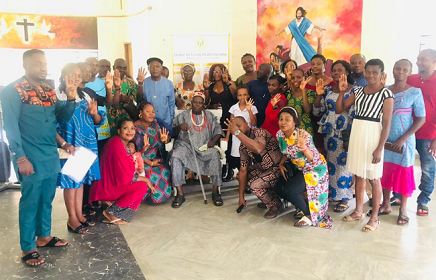
As the project is winding up, a closeout meeting was held on 16th September, 2022 at Owerri Municipal Council with all key stakeholders present. 

Success stories of various interventions from all four thematic areas were shared, including interventions to support beneficiaries attain viral suppression, provision of emergency food and medical support, engagement of beneficiaries in psychosocial activities, payments of examination fees and block granting (classroom desks, renovation of classrooms, et al.), empowerment for income generating activities and vocational skills training including presentation of business start-up kits. 

Following the presentation, the royal father of the day, HRH Eze Engr. Samuel O. Ugboaja (Uba 1 of Ubahaeze) expressed his deep-seated delight that his people are beneficiaries of all the notable achievements being narrated such as the vocational skills training and provision of start-up kits like sewing machine, baking equipment, hair dressing materials.

Furthermore, he referred to the success story of the little child that recovered from Marasmic Kwashiorkor after CFHI and CCFN intervened, likening the picture to what they saw during the war. He concluded by saying that “I haven’t seen such organization that takes health issues as serious as you did for that little child and for all your services and interventions, the Almighty God will bless CFHI”.

Other stakeholders like the Women Leaders, expressed delight for the achievements of the project mentioning particularly the weekly contribution by the Village Savings and Loan Association (VSLA) which has helped a lot of vulnerable community women in their businesses. 

The stakeholders promised to ensure the sustenance of the interventions, especially the VSLA groups which has contributed as a pillar to most of the small businesses managed by the community members.

In attendance were the traditional ruler of Ubahaeze Orodo in Mbaitoli LGA (HRH Eze Engr. Samuel O. Ugboaja), representatives of the Sole Administrators of the LGAs, the Directors of Admin and General Services, Directors of Social Welfare of 3 LGAs, representatives of the CPCs, selected beneficiaries (Caregivers and VCs) and a representative of CCFN.


4GATES Project Closeout Meeting Read More »

MHB Viral Hepatitis

Viral Hepatitis – Overview

Hepatitis is an inflammation of the liver caused by a variety of infectious viruses and non-infectious agents leading to a range of health problems which could result in fatality. There are five main strains of the hepatitis virus, referred to as types A, B, C, D and E and they all cause liver disease. However, they differ in significant ways such as modes of transmission, severity of the illness, geographical distribution and prevention methods.

Viral hepatitis B and C leads to chronic disease in hundreds of millions of people and together are the most common cause of liver cirrhosis, liver cancer and viral hepatitis-related deaths.

According to World Health Organization (WHO), about 354 million people worldwide live with hepatitis B or C, and for most, testing and treatment remain beyond reach and in 2019, approximately 290 000 people died from hepatitis C.

Viral Hepatitis types are contacted through ingestion of contaminated food or water, unsafe contact with infected body fluids, receipt of contaminated blood or blood products, Mother-child transmission, sexual contact etc. Symptoms may be mild or severe at the onset of the infection.

Some types of hepatitis are preventable through vaccination while there is currently no effective vaccine against hepatitis C. Hepatitis if not treated with caution at the early stage will progress to cirrhosis and other chronic conditions of the liver.

WHO’s global hepatitis strategy, aims to reduce new hepatitis infections by 90% and deaths by 65% between 2016 and 2030.


#hepatitis #who #liverdiseases #livercirrhosis #mondayhealthburst #cfhi #unfpa #unicef

Viral Hepatitis – Overview Read More »

Immunization Week 2022 at Chikakore Community Abuja

World Immunization Week 2022-Long Life for All

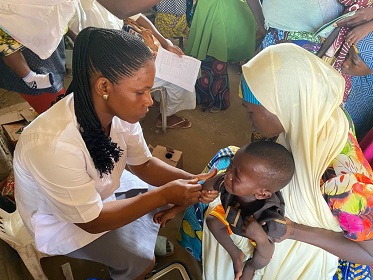
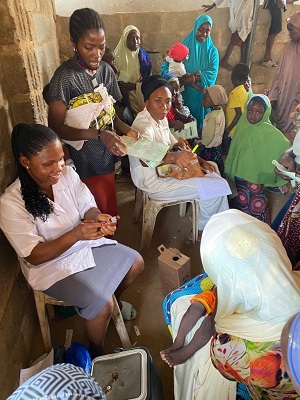
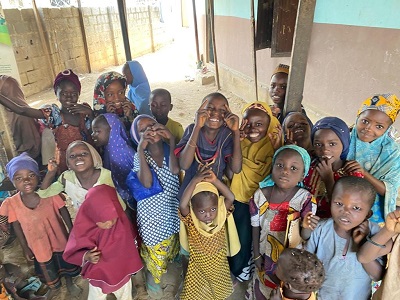
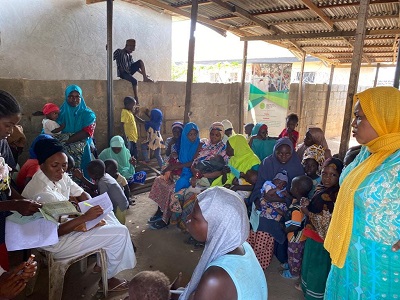
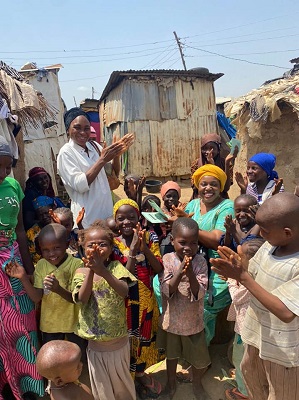
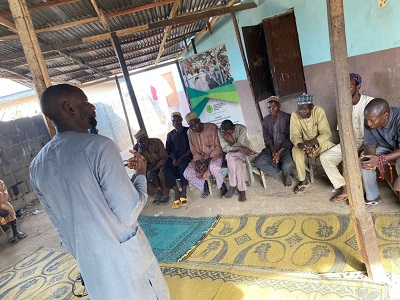
In commemoration of World Immunization Week, Centre for Family Health Initiative has been in Chikakore community, Abuja, speaking with community stakeholders, religious leaders, and mothers about the importance of vaccine in achieving a healthy society. This is because, according to report, the community dwellers’ response to vaccination has been very poor. Hence, the need for sensitization and vaccination of infants.
 
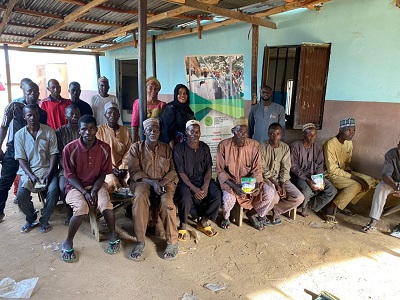
During the community stakeholders’ meetings, some participants mentioned the use of herbs in the community in preventing diseases, as part of the reasons for not embracing immunization. Others said it is due to side effects resulting from vaccines intake. However, at the end, all participants pledged to support and promote immunization in Chikakore community, Abuja.
 
We believe that behavioural change is achievable when there is access to the right information. All eligible infants are being vaccinated and all malnourished children are provided access to care.
 
World immunization Week 2022
2022 World Immunization Week2
Immunizationn week 2022

World Immunization Week 2022-Long Life for All Read More »

Movement to End FGM Event in Abuja

Movement for Good to End Female Genital Mutilation

Happening now is the Movement for Good to End Female Genital Mutilation (FGM) in Nigeria, organised by Federal Ministry of Women Affairs, Nigeria in partnership with UNICEF Nigeria, United Nations, UNFPA Nigeria, and other development partners.
 
With our collective efforts, we are sure to achieve zero FGM cases in Nigeria by 2030.
 
Movement for Good to End FGM Event

Movement for Good to End Female Genital Mutilation Read More »

Protecting Well-being: Vaccination

The Centers for Disease Control and Prevention (CDC) recommends vaccinations throughout one’s life to protect them against many infectious diseases. When vaccines are skipped, one is left vulnerable to illnesses such as shingles, pneumococcal disease, flu, and human papilloma virus (HPV) and hepatitis B, both leading causes of cancer.

What exactly is vaccination? According to Wikipedia, Vaccination is the administration of a vaccine to help the immune system develop protection from disease. Vaccines contain a microorganism or virus in a weakened, live or killed state, or proteins or toxins from the organism. They work with your body’s natural defenses to build protection.

According to the World Health Organization (WHO), “Each year, vaccines prevent 2 to 3 million deaths every year. An additional 1.5 million deaths could be avoided, however, if global vaccination with a vaccine for the purpose of inducing immunity coverage improves.

Getting vaccinated is important for at least two reasons: to protect oneself and those around you. Currently, vaccines are the best ways we have to prevent infectious disease, these diseases can result in severe complications and sometimes death. Vaccination has been one of our most successful tools for protecting the public’s health. If one vaccinates, they contribute to wiping out diseases that could spread now and into the future.

The United Nations Children Funds (UNICEF) states that, if all children were vaccinated with the existing vaccines, at least 25 million lives could be saved. Children who get vaccinated are protected from serious illness and complications of vaccine-preventable diseases which most often include: paralysis of limbs, hearing loss, convulsions, amputation of an arm or leg, brain damage, and death.

Thanks to the emergence of vaccines, diseases could have been imported and quickly spread through a population, leading to epidemics. According to WHO, between 2000 and 2017, vaccination reduced global deaths from measles, a contagious viral disease marked by fever, the eruption of red circular spots on the skin that can be deadly to young and weakened individuals by 80% worldwide (preventing an estimated 21.1 million deaths). Vaccines have led to large reductions in illness and death—for both the young and old alike.

Recently, the world was brought to its knees with a global pandemic, Corona Virus that killed over 3,035,109 (according to Worldometers.info) globally. To reduce this death toll rate, vaccines have been developed by scientists. These vaccines are critical in combating against COVID 19; it is really encouraging to see so many vaccines proving successful. On the 2nd of March 2021, Nigeria received nearly 4 million doses of the COVID 19 vaccine. The arrival of the vaccine marked a historic step towards the goal to secure an equitable distribution of COVID 19 globally.  It is therefore imperative for everyone to get vaccinated to stop the spread of the virus and bring it to its end.

Getting vaccinated costs less than getting treated for the diseases that the vaccines protect you from. However, much work still needs to be done as indicated by WHO “far too many people around the world – including nearly 20 million infants each year – have insufficient access to vaccines”.

Monday Health Burst is an initiative of Centre for Family Health Initiative (CFHI) to tackle issues of basic health concerns. Join us every Monday for more health-related articles on all our social media platforms

Protecting Well-being: Vaccination Read More »