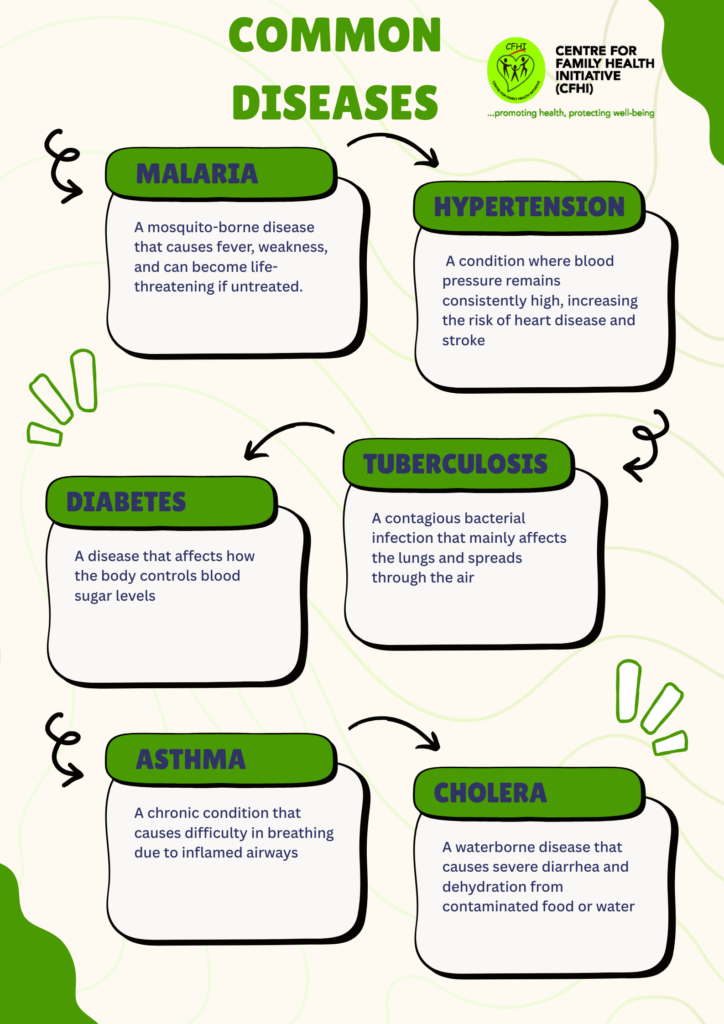
Diseases remain one of the leading causes of illness, disability, and death across the world. Common diseases such as malaria, diabetes, hypertension, tuberculosis, respiratory infections, heart disease, and diarrheal illnesses continue to affect millions of people yearly, especially in low- and middle-income countries. While some diseases are infectious and spread from person to person, others develop gradually due to unhealthy lifestyles, environmental conditions, and genetic factors.
According to the World Health Organization, noncommunicable diseases (NCDs) such as heart disease, stroke, cancer, diabetes, and chronic respiratory diseases account for about 74% of deaths globally. In 2021 alone, at least 43 million people died from NCDs worldwide. (World Health Organization) Cardiovascular diseases remain the leading cause of death, responsible for nearly 19.8 million deaths globally in 2022. (World Health Organization)
Infectious diseases also continue to pose major health threats. Diseases such as malaria, tuberculosis, HIV/AIDS, cholera, influenza, and pneumonia spread through contaminated food and water, mosquito bites, poor sanitation, and close human contact. Health experts explain that people with weak immune systems, poor nutrition, chronic illnesses, and inadequate healthcare access are at higher risk of developing severe infections. (Mayo Clinic)
Several factors increase the risk of common diseases. These include:
- Poor hygiene and sanitation
- Lack of vaccination and immunization
- Unhealthy diet and physical inactivity
- Tobacco and alcohol use
- Air pollution and unsafe environments
- Poverty and limited healthcare access
- Stress and poor mental health
- Weak immune systems and underlying illnesses
Research shows that unhealthy diets, tobacco use, physical inactivity, harmful alcohol consumption, and air pollution are among the top risk factors contributing to many chronic diseases globally. (World Health Organization)
Common Myths About Diseases
| Myth | Fact |
| Only older people develop chronic diseases | Young people and children can also develop diseases like diabetes, hypertension, and heart disease. |
| Vaccines are not necessary | Vaccines help prevent many deadly and preventable diseases. |
| If symptoms disappear, the disease is gone | Some diseases can remain hidden and return if not properly treated. |
| Infectious diseases only affect poor communities | Anyone can contract infectious diseases regardless of status or location. |
Signs and Symptoms of Common Diseases
Some warning signs people should never ignore include:
- Persistent fever
- Difficulty breathing
- Unexplained weight loss
- Frequent headaches
- Severe tiredness
- Chest pain
- Continuous cough
- Diarrhea or vomiting lasting several days.
- High blood pressure
- Frequent urination and excessive thirst
Early detection and treatment significantly improve survival and recovery rates.
Prevention Tips
People can reduce their risk of common diseases by:
- Washing hands regularly
- Eating balanced and nutritious meals
- Exercising frequently
- Avoiding smoking and excessive alcohol use
- Sleeping under insecticide-treated mosquito nets
- Going for regular medical check-ups
- Taking vaccines when due
- Drinking clean water and maintaining proper sanitation
- Seeking medical attention early when symptoms appear
Call to Action
Health is a shared responsibility. Preventing common diseases begins with awareness, healthy choices, and timely medical care. Individuals, families, communities, governments, and organizations must work together to strengthen healthcare systems, promote healthy lifestyles, and ensure equitable access to healthcare services. By taking preventive actions today, we can reduce the burden of disease and build healthier communities for future generations.
References
- World Health Organization – Noncommunicable Diseases
- WHO Cardiovascular Diseases Fact Sheet
- CDC Risk Factors for Diseases
- Mayo Clinic – Infectious Diseases
- Cleveland Clinic – Infectious Diseases Overview