Sanitation

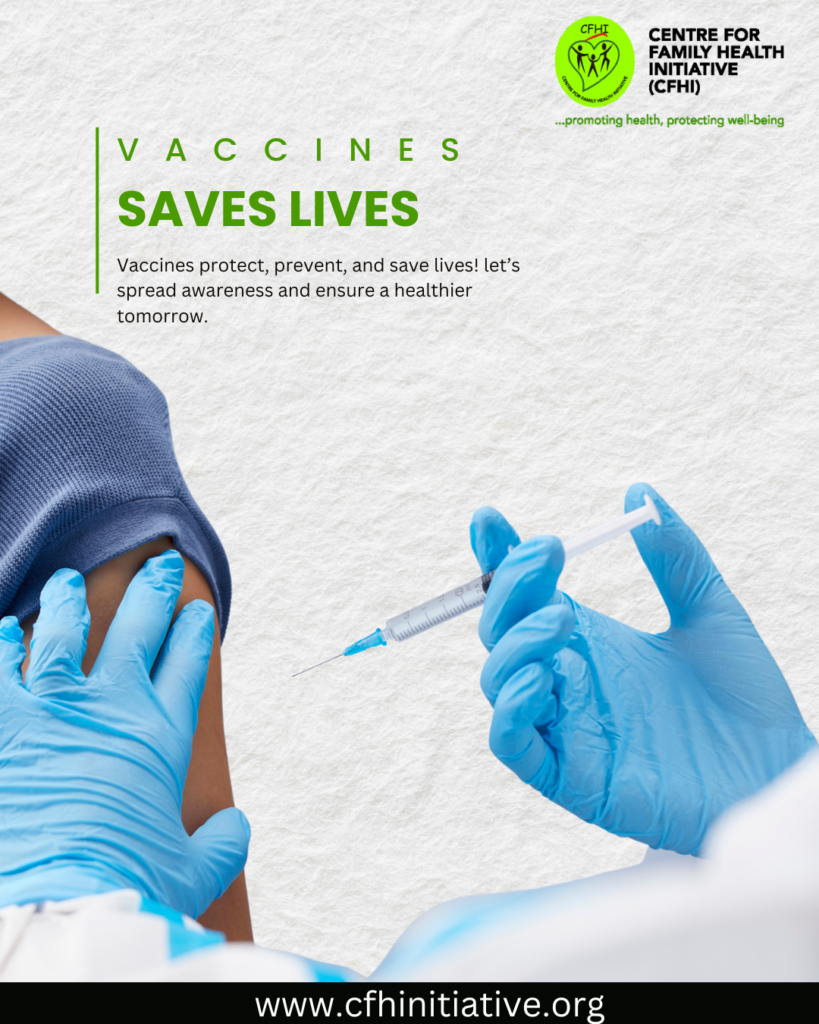
VACCINES SAVE LIVES

Vaccination is one of the greatest achievements in public health, and the statement “vaccines save lives” is far more than a slogan it is a reality backed by decades of scientific evidence, global data, and measurable impact across countries and generations. Vaccines protect individuals and communities by preventing illness, disability, and death from infectious diseases such as measles, polio, tetanus, and influenza. According to the World Health Organization, immunization prevents between 3.5 and 5 million deaths every year worldwide [1], while the Centers for Disease Control and Prevention estimates that about 4 million deaths are prevented annually through childhood vaccination alone [2]. These are not projections they are outcomes already achieved through consistent global efforts.

Looking over a longer period, the scale of impact becomes even more striking. In the past 50 years, vaccination programmes have saved approximately 154 million lives globally [3], which translates to about six lives saved every minute [4]. Most of these lives around 95 percent are children under the age of five [5], highlighting the critical role vaccines play in child survival. Measles vaccination alone accounts for nearly 94 million lives saved [3], demonstrating how a single vaccine can transform global health outcomes. These figures are supported by extensive research, including studies published in The Lancet, which consistently confirm the enormous contribution of immunization to reducing mortality and improving life expectancy worldwide [6].

Vaccines work by training the body’s immune system to recognize and fight harmful pathogens before they cause disease, providing protection that is both effective and long-lasting. Their benefits extend beyond individual protection to entire populations. By reducing disease transmission, vaccines create herd immunity, protecting even those who cannot be vaccinated. They prevent outbreaks of deadly diseases, reduce the burden on healthcare systems, and generate significant economic returns saving up to $52 for every $1 invested in immunization programmes in low- and middle-income countries [2]. Over time, vaccines have contributed to a 40 percent reduction in global infant mortality [5], a remarkable achievement that underscores their importance in improving survival rates.

Diseases that once caused widespread fear and death have been brought under control or eliminated entirely due to vaccination. Smallpox, for example, has been eradicated globally, while polio is now on the verge of elimination after decades of sustained immunization efforts. These successes demonstrate what is possible when science, policy, and community engagement work together.

Despite these achievements, significant gaps in immunization coverage remain. An estimated 14.3 million children worldwide have never received a single dose of any vaccine, often referred to as “zero-dose” children [7]. Nigeria is among the countries with the highest number of unvaccinated children, highlighting a critical public health challenge that requires urgent attention [7]. In addition, measles vaccination coverage remains below optimal levels in many regions, leaving millions of children vulnerable to preventable disease outbreaks [7]. These gaps not only endanger lives but also risk reversing decades of progress.

Efforts to close these gaps are strengthened by global initiatives such as World Immunization Week, celebrated annually in the last week of April. Led by the World Health Organization, this campaign raises awareness about the importance of vaccines, promotes equitable access, and encourages governments and communities to prioritize immunization [8]. Themes such as “Immunization for All is Humanly Possible” emphasize the need to reach every child, everywhere, regardless of location or socioeconomic status.

At the national level, governments play a central role in ensuring vaccine access and uptake. In Nigeria, interventions such as the National Programme on Immunization (NPI), the integration of vaccines into primary healthcare services, and partnerships with global organizations have significantly improved immunization coverage. Campaigns targeting polio eradication and routine immunization have contributed to notable progress, but challenges remain. Reaching underserved communities, strengthening healthcare infrastructure, and addressing vaccine hesitancy require sustained investment and commitment.

Recent global disruptions, including the COVID-19 pandemic, have led to missed vaccinations and declining coverage in some areas, increasing the risk of disease outbreaks. Public health experts warn that without renewed efforts, diseases that were once under control could resurface, threatening lives and straining already burdened health systems. This makes it more important than ever to prioritize immunization as a cornerstone of public health.[9]

At the Centre for Family Health Initiative (CFHI), these gaps have been actively addressed through sustained, community-driven interventions aimed at improving immunization uptake over time. CFHI has implemented targeted vaccine awareness campaigns, strengthened community mobilization, and integrated immunization education into maternal, child health, and HIV service delivery platforms. Through consistent engagement with caregivers, community leaders, and health facilities, CFHI has contributed to reducing vaccine hesitancy, improving demand for routine immunization, and supporting last-mile access to life-saving vaccines in underserved communities. These efforts form part of CFHI’s broader commitment to strengthening primary healthcare systems and safeguarding children and vulnerable populations from vaccine-preventable diseases.[10]

Vaccines remain one of the most cost-effective, impactful, and scalable health interventions available today. However, their life-saving potential can only be realized when they reach the people who need them. Vaccines save lives but only when they are accessible, accepted, and administered on time. Individuals and families must ensure that children receive all routine immunizations according to schedule, while communities must promote accurate information and counter misinformation. Governments must increase funding for immunization programmes and strengthen healthcare systems, while organizations and partners must support outreach to underserved populations. Health workers, as trusted voices, must continue to advocate for vaccination and engage communities effectively.

No one should die from a disease that vaccines can prevent. The science is clear, the evidence is overwhelming, and the solution is within reach. Vaccines save lives and with collective action, they can save millions more.

References

  1. WHO – Vaccines and Immunization: https://www.who.int/health-topics/vaccines-and-immunization
  2. CDC – Global Immunization Fast Facts: https://www.cdc.gov/global-immunization/fast-facts
  3. WHO – 154 million lives saved: https://www.who.int/news/item/24-04-2024-global-immunization-efforts-have-saved-at-least-154-million-lives-over-the-past-50-years
  4. London School of Hygiene & Tropical Medicine – EPI impact
  5. UNICEF – Why vaccines matter: https://www.unicef.org/stories/why-vaccines-matter-children
  6. The Lancet Study on Immunization Impact
  7. WHO – Immunization Coverage Factsheet: https://www.who.int/news-room/fact-sheets/detail/immunization-coverage
  8. World Immunization Week Overview
  9. https://www.who.int/news/item/15-07-2022-covid-19-pandemic-fuels-largest-continued-backslide-in-vaccinations-in-three-decades?utm_source=chatgpt.com
  10. https://www.cfhinitiative.org/ending-hiv-stigma-community-support-beyond-world-aids-day/ 


VACCINES SAVE LIVES Read More »
Handwashing Prevents Disease

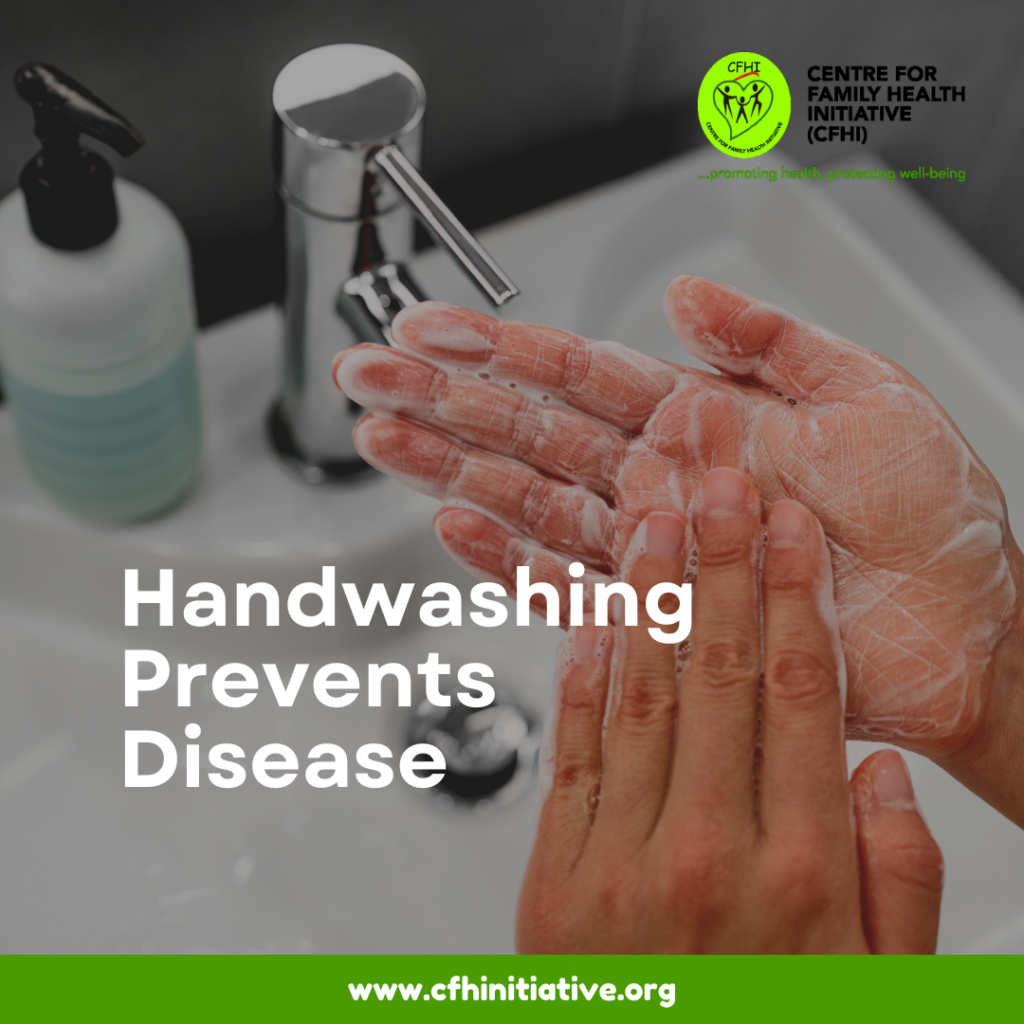
Handwashing with soap remains one of the most effective and affordable ways to prevent diseases and protect public health. According to the World Health Organization and global health partners, proper hand hygiene significantly reduces the spread of infectious diseases such as diarrhea, respiratory infections, and even emerging outbreaks [1]. Despite its simplicity, handwashing is often overlooked, contributing to millions of preventable illnesses and deaths worldwide.

Scientific evidence shows that unclean hands are a major pathway for disease transmission. Germs from faecal matter, contaminated surfaces, and respiratory droplets easily spread through touch, food handling, and person-to-person contact. Research indicates that a single gram of human faeces can contain up to one trillion germs, making proper hand hygiene critical in breaking the chain of infection [2]. Handwashing with soap has been shown to reduce diarrheal diseases by 23–40% and respiratory infections by up to 21% [3].

Globally, the burden of poor hand hygiene remains alarming. An estimated 2.3 billion people lack access to basic handwashing facilities with soap and water, while 1.7 billion still do not have basic hygiene services at home [4]. Additionally, nearly half of healthcare facilities worldwide lack proper hand hygiene services, putting patients at risk of infections [5]. Among children, poor hygiene contributes significantly to disease, with approximately 1.8 million children under five dying annually from preventable illnesses such as diarrhea and pneumonia conditions that proper handwashing could help reduce [6].

Various interventions have been implemented globally to promote hand hygiene. Organizations such as UNICEF and WHO continue to support handwashing campaigns, improve access to water and sanitation, and integrate hygiene education into schools and communities [1]. Community awareness programs, provision of handwashing facilities, and behavior change communication have proven effective in improving hygiene practices. Studies show that even a small investment less than $1 per person annually can significantly expand access to handwashing facilities and save hundreds of thousands of lives [7].

Our commitment to ‘Standing with Science’ was most evident during the height of the COVID-19 pandemic. Recognizing that awareness is only effective when paired with resources, CFHI conducted extensive sensitization and distribution drives across the FCT. This included critical interventions at the Kuje Prison in Abuja and various schools throughout the FCT, where we provided essential hygiene tools such as professional-grade hand sanitizers, liquid soaps, and specialized buckets and bowls with attached taps to facilitate contactless handwashing. This proactive approach ensured that the most vulnerable populations had the physical means to break the chain of infection.

In conclusion, handwashing is a simple yet powerful tool that everyone can practice daily. Individuals are encouraged to wash their hands regularly especially before eating, after using the toilet, and after contact with potentially contaminated surfaces. Governments and institutions must also invest in accessible hygiene facilities and promote behaviour change. By making handwashing a habit, we can prevent diseases, save lives, and build healthier communities. Clean hands are not just a personal responsibility they are a public health necessity.

References

  1. https://www.who.int/news-room/fact-sheets/detail/hand-hygiene
  2. https://www.cdc.gov/hygiene/about/index.html
  3. https://www.cdc.gov/hygiene/personal-hygiene/hands.html
  4. https://www.unicef.org/reports/state-worlds-handwashing-2021
  5. https://www.who.int/publications/i/item/9789240055445
  6. https://www.who.int/news-room/fact-sheets/detail/diarrhoeal-disease
  7. https://www.worldbank.org/en/news/feature/2020/04/22/handwashing-for-all-the-value-of-hand-hygiene-to-save-lives-and-economies


Handwashing Prevents Disease Read More »

Breaking Barriers to Quality Care for Women and Girls.

Breaking barriers to quality care for women and girls remains one of the most urgent global health priorities. Despite progress, millions of women still face obstacles in accessing essential healthcare services due to inequality, poverty, and weak health systems. According to the World Health Organization, at least half of the world’s population still lacks access to essential health services [1]. For women and girls, these gaps are even more pronounced, particularly in low- and middle-income countries where cultural norms, financial constraints, and limited infrastructure restrict access to care. Ensuring equitable healthcare is not only a moral obligation but a critical step toward sustainable development.

Maternal health remains a key indicator of these disparities. The United Nations reports that approximately 800 women die every day from preventable causes related to pregnancy and childbirth [2]. Many of these deaths occur due to lack of skilled birth attendants, poor access to emergency obstetric care, and delays in seeking treatment. In addition, adolescent girls face heightened risks due to early pregnancies and limited access to reproductive health education and services. Addressing these challenges requires targeted interventions that prioritize both prevention and timely access to quality care.

Several interventions have proven effective in breaking these barriers. Expanding access to primary healthcare, strengthening community health systems, and increasing the availability of skilled healthcare workers are essential steps. Programs that integrate maternal, newborn, and child health services, alongside nutrition, immunization, and gender-based violence prevention, have shown measurable impact. Organizations like the Centre for Family Health Initiative (CFHI) continue to implement community-based interventions, including health education, outreach services, and capacity building for healthcare providers, ensuring that women and girls receive the care they need at the grassroots level.

However, lasting change requires strong government commitment and investment. Governments must prioritize the revitalization of health facilities, ensuring they are well-equipped, adequately staffed, and accessible to all women and girls. Policies that promote free or affordable healthcare services, especially for maternal and reproductive health, must be enforced. Furthermore, health facilities must uphold dignity, respect, and quality in service delivery, recognizing that every woman deserves safe and compassionate care regardless of her background or location.

In conclusion, breaking barriers to quality care for women and girls demands collective action from governments, organizations, communities, and individuals. There is a need to challenge harmful norms, invest in health systems, and empower women with knowledge and resources to make informed health decisions. Let this serve as a call to action: prioritize women’s health, support inclusive policies, and advocate for stronger healthcare systems. By working together, we can ensure that every woman and girl has access to the quality care she deserves, leading to healthier families, stronger communities, and a more equitable world.

Speak Wednesday is an initiative of CFHI to address issues of gender-based violence and gender bias. 

Reference

  1. https://www.who.int/news-room/fact-sheets/detail/universal-health-coverage-(uhc)
  2. https://www.who.int/news-room/fact-sheets/detail/maternal-mortality

Breaking Barriers to Quality Care for Women and Girls. Read More »

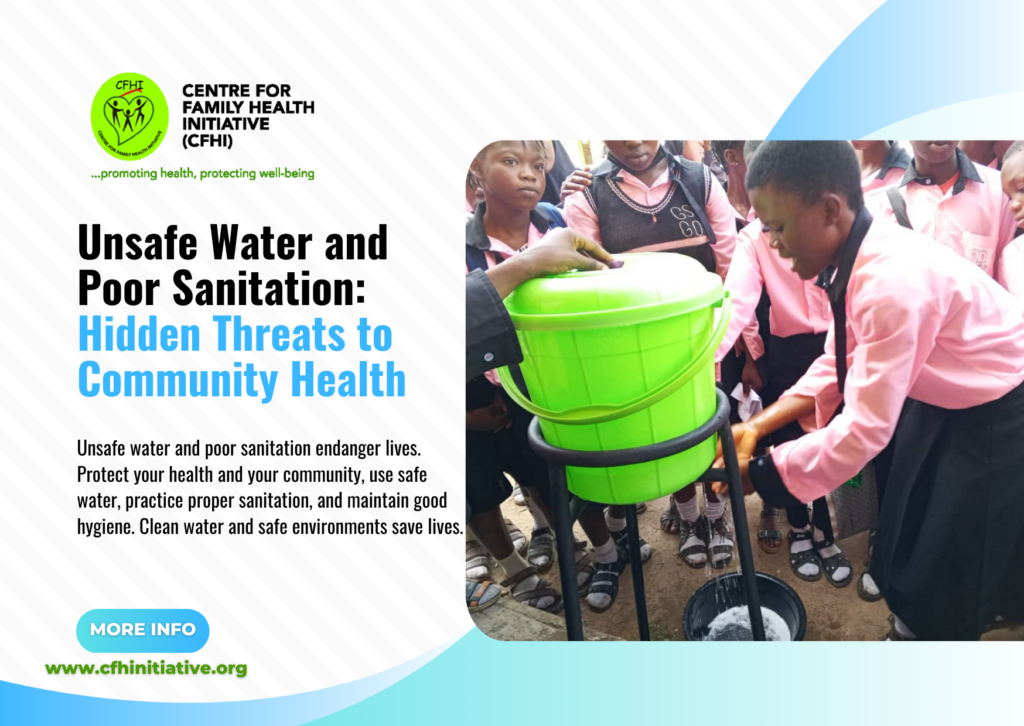
Unsafe Water and Poor Sanitation: Hidden Threats to Community Health

By Chiadika Emmanuel Chidera 

Unsafe water and poor sanitation remain major but often overlooked threats to community health. Access to clean drinking water and safe sanitation is a fundamental human right and a critical pillar of disease prevention. Yet millions of people around the world still lack these essential services. According to global health data, about 2 billion people do not have access to safely managed drinking water, while nearly 3.6 billion people lack safely managed sanitation services¹. These gaps create conditions where preventable diseases easily spread, particularly among vulnerable populations such as children and women.

Contaminated water often carries harmful bacteria, viruses, parasites, and toxic substances that can lead to serious illnesses. Diseases such as cholera, typhoid fever, dysentery, hepatitis A, and diarrhoea are commonly transmitted through unsafe water. Health estimates show that approximately 1.4 million deaths each year are linked to inadequate water, sanitation, and hygiene (WASH) services². Diarrhoeal diseases alone cause over 1 million deaths annually, with nearly 395,000 of these deaths occurring among children under the age of five². In Nigeria, the situation remains concerning, as reports indicate that over 100 children die daily from diarrhoeal diseases, many of which are connected to unsafe water sources and poor sanitation practices⁴.

The health hazards associated with unsafe water and poor sanitation are wide-ranging. These include (1) the rapid spread of waterborne diseases such as cholera and typhoid, (2) severe diarrhoeal infections that cause dehydration and malnutrition, (3) parasitic infections like intestinal worms that affect about 1.5 billion people globally³, (4) long-term malnutrition and stunted growth among children due to repeated infections, and (5) exposure to chemical contaminants that can lead to organ damage and developmental problems. Poor sanitation practices such as open defecation further worsen these risks by contaminating water sources and the surrounding environment.

Beyond the health effects, unsafe water and poor sanitation also create social and economic challenges. Families often spend limited resources on treating preventable diseases, children miss school due to illness, and communities experience reduced productivity. Research shows that improving water, sanitation, and hygiene services can reduce diarrhoeal diseases by 30–40 percent³, making WASH one of the most cost-effective public health interventions.

Addressing this hidden crisis requires coordinated action from governments, communities, and development partners. Expanding access to safe water infrastructure, improving sanitation facilities, and promoting hygiene education are critical steps toward protecting public health. Individuals and communities can also contribute by (1) using safe or treated drinking water, (2) practicing proper sanitation and avoiding open defecation, (3) washing hands regularly with soap, and (4) protecting local water sources from contamination.

Improving water, sanitation, and hygiene services is essential for building healthier communities and preventing avoidable diseases. By prioritizing safe water and proper sanitation, societies can protect lives, strengthen public health systems, and ensure a healthier future for all.

Monday Health Burst is an initiative of CFHI to address issues of basic health concern. Join us every Monday on all our social media platforms for more episodes.

References

  1. UNICEF & World Health Organization Joint Monitoring Programme for Water Supply, Sanitation and Hygiene (JMP). https://washdata.org
  2. World Health Organization. Global Burden of Disease Attributable to Water, Sanitation and Hygiene. https://www.who.int/health-topics/water-sanitation-and-hygiene-wash
  3. Centers for Disease Control and Prevention. Global Water, Sanitation, and Hygiene (WASH) Data. https://www.cdc.gov/healthywater/global/index.html
  4. Nigeria WASH and diarrhoeal disease statistics. https://washnigeria.com


Unsafe Water and Poor Sanitation: Hidden Threats to Community Health Read More »

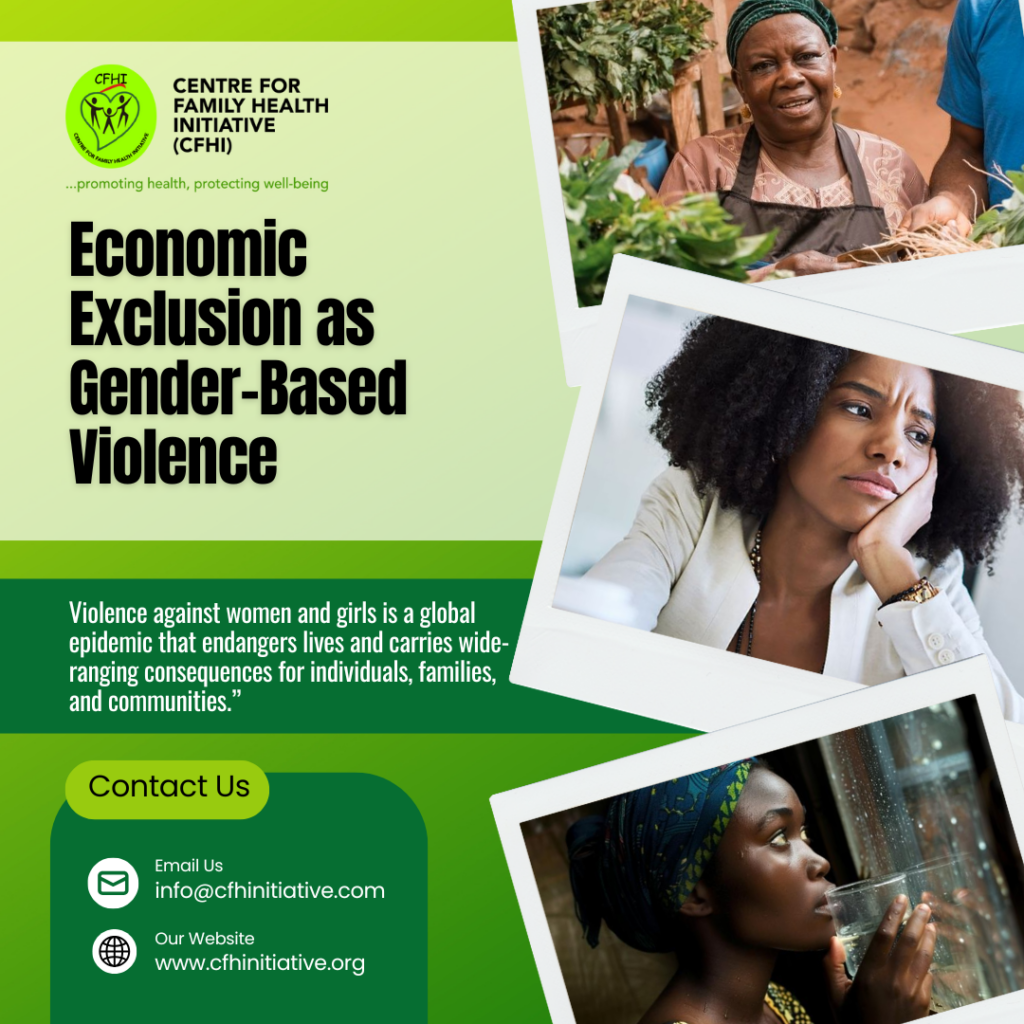
Economic Exclusion as Gender-Based Violence

Gender-based violence (GBV) is most often associated with physical or sexual abuse. However, economic exclusion – the systematic denial of women’s access to jobs, income, assets, and economic decision-making is itself a form of violence that harms individuals, families, and societies. When women are excluded from economic opportunities, the impact goes far beyond loss of income; it restricts freedom, autonomy, safety, and long-term development (1).

At its core, GBV includes economic abuse, where financial control is used as a tool of power and coercion. Economic violence may involve denying women access to money, preventing them from working, confiscating earnings, or restricting access to education and financial resources, forcing dependency and disempowerment (1). In many contexts, economic abuse is one of the most widespread yet least recognized forms of gender-based violence.

Economic exclusion is sustained by discriminatory laws, weak institutional protections, and unequal social norms. Globally, over 2.7 billion women live in countries where laws restrict the types of jobs they can do, and at least 43 economies still lack legislation addressing workplace sexual harassment, creating unsafe and unequal labor environments (2).

Intimate partner violence which frequently includes economic abuse affects approximately one in three women worldwide, limiting their ability to earn, save, and participate fully in public and economic life (3). In South Africa, studies indicate that one in eight adult women has experienced economic abuse, including being deliberately deprived of money or access to financial resources by a partner (4).

The consequences extend beyond individuals to national economies. Gender-based violence, including its economic dimensions, has measurable effects on productivity and growth. Evidence suggests that GBV can cost countries between 1–2% of Gross Domestic Product (GDP) due to absenteeism, reduced productivity, healthcare costs, and forced withdrawal from the workforce (5).

In Nigeria, the economic cost of gender-based violence is estimated at approximately USD 3 billion annually, equivalent to about 1% of the nation’s GDP, underscoring the scale of economic loss linked to women’s exclusion and abuse (6).

Economic exclusion intersects with social norms that treat women as inferior, dependent, or secondary earners. When women lack control over income, are denied access to employment, or are discouraged from education and financial decision-making, the result is structural violence a normalized and persistent denial of rights and well-being.

This exclusion is not accidental; it is deeply rooted in patriarchal systems and discriminatory practices that limit women’s autonomy and participation. The World Bank has emphasized that violence against women undermines economic growth and damages communities and future generations by restricting women’s productive potential (7).

Experts have consistently highlighted both the human and economic costs of this form of violence. According to the World Bank:

“Violence against women and girls is a global epidemic that endangers lives and carries wide-ranging consequences for individuals, families, and communities.” (7)

Research further shows that economic abuse and exclusion lead to long-term psychological harm, loss of independence, and restricted life opportunities for women and girls. Conversely, policies that promote women’s economic empowerment are associated with reduced exposure to GBV and increased participation in education, employment, and leadership (8).

Ending economic exclusion as a form of gender-based violence requires deliberate and sustained action, including:

  • Strong legal protections guaranteeing equal work rights, pay equity, and safeguards against economic abuse.
  • Transformation of harmful social norms that portray women as dependents rather than economic actors.
  • Targeted economic empowerment initiatives that expand women’s access to education, finance, and entrepreneurship.
  • Inclusive workplace policies that ensure safety, fair remuneration, and career advancement for women

Economic exclusion is not merely an economic challenge it is a human rights violation. Recognizing it as a form of gender-based violence strengthens advocacy, accountability, and policy responses, and is essential to building societies where women can live, work, and thrive free from coercion and inequality.

References

  1. Women’s World Banking. What is economic violence against women and why does it matter? Available from:
    https://www.womensworldbanking.org/insights/what-is-economic-violence-against-women-and-why-does-it-matter/
  2. UN Women. Facts and figures: Women’s economic empowerment. Available from:
    https://knowledge.unwomen.org/en/articles/facts-and-figures/facts-and-figures-economic-empowerment
  3. Asia-Pacific Economic Cooperation (APEC). Violence against women: An overlooked economic barrier. Available from:
    https://www.apec.org/press/blogs/2025/violence-against-women–an-overlooked-economic-barrier
  4. Independent Online (IOL). Economic abuse: The most common yet overlooked form of GBV in South Africa. Available from:
    https://iol.co.za/mercury/2025-07-02-economic-abuse-the-most-common-yet-overlooked-form-of-gender-based-violence-in-south-africa/
  5. International Monetary Fund. How domestic violence is a threat to economic development. Available from:
    https://www.imf.org/en/blogs/articles/2021/11/24/how-domestic-violence-is-a-threat-to-economic-development
  6. The Whistler Newspaper. Nigeria loses estimated $3bn annually to gender-based violence. Available from:
    https://thewhistler.ng/nigeria-loses-estimated-3-0bn-annually-to-gender-based-violence/
  7. World Bank. More than 1 billion women lack legal protection against domestic and sexual violence. Available from:
    https://www.worldbank.org/en/news/press-release/2018/02/01/more-than-1-billion-women-lack-legal-protection-against-domestic-sexual-violence-finds-world-bank-study
  8. MDPI. The quest for female economic empowerment in Sub-Saharan Africa and implications for GBV. Available from:
    https://www.mdpi.com/1911-8074/17/2/51

Economic Exclusion as Gender-Based Violence Read More »

Period Poverty_MHM

SPEAK WEDNESDAY – PERIOD POVERTY AND POOR EDUCATION

The backdrop in girls’ education due to lack of menstrual hygiene in Nigeria should no longer be gender issue, but of national concern.

The National Democracy and Health Survey in 2013 has shown that girls make up 60 per cent of the 110.5 million out-of-school children in Nigeria, and 1 in 10 African girls misses school due to their period, according to UNICEF. In order words, they could miss school for four days or more during which the period lasts, and since they cannot manage their period safely without a good sanitary product, such children are most likely to drop out of school in the long run. Moreso, the hike in menstrual products has left most Nigerian girls and young women with no choice but to use unclean napkins, tissue, leaves, newspapers, or nothing at all, during their menstruation.

The old African proverb says “educate a girl, educate a nation”. To curb this damaging menace caused by period poverty, the Nigerian government should borrow a Leaf from Kenya’s policy which introduced the right to free, sufficient and quality sanitary towels, and basic sanitation facilities for schoolgirls; treating access to sanitary pads as a basic human right. This and the total removal of tax on menstrual products will help to make the girl child stay in school during their monthly flow.

Like Michelle Obama rightly said, when girls are educated, their countries become stronger and more prosperous. It is time to embrace this fact and work towards creating a world where everyone irrespective of gender can thrive without limitations.

Speak Wednesday is an initiative of CFHI to address issues of gender-based violence and gender bias. Join us every Wednesday on all our social media platforms for more episodes.

#SpeakWednesday #MenstrualRightsAwareness #MenstrualHygiene #MenstrualEquality #GirlsInSchool #EquityAndJustice #MHDay2022 #WeAreCommitted
#reusablesanitarypad

SPEAK WEDNESDAY – PERIOD POVERTY AND POOR EDUCATION Read More »

MONDAY HEALTH BURST

IMPACT OF CLIMATE CHANGE ON HUMAN HEALTH

Changes in the overall climate of the planet cannot be over-emphasized. Continuous rise in temperature of the planet is becoming alarming and the root cause is Global warming. Fossil fuels are being continuously used to produce electricity. The burning of these fuels produces gases like carbon dioxide, methane and nitrous oxides which lead to global warming. Also, deforestation leads to warmer temperatures, hence, the hazard of global warming is continuously causing major damage to the Earth’s environment.

According to the Intergovernmental Panel on Climate Change (IPCC) Fifth Assessment Report (AR5) in 2014, the net warming from 1850 to the end of the 20th century was equivalent to nearly 2.5 W/m2 with carbon dioxide contribution about 60% to this figure, methane about 25%, with nitrous oxides and halo-carbons providing the remainder. The major cause of global warming is the greenhouse gases. They include carbon dioxide, methane, nitrous oxides and in some cases chlorine and bromine containing compounds. The build-up of these gases in the atmosphere changes the radiative equilibrium in the atmosphere. The overall effect is to warm the Earth’s surface and the lower atmosphere because greenhouse gases absorb some of the outgoing radiation of Earth and re-radiate it back towards the surface.

Another major cause of global warming is the depletion of ozone layer. This happens mainly due to the presence of chlorine-containing source gases. When ultraviolet light is present, these gases dissociate releasing chlorine atoms which then catalyzes ozone destruction. Many industrial processes produce a wide diversity of aerosols depending on what is being burned or generated in the manufacturing process. These aerosols in the atmosphere also cause global warming by changing the climate in two ways. Firstly, they scatter and absorb solar and infrared radiation and hereby warming the air directly. Secondly, they may alter the micro-physical and chemical properties of clouds and perhaps affect their lifetime and extent.

Effects of climate changes could be very hazardous to human health. Some effects includes; Air pollution and airborne allergens to likely increase, worsening allergy and asthma conditions; climate change including rising temperatures and changes in weather extremes. This will increase health risks and require greater vigilance in food safety practices and regulation because of the exposure of food to certain pathogens and toxins; extreme weather and other events related to climate change will impact health by exacerbating underlying medical conditions like food-borne and waterborne illnesses, and disrupting infrastructures that are essential to maintaining access to health care and emergency response services. Also, climate-related exposures may lead to adverse pregnancy and newborn health outcomes, including low birth weight, preterm birth, dehydration and associated renal failure, diarrhea, and respiratory disease.

Climate action meaning stepped-up efforts to reduce greenhouse gas emissions and strengthen resilience and adaptive capacity to climate-induced impacts is necessary to combat climate change. The most significant solution to put an end to this disaster is the use of alternative energy sources. They include wind, solar, bio mass, geothermal and hydro. The most noteworthy point in using these sources is their clean nature. These sources do not produce any sort of pollution or toxic gases that can lead to global warming. They are friendly to the environment and pose no threat to ecological balance.

Monday Health Burst is an initiative of Centre for Family Health Initiative (CFHI) to tackle issues of basic health concerns. Join us every Monday for more health related articles on all our social media platforms.

MONDAY HEALTH BURST Read More »

MONDAY HEALTH BURST

FOOD SAFETY PRECAUTIONS

Food safety is a scientific discipline describing handling, preparation, and storage of food in ways that prevent food-borne illnesses. It is very important to make sure the foods we eat are not contaminated with probable harmful bacteria, toxins, parasites & chemicals.

A critical part of healthy eating is keeping foods safe and the precautions are summarized as clean, separate, cook and chill. Individuals in their own homes can reduce contaminants by following safe food handling practices.

  • Wash hands with soap and water

Wet hands with clean running water and apply soap. Wash for at least 20 seconds under running water and pat dry with a clean paper towel or hand dryer.

  • Sanitize surfaces

Surfaces should be frequently sanitized by washing with mixture of hot soapy water plus disinfectants or bleach.

  • Clean and discard refrigerated foods once a week.

At least once a week, throw out refrigerated foods that should no longer be eaten. Cooked leftovers should be discarded after 4 days; raw poultry and ground meats, 1 to 2 days.

  • Keep appliances clean

Clean cooking appliances regularly inside-out paying attention to the handles and buttons where cross-contamination from hands can occur.

  • Rinse produce

Even if you plan to peel or cut the produce before eating, it is important to thoroughly rinse it first to prevent microbes from transferring from the outside to the inside of the produce.

  • Separate foods when shopping

Separate raw foods in plastic bags and store below ready to eat foods in the refrigerator.

Separate foods when preparing and serving. Never place cooked food back on the same plate or cutting board that previously held raw foods.

  • Use a food thermometer when cooking

A food thermometer is an appliance used to ensure that food is safely cooked and that cooked food is held at safe temperatures until eaten.

  • Cook food to safe internal temperatures

Cook all raw beef, pork, lamb, and veal steaks, chops, and roasts to a safe minimum internal temperature of 145 °F. Cook all poultry, including ground turkey and chicken, to an internal temperature of 165 °F for safety and quality.

  • Keep foods at safe temperatures

Hold cold foods at 40 °F or below. Keep hot foods at 140 °F or above. Foods are no longer safe to eat when they have been in the danger zone between 40-140 °F for more than 2 hours

In order to remain healthy, it is important to observe these food safety precautions. Foods must be safely bought, prepared and stored.

MONDAY HEALTH BURST Read More »

SPEAK WEDNESDAY

SPEAK WEDNESDAY – MENSTRUAL HEALTH

Menstrual health is about access to menstrual care products to absorb or collect menstrual blood, privacy to change the materials, and access to facilities to dispose of used menstrual care materials. It can also include the “broader systemic factors that link menstruation with health, well-being, gender equality, education, equity, empowerment, and rights”. It can be particularly challenging for girls and women in developing countries, where clean water and toilet facilities are often inadequate. Then with the pandemic “COVID-19” Menstrual care has been a difficult task to uphold, hence Menstrual flow will not stop due to the pandemic.

Adequate measures have to be taken to ensure that young ladies and women from the poor of the poor in Africa as a continent, Nigeria as a country are reached and are sensitized and provided with sanitary pad both usable or reusable so that their state of confidence does not diminish into thin air, while struggling to conform themselves with the societal norm. Community training should not stop in helping them know how the waste should be discarded in an environmentally friendly way, which is largely ignored during this pandemic period in developing countries, despite it being a significant problem.

Menstrual Hygiene Day offers an opportunity to actively advocate for the integration of menstrual care into global, national, and local policies and programs. In Nigeria, CFHI has over the years carried out adequate sensitization programs to curb or reduce to the minimum the problem of menstrual care. Since menstruation would not stop or pause as a result of COVID-19 pandemic then we (CFHI) won’t stop in making sure that our young ladies and women are continuously sensitized about Menstrual Health and how to make sanitary pad available too.

SPEAK WEDNESDAY Read More »

MONDAY HEALTH BURST – MAY 25, 2020

SAFETY MEASURES FOR CHILDREN DURING LOCKDOWN

Children witness families struggling with government lock downs that prevent their parents from earning a living and bringing their education to a stand-still. It is important to keep the children busy at home so they can adhere to the lock down rules and still have a stable mental health.

Children can do the following to keep themselves busy at home

  • Talk on the phone or do a video call with family and friends
  • Text or use other messaging apps to talk with family and friends.
  • Play online games that let them play with other kids from home.
  • Exercise daily
  • Trying out new skills and reading new books/story books

Important safety precautions at home to help prevent infection and spread of COVID-19 in children includes:

  • Regular hand washing with soap and running water
  • Regular laundry of their wears
  • Disinfecting frequently used surfaces such as doorknobs, switch, toys, remote, sink handles, etc
  • Adequate nutrition such as lots of fruits and vegetables to help build their immune system.
  • Avoid self-medication. When a child is noticed to have developed any symptom of ill health, visit a health facility.

Important safety precautions at the health facilities during the pandemic

  • Collaborate to ensure child-friendly health facilities/access to health care, including guidance for health staff on child-friendly communication and special measures to support children’s psycho-social well-being when undergoing treatment and quarantine.
  • Support child safeguarding training for health workers (particularly where children are separated from their families or caregivers).
  • Establish safe, child-friendly complaints and feedback mechanisms in health care facilities.
  • Strengthen capacity on clinical management of rape (CMR) and ensure minimum CMR supplies are available in key facilities to appropriately respond to sexual violence.
  • Collaborate on mental health and psycho-social support care and messaging for children and caregivers affected by COVID-19.
  • Collaborate to ensure child-friendly hand-washing stations are available at health facilities, schools, childcare centres, alternative care centres, and other locations children are likely to visit.

Psychologists and economists have considered parenting style such as how warm, strict, or communicative a parent is, is an important determinant of a child’s skills. During a period of home schooling, parents will try to enforce rules and boundaries so that their children can learn. However, harsh parenting including shouting at or smacking children particularly when the socio-emotional skills of children are low, will exacerbate children’s behavioral and emotional problems. Instead, moving to a more sensitive style of parenting can help close the socio-emotional gaps observed across children. Policy makers should also ensure that information, education, and communication (IEC) materials, including information on available services, are produced, and displayed with limited text in child-friendly versions.

MONDAY HEALTH BURST – MAY 25, 2020 Read More »