Gender Equality

SPEAK WEDNESDAY

Democracy Fails Women When It Ignores Gender Violence

Democracy is more than ballots, parliaments, and courtrooms it is the everyday reality that allows every person to live with dignity and safety. When a democratic system pretends that voting and institutions alone guarantee equality while turning a blind eye to the daily threat of gender-based violence (GBV), it is failing a fundamental promise: protection for all citizens. For millions of women, the “freedoms” democracy claims to protect are hollow if public systems, laws, and practices do not prevent, punish, and deter gendered violence.

The hard numbers refuse to let us look away. Globally, roughly one in three women has experienced physical and/or sexual violence by an intimate partner or sexual violence by a non-partner in her lifetime a staggering indicator that violence is not an exception but a systemic condition that persists across democratic and non-democratic states alike. (World Health Organization)

Nigeria’s statistics reflect this painful truth at home. National data and large-scale studies point to around a third of women experiencing intimate partner violence (IPV), with some surveys showing 31–35% having experienced some form of IPV in recent measures. These are not abstract percentages they translate to millions of women whose bodily autonomy, mental health, economic participation and civic engagement are continuously undermined. (DHS Program)

Worse, the trendlines in some places show an alarming rise in certain forms of violence over time. Comparative analyses of regional data (for example, conflict-affected northeast Nigeria) demonstrate increases in emotional and sexual IPV between survey rounds a decade apart; a signal that crises, weak accountability, and institutional neglect worsen GBV even within states that hold elections. When democratic systems fail to protect women in times of stress, the social contract fractures. (ResearchGate)

 There are three recurring failures because democracy fail in practice:

  1. Visibility without remedy. Democracies can record crimes and produce statistics, but if police, health systems and courts do not follow through, documentation becomes an exercise in moral hygiene rather than justice. Survivors who report violence often encounter blame, delays, unsafe processes, or outright dismissal.
  2. Law without implementation. Nigeria has laws criminalizing domestic and sexual violence, but enforcement is uneven. Where patriarchy is embedded in institutions, legal protections are toothless. Laws on paper become meaningless when budgets, training, and survivor-centered services are absent.
  3. Public indifference normalized as “private matters.” When GBV is repeatedly framed as a private or cultural problem, democratic debate excludes the voices of survivors and diminishes the urgency required for structural change.

These failures matter because gender violence is not merely a private tragedy it is a public, democratic harm. GBV shrinks women’s political voice (fear limits public participation), undermines economic independence (injury, trauma, time away from work), and burdens health systems. Democracies that do not treat GBV as a governance and human-rights priority are sustaining inequality disguised as civility.

It’s not enough to pass new laws; democracies must transform institutions and social norms. That means guaranteeing emergency health and legal services; training and holding police and judiciary accountable; funding safe shelters; integrating GBV prevention in schools and workplaces; and centering survivors in policy design. It also means political leaders must stop treating GBV as a “women’s issue” and recognize it as a democracy and development crisis.

At the Centre for Family Health Initiative (CFHI), we approach this challenge on three complementary fronts: prevention, survivor support, and advocacy. On prevention, we run community dialogues and gender norms activities that challenge the attitudes that normalize violence and silence survivors. For survivors, CFHI facilitates safe referrals and trains Community Health Workers to provide trauma-informed first response and linkages to legal and psychosocial support. On advocacy, we engage local leaders and stakeholders to press for funded, accountable GBV services and to include GBV metrics in local governance performance reviews.

These actions are small in the face of a systemic problem, but democracy is built from local actions. When community-level institutions protect women’s rights and when civic actors demand accountability, national democracy is strengthened. CFHI’s work shows that when communities are empowered to respond and when survivors are listened to, trust grows, and that trust is the living tissue of democratic life.

A call to action

Democracy will keep failing women until citizens and leaders act as if their safety is a public good. If you read this and care about democracy, do three things today:

  • Speak up publicly: challenge the narrative that GBV is a “private” problem.
    • Support survivors and local organizations: fund and volunteer with groups offering direct services.
    • Hold institutions to account: demand transparent budgets for GBV response and regular reporting on prosecutions, service availability, and survivor outcomes.

Democracy isn’t earned through election cycles alone it is preserved by institutions and communities that protect the most vulnerable. Ignoring gender violence is not neutrality; it is complicity. Let us insist that our democracy lives up to its promise not only in rhetoric but in the daily safety and dignity of every woman.

Speak Wednesday is an initiative of CFHI to address issues around gender-base violence and gender-bias.
SPEAK WEDNESDAY Read More »

SPEAK WEDNESDAY

Closing the Gender Wealth Gap to End Violence Against Women

Economic justice is the key to safety, health, and empowerment for women worldwide. Every Wednesday, we raise our voices to challenge injustice, and today we confront one of the most entrenched roots of gender-based violence: economic inequality. The gender wealth gap isn’t just a financial statistic; it’s a silent enabler of abuse, a barrier to freedom, and a public health emergency.

Globally, women earn less than men for the same work3, own less property, have limited access to leadership4 and fewer financial safety nets1. This economic disparity creates a cycle of dependency that heightens exposure to violence and limits the ability to escape abusive environments. In Nigeria, for instance, the Minister of Women Affairs recently emphasized that closing the gender gap could add ₦15 trillion to the country’s GDP annually by 20252, underscoring the economic potential of gender equity.

These issues are persistent and global. In the EU, despite the “Women on Boards” directive aiming for 40% female representation by 2026, progress is slow. Women currently hold only 35% of non-executive roles and 21% of senior executive positions 4. This is despite evidence from a 2025 report showing that companies with greater gender diversity are 25% more likely to be more profitable3. In sectors like tech and finance, women continue to report being passed over for promotions, excluded from decision-making, and subjected to gender-based microaggressions, which stifles their economic advancement4.

Call To Action

To end violence against women, we must invest in their economic power. As outlined in a UN Women 2025 advocacy paper, closing the funding gap in programs that support survivors and prevent violence is critical1. We call on Governments, NGOs, and private sector to collaborate on expanding access to education and vocational training, supporting women-led businesses and financial literacy programs, funding essential services for survivors, including shelters, legal aid, and healthcare, and advocating for and enforcing equal pay and robust workplace protections.

At the Centre for Family Health Initiative (CFHI), we are committed to this work. Through collaborations with partners like the Institute of Human Virology Nigeria (IHVN), Caritas Nigeria, FCT Social Development Secretariat (SDS), TY Danjuma Foundation (TYDF), and Global Philanthropy Alliance (GPA), we have empowered over 2500 women and girls with education, vocational training, business start-up kits, and financial support.

Financial inequality isn’t just unfair; it’s dangerous. It limits women’s choices, increases health risks, and perpetuates cycles of violence and poverty. Empowering women economically is not merely a matter of justice; it is the essential foundation for building safer, healthier societies for all.

Speak Wednesday is an initiative of CFHI to address issues around gender-based violence and gender bias.

References

  1. UN Women. Closing the funding gap to end violence against women and girls [Internet]. 2025 [cited 2025 Oct 21]. Available from: https://knowledge.unwomen.org/sites/default/files/2025-06/closing-the-funding-gap-to-end-violence-against-women-and-girls-en.pdf
  2. The Guardian Nigeria. Closing gender gap will add ₦15tr to Nigeria’s GDP by 2025 [Internet]. 2025 [cited 2025 Oct 21]. Available from: https://guardian.ng/news/closing-gender-gap-will-add-n15tr-to-nigerias-gdp-by-2025/
  3. Women in the workplace 2025: Research and trends [Internet]. 2025 [cited 2025 Oct 21]. Available from: https://www.wellable.co/blog/women-in-the-workplace-2025-research-and-trends
  1. IMD. Gender inequality in the workplace: Why it persists? [Internet]. 2025 [cited 2025 Oct 21]. Available from: https://www.imd.org/research-knowledge/articles/gender-inequality-in-the-workplace-why-it-persists/

SPEAK WEDNESDAY Read More »

SPEAK WEDNESDAY

No Access, No Escape: Why Information is Critical to GBV Survival

When Sheila was nineteen and living in Lagos, the threats began. Her husband told her that if she ever disobeyed him, he would make sure she lost her job and her reputation. One night, terrified, she sent a friend a message begging for help. But she did not know where to go, which law could protect her, or who to call. Information could have saved her. Its absence trapped her.

This is the silent epidemic within gender-based violence (GBV): not only physical harm but the isolation created by ignorance. Without access to timely and accurate information, survivors are left in darkness. Information is not a luxury. It is the first line of defence and the foundation of justice.

Why Information Saves Lives

When a woman understands that violence against her is a crime, she begins to reclaim her power. When she knows where to report, what medical help to seek, and how to preserve evidence, she increases her chances of survival and justice. Without that knowledge, fear becomes her only companion.

Studies from Nigeria show that most women who experience GBV are unaware of available support. In Adamawa State, 60 percent of women knew that services existed, but fewer than 18 percent understood what those services actually offered. A 2025 study found that even educated young women often avoid post-violence health care because they do not know where to go, or they fear stigma and disbelief.

Globally, the United Nations has affirmed through multiple conventions including the Convention on the Elimination of All Forms of Discrimination against Women (CEDAW) and UN Security Council Resolution that access to information is central to ending violence. Without it, laws, services, and resources remain out of reach.


The Barriers That Keep Survivors Silent


Survivors often do not seek help because they believe nobody will believe them. Others live far from formal services. Many lack access to the internet or even a simple phone number they can trust. Information materials are often written in legal or medical language that ordinary people cannot understand. In rural areas, the absence of community-based awareness campaigns means women do not even know that shelters or hotlines exist.


These are not personal failures. They are systemic failures of governments that under fund awareness programmes, of institutions that do not communicate in local languages, and of communities that allow silence to thrive.


What Survivors Can Do When They Need Help

Every survivor deserves a pathway to safety. Here is what that path can look like:


  1. Seek immediate safety: If you are in danger, leave the space if possible. Go to a trusted friend, relative, neighbour, or nearby public place.
  2. Reach out for help: Call the national GBV toll-free line: 0800 033 3333. You can also contact the organisations that provide counselling, medical referrals, and legal support.
  3. Preserve evidence: Avoid bathing or changing clothes if you experienced physical or sexual violence. Seek medical care immediately.
  4. Know your rights: Violence against women is a crime under the Violence Against Persons (Prohibition) Act, 2015. Every survivor has a right to medical treatment, legal assistance, and protection.
  5. Document and speak. Keep copies of threatening messages or photos. Report to a the police or NAPTIP. You are not alone, and help exists.


Call to Action

Governments and institutions must treat access to information as a legal right and embed it firmly within all GBV policies and action plans. Every state should guarantee that survivors know what services exist and how to reach them. Public awareness must go beyond slogans to reach the offline majority through community radio, schools, and local languages that resonate. Survivor-friendly spaces should be standard in every police station, hospital, and local government office, where trained officers and clear contact points offer judgement-free guidance. Finally, investment in ethical data systems and public education is non-negotiable. Reliable data exposes the gaps, directs resources, and saves lives, as demonstrated by the efforts of UNFPA and Nigeria’s GBV Information Management System.


How CFHI Is Closing the Information Gap

At the Centre for Family Health Initiative (CFHI), we believe that information is power and in the fight against GBV, it is protection. CFHI leads nationwide awareness through the 16 Days of Activism, runs community and school groups that teach health, rights, and safety, and provides direct referrals for survivors to medical, psychosocial, and legal services. Our work reaches those often left behind; the woman without a phone, the girl who cannot read, the family with no internet or transport. By breaking information barriers, we give survivors a voice, a pathway, and a plan. Because when women know their rights and how to use them, violence begins to lose its power.


The Global Urgency

Across the world, violence thrives where information is weakest. For the woman in a remote village without a phone or access to the internet, silence becomes her only shelter. For the girl who cannot read, the poster on the clinic wall might as well be blank. For displaced women in camps, and for widows in informal settlements, help often feels like a rumour whispered too far away to reach. In these spaces, information is not abstract,  it is survival. It is the map that leads from danger to safety, from fear to agency. Every hotline number, every awareness programme, every conversation led in a local dialect is more than communication. It is protection. It is the first step toward justice and the quiet revolution that keeps women alive.


Speak Wednesday is an initiative of CFHI to address issues around gender-based violence and gender bias.


#NoAccessNoEscape #InformationSavesLives #EndGBV #RightsAreKnowledge #SpeakWednesday #GenderJustice


SPEAK WEDNESDAY Read More »

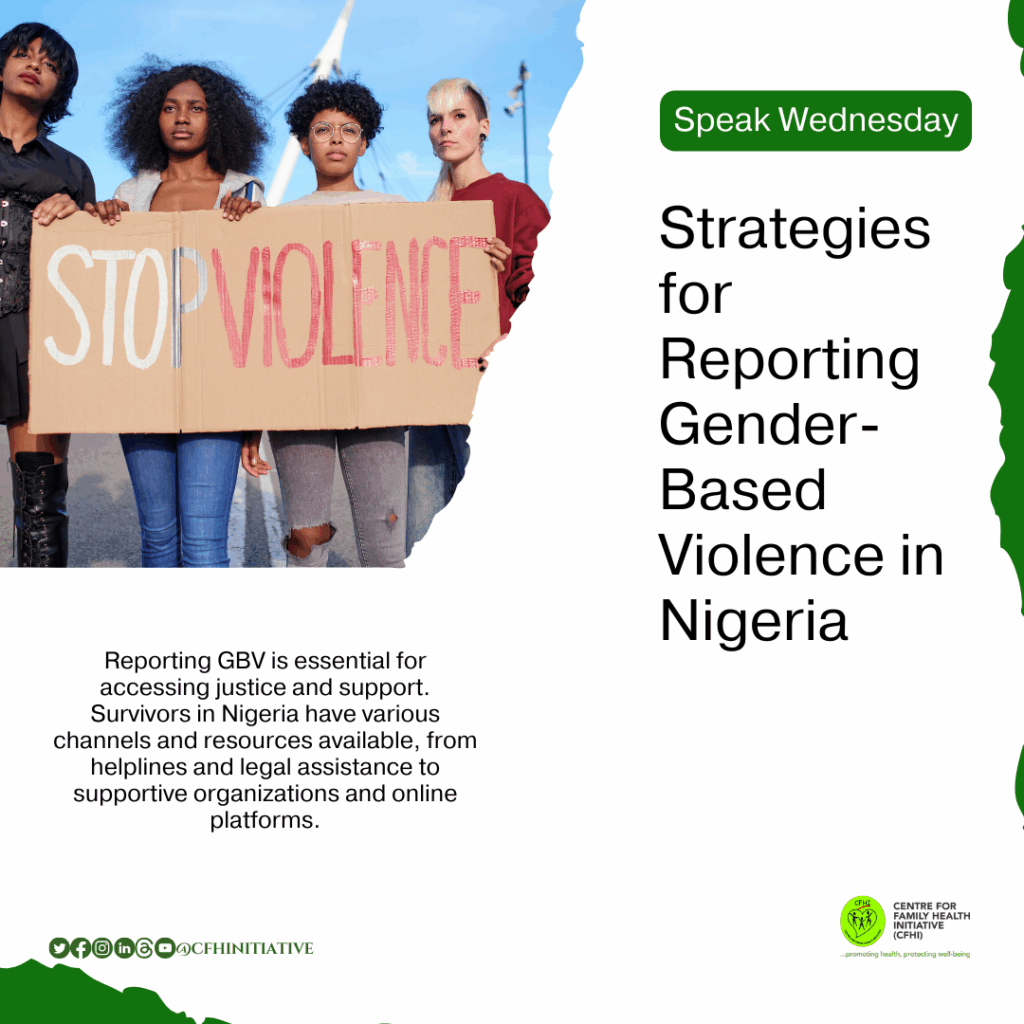
SPEAK WEDNESDAY ON STRATEGIES FOR REPORTING GENDER-BASED VIOLENCE IN NIGERIA

Gender-based violence (GBV) is a grave violation of human rights that predominantly affects women and girls. Reporting GBV is crucial for obtaining justice, support, and protection. However, many survivors are often unsure about how to report their experiences or which authorities to approach. This lack of knowledge can hinder access to necessary resources and justice. Understanding the various strategies and resources available for reporting GBV in Nigeria is essential for empowering survivors and ensuring they receive the support they need.

Key Reporting Channels and Resources

Legal Assistance

  • Violence Against Persons (Prohibition) Act (VAPP): This law provides a legal framework for addressing various forms of GBV. Survivors should seek legal assistance to understand their rights under the VAPP Act.
  • NAPTIP (National Agency for the Prohibition of Trafficking in Persons): NAPTIP provides legal and rehabilitative support for survivors of human trafficking and GBV. They have a dedicated helpline (0703 0000 203) for reporting incidents.

Authorities in Charge

  • Nigerian Police Force: Survivors can report GBV incidents to the nearest police station. The police are obligated to investigate and provide protection to survivors. Specialized units, such as the Gender Desk in police stations, are trained to handle GBV cases sensitively.
  • Ministry of Women Affairs: This ministry is crucial in coordinating responses to GBV and supporting survivors. It collaborates with various national and international partners to improve reporting mechanisms and survivor support services.

Helplines and Emergency Services

  • National GBV Helpline: The Federal Ministry of Women Affairs, supported by the EU-UN Spotlight Initiative, has established the ReportGBV.ng platform. This includes a 24/7 helpline (0800 3333 3333) where survivors can report incidents and receive immediate support.
  • Emergency Services: In urgent situations, survivors should contact local police or emergency medical services. It’s crucial to have emergency contacts readily available.

Supportive Organizations

  • Non-Governmental Organizations (NGOs): Numerous NGOs offer legal aid and advocacy for women and girls facing violence. They also conduct awareness programs to educate the public about GBV and its impact. Survivors can approach these organizations for help navigating the legal system, understanding their rights, counselling, and legal assistance.
  • Centre for Family Health Initiative (CFHI) is committed to promoting health and protecting the well-being of families. Through initiatives like “Speak Wednesday,” CFHI addresses issues around gender-based violence and gender bias, providing educational content and support for survivors. The organization has actively assisted victims when necessary, offering counselling and advocacy services to help them navigate their experiences and access justice.

Reporting GBV is essential for accessing justice and support. Survivors in Nigeria have various channels and resources available, from helplines and legal assistance to supportive organizations and online platforms. By leveraging these resources and addressing the barriers to reporting, we can create a safer environment for all and work towards eradicating GBV.

Speak Wednesday is an initiative of CFHI to address issues around gender-based violence and gender bias.

#SpeakWednesday #GBV #StopGBV #ReportGBV #GirlsRights #WomenRights #GenderEquality #GenderBias

SPEAK WEDNESDAY ON STRATEGIES FOR REPORTING GENDER-BASED VIOLENCE IN NIGERIA Read More »

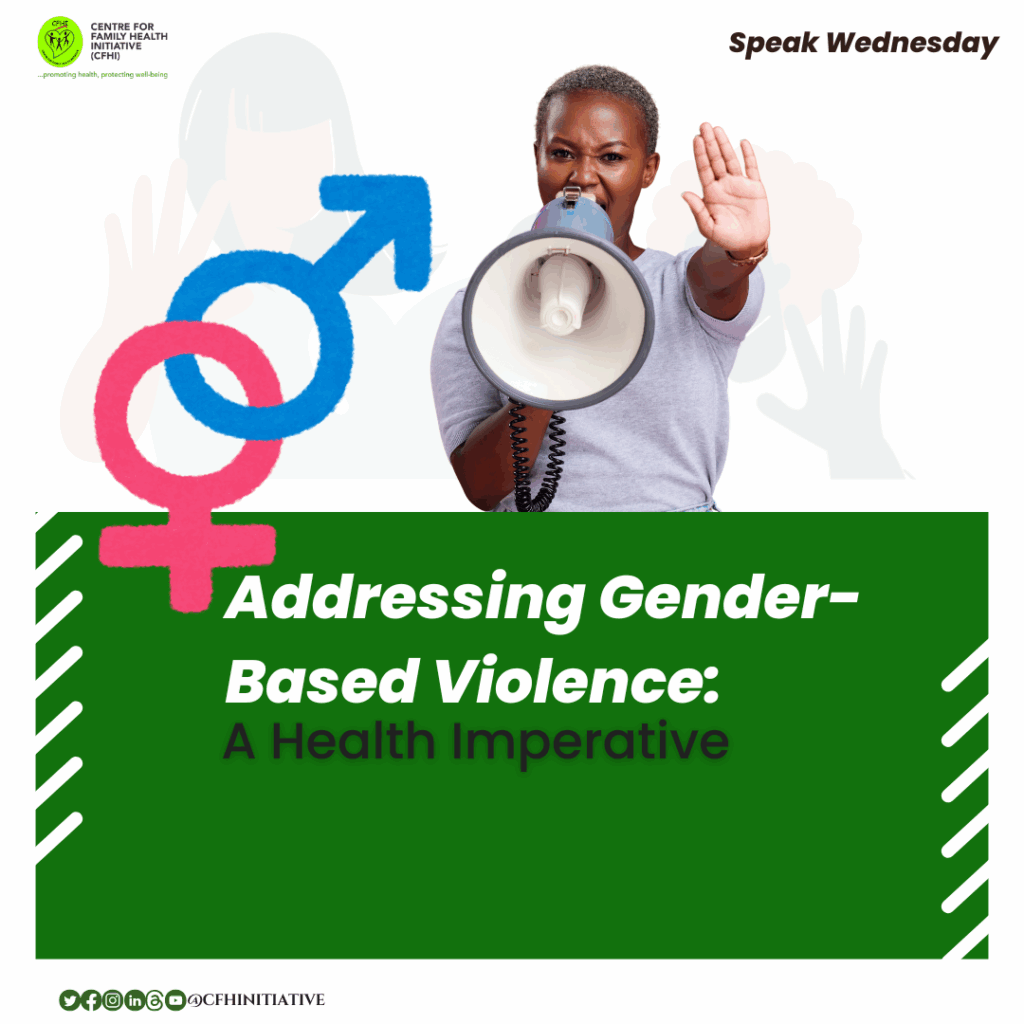
SPEAK WEDNESDAY ON ADDRESSING GENDER-BASED VIOLENCE: A HEALTH IMPERATIVE

Gender-Based Violence (GBV) is not merely a social injustice; it is a profound public health crisis that demands immediate and sustained attention. According to the World Health Organization (WHO), nearly 1 in 3 women worldwide have been subjected to physical and/or sexual violence by an intimate partner or non-partner sexual violence, or both.

The Health Consequences of GBV

The repercussions of GBV extend far beyond immediate physical injuries. Survivors often face long-term health issues, including chronic pain, gastrointestinal disorders, and sexually transmitted infections. Mental health is also severely impacted, with increased risks of depression, anxiety, post-traumatic stress disorder, and suicidal tendencies. WHO emphasizes that GBV has significant and long-lasting impacts on physical and mental health, including injury, unintended pregnancy, pregnancy complications, sexually transmitted infections, HIV, depression, post-traumatic stress disorder, and even death.

GBV as a Barrier to Gender Equality

GBV perpetuates gender inequalities, hindering women’s and girls’ access to education, economic opportunities, and political participation. It reinforces societal norms that devalue females, creating an environment where discrimination and violence are tolerated.

The Role of the Health Sector

Healthcare providers are often the first point of contact for survivors. Therefore, the health sector plays a crucial role in identifying and supporting victims. This includes providing medical care, psychological support, and referrals to legal and social services. Training healthcare workers to recognize signs of abuse and respond appropriately is essential.

Policy and Legal Frameworks

Furthermore, robust legal frameworks are vital in combating GBV. Nigeria’s Violence Against Persons Prohibition (VAPP) Act is a step in the right direction, but effective implementation and enforcement are critical. Policies must be backed by adequate resources and political will to ensure survivors receive justice and perpetrators are held accountable.

Conclusion

GBV is a multifaceted issue that demands a comprehensive response. Recognizing it as a health imperative underscores the urgency of coordinated action across sectors. Community leaders, educators, and religious institutions must be involved in challenging harmful gender norms and promoting respectful relationships. Educational programs that focus on gender equality and non-violent conflict resolution can foster a culture of respect and safety.

By prioritizing survivor-centred care, engaging communities, and strengthening legal systems, we can move towards a society where women and girls live free from violence and discrimination.

Speak Wednesday is an initiative of CFHI to address issues around gender-based violence and gender bias.

#SpeakWednesday #GBV #GenderBasedViolence #EndGBV #ViolenceAgainstWomen #DomesticViolence #EqualityForAll #GenderEquality #GenderBias


References:

  1. World Health Organization. “Violence against women.” WHO
  2. World Health Organization. “Gender-based violence is a public health issue.” WHO
  3. World Health Organization. “Strengthening health sector response to violence against women.” WHO
  4. International IDEA. “Funding and Oversight for VAPP Implementation.” International IDEA

SPEAK WEDNESDAY ON ADDRESSING GENDER-BASED VIOLENCE: A HEALTH IMPERATIVE Read More »

SPEAK WEDNESDAY ON HOW CAN SCHOOLS ENCOURAGE MORE GIRLS TO PURSUE STEM CAREERS?

Why do we still hear “STEM isn’t for girls” in 2025? Despite significant progress, women remain underrepresented in science, technology, engineering, and math. The numbers tell a clear story: according to UNESCO, only 28% of the world’s STEM workforce is female. But here’s the catch, research consistently shows that girls perform just as well as boys in math and science. So, if ability isn’t the issue, what is?

The answer lies in subtle biases, lack of representation, and systemic barriers that start early in education. But schools have the power to change this. They can introduce students to women in STEM through guest speakers, workshops, and mentorship programs. Seeing real-life examples makes these careers feel achievable. Revamping curricula to highlight historical and modern female STEM leaders ensures girls see themselves in these fields. Creating STEM clubs or initiatives specifically designed for girls can foster confidence and interest.

Gender stereotypes often shape students’ aspirations. A study by the American Association of University Women found that teachers and parents often unintentionally discourage girls from pursuing technical fields. Training educators to recognize and eliminate gender bias in teaching methods and classroom interactions is essential. Encouraging girls to take part in STEM competitions, robotics clubs, and coding boot camps helps dismantle the idea that STEM is only for boys. Using gender-neutral language when discussing careers makes a significant difference.

Confidence is another major barrier. Girls often underestimate their abilities in STEM, even when their performance is equal to or better than their male peers. Encouraging resilience and problem-solving instead of perfectionism fosters a growth mindset. Mentorship and peer support programs, where older female students or professionals guide younger girls, can be incredibly impactful. Schools should actively celebrate girls’ achievements in STEM through awards and public recognition to reinforce their belonging in these fields.

Schools shape futures. If we truly want to see gender equality in STEM, the change must start now. The answer isn’t just in policies or statistics, it’s in every classroom, every lesson, and every teacher who believes that a girl’s place is wherever she wants to be. The future of STEM is diverse. The question is, are we ready to build it?

Speak Wednesday is an initiative of CFHI to address issues around gender-based violence and gender bias.

#SpeakWednesday #GirlsInSTEM #STEMEducation #WomenInSTEM #GenderEquality #FutureIsSTEM #EducationForAll #BreakTheBias


SPEAK WEDNESDAY ON HOW CAN SCHOOLS ENCOURAGE MORE GIRLS TO PURSUE STEM CAREERS? Read More »

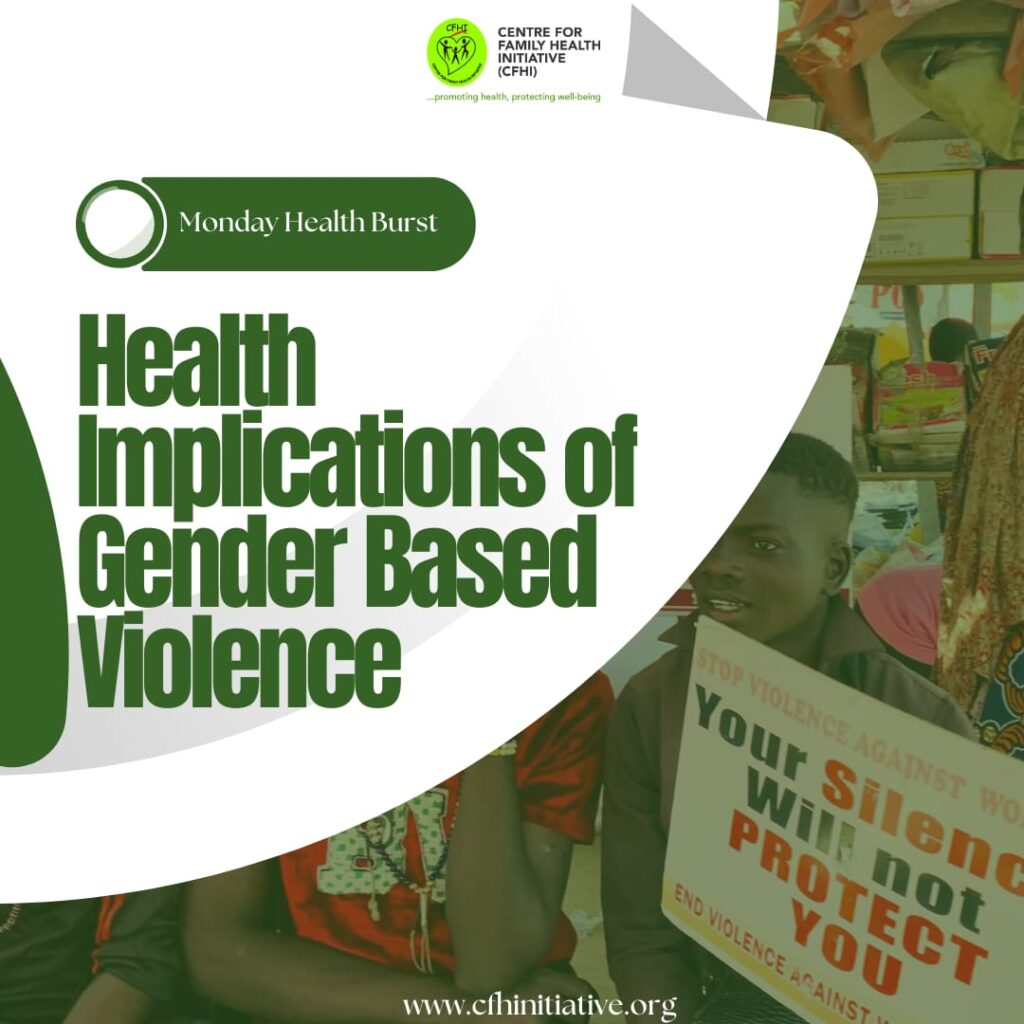
MONDAY HEALTH BURST ON THE HEALTH IMPLICATIONS OF GENDER BASED VIOLENCE

Gender-Based Violence (GBV) is a grave human rights violation with profound and far-reaching effects on the health and well-being of individuals and communities. It manifests in various forms, including physical, sexual, psychological, and economic harm, stemming from entrenched gender norms and power imbalances. The impact of GBV extends beyond the immediate survivors, affecting public health systems, economic productivity, and societal stability.

The physical consequences of GBV are often severe and enduring. Survivors frequently suffer injuries such as fractures, bruises, burns, and, in cases of sexual violence, sexually transmitted infections, unintended pregnancies, and complications like pelvic inflammatory disease and chronic pain. For pregnant women, GBV can lead to miscarriage, preterm labor, and low birth weight, posing risks to both maternal and child health. These physical effects often require extensive medical attention, straining healthcare resources.

An illustrative example is an intervention by the Centre for Family Health Initiative (CFHI), where a maid who was molested by her caregiver suffered severe damage to her genital organs. CFHI provided critical medical assistance, ensuring she received treatment until her full recovery. This case highlights the physical devastation of GBV and the vital role of timely medical intervention in mitigating long-term harm.

The psychological toll of GBV is equally devastating. Survivors commonly experience anxiety, depression, post-traumatic stress disorder (PTSD), and, in many cases, suicidal thoughts or behaviors. The trauma inflicted by abuse often disrupts cognitive and emotional functioning, leading to difficulties in personal relationships, social interactions, and daily activities. For children exposed to GBV, the consequences are particularly alarming, as they may develop behavioral problems, emotional distress, and long-term mental health challenges that can persist into adulthood.

In addition to mental health impacts, GBV has dire effects on reproductive and sexual health. Survivors of sexual violence face heightened risks of infections, including HIV/AIDS, as well as unintended pregnancies and complications from unsafe abortions. The stigma associated with such violence often deters survivors from seeking necessary medical attention, exacerbating health problems, and deepening feelings of isolation and shame.

Beyond individual health outcomes, the public health implications of GBV are vast. Healthcare systems are often overwhelmed by the demand for services, including medical treatment and psychological support for survivors. Maternal mortality rates, the spread of sexually transmitted infections, and the intergenerational transmission of trauma further strain public health infrastructures.

The societal and economic costs of GBV are equally alarming. Survivors may lose their livelihoods due to physical or psychological impairments, contributing to decreased productivity and financial instability. This not only affects individuals and their families but also undermines national development, perpetuating cycles of poverty and inequality. The economic burden of GBV, which includes healthcare costs, legal expenses, and lost workforce participation, highlights the urgency of addressing this pervasive issue.

To mitigate the impact of GBV, a multifaceted approach is essential. Governments must enforce robust legal frameworks to protect survivors and prosecute perpetrators, while healthcare providers must integrate GBV screening and survivor-centered care into their services. Community-level interventions are critical for challenging harmful gender norms and fostering awareness, creating an environment where GBV is recognized and condemned. Providing accessible support systems, such as counseling, safe shelters, and legal aid, is equally vital to helping survivors rebuild their lives.

The health impacts of GBV underscore its significance as a public health crisis that requires immediate and sustained action. Addressing the root causes of GBV and providing comprehensive care for survivors is not just a moral imperative but a societal necessity. By prioritizing the fight against GBV, societies can promote health, equality, and well-being for all, paving the way for a more just and equitable future.

Reference:

Gender based violence is a public health issue: using a health systems approach


MONDAY HEALTH BURST ON THE HEALTH IMPLICATIONS OF GENDER BASED VIOLENCE Read More »

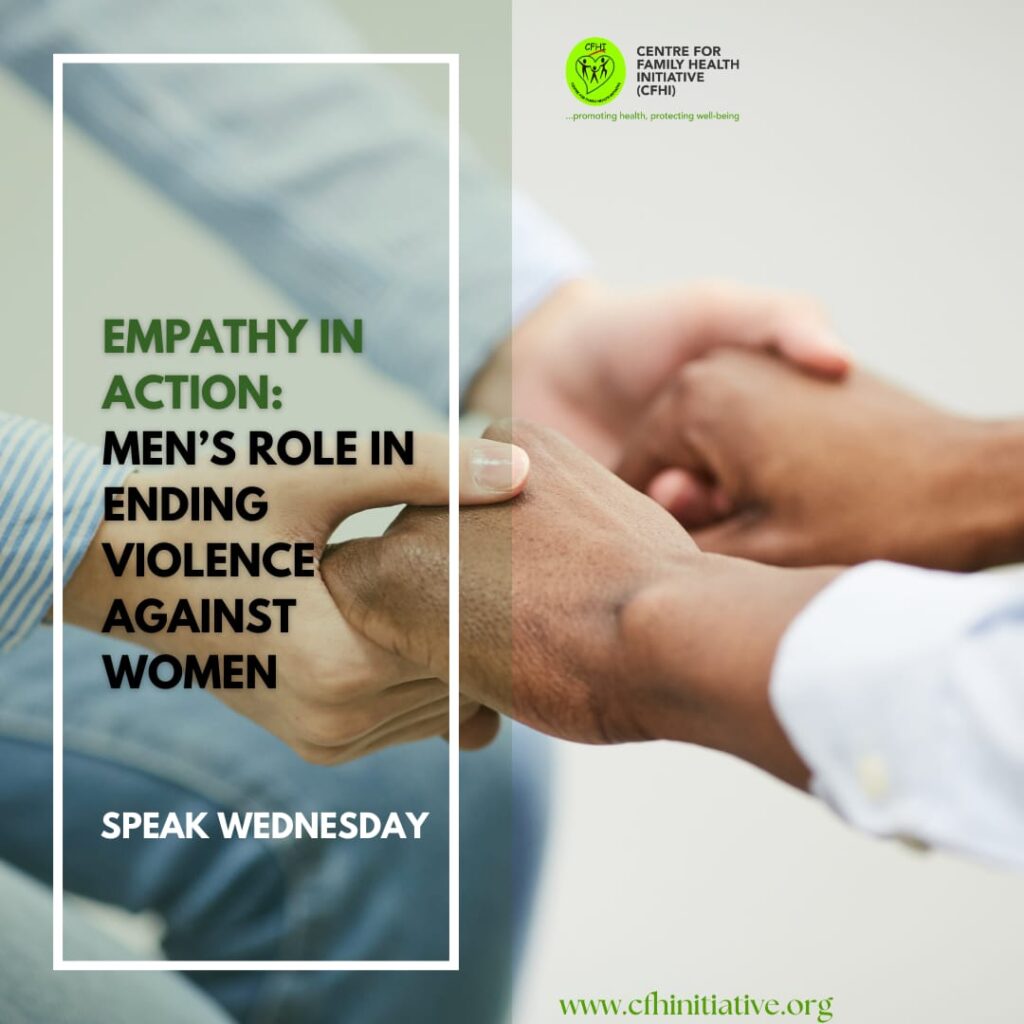
SPEAK WEDNESDAY ON EMPATHY IN ACTION: MENS’S ROLE IN ENDING VIOLENCE AGAINST WOMEN

On the occasion of International Men’s Day yesterday, we are reminded of the transformative power men hold in eliminating violence against women. This issue impacts one in three women globally, according to UN Women, and addressing it requires an inclusive, empathetic approach.

Violence is Not Inherent—It’s Learned

Research by World Health Organization (WHO) shows that violence is often learned during childhood, and men who grow up in violent environments are statistically more likely to perpetuate such behavior later in life.WHO emphasises that children exposed to abuse are at a greater risk of becoming perpetrators of violence in adulthood.

Anthony Keedi, from the ABAAD Resource Centre for Gender Equality, emphasizes that violence is not a natural trait in men but a learned behavior shaped by societal expectations. Transforming this requires teaching men that masculinity includes caregiving and emotional expression, fostering respect instead of dominance.

Pathway to Change

According to the MenEngage Alliance, embracing positive masculinity is a crucial step. Men must reject harmful stereotypes that equate strength with control and instead model behaviors rooted in empathy and equality. When men publicly advocate for these changes, they inspire others in their communities to shift perspectives.

Also, silence is complicity. Men have the privilege to challenge misogynistic behaviors and advocate for change in their communities. From workplaces to social circles, speaking up fosters new norms where violence is intolerable.

Ending violence against women isn’t just about protecting women; it’s about building a society where everyone thrives. When men actively participate in this cause, they not only support gender equality but also unlock greater emotional freedom for themselves. A world free of violence benefits all genders, fostering healthier families and communities.

Men have the power to redefine their roles in relationships and society at large. By leading with empathy, they can bridge the gap between acknowledging the issue and being part of the solution.

Speak Wednesday is an initiative of CFHI to address issues around gender-based violence and gender bias.

#SpeakWednesday #EmpathyInAction #EndViolence #InternationalMensDay #GenderEquality

References:

  1. MenEngage Alliance
  2. OHCHR
  3. UN Women
  4. World Health Organization (WHO)

SPEAK WEDNESDAY ON EMPATHY IN ACTION: MENS’S ROLE IN ENDING VIOLENCE AGAINST WOMEN Read More »

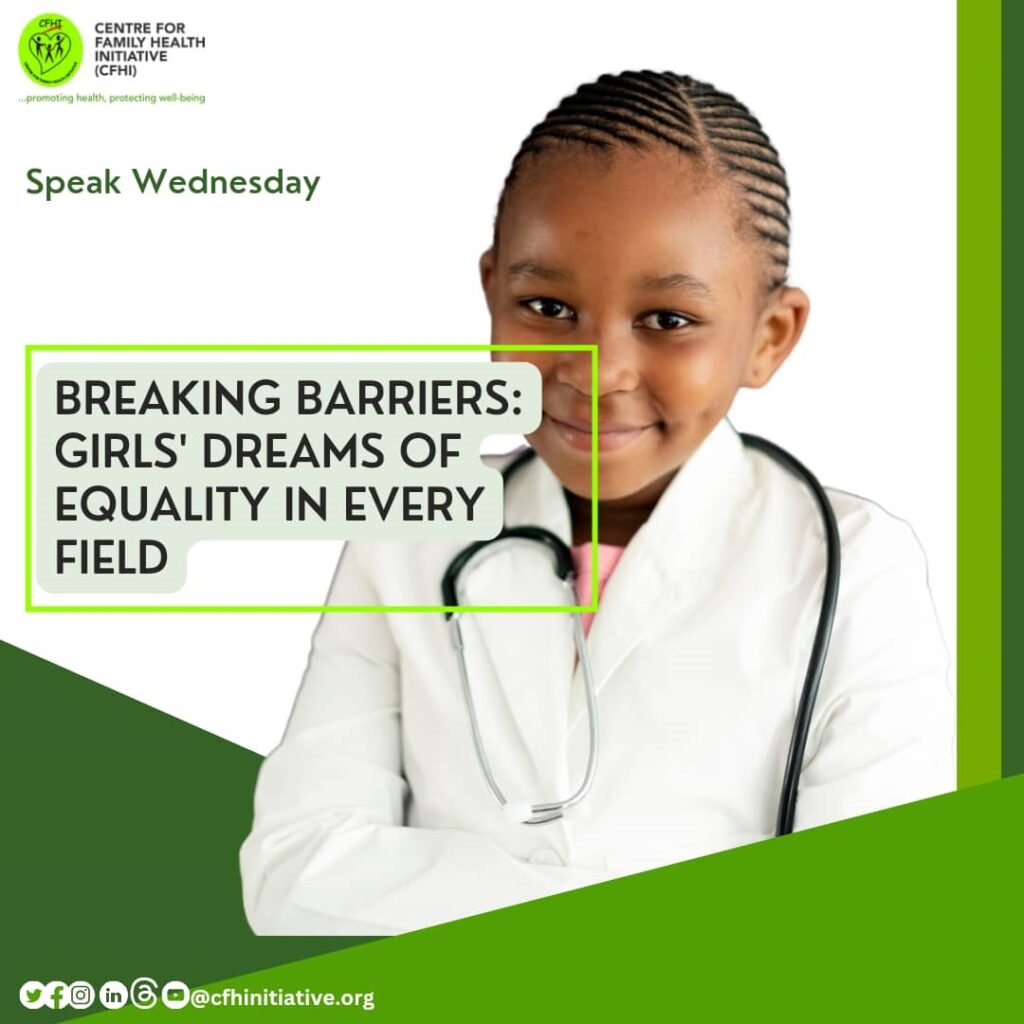
SPEAK WEDNESDAY ON BREAKING BARRIERS: GILRS’ DREAMS OF EQUALITY IN EVERY FIELD

Imagine a world where every girl, regardless of her background, has the freedom to dream of being anything she wants to be—whether a doctor, an engineer, or a leader. Sadly, for many girls around the globe, these dreams remain out of reach due to entrenched gender-based violence and bias. Yet, despite the challenges, girls are rising to claim their rightful place in every field, fighting for equality in spaces where they were once invisible.

Gender bias often begins at an early age, limiting girls’ access to education and career opportunities. According to data from UNICEF, girls are still more likely to be excluded from primary and secondary education than boys. Even when they do receive an education, societal expectations often funnel them into traditional roles, discouraging their participation in STEM fields, leadership positions, and other high-impact careers. These biases follow them into adulthood, where they face wage gaps, workplace discrimination, and even physical violence.

Through policy reforms, educational programs, and advocacy, global efforts are beginning to turn the tide. Empowerment means more than survival; it means creating environments where girls are encouraged and supported to dream big.

As we provide safe spaces for girls, enforce protective laws, and promote gender-sensitive policies, we are actively enabling them to take charge of their future. The dream of equality is not just a dream for girls—it is a collective dream that holds the promise of a better world for everyone. For every girl who is allowed to thrive, the world gains an advocate for change, a leader, and a force for good.

Speak Wednesday is an initiative of CFHI to address issues around gender-based violence and gender bias.

#SpeakWednesday #GirlsInSTEM #GenderEquality #WomenEmpowerment #LiteracyForAll #BreakTheSilence #EducationMatters #GenderJustice #EmpowerWomen

References:

  • UNICEF. “Education for Every Child.” UNICEF
  • United Nations. “HeForShe Campaign.” UN

SPEAK WEDNESDAY ON BREAKING BARRIERS: GILRS’ DREAMS OF EQUALITY IN EVERY FIELD Read More »

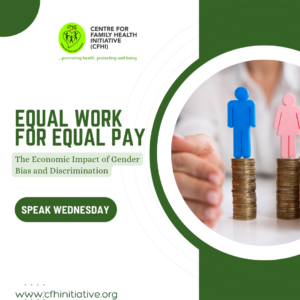
EQUAL PAY FOR EQUAL WORK: THE ECONOMIC IMPACT OF GENDER BIAS AND DISCRIMINATION

Gender bias and discrimination are deep-rooted issues in many workplaces around the world. One of the most visible ways these problems show up is through the gender pay gap. This means that women often earn less than men for doing the same work. Despite growing awareness and advocacy, women in Nigeria, like in many other parts of the world, still face significant pay disparities. These differences in pay have wide-reaching effects, not just on individuals but on businesses and the broader economy.

Women frequently occupy lower-paying roles in fields like services and education, while men dominate higher-paying positions in areas such as engineering and finance. The impact of this pay gap goes beyond individual earnings. When women feel they are being treated unfairly, their job satisfaction and productivity can suffer. If they are not getting paid equally for their work, they might feel less motivated and engaged. Research has shown that when companies address these pay gaps and ensure fairness, employees are more satisfied and work harder, which can boost overall business performance.

Moreover, the economic impact extends to families and the nation. Many women in Nigeria are heads of households, and lower wages mean they face greater financial challenges, affecting their access to essential services like healthcare and education. According to the International Labour Organization (ILO), the gender pay gap worsens poverty levels and limits access to crucial resources such as education and healthcare for women and their families. Research from McKinsey & Company also indicates that closing the gender pay gap could significantly reduce poverty and improve living standards.

On a larger scale, addressing the pay gap could benefit the economy. Equal pay would enable women to contribute more effectively, boosting consumer spending and economic productivity. Companies with equitable pay practices also perform better financially, showcasing the broader benefits of addressing gender bias.

Nigeria has laws aimed at promoting equal pay, but enforcement remains a challenge due to cultural biases and systemic barriers. To make real progress, organisations need to regularly review pay practices, promote transparency, and support women’s career advancement. Offering flexible work options and encouraging fair salary negotiations can also help mitigate biases related to caregiving responsibilities.

In conclusion, tackling the gender pay gap is crucial for a nation’s economic and social progress. Ensuring equal pay for equal work benefits everyone—individuals, businesses, and the economy. Addressing these disparities is a crucial step toward creating a more just and inclusive society.

Speak Wednesday is an initiative of CFHI to address issues around gender-based violence and gender bias.

#SpeakWednesday #InternationalEqualPayDay #EqualPay #WomenEmpowerment #EqualityForAll #GenderEquality #GenderBias


References:

– McKinsey & Company. (2020). Diversity Wins: How Inclusion Matters. Retrieved from [McKinsey Report] (https://www.mckinsey.com)

– International Labour Organization. (2018). Global Wage Report 2018/19: What Lies Behind Gender Pay Gaps? Retrieved from [ILO Report] (https://www.ilo.org).

– World Economic Forum. (2023). Global Gender Gap Report 2023. Retrieved from [World Economic Forum] (https://www.weforum.org).

– Catalyst. (2022). The Bottom Line: Connecting Corporate Performance and Gender Diversity. Retrieved from [Catalyst] (https://www.catalyst.org).

– McKinsey Global Institute. (2015). The Power of Parity: How Advancing Women’s Equality Can Add $12 Trillion to Global Growth. Retrieved from [McKinsey Global Institute] (https://www.mckinsey.com).

EQUAL PAY FOR EQUAL WORK: THE ECONOMIC IMPACT OF GENDER BIAS AND DISCRIMINATION Read More »