Monday Health Burst

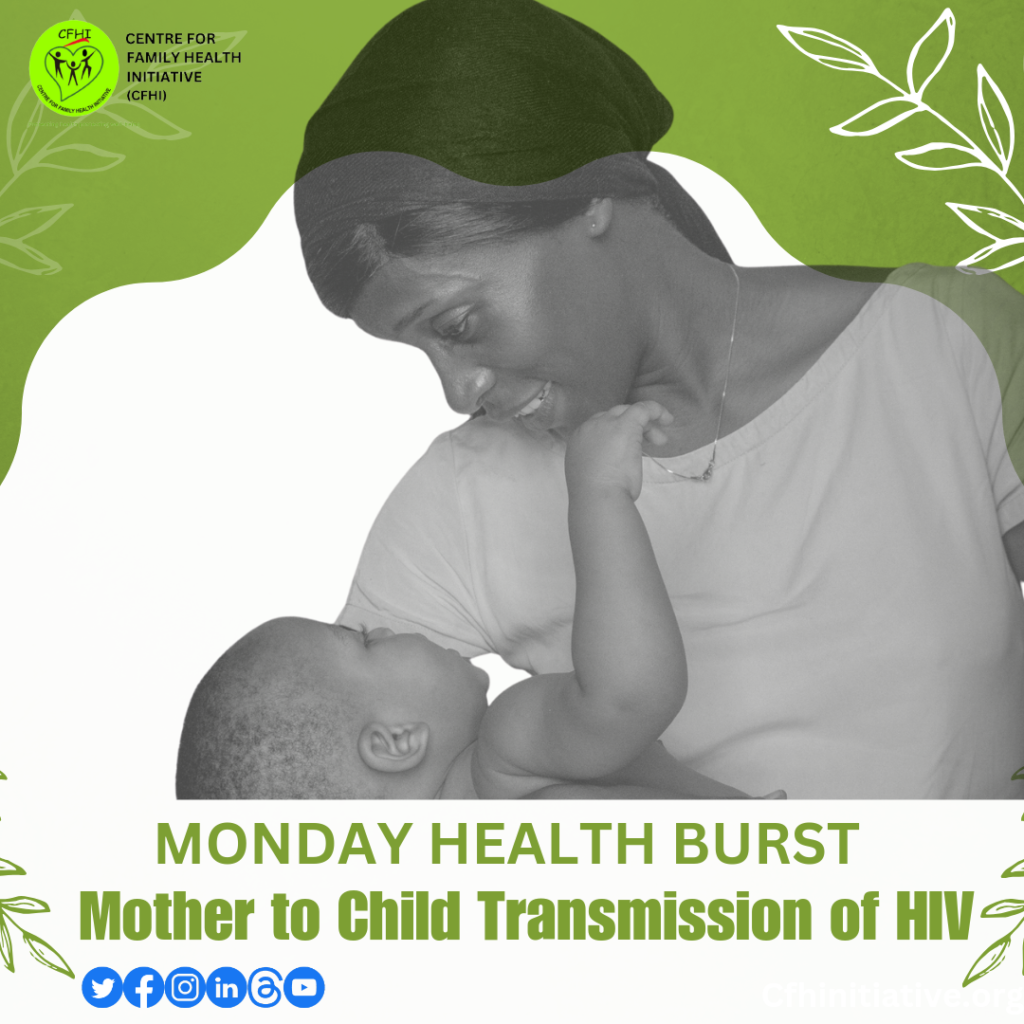
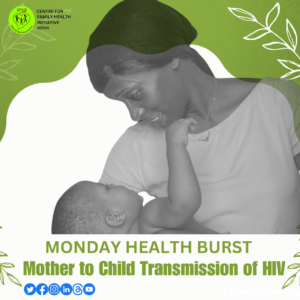
MONDAY HEALTH BURST ON MOTHER-TO-CHILD TRANSMISSION (MTCT) OF HIV

AIDS is the leading cause of death for women of reproductive age, and women are disproportionately affected by HIV, according to UNAIDS.
HIV infection in pregnancy threatens maternal immune health and can lead to perinatal transmission of HIV in utero, intrapartum, or through breastfeeding postpartum. A woman living with HIV can transmit the virus to her baby during pregnancy, childbirth, or breastfeeding (known as mother-to-child transmission or MTCT).

The WHO estimates that every year, 1.3 million women and girls living with HIV become pregnant worldwide. Without treatment, 15% to 45% of HIV-positive mothers transmit the virus to their unborn children during pregnancy, labor, delivery, or breastfeeding.
Although HIV can be transmitted through breastfeeding, taking HIV medicines and having an undetectable viral load during pregnancy and throughout breastfeeding lower the risk of passing HIV to less than 1%.

To prevent MTCT, a combination of strategies is typically employed:

 Antiretroviral Therapy (ART): Pregnant women with HIV are prescribed ART drugs. These drugs can reduce the viral load in the mother’s body, lowering the risk of transmission to the baby.

 Scheduled Caesarean Section: In some cases, a scheduled caesarean section may be recommended to reduce the risk of transmission during childbirth, particularly if the mother’s viral load is high.

 Avoiding Breastfeeding: In regions where safe alternatives are available and affordable, mothers with HIV are advised to avoid breastfeeding, as the virus can be transmitted through breast milk.

 Safe Infant Feeding: If breastfeeding is necessary due to limited access to safe alternatives, it’s recommended that the mother continues taking ART, and the baby is also prescribed ART to reduce the risk of transmission.

 Preconception Planning: Women of reproductive age living with HIV should receive counseling and guidance on family planning and HIV prevention to ensure safer pregnancies.

 Testing and Monitoring: Regular HIV testing and monitoring during pregnancy are crucial to assess the effectiveness of ART and adjust the treatment as needed.

These strategies have significantly reduced the rate of MTCT of HIV. Still, it’s essential for pregnant women to receive proper medical care and follow the guidance of healthcare providers to minimize the risk to their babies.

Monday Health Burst is an initiative of CFHI to address issues of basic health concern. Join us every Monday on all our social media platforms for more episodes.
MONDAY HEALTH BURST ON MOTHER-TO-CHILD TRANSMISSION (MTCT) OF HIV Read More »
MONDAY HEALTH BURST ON SICKLE CELL DISEASE: TYPES, SYMPTOMS AND CAUSES

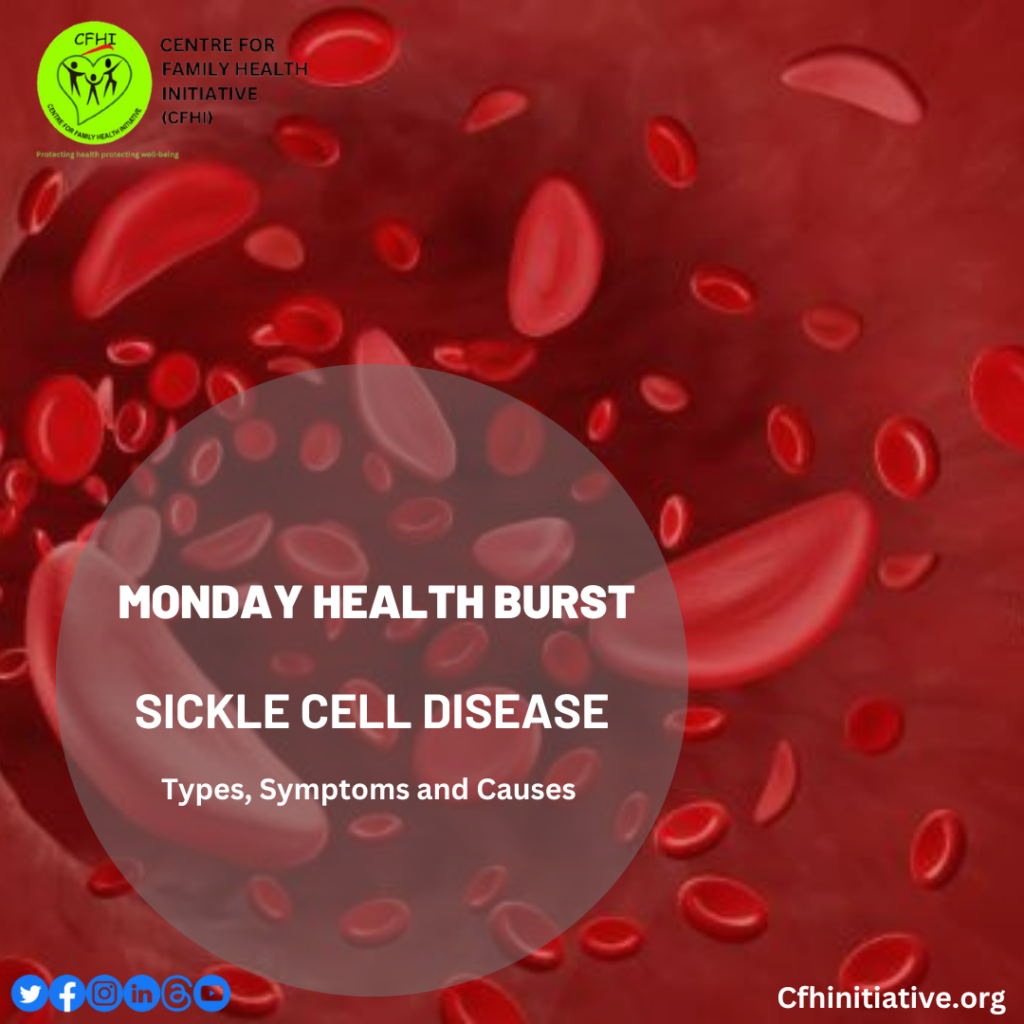
Sickle cell disease (SCD) is a genetic disorder that alters the structure of hemoglobin, a protein in red blood cells. Sickle cell disease is caused by inheriting abnormal hemoglobin genes from both parents. It produces abnormal hemoglobin (HbS) that can cause red blood cells to become rigid and take on a characteristic “sickle” shape under certain conditions, leading to various complications. The underlying genetic mutation affects the synthesis of hemoglobin.
Around 50 million people worldwide have SCD, with 4-6 million of those living in Nigeria (where 1 in 4 people have the sickle cell trait), which is the disease’s epicenter. Globally, around 300,000 infants are born each year with a new SCD diagnosis.1
There are numerous varieties of SCD, but the most common is sickle cell anemia (HbSS). The genes a person receives from their parents determine the particular type of SCD that person has. SCD patients inherit genes that contain the instructions or “code” for faulty hemoglobin.2 The types include:

HbSS
People with this type of SCD inherit two genes—one from each parent—responsible for hemoglobin “S.” The defective hemoglobin, hemoglobin “S” makes red blood cells stiff and sickle-shaped. This condition is known as sickle cell anemia and is usually the most severe type of SCD.

HbSC People with this kind of SCD inherit the “S” gene for hemoglobin from one parent and the “C” gene from the other parent. Typically, this is a less severe variation of SCD.

HbS beta thalassemia
People who have this form of SCD inherit a hemoglobin “S” gene from one parent and a gene for beta thalassemia, another type of hemoglobin abnormality, from the other parent. There are two types of beta thalassemia: “zero” (HbS beta0) and “plus” (HbS beta+). Those with HbS beta0-thalassemia usually have a severe form of SCD. People with HbS beta±thalassemia tend to have a milder form of SCD.
Other types are the HbSD, HbSE, HbSO: These are rare variants with different combinations of abnormal hemoglobin genes.

Symptoms:
• Chronic anemia: SCD leads to a shortage of red blood cells, causing fatigue and weakness.
• Pain crises: Intense, episodic pain due to blocked blood vessels, often in the bones, chest, abdomen, or joints.
• Organ damage: Repeated sickling of cells can harm organs like the spleen, kidneys, and liver.
• Infections: Increased susceptibility to infections, particularly in children.
• Stroke: A risk, especially in children with SCD.
• Delayed growth and development in children.
• Hand-foot syndrome: Swelling and pain in hands and feet, common in infants with SCD.

Prompt diagnosis and comprehensive care are pivotal in enhancing the lives of those with SCD, involving pain management, blood transfusions, medications, and, in severe cases, bone marrow or stem cell transplantation. Raising awareness and promoting early intervention are essential steps towards alleviating the burden of this disease on affected individuals and their families.

Monday Health Burst is an initiative of CFHI to address issues of basic health concern. Join us every Monday on all our social media platforms for more episodes.

REFERENCES:
1. Ogbonna Collins (et al., 2022) in the work entitled “An overview of sickle cell disease from the socio-demographic triangle – a Nigerian single-institution retrospective study.
https://www.ncbi.nlm.nih.gov/pmc/articles/PMC9120745/

2. Centers for Disease Control and Prevention
https://www.cdc.gov/ncbddd/sicklecell/facts.html

#MondayHealthBurst
#SickleCellAwareness #PreventionIsKey #StayStrong

MONDAY HEALTH BURST ON SICKLE CELL DISEASE: TYPES, SYMPTOMS AND CAUSES Read More »

MONDAY HEALTH BURST ON SYMPTOMS OF BREAST CANCER

Breast cancer is a disease in which abnormal breast cells grow out of control and form tumors. It is a global health concern that affects millions of women every year. According to the World Health Organization’s (WHO) data from 2020, breast cancer is one of the most prevalent cancers worldwide, significantly impacting diagnosis and mortality rates. As one of the most prevalent cancers worldwide, early detection and awareness are crucial in combating its devastating effects.

According to the World Health Organisation (WHO), in 2020, an alarming 2.3 million women were diagnosed with breast cancer tragically; there were 685,000 deaths attributed to the disease globally. This indicates the urgent need for awareness, education, and early detection measures to combat the devastating impact of breast cancer on women’s lives. It is also worth noting that by the end of 2020, approximately 7.8 million women diagnosed with breast cancer within the past five years were still living, underlining the persistent challenges posed by this cancer even after initial diagnosis and treatment.

Breast cancer can manifest through various symptoms, but one of the most common signs is the presence of a lump or an area of enlarged breast tissue. While not all breast lumps are cancerous, it is crucial to have them examined by a medical professional to rule out any potential malignancy. Beyond lumps, other symptoms to watch for include:

1. Breast Lump: A palpable lump or an area of enlarged breast tissue is often the first noticeable sign of breast cancer. While not all lumps are cancerous, consulting a medical professional for evaluation is crucial.
2. Thickening or Swelling: An unexplained thickening or swelling in part of the breast can indicate an underlying issue. This change might be subtle, so regular self-examinations are essential.
3. Skin Changes: Breast cancer can lead to skin changes such as irritation, dimpling, or pitting. Redness, rash-like textures, or flaky skin around the nipple or breast area should not be ignored.
4. Nipple Abnormalities: Changes in the nipple, such as inversion or pain, could indicate an underlying issue. Any discharge from the nipple that is not breast milk, particularly if it includes blood, should be evaluated by a medical professional.
5. Alterations in Breast Shape or Size: Any noticeable change in the size or shape of the breast, particularly if it’s limited to one breast, should raise concern and prompt a medical evaluation.
6. Breast or Nipple Pain: Persistent pain or discomfort in any area of the breast, including the nipple, should be evaluated by a healthcare professional.

The importance of early detection cannot be overstated. Detecting breast cancer at an early stage significantly improves the chances of successful treatment and positive outcomes. Regular breast self-examinations, clinical screenings, and mammograms are pivotal in identifying potential issues.

Breast cancer is a formidable challenge that affects millions of women worldwide. Recognizing the symptoms, encouraging regular self-examinations and screenings, and advocating for improved resources and awareness are all essential components in the fight against breast cancer. By spreading awareness and knowledge, we can work together to minimize the global burden of breast cancer and improve the well-being of those affected by this condition.

Monday Health Burst is an initiative of CFHI to address issues of basic health concern. Join us every Monday on all our social media platforms for more episodes.

MONDAY HEALTH BURST ON SYMPTOMS OF BREAST CANCER Read More »

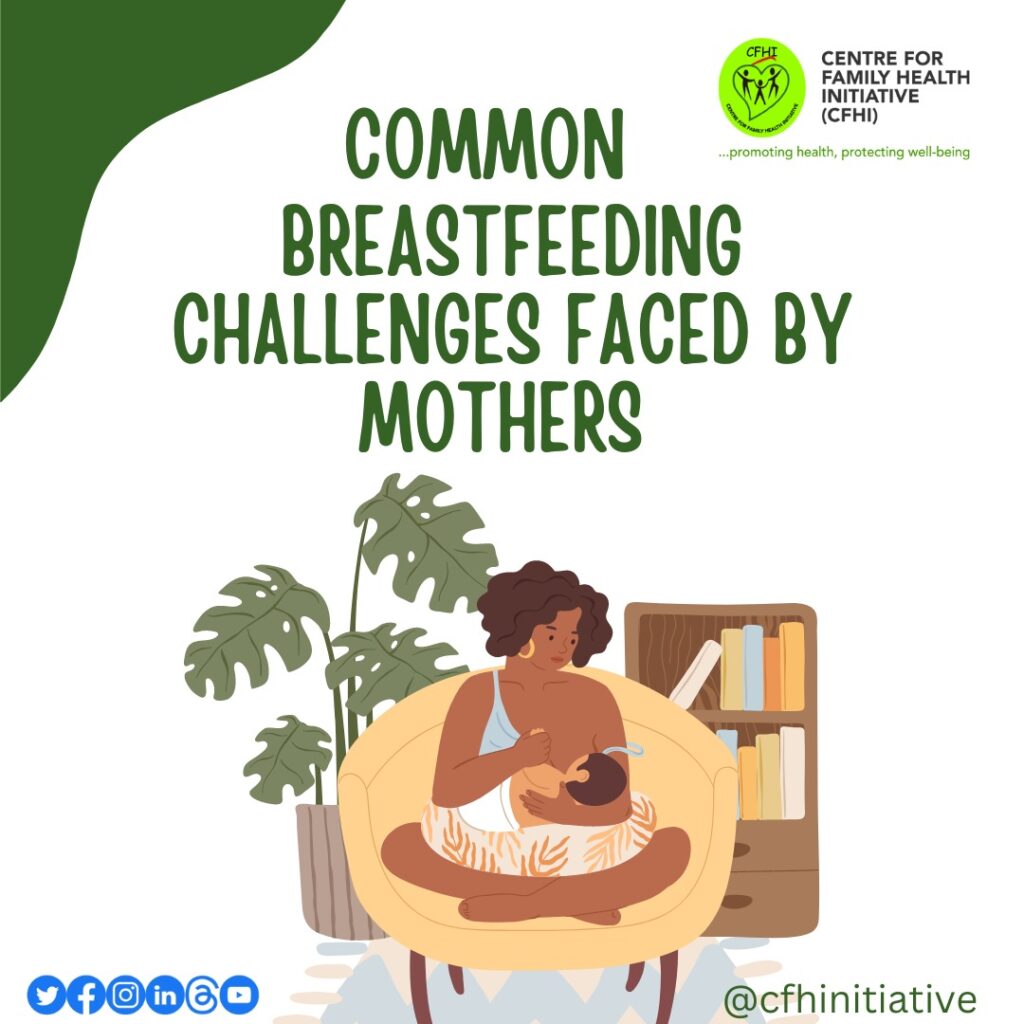
MONDAY HEALTH BURST ON COMMON CHALLENGES OF BREASTFEEDING FACED BY MOTHERS

Breastfeeding can be challenging but is also one of the most rewarding experiences a mother can have. Some of the common challenges faced by breastfeeding mothers include the following;
Breast Engorgement
When your breasts are overflowing with milk, it is called breast engorgement. They could hurt, feel pain, and be hard.

Lactation and Thrush
Nipple damage or cracks can occasionally result in thrush infections. As a result, your nipple or breast may become infected with the candida fungus that causes thrush.

Clogged Milk Duct
A clogged milk duct may result from persistent breast engorgement. You might detect a little sensitive bump in your breast.
Frequent feedings from the afflicted breast could be beneficial. If at all feasible, place your infant such that their chin is pointed in the direction of the lump so they may feed from that area of the breast.

Mastitis
Mastitis (inflammation of the breast) happens when a blocked milk duct is not relieved. It makes the breast feel hot and painful and can make you feel unwell with flu-like symptoms.

Cracked or sore nipples
Sore nipples frequently occur because your infant is not correctly positioned and attached to the breast.
It’s vital to get assistance from your midwife, health visitor, or breastfeeding professional as soon as possible because tolerating the pain or discomfort could worsen it.

Over the years, CFHI has organized numerous events to educate mothers about the importance of exclusive breastfeeding for six months and how to overcome any challenges that may arise. Most recently, an event was held at the Byazhin Primary Health Care Centre in Kubwa, Abuja, where over 90 expectant mothers were sensitized on the benefits of breastfeeding for both mothers and babies and how to manage breastfeeding while at work.

Monday Health Burst is an initiative of CFHI to address issues of basic health concern. Join us every Monday on all our social media platforms for more episodes.

Reference:
https://www.nhs.uk/conditions/baby/breastfeeding-and-bottle-feeding/breastfeeding-problems/common-problems/

MONDAY HEALTH BURST ON COMMON CHALLENGES OF BREASTFEEDING FACED BY MOTHERS Read More »

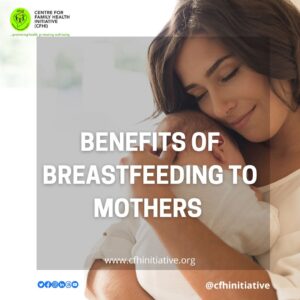
MONDAY HEALTH BURST ONBENEFITS OF BREASTFEEDING FOR MOTHERS

Breastfeeding, the natural act of nourishing an infant with breast milk, has been an integral part of human history for centuries. Beyond its well-known advantages for infants, breastfeeding offers many remarkable benefits for mothers. The journey of motherhood is enriched through this bond that not only nurtures the child but also contributes to the physical and emotional well-being of the mother.

Welcome to Monday’s Health Burst! In today’s episode, we will explore the benefits of breastfeeding for mothers.

Breastfeeding offers several health benefits to mothers, including:

• Postpartum Weight Loss: Breastfeeding burns extra calories, aiding in weight loss after childbirth.

• Uterine Contraction: It helps the uterus return to its pre-pregnancy size faster by promoting uterine contractions.

• Reduced Risk of Certain Cancers: Breastfeeding has been linked to a decreased risk of breast and ovarian cancers.

• Bone Health: Women who breastfeed may have improved bone density in the years following childbirth.

• Reduced Risk of Type 2 Diabetes: Breastfeeding may lower the risk of developing type 2 diabetes later in life.

• Cardiovascular Health: It can contribute to improved heart health and reduce the risk of cardiovascular diseases.

• Emotional Well-being: Breastfeeding can enhance the release of hormones that promote maternal bonding and reduce postpartum depression.

Breastfeeding is not only a gift to the child but also a precious gift to the mother. Its physical, emotional, and psychological benefits contribute to the overall well-being of mothers during the postpartum period and beyond. The bond forged through breastfeeding enhances the mother’s self-esteem, emotional stability, and a sense of purpose while reducing the risk of various diseases and fostering a healthier lifestyle.

Monday Health Burst is an initiative of CFHI to address issues of basic health concern. Join us every Monday on all our social media platforms for more episodes.

MONDAY HEALTH BURST ONBENEFITS OF BREASTFEEDING FOR MOTHERS Read More »

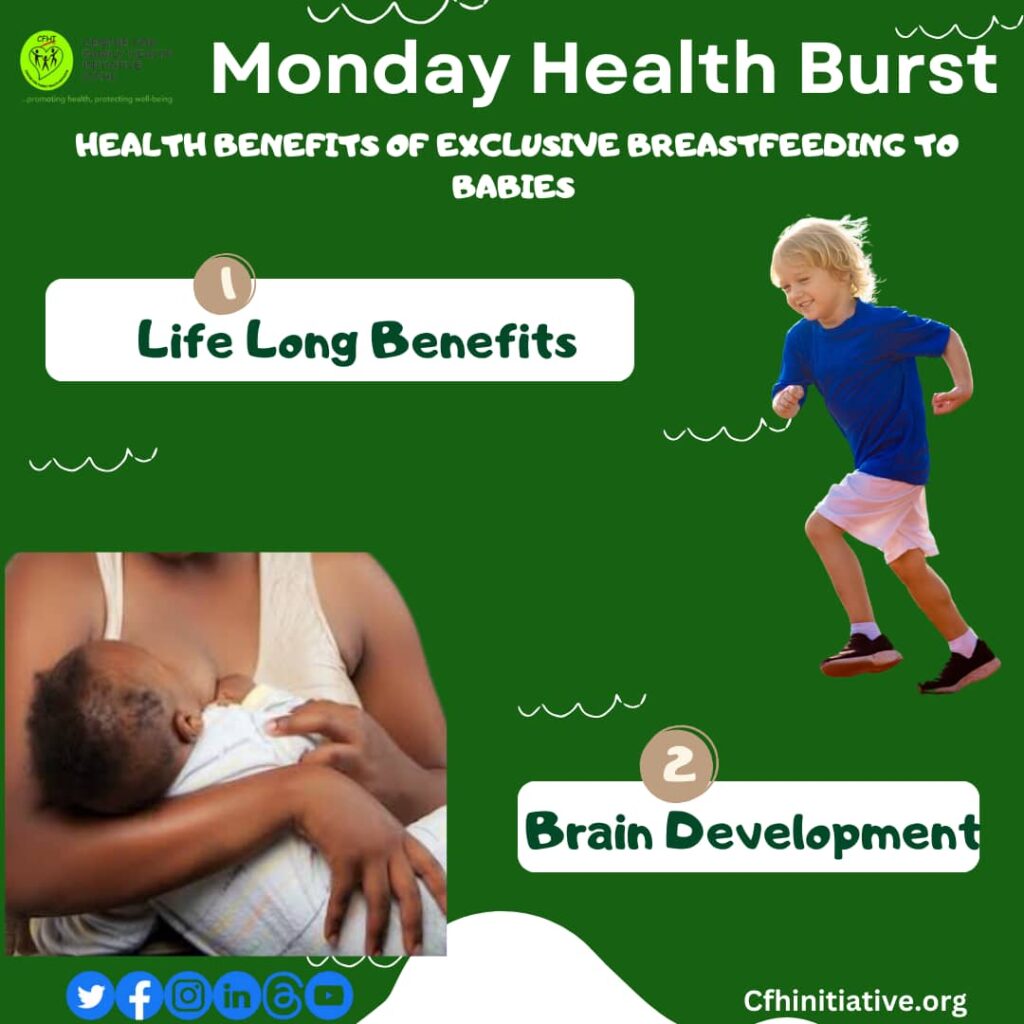
HEALTH BENEFITS OF EXCLUSIVE BREASTFEEDING TO BABIES

Breastfeeding is the act of feeding an infant breast milk from the breast. Exclusive and continued breastfeeding could help prevent 13% of death globally among children under five year old.1

World Health Organization (WHO) recommends exclusive breastfeeding for six months and encourages continuing breastfeeding even after solid foods are introduced until the age of two. It is also recommended, that Children initiate breastfeeding within the first hour of birth.

The benefits of exclusive breastfeeding cannot be understated as it includes;

Brain development: A US study showed that toddlers and preschoolers who had been exclusively breastfed for at least three months had brains with twenty to thirty percent more white matter which connects different regions of the brain and transmits signals between them than those who had no breast milk. Therefore, Infants who are breastfed exclusively are more likely to have higher intelligence quotient (IQ) than formula fed babies.2

Life long benefits: Children who were breastfed are less likely to suffer from diseases such as leukaemia and lymphoma and tend to have better eyesight, and straighter teeth than those who had formula milk.

Breastfeeding also helps to lower baby’s risk of becoming obese or developing type 1 or type 2 diabetes as adult.

Exclusive breastfeeding is known to considerably decrease infant mortality on account of common childhood illness. It is one of the ways to minimize the chances of a baby getting diarrhoea, allergies, pneumonia and suffering from malnutrition.

Sadly, three in five babies are not breastfed in the first hour of life and two out of three infants are not exclusively breastfed for the recommended six months.3


More awareness should be created on the benefits of exclusive breastfeeding. Furthermore, support from family members and friends is vital in encouraging mothers to breastfeed their infants exclusively.


Monday Health Burst is an initiative of CFHI to address issues of basic health concern. Join us every Monday on all our social media platforms for more episodes.

References

  1. World Health Organisation (WHO)
  2. https://www.google.com/url?sa=t&source=web&rct=j&opi=89978449&url=https://www.ncbi.nlm.nih.gov/pmc/articles/PMC8894195/&ved=2ahUKEwjnjqmcj8uAAxWhS0EAHe_iBWYQFnoECB4QAQ&usg=AOvVaw0RkUImQsW9g2c-tH5M8Gud
  3. World Health Organisation (WHO)

HEALTH BENEFITS OF EXCLUSIVE BREASTFEEDING TO BABIES Read More »

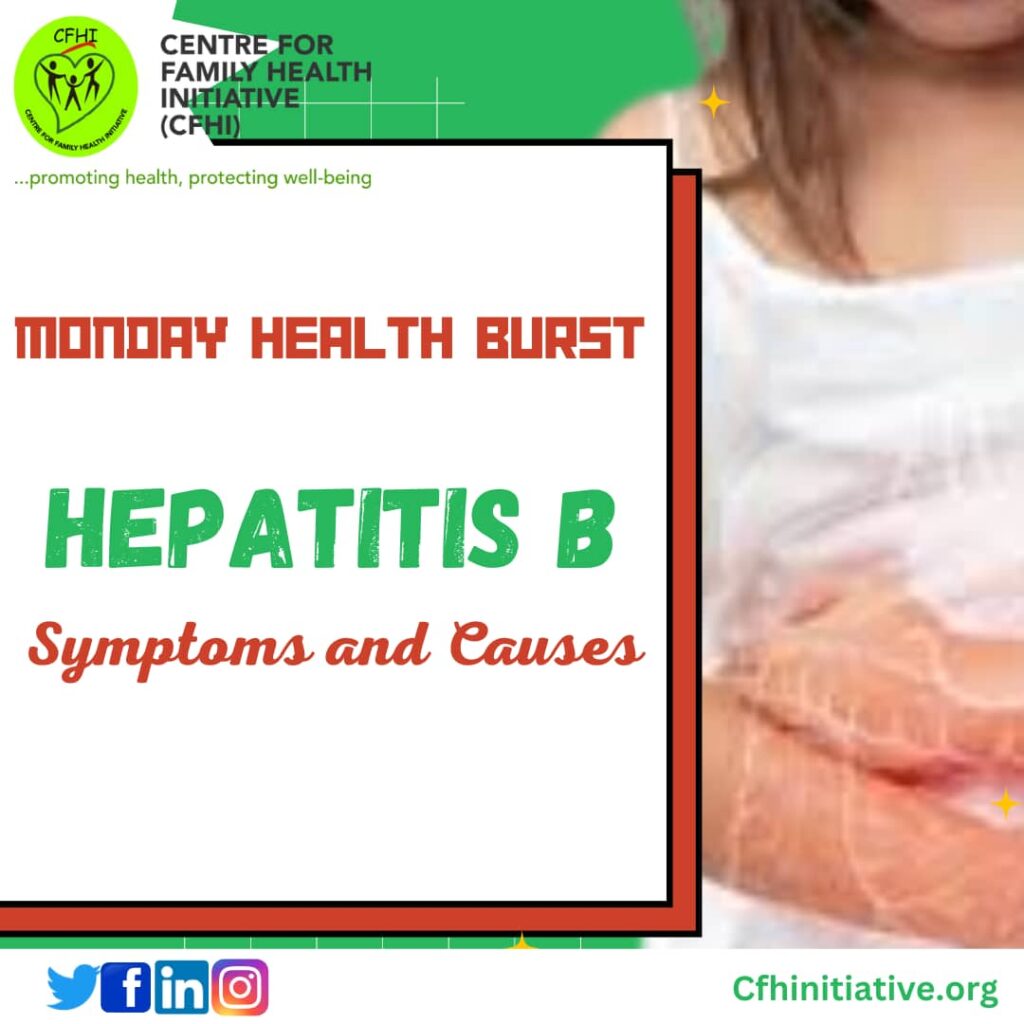
MONDAY HEALTH BURST ON SYMPTOMS AND CAUSES OF HEPATITIS B

Hepatitis B is a viral infection that attacks the liver and can cause both acute and chronic diseases. Having chronic hepatitis B raises your risk of getting liver cancer, liver failure, or cirrhosis, which permanently scars the liver.
The World Health Organization (WHO) estimates that around 1.5 million people are diagnosed with chronic hepatitis B infection annually, which affects a total of 296 million individuals.

SYMPTOMS
Hepatitis B may occasionally go undetected without any obvious signs. This is common among children.
Acute hepatitis B symptoms can start to show about 1 to 4 months after contact with the virus. Some of these symptoms include:
• Weakness and exhaustion
• Appetite loss
• Vomiting
• Jaundice
• Clay-colored stool
• the aching in one’s joints

CAUSES:
According to MayoClinic, the causes of Hepatitis B include:
• Sexual contact: It is possible to contract hepatitis B if one engages in unprotected sexual activity with an infected individual. The virus can be transmitted through bodily fluids such as blood, saliva, semen, or vaginal secretions.
• Sharing of needles/Accidental needle sticks: HBV easily spreads through needles and syringes contaminated with infected blood. Sharing IV drug paraphernalia puts one at high risk of hepatitis B.
• Mother to child: Pregnant women infected with HBV can pass the virus to their babies during childbirth. However, the newborn can be vaccinated to avoid getting infected in almost all cases. It is advisable to discuss with a healthcare provider the option of getting tested for hepatitis B if you are pregnant or planning to conceive.

Monday Health Burst is an initiative of CFHI to address issues of basic health concern. Join us every Monday on all our social media platforms for more episodes.

MONDAY HEALTH BURST ON SYMPTOMS AND CAUSES OF HEPATITIS B Read More »

MONDAY HEALTH BURST ON SARCOMA – CAUSES AND TREATMENT

Sarcoma, a rare form of cancer, encompasses a variety of malignancies that arise in the body’s connective tissues, such as bones, muscles, tendons, blood vessels, and soft tissues. Commonly observed symptoms are as follows:

  • Painless lump
  • Weight loss
  • Trouble in breathing
  • Pain in the affected bones
  • Swelling
  • Fatigue
  • A limp when the sarcoma is in your leg.

While the precise causes of sarcoma remain unclear, several factors can contribute to its development. Here are some potential causes and risk factors associated with sarcoma:

  1. Genetic factors: Genetic mutations or inherited conditions can increase the likelihood of developing sarcoma in certain cases.


  1. Radiation exposure: Previous exposure to high levels of ionizing radiation, particularly during cancer treatment or nuclear accidents, has been linked to an elevated risk of sarcoma. This is more common among individuals who have undergone radiation therapy for other types of cancer.


        3. Environmental factors: Certain environmental elements, such as exposure to specific chemicals or toxins, may contribute to sarcoma development. For example, exposure to vinyl chloride, a chemical used in plastics manufacturing, has been associated with an increased risk of a specific type of sarcoma called angiosarcoma.


  1. Chronic lymphedema: Prolonged swelling of the limbs caused by damage or removal of the lymphatic system, often resulting from cancer treatment or surgery, can elevate the risk of developing lymphangiosarcoma, a type of sarcoma.


Treatment:

According to Mayo Clinic’s Publication in December, 2022; Surgery is commonly employed as the primary treatment for sarcoma, aiming to remove the cancerous cells. Additional treatments may be administered before or after surgery, depending on the type and location of the sarcoma, the aggressiveness of the cells, and the presence of metastasis in other parts of the body. The optimal therapy for each individual is determined based on these factors.


Monday Health Burst is an initiative of CFHI to address issues of basic health concern. Join us every Monday on all our social media platforms for more episodes.


MONDAY HEALTH BURST ON SARCOMA – CAUSES AND TREATMENT Read More »

MONDAY HEALTH BURST ON SCHIZOPHRENIA – SYMPTOMS AND CAUSES

Schizophrenia is a chronic and severe mental disorder that affects how a person thinks, feels, and behaves. It is characterized by a range of symptoms that can significantly impact a person’s daily functioning and quality of life.

Around 24 million people, or 1 in 300 persons (0.32%) globally, suffer from schizophrenia. Adults (2) had a rate of 1 in 222 (0.4%). It is not as prevalent as many other mental illnesses. The most common time for onset is in the late teens and twenties, and it often occurs earlier in males than in women. (World Health Organization)

Symptoms:

Delusions: Delusions are false beliefs that are not based on reality. An example of a delusion is when a person believes that they are being watched or that someone is trying to harm them.

Hallucinations: Sensations that are not real but are experienced by the person with schizophrenia. These can include hearing voices, seeing things that are not there, or feeling sensations in the body.

Disorganized thinking and speech: A person with schizophrenia may have difficulty organizing and expressing their thoughts. Their speech may be illogical or unrelated to the topic being discussed.

Abnormal motor behaviour: This can manifest as unusual movements or repetitive behaviours that serve no apparent purpose.

Negative symptoms: These refer to a decrease or absence of normal functioning. Examples include a lack of motivation, social withdrawal, reduced emotional expression, and decreased speech.

Schizophrenia does not have a single identifiable cause, according to the World Health Organization (WHO). The condition is believed to result from genetic and environmental factors. Exposure to viruses or malnutrition before birth and complications during pregnancy or birth may contribute to its development. Additionally, psychosocial stress can play a role in the onset and progression of schizophrenia. Heavy cannabis use is also linked to an increased risk of the disorder.

It is crucial to take decisive action on schizophrenia, and it demands the active cooperation of governments, healthcare systems, communities, and individuals alike.


Monday Health Burst is an initiative of CFHI to address issues of basic health concern. Join us every Monday on all our social media platforms for more episodes.


MONDAY HEALTH BURST ON SCHIZOPHRENIA – SYMPTOMS AND CAUSES Read More »

MONDAY HEALTH BUSRT ON MEN’S HEALTH – CARDIOVASCULAR DISEASES

Cardiovascular disease refers to a class of conditions that affect the heart and blood vessels.

According to WHO in the year 2021, cardiovascular diseases (CVDs) are the leading cause of death globally, taking an estimated 17.9 million lives each year.

Risk Factors:

Men have unique risk factors for cardiovascular disease that may differ from those of women. Some common risk factors for men include:

  • Age: The risk of developing cardiovascular disease increases with age, particularly after the age of 45 for men.
  • High blood pressure: Men are more likely to develop high blood pressure compared to women, especially at a younger age.
  • High cholesterol: Elevated levels of LDL cholesterol (often referred to as “bad” cholesterol) and low levels of HDL cholesterol (often referred to as “good” cholesterol) can increase the risk of cardiovascular disease in men.
  • Obesity: Excess body weight, especially around the waist, increases the risk of developing cardiovascular disease in men.
  • Smoking: Men who smoke or have a history of smoking have a higher risk of heart disease compared to nonsmokers.
  • Diabetes: Men with diabetes are at an increased risk of developing cardiovascular disease, as diabetes can damage blood vessels and contribute to other risk factors such as high blood pressure and high cholesterol.

Symptoms:

The symptoms of cardiovascular disease in men can be similar to those experienced by women. However, men are more likely to experience chest pain or discomfort as the primary symptom of a heart attack. Other symptoms may include shortness of breath, pain radiating to the arm, jaw, or back, nausea, lightheadedness, and cold sweats. It is important to note that some men may experience “silent” heart attacks with minimal or no symptoms.

Prevention:

To reduce the risk of cardiovascular disease, men can take several preventive measures, including:

  • Adopting a healthy lifestyle: Engage in regular physical activity, eat a balanced diet rich in fruits, vegetables, whole grains, lean proteins, and low-fat dairy products, and maintain a healthy weight.
  • Quitting smoking: If you smoke, seek assistance to quit, as this will significantly reduce your risk of developing cardiovascular disease.
  • Managing blood pressure and cholesterol: Regularly monitor your blood pressure and cholesterol levels. If they are elevated, work with your healthcare provider to develop a plan to manage them effectively.
  • Controlling diabetes: If you have diabetes, follow your healthcare provider’s recommendations to manage your blood sugar levels and minimize the risk of cardiovascular complications.
  • Managing stress: Find healthy ways to cope with stress, such as exercising, practicing relaxation techniques, or engaging in hobbies and activities you enjoy.
  • Regular check-ups: Visit your healthcare provider for routine check-ups and screenings to assess your cardiovascular health and identify any potential issues early.

A healthcare expert should be consulted for tailored guidance and to go over any worries you may have about cardiovascular disease or your general health.

Monday Health Burst is an initiative of CFHI to address issues of basic health concern. Join us every Monday on all our social media platforms for more episodes.

MONDAY HEALTH BUSRT ON MEN’S HEALTH – CARDIOVASCULAR DISEASES Read More »