Monday Health Burst

MONDAY HEALTH BURST

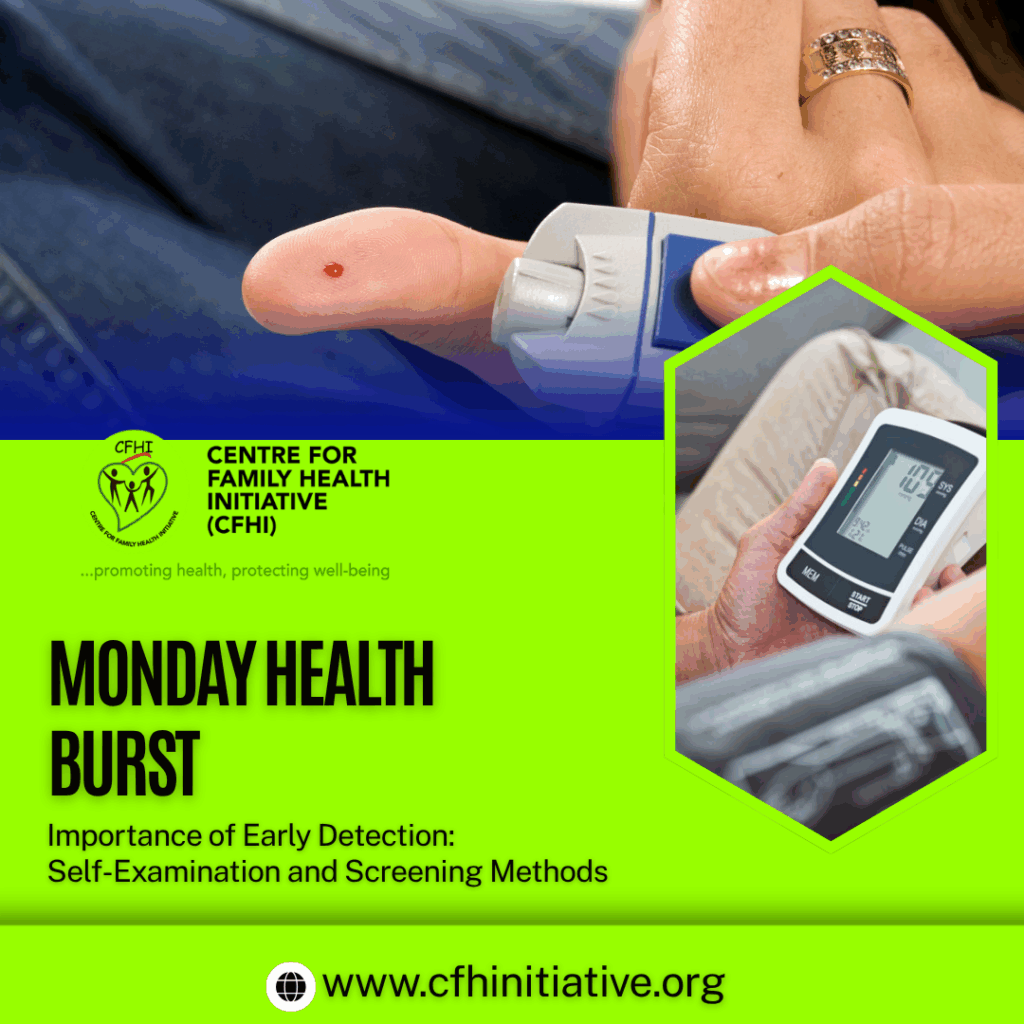
Importance of Early Detection: Self-Examination and Screening Methods
Early detection plays a pivotal role in improving global health outcomes by enabling the prompt diagnosis and management of diseases before they progress to critical stages. According to the World Health Organization (WHO), early detection through regular screening and self-examination significantly reduces mortality rates associated with noncommunicable diseases (NCDs), which account for approximately 74% of global deaths annually1. Diseases such as cancer, diabetes, hypertension, and chronic respiratory illnesses often develop silently, highlighting the necessity for individuals to take proactive measures in monitoring their health2. Evidence shows that screening can lead to a 20–30% reduction in mortality for breast, cervical, and colorectal cancers when implemented consistently3.

Self-examination is a vital preventive health practice that encourages individuals to familiarize themselves with their bodies and recognize unusual changes early. For instance, breast self-examination allows women to detect lumps or abnormalities, which, when reported promptly, can lead to early breast cancer diagnosis and improved survival chances4. Similarly, testicular self-examination helps men identify abnormal growths that could signal testicular cancer, a disease with over 95% survival rate when treated early5. Additionally, individuals can engage in simple health monitoring routines such as checking their blood pressure, blood sugar, and body mass index using approved health tools. However, it is essential to emphasize that self-examination and home monitoring should never replace professional evaluation. They serve as alert systems prompting individuals to seek medical consultation when necessary6

Screening programs complement self-examination by employing medical tests to identify diseases at early stages, often before symptoms manifest. According to the Centers for Disease Control and Prevention (CDC), routine screenings such as Pap smears, mammograms, blood pressure measurements, and HIV testing have been instrumental in reducing the burden of preventable diseases7. For example, the introduction of cervical cancer screening through Pap smears has reduced mortality rates by more than 60% in countries with sustained programs8. Similarly, diabetes screening helps detect prediabetes a condition affecting nearly 10% of adults globally enabling timely lifestyle modification and treatment9. These findings reaffirm that preventive screening is not just a diagnostic tool but a cost-effective strategy for strengthening public health systems.

It is equally important to distinguish between self-examination and self-medication. The WHO warns that misuse of over-the-counter drugs without medical supervision contributes to antimicrobial resistance and adverse health outcomes10. Individuals should instead rely on evidence-based preventive practices regular checkups, health education, and medical screening to maintain their wellbeing. The goal is to empower people to recognize early warning signs while avoiding the dangers of unprescribed medication and misinformation.

At Centre for Family Health Initiative (CFHI), we prioritize early detection as a cornerstone of preventive healthcare. Through our community outreach programs, health education sessions, and screening campaigns, CFHI enlightens individuals on the benefits of routine medical checkups and responsible self-examination. Our interventions promote proactive health-seeking behavior, equip communities with accurate health information, and strengthen early response systems against preventable diseases. By fostering awareness and action, CFHI continues to drive lasting impact in the promotion of health and prevention of illness across Nigeria.

References
[1] World Health Organization. Noncommunicable diseases. WHO.
[2] GBD 2021 Non-Communicable Disease Collaborators. Global burden of disease study 2021. Lancet. 2023;401(10383):1641–1712. https://doi.org/10.1016/S0140-6736(23)00221-2.
[3] International Agency for Research on Cancer. Cancer screening and prevention. IARC.
[4] American Cancer Society. Breast self-exam and awareness. https://www.cancer.org/cancer/breast-cancer/screening-tests-and-early-detection.html.
[5] National Cancer Institute. Testicular cancer treatment (PDQ)–Health professional version. https://www.cancer.gov/types/testicular/hp/testicular-treatment-pdq.
[6] National Institutes of Health. Health monitoring and disease prevention. NIH.
[7] Centers for Disease Control and Prevention. Screening for chronic diseases. CDC.
[8] Arbyn M, Weiderpass E, Bruni L, et al. Estimates of incidence and mortality of cervical cancer in 2020: a worldwide analysis. Lancet Glob Health. 2020;8(2):e191–e203. https://doi.org/10.1016/S2214-109X(19)30482-6.
[9] International Diabetes Federation. IDF Diabetes Atlas, 10th ed. Brussels, Belgium: IDF; 2021. https://diabetesatlas.org/.
[10] World Health Organization. The dangers of self-medication. WHO.

MONDAY HEALTH BURST Read More »

MONDAY HEALTH BURST: OVERVIEW OF BREAST CANCER

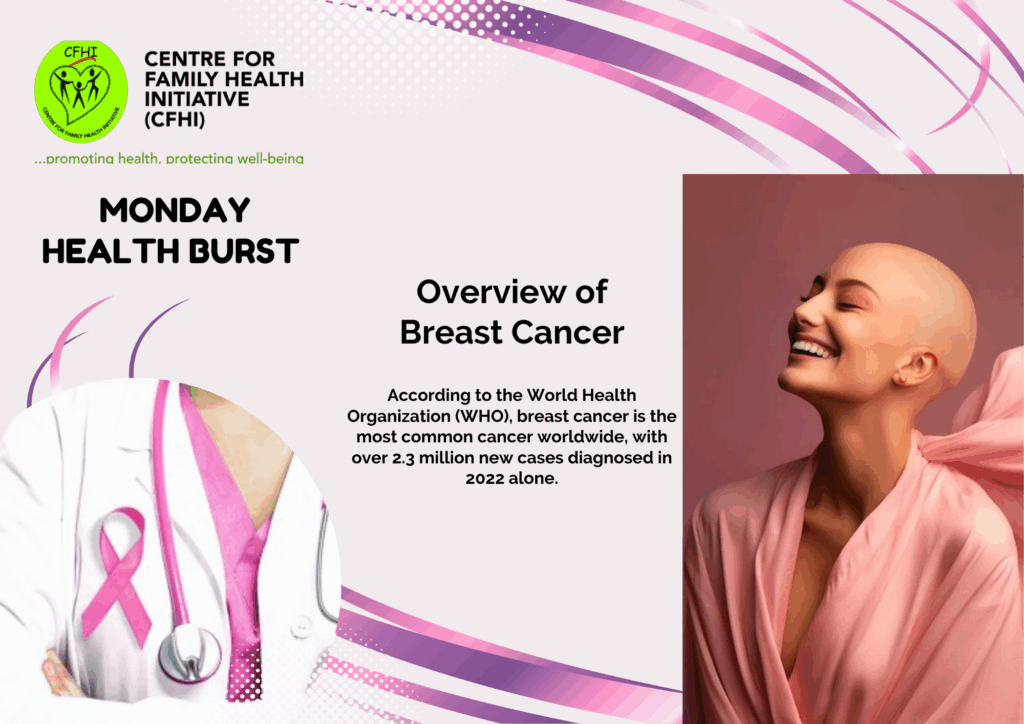
Overview of Breast Cancer

Breast cancer remains one of the most prevalent and life-altering diseases affecting millions globally. Despite significant advances in detection and treatment, it continues to pose a major public health challenge.

Breast cancer is a malignant tumor that originates in the cells of the breast. It occurs when breast cells mutate and grow uncontrollably, forming a mass of tissue. These cells can invade surrounding tissues and spread to other parts of the body through the lymphatic system or bloodstream—a process known as metastasis. According to the World Health Organization (WHO)1World Health Organization Breast Cancer Fact Sheet. WHO, breast cancer is the most common cancer worldwide, with over 2.3 million new cases diagnosed in 2022 alone.


Types of Breast Cancer

Breast cancer is not a single disease but a group of diseases with various subtypes. The most common types include:

  • Ductal Carcinoma In Situ (DCIS): A non-invasive cancer where abnormal cells are found in the lining of a breast duct but haven’t spread.
  • Invasive Ductal Carcinoma (IDC): The most common type, accounting for about 80% of cases. It begins in the ducts and invades surrounding tissue.
  • Invasive Lobular Carcinoma (ILC): Starts in the lobules (milk-producing glands) and can spread to nearby tissues.
  • Triple-Negative Breast Cancer (TNBC): Lacks estrogen, progesterone, and HER2 receptors, making it more aggressive and difficult to treat.
  • HER2-Positive Breast Cancer: Characterized by overexpression of the HER2 protein, which promotes cancer cell growth.

Each type has different treatment options and prognoses, emphasizing the importance of accurate diagnosis.

Breast cancer development is influenced by genetic, hormonal, and environmental factors. Mutations in genes like BRCA1 and BRCA2 significantly increase the risk. These mutations can be inherited or acquired over time due to exposure to carcinogens, lifestyle factors, or aging.

The process typically follows these stages:

  1. Initiation: Genetic mutations occur in breast cells.
  2. Promotion: Mutated cells begin to multiply.
  3. Progression: Cells form a tumor and may invade surrounding tissues.
  4. Metastasis: Cancer cells spread to other parts of the body.

In Nigeria, breast cancer accounts for 22.7% of all cancer cases among women, globally, 1 in 8 women will be diagnosed with breast cancer in their lifetime. Men are also affected, though less frequently—about 1% of all breast cancer cases occur in men, the highest incidence rates are found in high-income countries, but mortality rates are disproportionately higher in low- and middle-income countries due to late diagnosis and limited access to treatment. Nigerian Cancer Society. Cancer Statistics in Nigeria. NCS


Signs and Symptoms

Common symptoms of breast cancer may include a lump or thickening in the breast or underarm, changes in breast size, shape, or appearance, dimpling or puckering of the skin, nipple discharge (especially if it is bloody), nipple inversion or pain, and redness, scaling, or swelling of the breast or nipple. Regular self-examinations and clinical screenings play a vital role in ensuring early detection. While not all breast cancers are preventable, several strategies can reduce risk:

At CFHI, we are committed to transforming lives through health education, advocacy, and preventive care. We empower individuals and communities with the knowledge and tools they need to make informed health decisions. By fostering a culture of health consciousness, CFHI is helping to reduce the burden of preventable illnesses and build a healthier, more resilient society.

Breast cancer affects millions, but together, we can change the narrative. CFHI invites you to join the movement; whether by attending our health seminars, volunteering in community outreach, sharing educational materials, or simply encouraging loved ones to get screened. Your voice, your time, and your support can save lives.

Monday Health Burst is an initiative of CFHI to address issues of basic health concern. Join us every Monday on all our social media platforms for more episodes.

References

  1. World Health Organization Breast Cancer Fact Sheet. WHO
  2. Nigerian Cancer Society. Cancer Statistics in Nigeria. NCS

MONDAY HEALTH BURST: OVERVIEW OF BREAST CANCER Read More »

MONDAY HEALTH BURST ON SICKLE CELL DISEASE IN PREGNANCY

Sickle Cell Disease (SCD) is a hereditary blood disorder in which red blood cells, normally round and flexible, become rigid and shaped like a crescent or sickle. These abnormal cells can block blood flow, leading to pain crises, organ damage, and increased risk of complications. While SCD affects people at all stages of life, it poses unique challenges for women during pregnancy.

Pregnancy naturally places extra demands on a woman’s body, including increased blood volume and oxygen needs. For women with SCD, these changes can worsen complications, making both mother and baby more vulnerable. Some key risks include:

  • Maternal risks: Severe pain crises, anemia, preeclampsia (high blood pressure in pregnancy), infections, and increased likelihood of needing blood transfusions.
  • Fetal risks: Miscarriage, preterm birth, low birth weight, restricted growth in the womb, and stillbirth.

Despite the risks, many women with SCD go on to have successful pregnancies with proper medical care. Key aspects of management include:

  1. Preconception Counseling: Women with SCD are encouraged to seek genetic counseling and medical advice before pregnancy to understand risks and available options.
  2. Specialist Care: Antenatal care should be provided by a multidisciplinary team, including obstetricians, hematologists, and pediatricians.
  3. Regular Monitoring: Frequent check-ups, blood tests, and ultrasound scans are essential to monitor maternal health and fetal growth.
  4. Preventive Measures: Adequate hydration, folic acid supplementation, malaria prevention (in endemic areas), and vaccines against infections are critical.
  5. Safe Delivery Planning: Mode of delivery (vaginal or caesarean section) should be carefully planned based on the mother’s condition, with access to emergency care and blood transfusion services.

Beyond medical care, social and emotional support is vital. Family and community members can help by ensuring women with SCD have access to balanced nutrition, rest, emotional encouragement, and timely hospital visits.

Sickle Cell Disease in pregnancy is a high-risk condition, but with early diagnosis, specialized medical care, and strong support systems, women can achieve safe pregnancies and healthy babies. Increasing awareness, improving access to quality healthcare, and reducing stigma remain crucial steps toward better outcomes for mothers living with SCD.

References:

Preconception Counseling: Checklist, Benefits & When It Occurs

https://www.who.int/publications/i/item/9789240109124?utm_source

MONDAY HEALTH BURST ON SICKLE CELL DISEASE IN PREGNANCY Read More »

MONDAY HEALTH BURST ON SICKLE CELL DISEASE: RISK FACTORS FOR DEATH

Sickle Cell Disease (SCD) is one of the most common genetic disorders worldwide, affecting millions of people, particularly in sub-Saharan Africa. The condition alters the shape of red blood cells, making them rigid and sickle-like. These abnormal cells block blood flow, reduce oxygen supply, and break down faster than normal red cells. While advances in treatment have improved life expectancy, many individuals with SCD still face a heightened risk of premature death.

One of the leading causes of mortality in SCD is severe infection. Because the spleen gradually loses its function in filtering bacteria, individuals with SCD are highly vulnerable to life-threatening infections such as pneumonia, meningitis, and septicemia.1 Without timely vaccination, antibiotics, and medical attention, these infections remain a major cause of death, especially in children.

Another critical complication is acute chest syndrome, a sudden and severe condition marked by chest pain, cough, and difficulty in breathing. Often triggered by infection, fat embolism, or trapped sickled cells in the lungs, it is one of the deadliest complications and a frequent cause of hospitalization.

Stroke is also a significant risk factor. The blockage of blood vessels in the brain can lead to irreversible damage, disability, or even death. In children with SCD, the risk of stroke is several times higher than in the general population, and without early screening and preventive care, the consequences are often fatal.

In addition, severe anemia can develop when the body rapidly destroys sickled red blood cells. A sudden drop in hemoglobin levels caused by infections, splenic sequestration, or bone marrow suppression can quickly become life-threatening if blood transfusion is not available.

Over time, chronic damage to vital organs such as the kidneys, liver, lungs, and heart also increases the risk of death. Conditions like kidney failure and pulmonary hypertension are particularly common among adults living with SCD and often contribute to premature mortality.

Beyond medical complications, delayed diagnosis and poor access to healthcare remain critical challenges in many parts of the world. Children often die before SCD is even detected, while others lack access to lifesaving treatments like hydroxyurea, routine transfusion therapy, or emergency medical care. Poverty, malnutrition, and stigma further worsen outcomes.

Despite these risks, it is important to emphasize that SCD is not a death sentence. With early diagnosis, comprehensive medical care, preventive measures such as vaccination, and consistent treatment, individuals with SCD can live longer, healthier lives.2 Expanding newborn screening, improving access to affordable treatment, and raising community awareness are crucial steps toward reducing preventable deaths.

References:

  1. https://www.cdc.gov/sickle-cell/complications/complications-of-scd-infection.html

Prevention and Treatment of SCD Complications | Sickle Cell Disease (SCD) | CDC

MONDAY HEALTH BURST ON SICKLE CELL DISEASE: RISK FACTORS FOR DEATH Read More »

MONDAY HEALTH BURST ON SICKLE CELL OVERVIEW: TYPES AND SYMPTOMS

Sickle Cell Disease (SCD) is one of the most common inherited blood disorders, affecting millions of people worldwide, particularly in Africa, including Nigeria. It occurs when the body produces abnormal hemoglobin known as hemoglobin S which causes red blood cells to become rigid, sticky, and shaped like a sickle instead of being round and flexible. These sickle shaped cells can block blood flow, leading to pain and other complications.

According to the World Health Organization (WHO), an estimated 7.74 million people were living with sickle-cell disease globally, with 515,000 new births recorded, primarily in sub-Saharan Africa, which accounts for nearly 80% of global cases. Sickle-cell disease also contributes significantly to child mortality, causing 81,100 under-5 deaths in 2021, ranking as the 12th leading cause of death in this age group when considering the total mortality burden.

Types of Sickle Cell Disease

There are several forms of SCD, depending on the type of abnormal hemoglobin inherited:

  • HbSS (Sickle Cell Anemia): The most severe type, inherited when a person receives two sickle cell genes, one from each parent.
  • HbSC: Occurs when a person inherits one sickle cell gene and one gene for abnormal hemoglobin C. This type is usually less severe than HbSS but can still cause complications.
  • HbS Beta Thalassemia: Results from inheriting one sickle cell gene and one beta thalassemia gene. Severity depends on the form of thalassemia inherited.
  • Other rare types: Variations occur when the sickle cell gene is combined with other unusual hemoglobin mutations.

Common Symptoms of Sickle Cell Disease

The symptoms of SCD often begin in early childhood and may vary in severity from person to person. They include:

  • Anemia: Caused by the rapid breakdown of sickle cells, leading to fatigue and weakness.
  • Pain Episodes (Crises): Sudden episodes of severe pain in the chest, abdomen, joints, or bones when sickle cells block blood flow.
  • Swelling: Especially in the hands and feet, due to poor circulation of blood caused by blocked blood vessels.
  • Frequent Infections: Sickle cells can damage the spleen, making individuals more prone to infections.
  • Delayed Growth and Puberty: Due to a lack of oxygen and nutrients reaching body tissues.
  • Vision Problems: Blocked blood vessels in the eye can lead to sight issues over time.

Prompt diagnosis and comprehensive care are pivotal in enhancing the lives of those with SCD, involving pain management, blood transfusions, medications, and, in severe cases, bone marrow or stem cell transplantation. Raising awareness and promoting early intervention are essential steps towards alleviating the burden of this disease on affected individuals and their families.

Monday Health Burst is an initiative of CFHI to address issues of basic health concern. Join us every Monday on all our social media platforms for more episodes.

Reference

https://www.who.int/news-room/fact-sheets/detail/sickle-cell-disease

MONDAY HEALTH BURST ON SICKLE CELL OVERVIEW: TYPES AND SYMPTOMS Read More »

MONDAY HEALTH BURST ON EXCLUSIVE BREASTFEEDING: WHY 6 MONTHS MATTERS.

Breastfeeding is more than just a feeding method it’s a powerful tool for nurturing healthy babies and building stronger communities. According to the World Health Organization (WHO) and UNICEF, “infants should be exclusively breastfed for the first six months of life to achieve optimal growth, development and health” (WHO & UNICEF, 2003)1. But why is this six-month period so crucial?

What is Exclusive Breastfeeding?

Exclusive breastfeeding means giving a baby only breast milk, no water,2formula, or solid food for the first six months of life. The only exceptions are oral rehydration salts (ORS), drops, and syrups (vitamins, minerals, or medicines) when medically necessary.

Why the First 6 Months?

  1. Optimal Nutrition
    Breast milk contains the perfect mix of nutrients, antibodies, and enzymes tailored to meet a baby’s developmental needs. It changes in composition over time to keep up with the baby’s growing body. (UNICEF). 2
  2. Strong Immunity
    Breast milk acts as a baby’s first vaccine, packed with antibodies that help fight off infections like diarrhea, pneumonia, and ear infections conditions that are among the leading causes of child mortality in low- and middle-income countries. (UNICEF USA). 3
  3. Gut Health and Growth
    Babies’ digestive systems are still developing. Breast milk is gentle and easily digestible. Introducing other foods too early can disrupt gut development and lead to food allergies or malnutrition. ((PAHO). 4
  4. Protection Against Malnutrition and Obesity
    Exclusive breastfeeding helps establish healthy growth patterns and reduces the risk of undernutrition, overweight, and obesity later in life.(WHO) 5
  5. Bonding and Emotional Development
    The close skin-to-skin contact during breastfeeding enhances bonding, fosters emotional security, and supports brain development. (UNICEF Ghana). 6

Achieving six months of exclusive breastfeeding requires community support, including:

  • Maternity leave and breastfeeding-friendly workplaces
  • Support from health workers and peer counsellors.
  • Encouraging messages from family and communities
  • Access to skilled lactation counselling.

Exclusive breastfeeding for six months is not just a recommendation, it’s a lifesaving practice. It gives babies the healthiest start in life and strengthens maternal health.7 By supporting and empowering mothers to breastfeed exclusively, we invest in the health of the next generation.

The Centre for Family Health Initiative (CFHI) consistently promoted exclusive breastfeeding through several targeted interventions. As part of its maternal and child health outreach, CFHI conducted antenatal and postnatal health education sessions in primary healthcare centers and communities, where pregnant and nursing mothers were sensitized on the benefits of exclusive breastfeeding for six months. During its Safe Motherhood campaigns, breastfeeding demonstrations and Q&A sessions were held to address common misconceptions, particularly in rural areas. In collaboration with traditional birth attendants and community volunteers, CFHI also distributed visual educational materials on infant feeding practices and supported breastfeeding mothers through home visits under its OVC program. These activities ensured that women received the encouragement and accurate information needed to exclusively breastfeed their infants, even in resource-limited settings.

References

  1. https://www.who.int/publications/i/item/9241562218
  2. https://www.unicefusa.org/what-unicef-does/childrens-health/breastfeeding
  3. https://www.unicef.cn/en/parenting-site/8-facts-on-breastfeeding
  4. https://www.paho.org/en/enlace/exclusive-breastfeeding-infant-under-six-months-age
  5. https://www.who.int/news-room/fact-sheets/detail/infant-and-young-child-feeding
  6. https://www.unicef.org/ghana/stories/6-ways-breastfeeding-boosts-childrens-future
  7. https://www.unicef.org/nutrition/why-breastfeeding-best-babies

MONDAY HEALTH BURST ON EXCLUSIVE BREASTFEEDING: WHY 6 MONTHS MATTERS. Read More »

MONDAY HEALTH BURST ON HEPATITIS B: SYMPTOMS, AND CAUSES

Hepatitis B is a viral infection that attacks the liver and can cause both acute and chronic diseases. Having chronic hepatitis B raises your risk of getting liver cancer, liver failure, or cirrhosis, which permanently scars the liver.
According to the World Health Organization (WHO), an estimated 254 million people were living with chronic Hepatitis B infection as of 2022, with approximately 1.2 million new cases occurring annually.

SYMPTOMS
Hepatitis B may occasionally go undetected without any obvious signs. This is common among children.Acute hepatitis B symptoms can start to show about 1 to 4 months after contact with the virus. Some of these symptoms include:
• Weakness and exhaustion
• Appetite loss
• Vomiting
• Jaundice
• Clay-colored stool
• The aching in one’s joints

CAUSES:
According to MayoClinic, the causes of Hepatitis B include:
• Sexual contact: It is possible to contract hepatitis B if one engages in unprotected sexual activity with an infected individual. The virus can be transmitted through bodily fluids such as blood, saliva, semen, or vaginal secretions.
• Sharing of needles/Accidental needle sticks: HBV easily spreads through needles and syringes contaminated with infected blood. Sharing IV drug paraphernalia puts one at high risk of hepatitis B.
• Mother to child: Pregnant women infected with HBV can pass the virus to their babies during childbirth. However, the newborn can be vaccinated to avoid getting infected in almost all cases. It is advisable to discuss with a healthcare provider the option of getting tested for hepatitis B if you are pregnant or planning to conceive.

Monday Health Burst is an initiative of CFHI to address issues of basic health concern. Join us every Monday on all our social media platforms for more episodes.

References:

  1. https://www.who.int/news-room/fact-sheets/detail/hepatitis-b
  2. https://www.mayoclinic.org/diseases-conditions/hepatitis-b/symptoms-causes/syc-20366802

MONDAY HEALTH BURST ON HEPATITIS B: SYMPTOMS, AND CAUSES Read More »

MONDAY HEALTH BURST ON THE ROLE OF IMMUNIZATION IN PROTECTING PREGNANT WOMEN

Immunization plays a critical role in safeguarding the health of pregnant women and their unborn babies. During pregnancy, physiological changes in a woman’s immune system make her more vulnerable to certain infections, which can result in serious health complications for both mother and child. Vaccines provide a proven, effective line of defense by preventing these diseases and promoting safer pregnancies and deliveries1.

Beyond protecting the mother, immunization offers a crucial benefit to the unborn baby. Antibodies produced by the mother in response to vaccines are passed on to the fetus, offering early-life protection until the baby is old enough to receive their own vaccinations. This is especially important for diseases like tetanus, influenza, and pertussis (whooping cough), which can be life-threatening for newborns2.

As part of its commitment to improving maternal and child health, the Centre for Family Health Initiative (CFHI) has consistently championed immunization through community-based efforts. In 2022, CFHI marked World Immunization Week by partnering with the Idu Primary Health Care facility to provide vaccines to over 30 children in the Angwan Shahu community of Karimo, Abuja. This outreach was a direct response to barriers such as overcrowded health centers and limited transportation, which often prevent caregivers from accessing routine immunization services for their children.

Building on that momentum, in 2023 CFHI collaborated with the Primary Healthcare Center in Angwan Guragu, Karonmajiji. This event integrated community sensitization with the delivery of essential vaccines and reached over 50 individuals, including children and adults. These initiatives not only increased vaccine coverage but also reinforced public trust in immunization as a safe and necessary part of preventive healthcare.

Health stakeholders must continue to strengthen immunization systems, expand awareness, and eliminate barriers to access. Empowering women with accurate information and accessible services ensures they can make informed decisions to protect themselves and their children—laying the foundation for healthier families and communities.

Monday Health Burst is an initiative of Centre for Family Health Initiative (CFHI) to tackle issues of basic health concerns. Join us every Monday for more health-related articles on all our social media platforms.

References

  1. Centers for Disease Control and Prevention. (2022). Pregnancy and Vaccination. Retrieved from https://www.cdc.gov/vaccines/pregnancy
  2. World Health Organization. (2020). Vaccines in Pregnancy: Protecting Mother and Child. Retrieved from https://www.who.int/news-room/fact-sheets/detail/vaccines-in-pregnancy

MONDAY HEALTH BURST ON THE ROLE OF IMMUNIZATION IN PROTECTING PREGNANT WOMEN Read More »

MONDAY HEALTH BURST ON CERVICAL CANCER: KNOW THE FACTS, PROTECT YOUR HEALTH

Cervical cancer is a silent but serious public health concern, especially in low- and middle-income countries where access to screening and vaccination is limited. According to the World Health Organization (WHO), it is the 4th most common cancer among women worldwide, primarily caused by persistent infection with high-risk types of the human papillomavirus (HPV).1

The good news? Cervical cancer is largely preventable and treatable with early detection and the right preventive measures!

🚨 What Causes Cervical Cancer?

The #1 cause of cervical cancer is persistent HPV infection. Other key risk factors include: ✔️ Weakened immune system – Women with conditions like HIV are more vulnerable to persistent HPV infections. ✔️ Smoking – Tobacco damages cervical cells, increasing the risk of cancer. ✔️ Long-term use of oral contraceptives – Prolonged use may slightly increase the risk. ✔️ Multiple pregnancies – More full-term pregnancies can increase exposure to HPV and hormonal changes.

⚠️ Warning Signs & Symptoms

Cervical cancer often develops without symptoms in its early stages, making regular screening crucial! As it progresses, symptoms may include: 🔴 Unusual vaginal bleeding (between periods, after intercourse, or post-menopause) 🔴 Pelvic pain or pain during sexual intercourse 🔴 Abnormal vaginal discharge (watery, bloody, or foul-smelling) 🔴 Frequent or painful urination (in advanced cases)

🚩 Who is at Risk? Know Your Risks!

Certain factors increase the likelihood of cervical cancer, such as: ✅ Persistent HPV Infection – The leading risk factor. ✅ Early sexual activity – Exposure to HPV at a young age. ✅ Multiple sexual partners – Increases the risk of HPV transmission. ✅ Smoking – Toxic chemicals in tobacco damage cervical cells. ✅ Family history – A genetic link may contribute to risk. ✅ Immunosuppression – Conditions like HIV/AIDS weaken the body’s defense against HPV. ✅ Lack of screening – Not undergoing regular Pap smears or HPV tests increases late-stage diagnosis risk.

Prevention is Key: What You Can Do!

💉 Get vaccinated! The HPV vaccine is a powerful tool in preventing cervical cancer. 🩺 Go for regular screenings – Pap smears & HPV tests can catch abnormalities early. 🚭 Quit smoking – Reducing tobacco use lowers your risk. 🔍 Practice safe sex – Using condoms can help reduce HPV transmission.

Cervical cancer does not have to be a death sentence. With awareness, screening, and vaccination, we can eliminate cervical cancer and save countless lives. Share this message, encourage women to get screened, and let’s fight cervical cancer together! 💪

#CervicalCancerAwareness #HPVPrevention #WomensHealth #ScreeningSavesLives #NPHCDA

Reference:

  1. Cervical cancer


MONDAY HEALTH BURST ON CERVICAL CANCER: KNOW THE FACTS, PROTECT YOUR HEALTH Read More »

MONDAY HEALTH BURST ON IMPACT OF FEMALE GENITAL MUTILATION ON REPRODUCTIVE HEALTH

The Impact of Female Genital Mutilation (FGM) on Reproductive Health

Female Genital Mutilation (FGM) is a harmful practice involving the partial or total removal of external female genitalia for non-medical reasons. Prevalent in various regions across the world, it has severe consequences on women’s reproductive health. According to United Nations International Children’s Emergency Fund (UNICEF), over 230 million girls and women have been cut worldwide, with Africa accounting for the largest share at over 144 million.

FGM often leads to severe pain, excessive bleeding, infections, and even death due to non-sterile procedures. In the long term, women face chronic infections, painful intercourse due to scarring, complications during childbirth, menstrual problems, and in severe cases, fistula formation leading to continuous urine or fecal leakage. Additionally, FGM contributes to PTSD, anxiety, depression, and social stigma, impacting relationships and self-esteem.

Efforts to eradicate FGM include global advocacy, legal enforcement, and community education. Many organizations promote alternative rites of passage to replace the practice while respecting cultural traditions.

As part of this ongoing fight, the Centre for Family Health Initiative (CFHI) actively engages in grassroots advocacy. In 2023, CFHI observed the International Day of Zero Tolerance for Female Genital Mutilation by educating over 60 female residents of Umuawuka Village in Emii, Owerri, Imo State on the dangers of FGM and the importance of its eradication. Through awareness campaigns, CFHI continues to empower communities with knowledge and resources to end this harmful practice.

FGM is a human rights violation with lasting reproductive health effects. Raising awareness and strengthening legal frameworks are crucial in eliminating this harmful practice.

Reference:

https://data.unicef.org/topic/child-protection/female-genital-mutilation/


MONDAY HEALTH BURST ON IMPACT OF FEMALE GENITAL MUTILATION ON REPRODUCTIVE HEALTH Read More »