Sickle Cell Disease (SCD) is one of the most common inherited blood disorders, affecting millions of people worldwide, particularly in Africa, including Nigeria. It occurs when the body produces abnormal hemoglobin known as hemoglobin S which causes red blood cells to become rigid, sticky, and shaped like a sickle instead of being round and flexible. These sickle shaped cells can block blood flow, leading to pain and other complications.
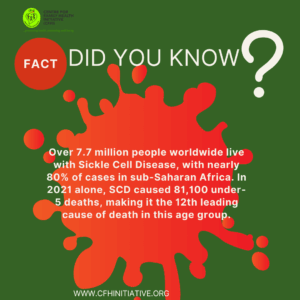
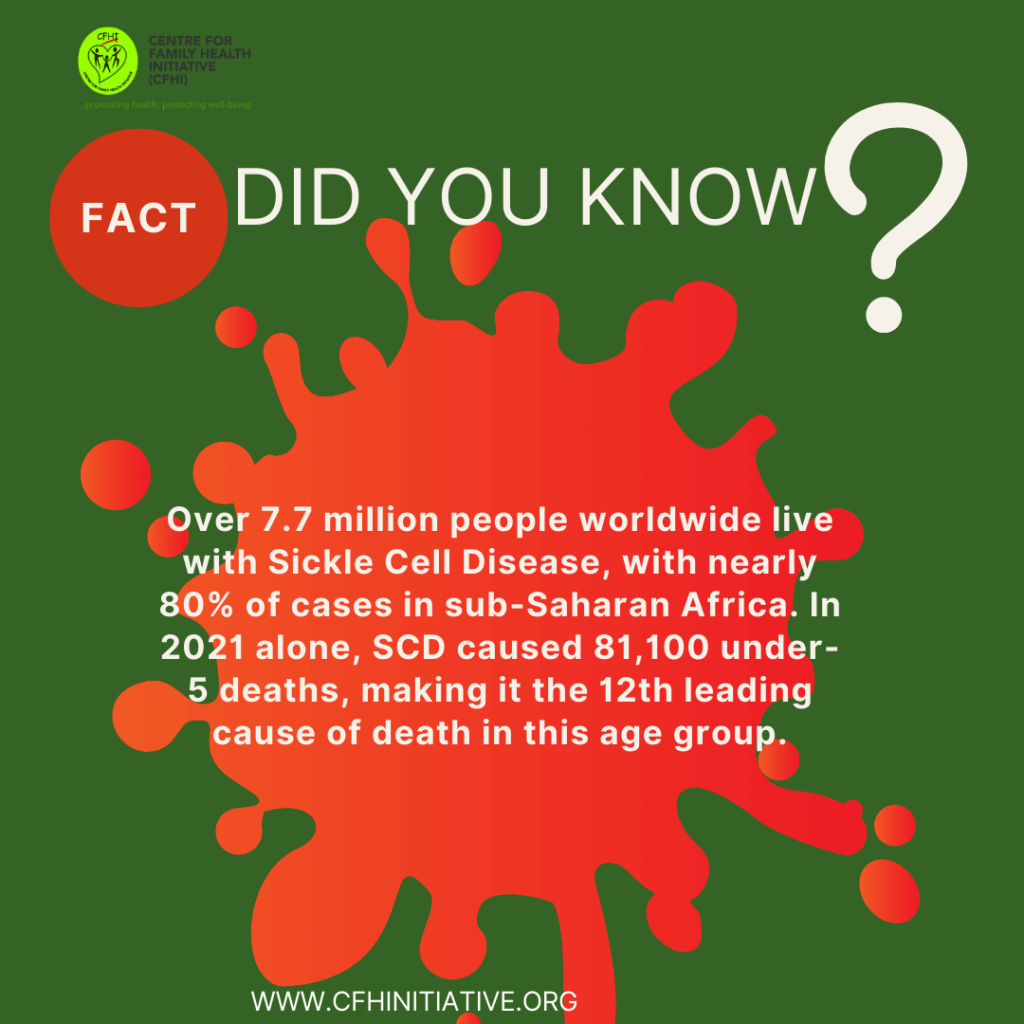
According to the World Health Organization (WHO), an estimated 7.74 million people were living with sickle-cell disease globally, with 515,000 new births recorded, primarily in sub-Saharan Africa, which accounts for nearly 80% of global cases. Sickle-cell disease also contributes significantly to child mortality, causing 81,100 under-5 deaths in 2021, ranking as the 12th leading cause of death in this age group when considering the total mortality burden.
Types of Sickle Cell Disease
There are several forms of SCD, depending on the type of abnormal hemoglobin inherited:
- HbSS (Sickle Cell Anemia): The most severe type, inherited when a person receives two sickle cell genes, one from each parent.
- HbSC: Occurs when a person inherits one sickle cell gene and one gene for abnormal hemoglobin C. This type is usually less severe than HbSS but can still cause complications.
- HbS Beta Thalassemia: Results from inheriting one sickle cell gene and one beta thalassemia gene. Severity depends on the form of thalassemia inherited.
- Other rare types: Variations occur when the sickle cell gene is combined with other unusual hemoglobin mutations.
Common Symptoms of Sickle Cell Disease
The symptoms of SCD often begin in early childhood and may vary in severity from person to person. They include:
- Anemia: Caused by the rapid breakdown of sickle cells, leading to fatigue and weakness.
- Pain Episodes (Crises): Sudden episodes of severe pain in the chest, abdomen, joints, or bones when sickle cells block blood flow.
- Swelling: Especially in the hands and feet, due to poor circulation of blood caused by blocked blood vessels.
- Frequent Infections: Sickle cells can damage the spleen, making individuals more prone to infections.
- Delayed Growth and Puberty: Due to a lack of oxygen and nutrients reaching body tissues.
- Vision Problems: Blocked blood vessels in the eye can lead to sight issues over time.
Prompt diagnosis and comprehensive care are pivotal in enhancing the lives of those with SCD, involving pain management, blood transfusions, medications, and, in severe cases, bone marrow or stem cell transplantation. Raising awareness and promoting early intervention are essential steps towards alleviating the burden of this disease on affected individuals and their families.
Monday Health Burst is an initiative of CFHI to address issues of basic health concern. Join us every Monday on all our social media platforms for more episodes.
Reference
https://www.who.int/news-room/fact-sheets/detail/sickle-cell-disease