News

MNCH Week Commemoration

“Care That Saves. Systems That Deliver” 

On June 12th, CFHI supported Girei A PHCC, Girei Local Government Area, to commemorate the Maternal, Newborn, and Child Health (MNCH) Week 2026.

A total of 38 pregnant women were successfully screened using the handheld ultrasound device provided by CFHI to the facility under the BIRTH Project. This highlights the critical role of antenatal care in the early detection of complications and the promotion of safe pregnancies.

The activity contributed to broader national efforts to improve maternal and newborn health outcomes by expanding access to timely and quality antenatal screening services for pregnant women across the LGA.

At Girei LGA, the commemoration took place at Girei A PHCC, where a total of 61 women received maternal and child health services during the exercise. 

Similarly, in Yola North LGA, the activity was conducted at the temporary site of Rumde PHCC, where a total of 53 women were attended to and provided with essential maternal and newborn health services.

The successful implementation of the activities across both LGAs demonstrates the importance of strengthening primary healthcare systems and improving access to quality maternal healthcare services at the community level.

CFHI remains committed to strengthening access to quality maternal and newborn health services through innovative tools and interventions that enhance early detection, improve care, and reduce preventable maternal and neonatal complications.

MNCH Week Commemoration Read More »
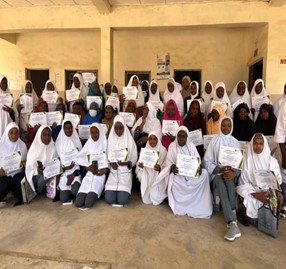
Menstrual Hygiene Management Day Commemoration at GSS Idu-Koro

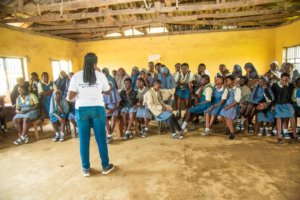
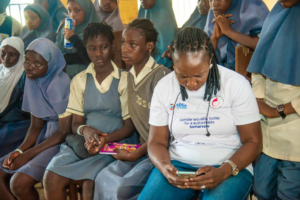
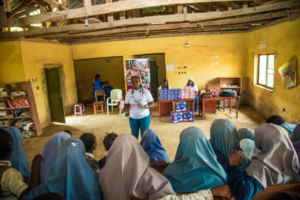
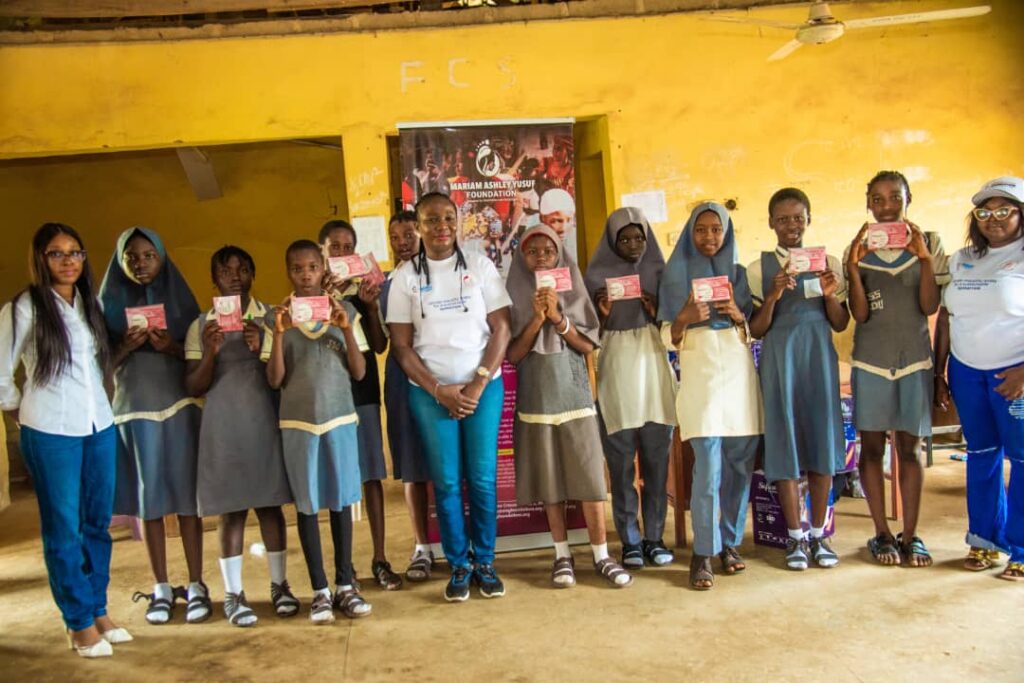
In commemoration of the 2026 edition of Menstrual Hygiene Management Day, the Centre for Family Health Initiative (CFHI), in collaboration with the May Ashley Yusuf Foundation, organized a menstrual health sensitization and outreach activity at Government Secondary School (GSS) Idu-Koro aimed at promoting menstrual hygiene awareness, education, and dignity among adolescent girls.

The event served as a platform to educate students on menstrual hygiene management through interactive health education sessions focused on menstrual health, hygiene practices, and the importance of breaking harmful myths and misconceptions surrounding menstruation. During the session, facilitators engaged the students in discussions on myths and facts about menstruation, helping them understand menstruation as a normal biological process while correcting misinformation that often fuels stigma, shame, and poor menstrual practices.


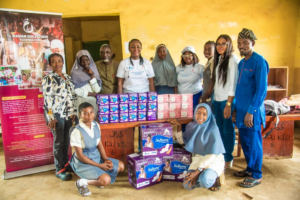
As part of the intervention, sanitary pads were distributed to female students to support menstrual dignity and ensure that lack of access to menstrual products does not hinder girls’ confidence, health, or school attendance.

Speaking on the significance of the commemoration, CFHI stated that commemorating Menstrual Hygiene Management Day presents an opportunity to strengthen awareness, improve access to menstrual health education, provide practical support, and empower girls with the knowledge and confidence to manage menstruation safely and with dignity.

The collaboration between CFHI and the May Ashley Yusuf Foundation reflects a shared commitment and joint effort to sensitize adolescent girls on menstrual hygiene management, eliminate stigma, and create safe spaces for open conversations around menstruation. Through partnerships such as this, both organizations continue to advocate for menstrual health education, access to menstrual products, and increased awareness to ensure that no girl is left behind due to menstruation.

The activity aligns with the global observance of Menstrual Hygiene Management Day marked annually on May 28, reinforcing the importance of awareness, education, and access to menstrual health resources for girls and young women in schools and communities.

Menstrual Hygiene Management Day Commemoration at GSS Idu-Koro Read More »

CFHI Equips LEA Primary School Kabusa Library

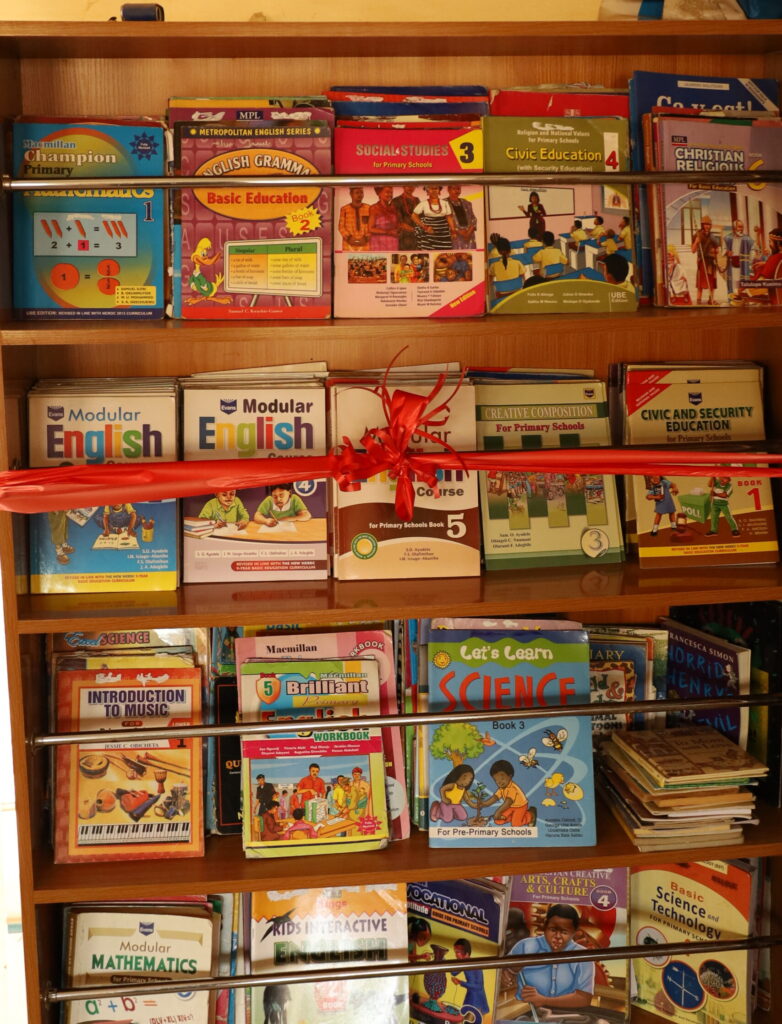
CFHI carried out a library intervention at LEA Primary School, Kabusa, FCT, as part of its commitment to promoting education and nurturing young minds. The initiative focused on improving access to learning materials by donating a variety of books to support reading culture among pupils. This intervention is in line with CFHI’s broader goal of empowering children through education and creating opportunities for intellectual growth at the grassroots level.

The donation included age-appropriate storybooks, academic texts, and educational resources designed to stimulate curiosity, creativity, and learning among the pupils. By providing these materials, CFHI aims to bridge the gap in access to quality reading resources, particularly in underserved schools where such materials are often limited. The presence of these books is expected to enhance both classroom learning and independent reading habits.


Teachers and school administrators expressed appreciation for the intervention, noting that access to books plays a vital role in improving literacy levels and academic performance. They highlighted that the availability of diverse reading materials will encourage pupils to develop a love for reading, expand their vocabulary, and improve comprehension skills. The initiative also supports teachers in delivering more engaging and effective lessons.

Pupils of LEA Primary School, Kabusa, received the donation with excitement and enthusiasm, demonstrating eagerness to explore the new materials.  “Readers are leaders, and with these books, we will raise leaders. This initiative will not only benefit the students but also support teachers in their research and continuous learning.” Asst head teacher Haruna Joseph

The intervention created an opportunity for students to interact with books beyond their regular curriculum, fostering imagination and critical thinking. It also served as a reminder of the importance of creating a supportive learning environment where children feel inspired to learn and grow.

In conclusion, CFHI encourages pupils to make effective use of the donated books and cultivate a consistent reading culture. They were advised to handle the materials with care and share knowledge with their peers. CFHI remains committed to supporting educational initiatives that contribute to the holistic development of children, recognizing that investing in young minds today is key to building a brighter and more informed future.

CFHI Equips LEA Primary School Kabusa Library Read More »

World TB Day: Imo State Intensifies Awareness, Screens Over 300 Residents

Over 300 residents of Imo State were screened for tuberculosis, with 59 identified as presumptive cases and referred for further evaluation, as the Catholic Caritas Foundation of Nigeria in collaboration with the Imo State Ministry of Health, the World Health Organization, CFHI, and other relevant stakeholders marked World TB Day through a community-wide awareness and screening campaign held in Owerri.

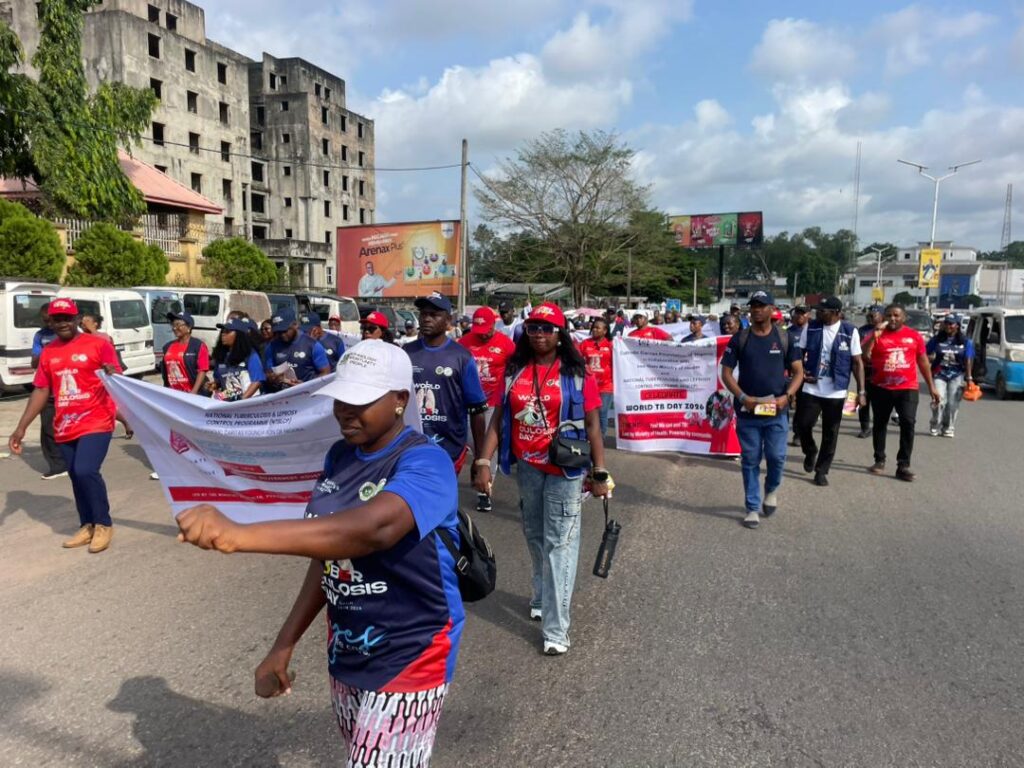
The event, themed “Yes! We Can End TB – Led by the Ministry of Health, Powered by Communities,” was spearheaded by the Commissioner for Health, Dr. Chioma Egu. Activities commenced with a road walk from Freedom Square to Eke Onuwa Market, drawing participation from government officials, health workers, and community members.

Participants marched through major streets carrying banners and distributing informational flyers with messages promoting TB prevention and control. At Eke Onuwa Market, free tuberculosis and HIV screening services were provided, with healthcare professionals offering on-site testing, counseling, and education on prevention and treatment.

Speaking at the event, stakeholders emphasized the importance of early detection, community awareness, and sustained collaboration in addressing the TB burden in the state. The outreach attracted significant public interest, particularly among market traders and passersby who accessed the free screening services.

The initiative also led to increased awareness among community members and strengthened partnerships among health stakeholders.

The stakeholders reaffirmed their commitment to sustaining advocacy, expanding access to screening, and strengthening community-driven efforts to eliminate tuberculosis in Imo State. 

World TB Day: Imo State Intensifies Awareness, Screens Over 300 Residents Read More »

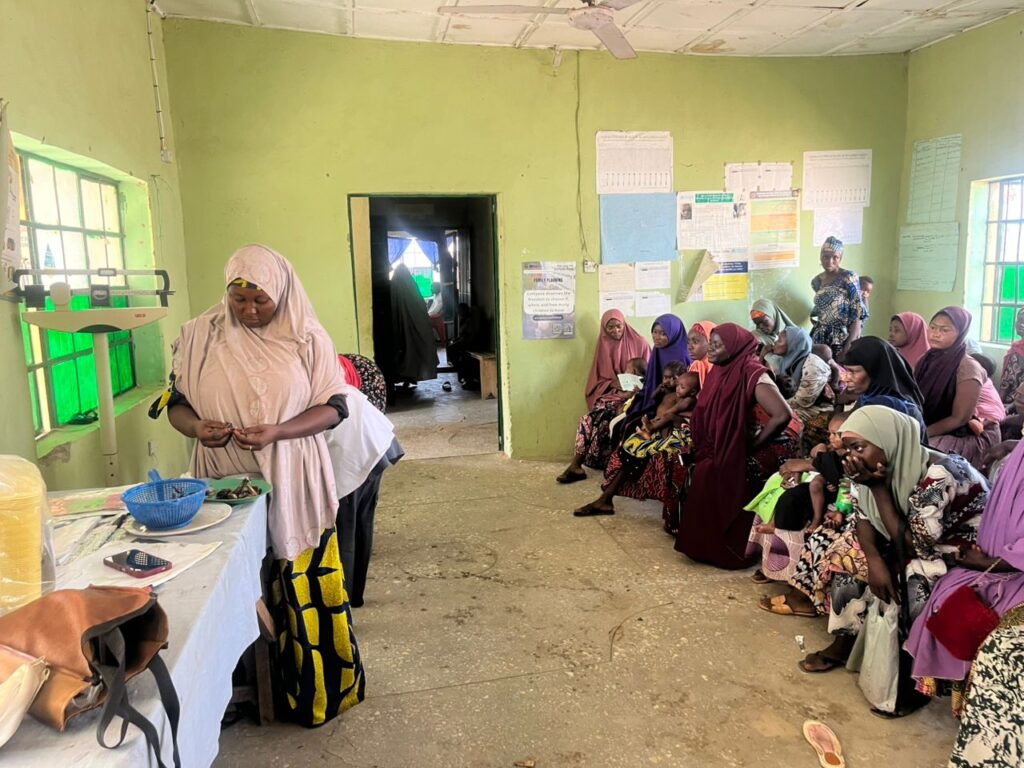
Empowering Mothers with Practical Nutrition Skills in Zamfara State

In a strategic effort to address maternal and child malnutrition, a series of capacity-building sessions and hands-on nutrition workshops were conducted across Zamfara State from Wednesday, 11th to Friday, 13th March 2026. The initiative reached 40 pregnant and nursing mothers from Gadar Baga, Albarkawa, Sabon Birni, and Sabon Gari communities within Gusau and Bungudu LGAs.

The intervention focused on equipping caregivers with practical, sustainable skills to reduce dependence on Ready-to-Use Therapeutic Food (RUTF) by promoting the preparation of nutritious homemade alternatives using affordable, locally available ingredients.

The workshops featured live food demonstrations facilitated by facility nutrition officers. Participants were introduced to the preparation of Tom Brown, a nutrient-rich blend of millet, soybeans, and groundnuts, alongside the incorporation of protein sources such as eggs, meat, fish, and crayfish, which are essential for growth and brain development.

Emphasis was also placed on the importance of balanced diets through the inclusion of vitamin-rich vegetables, energy-giving foods like sweet potatoes, and healthy fats such as palm and groundnut oil to enhance nutrient absorption. By combining these food groups, mothers learned how to create balanced ‘plate’ meals that supply essential nutrients including iron, folate, and calcium, critical for preventing anemia and supporting both maternal health and child development.

The sessions reinforced the importance of dietary diversity during pregnancy and breastfeeding. Adequate maternal nutrition not only reduces the risk of birth complications and low birth weight but also improves breast milk quality, ensuring infants receive the nutrients and antibodies needed during the critical first 1,000 days of life.

A key takeaway from the workshops was the realization that optimal nutrition does not depend on expensive or imported products. Rather, it can be achieved through the effective use of locally available foods when combined hygienically and appropriately.

The sessions recorded remarkable outcomes, including increased awareness among mothers on the link between diet and disease prevention. Participants left the workshop with the strengthened capacity to provide nutritious complementary feeding, ensuring their children hit critical growth milestones. By fostering an environment of active participation and interaction, the program successfully bridged the gap between nutritional theory and kitchen reality, leaving the participants better equipped to manage their households’ health independently.

As these mothers return to their communities, they do so not only as caregivers but also as informed advocates for better nutrition.

This initiative has laid a strong foundation for improving household nutrition practices in Gusau and Bungudu LGAs, with the potential to significantly reduce malnutrition rates across the target communities.

Empowering Mothers with Practical Nutrition Skills in Zamfara State Read More »

Capacity Building Training for Healthcare Workers and TBAs in Zamfara State

 In a strategic effort to improve maternal health outcomes in Zamfara State, a 2-day capacity building training was conducted for Community Health Extension Workers (CHEWs), Facility In-charges, and Traditional Birth Attendants (TBAs). The sessions were held at Shagari Primary Health Care (PHC) in Gusau LGA on the 3rd and 4th of March 2026, and at WCWC Bungudu in Bungudu LGA on the 5th and 6th of March. The program reached a total of 90 participants.

The training yielded significant achievements, most notably a marked increase in the participants’ understanding of pregnancy danger signs and a strengthened commitment to promoting facility-based deliveries. By clarifying the referral pathways, the sessions bridged the gap between community-led care and clinical intervention. The TBAs admitted handling most deliveries at home; but following the sessions, they pledged to act as a bridge to health facilities, especially for complicated cases. Similarly, CHEWs utilized the platform to brainstorm local solutions for rural referral challenges, fostering a collaborative spirit that is essential for reducing maternal and neonatal mortality in the state.

By building on the increased synergy between TBAs and facility in-charges, the program has laid a foundation for a more responsive health ecosystem in Gusau and Bungudu LGAs, where the goal remains the safety and health of every mother and newborn.

Capacity Building Training for Healthcare Workers and TBAs in Zamfara State Read More »

International Women’s Day 2026 Celebration in Adamawa State

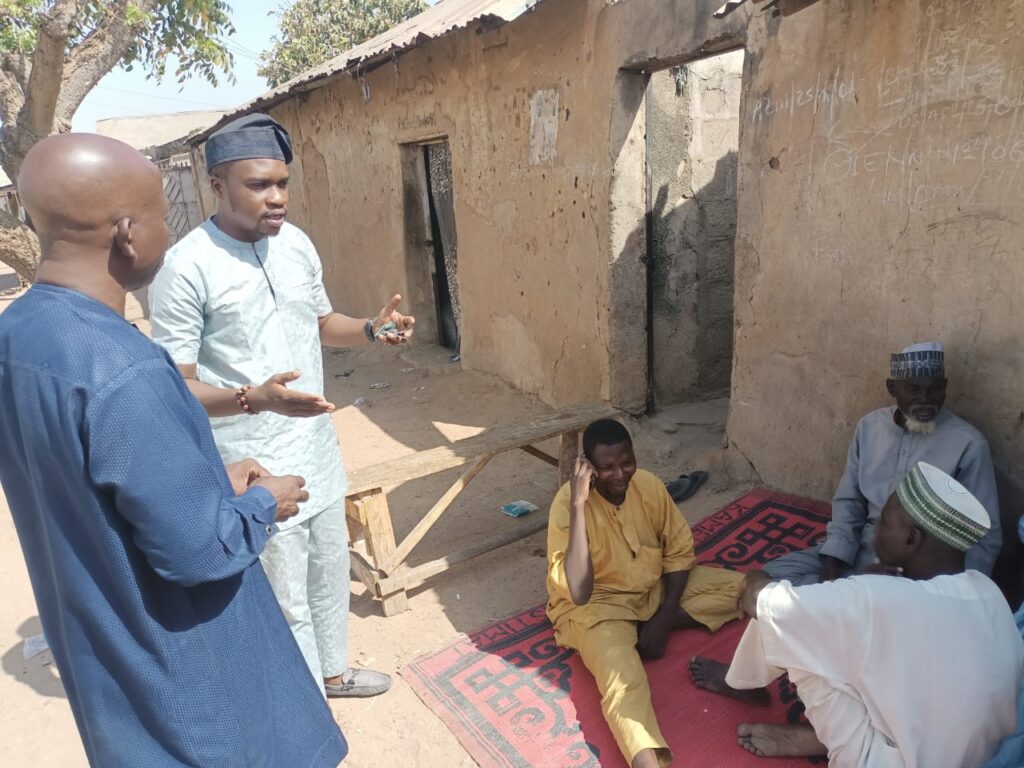
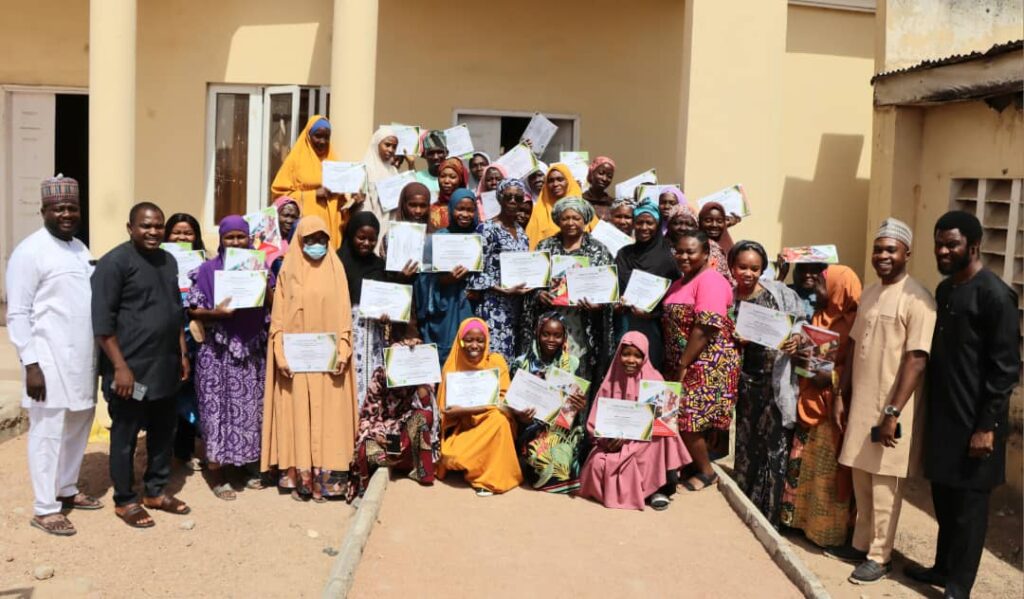
In commemoration of International Women’s Day (IWD) 2026, the Centre for Family Health Initiative (CFHI) hosted a landmark community engagement at the residence of the Ward Development Chairman (WDC) in Rumde, Yola North LGA. The event was attended by high-level stakeholders, including the CFHI Project Coordinator, the Facility Manager of Rumde PHCC, and the Yola North Women Leader.

The activity was centered on the localized theme, “Lafiyar Iyali, Girman Namiji” (A healthy family is a man’s pride). This theme was strategically chosen to engage men as active partners in the domestic sphere. It reinforces the idea that a man’s true strength and dignity are reflected in the well-being of his wife and children. This local perspective is deeply connected to the 2026 United Nations IWD theme: “Rights, Justice, and Action.” While the UN focuses on the systemic justice and legal rights of women, the Rumde celebration translated these global goals into domestic action. By ensuring a woman’s right to health and safety is upheld within the home, the community is delivering “Justice” at the most fundamental level. A healthy home is the ultimate celebration of IWD, where a man’s role shifts from a mere provider to a protector of health and a champion of his family’s fundamental rights.

The gathering in Yola North was not merely a celebration but a blueprint for future interventions across the region. This meeting intended to spark a behavioural shift, emphasizing that community development is impossible without the active participation of men in women’s health issues. The goal of this dialogue is to foster a society where men take pride in escorting their wives to clinics and ensuring their daughters are educated and healthy.

As we celebrate International Women’s Day, we honour the homes where equality and health reside, recognizing that when a woman thrives, the entire family and indeed the entire community prospers.


International Women’s Day 2026 Celebration in Adamawa State Read More »

CFHI Hosted Virtual Side Event During CSW70

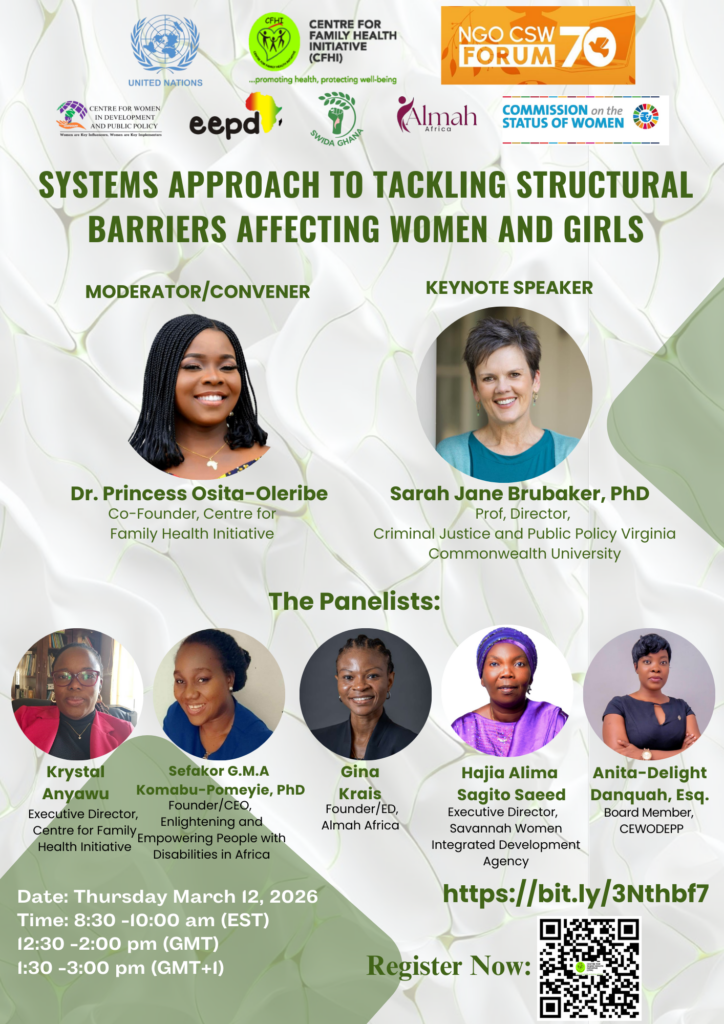
The Centre for Family Health Initiative (CFHI) successfully hosted a virtual side event on March 12, 2026, during the 70th session of the United Nations Commission on the Status of Women (CSW70). The event, titled “Systems Approach to Tackling Structural Barriers Affecting Women and Girls,” served as a critical platform for advocates, policymakers, and community leaders to confront the systemic obstacles that continue to hinder gender equality and the rights of women and girls globally.

The centrepiece of the discussion was a rigorous analysis of these structural barriers, which was scrutinized and thoroughly discussed by our esteemed keynote speaker, Sarah Jane Brubaker PhD, Director, certificate in Gender violence intervention, professor of criminal justice and public policy (Virginia Commonwealth University). Her address was particularly timely and resonant, given the recent and concerning increase in gender-based harm and structural exclusion observed among women and girls worldwide, urging attendees to move beyond passive observation toward decisive action.

To provide a comprehensive global perspective, the webinar featured a diverse panel of experts from across the world, notable speakers included Krstyal Anyanwu, Sefakor G.M.A Komabu-Pomeyie, PhD, Gina Krais, Hajia Alima Sagito Saeed, Anita-Delight Danquah Esq. who provided localized insights into the African context. Their collective expertise highlighted how interconnected legal, economic, and social systems must be reformed to effectively protect women and girls.

The reach of the event was truly expansive, drawing a wide audience of over 100 active participants from across Africa and beyond, representing various spheres of life, including civil society, academia, government, and grassroots activism. This high level of engagement underscored a shared commitment to breaking down barriers and fostered a vibrant environment where participants from different backgrounds could unite under the common goal of advancing social justice and gender empowerment.

A highlight of the session was the dedicated Q&A segment, where the audience actively participated by posing insightful questions to the panel. This interactive portion allowed for a deeper exploration of the practical pathways for change, as attendees shared their own experiences and sought strategies to navigate the unique challenges faced in their respective communities. The dialogue demonstrated the power of collective wisdom in shaping future advocacy efforts.

We are proud to have facilitated this essential conversation and remain dedicated to the ongoing pursuit of an equitable future. You can watch the full recording of this impactful session and hear the complete contributions of our speakers on our official YouTube channel here: https://youtu.be/O0b7g8bQxUs.


CFHI Hosted Virtual Side Event During CSW70 Read More »

Training on Maternal and Neonatal Child Health for TBAs and CHEWs

The Centre for Family Health Initiative (CFHI) with support from relevant partners successfully conducted a specialized 4-day training program in Adamawa State, focused on enhancing the synergy between Traditional Birth Attendants (TBAs) and Community Health Extension Workers (CHEWs). The exercise commenced on the 2nd and 3rd of March 2026 at the NSHIP Hall in Girei LGA, followed by sessions on the 4th and 5th of March at the NSHIP Hall in Yola North LGA. A total of 90 participants, 45 from each Local Government Area were reached, creating a robust network of community health providers equipped to tackle maternal mortality at the grassroots level. The sessions were led by a team of expert facilitators who utilized interactive modules to bridge the gap between traditional practices and clinical standards.


The core of the curriculum centered on the critical roles of TBAs and CHEWs before, during, and after pregnancy and delivery. Participants were trained on the “Three Delays” model, emphasizing their role in early danger sign recognition during the prenatal period and the necessity of immediate referral to skilled facilities during labor. Facilitators detailed the collaborative workflow required during delivery to ensure sanitary conditions and professional overwatch, while the postnatal sessions focused on essential newborn care and monitoring the mother for hemorrhaging. By clarifying these roles, the training sought to transform TBAs from isolated practitioners into “Community Linkage Agents” who work together with CHEWs to ensure every birth is attended by a skilled professional.


The importance and benefits of this training lie in its ability to significantly reduce maternal and neonatal morbidity rates across Adamawa State. By integrating TBAs into the formal health referral system, CFHI is ensuring that cultural trust is maintained while medical safety is prioritized. The primary benefit is the creation of a seamless “Continuum of Care,” where pregnant women are encouraged to seek antenatal services early and deliver in safe environments. Ultimately, this intervention empowers community health actors with the knowledge to save lives, ensuring that pregnancy is a journey of joy rather than a risk, and strengthening the overall health ecosystem in Girei and Yola North.


Training on Maternal and Neonatal Child Health for TBAs and CHEWs Read More »

High-Level Policy Engagement: Courtesy Visit to the Honourable Minister of Innovation, Science & Technology

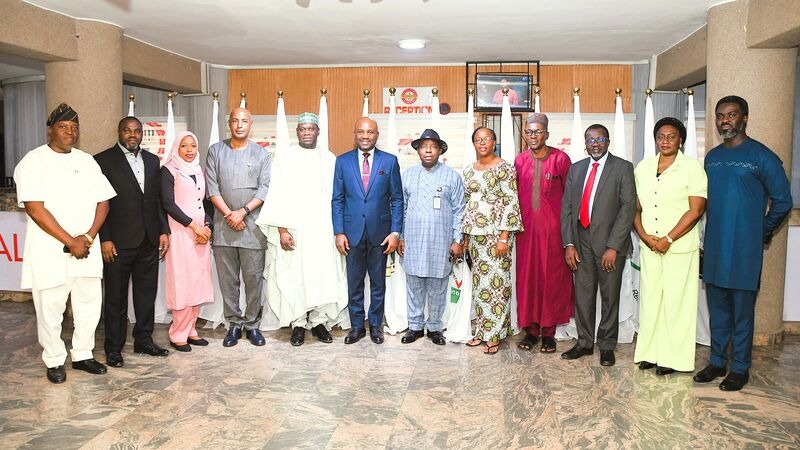
CFHI was honoured to join Grand Challenges Nigeria and fellow innovators on a courtesy visit to the Honourable Minister of the Federal Ministry of Innovation, Science and Technology.

As a grantee under GCNg’s inaugural request for proposals themed “Advancing Innovative Solutions for Maternal, Newborn, and Child Health,” CFHI is implementing the BIRTH Project in Zamfara and Adamawa States. The project addresses Nigeria’s high maternal and neonatal mortality rates by strengthening emergency obstetric services, expanding access to skilled birth attendants, deploying life-saving technologies, and building sustainable local capacity.

The BIRTH Project aligns with Nigeria’s broader national efforts, including the Maternal and Neonatal Mortality Reduction Innovation Initiative (MAMII), to accelerate reductions in maternal and newborn deaths through innovative, locally driven solutions.

We were pleased to engage alongside the Permanent Secretary, Ministry Directors, and representatives from the Nutrition Society of Nigeria, the Federal Ministry of Health and the Federal Ministry of Agriculture, reflecting the multisectoral collaboration required to sustainably reduce MNCH mortality.

At CFHI, we remain committed to ensuring innovation reaches the last mile, where mothers and newborns need it most.

High-Level Policy Engagement: Courtesy Visit to the Honourable Minister of Innovation, Science & Technology Read More »