News

TECHNICAL WORKING GROUP MEETING ON ENDING VIOLENCE AGAINST CHILDREN

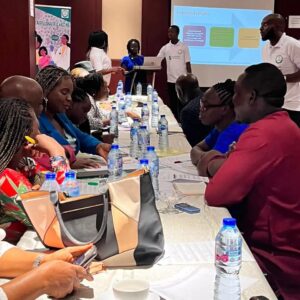
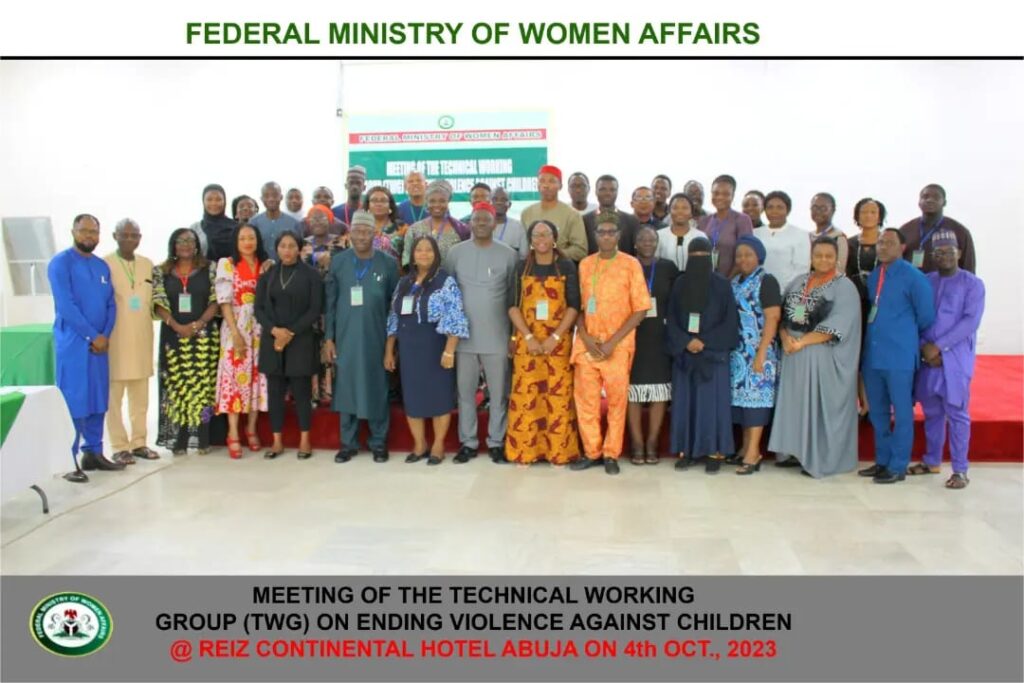
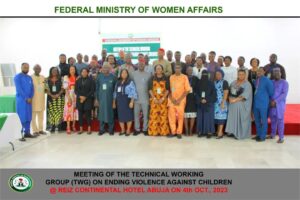
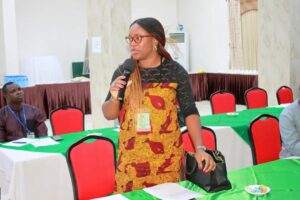
The Executive Director of CFHI, Krystal Anyanwu attended the technical working group (TWG) meeting on ending violence against children (EVAC) at Reiz Continental Hotel Abuja on Oct 4, 2023.

The team reviewed the Key Informants Interview Tool for the Costed National and Six States Plans of Action to End Violence Against Children in Nigeria. Also in attendance were the Directors of the Child Development Department of Federal Ministry of Women Affairs, representatives of the United Nations Children’s Fund (UNICEF), Ministry of Health, Ministry of Labour, and other relevant stakeholders.

TECHNICAL WORKING GROUP MEETING ON ENDING VIOLENCE AGAINST CHILDREN Read More »

LEADERSHIP TRAINING FOR GOVERNMENT SECONDARY SCHOOL KABUSA

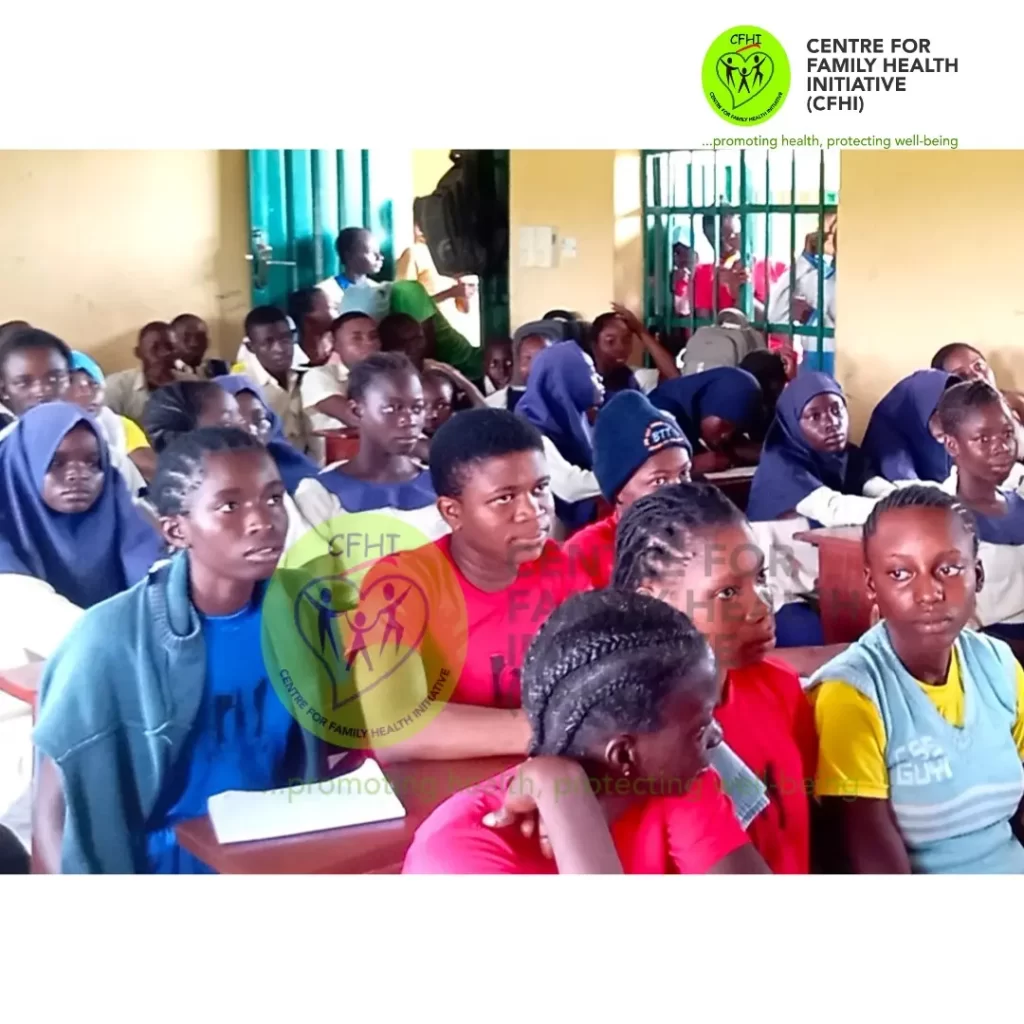
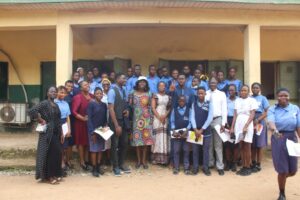
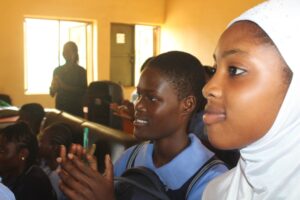
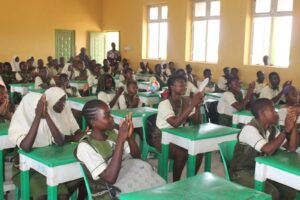
CFHI in partnership with Toast Masters International, Sheerah Children Books, Jewel Publishers Nigeria and Institute of Human Virology Nigeria organised a leadership training for the school prefects of Government Secondary School Kabusa,Abuja.

About 25 school prefects were trained and empowered with skills such as goal setting, public speaking, servant leadership, and time management.
In addition, over 300 books were donated to the school library.

LEADERSHIP TRAINING FOR GOVERNMENT SECONDARY SCHOOL KABUSA Read More »

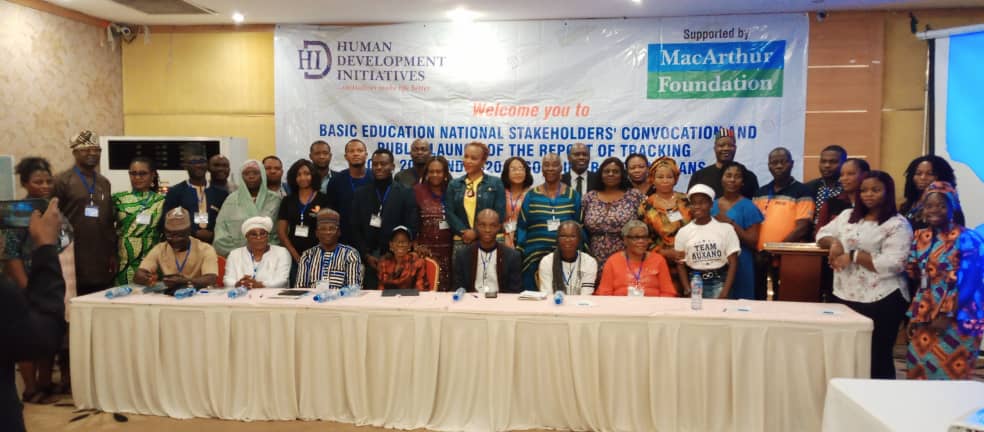
BASIC EDUCATION NATIONAL STAKEHOLDERS CONVOCATION

Centre for Family Health Initiative was represented at the Basic Education National Stakeholders’ Convocation and Public Lunch of tracking Lagos State Universal Basic Education Board (SUBEB) 2018, 2019, and 2020 action plans.

The event facilitated brainstorming and dialogue sessions on how to tackle the challenges affecting basic education in Nigeria.

The event took place today at Ibeto Hotel Apo, Gudu District ,Abuja.

BASIC EDUCATION NATIONAL STAKEHOLDERS CONVOCATION Read More »

WORLD BREASTFEEDING WEEK

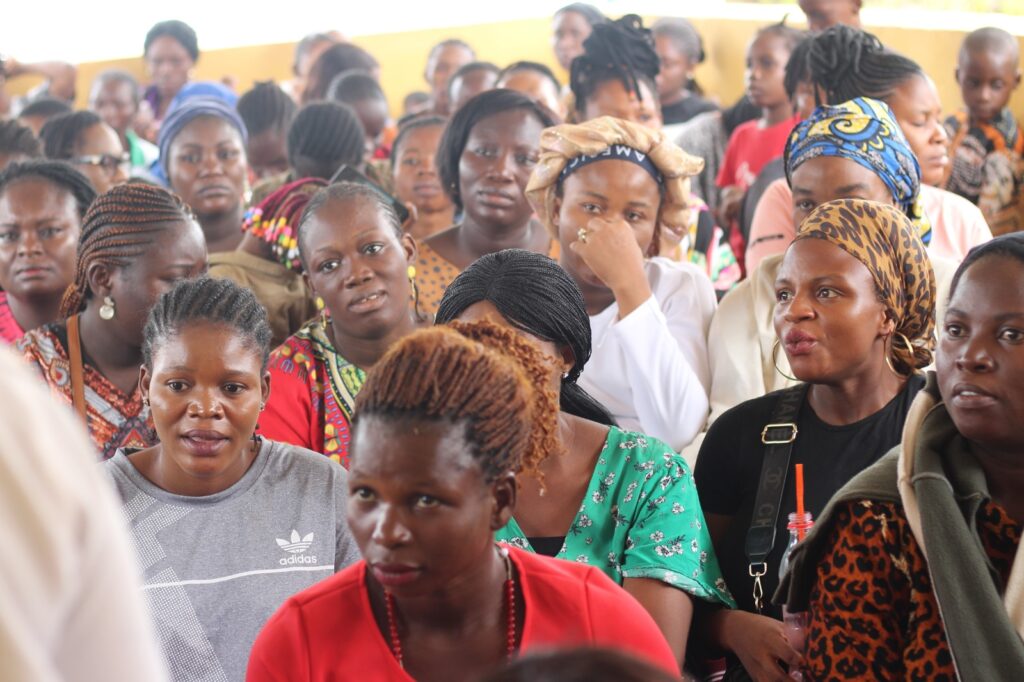
Centre for Family Health Initiative organized an event to educate mothers on the significance of exclusive breastfeeding for 6 months. The event was held at Byazhin Primary Health Care Centre in Kubwa, Abuja.

Our dedicated team presented invaluable insights into its numerous benefits for mothers and babies. The session also included a practical demonstration of correctly expressing and storing breast milk.

At CFHI, we are passionately committed to empowering mothers with essential knowledge and unwavering support to nurture their babies through exclusive breastfeeding.

WORLD BREASTFEEDING WEEK Read More »

COMMEMORATION OF WORLD DAY AGAINST TRAFFICKING IN PERSONS

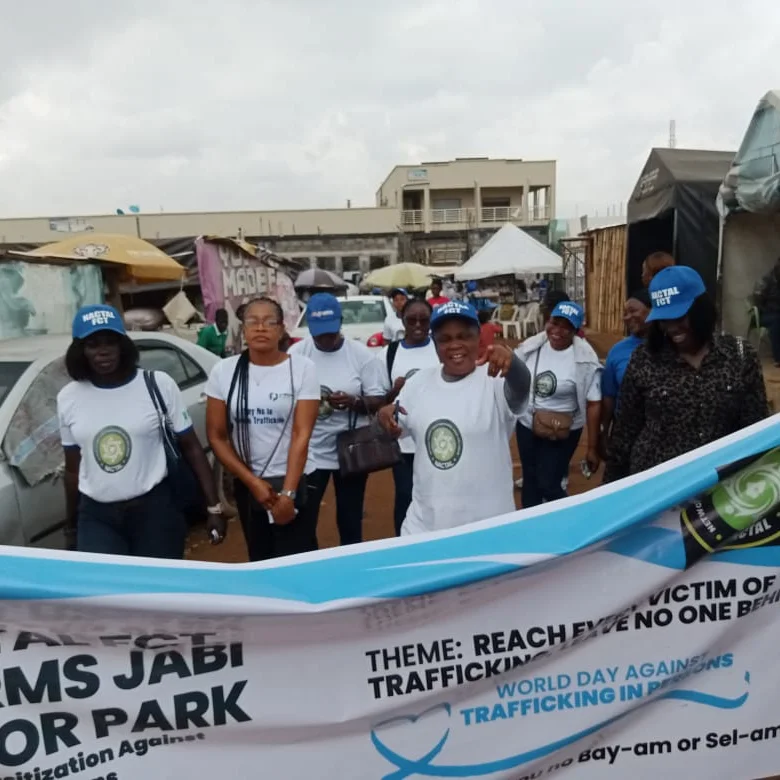
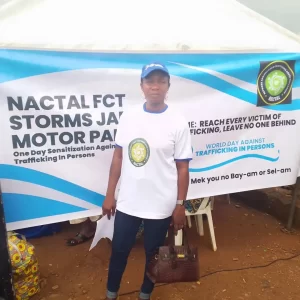
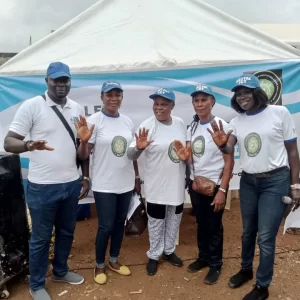
Centre for Family Health Initiative joined the Network Against Trafficking, Abuse and Labour (NACTAL) FCT zone in the commemoration of the 2023 World Day Against Trafficking In Person at Jabi motor park, Abuja, to sensitize members of National Union of Road Transport Workers (NURTW), on how to identify trafficked victims and what to do if such occurs.


COMMEMORATION OF WORLD DAY AGAINST TRAFFICKING IN PERSONS Read More »

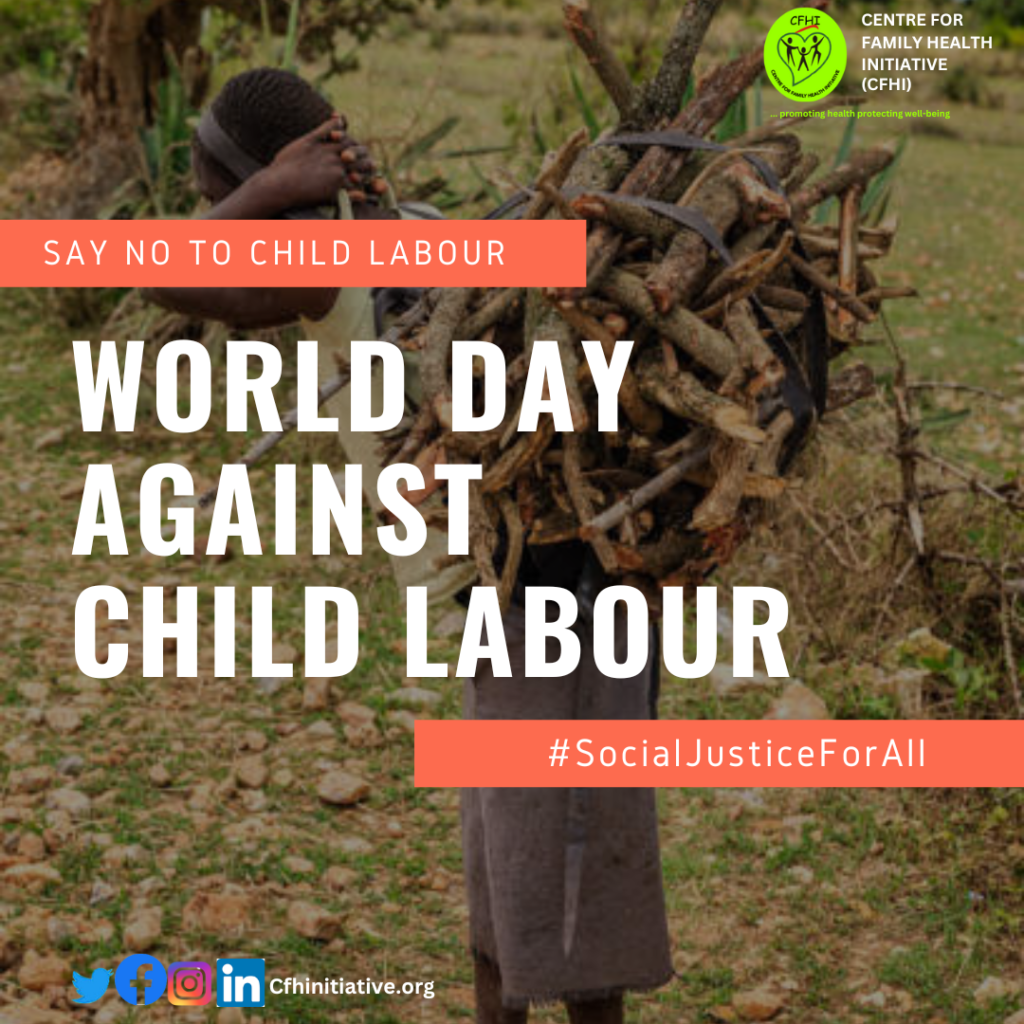
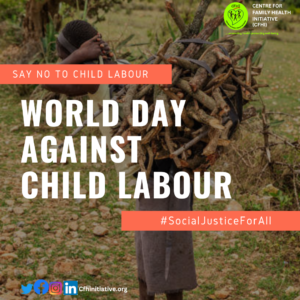
WORLD DAY AGAINST CHILD LABOUR

“My name is Zara, and I’m a 12-year-old girl from Kogi. Like many kids in my community, I had to start working hawking when I was very young. Instead of going to school and having fun with my friends, I walked around busy streets all day, selling things to help my family survive.

I would start very early in the morning and continue until it was dark outside. I had to go through crowded marketplaces, enduring the hot sun and heavy traffic. Each day felt like a race against time, and I often felt very tired. But the physical challenges weren’t the only problems I faced; I was always scared of people treating me badly or harassing me.” ~ Zara

Zara’s story is unfortunately not unique. According to the International Labour Organization, there are approximately 152 million children engaged in child labour worldwide, and Nigeria is one of the countries significantly affected by this issue.

The United Nations Convention on the Rights of the Child (CRC) defines child labour as any work that is mentally, physically, socially, or morally harmful to children and deprives them of their rights, potential, and dignity. It stresses the importance of providing children with access to education, healthcare, and protection from exploitation.

Child labour has been identified as a serious violation of children’s rights by the World Health Organization, the United Nations Children’s Fund (UNICEF), and other global organizations. Children should be safeguarded from all sorts of economic exploitation, including dangerous job and work that interferes with their education, according to Nigeria’s Child Rights Act.

Child labour has a terrible effect on children’s health, wellbeing, and development, as acknowledged by the World Health Organization and the United Nations Children’s Fund (UNICEF) for a very long time. Child labour denies children their right to an education, stunts their physical and mental development, and perpetuates a poverty cycle that traps future generations.

Children who don’t receive an education are denied the chance to escape the grip of poverty and support the growth of their communities. They are required to carry out obligations that are beyond their delicate years, rather than learning and playing. They risk developing hunger, accidents, and chronic illnesses due to long work hours, exposure to dangerous environments, and a lack of adequate healthcare.

Child Rights Act of Nigeria:

In order to fight child labour, Nigeria passed the Child Rights Act in 2003, which was created to protect children’s rights and welfare. This law is in accordance with the United Nations Convention on the Rights of the Child (CRC), a binding international treaty that outlines each child’s civil, political, economic, social, and cultural rights.

The CRC and the Child Rights Act emphasize the following key principles:

Right to Education: Every child has the right to free and compulsory education, which should be accessible, inclusive, and of high quality. Education plays a crucial role in breaking the cycle of poverty and equipping children with the skills necessary for a better future.

Protection from Exploitation: Children should be protected from all forms of exploitation, including child labour, trafficking, and harmful practices. Governments and societies must work together to create a safe environment for children to thrive.

Health and Well-being: Children have the right to enjoy the highest attainable standard of physical and mental health. They should have access to healthcare, nutrition, and safe living conditions to ensure their well-being.

Participation and Voice: Children should be able to express their opinions, be heard, and participate in matters that affect them. Their voices should be respected, and they should be involved in decision-making processes that concern their lives.

On this World Day Against Child Labour, it is critical to recognize the challenges faced by millions of children worldwide, including child hawkers like Zara. To end child labour and safeguard children’s rights as provided in the United Nations Convention on the Rights of the Child and the Child Rights Act of Nigeria, governments, civil society organizations, and individual citizens must work together.

By investing in education, implementing effective child protection policies, and promoting social and economic development, we can break the chains of child labour and create a future where every child can flourish.

On this day, as we observe the World Day Against Child Labour, CFHI stands together with the Nigerian and global community to raise awareness about the importance of ending child labour and safeguarding the rights of vulnerable children worldwide. We believe that by joining forces, we can make a significant impact and create a better future for all children, free from the shackles of child labour.     


WORLD DAY AGAINST CHILD LABOUR Read More »

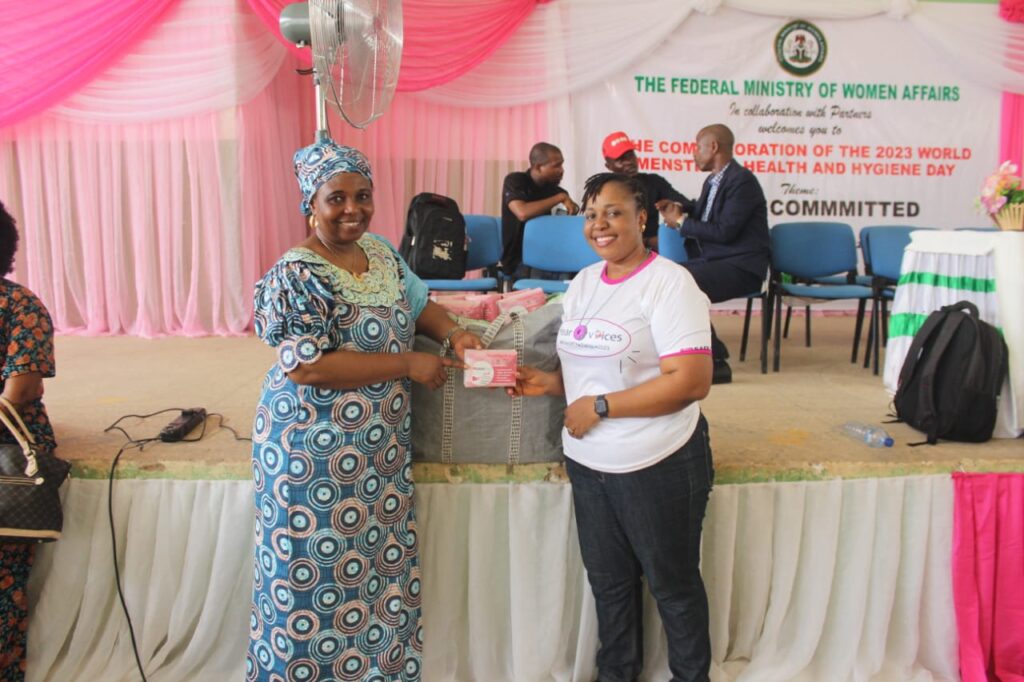
WORLD MENSTRUAL HYGEINE AND MANAGEMENT DAY 2023

Maintaining menstrual hygiene is crucial for the overall well-being and health of individuals who menstruate, as it helps prevent infections, discomfort, and social stigma. Education and access to affordable and safe menstrual products play a vital role in promoting menstrual health hygiene and empowering individuals to manage their periods with dignity and confidence.
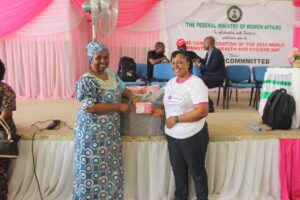
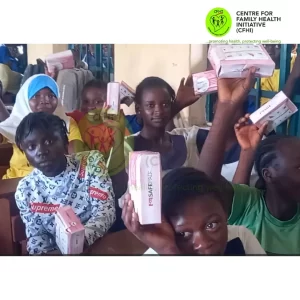
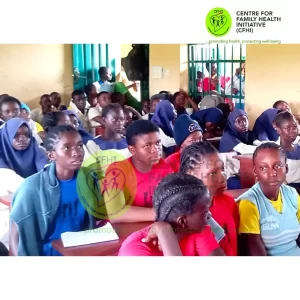
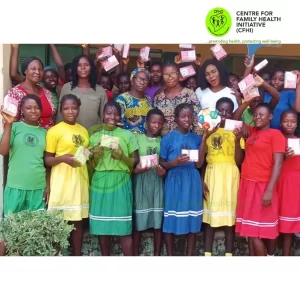
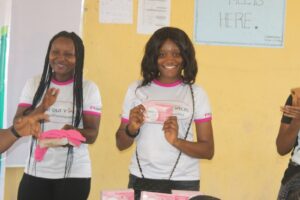
The Federal Ministry of Women Affairs in collaboration with the Centre for Family Health Initiative, Action Against Hunger, UNFPA, WaterAid, UNICEF, Ford Foundation, Federal Ministry of Health, and other organizations, including Heal the Youth Foundation and Binyou, celebrated World Menstrual Hygiene Day 2023 at GSS Tudunwada, Wuse zone 4, Abuja and Government Junior Secondary School Burum, Abuja.

The team conducted an educational program for more than 75 young girls and boys to sensitize them against period stigma and as part of the celebration, about 150 reusable sanitary Safepads were provided to girls with limited access to hygiene products, and educational materials to the boys.

#MenstrualHygieneManagementDay2023.


WORLD MENSTRUAL HYGEINE AND MANAGEMENT DAY 2023 Read More »

A 4-DAY TRAINING OF HEALTH WORKERS ON TREATMENT AND PROVISION OF HEALTH SUPPORT TO VICTIMS OF DRUG AND SUBSTANCE ABUSE

It is essential to provide healthcare workers with the appropriate skills and knowledge to ensure the delivery of high-quality and inclusive healthcare services.

Through the Nigeria Youth Futures Fund Project_CAADA, CFHI has trained ten (10) community primary healthcare workers from Bwari LGA, FCT and seven (7) public health students from ASSAS College of Health Science and Technology, Azu Garua Niger State. The training focused on the treatment and provision of health and psychosocial support to victims and survivors of drug and substance abuse.

The 4-day training will aid the healthcare workers in providing high-quality, compassionate, and person-centered care to victims and survivors of drug and substance abuse.

A 4-DAY TRAINING OF HEALTH WORKERS ON TREATMENT AND PROVISION OF HEALTH SUPPORT TO VICTIMS OF DRUG AND SUBSTANCE ABUSE Read More »

INTERNATIONAL DAY OF FAMILIES

Population growth refers to the increase in the number of individuals living in a particular area or country over a specific period. One can use the absolute number of individuals, the percentage increase in the population size, or the population growth rate to measure population growth.

Population growth can significantly affect public health, both positively and negatively. While it can increase demand for healthcare services and strain existing infrastructure, it can also bring about economic development and better health outcomes. These are some of the immediate impacts of population growth on public health.

Increased demand for healthcare services: As the population grows, there is a greater need for healthcare services, including primary care, emergency care, and specialized medical services. The increased demand can pressure healthcare systems, leading to wait longer times, overcrowded facilities, and stretched resources.

The strain on healthcare infrastructure: Rapid population growth can strain the capacity of healthcare infrastructure, including hospitals, clinics, and the healthcare workforce. Inadequate infrastructure can result in limited access to healthcare services, particularly in rural or low-income areas.

Spread of infectious diseases: Population growth can contribute to the spread of contagious diseases. As population density increases, so does the potential for transmission of diseases. In addition, crowded living conditions, inadequate sanitation, and limited access to healthcare can all contribute to the increased risk of disease outbreaks. According to World Health Organisation, Nigeria has one of the highest TB burdens in the world, with an estimated incidence rate of 219 cases per 100,000 population in 2020.

Maternal and child health: Population growth can positively and negatively impact maternal and child health. On the one hand, the increased population can lead to improved healthcare infrastructure and access to reproductive health services. However, on the other hand, rapid population growth can strain maternal healthcare resources, leading to inadequate prenatal care, increased maternal mortality, and higher infant mortality rates.

Environmental health: Population growth can pressure the environment, leading to adverse health effects. Increased pollution, deforestation, and depletion of natural resources can impact air and water quality, leading to respiratory diseases, waterborne illnesses, and other environmental health hazards.

Economic development and improved health outcomes: While population growth can present challenges, it can also bring economic development and improvements in health outcomes. A growing population can increase productivity, innovation, and economic growth.

It’s important to note that the specific effects of population growth on public health can vary depending on various factors, including the socioeconomic context, healthcare infrastructure, and government policies in place.

INTERNATIONAL DAY OF FAMILIES Read More »