News

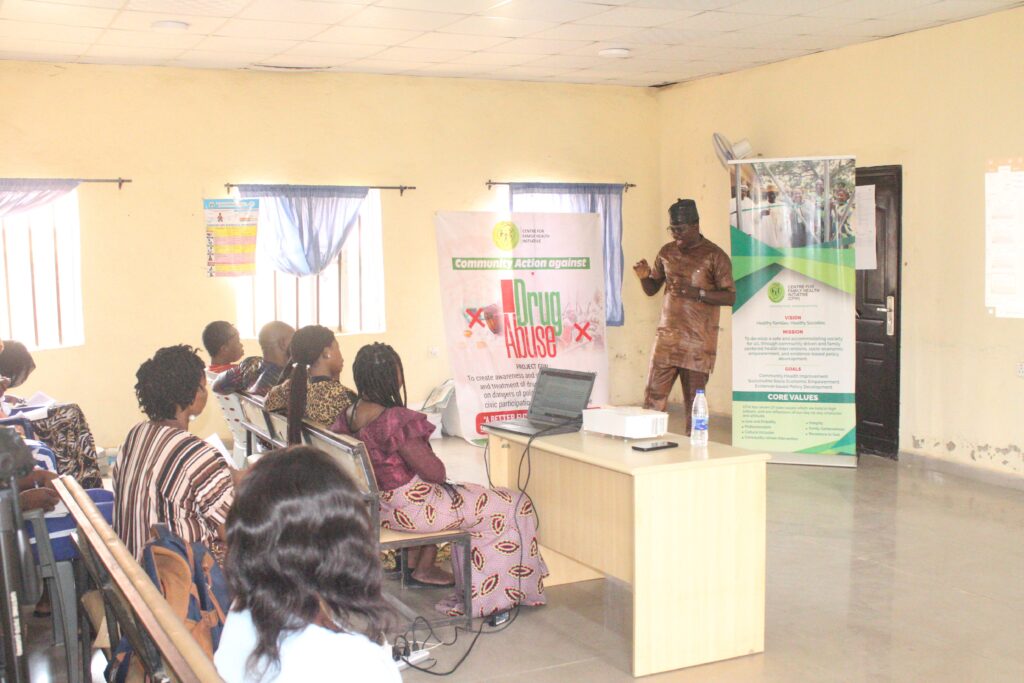
A 4-DAY TRAINING OF HEALTH WORKERS ON TREATMENT AND PROVISION OF HEALTH SUPPORT TO VICTIMS OF DRUG AND SUBSTANCE ABUSE

It is essential to provide healthcare workers with the appropriate skills and knowledge to ensure the delivery of high-quality and inclusive healthcare services.

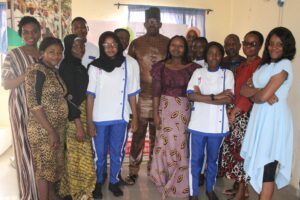
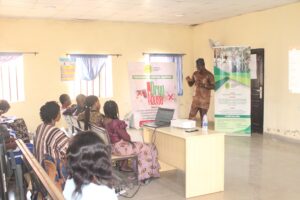
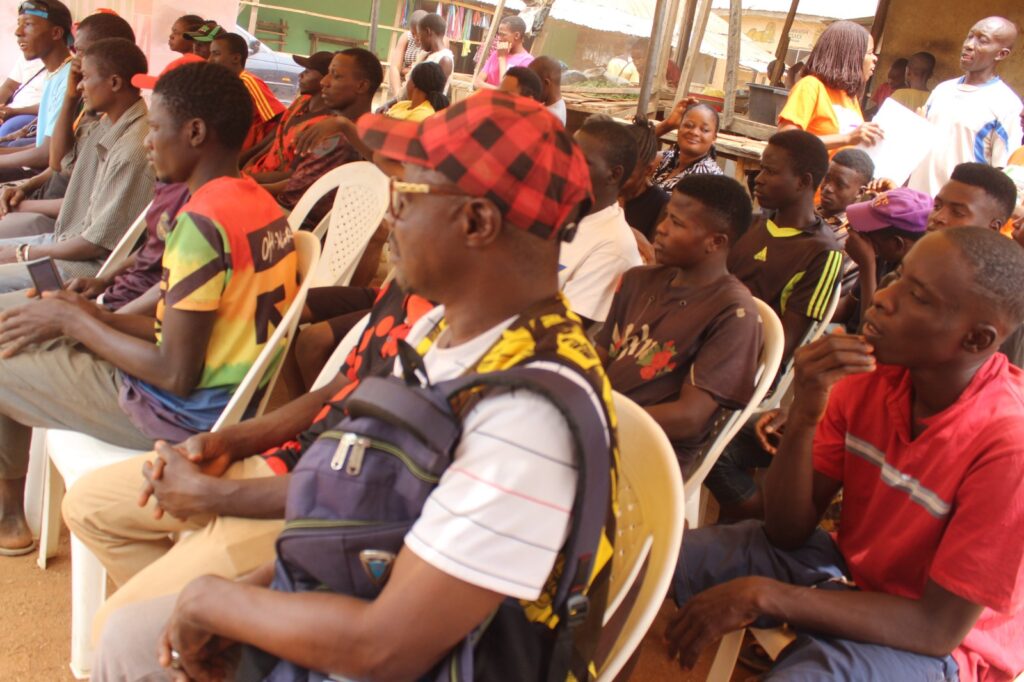
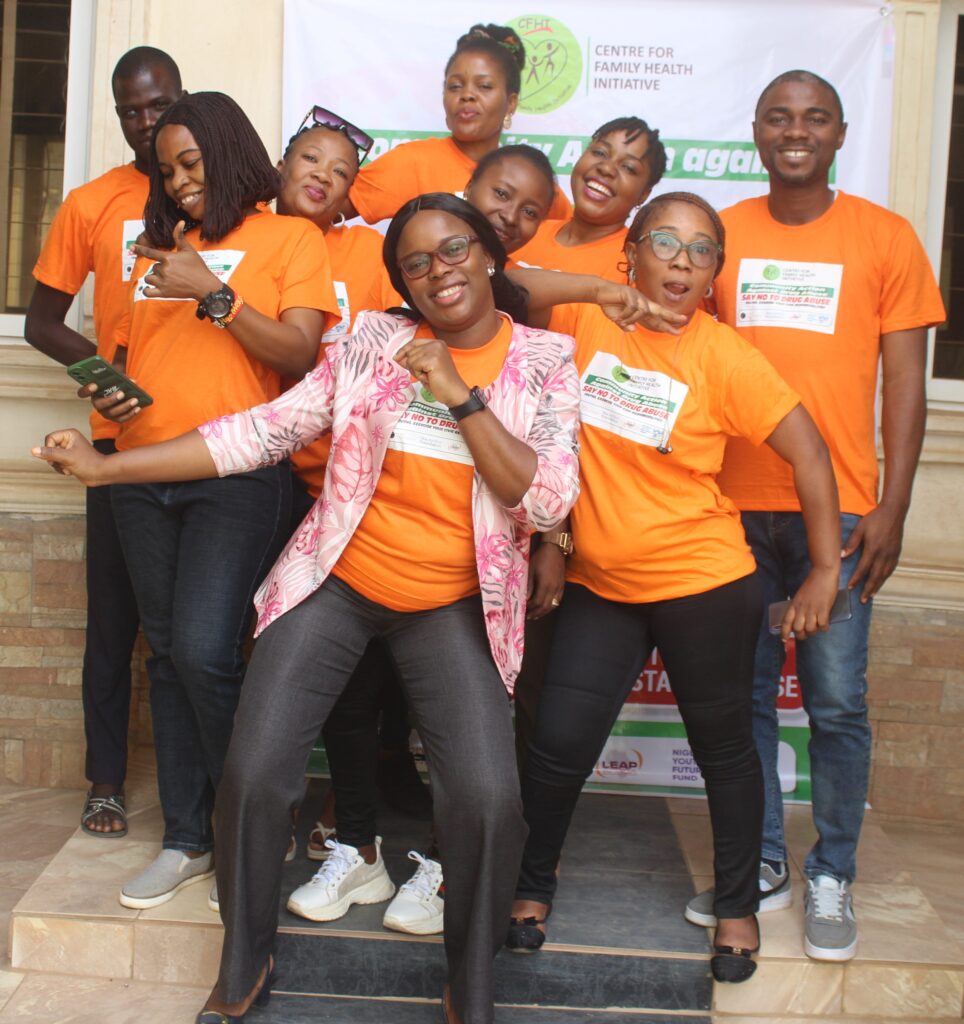
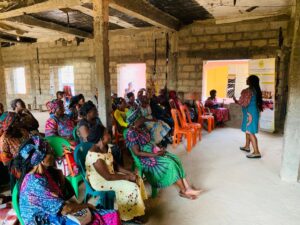
Through the Nigeria Youth Futures Fund Project_CAADA, CFHI has trained ten (10) community primary healthcare workers from Bwari LGA, FCT and seven (7) public health students from ASSAS College of Health Science and Technology, Azu Garua Niger State. The training focused on the treatment and provision of health and psychosocial support to victims and survivors of drug and substance abuse.

The 4-day training will aid the healthcare workers in providing high-quality, compassionate, and person-centered care to victims and survivors of drug and substance abuse.

A 4-DAY TRAINING OF HEALTH WORKERS ON TREATMENT AND PROVISION OF HEALTH SUPPORT TO VICTIMS OF DRUG AND SUBSTANCE ABUSE Read More »

INTERNATIONAL DAY OF FAMILIES

Population growth refers to the increase in the number of individuals living in a particular area or country over a specific period. One can use the absolute number of individuals, the percentage increase in the population size, or the population growth rate to measure population growth.

Population growth can significantly affect public health, both positively and negatively. While it can increase demand for healthcare services and strain existing infrastructure, it can also bring about economic development and better health outcomes. These are some of the immediate impacts of population growth on public health.

Increased demand for healthcare services: As the population grows, there is a greater need for healthcare services, including primary care, emergency care, and specialized medical services. The increased demand can pressure healthcare systems, leading to wait longer times, overcrowded facilities, and stretched resources.

The strain on healthcare infrastructure: Rapid population growth can strain the capacity of healthcare infrastructure, including hospitals, clinics, and the healthcare workforce. Inadequate infrastructure can result in limited access to healthcare services, particularly in rural or low-income areas.

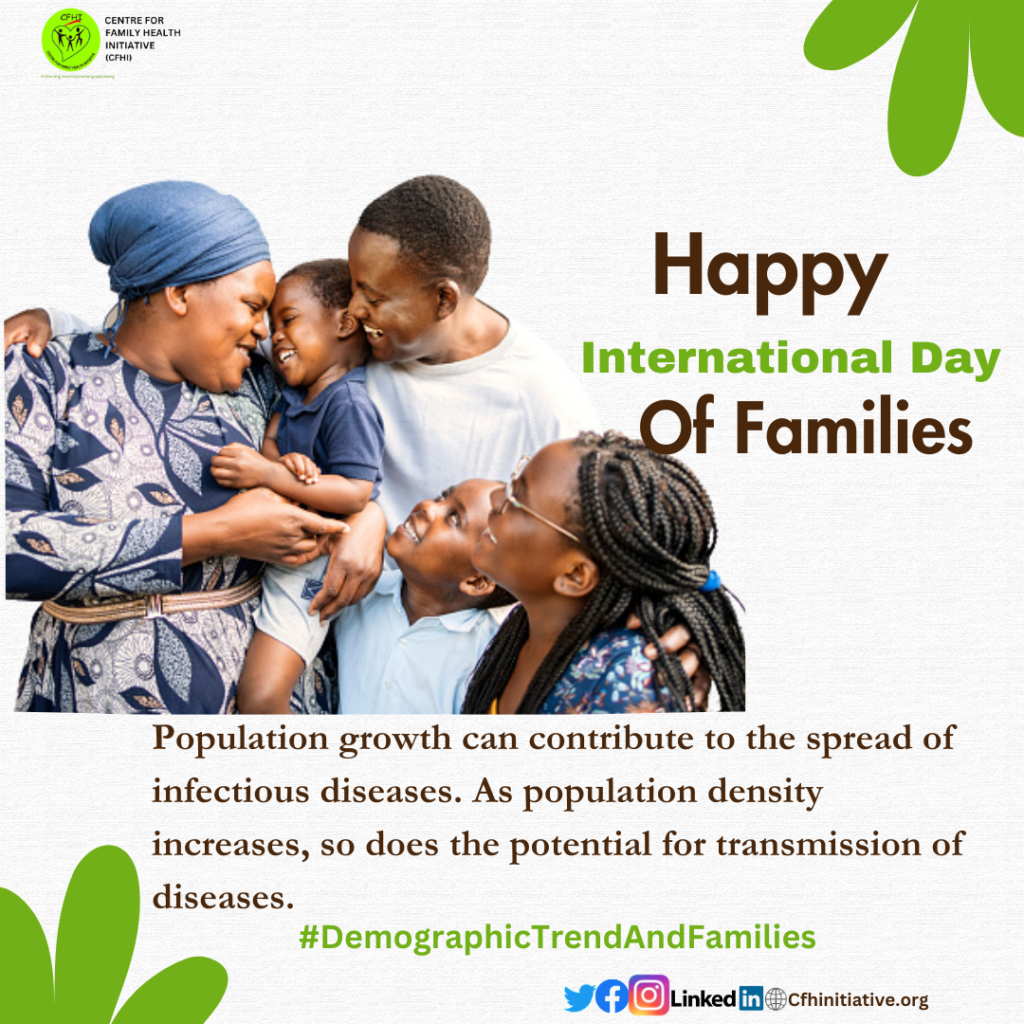
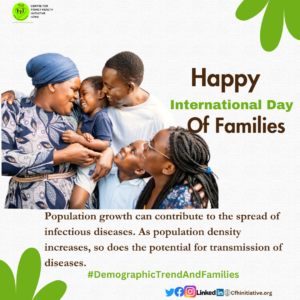
Spread of infectious diseases: Population growth can contribute to the spread of contagious diseases. As population density increases, so does the potential for transmission of diseases. In addition, crowded living conditions, inadequate sanitation, and limited access to healthcare can all contribute to the increased risk of disease outbreaks. According to World Health Organisation, Nigeria has one of the highest TB burdens in the world, with an estimated incidence rate of 219 cases per 100,000 population in 2020.

Maternal and child health: Population growth can positively and negatively impact maternal and child health. On the one hand, the increased population can lead to improved healthcare infrastructure and access to reproductive health services. However, on the other hand, rapid population growth can strain maternal healthcare resources, leading to inadequate prenatal care, increased maternal mortality, and higher infant mortality rates.

Environmental health: Population growth can pressure the environment, leading to adverse health effects. Increased pollution, deforestation, and depletion of natural resources can impact air and water quality, leading to respiratory diseases, waterborne illnesses, and other environmental health hazards.

Economic development and improved health outcomes: While population growth can present challenges, it can also bring economic development and improvements in health outcomes. A growing population can increase productivity, innovation, and economic growth.

It’s important to note that the specific effects of population growth on public health can vary depending on various factors, including the socioeconomic context, healthcare infrastructure, and government policies in place.
INTERNATIONAL DAY OF FAMILIES Read More »

COMMEMORATION OF WORLD IMMUNIZATION WEEK

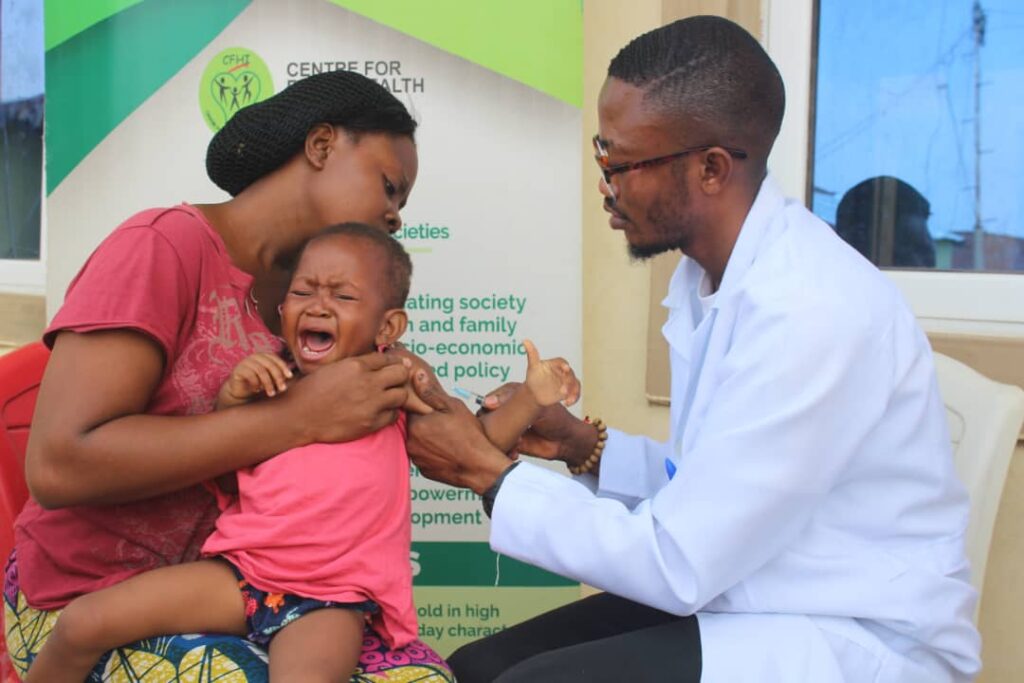
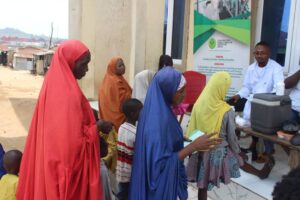
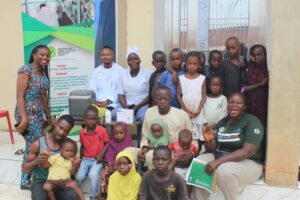
In Angwan Shahu community, Karimo, Abuja, the community members expressed their challenges in accessing immunization, such as the overcrowded PHC in the nearby town and the high cost of transportation.

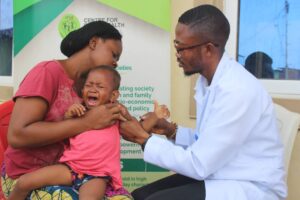
Therefore, to mark World Immunization Week, the Centre for Family Health Initiative (CFHI) partnered with Idu Primary Health Care facility to immunise over 30 children in Angwa Shahu community to overcome some of their challenges in accessing immunization.

COMMEMORATION OF WORLD IMMUNIZATION WEEK Read More »

WORLD MALARIA DAY

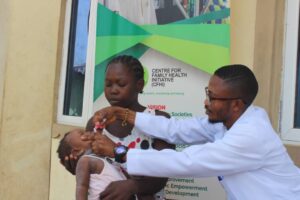
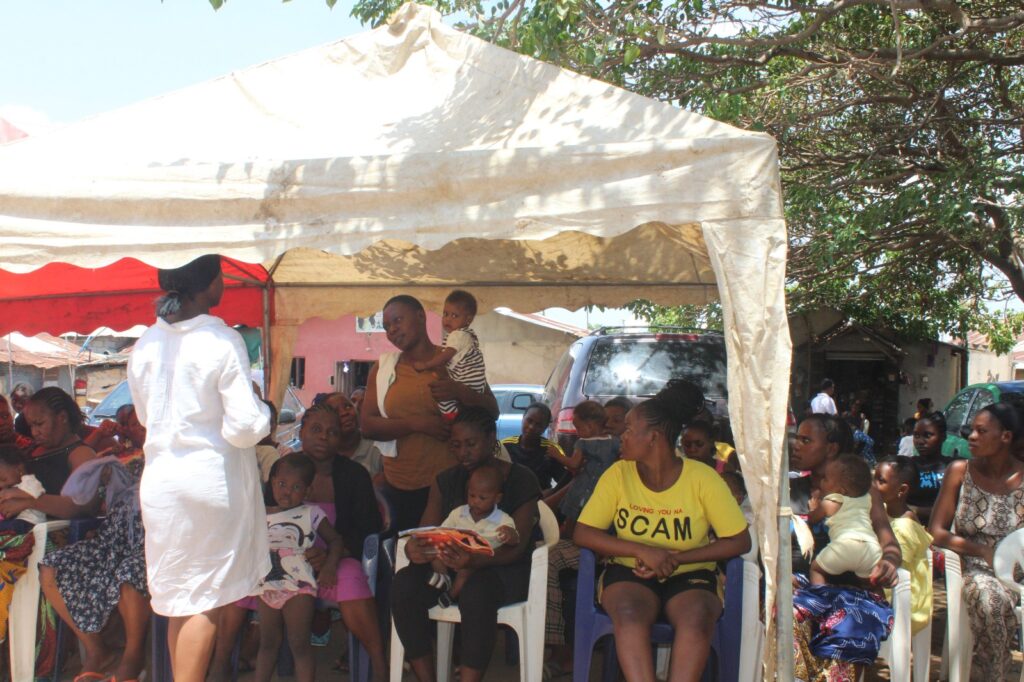
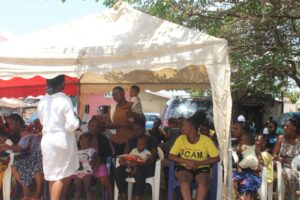
To mark World Malaria Day 2023, the Centre for Family Health Initiative conducted a malaria prevention program for 50 pregnant and lactating women in Dape, a community in FCT Nigeria with poor sanitation and drainage that makes it prone to malaria.

The program involved educating the women on how to protect themselves and their children from malaria, as well as fumigating some of the key places in the community, such as the Dape Primary Health Care (PHC) facility, to reduce the mosquito population.

WORLD MALARIA DAY Read More »

International Women’s Day

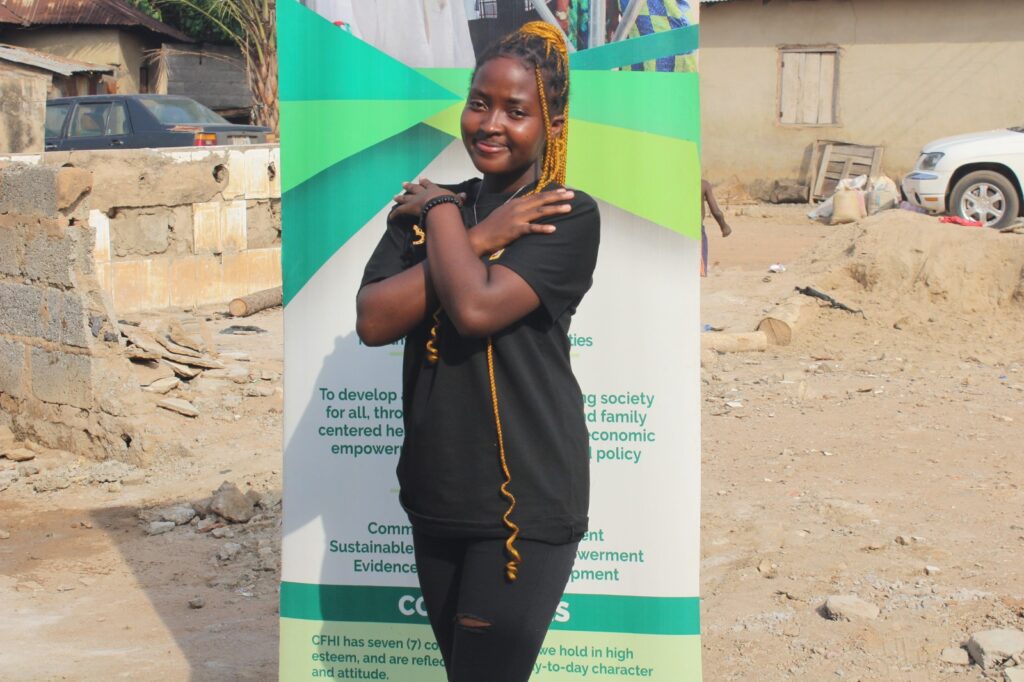
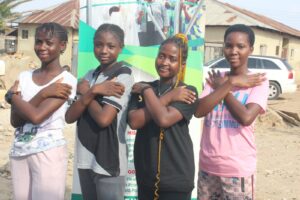
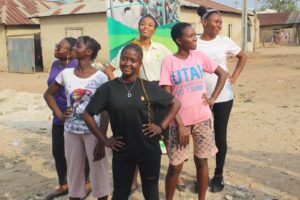
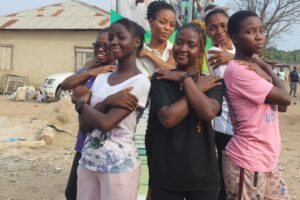
Centre For Family Health Initiative commemorated International Women’s Day (IWD 2023) at Kabusa Community Abuja with more than 20 adolescent girls reached.
In line with the theme “DigitALL: Innovation and Technology for Gender Equality”, the adolescents were lectured on significant women who had made impact in both digital space, and in Other areas of life. They were also inspired to fearlessly pursue the career they so desire and never to undermine their abilities as a woman.
International Women’s Day Read More »

INTERNATIONAL DAY OF ZERO TOLERANCE FOR FEMALE GENITAL MUTILATIOM

Female genital mutilation, also known as female circumcision, excision, or genital cutting, refers to all non-medical treatments that include cutting, severing, or otherwise injuring the genital organs, usually between the ages of one and fifteen.

For girls and women, the surgery has no positive health effects. It infringes on girls’ ability to control critical reproductive and sexual health decisions because it is frequently performed against their will and frequently without their consent.

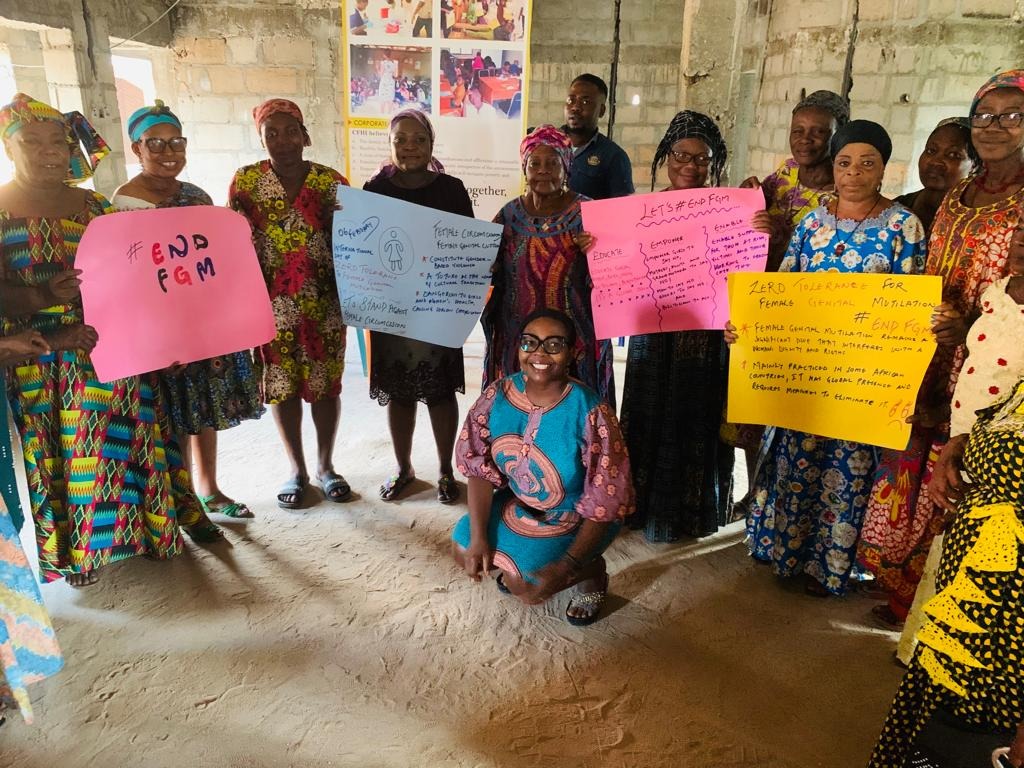
The Center for Family Health Initiative observed the International Day of Zero Tolerance for Female Genital Mutilation (FGM) by educating a group of female residents of Umuawuka Village in Emii, Owerri, Imo state on the fight against Female Genital Mutilation (FGM).


INTERNATIONAL DAY OF ZERO TOLERANCE FOR FEMALE GENITAL MUTILATIOM Read More »

Round Table Meeting With Stakeholders Of The Community Action Against Drug Abuse (CAADA) Project

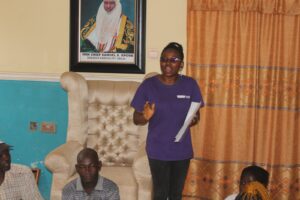
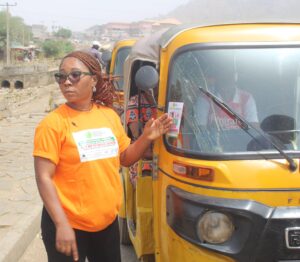
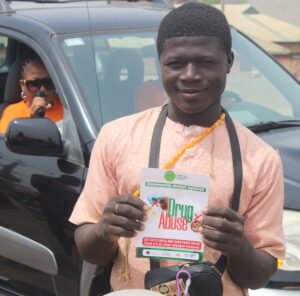
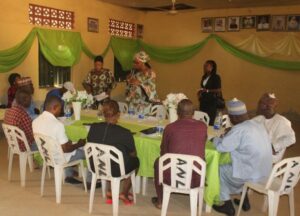
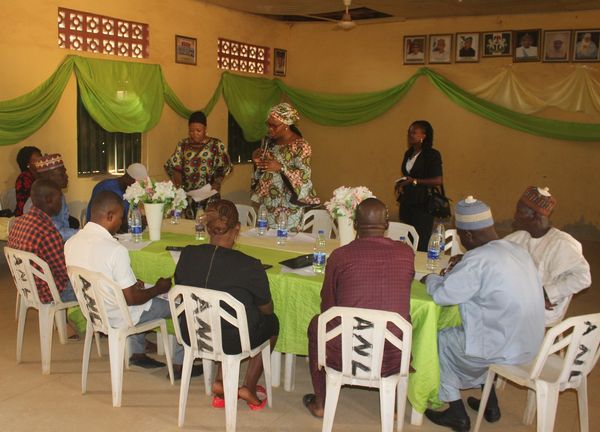
Today at the round table meeting with stakeholders of the Community Action against Drug Abuse (CAADA) project at Dutse Alhaji, Abuja, our Executive Director, Krystal Ugwu Anyanwu highlighted the need for our youths to be educated on the effects of drug abuse and also requested for the stakeholders’ unreserved support.
According to her, “Drug education will help our youths to understand that all drugs, legal and illegal, have the potential to cause harm. Parents aren’t the only ones who can help educate children about the effects of drugs and substance abuse, other institutions like schools, mosques, churches, etc can offer educational seminars and lectures on the effects of drugs and substance abuse.”


Round Table Meeting With Stakeholders Of The Community Action Against Drug Abuse (CAADA) Project Read More »

Commission on the Status of Women CSW 67 session

Sixty-seventh session of the Commission on the Status of Women (CSW 67)

The sixty-seventh session of the Commission on the Status of Women will take place from 6 to 17 March 2023 and representatives of Member States, UN entities, and ECOSOC-accredited non-governmental organizations (NGOs) from all regions of the world are invited to contribute to the session.

The year 2023 CSW67 will consider the priority theme of, “Innovation and technological change, and education in the digital age for achieving gender equality and the empowerment of all women and girls“. And in addition, will review the agreed conclusions of the sixty-second session, “Challenges and opportunities in achieving gender equality and the empowerment of rural women and girls“.

UN Women is the United Nations entity dedicated to gender equality and the empowerment of women. A global champion for women and girls, UN Women was established to accelerate progress in meeting their needs worldwide.

Commission on the Status of Women CSW 67 session

Sixty-seventh session of the Commission on the Status of Women (CSW 67) Read More »