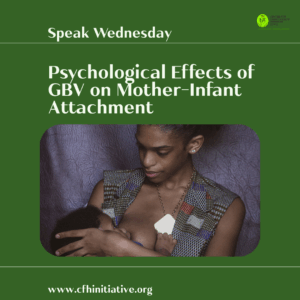
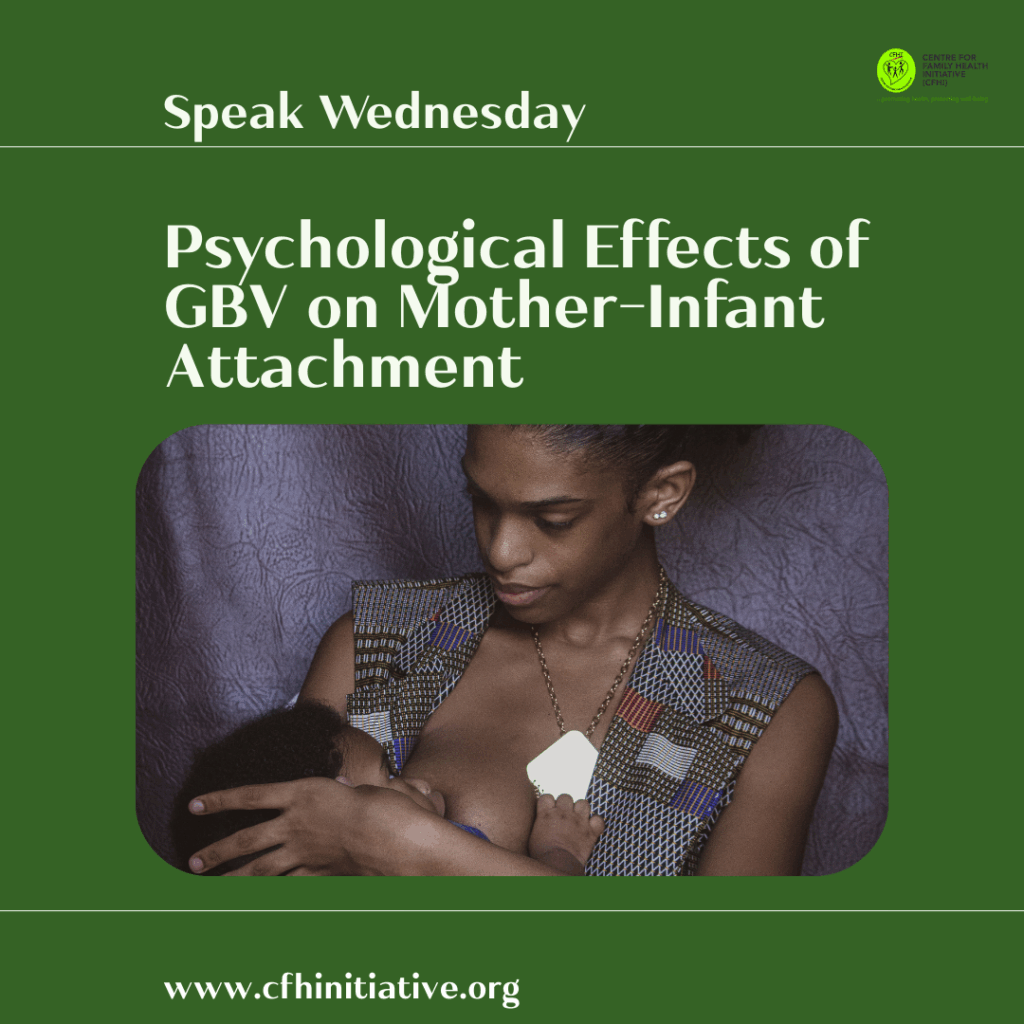
She held her baby with trembling hands. Not from fear of motherhood, but from fear of a man. A man she once trusted. A man who turned her body into a battlefield.
This is not fiction. This is the everyday, hushed reality of thousands of Nigerian women living with the trauma of gender-based violence (GBV) and the invisible heartbreak it causes their children before they even learn how to speak.
When Violence Enters the Womb
In many Nigerian cultures, a pregnant woman is treated with care and reverence. But behind closed doors, some women are being battered while their unborn babies kick helplessly in the womb. According to the World Health Organization, 1 in 3 women globally experience physical or sexual violence in their lifetime and many of them are pregnant when it happens.
What happens when a baby’s first experience of the world is stress? What happens when a mother carries both her child and her trauma?
Research shows that when a pregnant woman is abused, her body floods with stress hormones like cortisol. These chemicals don’t stay with her, they cross the placenta and reach the baby, altering the way the child’s brain develops. That child may be born with a heightened sensitivity to stress, and a brain wired for fear.
The Silent Wound: Attachment and Survival
In healthy conditions, a mother and her infant develop a secure attachment, a bond of trust and comfort that shapes the child’s emotional foundation for life. But when a mother is surviving GBV, her own emotional resources are depleted. She may be physically present but emotionally unreachable. She’s in survival mode.
This isn’t a question of love. These mothers love their babies with every fibre of their being. But trauma changes the brain. A woman dealing with Post-traumatic stress disorder (PTSD) or depression caused by abuse may struggle to read her baby’s cues. She might flinch at a cry. She might freeze during breastfeeding. Her touch may lack the warmth she desperately wants to give.
This emotional disconnect is called disrupted attachment, and it’s not the mother’s fault. It’s the consequence of living in fear. UNICEF link GBV to insecure mother-infant attachments, which increase the risk of behavioural problems, anxiety, and poor emotional regulation in children.
Breaking the Silence, Healing the Bond
This is not just a woman’s issue. This is a society issue. A society where women are unsafe is a society where childhoods are fractured before they begin. It is time to protect mothers so they can nurture, not just survive.
What We Must Do:
• Create safe reporting systems for pregnant women and mothers experiencing GBV.
• Train healthcare workers to screen for abuse during prenatal visits and provide trauma-informed care.
• Educate communities to stop victim-blaming and start protecting.
• Support shelters and psychosocial support services for survivors and their children.
• Involve men. This is not a woman’s fight alone. The cycle can’t break without male accountability.
Break the silence. Protect the mother. Save the child.
Speak Wednesday is an initiative of CFHI to address issues around gender-based violence and gender bias
#SpeakWednesday #EndGBV #CFHI #MotherhoodInNigeria #MentalHealthMatters #BreakTheCycle #ProtectMothers #TraumaHealing #AttachmentMatters #SayNoToViolence
References
• WHO: Violence Against Women
• APA: How Maternal Stress Affects Babies
• UNICEF: Why Secure Attachment Matters