Anxiety Disorder

Removing Gender Barriers in Healthcare Access

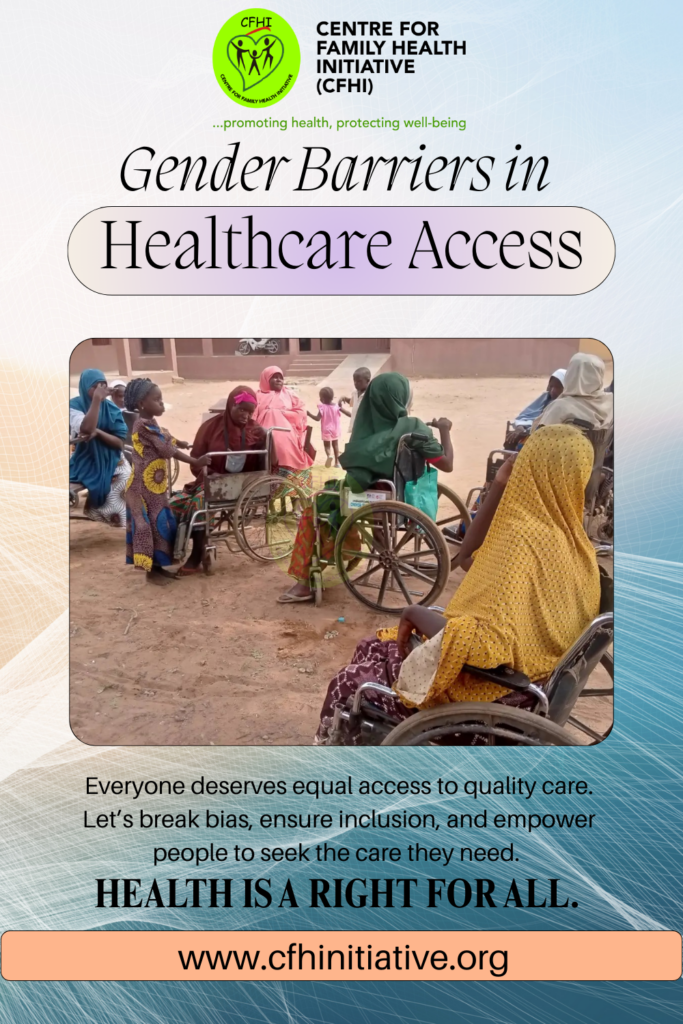
Removing gender barriers to healthcare is not only a matter of equity it is a moral and practical necessity if societies are to survive and thrive. Women and girls face layered obstacles to care: constrained mobility, financial dependence, harmful social norms, and health systems that are under-resourced and sometimes discriminatory. The World Health Organization highlights that gender norms and discrimination systematically limit access to services for women and girls, reducing their ability to obtain timely information, preventive care, and lifesaving treatment (1). These barriers are compounded by grim facility gaps: recent WHO/UNICEF data show billions are treated in health settings that lack basic water, sanitation, hygiene, and reliable electricity conditions that make safe maternal care and emergency treatment precarious (2). At the same time, progress toward universal health coverage (UHC) has slowed, leaving significant groups especially women in rural and low-income communities exposed to out-of-pocket costs and unmet needs (3).

The consequences are measurable and stark. Nigeria, for example, continues to bear a disproportionate share of global maternal deaths, a reality linked to regional inequalities in access, weak infrastructure, and funding shortfalls (4). Globally, analyses of health inclusivity reveal that refugees, displaced women, women with disabilities and other marginalized groups are far more likely to be denied or excluded from care in some cases by more than twenty percentage points compared with non-marginalized groups (5). These are not abstract injustices: they translate into delayed antenatal visits, unattended deliveries, untreated complications, and endless cycles of preventable suffering. Removing gender barriers means addressing the social drivers that prevent women from seeking care as urgently as fixing the physical gaps in facilities.

Civil society organisations and local actors are essential partners in closing these gaps. The Centre for Family Health Initiative (CFHI) works at the community level to confront both practical and cultural barriers to care: we run health education and rights-awareness campaigns that equip women and families with knowledge about available services and how to claim them; we strengthen linkages between households and primary health centres through referrals and case management; we support WASH and menstrual hygiene programmes so women can access services with dignity; and we provide capacity building for community health workers and facility staff so that care is both accessible and respectful (6). Where infrastructure is missing, CFHI has partnered with donors and initiatives to deliver pragmatic solutions for example installing solar birth kits in underserved PHCs to ensure safe night-time deliveries while simultaneously training Healthcare Professionals and Community Health Extension Workers (CHEWs) to enhance their competencies in clinical care, documentation, counselling, and emergency response, ensuring that PHCs can deliver reliable and respectful services across all essential health areas

To remove gender barriers at scale, governments, donors, and health systems must act on several fronts. First, finance primary health care adequately and ensure that essential services are free or financially protected at the point of use, so women are not forced to choose between care and survival. Second, invest in facility infrastructure WASH, electricity, cold chain and privacy provisions because dignity and safety are prerequisites for access. Third, embed gender-responsive policies across health programming: mandate respectful maternity care, train providers on implicit bias and discrimination, involve women and adolescent girls in service design, and expand targeted outreach for marginalized groups. Fourth, strengthen data systems to capture gender-disaggregated indicators and unmet needs so resource allocation can follow the evidence. Finally, create accountability mechanisms community scorecards, patient charters and independent oversight so promises become measurable action.

Change requires more than policy papers; it requires citizens, health workers, NGOs and governments to demand it and to act. We call on policymakers to prioritise gender responsive UHC financing and facility upgrades, on donors to fund long-term health system strengthening rather than short-term projects, on facility managers to adopt respectful care protocols today, and on community leaders to champion women’s right to health. If we truly value half our population, we will remove the gender barriers that deny women the healthcare they are owed.

References

  1. World Health Organization. Gender and health. Available from: https://www.who.int/health-topics/gender.
  2. World Health Organization; UNICEF. Countries making unprecedented efforts but billions still lack basic services in health-care facilities — WHO-UNICEF report warns. WHO website. 24 Sep 2025. Available from: https://www.who.int/news/item/24-09-2025-countries-making-unprecedented-efforts-but-billions-still-lack-basic-services-in-health-care-facilities—who-unicef-new-report-warns.
  3. World Health Organization. Universal health coverage (UHC) fact sheet. Available from: https://www.who.int/news-room/fact-sheets/detail/universal-health-coverage-(uhc).
  4. The Guardian. ‘Difficult choices’: aid cuts threaten effort to reduce maternal deaths in Nigeria. 21 May 2025. Available from: https://www.theguardian.com/world/2025/may/21/aid-cuts-threaten-effort-reduce-maternal-deaths-nigeria.
  5. Economist Impact. Understanding health inclusivity for women. Available from: https://impact.economist.com/projects/health-inclusivity-index/inclusivity-topics/articles/understanding-health-inclusivity-for-women.
  6. Centre for Family Health Initiative (CFHI). Who we are / What we do. Available from: https://www.cfhinitiative.org.


Removing Gender Barriers in Healthcare Access Read More »
MONDAY HEALTH BURST

Early Detection and Lifestyle Choices Against Diabetes

Diabetes has become one of the fastest-growing health challenges globally, claiming millions of lives and affecting countless families. According to the World Health Organization (WHO), more than 537 million adults are living with diabetes, and that number is projected to rise to 643 million by 2030. The International Diabetes Federation (IDF) also notes that one in ten adults currently lives with diabetes, and nearly half are undiagnosed meaning millions are silently living with the condition without receiving the care they need [1,2].

Early detection is a vital weapon in the fight against diabetes. Type 2 diabetes, which accounts for around 90% of all cases, often develops gradually, showing little or no symptoms until complications such as heart disease, kidney failure, or vision loss have already set in. Detecting the disease early allows for timely medical intervention, lifestyle modification, and proper management, which significantly reduces the risk of complications and improves long-term outcomes. Studies have shown that early diagnosis and treatment of diabetes reduce cardiovascular and renal complications and lower overall mortality rates [3].

One of the most remarkable pieces of evidence for prevention comes from the Diabetes Prevention Program (DPP), a landmark study in the United States. The research found that participants who adopted healthier diets, engaged in moderate physical activity for about 150 minutes per week, and achieved modest weight loss reduced their risk of developing diabetes by 58% compared to those who did not make lifestyle changes [4]. This clearly shows that lifestyle choices particularly nutrition, exercise, and maintaining a healthy body weight play a powerful role in preventing or delaying diabetes.

Healthy living begins with awareness. Regular screening for blood glucose levels, blood pressure, and weight helps individuals know their risk status early. The Centers for Disease Control and Prevention (CDC) recommends that adults aged 35 and above, or younger people with risk factors such as obesity, family history of diabetes, or sedentary lifestyle, undergo regular diabetes screening [5]. Screenings should not stop at diagnosis; they should be paired with counseling, education, and access to proper care for effective management. The World Health Organization stresses that integrated care, including screening and education, remains essential for effective diabetes control [6].

In Nigeria, diabetes continues to pose significant public health challenges, driven by persistent rise in medication costs7, limited awareness, unhealthy diets, and rapid urban lifestyle changes. Recognizing this, the Centre for Family Health Initiative (CFHI) has consistently raised awareness about diabetes prevention and care. Through its Diabetes Awareness and Care (DAC) project in Imo state, CFHI has conducted free diabetes screening for over 36,000 persons, alongside health education sessions and outreach campaigns reaching about half a million individuals to encourage early testing and lifestyle change. These community-based interventions mirror global best practices, showing that education and early detection can help prevent diabetes and its complications before they start.

Ultimately, combating diabetes requires a joint effort from individuals, communities, health systems, and the government. While early detection helps identify risks, lifestyle choices, healthy eating, regular exercise, and avoiding harmful habits remain the cornerstone of prevention. As CFHI continues to promote healthier communities through advocacy, education, and screening programs, the message remains clear: diabetes can be managed and even prevented when detected early and addressed with healthy lifestyle choices.

As the world marks World Diabetes Day 2025 under the theme “Empowering Lives Through Early Detection and Access to Care”, it is a timely reminder that diabetes prevention starts with awareness and action. CFHI joins the global community in calling for affordable access to care, increased access to screening opportunities, education, and quality healthcare services for all. Together, we can build a future where early detection saves lives, and healthy lifestyle choices protect generations from the silent burden of diabetes.


References

  1. World Health Organization. Diabetes. Geneva: WHO; 2024. Available from: https://www.who.int/health-topics/diabetes
  2. International Diabetes Federation. IDF Diabetes Atlas. Brussels: IDF; 2024. Available from: https://diabetesatlas.org
  3. Herman WH, Ye W, Griffin SJ, et al. Early detection and treatment of type 2 diabetes reduce cardiovascular morbidity and mortality: simulation and trial evidence. Diabetes Care. 2015;38(8):1449–1455. Available from: https://www.ncbi.nlm.nih.gov/pmc/articles/PMC4512138/
  4. Knowler WC, Barrett-Connor E, Fowler SE, et al. Reduction in the incidence of type 2 diabetes with lifestyle intervention or metformin. N Engl J Med. 2002;346:393–403. Available from: https://www.nejm.org/doi/full/10.1056/NEJMoa012512
  5. Centers for Disease Control and Prevention. Diabetes Screening: Who Should Get Tested and When. CDC; 2024. Available from: https://www.cdc.gov/diabetes/data-research/research/diabetes-screening-eligible.html
  6. World Health Organization. World Diabetes Day: Prevention and Early Detection of Diabetes. WHO; 2024. Available from: https://www.who.int/news-room/events/detail/2024/11/14/default-calendar/world-diabetes-day-2024
  7. Punch Health Wise. Diabetes patients lament as cost of medications rises from N70,000 to N180,000. Available from: (NAN, 2024)


MONDAY HEALTH BURST Read More »

Validation of the 2024 VAPP Annual Implementation Report

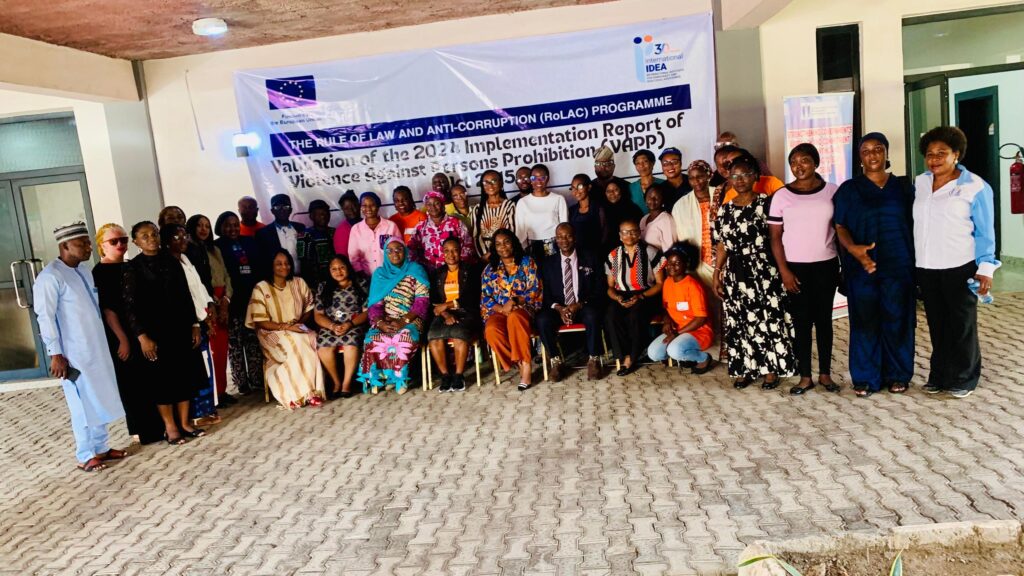
Representatives from government institutions, Civil Society Organizations (CSOs), Non-Governmental Organizations (NGOs), and other key stakeholders convened for the Validation of the 2024 Violence Against Persons (Prohibition) Act (VAPP) Annual Implementation Report. The validation meeting followed the submission of implementation reports from all partner organizations working across various states in Nigeria. This annual review served as a critical step in ensuring that the collective efforts to enforce the provisions of the VAPP Act are effectively monitored, measured, and reported in line with national gender and human rights priorities.

During the session, participants engaged in a rigorous process of reviewing, harmonizing, and validating submitted data to ensure accuracy, consistency, and accountability. Data validation was particularly focused on the documentation of reported cases, interventions, and outcomes achieved by different implementing partners under the year in review. The process also helped strengthen coordination among stakeholders by identifying discrepancies, aligning indicators, and updating performance records to reflect the true extent of progress made in addressing Gender-Based Violence (GBV) nationwide.

The meeting further provided a platform for sharing experiences, success stories, and best practices from the field. Participants discussed major achievements such as increased community awareness of the VAPP Act, improved case management systems, and enhanced collaboration between law enforcement agencies and service providers. However, they also highlighted existing gaps, including inadequate funding, limited data disaggregation, weak referral mechanisms in some states, and the need for continuous capacity strengthening at both state and local levels.

In conclusion, stakeholders reaffirmed their collective commitment to the effective implementation of the VAPP Act and to sustaining the momentum toward eliminating all forms of violence, particularly against women and girls. The validation exercise underscored the importance of evidence-based reporting, accountability, and multi-sectoral collaboration in achieving a violence-free society. Participants called for continuous engagement between government and non-state actors to ensure that future reports reflect not only activities and outputs but also the real impact of interventions on the lives of survivors and vulnerable populations across Nigeria.

Validation of the 2024 VAPP Annual Implementation Report Read More »

MONDAY HEALTH BURST

ANXIETY DISORDER – CAUSES, SYMPTOMS AND TREATMENT

Anxiety is a normal reaction to stress and can be beneficial in some situations. It can alert us to dangers and help us prepare and pay attention. However, when a person regularly feels disproportionate levels of anxiety, it might become a medical disorder. Anxiety disorder is a mental health disorder characterized by feelings of worry, anxiety or fear that are strong enough to interfere with one’s daily activities. The excessive anxiety can make you avoid work, school, and other social situations that might trigger or worsen the symptoms.

Anxiety disorders form a category of mental health diagnoses that lead to excessive nervousness, fear, apprehension and worry. These disorders alter how a person processes emotions and behave, also causing physical symptoms. Mild anxiety might be vague and unsettling, while severe anxiety may seriously affect day-to-day living.

The causes of anxiety disorders are not fully understood. Researchers are yet to know exactly what brings on anxiety disorders. A complex mix of things play a role in who does and does not get one. Life experiences such as traumatic events appear to trigger anxiety disorders in people who are already prone to anxiety. Inherited treats can also be a factor. Some causes of anxiety disorders are:

  • Genetics – Anxiety disorders can run in families.
  • Brain chemistry – Research suggests anxiety disorders may be linked to faulty circuits in the brain that control fear and emotions.
  • Environmental stress – This refers to stressful events you have seen or lived through. Life events often linked to anxiety disorders include childhood abuse and neglect, a death of a loved one, being attacked or witnessing violence.
  • Drug withdrawal or misuse – Certain drugs may be used to hide or decrease certain anxiety disorder. Anxiety disorder often goes hand in hand with alcohol and substance use.
  • Medical conditions – Some heart, lung, and thyroid conditions can cause symptoms similar to anxiety disorders or make anxiety symptoms worse. It is important to get a full physical exam to rule out other medical conditions when talking to your doctor about anxiety.

Anxiety disorders are characterized by a variety of symptoms. One of the most common is excessive and intrusive worrying that disrupts daily functioning, other signs include agitation, restlessness, fatigue, difficulty concentrating, irritability, tense muscles and trouble sleeping. Anxiety disorder can be debilitating, but they can be managed with proper help from a medical professional. Recognizing the symptoms is the first step.

Once one is diagnosed with anxiety disorder, it is important to explore treatment options with a doctor. For some people, medical treatment is not necessary. Lifestyle changes may be enough to cope with the symptoms. Treatment for anxiety disorder falls into two categories: psychotherapy and medication. Meeting with a therapist or psychologist can help learn tools to use and strategies to cope with anxiety when it occurs.

Medications typically used to treat anxiety disorder include antidepressants and sedatives. They work to balance brain chemistry, prevent episodes of anxiety, and ward off the most severe symptoms of the disorder.

Monday Health Burst is an initiative of CFHI to address issues of basic health concerns. Join us every Monday for more interesting episodes.


MONDAY HEALTH BURST Read More »