Healthy Dieting

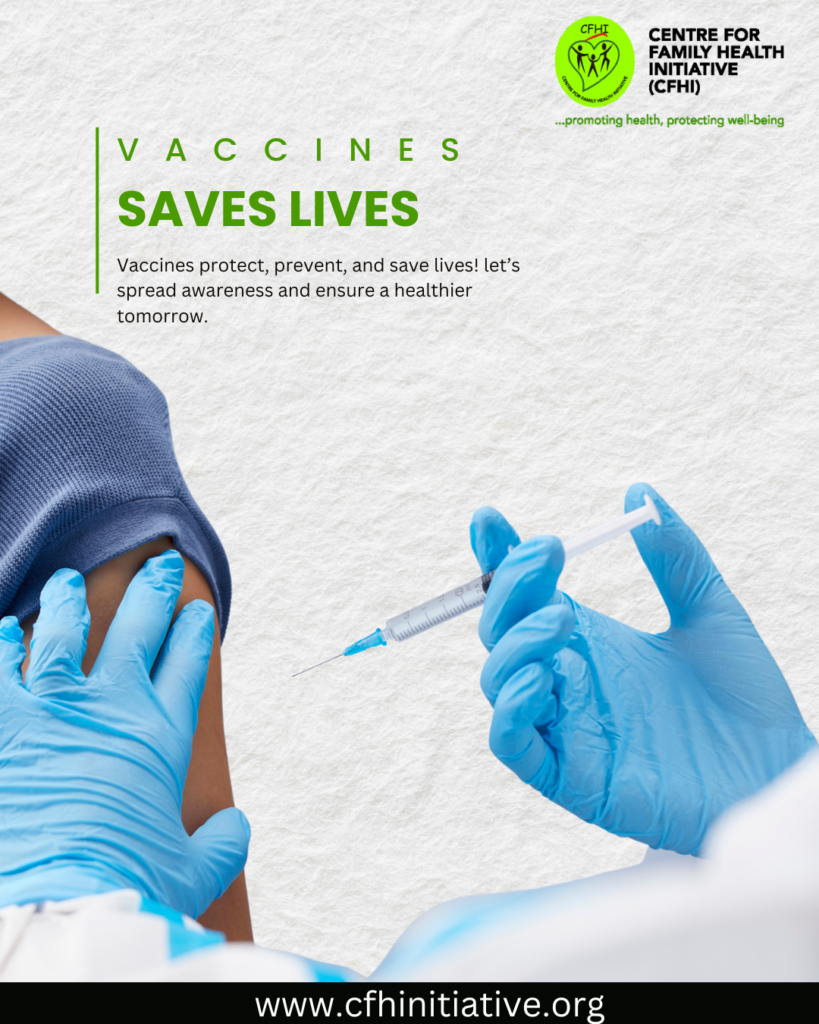
VACCINES SAVE LIVES

Vaccination is one of the greatest achievements in public health, and the statement “vaccines save lives” is far more than a slogan it is a reality backed by decades of scientific evidence, global data, and measurable impact across countries and generations. Vaccines protect individuals and communities by preventing illness, disability, and death from infectious diseases such as measles, polio, tetanus, and influenza. According to the World Health Organization, immunization prevents between 3.5 and 5 million deaths every year worldwide [1], while the Centers for Disease Control and Prevention estimates that about 4 million deaths are prevented annually through childhood vaccination alone [2]. These are not projections they are outcomes already achieved through consistent global efforts.

Looking over a longer period, the scale of impact becomes even more striking. In the past 50 years, vaccination programmes have saved approximately 154 million lives globally [3], which translates to about six lives saved every minute [4]. Most of these lives around 95 percent are children under the age of five [5], highlighting the critical role vaccines play in child survival. Measles vaccination alone accounts for nearly 94 million lives saved [3], demonstrating how a single vaccine can transform global health outcomes. These figures are supported by extensive research, including studies published in The Lancet, which consistently confirm the enormous contribution of immunization to reducing mortality and improving life expectancy worldwide [6].

Vaccines work by training the body’s immune system to recognize and fight harmful pathogens before they cause disease, providing protection that is both effective and long-lasting. Their benefits extend beyond individual protection to entire populations. By reducing disease transmission, vaccines create herd immunity, protecting even those who cannot be vaccinated. They prevent outbreaks of deadly diseases, reduce the burden on healthcare systems, and generate significant economic returns saving up to $52 for every $1 invested in immunization programmes in low- and middle-income countries [2]. Over time, vaccines have contributed to a 40 percent reduction in global infant mortality [5], a remarkable achievement that underscores their importance in improving survival rates.

Diseases that once caused widespread fear and death have been brought under control or eliminated entirely due to vaccination. Smallpox, for example, has been eradicated globally, while polio is now on the verge of elimination after decades of sustained immunization efforts. These successes demonstrate what is possible when science, policy, and community engagement work together.

Despite these achievements, significant gaps in immunization coverage remain. An estimated 14.3 million children worldwide have never received a single dose of any vaccine, often referred to as “zero-dose” children [7]. Nigeria is among the countries with the highest number of unvaccinated children, highlighting a critical public health challenge that requires urgent attention [7]. In addition, measles vaccination coverage remains below optimal levels in many regions, leaving millions of children vulnerable to preventable disease outbreaks [7]. These gaps not only endanger lives but also risk reversing decades of progress.

Efforts to close these gaps are strengthened by global initiatives such as World Immunization Week, celebrated annually in the last week of April. Led by the World Health Organization, this campaign raises awareness about the importance of vaccines, promotes equitable access, and encourages governments and communities to prioritize immunization [8]. Themes such as “Immunization for All is Humanly Possible” emphasize the need to reach every child, everywhere, regardless of location or socioeconomic status.

At the national level, governments play a central role in ensuring vaccine access and uptake. In Nigeria, interventions such as the National Programme on Immunization (NPI), the integration of vaccines into primary healthcare services, and partnerships with global organizations have significantly improved immunization coverage. Campaigns targeting polio eradication and routine immunization have contributed to notable progress, but challenges remain. Reaching underserved communities, strengthening healthcare infrastructure, and addressing vaccine hesitancy require sustained investment and commitment.

Recent global disruptions, including the COVID-19 pandemic, have led to missed vaccinations and declining coverage in some areas, increasing the risk of disease outbreaks. Public health experts warn that without renewed efforts, diseases that were once under control could resurface, threatening lives and straining already burdened health systems. This makes it more important than ever to prioritize immunization as a cornerstone of public health.[9]

At the Centre for Family Health Initiative (CFHI), these gaps have been actively addressed through sustained, community-driven interventions aimed at improving immunization uptake over time. CFHI has implemented targeted vaccine awareness campaigns, strengthened community mobilization, and integrated immunization education into maternal, child health, and HIV service delivery platforms. Through consistent engagement with caregivers, community leaders, and health facilities, CFHI has contributed to reducing vaccine hesitancy, improving demand for routine immunization, and supporting last-mile access to life-saving vaccines in underserved communities. These efforts form part of CFHI’s broader commitment to strengthening primary healthcare systems and safeguarding children and vulnerable populations from vaccine-preventable diseases.[10]

Vaccines remain one of the most cost-effective, impactful, and scalable health interventions available today. However, their life-saving potential can only be realized when they reach the people who need them. Vaccines save lives but only when they are accessible, accepted, and administered on time. Individuals and families must ensure that children receive all routine immunizations according to schedule, while communities must promote accurate information and counter misinformation. Governments must increase funding for immunization programmes and strengthen healthcare systems, while organizations and partners must support outreach to underserved populations. Health workers, as trusted voices, must continue to advocate for vaccination and engage communities effectively.

No one should die from a disease that vaccines can prevent. The science is clear, the evidence is overwhelming, and the solution is within reach. Vaccines save lives and with collective action, they can save millions more.

References

  1. WHO – Vaccines and Immunization: https://www.who.int/health-topics/vaccines-and-immunization
  2. CDC – Global Immunization Fast Facts: https://www.cdc.gov/global-immunization/fast-facts
  3. WHO – 154 million lives saved: https://www.who.int/news/item/24-04-2024-global-immunization-efforts-have-saved-at-least-154-million-lives-over-the-past-50-years
  4. London School of Hygiene & Tropical Medicine – EPI impact
  5. UNICEF – Why vaccines matter: https://www.unicef.org/stories/why-vaccines-matter-children
  6. The Lancet Study on Immunization Impact
  7. WHO – Immunization Coverage Factsheet: https://www.who.int/news-room/fact-sheets/detail/immunization-coverage
  8. World Immunization Week Overview
  9. https://www.who.int/news/item/15-07-2022-covid-19-pandemic-fuels-largest-continued-backslide-in-vaccinations-in-three-decades?utm_source=chatgpt.com
  10. https://www.cfhinitiative.org/ending-hiv-stigma-community-support-beyond-world-aids-day/ 


VACCINES SAVE LIVES Read More »

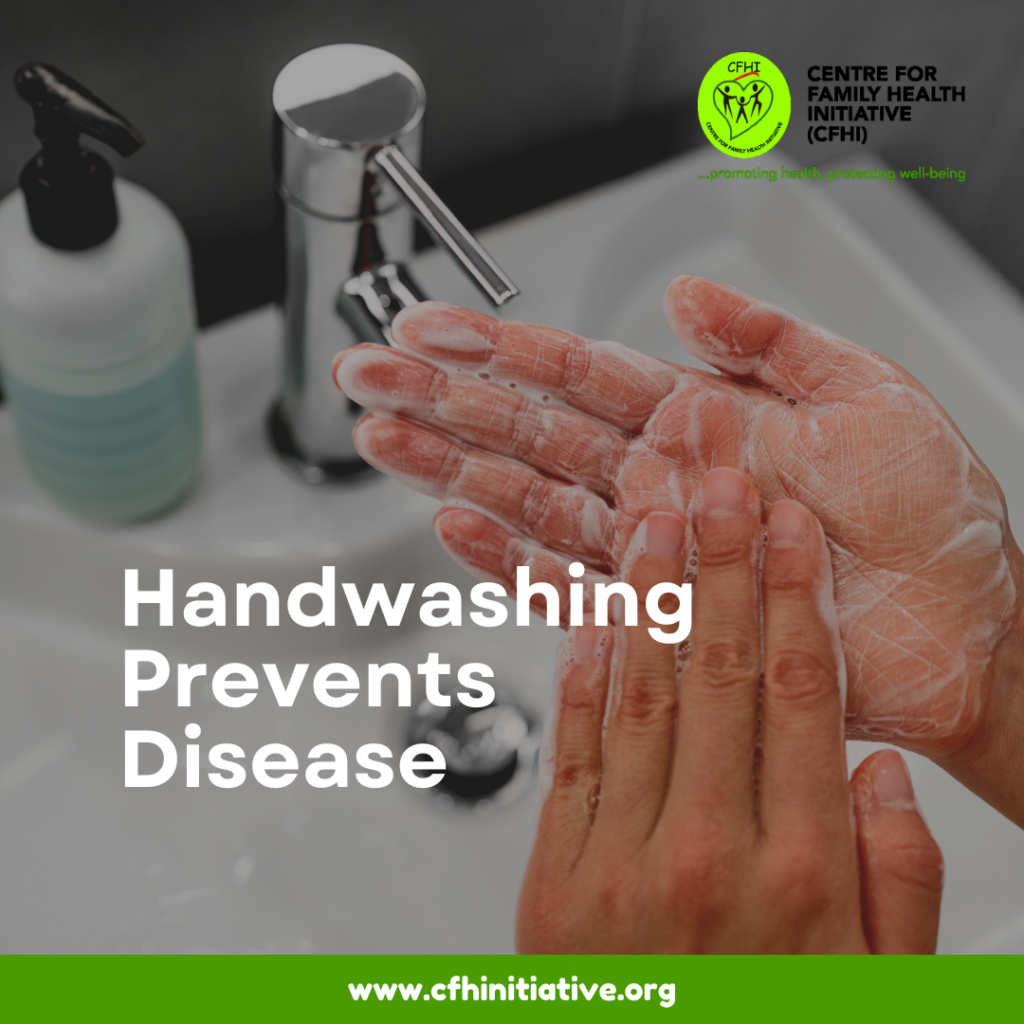
Handwashing Prevents Disease

Handwashing with soap remains one of the most effective and affordable ways to prevent diseases and protect public health. According to the World Health Organization and global health partners, proper hand hygiene significantly reduces the spread of infectious diseases such as diarrhea, respiratory infections, and even emerging outbreaks [1]. Despite its simplicity, handwashing is often overlooked, contributing to millions of preventable illnesses and deaths worldwide.

Scientific evidence shows that unclean hands are a major pathway for disease transmission. Germs from faecal matter, contaminated surfaces, and respiratory droplets easily spread through touch, food handling, and person-to-person contact. Research indicates that a single gram of human faeces can contain up to one trillion germs, making proper hand hygiene critical in breaking the chain of infection [2]. Handwashing with soap has been shown to reduce diarrheal diseases by 23–40% and respiratory infections by up to 21% [3].

Globally, the burden of poor hand hygiene remains alarming. An estimated 2.3 billion people lack access to basic handwashing facilities with soap and water, while 1.7 billion still do not have basic hygiene services at home [4]. Additionally, nearly half of healthcare facilities worldwide lack proper hand hygiene services, putting patients at risk of infections [5]. Among children, poor hygiene contributes significantly to disease, with approximately 1.8 million children under five dying annually from preventable illnesses such as diarrhea and pneumonia conditions that proper handwashing could help reduce [6].

Various interventions have been implemented globally to promote hand hygiene. Organizations such as UNICEF and WHO continue to support handwashing campaigns, improve access to water and sanitation, and integrate hygiene education into schools and communities [1]. Community awareness programs, provision of handwashing facilities, and behavior change communication have proven effective in improving hygiene practices. Studies show that even a small investment less than $1 per person annually can significantly expand access to handwashing facilities and save hundreds of thousands of lives [7].

Our commitment to ‘Standing with Science’ was most evident during the height of the COVID-19 pandemic. Recognizing that awareness is only effective when paired with resources, CFHI conducted extensive sensitization and distribution drives across the FCT. This included critical interventions at the Kuje Prison in Abuja and various schools throughout the FCT, where we provided essential hygiene tools such as professional-grade hand sanitizers, liquid soaps, and specialized buckets and bowls with attached taps to facilitate contactless handwashing. This proactive approach ensured that the most vulnerable populations had the physical means to break the chain of infection.

In conclusion, handwashing is a simple yet powerful tool that everyone can practice daily. Individuals are encouraged to wash their hands regularly especially before eating, after using the toilet, and after contact with potentially contaminated surfaces. Governments and institutions must also invest in accessible hygiene facilities and promote behaviour change. By making handwashing a habit, we can prevent diseases, save lives, and build healthier communities. Clean hands are not just a personal responsibility they are a public health necessity.

References

  1. https://www.who.int/news-room/fact-sheets/detail/hand-hygiene
  2. https://www.cdc.gov/hygiene/about/index.html
  3. https://www.cdc.gov/hygiene/personal-hygiene/hands.html
  4. https://www.unicef.org/reports/state-worlds-handwashing-2021
  5. https://www.who.int/publications/i/item/9789240055445
  6. https://www.who.int/news-room/fact-sheets/detail/diarrhoeal-disease
  7. https://www.worldbank.org/en/news/feature/2020/04/22/handwashing-for-all-the-value-of-hand-hygiene-to-save-lives-and-economies


Handwashing Prevents Disease Read More »

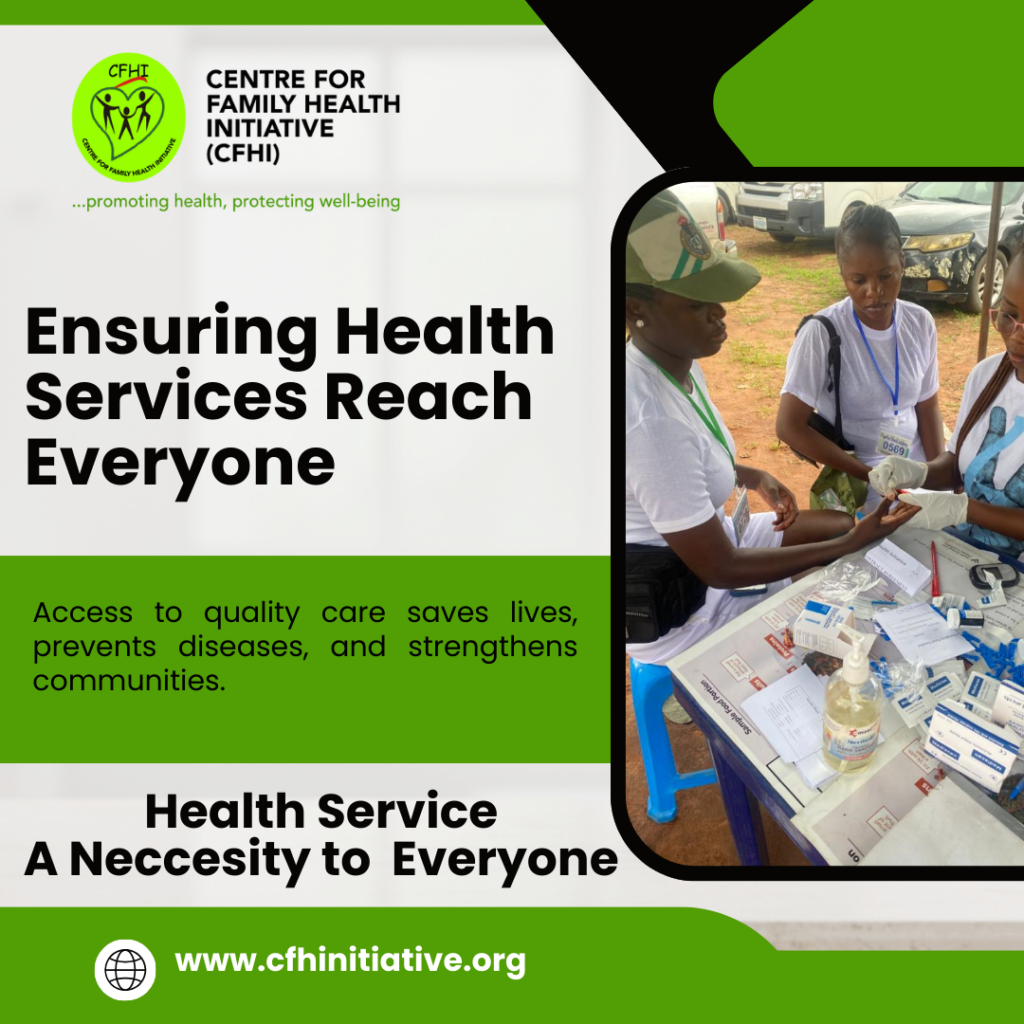
Ensuring Health Services Reach Everyone


Ensuring that health services reach everyone remains one of the world’s most urgent development challenges, especially as global progress toward Universal Health Coverage (UHC) continues to slow. Worldwide, more than 4.6 billion people still lack access to essential health services, leaving millions at risk of preventable illness and financial hardship [1]. Although the global service coverage index has risen from the mid-50s in 2000 to around 71 in 2023, the gains remain uneven and fragile [2]. In Nigeria, persistent gaps in primary healthcare, maternal and newborn services, limited staffing, shortages of essential supplies and unreliable electricity continue to restrict access for many communities, particularly in rural and underserved areas [3,4].

Electricity is one of the most basic requirements for safe and functional health care. In many low-resource settings, including parts of Nigeria, frequent power interruptions limit the ability of facilities to conduct safe night-time deliveries, sterilize equipment, store vaccines, or run lifesaving laboratory tests. Evidence shows that roughly one-third to two-fifths of Nigeria’s primary health care centres still lack stable electricity, forcing some to rely on kerosene lamps, phone flashlights or fuel-powered generators that often fail when needed most [5,6]. Without reliable light and power, both mothers and newborns face heightened risks, and health workers struggle to provide the standard of care for which they are trained.

These structural challenges contribute to persistent health inequalities. Nigeria retains one of the highest maternal mortality ratios globally, despite substantial global declines since the early 2000s [2,7]. Skilled birth attendance an essential determinant of maternal and newborn survival has improved in some regions but still varies widely across northern states, where many young women remain unable to access skilled care at birth [4]. Preventive services such as immunisation have also fluctuated, with pandemic-related disruptions causing setbacks. Although recovery efforts are ongoing, routine immunisation coverage remains below global and regional benchmarks, leaving children in remote communities at disproportionate risk [3,8].

Nonetheless, evidence from recent interventions demonstrates that targeted, practical investments can quickly strengthen essential health services. Solar electrification of primary health care facilities, particularly through durable systems designed for maternal and emergency care, has been shown to improve night-time service delivery, stabilize cold-chain systems and increase overall service availability [6,9]. When paired with training and continuous supervision, such interventions support proper equipment use, routine maintenance and long-term sustainability an approach consistently endorsed by global health experts and backed by facility-level assessments [7]. Furthermore, integrating community engagement, leadership participation and strong referral mechanisms encourages service uptake and strengthens public trust.

To accelerate progress, policymakers, donors, and community leaders must prioritize primary healthcare revitalization, commit to electrifying facilities, invest in continuous staff training, and support service delivery models proven to work. Ensuring that health services reach everyone is both achievable and urgent. With collective action, equitable investment and strengthened partnerships, Nigeria can move closer to a future where every individual regardless of geography or socioeconomic status receives the essential care needed to live a healthy and dignified life.


References

  1. World Health Organization. Universal health coverage (UHC) fact sheet. 2024 [cited 2025 Dec 12]. Available from: https://www.who.int/news-room/fact-sheets/detail/universal-health-coverage-%28uhc%29
  2. World Bank. Tracking Universal Health Coverage — 2025 Global Monitoring Report. 2025 [cited 2025 Dec 12]. Available from: https://www.worldbank.org/en/topic/universalhealthcoverage/publication/2025-global-monitoring-report-gmr
  3. WHO. Nigeria Country Health Profile — Health System Performance, Immunisation & Primary Care Indicators. 2024 [cited 2025 Dec 12]. Available from: https://www.who.int/countries/nga
  4. Afape AO, et al. Prevalence and determinants of skilled birth attendance among young women in Northern Nigeria. 2024 [cited 2025 Dec 12]. Available from: https://www.ncbi.nlm.nih.gov/pmc/articles/PMC11389318/
  5. World Health Organization. Electricity in health-care facilities. 2023 [cited 2025 Dec 12]. Available from: https://www.who.int/news-room/fact-sheets/detail/electricity-in-health-care-facilities
  6. Sustainable Energy for All. Powering primary healthcare in Nigeria. 2024 [cited 2025 Dec 12]. Available from: https://www.seforall.org
  7. World Bank. Maternal mortality ratio — Nigeria. 2024 [cited 2025 Dec 12]. Available from: https://data.worldbank.org/indicator/SH.STA.MMRT?locations=NG
  8. UNICEF. Immunisation data and analysis. 2024 [cited 2025 Dec 12]. Available from: https://data.unicef.org/topic/child-health/immunization/
  9. Nigeria Health Watch. Solar power solutions for primary healthcare centres. 2024 [cited 2025 Dec 12]. Available from: https://articles.nigeriahealthwatch.com/a-solar-power-project-is-keeping-primary-healthcare-centres-running-in-abuja/


Ensuring Health Services Reach Everyone Read More »

UHC Day 2025: Unaffordable health costs? We’re sick of it!

Universal Health Coverage (UHC) Day is a global reminder that access to quality health care is a fundamental right, not a privilege reserved for the wealthy. This year’s theme, “Unaffordable health costs? We’re sick of it!”, speaks directly to one of the biggest barriers facing millions of Nigerians: skyrocketing healthcare costs and the widening gap between health needs and the ability to pay.

While achieving UHC requires multisectoral commitment, one of the most critical systems needed to bridge this gap is health insurance, an essential mechanism designed to protect individuals from financial hardship, ensure continuity of care, and promote equitable access to essential services. Yet, despite the existence of the National Health Insurance Authority (NHIA) and state-level schemes, enrolment remains abysmally low. Out-of-pocket payments still account for over 76% of total health spending in Nigeria, pushing millions deeper into poverty every year.

Health insurance providers cannot succeed alone; they face chronic underfunding, limited subsidies, weak enforcement, and low public awareness. Sustainable progress requires stronger government leadership, increased premium subsidies for the poor, upgraded health facilities, and digital systems that make enrolment seamless.

Yet progress is possible, and CFHI is proving it every day.

Through relentless community mobilization and strategic partnerships with philanthropists like Satoshi Koiso and development partners such as the Institute of Human Virology Nigeria (IHVN), CFHI has successfully enrolled 224 vulnerable individuals into NHIA-supported health coverage this year alone.

These are not just numbers.

They are mothers who no longer skip medication.

They are children who can see a doctor without their parents selling assets.

They are families now protected from choosing between medicine and food.

Health insurance must be affordable, accessible, and functional for every Nigerian. It is not just a policy tool; it is a lifeline that protects households from falling into poverty and guarantees timely care, especially for vulnerable groups.

On UHC Day 2025, our message is unequivocal:

No Nigerian should be denied quality care because they cannot afford it.

We call on federal and state governments to:

  • Fully subsidize premiums for low-income and vulnerable households
  • Strengthen primary health care facilities that deliver insured services
  • Enforce mandatory coverage and streamline digital enrolment

It is time to end the era of unaffordable health costs.

Health care is a right for every Nigerian, irrespective of socio-economic status.

Together, we can make “We’re sick of it” a rallying cry that finally delivers results.

UHC Day 2025: Unaffordable health costs? We’re sick of it! Read More »

Human Rights and Access to Quality Healthcare for All

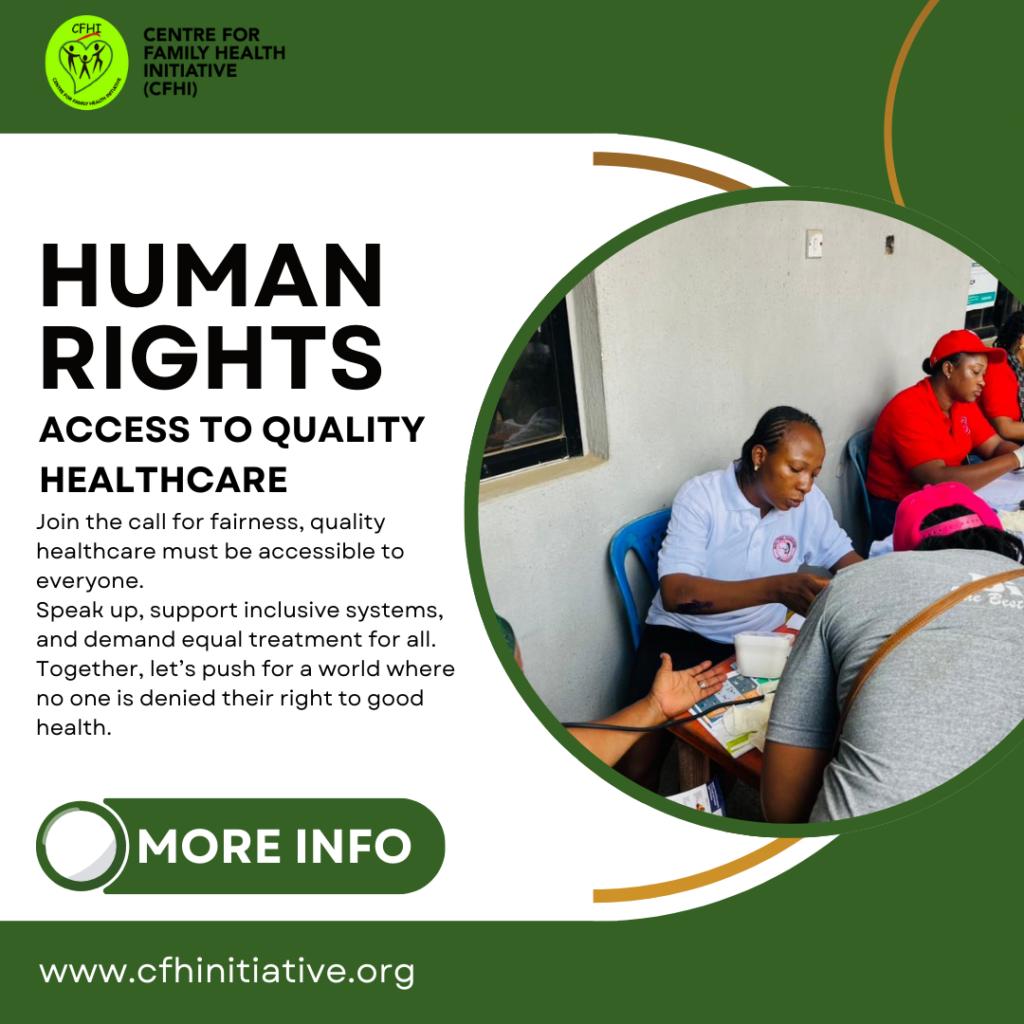
Access to quality healthcare is recognized globally as a fundamental human right. Yet, billions of people still cannot exercise this right. Recent WHO and UNICEF estimates, about 1.1 billion people received healthcare in facilities without basic water services, while 3.0 billion lacked access to sanitation services, creating unsafe environments for patients and health workers alike (1). Additionally, 1.7 billion individuals were cared for in facilities without proper hygiene standards, and about 2.8 billion lacked access to safe health-care waste management, exposing communities to preventable infections (1). Another WHO report highlights that nearly one billion people depend on facilities with unreliable or no electricity, making safe childbirth, emergency care, vaccine storage, and laboratory services extremely difficult (2). To address such challenges, CFHI, with support from Grand Challenges Nigeria, recently installed solar birth kits at Rumde PHCC in Adamawa and Gusau PHCC in Zamfara States. These kits provide reliable solar-powered lighting, enabling skilled birth attendants to conduct deliveries safely at night or during power outages, support emergency care, and ensure essential medical equipment can function consistently.

Such deficits represent clear violations of the right to health. Quality healthcare must be safe, clean, affordable, and accessible. Studies further show that poor healthcare access contributes to increased maternal mortality, preventable illnesses among children, late health-seeking behaviour, and financial hardship. Globally, millions face catastrophic out-of-pocket spending on healthcare, pushing vulnerable families into poverty each year (3). Universal Health Coverage frameworks emphasize equity; however, implementation remains slow in many developing countries, especially in rural and underserved communities where health investment is still low.

In Nigeria, although relevant health policies exist, many communities still lack the enabling environment to exercise their health rights, the government has the primary responsibility to provide healthcare services and maintain facilities, the reality is that many health centres remain dilapidated and under-resourced. This situation underscores the urgent need for authorities to prioritize investment in health infrastructure, provide functional equipment, and ensure every facility meets minimum standards to protect the lives of mothers, newborns, and communities. This is where organizations such as Centre for Family Health Initiative (CFHI) contribute meaningfully to bridging the gap. CFHI works to expand equitable healthcare access by implementing interventions that support orphans and vulnerable children, adolescents, caregivers, and low-income households. The organization improves community knowledge on health rights, offers psychosocial support, conducts HIV counselling, testing, and referrals, and assists vulnerable families in navigating access to healthcare facilities (4).

Through capacity building for healthcare workers, stronger health facility linkage, and participatory learning sessions, CFHI promotes informed decision-making and encourages service utilization which are critical elements of health rights implementation. Ultimately, improved health outcomes must go beyond policy frameworks; communities must receive accessible services delivered in dignity, and families must be able to seek care without financial ruin.

Achieving true universal access requires investment in basic facility infrastructure, elimination of discriminatory practices, improved health financing, and strengthened accountability mechanisms. When communities are assured of safety, fairness, and affordability, healthcare becomes a right in practice not merely in principle.

References

  1. World Health Organization and UNICEF. Countries making unprecedented efforts but billions still lack basic services in health-care facilities. WHO website. Available at: https://www.who.int/news/item/24-09-2025-countries-making-unprecedented-efforts-but-billions-still-lack-basic-services-in-health-care-facilities—who-unicef-new-report-warns
  2. World Health Organization. Global progress report on universal access to WASH services in healthcare facilities. WHO website. Available at: https://www.who.int/news/item/24-09-2025-countries-making-unprecedented-efforts-but-billions-still-lack-basic-services-in-health-care-facilities—who-unicef-new-report-warns
  3. World Bank Group. Billions left behind on the path to universal health coverage. World Bank website. Available at: https://www.worldbank.org/en/news/press-release/2023/09/18/billions-left-behind-on-the-path-to-universal-health-coverage
  4. Centre for Family Health Initiative (CFHI). Programme information and reports. CFHI website. Available at: https://www.cfhinitiative.org


Human Rights and Access to Quality Healthcare for All Read More »

Ending HIV Stigma: Community Support Beyond World AIDS Day

Ending HIV stigma remains one of the most critical steps in achieving an effective HIV response globally. Even though scientific progress has transformed HIV from a life-threatening illness to a manageable condition, stigma continues to undermine prevention, testing, treatment, and quality of life. Studies show that nearly 1 in 4 people living with HIV report experiencing discrimination in healthcare settings, which discourages timely care-seeking and contributes to poor health outcomes (1). Community stigma also remains widespread; in sub-Saharan Africa, where the burden of HIV is highest, research found that over 35% of adults still hold discriminatory attitudes toward people living with HIV (2). These attitudes are deeply rooted in misinformation, fear, cultural norms, and moral judgments that continue to silence individuals and limit their ability to access support.

Stigma does not only affect individuals emotionally; it has direct medical consequences. Evidence shows that people who experience HIV-related stigma are three times more likely to delay or avoid HIV testing and up to 50% less likely to adhere to treatment due to fear of being discovered (3). This delay fuels the cycle of transmission and reduces the chances of achieving viral suppression. Yet, viral suppression keeping HIV levels undetectable is proven to eliminate the risk of sexual transmission entirely, a fact summarized in the principle U=U (Undetectable = Untransmittable) (4). Ending stigma, therefore, is not only a human rights issue but a powerful public health strategy.

Beyond World AIDS Day, communities must unite to promote supportive environments where people living with HIV feel safe to disclose, access services, and receive continuous care. Community-led awareness, inclusive language, youth-friendly education, and culturally sensitive advocacy have proven to reduce stigma by strengthening empathy and understanding (5). Empowering young people with evidence-based information also plays a vital role since adolescents remain vulnerable to societal misconceptions and pressure surrounding HIV.

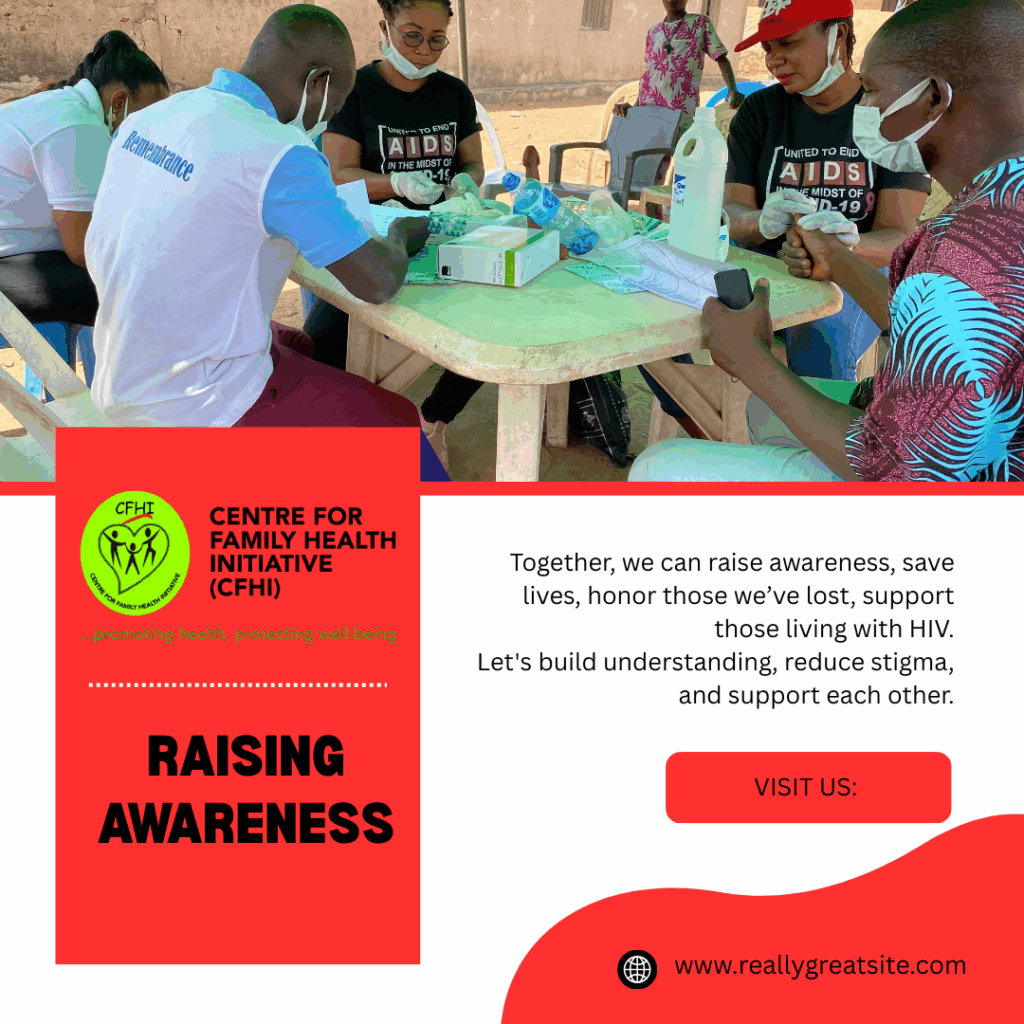
At the Centre for Family Health Initiative, efforts to end HIV stigma go beyond commemoration events. CFHI continues to create safe spaces within communities through targeted HIV education, gender-sensitive communication, counselling support for adolescents and caregivers, and stigma-reduction sessions integrated into school and community health activities. Through the ASPIRE project and other community interventions, CFHI consistently promotes testing uptake, linkage to care, and treatment adherence especially among vulnerable populations. Last year in Imo State, CFHI carried out a community HIV awareness and testing outreach that reached dozens of individuals with prevention messages, counselling, and referrals, reinforcing the message that HIV is manageable and that stigma must never stand between anyone and access to care. As we move beyond World AIDS Day, CFHI encourages everyone to be intentional about kindness, to challenge myths, to stand against discrimination, and to help build communities where people living with HIV are treated with dignity. Ending stigma begins with each of us, and together we can create a society where support is stronger than silence


References

  1. Joint United Nations Programme on HIV/AIDS (UNAIDS). Confronting Discrimination: Overcoming HIV-related Stigma and Discrimination in Health-care Settings. 2020. Available from: https://www.unaids.org
  2. United Nations Children’s Fund (UNICEF). HIV and AIDS Statistical Update. 2023. Available from: https://www.unicef.org
  3. Turan B, et al. The Impact of HIV-related Stigma on Treatment Adherence. AIDS Behav. 2017;21(1):283–291. Available from: https://link.springer.com
  4. Prevention Access Campaign. The U=U Declaration. 2016. Available from: https://preventionaccess.org
  5. World Health Organization (WHO). Global HIV Programme: Eliminating Stigma and Discrimination. 2022. Available from: https://www.who.int


Ending HIV Stigma: Community Support Beyond World AIDS Day Read More »

Protecting Our Children from Common Illnesses

Children remain highly vulnerable to common illnesses, and preventing these diseases is essential to safeguarding their growth and wellbeing. In Nigeria, infections such as diarrhea, malaria, and acute respiratory infections continue to be among the leading causes of sickness and death in children under five, despite being largely preventable. Evidence shows that environmental and structural factors contribute significantly to this burden. Research highlights that improved water, sanitation, and hygiene (WASH) are strongly associated with reduced childhood diarrhea and respiratory infections (1). Additionally, findings from Nigeria’s Demographic and Health Surveys indicate that poor housing conditions including overcrowding and inadequate ventilation are major predictors of child illness across the country (2).

The impact of these illnesses extends far beyond short-term discomfort. Children who frequently experience diarrhea or respiratory infections are at increased risk of stunting, and spatial health research in Nigeria reveals that these conditions often overlap, creating compounded threats to child growth and development (3). Preventable infections such as measles also have long-term consequences on immunity and overall health in later life, as demonstrated in studies tracking early-life measles exposure (6). Even though effective vaccines exist, childhood immunization coverage remains suboptimal in many regions, prompting the introduction of innovative solutions such as artificial intelligence systems to increase vaccine uptake (5). Reliable hospital data further confirm that pneumonia, malaria, and diarrheal diseases remain major contributors to child mortality in Nigerian healthcare settings (4). Alongside medical treatment, community-based interventions such as hygiene promotion, nutrition counselling, and timely referral are essential to reducing morbidity. Globally, standardized caregiver resources like UNICEF’s “Facts for Life” continue to guide families on preventing and responding to common childhood illnesses (7).

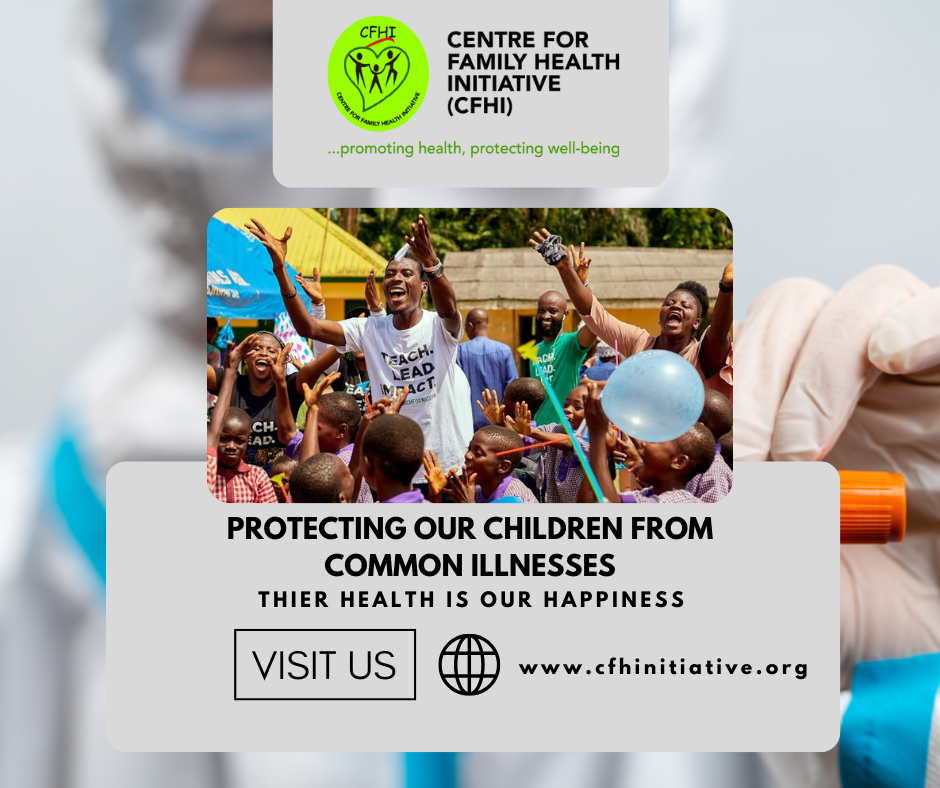
The Centre for Family Health Initiative (CFHI) plays a critical role in reducing the burden of childhood illnesses through targeted community programs. CFHI supports maternal, newborn, and child health activities, including MNCH weeks where children receive essential interventions such as vaccinations, deworming, vitamin A supplementation, growth monitoring, and malnutrition screening (8). The organization also drives WASH improvements aimed at reducing disease spread and implements extensive community health education on hygiene, sanitation, immunization, and early care-seeking. Through capacity-building efforts, CFHI strengthens the skills of health workers and volunteers to deliver quality child health services (9). CFHI’s approach is evidence-based and community-centered, ensuring that interventions respond to local needs and contribute meaningfully to child survival and development.

Protecting children from preventable illnesses requires collective responsibility. Caregivers should ensure full vaccination, practice proper handwashing, maintain clean household environments, and seek medical care early when their children show signs of illness. Community members must actively share health information and support local awareness programs. Policy and government actors should invest in clean water systems, sanitation infrastructure, and housing improvements to create healthier environments for children. Finally, individuals and organizations can strengthen CFHI’s efforts by volunteering, partnering, or supporting programs that promote child health. Together, these actions can secure a safer, healthier future for every child.


References

  1. Oyebanji TO, Chandra-Mouli V. Burden of Common Childhood Diseases in Relation to Improved Water, Sanitation, and Hygiene (WASH) among Nigerian Children. PubMed [Internet]. 2018 [cited 2025 Nov 23]. Available from: https://pubmed.ncbi.nlm.nih.gov/29895758/
  2. Olusanya BO, Odeyemi OA, Abimbola S, Adebowale SA. Housing conditions as predictors of common childhood illness: Evidence from Nigeria Demographic and Health Surveys, 2008–2018. PubMed [Internet]. 2021 [cited 2025 Nov 23]. Available from: https://pubmed.ncbi.nlm.nih.gov/33476186/
  3. Gai T, Cunningham E, Chukwuogo O, et al. Spatial Co-Morbidity of Childhood Acute Respiratory Infection, Diarrhoea and Stunting in Nigeria. PubMed [Internet]. 2022 [cited 2025 Nov 23]. Available from: https://pubmed.ncbi.nlm.nih.gov/35162859/
  4. van den Berg GJ, von Hinke S, Vitt N. Early life exposure to measles and later-life outcomes: Evidence from the introduction of a vaccine. arXiv [Internet]. 2023 [cited 2025 Nov 23]. Available from: https://arxiv.org/abs/2301.10558
  5. Kehinde O, Abdul R, Afolabi B, et al. Deploying ADVISER: Impact and Lessons from Using Artificial Intelligence for Child Vaccination Uptake in Nigeria. arXiv [Internet]. 2023 [cited 2025 Nov 23]. Available from: https://arxiv.org/abs/2402.00017
  6. Morbidity and Mortality Pattern of Childhood Illnesses Seen at the Children Emergency Unit of Federal Medical Center, Asaba, Nigeria. AMHSR [Internet]. [cited 2025 Nov 23]. Available from: https://www.amhsr.org/articles/morbidity-and-mortality-pattern-of-childhood-illnesses-seen-at-the-children-emergency-unit-of-federal-medical-center-asaba-nigeria.html
  7. Facts for Life. [Internet]. [cited 2025 Nov 23]. Available from: https://en.wikipedia.org/wiki/Facts_for_Life
  8. Centre for Family Health Initiative. 2020 Annual Report. Abuja: CFHI; 2020. [Internet]. [cited 2025 Nov 23]. Available from: https://www.cfhinitiative.org/wp-content/uploads/2022/10/CFHI_2020-Annual-Report.pdf
  9. Centre for Family Health Initiative. Who We Are. [Internet]. [cited 2025 Nov 23]. Available from: https://www.cfhinitiative.org/who-we-are/

Protecting Our Children from Common Illnesses Read More »

MONDAY HEALTH BURST

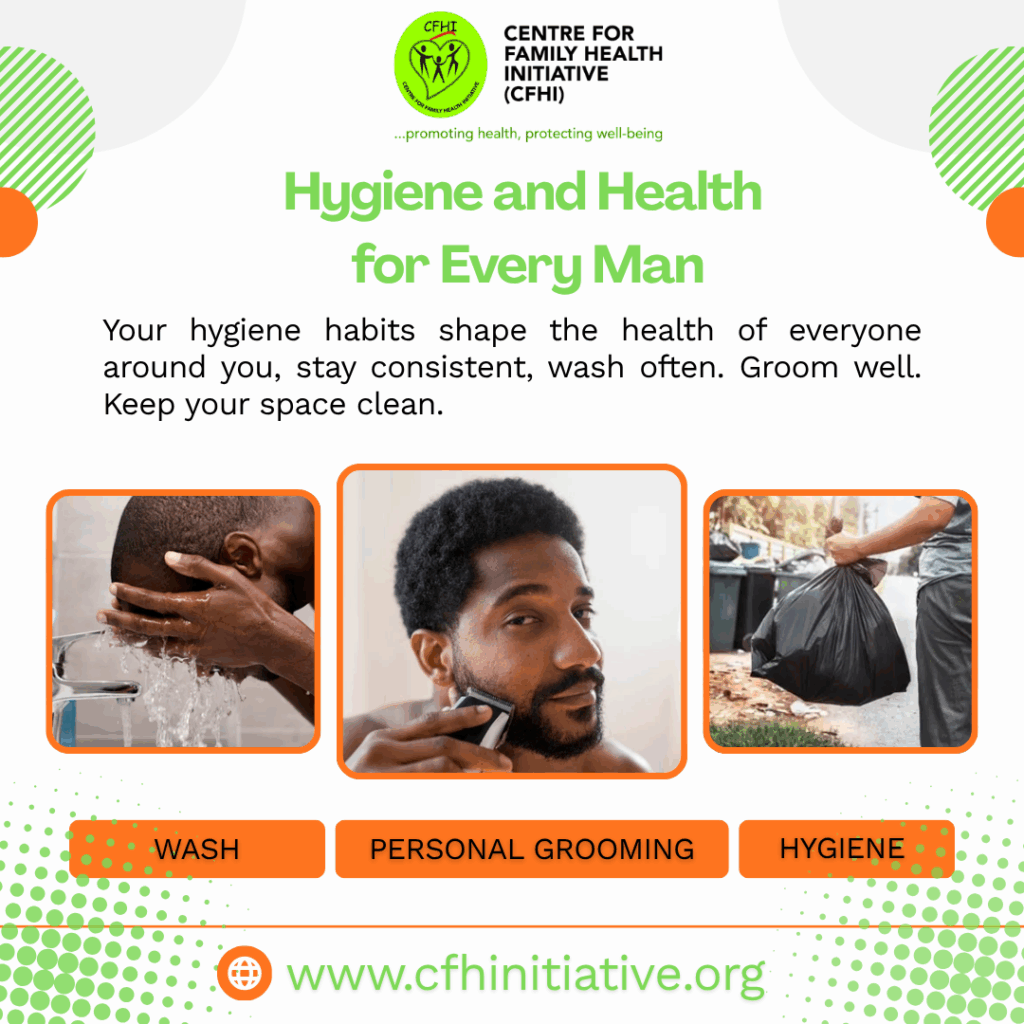
Hygiene and Health for Every Man

Good hygiene is not only a personal responsibility but a fundamental aspect of disease prevention, dignity, and overall well-being for men across all ages. Research shows that poor hygiene contributes significantly to the global burden of infectious diseases. According to the World Health Organization, inadequate hygiene practices account for nearly 432,000 deaths annually from diarrheal diseases alone (1) with millions more suffering from preventable infections linked to poor personal and environmental hygiene. Studies also reveal that men are statistically less likely than women to engage in consistent hygiene routines, including regular handwashing, oral care, and preventive health screenings. A 2022 global survey noted that over 65% of men admit to skipping basic hygiene routines (2) increasing their vulnerability to infections, skin diseases, urinary tract complications, and communicable illnesses. Poor hygiene also affects mental health, social interactions, productivity, and overall quality of life, especially in environments where men are primary earners and caregivers.

The implications of poor hygiene for men extend far beyond physical health. Lack of proper personal and environmental cleanliness can affect workplace productivity, family health, and community wellness. For example, studies show that effective handwashing alone can reduce respiratory infections by over 21% (3) yet many men either neglect this simple act or lack access to clean water and safe sanitation facilities. Globally, 3.5 billion people still lack safe sanitation (4) and this affects men in marginalized communities disproportionately, often exposing them to contaminated environments and increasing their risk of illness. Oral hygiene is another overlooked aspect; research indicates that men are 40% less likely than women to seek dental care (5) leading to higher rates of gum disease, which has been linked to heart disease, stroke, and diabetes. Hygiene is not just cleanliness it is a cornerstone of preventive health.

As we commemorate International Men’s Day and World Toilet Day, we encourage, admonish, and advise men everywhere to stay true to hygiene and neatness. Cleanliness is strength. Hygiene is responsibility. And taking care of your health is an act of leadership and self-respect. Men must break free from harmful cultural norms that label hygiene awareness as weakness or unmanliness. True masculinity includes caring for one’s body, environment, and overall well-being. A healthy man becomes a healthier father, partner, colleague, and community member. The global theme for this period emphasizes dignity, safe sanitation, and improved well-being for everyone and men must be active participants in this movement.

Wash your hands often, maintain proper grooming, care for your oral health, keep your environment clean, use toilets responsibly, practice safe sanitation, and seek regular health checks. Small habits save lives. Hygiene is health, and health is power. Let this be a reminder that healthier men build stronger families, stronger communities, and a stronger nation.

For enquiries, partnerships, or to invite CFHI for sensitization programs, kindly contact us via: info@cfhinitiative.org 


References

  1. World Health Organization. Diarrhoeal disease. 2023. Available from: https://www.who.int/news-room/fact-sheets/detail/diarrhoeal-disease
  2. Global hygiene behaviours survey results. 2022. Available from: https://yougov.co.uk/topics/health/articles-reports
  3. Centers for Disease Control and Prevention. Show Me the Science – How to Wash Your Hands. 2023. Available from: https://www.cdc.gov/handwashing/show-me-the-science-handwashing.html
  4. World Health Organization & UNICEF. Progress on household drinking water, sanitation and hygiene 2023 update. Available from: https://www.who.int/publications/i/item/9789240073347
  5. American Dental Association. Oral health and men’s health. 2022. Available from: https://www.ada.org/resources/research/science-and-research-institute


MONDAY HEALTH BURST Read More »

CFHI and Imo State Ministry of Health Unite for World Diabetes Day 2025!

The Centre for Family Health Initiative (CFHI) partnered with the Imo State Ministry of Health to mark World Diabetes Day 2025, at the Ministry of Health Block, Imo State Secretariat, Port Harcourt Road, Owerri, reaching 50 individuals with vital diabetes awareness and screening services.
focusing on the theme “Diabetes and Well-being: Creating Supportive Environments in the Workplace”.

Key Highlights:
Free BP and Blood Sugar Testing
Expert Dietitians on ground for personalized meal planning
Empowering individuals with diabetes to thrive at all life stages.
Integrated care and support for physical and mental well-being.

Our mission was to spark a movement! We aimed to educate, empower, and encourage employers, employees, and the global community to act towards healthier workplaces.

CFHI and Imo State Ministry of Health Unite for World Diabetes Day 2025! Read More »

MONDAY HEALTH BURST

Early Detection and Lifestyle Choices Against Diabetes

Diabetes has become one of the fastest-growing health challenges globally, claiming millions of lives and affecting countless families. According to the World Health Organization (WHO), more than 537 million adults are living with diabetes, and that number is projected to rise to 643 million by 2030. The International Diabetes Federation (IDF) also notes that one in ten adults currently lives with diabetes, and nearly half are undiagnosed meaning millions are silently living with the condition without receiving the care they need [1,2].

Early detection is a vital weapon in the fight against diabetes. Type 2 diabetes, which accounts for around 90% of all cases, often develops gradually, showing little or no symptoms until complications such as heart disease, kidney failure, or vision loss have already set in. Detecting the disease early allows for timely medical intervention, lifestyle modification, and proper management, which significantly reduces the risk of complications and improves long-term outcomes. Studies have shown that early diagnosis and treatment of diabetes reduce cardiovascular and renal complications and lower overall mortality rates [3].

One of the most remarkable pieces of evidence for prevention comes from the Diabetes Prevention Program (DPP), a landmark study in the United States. The research found that participants who adopted healthier diets, engaged in moderate physical activity for about 150 minutes per week, and achieved modest weight loss reduced their risk of developing diabetes by 58% compared to those who did not make lifestyle changes [4]. This clearly shows that lifestyle choices particularly nutrition, exercise, and maintaining a healthy body weight play a powerful role in preventing or delaying diabetes.

Healthy living begins with awareness. Regular screening for blood glucose levels, blood pressure, and weight helps individuals know their risk status early. The Centers for Disease Control and Prevention (CDC) recommends that adults aged 35 and above, or younger people with risk factors such as obesity, family history of diabetes, or sedentary lifestyle, undergo regular diabetes screening [5]. Screenings should not stop at diagnosis; they should be paired with counseling, education, and access to proper care for effective management. The World Health Organization stresses that integrated care, including screening and education, remains essential for effective diabetes control [6].

In Nigeria, diabetes continues to pose significant public health challenges, driven by persistent rise in medication costs7, limited awareness, unhealthy diets, and rapid urban lifestyle changes. Recognizing this, the Centre for Family Health Initiative (CFHI) has consistently raised awareness about diabetes prevention and care. Through its Diabetes Awareness and Care (DAC) project in Imo state, CFHI has conducted free diabetes screening for over 36,000 persons, alongside health education sessions and outreach campaigns reaching about half a million individuals to encourage early testing and lifestyle change. These community-based interventions mirror global best practices, showing that education and early detection can help prevent diabetes and its complications before they start.

Ultimately, combating diabetes requires a joint effort from individuals, communities, health systems, and the government. While early detection helps identify risks, lifestyle choices, healthy eating, regular exercise, and avoiding harmful habits remain the cornerstone of prevention. As CFHI continues to promote healthier communities through advocacy, education, and screening programs, the message remains clear: diabetes can be managed and even prevented when detected early and addressed with healthy lifestyle choices.

As the world marks World Diabetes Day 2025 under the theme “Empowering Lives Through Early Detection and Access to Care”, it is a timely reminder that diabetes prevention starts with awareness and action. CFHI joins the global community in calling for affordable access to care, increased access to screening opportunities, education, and quality healthcare services for all. Together, we can build a future where early detection saves lives, and healthy lifestyle choices protect generations from the silent burden of diabetes.


References

  1. World Health Organization. Diabetes. Geneva: WHO; 2024. Available from: https://www.who.int/health-topics/diabetes
  2. International Diabetes Federation. IDF Diabetes Atlas. Brussels: IDF; 2024. Available from: https://diabetesatlas.org
  3. Herman WH, Ye W, Griffin SJ, et al. Early detection and treatment of type 2 diabetes reduce cardiovascular morbidity and mortality: simulation and trial evidence. Diabetes Care. 2015;38(8):1449–1455. Available from: https://www.ncbi.nlm.nih.gov/pmc/articles/PMC4512138/
  4. Knowler WC, Barrett-Connor E, Fowler SE, et al. Reduction in the incidence of type 2 diabetes with lifestyle intervention or metformin. N Engl J Med. 2002;346:393–403. Available from: https://www.nejm.org/doi/full/10.1056/NEJMoa012512
  5. Centers for Disease Control and Prevention. Diabetes Screening: Who Should Get Tested and When. CDC; 2024. Available from: https://www.cdc.gov/diabetes/data-research/research/diabetes-screening-eligible.html
  6. World Health Organization. World Diabetes Day: Prevention and Early Detection of Diabetes. WHO; 2024. Available from: https://www.who.int/news-room/events/detail/2024/11/14/default-calendar/world-diabetes-day-2024
  7. Punch Health Wise. Diabetes patients lament as cost of medications rises from N70,000 to N180,000. Available from: (NAN, 2024)


MONDAY HEALTH BURST Read More »