Community Development

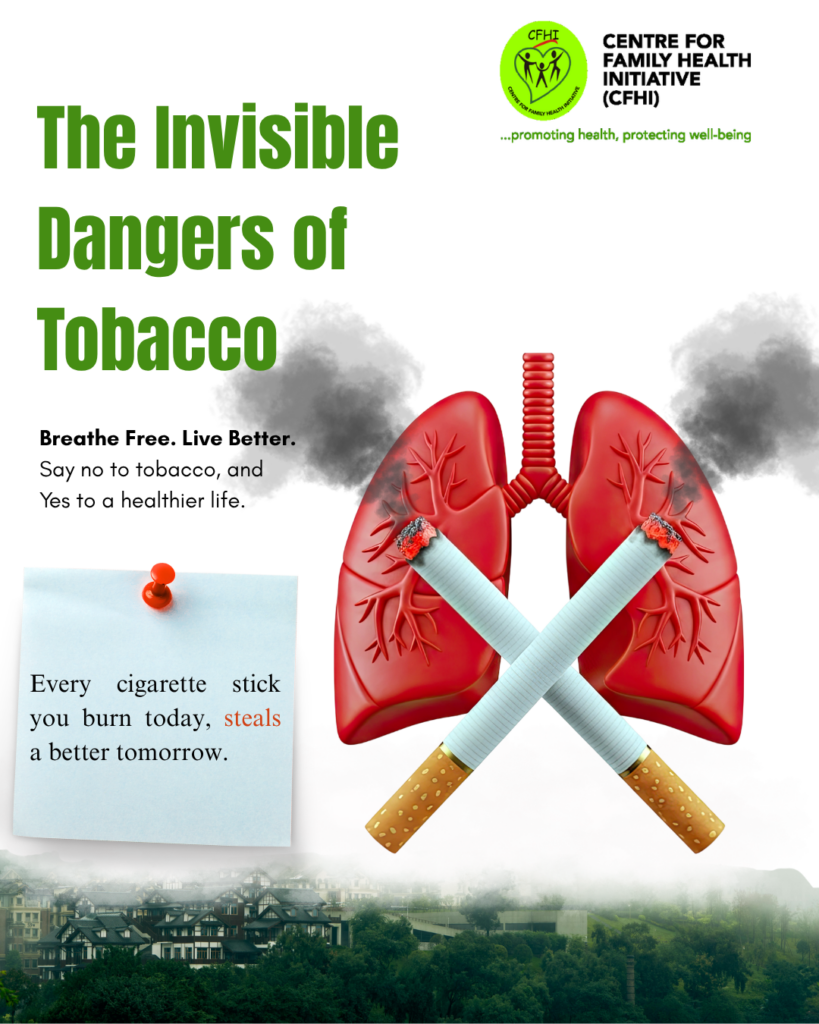
The Invisible Dangers of Tobacco

Tobacco use remains one of the greatest yet preventable public health threats globally. While many people associate tobacco only with smoking, its harmful effects extend beyond the smoker, affecting families, workplaces, schools, and entire communities through second-hand smoke exposure. As the world marks World, No Tobacco Day 31st May, it is important to raise awareness about the hidden dangers of tobacco and why communities must take collective action to protect health.

According to the World Health Organization (WHO), tobacco kills more than seven million people annually, including approximately 1.6 million non-smokers who die from exposure to second-hand smoke [1]. Research further shows that tobacco kills up to half of its users who do not quit, making it one of the leading causes of preventable disease and death globally. Around 80% of the world’s 1.3 billion tobacco users live in low- and middle-income countries, where healthcare systems often struggle to manage the growing burden of tobacco-related diseases.

Tobacco contains thousands of harmful chemicals that damage nearly every organ in the body. Evidence from the Centers for Disease Control and Prevention (CDC) shows that tobacco smoke contains more than 7,000 chemicals, hundreds of which are toxic and about 70 are known to cause cancer [2]. This means smoking is not only harmful to the lungs; it also damages the heart, brain, blood vessels, reproductive system, and immune system.

One of the invisible dangers of tobacco is second-hand smoke, the smoke inhaled by people who do not smoke but are exposed to smoke from cigarettes, cigars, or other tobacco products. Many people believe smoking only harms the person holding the cigarette, but science shows otherwise. There is no safe level of exposure to second-hand smoke, and even brief exposure can cause immediate harm [3]. Children, pregnant women, older adults, and people with underlying illnesses are especially vulnerable. Exposure in homes, vehicles, markets, and workplaces can lead to serious health consequences.

Health hazards linked to tobacco use are severe and life-threatening. Tobacco significantly increases the risk of lung cancer, throat and mouth cancer, chronic respiratory illnesses, heart disease, stroke, and high blood pressure. Studies indicate that smoking contributes to approximately 85% of lung cancer deaths globally [4]. Smokers are also more likely to experience weakened immunity, fertility problems, pregnancy complications, and delayed wound healing. Tobacco exposure increases risks for chronic illnesses that place enormous pressure on families and healthcare systems.

The impact of second-hand smoke on non-smokers is equally alarming. Research from the CDC shows that people who do not smoke but regularly breathe second-hand smoke at home or work have a 25–30% higher risk of developing heart disease and a 20–30% increased risk of stroke [5]. Among children, second-hand smoke exposure is linked to respiratory infections, ear infections, worsening asthma, poor lung development, and increased illness frequency [6]. Since 1964, an estimated 2.5 million people who did not smoke have died due to health conditions caused by second-hand smoke exposure.

Beyond health, tobacco has social and economic consequences. In many households, money spent on tobacco products competes with essential needs such as food, school fees, medicines, and shelter. WHO reports that tobacco addiction can contribute to poverty by diverting limited family resources away from necessities [1]. Communities also suffer productivity losses due to illness, disability, and premature deaths caused by tobacco-related diseases.

Public health experts recommend stronger tobacco control measures to reduce these risks. WHO promotes strategies such as smoke-free public spaces, stronger public education, restrictions on tobacco advertising, support for quitting tobacco, and increased taxation on tobacco products [7]. Evidence suggests that increasing tobacco prices reduces tobacco use, especially among young people and low-income populations. Health education and early prevention are equally important in discouraging tobacco initiation among adolescents and young adults.

Communities and families also have a role to play. Parents and caregivers should avoid smoking around children, establish smoke-free homes, and openly discuss the dangers of tobacco use. Schools, faith-based organizations, youth groups, and community leaders can support awareness campaigns that encourage healthier lifestyles and reduce stigma around seeking help to quit tobacco.

Tobacco-related diseases are largely preventable. Protecting ourselves and others begins with informed choices. Saying no to tobacco, supporting smoke-free environments, and encouraging those struggling with tobacco dependence to seek help can save lives. As we reflect on the dangers of tobacco this May, let us remember that healthy communities begin with healthy habits, informed decisions, and collective responsibility.

References

  1. https://www.who.int/news-room/fact-sheets/detail/tobacco
  2. https://www.cdc.gov/tobacco/secondhand-smoke/index.html
  3. https://www.cdc.gov/tobacco/secondhand-smoke/health.html
  4. https://www.cdc.gov/tobacco/secondhand-smoke/home.html
  5. https://www.cdc.gov/niosh/reproductive-health/prevention/secondhand-smoke.html
  6. https://www.who.int/health-topics/tobacco

The Invisible Dangers of Tobacco Read More »

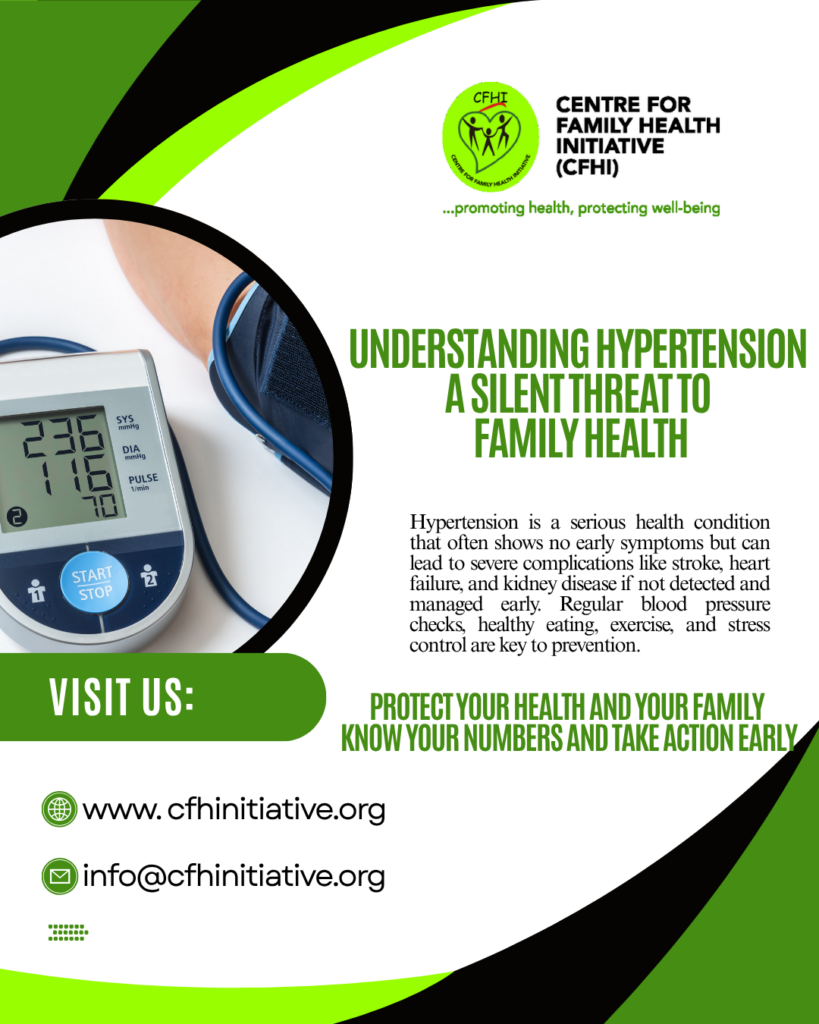
Understanding Hypertension, A Silent Threat to Family Health

Hypertension, commonly known as high blood pressure, remains one of the most serious but overlooked health challenges affecting millions of people and families worldwide. Often called the “silent killer,” hypertension develops when the force of blood pushing against the walls of blood vessels remains consistently too high, putting excessive pressure on the heart, kidneys, brain, and other organs. What makes hypertension particularly dangerous is that many people may live with the condition for years without noticing symptoms, only discovering it after suffering severe complications such as stroke, heart attack, kidney disease, or heart failure. [1]

Many families wrongly assume hypertension affects only older adults, but research increasingly shows that younger adults and even adolescents may also be at risk due to poor diet, inactivity, obesity, stress, smoking, alcohol use, and family history. Health experts warn that hypertension is becoming a growing public health concern because modern lifestyles involving processed foods, excess salt intake, limited physical activity, poor sleep, and stress continue to increase risk levels across communities. [2][3]

One of the biggest concerns about hypertension is that it often develops silently. In many cases, individuals experience no warning signs at all. Others may occasionally report headaches, dizziness, blurred vision, fatigue, chest pain, shortness of breath, or nosebleeds, but these symptoms often appear when blood pressure has already become dangerously high. According to health experts, the only reliable way to know whether a person has hypertension is through regular blood pressure checks, making routine health screening essential for every family. [2]

Globally, hypertension continues to affect a staggering number of people. According to the World Health Organization, an estimated 1.4 billion adults aged 30–79 years are living with hypertension worldwide, making it one of the leading preventable causes of premature death globally. Research also shows that nearly 600 million adults living with hypertension are unaware they have the condition, while only around one in four people with hypertension have their blood pressure adequately controlled, exposing millions to avoidable health complications. [1][4]

The burden of hypertension is particularly significant in low- and middle-income countries, including many African nations, where limited awareness, poor screening rates, weak healthcare systems, and delayed diagnosis continue to increase the risk of illness and death. Studies suggest that many individuals only seek care after suffering severe complications such as stroke or kidney disease, conditions that could have been prevented through early diagnosis and treatment. Hypertension has also been linked to increased risks of heart disease, cognitive decline, blindness, and pregnancy-related complications, showing that its effects go beyond the heart alone. [2][5]

Cases of hypertension-related complications continue to occur around the world every day. According to public health findings, uncontrolled high blood pressure contributes significantly to heart disease and stroke, two of the leading causes of death globally. In many hospitals, emergency admissions for stroke, kidney complications, and heart attacks are frequently associated with undiagnosed or poorly managed hypertension. Research increasingly shows that hypertension-related illness can reduce productivity, increase healthcare costs, and place heavy emotional and financial burdens on families. [3][5]

The good news is that hypertension can be prevented, controlled, and managed through healthy lifestyle choices and early medical care. Health experts recommend reducing salt intake, eating more fruits and vegetables, engaging in regular physical activity, avoiding tobacco use, limiting alcohol consumption, maintaining a healthy weight, managing stress, and getting adequate sleep. For individuals already diagnosed, taking prescribed medications consistently and attending routine medical check-ups are important for preventing complications. [1][2]

Families also have an important role to play in preventing hypertension. Encouraging healthier meals at home, participating in physical activities together, reducing stress, avoiding harmful habits, and supporting loved ones living with hypertension can improve long-term health outcomes. Parents and caregivers should understand that prevention begins at home and that routine blood pressure checks should become part of family health practices, especially for adults with risk factors such as obesity, diabetes, or family history of high blood pressure. [3]

Another challenge in hypertension management is misinformation and poor health-seeking behaviour. Some individuals stop taking medications once they feel better, while others rely entirely on self-medication or myths rather than professional care. Research continues to show that uncontrolled hypertension significantly increases the risk of preventable disability and premature death. Hypertension treatment is often lifelong, meaning consistent care and monitoring are necessary to maintain healthy outcomes. [1][5]

Hypertension may be silent, but its consequences can be deadly if ignored. Every family should understand the importance of regular blood pressure screening, healthy living, and early medical intervention. Protecting heart health begins with awareness, prevention, and responsible health choices. A simple blood pressure check today may prevent a life-threatening emergency tomorrow.

As we continue to promote healthier families and communities, let us make blood pressure checks a routine habit, encourage healthier lifestyles, support those living with hypertension, and spread awareness about this silent killer. Prevention starts with knowledge, action, and collective responsibility for better health. [1][2][4]

References

[1] https://www.who.int/news-room/fact-sheets/detail/hypertension

[2] https://www.cdc.gov/high-blood-pressure/about/index.html

[3] https://www.cdc.gov/high-blood-pressure/data-research/facts-stats/index.html

[4] https://www.who.int/news-room/events/detail/2026/05/17/default-calendar/world-hypertension-day-2026

[5] https://www.cdc.gov/high-blood-pressure/

Key figures such as the ~1.4 billion people living with hypertension globally and low control rates are based on recent WHO and CDC information. (World Health Organization)

Monday Health Burst is an initiative of CFHI to address issues of basic health concern. Join us every Monday on all our social media platforms for more episodes.
 

Understanding Hypertension, A Silent Threat to Family Health Read More »

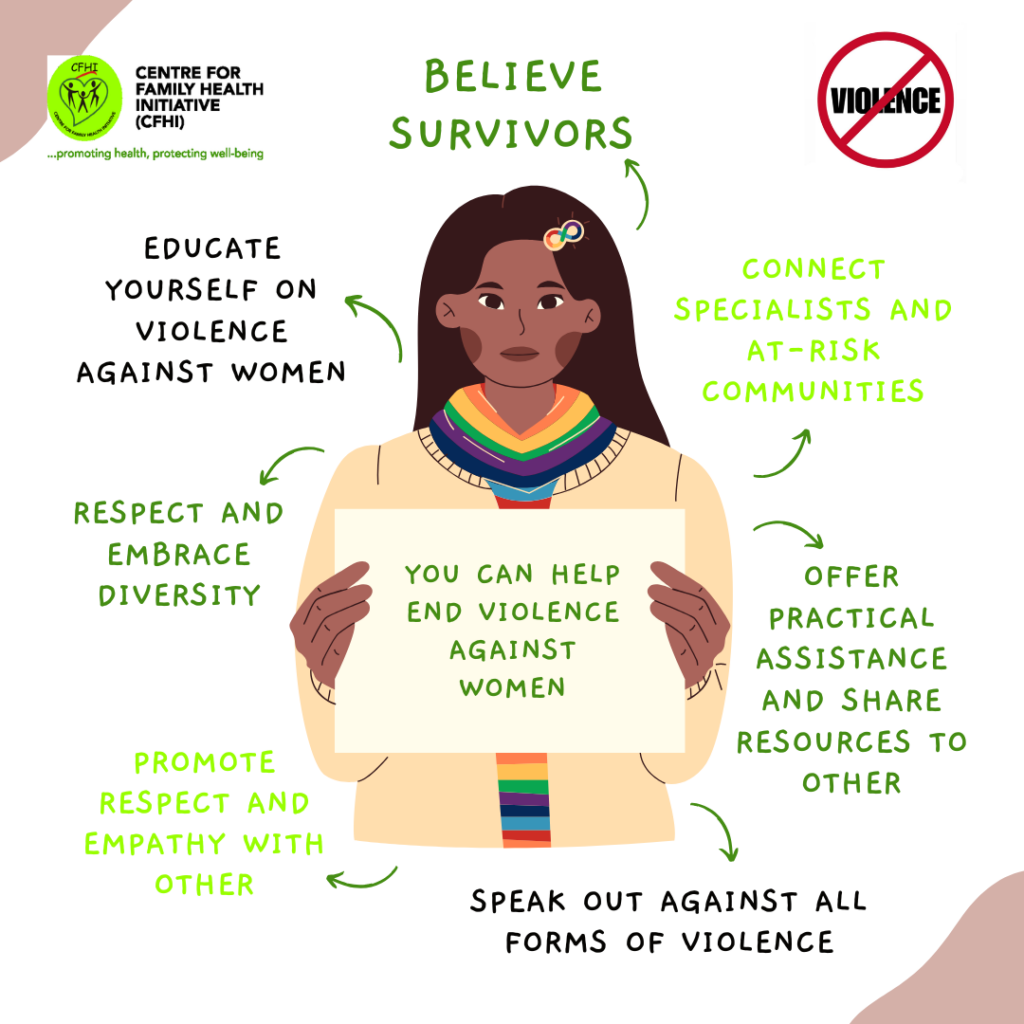
Breaking the Silence on Violence Against Women and Girls

Violence against women and girls remains one of the most widespread human rights and public health challenges in the world today. Across communities, homes, schools, workplaces, and even online spaces, millions of women and girls continue to experience abuse, discrimination, fear, and silence. Many victims suffer quietly because of stigma, shame, threats, fear of rejection, or lack of support systems. Yet, silence only allows the violence to continue. Breaking the silence is an important step toward protecting lives, restoring dignity, and creating safer communities for women and girls everywhere. [1]

Violence against women and girls includes physical, emotional, psychological, sexual, and economic abuse. It can appear in different forms such as domestic violence, rape, sexual harassment, child marriage, female genital mutilation (FGM), trafficking, cyberbullying, and emotional manipulation. While some forms of violence leave visible injuries, others leave emotional and psychological scars that can last a lifetime. Many survivors experience depression, anxiety, fear, trauma, poor reproductive health, and social isolation as a result of abuse. [1][2]

According to the World Health Organization (WHO), nearly 1 in 3 women globally have experienced physical and/or sexual violence at least once in their lifetime. Research also shows that millions of adolescent girls are exposed to violence at a young age, often by people they know or trust. Reports from UN Women reveal that hundreds of millions of women worldwide have experienced intimate partner violence, while thousands lose their lives each year due to gender-related killings and abuse. These figures highlight that violence against women is not just a personal issue but a global crisis that affects families, communities, economies, and national development. [1][2][3]

The effects of violence go beyond immediate physical harm. Many women and girls lose educational opportunities, struggle with low self-esteem, face financial difficulties, and withdraw from social activities because of fear and trauma. Children who grow up in violent homes are also more likely to suffer emotional distress and may continue cycles of violence later in life. This means violence against women and girls affects entire generations and weakens the social fabric of communities. [2][4]

One major challenge in addressing gender-based violence is underreporting. Many women and girls do not speak up because they fear being blamed, ignored, embarrassed, or threatened. In some communities, harmful cultural beliefs and gender inequality continue to normalize abuse, making it difficult for survivors to seek justice or support. Financial dependence, lack of trust in authorities, and limited access to healthcare or counselling services also prevent many victims from reporting violence. As a result, countless cases remain hidden, and survivors continue to suffer in silence. [2][4]

Ending violence against women and girls requires collective action from everyone. Families, schools, religious leaders, healthcare providers, governments, media organizations, and community groups all have important roles to play. Raising awareness about gender equality, teaching respect and consent, supporting survivors without judgment, and strengthening laws against abuse are necessary steps toward change. Communities must also create safe spaces where women and girls can speak openly, seek help, and access healthcare, counselling, and legal support without fear or discrimination. [1][3]

Education and empowerment are powerful tools in preventing violence. When girls have access to education, accurate information, supportive environments, and equal opportunities, they are better equipped to protect themselves and make informed decisions. Engaging boys and men in conversations about respect, healthy relationships, and positive masculinity is also important in challenging harmful social norms and reducing violence. [3][4]

Technology and social media have created new opportunities to raise awareness and amplify the voices of survivors. However, online violence against women is also increasing through cyberbullying, harassment, threats, and image-based abuse. This highlights the need for stronger digital safety measures and responsible online behaviour to protect women and girls both offline and online. [2]

Violence against women and girls is preventable, and every voice matters in the fight against abuse. Speaking up, supporting survivors, reporting violence, and promoting equality can help break the cycle of silence and fear. Communities become stronger and healthier when women and girls feel safe, respected, valued, and empowered to live free from violence. Together, through awareness, education, advocacy, and collective action, society can create a future where every woman and girl can live with dignity, freedom, and hope.

References

[1] World Health Organization (WHO) – Violence Against Women Factsheet (World Health Organization)

[2] UN Women – Facts and Figures on Ending Violence Against Women (UN Women Knowledge hub)

[3] United Nations Population Fund (UNFPA) – Gender Equality and Protection Reports

[4] UNICEF – Gender-Based Violence and Child Protection Reports


Breaking the Silence on Violence Against Women and Girls Read More »

Risk of Common Diseases

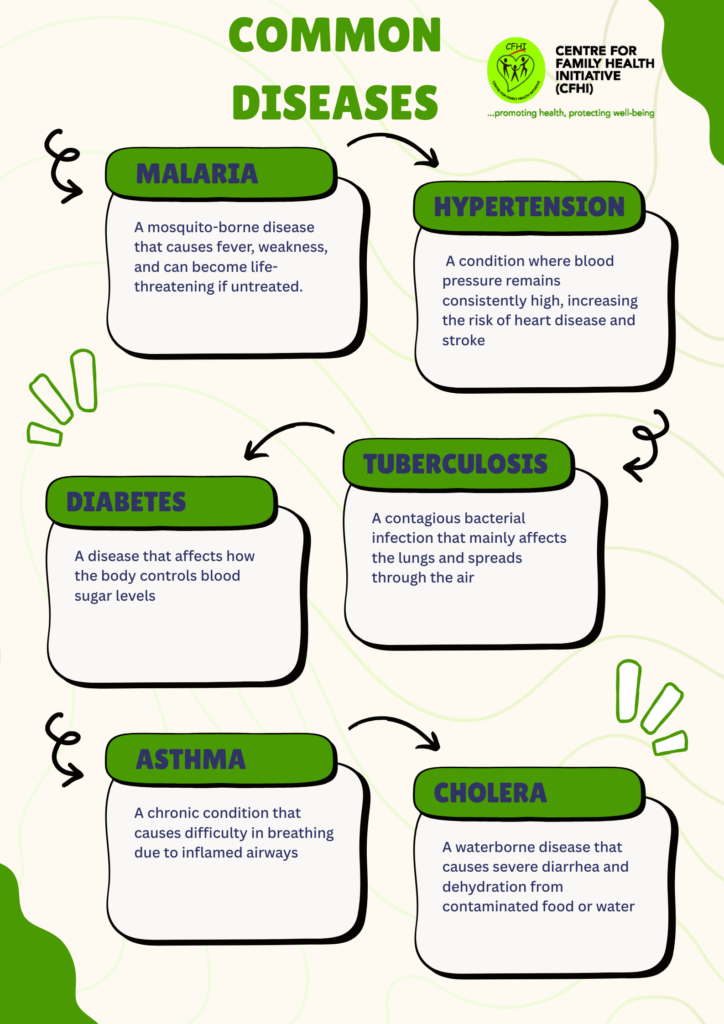
Diseases remain one of the leading causes of illness, disability, and death across the world. Common diseases such as malaria, diabetes, hypertension, tuberculosis, respiratory infections, heart disease, and diarrheal illnesses continue to affect millions of people yearly, especially in low- and middle-income countries. While some diseases are infectious and spread from person to person, others develop gradually due to unhealthy lifestyles, environmental conditions, and genetic factors.

According to the World Health Organization, noncommunicable diseases (NCDs) such as heart disease, stroke, cancer, diabetes, and chronic respiratory diseases account for about 74% of deaths globally. In 2021 alone, at least 43 million people died from NCDs worldwide. (World Health Organization) Cardiovascular diseases remain the leading cause of death, responsible for nearly 19.8 million deaths globally in 2022. (World Health Organization)

Infectious diseases also continue to pose major health threats. Diseases such as malaria, tuberculosis, HIV/AIDS, cholera, influenza, and pneumonia spread through contaminated food and water, mosquito bites, poor sanitation, and close human contact. Health experts explain that people with weak immune systems, poor nutrition, chronic illnesses, and inadequate healthcare access are at higher risk of developing severe infections. (Mayo Clinic)

Several factors increase the risk of common diseases. These include:

  1. Poor hygiene and sanitation
  2. Lack of vaccination and immunization
  3. Unhealthy diet and physical inactivity
  4. Tobacco and alcohol use
  5. Air pollution and unsafe environments
  6. Poverty and limited healthcare access
  7. Stress and poor mental health
  8. Weak immune systems and underlying illnesses

Research shows that unhealthy diets, tobacco use, physical inactivity, harmful alcohol consumption, and air pollution are among the top risk factors contributing to many chronic diseases globally. (World Health Organization)

Common Myths About Diseases

Myth Fact
Only older people develop chronic diseases Young people and children can also develop diseases like diabetes, hypertension, and heart disease.
Vaccines are not necessary Vaccines help prevent many deadly and preventable diseases.
If symptoms disappear, the disease is gone Some diseases can remain hidden and return if not properly treated.
Infectious diseases only affect poor communities Anyone can contract infectious diseases regardless of status or location.

Signs and Symptoms of Common Diseases

Some warning signs people should never ignore include:

  • Persistent fever
  • Difficulty breathing
  • Unexplained weight loss
  • Frequent headaches
  • Severe tiredness
  • Chest pain
  • Continuous cough
  • Diarrhea or vomiting lasting several days.
  • High blood pressure
  • Frequent urination and excessive thirst

Early detection and treatment significantly improve survival and recovery rates.

Prevention Tips

People can reduce their risk of common diseases by:

  • Washing hands regularly
  • Eating balanced and nutritious meals
  • Exercising frequently
  • Avoiding smoking and excessive alcohol use
  • Sleeping under insecticide-treated mosquito nets
  • Going for regular medical check-ups
  • Taking vaccines when due
  • Drinking clean water and maintaining proper sanitation
  • Seeking medical attention early when symptoms appear

Call to Action

Health is a shared responsibility. Preventing common diseases begins with awareness, healthy choices, and timely medical care. Individuals, families, communities, governments, and organizations must work together to strengthen healthcare systems, promote healthy lifestyles, and ensure equitable access to healthcare services. By taking preventive actions today, we can reduce the burden of disease and build healthier communities for future generations.

References


Risk of Common Diseases Read More »

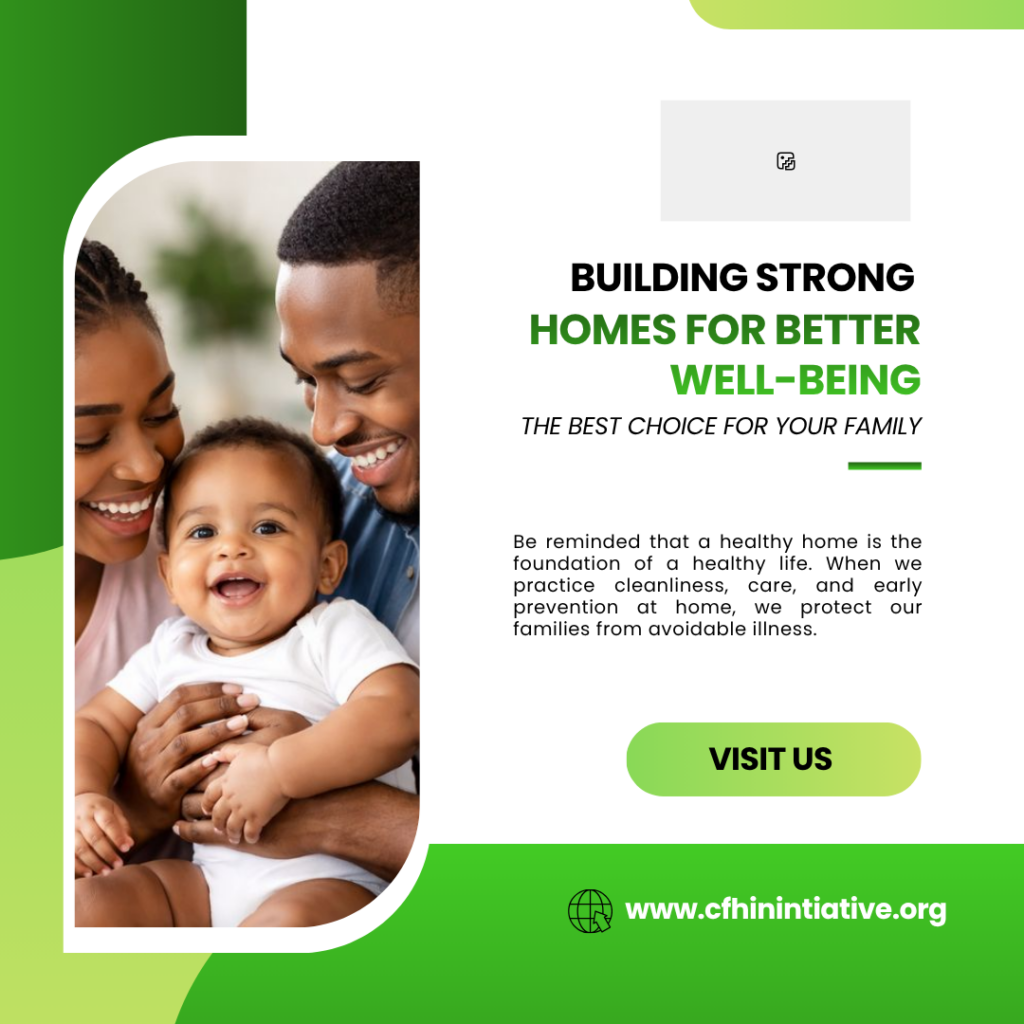
Building Strong Homes for Better Well-being

Good health does not begin in the hospital it begins at home. While healthcare facilities remain essential for treatment, the home is the first and most effective line of defense against illness. A well-informed family that practices prevention, safety, and early detection creates a protective environment where diseases are less likely to thrive. Research shows that many common illnesses can be prevented through simple household practices, making the home a critical space for safeguarding health and well-being [1].

Creating a healthy home starts with basic hygiene and sanitation practices. Proper handwashing, safe disposal of waste, access to clean water, and maintaining a clean environment significantly reduce the spread of infections. According to global health evidence, about 88% of diarrhoeal diseases are linked to unsafe water, sanitation, and hygiene practices [1]. These simple but consistent practices help families prevent diseases before they begin and create a healthier living environment for everyone.

Early prevention and detection are equally important in building strong homes. Families that are attentive to early symptoms, seek timely medical care, and participate in routine health checks are more likely to prevent complications. Evidence from community health interventions in Nigeria shows that poor health-seeking behaviour and lack of early detection contribute significantly to disease burden, while community engagement improves outcomes [2]. This reinforces the importance of making prevention a daily habit within households.

The Centre for Family Health Initiative (CFHI) has, over the years, played a critical role in strengthening vulnerable families and communities through prevention-focused interventions with support from our funders and community stakeholders. [3].

Ultimately, building strong homes is essential for creating healthier communities. When families take responsibility for prevention through hygiene, proper nutrition, safety practices, and early healthcare seeking they reduce the spread of disease and improve overall well-being. The impact goes beyond individual households, contributing to stronger, healthier, and more resilient communities.

The call to action is clear let every home become a center of prevention, protection, and care. By adopting simple health practices and supporting community-based interventions, we can collectively build a future where illness is reduced, and well-being thrives.

References

  1. World Health Organization – Hygiene and health
    https://www.emro.who.int/child-health/community-family/key-family-practices-on-child-health-care/Hygiene.html
  2. Community health systems in Nigeria – Read study on community health systems
  3. CFHI Malaria & Community Health Intervention – Read CFHI malaria outreach report
  4. CFHI Programs Overview – https://www.cfhinitiative.org/health-is-more-than-treating-illness/


Building Strong Homes for Better Well-being Read More »

Immunization for Every Child-Leaving No Girl Behind

Immunization remains one of the most powerful and cost-effective public health interventions in human history, yet millions of children especially girls are still left behind. Globally, about 14.3 million children received no vaccines at all in 2024, while coverage for essential vaccines like DTP3 stagnates around 85%, far below the universal target (World Health Organization). This is not just a statistic it is a moral failure. Vaccines prevent deadly diseases such as measles, polio, and pneumonia, yet preventable deaths persist because systems fail to reach the most vulnerable. In an era of scientific advancement, allowing children to remain unprotected is unacceptable and demands urgent correction.

The reality is even more alarming in countries like Nigeria, which ranks among the highest in the number of “zero-dose” children, with over 2.3 million children missing basic vaccines (World Health Organization). Research shows that only 36% of Nigerian children aged 12–23 months are fully immunized, while 18% have never received any vaccine (PMC). These gaps are not random they are deeply rooted in poverty, weak health systems, misinformation, and conflict. When we fail to immunize children, we are not just neglecting health; we are reinforcing cycles of inequality and vulnerability that threaten national development.

Critically, gender inequality continues to widen the immunization gap. Girls in many communities’ face barriers such as cultural norms, limited access to education, and reduced decision-making power within households. Studies highlight that gender-related barriers significantly limit access to vaccines in low-and middle-income countries (PMC). While progress is being made such as the increase in HPV vaccine coverage among girls to 31% globally in 2024 this is still far from the 90% target needed to eliminate cervical cancer (World Health Organization). Leaving girls behind in immunization is not just a health issue; it is a violation of their rights and a threat to future generations.

Globally, efforts by organizations such as the World Health Organization (WHO) and UNICEF, alongside partners like Gavi, have made significant strides. Initiatives like the “Big Catch-Up” campaign have delivered over 100 million vaccine doses to 18.3 million children, including millions who had never received a single vaccine (Reuters). However, progress is fragile. Funding cuts, vaccine hesitancy, and misinformation continue to stall gains, with 14.5 million children missing routine immunization in 2023 alone (Reuters). These figures should alarm policymakers and stakeholders alike because every missed child is a potential outbreak waiting to happen.

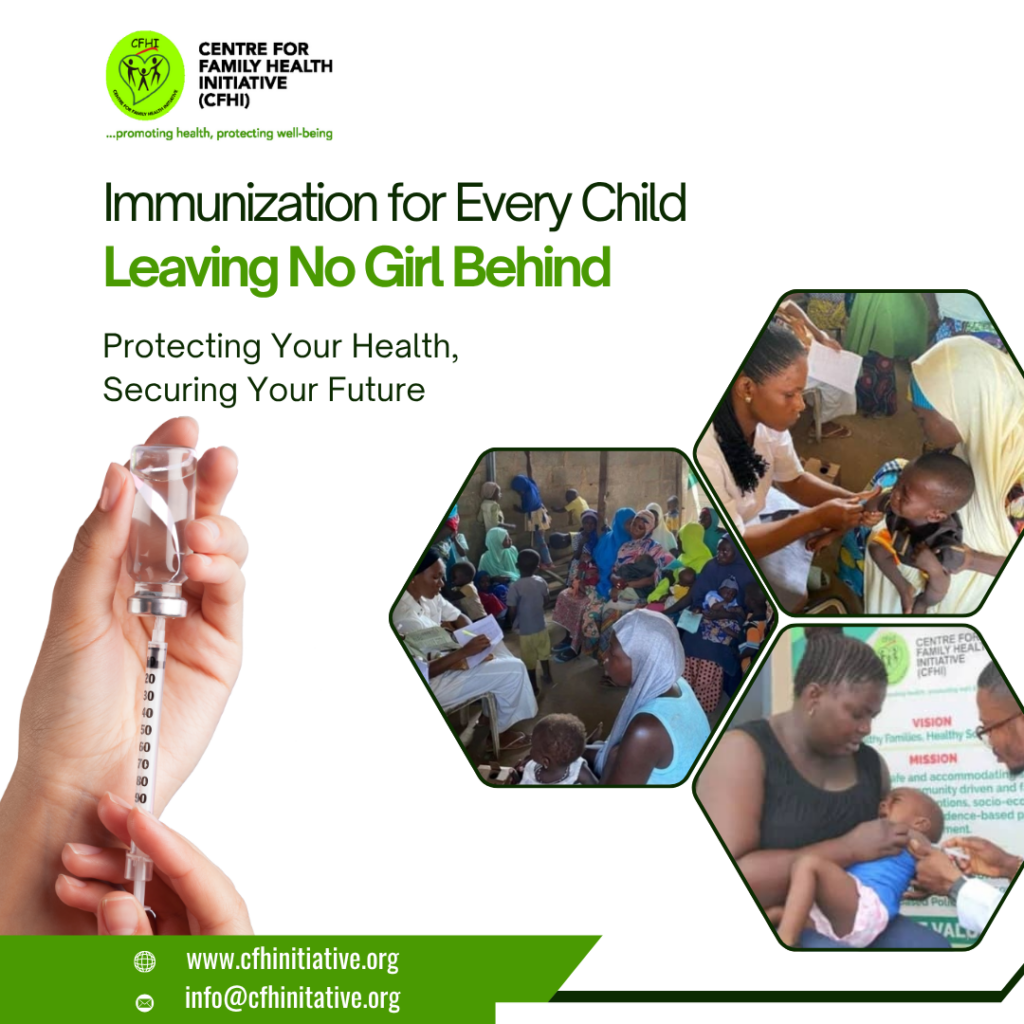
At the community level, CFHI (Centre for Family Health Initiative) have continued to bridge these gaps through targeted interventions. Across various states in Nigeria, CFHI has implemented community health education campaigns, strengthened primary healthcare linkages, and supported routine immunization outreach. By working with community leaders, schools, and health workers, CFHI helps ensure that hard-to-reach populations including girls are not excluded. These localized, people-centered approaches complement national and global strategies, proving that sustainable impact begins at the grassroots. (https://mailchi.mp/0e754fe23ec3/cfhi-providing-access-to-vaccinations-for-chikakore-and-angwan-shehu-communities?e=c0952e74ba)

In Angwan Shahu community, Karimo, Abuja, the community members expressed their challenges in accessing immunization, such as the overcrowded PHC in the nearby town and the high cost of transportation.

Therefore, to mark World Immunization Week, the Centre for Family Health Initiative (CFHI) partnered with Idu Primary Health Care facility to immunise over 30 children in Angwa Shahu community to overcome some of their challenges in accessing immunization.  

The time for complacency is over. Governments, development partners, and communities must act decisively to ensure every child especially every girl is immunized. Investment in primary healthcare, gender-sensitive programming, and community engagement must be prioritized. Parents and caregivers must reject misinformation and embrace vaccines as lifesaving tools.

We must stop normalizing gaps in immunization coverage because every missed child is a preventable tragedy. Let this be a call to action: strengthen systems, fund immunization programmes, empower girls, and hold leaders accountable. The future of our children and the health of our nation depends on it.

References

Immunization for Every Child-Leaving No Girl Behind Read More »

VACCINES SAVE LIVES

Vaccination is one of the greatest achievements in public health, and the statement “vaccines save lives” is far more than a slogan it is a reality backed by decades of scientific evidence, global data, and measurable impact across countries and generations. Vaccines protect individuals and communities by preventing illness, disability, and death from infectious diseases such as measles, polio, tetanus, and influenza. According to the World Health Organization, immunization prevents between 3.5 and 5 million deaths every year worldwide [1], while the Centers for Disease Control and Prevention estimates that about 4 million deaths are prevented annually through childhood vaccination alone [2]. These are not projections they are outcomes already achieved through consistent global efforts.

Looking over a longer period, the scale of impact becomes even more striking. In the past 50 years, vaccination programmes have saved approximately 154 million lives globally [3], which translates to about six lives saved every minute [4]. Most of these lives around 95 percent are children under the age of five [5], highlighting the critical role vaccines play in child survival. Measles vaccination alone accounts for nearly 94 million lives saved [3], demonstrating how a single vaccine can transform global health outcomes. These figures are supported by extensive research, including studies published in The Lancet, which consistently confirm the enormous contribution of immunization to reducing mortality and improving life expectancy worldwide [6].

Vaccines work by training the body’s immune system to recognize and fight harmful pathogens before they cause disease, providing protection that is both effective and long-lasting. Their benefits extend beyond individual protection to entire populations. By reducing disease transmission, vaccines create herd immunity, protecting even those who cannot be vaccinated. They prevent outbreaks of deadly diseases, reduce the burden on healthcare systems, and generate significant economic returns saving up to $52 for every $1 invested in immunization programmes in low- and middle-income countries [2]. Over time, vaccines have contributed to a 40 percent reduction in global infant mortality [5], a remarkable achievement that underscores their importance in improving survival rates.

Diseases that once caused widespread fear and death have been brought under control or eliminated entirely due to vaccination. Smallpox, for example, has been eradicated globally, while polio is now on the verge of elimination after decades of sustained immunization efforts. These successes demonstrate what is possible when science, policy, and community engagement work together.

Despite these achievements, significant gaps in immunization coverage remain. An estimated 14.3 million children worldwide have never received a single dose of any vaccine, often referred to as “zero-dose” children [7]. Nigeria is among the countries with the highest number of unvaccinated children, highlighting a critical public health challenge that requires urgent attention [7]. In addition, measles vaccination coverage remains below optimal levels in many regions, leaving millions of children vulnerable to preventable disease outbreaks [7]. These gaps not only endanger lives but also risk reversing decades of progress.

Efforts to close these gaps are strengthened by global initiatives such as World Immunization Week, celebrated annually in the last week of April. Led by the World Health Organization, this campaign raises awareness about the importance of vaccines, promotes equitable access, and encourages governments and communities to prioritize immunization [8]. Themes such as “Immunization for All is Humanly Possible” emphasize the need to reach every child, everywhere, regardless of location or socioeconomic status.

At the national level, governments play a central role in ensuring vaccine access and uptake. In Nigeria, interventions such as the National Programme on Immunization (NPI), the integration of vaccines into primary healthcare services, and partnerships with global organizations have significantly improved immunization coverage. Campaigns targeting polio eradication and routine immunization have contributed to notable progress, but challenges remain. Reaching underserved communities, strengthening healthcare infrastructure, and addressing vaccine hesitancy require sustained investment and commitment.

Recent global disruptions, including the COVID-19 pandemic, have led to missed vaccinations and declining coverage in some areas, increasing the risk of disease outbreaks. Public health experts warn that without renewed efforts, diseases that were once under control could resurface, threatening lives and straining already burdened health systems. This makes it more important than ever to prioritize immunization as a cornerstone of public health.[9]

At the Centre for Family Health Initiative (CFHI), these gaps have been actively addressed through sustained, community-driven interventions aimed at improving immunization uptake over time. CFHI has implemented targeted vaccine awareness campaigns, strengthened community mobilization, and integrated immunization education into maternal, child health, and HIV service delivery platforms. Through consistent engagement with caregivers, community leaders, and health facilities, CFHI has contributed to reducing vaccine hesitancy, improving demand for routine immunization, and supporting last-mile access to life-saving vaccines in underserved communities. These efforts form part of CFHI’s broader commitment to strengthening primary healthcare systems and safeguarding children and vulnerable populations from vaccine-preventable diseases.[10]

Vaccines remain one of the most cost-effective, impactful, and scalable health interventions available today. However, their life-saving potential can only be realized when they reach the people who need them. Vaccines save lives but only when they are accessible, accepted, and administered on time. Individuals and families must ensure that children receive all routine immunizations according to schedule, while communities must promote accurate information and counter misinformation. Governments must increase funding for immunization programmes and strengthen healthcare systems, while organizations and partners must support outreach to underserved populations. Health workers, as trusted voices, must continue to advocate for vaccination and engage communities effectively.

No one should die from a disease that vaccines can prevent. The science is clear, the evidence is overwhelming, and the solution is within reach. Vaccines save lives and with collective action, they can save millions more.

References

  1. WHO – Vaccines and Immunization: https://www.who.int/health-topics/vaccines-and-immunization
  2. CDC – Global Immunization Fast Facts: https://www.cdc.gov/global-immunization/fast-facts
  3. WHO – 154 million lives saved: https://www.who.int/news/item/24-04-2024-global-immunization-efforts-have-saved-at-least-154-million-lives-over-the-past-50-years
  4. London School of Hygiene & Tropical Medicine – EPI impact
  5. UNICEF – Why vaccines matter: https://www.unicef.org/stories/why-vaccines-matter-children
  6. The Lancet Study on Immunization Impact
  7. WHO – Immunization Coverage Factsheet: https://www.who.int/news-room/fact-sheets/detail/immunization-coverage
  8. World Immunization Week Overview
  9. https://www.who.int/news/item/15-07-2022-covid-19-pandemic-fuels-largest-continued-backslide-in-vaccinations-in-three-decades?utm_source=chatgpt.com
  10. https://www.cfhinitiative.org/ending-hiv-stigma-community-support-beyond-world-aids-day/ 


VACCINES SAVE LIVES Read More »

Addressing Abuse and Early Pregnancy

Abuse and early pregnancy continue to threaten the health, dignity, and future of women and girls globally. These issues are deeply rooted in inequality and human rights violations, disproportionately affecting girls in vulnerable communities. According to the United Nations Population Fund, an estimated 21 million adolescent girls (aged 15–19) become pregnant every year in low- and middle-income countries [1]. Alarmingly, recent global findings show that more than one in eight girls experience sexual violence before the age of 18, highlighting the strong link between abuse and early pregnancy [2]. These realities underscore the urgent need for protective systems that prioritize girls’ safety, education, and health.

The causes of early pregnancy are complex and interconnected. Key drivers include poverty, lack of education, gender-based violence, child marriage, and limited access to sexual and reproductive health services. Recent research shows that adolescent pregnancy is rarely a deliberate choice but often the result of coercion, lack of autonomy, and restricted access to information and services [1]. In fragile and conflict-affected settings, these risks are even higher. A 2026 report by UNFPA revealed a sharp increase in child marriage and adolescent pregnancies in crisis-affected regions, driven by insecurity, displacement, and economic hardship [3]. In Nigeria, data indicates that one in three young women are married before age 18, further increasing the likelihood of early pregnancy and lifelong disadvantage [4].

The consequences of abuse and early pregnancy are severe and long-lasting. Health risks include complications during pregnancy and childbirth, unsafe abortions, and increased vulnerability to infections. For girls under 15, the risk of maternal death is significantly higher than for older women [1]. Socially and economically, early pregnancy often leads to school dropout, reduced employment opportunities, and cycles of poverty. Studies show that girls who become pregnant early are less likely to complete their education and more likely to face long-term financial instability [1]. Additionally, survivors of abuse often experience trauma, depression, and social stigma, which further limits their opportunities and well-being.

To address these challenges, governments, and organizations such as Centre for Family Health Initiative, UNICEF and United Nations Population Fund are implementing evidence-based interventions. These include comprehensive sexuality education, access to youth-friendly health services, enforcement of laws against child marriage and gender-based violence, and community awareness programs. Recent evidence from Northern Nigeria shows that investing in girls’ education could reduce child marriage by up to two-thirds and significantly lower adolescent pregnancy rates [4]. Additionally, programs that empower girls economically, provide safe spaces, and engage men and boys in gender equality discussions have proven effective in reducing abuse and early pregnancy.

In conclusion, addressing abuse and early pregnancy requires urgent, collective action. Families, communities, governments, and organizations must work together to create safe environments where girls are protected, educated, and empowered. Every girl deserves the right to grow, learn, and make informed choices about her life without fear of violence or coercion. The call to action is clear: strengthen laws, invest in education, expand access to healthcare, and challenge harmful norms that put girls at risk. When we protect and empower women and girls, we build stronger, healthier, and more equitable societies for all.

References

[1] https://www.unfpa.org/adolescent-pregnancy/
[2]  https://data.unicef.org/topic/child-protection/violence/sexual-violence/
[3] https://www.unfpa.org/sowp
[4] https://www.unicef.org/nigeria/child-protection


Addressing Abuse and Early Pregnancy Read More »

Handwashing Prevents Disease

Handwashing with soap remains one of the most effective and affordable ways to prevent diseases and protect public health. According to the World Health Organization and global health partners, proper hand hygiene significantly reduces the spread of infectious diseases such as diarrhea, respiratory infections, and even emerging outbreaks [1]. Despite its simplicity, handwashing is often overlooked, contributing to millions of preventable illnesses and deaths worldwide.

Scientific evidence shows that unclean hands are a major pathway for disease transmission. Germs from faecal matter, contaminated surfaces, and respiratory droplets easily spread through touch, food handling, and person-to-person contact. Research indicates that a single gram of human faeces can contain up to one trillion germs, making proper hand hygiene critical in breaking the chain of infection [2]. Handwashing with soap has been shown to reduce diarrheal diseases by 23–40% and respiratory infections by up to 21% [3].

Globally, the burden of poor hand hygiene remains alarming. An estimated 2.3 billion people lack access to basic handwashing facilities with soap and water, while 1.7 billion still do not have basic hygiene services at home [4]. Additionally, nearly half of healthcare facilities worldwide lack proper hand hygiene services, putting patients at risk of infections [5]. Among children, poor hygiene contributes significantly to disease, with approximately 1.8 million children under five dying annually from preventable illnesses such as diarrhea and pneumonia conditions that proper handwashing could help reduce [6].

Various interventions have been implemented globally to promote hand hygiene. Organizations such as UNICEF and WHO continue to support handwashing campaigns, improve access to water and sanitation, and integrate hygiene education into schools and communities [1]. Community awareness programs, provision of handwashing facilities, and behavior change communication have proven effective in improving hygiene practices. Studies show that even a small investment less than $1 per person annually can significantly expand access to handwashing facilities and save hundreds of thousands of lives [7].

Our commitment to ‘Standing with Science’ was most evident during the height of the COVID-19 pandemic. Recognizing that awareness is only effective when paired with resources, CFHI conducted extensive sensitization and distribution drives across the FCT. This included critical interventions at the Kuje Prison in Abuja and various schools throughout the FCT, where we provided essential hygiene tools such as professional-grade hand sanitizers, liquid soaps, and specialized buckets and bowls with attached taps to facilitate contactless handwashing. This proactive approach ensured that the most vulnerable populations had the physical means to break the chain of infection.

In conclusion, handwashing is a simple yet powerful tool that everyone can practice daily. Individuals are encouraged to wash their hands regularly especially before eating, after using the toilet, and after contact with potentially contaminated surfaces. Governments and institutions must also invest in accessible hygiene facilities and promote behaviour change. By making handwashing a habit, we can prevent diseases, save lives, and build healthier communities. Clean hands are not just a personal responsibility they are a public health necessity.

References

  1. https://www.who.int/news-room/fact-sheets/detail/hand-hygiene
  2. https://www.cdc.gov/hygiene/about/index.html
  3. https://www.cdc.gov/hygiene/personal-hygiene/hands.html
  4. https://www.unicef.org/reports/state-worlds-handwashing-2021
  5. https://www.who.int/publications/i/item/9789240055445
  6. https://www.who.int/news-room/fact-sheets/detail/diarrhoeal-disease
  7. https://www.worldbank.org/en/news/feature/2020/04/22/handwashing-for-all-the-value-of-hand-hygiene-to-save-lives-and-economies


Handwashing Prevents Disease Read More »

Breaking Barriers to Quality Care for Women and Girls.

Breaking barriers to quality care for women and girls remains one of the most urgent global health priorities. Despite progress, millions of women still face obstacles in accessing essential healthcare services due to inequality, poverty, and weak health systems. According to the World Health Organization, at least half of the world’s population still lacks access to essential health services [1]. For women and girls, these gaps are even more pronounced, particularly in low- and middle-income countries where cultural norms, financial constraints, and limited infrastructure restrict access to care. Ensuring equitable healthcare is not only a moral obligation but a critical step toward sustainable development.

Maternal health remains a key indicator of these disparities. The United Nations reports that approximately 800 women die every day from preventable causes related to pregnancy and childbirth [2]. Many of these deaths occur due to lack of skilled birth attendants, poor access to emergency obstetric care, and delays in seeking treatment. In addition, adolescent girls face heightened risks due to early pregnancies and limited access to reproductive health education and services. Addressing these challenges requires targeted interventions that prioritize both prevention and timely access to quality care.

Several interventions have proven effective in breaking these barriers. Expanding access to primary healthcare, strengthening community health systems, and increasing the availability of skilled healthcare workers are essential steps. Programs that integrate maternal, newborn, and child health services, alongside nutrition, immunization, and gender-based violence prevention, have shown measurable impact. Organizations like the Centre for Family Health Initiative (CFHI) continue to implement community-based interventions, including health education, outreach services, and capacity building for healthcare providers, ensuring that women and girls receive the care they need at the grassroots level.

However, lasting change requires strong government commitment and investment. Governments must prioritize the revitalization of health facilities, ensuring they are well-equipped, adequately staffed, and accessible to all women and girls. Policies that promote free or affordable healthcare services, especially for maternal and reproductive health, must be enforced. Furthermore, health facilities must uphold dignity, respect, and quality in service delivery, recognizing that every woman deserves safe and compassionate care regardless of her background or location.

In conclusion, breaking barriers to quality care for women and girls demands collective action from governments, organizations, communities, and individuals. There is a need to challenge harmful norms, invest in health systems, and empower women with knowledge and resources to make informed health decisions. Let this serve as a call to action: prioritize women’s health, support inclusive policies, and advocate for stronger healthcare systems. By working together, we can ensure that every woman and girl has access to the quality care she deserves, leading to healthier families, stronger communities, and a more equitable world.

Speak Wednesday is an initiative of CFHI to address issues of gender-based violence and gender bias. 

Reference

  1. https://www.who.int/news-room/fact-sheets/detail/universal-health-coverage-(uhc)
  2. https://www.who.int/news-room/fact-sheets/detail/maternal-mortality

Breaking Barriers to Quality Care for Women and Girls. Read More »