Community Development

MONDAY HEALTH BURST

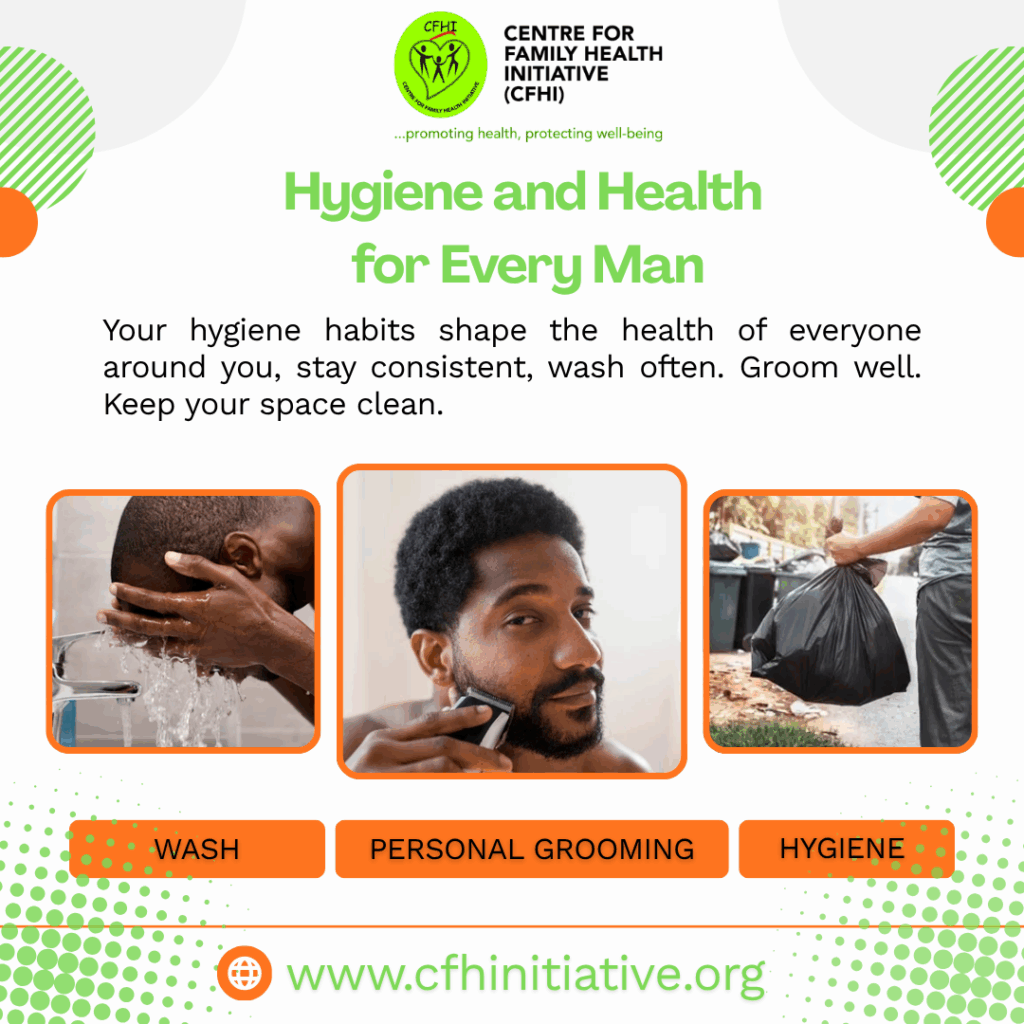
Hygiene and Health for Every Man

Good hygiene is not only a personal responsibility but a fundamental aspect of disease prevention, dignity, and overall well-being for men across all ages. Research shows that poor hygiene contributes significantly to the global burden of infectious diseases. According to the World Health Organization, inadequate hygiene practices account for nearly 432,000 deaths annually from diarrheal diseases alone (1) with millions more suffering from preventable infections linked to poor personal and environmental hygiene. Studies also reveal that men are statistically less likely than women to engage in consistent hygiene routines, including regular handwashing, oral care, and preventive health screenings. A 2022 global survey noted that over 65% of men admit to skipping basic hygiene routines (2) increasing their vulnerability to infections, skin diseases, urinary tract complications, and communicable illnesses. Poor hygiene also affects mental health, social interactions, productivity, and overall quality of life, especially in environments where men are primary earners and caregivers.

The implications of poor hygiene for men extend far beyond physical health. Lack of proper personal and environmental cleanliness can affect workplace productivity, family health, and community wellness. For example, studies show that effective handwashing alone can reduce respiratory infections by over 21% (3) yet many men either neglect this simple act or lack access to clean water and safe sanitation facilities. Globally, 3.5 billion people still lack safe sanitation (4) and this affects men in marginalized communities disproportionately, often exposing them to contaminated environments and increasing their risk of illness. Oral hygiene is another overlooked aspect; research indicates that men are 40% less likely than women to seek dental care (5) leading to higher rates of gum disease, which has been linked to heart disease, stroke, and diabetes. Hygiene is not just cleanliness it is a cornerstone of preventive health.

As we commemorate International Men’s Day and World Toilet Day, we encourage, admonish, and advise men everywhere to stay true to hygiene and neatness. Cleanliness is strength. Hygiene is responsibility. And taking care of your health is an act of leadership and self-respect. Men must break free from harmful cultural norms that label hygiene awareness as weakness or unmanliness. True masculinity includes caring for one’s body, environment, and overall well-being. A healthy man becomes a healthier father, partner, colleague, and community member. The global theme for this period emphasizes dignity, safe sanitation, and improved well-being for everyone and men must be active participants in this movement.

Wash your hands often, maintain proper grooming, care for your oral health, keep your environment clean, use toilets responsibly, practice safe sanitation, and seek regular health checks. Small habits save lives. Hygiene is health, and health is power. Let this be a reminder that healthier men build stronger families, stronger communities, and a stronger nation.

For enquiries, partnerships, or to invite CFHI for sensitization programs, kindly contact us via: info@cfhinitiative.org 


References

  1. World Health Organization. Diarrhoeal disease. 2023. Available from: https://www.who.int/news-room/fact-sheets/detail/diarrhoeal-disease
  2. Global hygiene behaviours survey results. 2022. Available from: https://yougov.co.uk/topics/health/articles-reports
  3. Centers for Disease Control and Prevention. Show Me the Science – How to Wash Your Hands. 2023. Available from: https://www.cdc.gov/handwashing/show-me-the-science-handwashing.html
  4. World Health Organization & UNICEF. Progress on household drinking water, sanitation and hygiene 2023 update. Available from: https://www.who.int/publications/i/item/9789240073347
  5. American Dental Association. Oral health and men’s health. 2022. Available from: https://www.ada.org/resources/research/science-and-research-institute


MONDAY HEALTH BURST Read More »
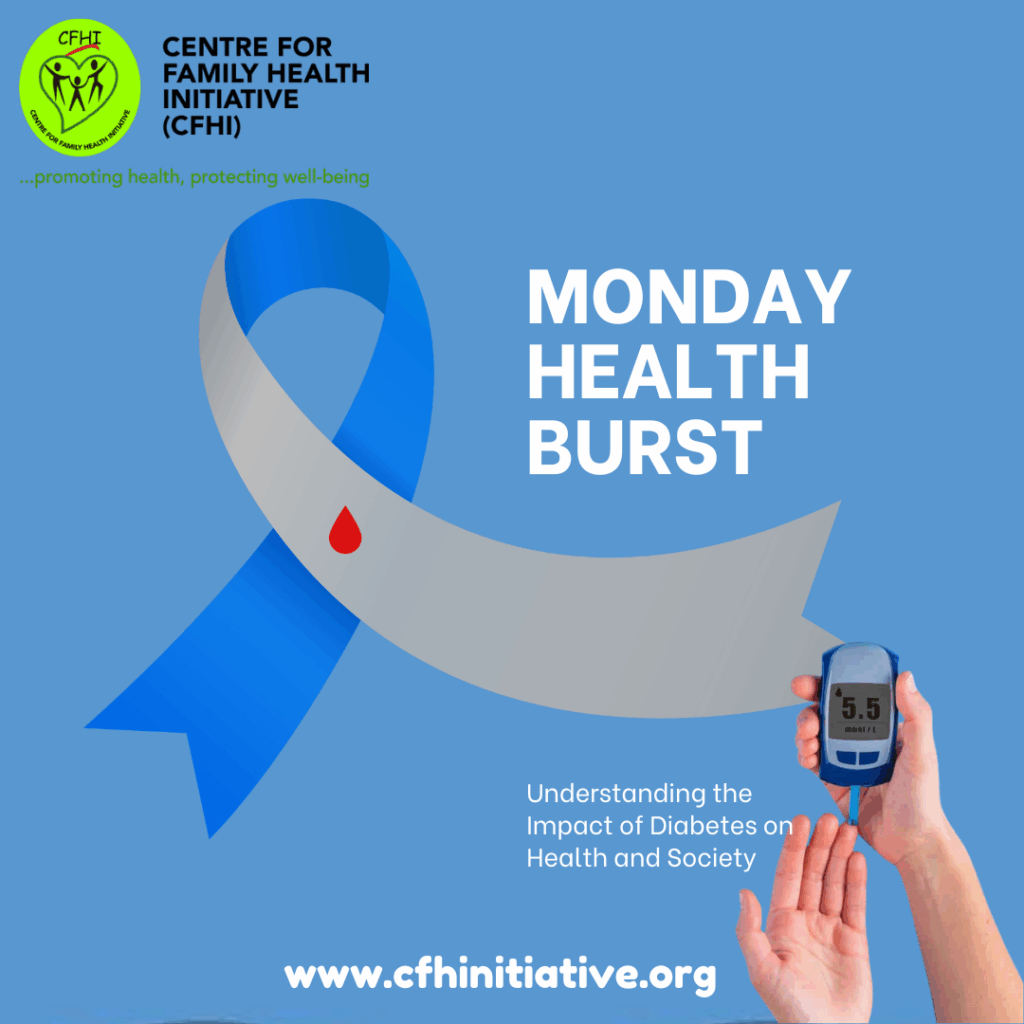
CFHI and Imo State Ministry of Health Unite for World Diabetes Day 2025!

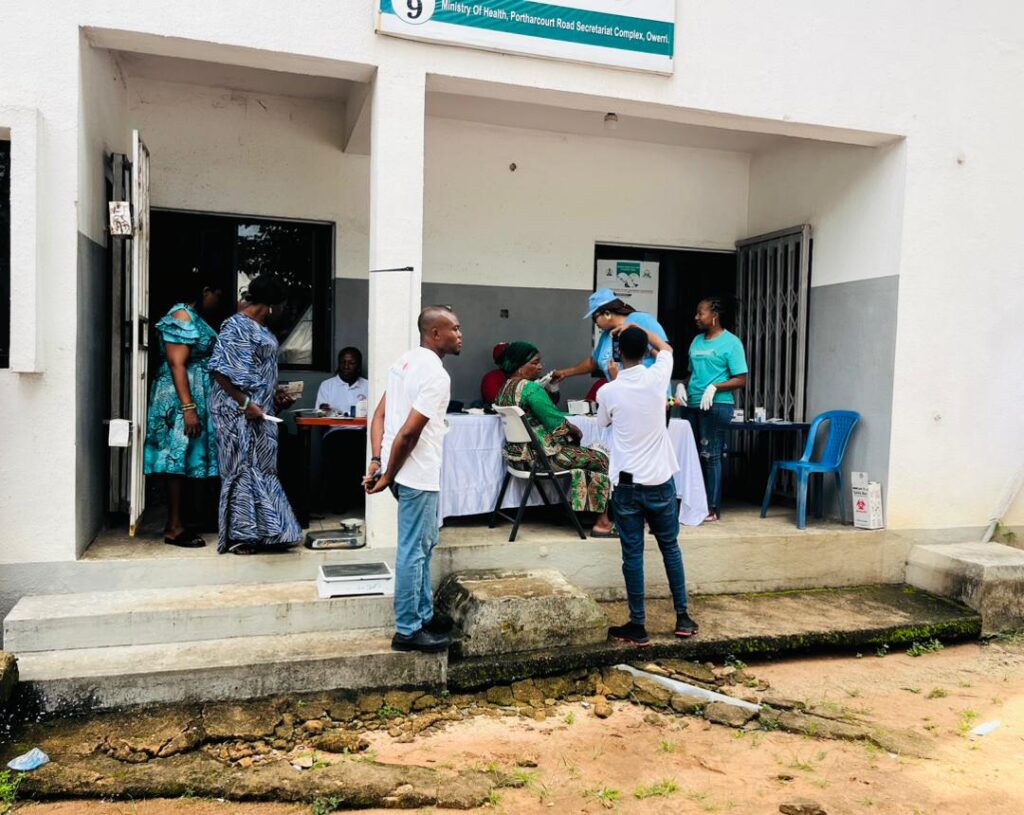
The Centre for Family Health Initiative (CFHI) partnered with the Imo State Ministry of Health to mark World Diabetes Day 2025, at the Ministry of Health Block, Imo State Secretariat, Port Harcourt Road, Owerri, reaching 50 individuals with vital diabetes awareness and screening services.
focusing on the theme “Diabetes and Well-being: Creating Supportive Environments in the Workplace”.

Key Highlights:
Free BP and Blood Sugar Testing
Expert Dietitians on ground for personalized meal planning
Empowering individuals with diabetes to thrive at all life stages.
Integrated care and support for physical and mental well-being.

Our mission was to spark a movement! We aimed to educate, empower, and encourage employers, employees, and the global community to act towards healthier workplaces.

CFHI and Imo State Ministry of Health Unite for World Diabetes Day 2025! Read More »

MONDAY HEALTH BURST

Early Detection and Lifestyle Choices Against Diabetes

Diabetes has become one of the fastest-growing health challenges globally, claiming millions of lives and affecting countless families. According to the World Health Organization (WHO), more than 537 million adults are living with diabetes, and that number is projected to rise to 643 million by 2030. The International Diabetes Federation (IDF) also notes that one in ten adults currently lives with diabetes, and nearly half are undiagnosed meaning millions are silently living with the condition without receiving the care they need [1,2].

Early detection is a vital weapon in the fight against diabetes. Type 2 diabetes, which accounts for around 90% of all cases, often develops gradually, showing little or no symptoms until complications such as heart disease, kidney failure, or vision loss have already set in. Detecting the disease early allows for timely medical intervention, lifestyle modification, and proper management, which significantly reduces the risk of complications and improves long-term outcomes. Studies have shown that early diagnosis and treatment of diabetes reduce cardiovascular and renal complications and lower overall mortality rates [3].

One of the most remarkable pieces of evidence for prevention comes from the Diabetes Prevention Program (DPP), a landmark study in the United States. The research found that participants who adopted healthier diets, engaged in moderate physical activity for about 150 minutes per week, and achieved modest weight loss reduced their risk of developing diabetes by 58% compared to those who did not make lifestyle changes [4]. This clearly shows that lifestyle choices particularly nutrition, exercise, and maintaining a healthy body weight play a powerful role in preventing or delaying diabetes.

Healthy living begins with awareness. Regular screening for blood glucose levels, blood pressure, and weight helps individuals know their risk status early. The Centers for Disease Control and Prevention (CDC) recommends that adults aged 35 and above, or younger people with risk factors such as obesity, family history of diabetes, or sedentary lifestyle, undergo regular diabetes screening [5]. Screenings should not stop at diagnosis; they should be paired with counseling, education, and access to proper care for effective management. The World Health Organization stresses that integrated care, including screening and education, remains essential for effective diabetes control [6].

In Nigeria, diabetes continues to pose significant public health challenges, driven by persistent rise in medication costs7, limited awareness, unhealthy diets, and rapid urban lifestyle changes. Recognizing this, the Centre for Family Health Initiative (CFHI) has consistently raised awareness about diabetes prevention and care. Through its Diabetes Awareness and Care (DAC) project in Imo state, CFHI has conducted free diabetes screening for over 36,000 persons, alongside health education sessions and outreach campaigns reaching about half a million individuals to encourage early testing and lifestyle change. These community-based interventions mirror global best practices, showing that education and early detection can help prevent diabetes and its complications before they start.

Ultimately, combating diabetes requires a joint effort from individuals, communities, health systems, and the government. While early detection helps identify risks, lifestyle choices, healthy eating, regular exercise, and avoiding harmful habits remain the cornerstone of prevention. As CFHI continues to promote healthier communities through advocacy, education, and screening programs, the message remains clear: diabetes can be managed and even prevented when detected early and addressed with healthy lifestyle choices.

As the world marks World Diabetes Day 2025 under the theme “Empowering Lives Through Early Detection and Access to Care”, it is a timely reminder that diabetes prevention starts with awareness and action. CFHI joins the global community in calling for affordable access to care, increased access to screening opportunities, education, and quality healthcare services for all. Together, we can build a future where early detection saves lives, and healthy lifestyle choices protect generations from the silent burden of diabetes.


References

  1. World Health Organization. Diabetes. Geneva: WHO; 2024. Available from: https://www.who.int/health-topics/diabetes
  2. International Diabetes Federation. IDF Diabetes Atlas. Brussels: IDF; 2024. Available from: https://diabetesatlas.org
  3. Herman WH, Ye W, Griffin SJ, et al. Early detection and treatment of type 2 diabetes reduce cardiovascular morbidity and mortality: simulation and trial evidence. Diabetes Care. 2015;38(8):1449–1455. Available from: https://www.ncbi.nlm.nih.gov/pmc/articles/PMC4512138/
  4. Knowler WC, Barrett-Connor E, Fowler SE, et al. Reduction in the incidence of type 2 diabetes with lifestyle intervention or metformin. N Engl J Med. 2002;346:393–403. Available from: https://www.nejm.org/doi/full/10.1056/NEJMoa012512
  5. Centers for Disease Control and Prevention. Diabetes Screening: Who Should Get Tested and When. CDC; 2024. Available from: https://www.cdc.gov/diabetes/data-research/research/diabetes-screening-eligible.html
  6. World Health Organization. World Diabetes Day: Prevention and Early Detection of Diabetes. WHO; 2024. Available from: https://www.who.int/news-room/events/detail/2024/11/14/default-calendar/world-diabetes-day-2024
  7. Punch Health Wise. Diabetes patients lament as cost of medications rises from N70,000 to N180,000. Available from: (NAN, 2024)


MONDAY HEALTH BURST Read More »

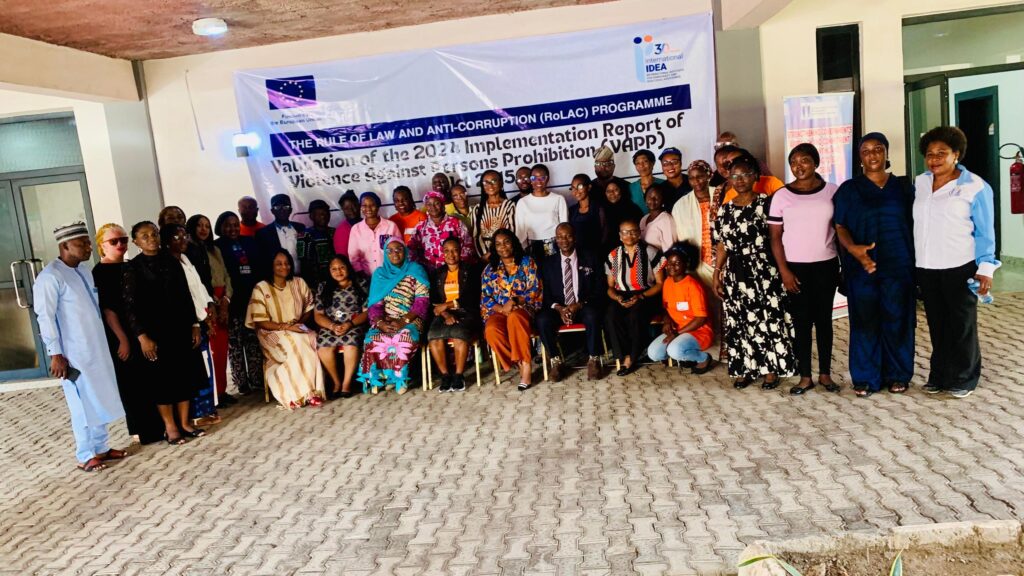
Validation of the 2024 VAPP Annual Implementation Report

Representatives from government institutions, Civil Society Organizations (CSOs), Non-Governmental Organizations (NGOs), and other key stakeholders convened for the Validation of the 2024 Violence Against Persons (Prohibition) Act (VAPP) Annual Implementation Report. The validation meeting followed the submission of implementation reports from all partner organizations working across various states in Nigeria. This annual review served as a critical step in ensuring that the collective efforts to enforce the provisions of the VAPP Act are effectively monitored, measured, and reported in line with national gender and human rights priorities.

During the session, participants engaged in a rigorous process of reviewing, harmonizing, and validating submitted data to ensure accuracy, consistency, and accountability. Data validation was particularly focused on the documentation of reported cases, interventions, and outcomes achieved by different implementing partners under the year in review. The process also helped strengthen coordination among stakeholders by identifying discrepancies, aligning indicators, and updating performance records to reflect the true extent of progress made in addressing Gender-Based Violence (GBV) nationwide.

The meeting further provided a platform for sharing experiences, success stories, and best practices from the field. Participants discussed major achievements such as increased community awareness of the VAPP Act, improved case management systems, and enhanced collaboration between law enforcement agencies and service providers. However, they also highlighted existing gaps, including inadequate funding, limited data disaggregation, weak referral mechanisms in some states, and the need for continuous capacity strengthening at both state and local levels.

In conclusion, stakeholders reaffirmed their collective commitment to the effective implementation of the VAPP Act and to sustaining the momentum toward eliminating all forms of violence, particularly against women and girls. The validation exercise underscored the importance of evidence-based reporting, accountability, and multi-sectoral collaboration in achieving a violence-free society. Participants called for continuous engagement between government and non-state actors to ensure that future reports reflect not only activities and outputs but also the real impact of interventions on the lives of survivors and vulnerable populations across Nigeria.

Validation of the 2024 VAPP Annual Implementation Report Read More »

SPEAK WEDNESDAY

WOMEN DEALING WITH POVERTY IN RURAL AREAS

It is true that a concise and universally accepted definition of poverty has proven elusive because it affects many aspects of human condition. However, different criteria have been used to conceptualize the term “poverty”. Most analysts regard poverty as a function of income levels insufficient for securing basic goods and services.

The 2019 Nigerian Living Standards Survey (NLSS) carried out by the National Bureau of Statistics (NBS) highlights that 40 percent of the total population, or almost 83 million people, live below the country’s poverty line of 137,430 naira ($381.75) per year. The report also shows that 52.1% of rural dwellers in Nigeria are poor, while only 18.04% of urban dwellers are classified as poor. Also, according to data released by NBS, women ranked the highest when it comes to unemployment. The report shows that unemployment hits 12.2 million females as against 9.5 million men.

The fate of Nigerian women living in rural areas is highly appalling considering the patriarchal nature of the Nigerian society and how women are being marginalized in the labor force. The societal disadvantage and inequality they face because they are women shapes their experience of poverty differently from that of men, it increases their vulnerability, and makes it more challenging for them to climb out of poverty. Indeed, more than half of these rural women live below the nationally defined poverty line, lacking access to basic education, decent nutrition, adequate health and social services.  They perform complex multiple roles as mothers, workers and managers of households, taking care of their husbands, children and members of their extended families. They perform the majority of the work in food processing and dominate the rural and urban informal sector activities. Yet an abysmal number of these women own their own farm lands, they have limited access than men to inputs, services, rural organization, agricultural credits, productive infrastructure and technologies to enhance their productivity and incomes.

Women in poor households bear a disproportionate share of the work and responsibility of feeding and caring for family members through unpaid household work. They bear an unequal burden of unpaid, unrecognized, unvalued domestic responsibilities and are overrepresented in informal and risky jobs. Women in poor rural households will often sacrifice their own health and nutrition, or the education of their daughters, by recruiting them to take care of siblings or share in other household tasks.

This lack of investment in the human capital of women propagates a brutal, intergenerational cycle of poverty and hardship that is partly responsible for the persistent nature of poverty. Policies and programs to alleviate poverty must, therefore, take account of gender inequality and gender differences to effectively address the needs and constraints of women. According to the United Nations Women, Women’s economic empowerment is central to realizing women’s rights and gender equality, boosting productivity, increasing economic diversification, and income equality in addition to other positive development outcomes. This economic empowerment could include paid care work (child care, home care, seniors/disabled/palliative care), non-exclusion from inheritance and property ownership, girl child education and scholarships, adult education and scholarships for mothers, continued education during teenage pregnancy, provision of grants,  and many more.

Speak Wednesday is an initiative of Centre for Family Health Initiative to stop the cycle of domestic violence by breaking the silence around gender-based violence and gender bias. Join us every Wednesday on all our social media handles for more episodes.

SPEAK WEDNESDAY Read More »

SPEAK WEDNESDAY

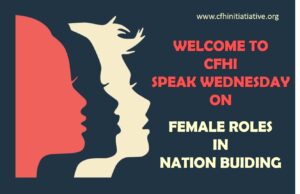
FEMALE ROLES IN NATION BUILDING

Nation Building encourages active participation of all citizens of a nation in order to reduce social and economic disparities, create an enabling environment for citizens to display their identities, cultures, languages and religions without any form of discrimination, maintain a politically stable environment, and enjoy the potentials of its human resource.

In Nigeria, women have made indelible contributions through active participation to advance the nation dating from the pre-colonial era.  Late Queen Amina was a Hausa warrior from the city of Zazzau, present day Zaria in Nigeria. She was the first to become queen in a male-dominated society. Tales of her exploits include expanding the territory of the Hausa people of North Africa to the largest in history, creating routes for trade throughout Northern Africa, ordering the construction of fortifications called ‘Amina Walls’ and introducing the cultivation of Kola nuts within the region.

The pre-independence era featured the likes of Margret Ekpo, Janet Nwadiogo Mogelu and Funmilayo Ransome-Kuti who were politicians and activists championing the cause to fight discriminatory and oppressive forms of colonialism committed against women and to protest against incessant killings of innocent citizens. Their activities set the pace for the advancement of gender equality in Nigeria.

More women are populating various professions and sectors in present times contributing greatly to the economic workforce. Through engaging in formal and informal labour, many women have improved the livelihood of their families through their incomes and have become strong contributors to the national economy. Others have introduced reform programs and enacted policies that have helped stabilize the nation’s economy, encourage government transparency, and advance progress. Ngozi-Okonjo-Iweala, Late Dr. Dora Akunyili and Dr. Oby Ezekwesili are few examples of such women.

According to Mr. Ban Ki-Moon, “When we empower women, we empower communities, nations and the entire human family.” As key players in national development, nations must continue to empower women by investing in girl-child education, enacting female-friendly policies, promoting programs that support women, and ending harmful practices that abuse their rights as humans to enhance development.

Speak Wednesday is an initiative of Centre for Family Health Initiative to stop the cycle of domestic violence by breaking the silence around gender based violence and gender bias. Join us every Wednesday on all our social media handles for more episodes.

SPEAK WEDNESDAY Read More »

SPEAK WEDNESDAY

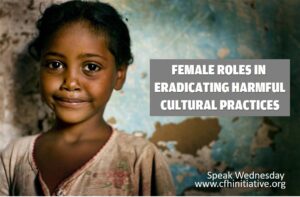
FEMALE ROLES IN ERADICATING HARMFUL CULTURAL PRACTICES

Certain cultures in different parts of the world accommodate harmful practices that encourage forms of exploitation, violence, abuse, injustice, discrimination and marginalization, committed primarily against women and children. Female Genital Mutilation (FGM), child/forced marriage, initiation rites, infanticide, male preference, honour killings, forced begging, stoning, acid attacks, bonded labour, sexual slavery, breast ironing, and nutritional taboos are harmful practices that are detrimental to the health and wellbeing of its victims.

Significant progress has been made thus far to eradicate harmful cultural practices globally, but the economic, physical and social disruptions caused by the ongoing pandemic could deter the advancement. The new United Nations Population Fund (UNFPA) projections in April 2020 predict that the COVID-19 pandemic may cause about 2 million more cases of Female Genital Mutilation and about 13 million new child marriages in the next decade because of significant delays in programmes organized to tackle harmful cultural practices and economic hardships.

Women are at the forefront raising their voices against harmful cultural practices and providing interventions to support its victims even amidst the pandemic. Stephanie Linus is an award winning Nigerian actress, filmmaker and activist passionate about women and child rights. ‘Dry’ an award winning movie produced by her exposes the evils of child marriage and the physical and psychological consequences associated with it. Through her foundation ‘Extended Hands’ she has  partnered with local and international organizations in building awareness on fistula prevention, maternal health, family planning and has provided various medical interventions to indigent girls and women suffering Vesico Vaginal Fistula (VVF) in Sokoto, Kebbi, Cross River, Oyo, and Kwara states in Nigeria. Her foundation has continued to provide more interventions to vulnerable women and girls, deflating the number of new victims of harmful traditional practices in the COVID-19 era. She was recently appointed as the UNFPA Regional Goodwill Ambassador for West and Central Africa.

It is important to note that women are the most qualified advocates to fight for the eradication of harmful traditional practices. This is because women are the highest fatalities who have experienced and survived the repercussions of these practices. Hence, more women should be encouraged to speak up and empowered to be self-reliant.

Centre for Family Health Initiative (CFHI) continues to echo the call for an end to the suffering of girls and women caused by harmful traditional practices through community outreaches, policy-oriented research, and media campaigns. CFHI has through the United States Consulate Women And Youth Empowerment (WYNE) project, mitigated the rate of female genital mutilation, child marriage, violence against women, land disinheritance, gender (Son) preference, Incest, rape and harmful widowhood practices in Ngor Okpala community, Imo State, Nigeria.  After having ten community dialogues with the community stakeholders, resolutions on these harmful practices were reached, leading to the development of a community charter that was signed by the paramount traditional ruler and representatives of the villages that make up the community. Operation-Know-Your-Right Campaign was thereafter organized through which over 735 women and 28 youths were sensitized with the right knowledge to stand against harmful cultural practices within and outside the community.

Speak Wednesday is an initiative of Centre for Family Health Initiative to stop the cycle of domestic violence by breaking the silence around gender based violence and gender bias. Join us every Wednesday on all our social media handles for more episodes.

SPEAK WEDNESDAY Read More »

SPEAK WEDNESDAY

FEMALE ROLES IN COMMUNITY DEVELOPMENT

According to Paul O’Neill, a good community is a cohesive, safe, confident, prosperous and happy place. A place that values and promotes open, participative development processes underpinned by a continuous culture of trans-generational learning. It is somewhere that people wish to stay in and see future generations grow up in.

Community development is almost impossible without the role of women both at the family level and in the society. Women are said to be the first teachers in the lives of every child, and whatever is embedded in the child springs forth to determine if the child will be responsible and patriotic citizen or otherwise.

As the society moves closer to gender equality, women are working to build a more substantial presence in the traditionally male-dominated industries. Women have grown from being relegated to the kitchen or bedroom, to taking up jobs that are supposedly designed for men. United Nations Women opined that not only has this contributed greatly to the economic growth of the community but has created a niche for future generations to strife. Some of these women are entrepreneurs, employing male and females alike.

Late Ameyo Stella Adadevoh is a Nigerian physician credited for curbing the wider spread of the Ebola Virus in Nigeria by placing the patient, Patrick Sawyer in quarantine despite pressure from the Liberian government. Women who are frontline health workers are fighting the war to eradicate COVID-19, and others who are human right activists work passionately to protect the rights of people in communities and taking up positions to tackle issues that affect the masses.

The role of women in community development can never be overemphasized. Therefore, to increase the efficiency and productivity of women in the communities, women should be appreciated and encouraged to do more.

Speak Wednesday is an initiative of Centre for Family Health Initiative to stop the cycle of domestic violence by breaking the silence around gender based violence and gender bias. Join us every Wednesday on all our social media handles for more episodes.

SPEAK WEDNESDAY Read More »