Nation Building

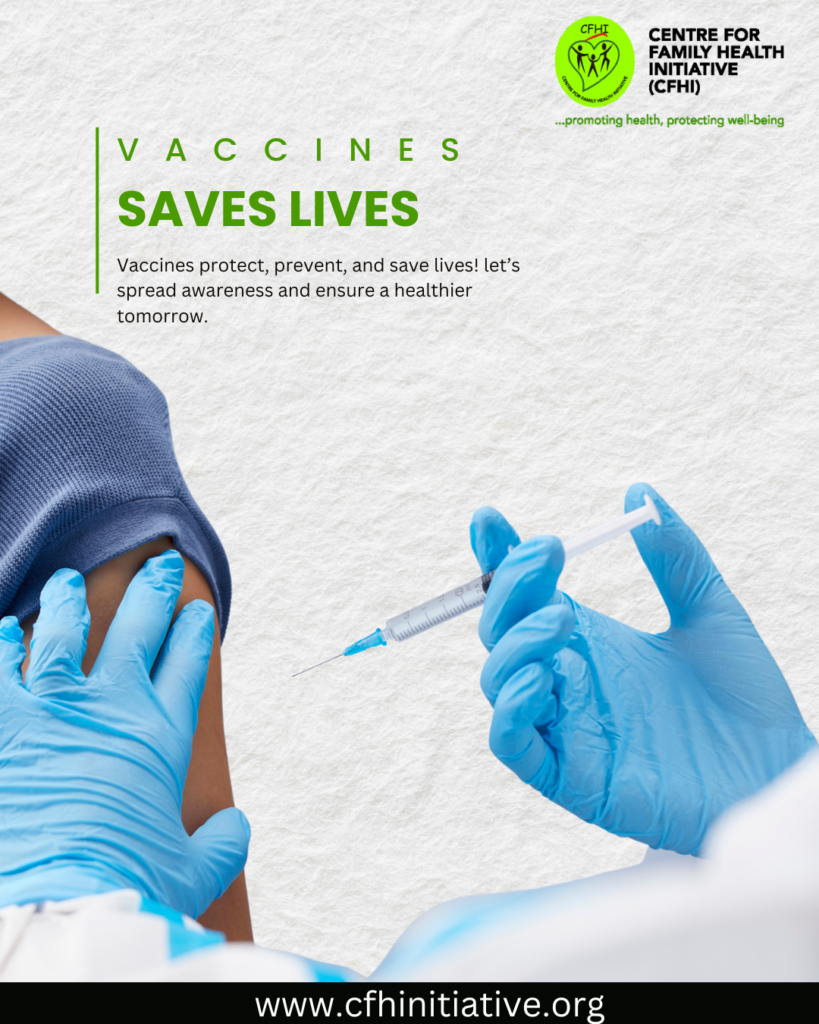
VACCINES SAVE LIVES

Vaccination is one of the greatest achievements in public health, and the statement “vaccines save lives” is far more than a slogan it is a reality backed by decades of scientific evidence, global data, and measurable impact across countries and generations. Vaccines protect individuals and communities by preventing illness, disability, and death from infectious diseases such as measles, polio, tetanus, and influenza. According to the World Health Organization, immunization prevents between 3.5 and 5 million deaths every year worldwide [1], while the Centers for Disease Control and Prevention estimates that about 4 million deaths are prevented annually through childhood vaccination alone [2]. These are not projections they are outcomes already achieved through consistent global efforts.

Looking over a longer period, the scale of impact becomes even more striking. In the past 50 years, vaccination programmes have saved approximately 154 million lives globally [3], which translates to about six lives saved every minute [4]. Most of these lives around 95 percent are children under the age of five [5], highlighting the critical role vaccines play in child survival. Measles vaccination alone accounts for nearly 94 million lives saved [3], demonstrating how a single vaccine can transform global health outcomes. These figures are supported by extensive research, including studies published in The Lancet, which consistently confirm the enormous contribution of immunization to reducing mortality and improving life expectancy worldwide [6].

Vaccines work by training the body’s immune system to recognize and fight harmful pathogens before they cause disease, providing protection that is both effective and long-lasting. Their benefits extend beyond individual protection to entire populations. By reducing disease transmission, vaccines create herd immunity, protecting even those who cannot be vaccinated. They prevent outbreaks of deadly diseases, reduce the burden on healthcare systems, and generate significant economic returns saving up to $52 for every $1 invested in immunization programmes in low- and middle-income countries [2]. Over time, vaccines have contributed to a 40 percent reduction in global infant mortality [5], a remarkable achievement that underscores their importance in improving survival rates.

Diseases that once caused widespread fear and death have been brought under control or eliminated entirely due to vaccination. Smallpox, for example, has been eradicated globally, while polio is now on the verge of elimination after decades of sustained immunization efforts. These successes demonstrate what is possible when science, policy, and community engagement work together.

Despite these achievements, significant gaps in immunization coverage remain. An estimated 14.3 million children worldwide have never received a single dose of any vaccine, often referred to as “zero-dose” children [7]. Nigeria is among the countries with the highest number of unvaccinated children, highlighting a critical public health challenge that requires urgent attention [7]. In addition, measles vaccination coverage remains below optimal levels in many regions, leaving millions of children vulnerable to preventable disease outbreaks [7]. These gaps not only endanger lives but also risk reversing decades of progress.

Efforts to close these gaps are strengthened by global initiatives such as World Immunization Week, celebrated annually in the last week of April. Led by the World Health Organization, this campaign raises awareness about the importance of vaccines, promotes equitable access, and encourages governments and communities to prioritize immunization [8]. Themes such as “Immunization for All is Humanly Possible” emphasize the need to reach every child, everywhere, regardless of location or socioeconomic status.

At the national level, governments play a central role in ensuring vaccine access and uptake. In Nigeria, interventions such as the National Programme on Immunization (NPI), the integration of vaccines into primary healthcare services, and partnerships with global organizations have significantly improved immunization coverage. Campaigns targeting polio eradication and routine immunization have contributed to notable progress, but challenges remain. Reaching underserved communities, strengthening healthcare infrastructure, and addressing vaccine hesitancy require sustained investment and commitment.

Recent global disruptions, including the COVID-19 pandemic, have led to missed vaccinations and declining coverage in some areas, increasing the risk of disease outbreaks. Public health experts warn that without renewed efforts, diseases that were once under control could resurface, threatening lives and straining already burdened health systems. This makes it more important than ever to prioritize immunization as a cornerstone of public health.[9]

At the Centre for Family Health Initiative (CFHI), these gaps have been actively addressed through sustained, community-driven interventions aimed at improving immunization uptake over time. CFHI has implemented targeted vaccine awareness campaigns, strengthened community mobilization, and integrated immunization education into maternal, child health, and HIV service delivery platforms. Through consistent engagement with caregivers, community leaders, and health facilities, CFHI has contributed to reducing vaccine hesitancy, improving demand for routine immunization, and supporting last-mile access to life-saving vaccines in underserved communities. These efforts form part of CFHI’s broader commitment to strengthening primary healthcare systems and safeguarding children and vulnerable populations from vaccine-preventable diseases.[10]

Vaccines remain one of the most cost-effective, impactful, and scalable health interventions available today. However, their life-saving potential can only be realized when they reach the people who need them. Vaccines save lives but only when they are accessible, accepted, and administered on time. Individuals and families must ensure that children receive all routine immunizations according to schedule, while communities must promote accurate information and counter misinformation. Governments must increase funding for immunization programmes and strengthen healthcare systems, while organizations and partners must support outreach to underserved populations. Health workers, as trusted voices, must continue to advocate for vaccination and engage communities effectively.

No one should die from a disease that vaccines can prevent. The science is clear, the evidence is overwhelming, and the solution is within reach. Vaccines save lives and with collective action, they can save millions more.

References

  1. WHO – Vaccines and Immunization: https://www.who.int/health-topics/vaccines-and-immunization
  2. CDC – Global Immunization Fast Facts: https://www.cdc.gov/global-immunization/fast-facts
  3. WHO – 154 million lives saved: https://www.who.int/news/item/24-04-2024-global-immunization-efforts-have-saved-at-least-154-million-lives-over-the-past-50-years
  4. London School of Hygiene & Tropical Medicine – EPI impact
  5. UNICEF – Why vaccines matter: https://www.unicef.org/stories/why-vaccines-matter-children
  6. The Lancet Study on Immunization Impact
  7. WHO – Immunization Coverage Factsheet: https://www.who.int/news-room/fact-sheets/detail/immunization-coverage
  8. World Immunization Week Overview
  9. https://www.who.int/news/item/15-07-2022-covid-19-pandemic-fuels-largest-continued-backslide-in-vaccinations-in-three-decades?utm_source=chatgpt.com
  10. https://www.cfhinitiative.org/ending-hiv-stigma-community-support-beyond-world-aids-day/ 


VACCINES SAVE LIVES Read More »

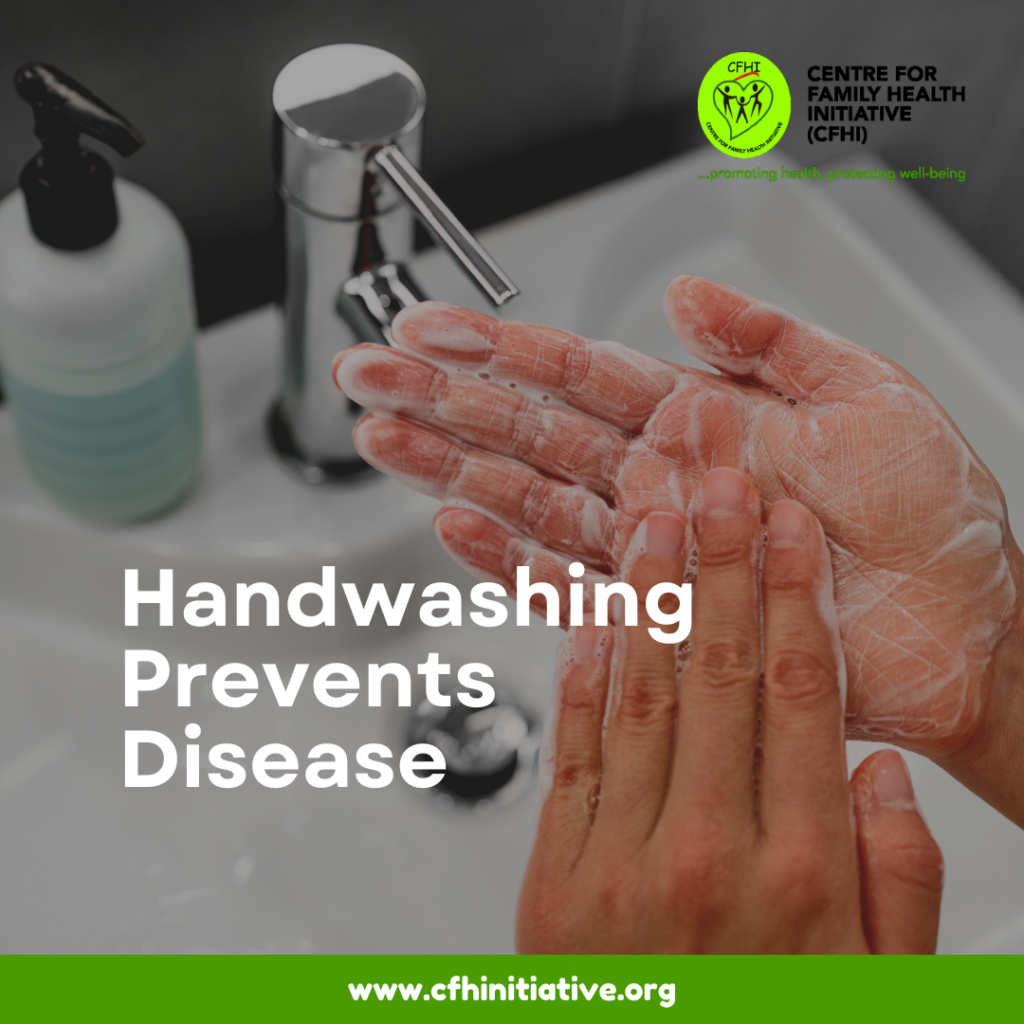
Handwashing Prevents Disease

Handwashing with soap remains one of the most effective and affordable ways to prevent diseases and protect public health. According to the World Health Organization and global health partners, proper hand hygiene significantly reduces the spread of infectious diseases such as diarrhea, respiratory infections, and even emerging outbreaks [1]. Despite its simplicity, handwashing is often overlooked, contributing to millions of preventable illnesses and deaths worldwide.

Scientific evidence shows that unclean hands are a major pathway for disease transmission. Germs from faecal matter, contaminated surfaces, and respiratory droplets easily spread through touch, food handling, and person-to-person contact. Research indicates that a single gram of human faeces can contain up to one trillion germs, making proper hand hygiene critical in breaking the chain of infection [2]. Handwashing with soap has been shown to reduce diarrheal diseases by 23–40% and respiratory infections by up to 21% [3].

Globally, the burden of poor hand hygiene remains alarming. An estimated 2.3 billion people lack access to basic handwashing facilities with soap and water, while 1.7 billion still do not have basic hygiene services at home [4]. Additionally, nearly half of healthcare facilities worldwide lack proper hand hygiene services, putting patients at risk of infections [5]. Among children, poor hygiene contributes significantly to disease, with approximately 1.8 million children under five dying annually from preventable illnesses such as diarrhea and pneumonia conditions that proper handwashing could help reduce [6].

Various interventions have been implemented globally to promote hand hygiene. Organizations such as UNICEF and WHO continue to support handwashing campaigns, improve access to water and sanitation, and integrate hygiene education into schools and communities [1]. Community awareness programs, provision of handwashing facilities, and behavior change communication have proven effective in improving hygiene practices. Studies show that even a small investment less than $1 per person annually can significantly expand access to handwashing facilities and save hundreds of thousands of lives [7].

Our commitment to ‘Standing with Science’ was most evident during the height of the COVID-19 pandemic. Recognizing that awareness is only effective when paired with resources, CFHI conducted extensive sensitization and distribution drives across the FCT. This included critical interventions at the Kuje Prison in Abuja and various schools throughout the FCT, where we provided essential hygiene tools such as professional-grade hand sanitizers, liquid soaps, and specialized buckets and bowls with attached taps to facilitate contactless handwashing. This proactive approach ensured that the most vulnerable populations had the physical means to break the chain of infection.

In conclusion, handwashing is a simple yet powerful tool that everyone can practice daily. Individuals are encouraged to wash their hands regularly especially before eating, after using the toilet, and after contact with potentially contaminated surfaces. Governments and institutions must also invest in accessible hygiene facilities and promote behaviour change. By making handwashing a habit, we can prevent diseases, save lives, and build healthier communities. Clean hands are not just a personal responsibility they are a public health necessity.

References

  1. https://www.who.int/news-room/fact-sheets/detail/hand-hygiene
  2. https://www.cdc.gov/hygiene/about/index.html
  3. https://www.cdc.gov/hygiene/personal-hygiene/hands.html
  4. https://www.unicef.org/reports/state-worlds-handwashing-2021
  5. https://www.who.int/publications/i/item/9789240055445
  6. https://www.who.int/news-room/fact-sheets/detail/diarrhoeal-disease
  7. https://www.worldbank.org/en/news/feature/2020/04/22/handwashing-for-all-the-value-of-hand-hygiene-to-save-lives-and-economies


Handwashing Prevents Disease Read More »

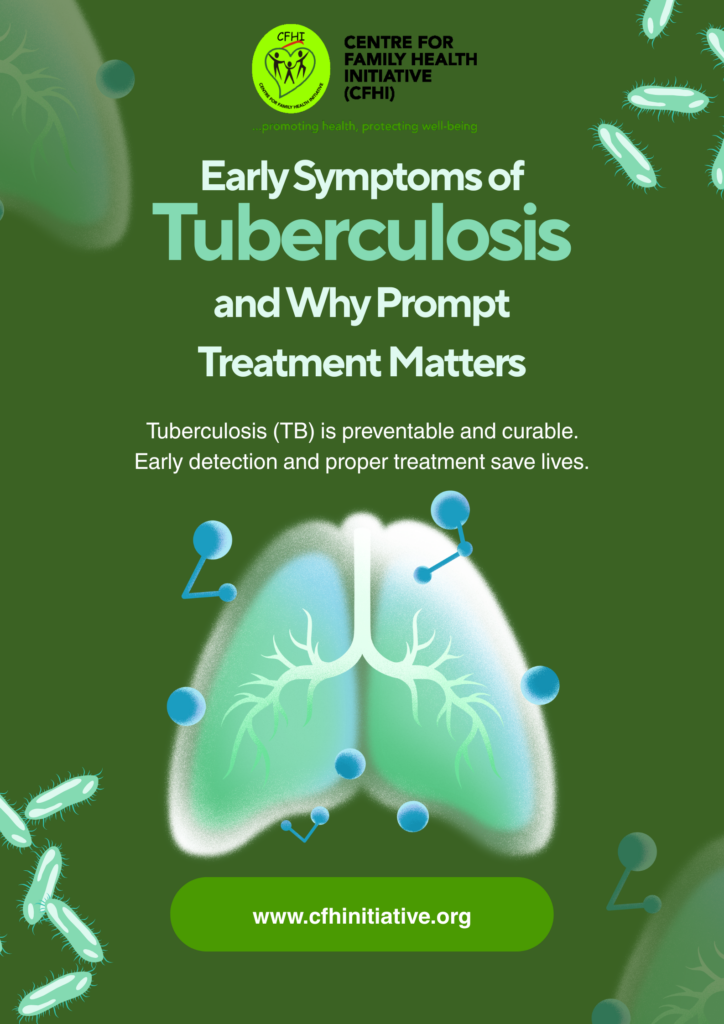
Early Symptoms of Tuberculosis and Why Prompt Treatment Matters

Tuberculosis (TB) remains one of the world’s most significant infectious threats, claiming approximately 1.25 million lives globally in 2023 alone 3. Despite being a preventable and curable bacterial infection, its ability to remain dormant makes early detection a critical challenge. The primary red flag is a persistent cough lasting three weeks or longer, often accompanied by chest pain and the coughing up of blood or blood-stained sputum 1. These early signs are the body’s alarm system indicating that the Mycobacterium tuberculosis bacteria are actively attacking the lung tissue, necessitating immediate medical evaluation to prevent permanent respiratory damage.

In addition to respiratory issues, the disease often presents with systemic symptoms that are frequently mistaken for minor ailments. Patients may experience unexplained weight loss, a total loss of appetite, and a persistent low-grade fever accompanied by chills 1. One of the most distinctive markers of the infection is the occurrence of heavy night sweats, where a person wakes up with soaked bedding regardless of the room temperature or weather conditions 2. Fatigue and a general sense of weakness also prevail as the body’s immune system is stretched thin while attempting to combat the bacterial load within the lungs.

Prompt treatment is a necessity for both individual survival and public safety because a person with active, untreated pulmonary TB can infect between 10 to 15 other people through close contact in a single year 3. When treatment is delayed, the bacteria have more time to multiply and potentially spread to other parts of the body, such as the spine or kidneys. Furthermore, delaying the start of the standard six-month medication course significantly increases the risk of developing Multi-Drug Resistant TB (MDR-TB). This strain does not respond to the most powerful first-line drugs and requires longer, more toxic, and significantly more expensive treatment regimens with lower survival rates 4.

According to the 2024 WHO Global Tuberculosis Report, while the global treatment success rate for drug-susceptible TB is a high 88%, a massive gap in funding persists. Currently, global investment stands at US$ 5.7 billion, which is far below the required US$ 22 billion annually needed to meet 2027 targets 3. This funding gap limits the availability of rapid diagnostic tools, such as GeneXpert machines, especially in high-burden regions. To mitigate this impact, communities must prioritize environmental ventilation to reduce airborne droplet concentration and ensure strict adherence to the Directly Observed Treatment Short-course (DOTS) strategy, where healthcare workers supervise medication intake 2.

Over the years, CFHI has established strategic partnerships with key stakeholders, particularly the National Tuberculosis and Leprosy Control Programme (NTBLCP), to facilitate community sensitization, mass screenings, and the delivery of essential TB services. Currently, CFHI provides these services in Imo State with support from relevant partners and stakeholders.

Ultimately, ending TB requires early action, community awareness, and the removal of social stigma. If you or anyone you know has experienced a persistent cough for more than two weeks, visit the nearest Primary Health Centre for a free TB test. TB treatment is free at government-supported health facilities, and completing the full course of medication ensures cure and prevents the spread of infection.

By recognizing symptoms early, supporting those undergoing treatment, and encouraging routine screening, we can protect our families and move closer to a TB-free future.

References

  1. Mayo Clinic: Tuberculosis Symptoms & Causes
  2. Centers for Disease Control and Prevention (CDC): Basic TB Facts
  3. World Health Organization (WHO): Global Tuberculosis Report 2024
  4. Stop TB Partnership: MDR-TB Factsheet


Early Symptoms of Tuberculosis and Why Prompt Treatment Matters Read More »

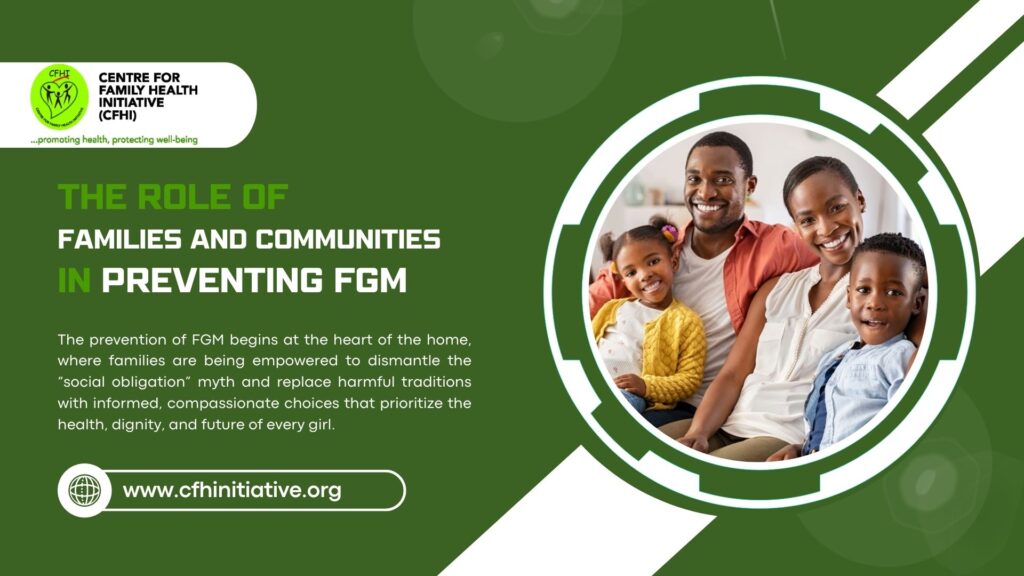
The Role of Families and Communities in Preventing FGM

In the landscape of global health in 2026, Female Genital Mutilation (FGM) stands as one of the most persistent violations of human rights, yet the tide is beginning to turn through sophisticated, community-led interventions. As of this year, over 230 million women and girls alive today have undergone the procedure, and UNICEF projects that 4.5 million more remain at risk in 2026 alone [1]. The struggle to end this practice is no longer just a legal battle; it has evolved into a deep-rooted cultural shift focusing on the intersection of family protection and communal health [4].

The prevention of FGM begins at the heart of the home, where families are being empowered to dismantle the “social obligation” myth. Recent research from the UNFPA-UNICEF Joint Programme indicates that when mothers are provided with formal education and economic agency, the likelihood of their daughters being cut drops significantly [3]. Families are now being reached through “Positive Masculinity” programs, where over 800,000 men and boys have pledged to protect their female relatives, challenging the outdated notion that FGM is a prerequisite for marriageability [3]. By addressing the family as the primary decision-making unit, advocacy groups are successfully replacing fear of social exclusion with a shared commitment to a daughter’s physical integrity and future health.

Moving beyond the front door, the most effective preventative measure in 2026 has been the rise of Public Declarations of Abandonment within local communities. This collective approach shifts the “social contract,” ensuring that no single family feels isolated in their choice to stop the practice. Many regions have successfully implemented Alternative Rites of Passage (ARP), which preserve the cultural celebration of womanhood through education, mentorship, and gifts minus the physical harm. This allows communities to maintain their rich heritage while evolving their health standards. Simultaneously, health systems are closing the gap on “medicalization” the dangerous trend of health professionals performing the cut. The World Health Organization has recently tightened codes of conduct, training midwives and doctors to serve as the first line of defense, educating parents on the $1.4 billion annual global cost of treating FGM-related complications, ranging from obstetric hemorrhage to lifelong psychological trauma [2].

To ensure these gains are permanent, a robust network of local surveillance and cross-border cooperation has emerged. In 2026, over 3,200 communities have established “watchdog” groups that monitor girls during school holidays, a peak time for the practice [3]. These grassroots efforts, supported by national laws that criminalize “vacation cutting,” create a safety net that follows a girl from her village to the city and beyond. The data proves that this holistic approach works; for every dollar invested in these prevention measures, there is a tenfold return in health savings and economic productivity [2]. By weaving together, the strength of the family unit with the collective will of the community, we are finally moving toward a world where every girl can grow up whole, healthy, and empowered.

Call to Action

The end of FGM is within our reach, but it requires your voice and your action. You can make a difference today:

  • Educate and Advocate: Share the facts about the health risks of FGM within your social circles. Silence is where the practice thrives.
  • Support Grassroots Organizations: Donate to or volunteer with local NGOs that facilitate Alternative Rites of Passage and provide education to at-risk families.
  • Report Risk: If you know a girl is at risk of being subjected to FGM, contact local child protection services or international helplines immediately.
  • Engage Men and Boys: Start conversations with the men in your community about the importance of protecting the rights and health of women and girls.

Monday Health Burst is an initiative of CFHI to address issues of basic health concern. Join us every Monday on all our social media platforms for more episodes.

References

  • UNICEF Data (2025/2026): FGM Prevalence and Statistics
  • WHO Global Health Update: The Cost of FGM and Prevention Strategies
  • UNFPA 2025 Annual Report: Eliminating FGM through Community Action
  • United Nations: International Day of Zero Tolerance for FGM


The Role of Families and Communities in Preventing FGM Read More »

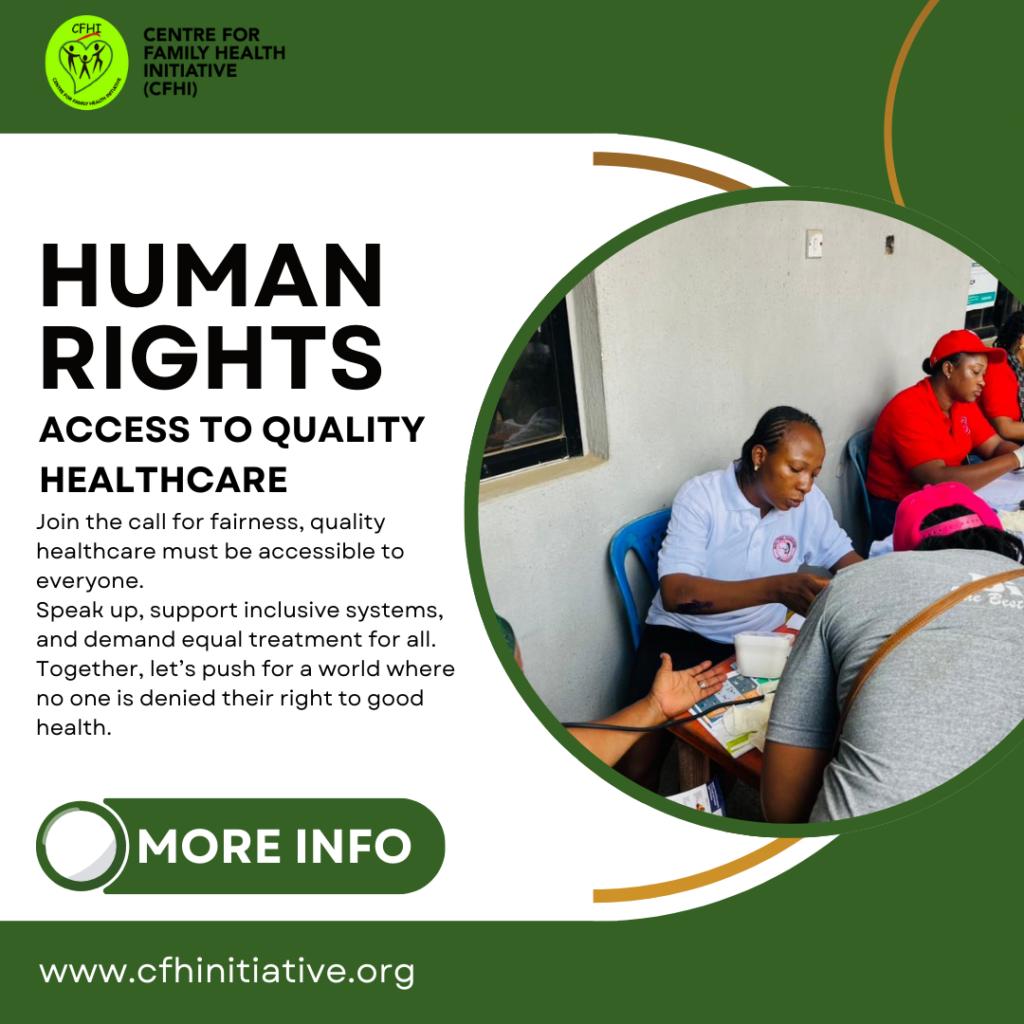
Human Rights and Access to Quality Healthcare for All

Access to quality healthcare is recognized globally as a fundamental human right. Yet, billions of people still cannot exercise this right. Recent WHO and UNICEF estimates, about 1.1 billion people received healthcare in facilities without basic water services, while 3.0 billion lacked access to sanitation services, creating unsafe environments for patients and health workers alike (1). Additionally, 1.7 billion individuals were cared for in facilities without proper hygiene standards, and about 2.8 billion lacked access to safe health-care waste management, exposing communities to preventable infections (1). Another WHO report highlights that nearly one billion people depend on facilities with unreliable or no electricity, making safe childbirth, emergency care, vaccine storage, and laboratory services extremely difficult (2). To address such challenges, CFHI, with support from Grand Challenges Nigeria, recently installed solar birth kits at Rumde PHCC in Adamawa and Gusau PHCC in Zamfara States. These kits provide reliable solar-powered lighting, enabling skilled birth attendants to conduct deliveries safely at night or during power outages, support emergency care, and ensure essential medical equipment can function consistently.

Such deficits represent clear violations of the right to health. Quality healthcare must be safe, clean, affordable, and accessible. Studies further show that poor healthcare access contributes to increased maternal mortality, preventable illnesses among children, late health-seeking behaviour, and financial hardship. Globally, millions face catastrophic out-of-pocket spending on healthcare, pushing vulnerable families into poverty each year (3). Universal Health Coverage frameworks emphasize equity; however, implementation remains slow in many developing countries, especially in rural and underserved communities where health investment is still low.

In Nigeria, although relevant health policies exist, many communities still lack the enabling environment to exercise their health rights, the government has the primary responsibility to provide healthcare services and maintain facilities, the reality is that many health centres remain dilapidated and under-resourced. This situation underscores the urgent need for authorities to prioritize investment in health infrastructure, provide functional equipment, and ensure every facility meets minimum standards to protect the lives of mothers, newborns, and communities. This is where organizations such as Centre for Family Health Initiative (CFHI) contribute meaningfully to bridging the gap. CFHI works to expand equitable healthcare access by implementing interventions that support orphans and vulnerable children, adolescents, caregivers, and low-income households. The organization improves community knowledge on health rights, offers psychosocial support, conducts HIV counselling, testing, and referrals, and assists vulnerable families in navigating access to healthcare facilities (4).

Through capacity building for healthcare workers, stronger health facility linkage, and participatory learning sessions, CFHI promotes informed decision-making and encourages service utilization which are critical elements of health rights implementation. Ultimately, improved health outcomes must go beyond policy frameworks; communities must receive accessible services delivered in dignity, and families must be able to seek care without financial ruin.

Achieving true universal access requires investment in basic facility infrastructure, elimination of discriminatory practices, improved health financing, and strengthened accountability mechanisms. When communities are assured of safety, fairness, and affordability, healthcare becomes a right in practice not merely in principle.

References

  1. World Health Organization and UNICEF. Countries making unprecedented efforts but billions still lack basic services in health-care facilities. WHO website. Available at: https://www.who.int/news/item/24-09-2025-countries-making-unprecedented-efforts-but-billions-still-lack-basic-services-in-health-care-facilities—who-unicef-new-report-warns
  2. World Health Organization. Global progress report on universal access to WASH services in healthcare facilities. WHO website. Available at: https://www.who.int/news/item/24-09-2025-countries-making-unprecedented-efforts-but-billions-still-lack-basic-services-in-health-care-facilities—who-unicef-new-report-warns
  3. World Bank Group. Billions left behind on the path to universal health coverage. World Bank website. Available at: https://www.worldbank.org/en/news/press-release/2023/09/18/billions-left-behind-on-the-path-to-universal-health-coverage
  4. Centre for Family Health Initiative (CFHI). Programme information and reports. CFHI website. Available at: https://www.cfhinitiative.org


Human Rights and Access to Quality Healthcare for All Read More »

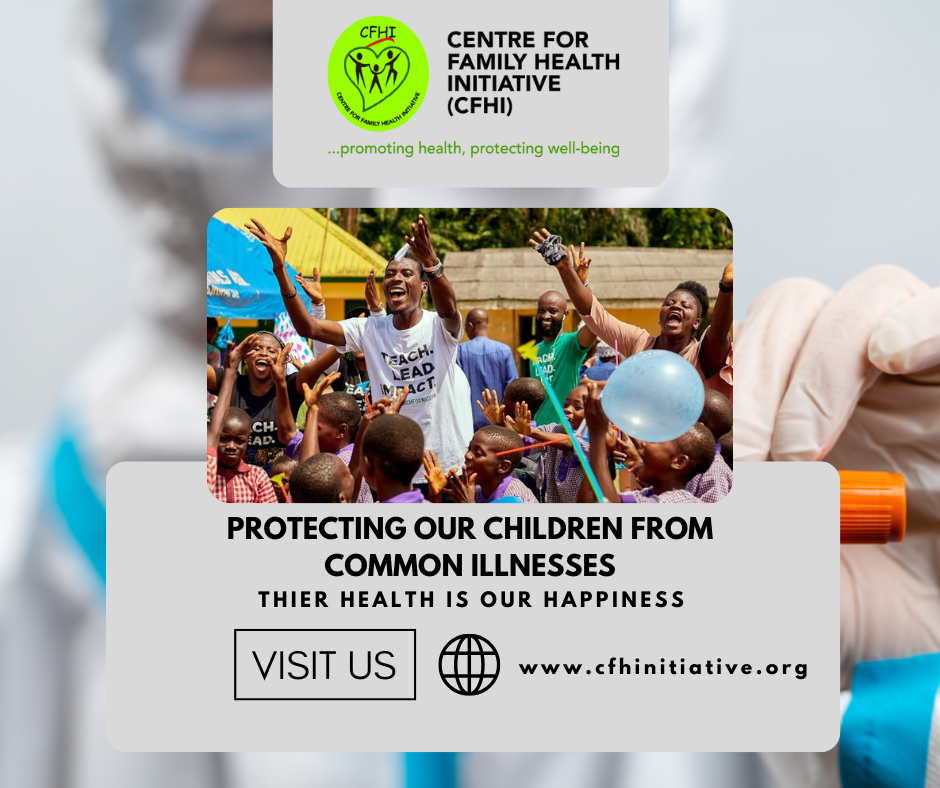
Protecting Our Children from Common Illnesses

Children remain highly vulnerable to common illnesses, and preventing these diseases is essential to safeguarding their growth and wellbeing. In Nigeria, infections such as diarrhea, malaria, and acute respiratory infections continue to be among the leading causes of sickness and death in children under five, despite being largely preventable. Evidence shows that environmental and structural factors contribute significantly to this burden. Research highlights that improved water, sanitation, and hygiene (WASH) are strongly associated with reduced childhood diarrhea and respiratory infections (1). Additionally, findings from Nigeria’s Demographic and Health Surveys indicate that poor housing conditions including overcrowding and inadequate ventilation are major predictors of child illness across the country (2).

The impact of these illnesses extends far beyond short-term discomfort. Children who frequently experience diarrhea or respiratory infections are at increased risk of stunting, and spatial health research in Nigeria reveals that these conditions often overlap, creating compounded threats to child growth and development (3). Preventable infections such as measles also have long-term consequences on immunity and overall health in later life, as demonstrated in studies tracking early-life measles exposure (6). Even though effective vaccines exist, childhood immunization coverage remains suboptimal in many regions, prompting the introduction of innovative solutions such as artificial intelligence systems to increase vaccine uptake (5). Reliable hospital data further confirm that pneumonia, malaria, and diarrheal diseases remain major contributors to child mortality in Nigerian healthcare settings (4). Alongside medical treatment, community-based interventions such as hygiene promotion, nutrition counselling, and timely referral are essential to reducing morbidity. Globally, standardized caregiver resources like UNICEF’s “Facts for Life” continue to guide families on preventing and responding to common childhood illnesses (7).

The Centre for Family Health Initiative (CFHI) plays a critical role in reducing the burden of childhood illnesses through targeted community programs. CFHI supports maternal, newborn, and child health activities, including MNCH weeks where children receive essential interventions such as vaccinations, deworming, vitamin A supplementation, growth monitoring, and malnutrition screening (8). The organization also drives WASH improvements aimed at reducing disease spread and implements extensive community health education on hygiene, sanitation, immunization, and early care-seeking. Through capacity-building efforts, CFHI strengthens the skills of health workers and volunteers to deliver quality child health services (9). CFHI’s approach is evidence-based and community-centered, ensuring that interventions respond to local needs and contribute meaningfully to child survival and development.

Protecting children from preventable illnesses requires collective responsibility. Caregivers should ensure full vaccination, practice proper handwashing, maintain clean household environments, and seek medical care early when their children show signs of illness. Community members must actively share health information and support local awareness programs. Policy and government actors should invest in clean water systems, sanitation infrastructure, and housing improvements to create healthier environments for children. Finally, individuals and organizations can strengthen CFHI’s efforts by volunteering, partnering, or supporting programs that promote child health. Together, these actions can secure a safer, healthier future for every child.


References

  1. Oyebanji TO, Chandra-Mouli V. Burden of Common Childhood Diseases in Relation to Improved Water, Sanitation, and Hygiene (WASH) among Nigerian Children. PubMed [Internet]. 2018 [cited 2025 Nov 23]. Available from: https://pubmed.ncbi.nlm.nih.gov/29895758/
  2. Olusanya BO, Odeyemi OA, Abimbola S, Adebowale SA. Housing conditions as predictors of common childhood illness: Evidence from Nigeria Demographic and Health Surveys, 2008–2018. PubMed [Internet]. 2021 [cited 2025 Nov 23]. Available from: https://pubmed.ncbi.nlm.nih.gov/33476186/
  3. Gai T, Cunningham E, Chukwuogo O, et al. Spatial Co-Morbidity of Childhood Acute Respiratory Infection, Diarrhoea and Stunting in Nigeria. PubMed [Internet]. 2022 [cited 2025 Nov 23]. Available from: https://pubmed.ncbi.nlm.nih.gov/35162859/
  4. van den Berg GJ, von Hinke S, Vitt N. Early life exposure to measles and later-life outcomes: Evidence from the introduction of a vaccine. arXiv [Internet]. 2023 [cited 2025 Nov 23]. Available from: https://arxiv.org/abs/2301.10558
  5. Kehinde O, Abdul R, Afolabi B, et al. Deploying ADVISER: Impact and Lessons from Using Artificial Intelligence for Child Vaccination Uptake in Nigeria. arXiv [Internet]. 2023 [cited 2025 Nov 23]. Available from: https://arxiv.org/abs/2402.00017
  6. Morbidity and Mortality Pattern of Childhood Illnesses Seen at the Children Emergency Unit of Federal Medical Center, Asaba, Nigeria. AMHSR [Internet]. [cited 2025 Nov 23]. Available from: https://www.amhsr.org/articles/morbidity-and-mortality-pattern-of-childhood-illnesses-seen-at-the-children-emergency-unit-of-federal-medical-center-asaba-nigeria.html
  7. Facts for Life. [Internet]. [cited 2025 Nov 23]. Available from: https://en.wikipedia.org/wiki/Facts_for_Life
  8. Centre for Family Health Initiative. 2020 Annual Report. Abuja: CFHI; 2020. [Internet]. [cited 2025 Nov 23]. Available from: https://www.cfhinitiative.org/wp-content/uploads/2022/10/CFHI_2020-Annual-Report.pdf
  9. Centre for Family Health Initiative. Who We Are. [Internet]. [cited 2025 Nov 23]. Available from: https://www.cfhinitiative.org/who-we-are/

Protecting Our Children from Common Illnesses Read More »

MONDAY HEALTH BURST

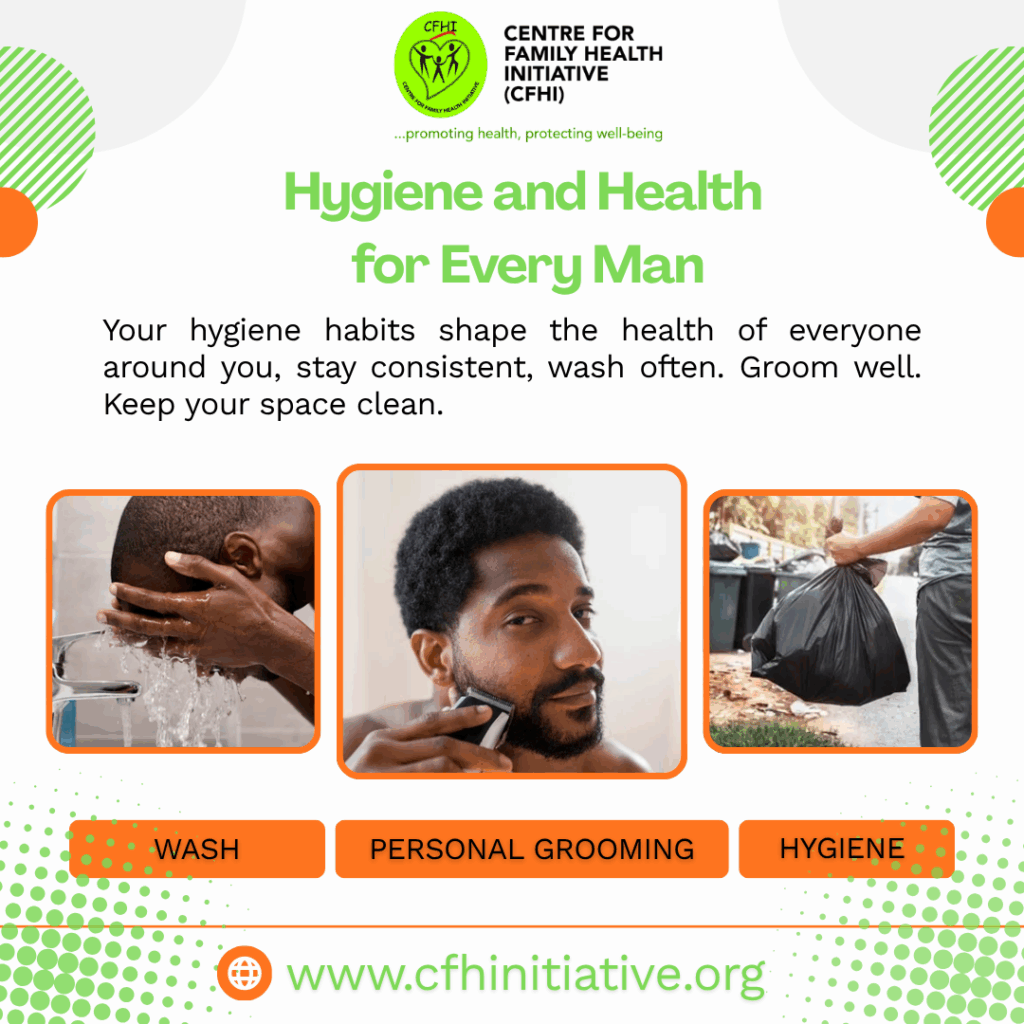
Hygiene and Health for Every Man

Good hygiene is not only a personal responsibility but a fundamental aspect of disease prevention, dignity, and overall well-being for men across all ages. Research shows that poor hygiene contributes significantly to the global burden of infectious diseases. According to the World Health Organization, inadequate hygiene practices account for nearly 432,000 deaths annually from diarrheal diseases alone (1) with millions more suffering from preventable infections linked to poor personal and environmental hygiene. Studies also reveal that men are statistically less likely than women to engage in consistent hygiene routines, including regular handwashing, oral care, and preventive health screenings. A 2022 global survey noted that over 65% of men admit to skipping basic hygiene routines (2) increasing their vulnerability to infections, skin diseases, urinary tract complications, and communicable illnesses. Poor hygiene also affects mental health, social interactions, productivity, and overall quality of life, especially in environments where men are primary earners and caregivers.

The implications of poor hygiene for men extend far beyond physical health. Lack of proper personal and environmental cleanliness can affect workplace productivity, family health, and community wellness. For example, studies show that effective handwashing alone can reduce respiratory infections by over 21% (3) yet many men either neglect this simple act or lack access to clean water and safe sanitation facilities. Globally, 3.5 billion people still lack safe sanitation (4) and this affects men in marginalized communities disproportionately, often exposing them to contaminated environments and increasing their risk of illness. Oral hygiene is another overlooked aspect; research indicates that men are 40% less likely than women to seek dental care (5) leading to higher rates of gum disease, which has been linked to heart disease, stroke, and diabetes. Hygiene is not just cleanliness it is a cornerstone of preventive health.

As we commemorate International Men’s Day and World Toilet Day, we encourage, admonish, and advise men everywhere to stay true to hygiene and neatness. Cleanliness is strength. Hygiene is responsibility. And taking care of your health is an act of leadership and self-respect. Men must break free from harmful cultural norms that label hygiene awareness as weakness or unmanliness. True masculinity includes caring for one’s body, environment, and overall well-being. A healthy man becomes a healthier father, partner, colleague, and community member. The global theme for this period emphasizes dignity, safe sanitation, and improved well-being for everyone and men must be active participants in this movement.

Wash your hands often, maintain proper grooming, care for your oral health, keep your environment clean, use toilets responsibly, practice safe sanitation, and seek regular health checks. Small habits save lives. Hygiene is health, and health is power. Let this be a reminder that healthier men build stronger families, stronger communities, and a stronger nation.

For enquiries, partnerships, or to invite CFHI for sensitization programs, kindly contact us via: info@cfhinitiative.org 


References

  1. World Health Organization. Diarrhoeal disease. 2023. Available from: https://www.who.int/news-room/fact-sheets/detail/diarrhoeal-disease
  2. Global hygiene behaviours survey results. 2022. Available from: https://yougov.co.uk/topics/health/articles-reports
  3. Centers for Disease Control and Prevention. Show Me the Science – How to Wash Your Hands. 2023. Available from: https://www.cdc.gov/handwashing/show-me-the-science-handwashing.html
  4. World Health Organization & UNICEF. Progress on household drinking water, sanitation and hygiene 2023 update. Available from: https://www.who.int/publications/i/item/9789240073347
  5. American Dental Association. Oral health and men’s health. 2022. Available from: https://www.ada.org/resources/research/science-and-research-institute


MONDAY HEALTH BURST Read More »

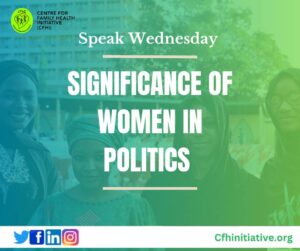
SPEAK WEDNESDAY ON THE SIGNIFICANCE OF WOMEN IN POLITICS

The significance of women’s involvement in politics cannot be emphasized enough when it comes to promoting the United Nations Sustainable Development Goals (SDGs). Women have been inadequately represented in politics throughout history due to various cultural factors. On the other hand, recent advances by women in politics have proven the importance of equal representation for women in this sphere. Despite advances in some areas, women in Nigeria face several hurdles when entering politics. Traditional gender roles, patriarchal conventions, and negative stereotypes frequently impede women from seeking active engagement in politics.


In Nigeria, the National Gender Policy (NGP) was created in 2006 to address the gender imbalance. The NGP advocates for a 35% Affirmative Action (AA) to ensure women are adequately represented in all governance processes.


Significantly, women in leadership positions, especially in developing nations, have the obligation and the potential to affect their society through leadership, particularly when empowered. Women who are empowered can aspirate for, achieve, and excel in leadership roles while also playing their roles at home.


Women are empowered when educated, exposed, and given economic freedom. Women in leadership roles have had an excellent social impact throughout history and in every nation. Such women have a long history in human history. Notably, influential figures such as Okonjo Iweala and Dora Akunyili have demonstrated that women can significantly contribute to a country’s political economy.


Speak Wednesday is an initiative of CFHI to address issues around gender-based violence and gender bias.


#SpeakWednesday #WomenInPolitics #Women’sRights #GenderStereotype #GenderBias #GenderInequality


REFERENCES

Emeka, E. O & Monica, E. A. 2015. Women and Leadership in Nigeria: Challenges and Prospects.

SPEAK WEDNESDAY ON THE SIGNIFICANCE OF WOMEN IN POLITICS Read More »

SPEAK WEDNESDAY

WOMEN’S CIVIL AND POLITICAL RIGHTS

According to Wikipedia, Civil and political rights are a class of rights that protect individuals’ freedom from infringement by governments, social organizations, and private individuals. They ensure one’s entitlement to participate in the civil and political life of society and the state without discrimination or repression which includes among others freedom from discrimination and the right to privacy, the right to peaceful assembly, free expression, the right to vote, and freedom of religion.

Historically, women have been excluded from political life and decision making processes. Women’s campaigns for participation in the public and political arena date back as far as the 19th centuries and continues today. Despite representing half the global population, women comprise less than 20 percent of the world’s legislators. From discrimination and violence to a lack of support and resources, women face innumerable challenges to participation in the civic and political life of their countries.

Women in Nigeria face many challenges and discriminatory practices under some existing laws and customs. The Nigerian society is patriarchal in nature, this is due to the influence of the various religions and customs in many parts of Nigeria. Women are seen as the ‘weaker sex’ , hence, all forms of discriminatory practices by the state and society (especially by men) are condoned. Political life in Nigeria is based on male norms and values, and men determine the standards for political participation and the rules that govern the electoral process, greatly limiting women’s participation in politics.

Although Women’s political participation has improved, but much still needs to be done. On the 15th day of March 2016, for instance, members of the Nigerian Senate at its plenary session, voted against and consequently, dumped the “Gender Parity and Prohibition of Violence against Women Bill” that aimed to give women equal rights in marriage, education and employment. Under the law, a widow in Nigeria would have automatically become the custodian of her children and husband’s property upon her husband’s death. While a few lawmakers supported the bill, others believed that it violated the African spirit. In the African custom, women are considered the weaker gender, often repressed, seen as a baby making machine and as property. If there was better representation of women in the Senate, there is no doubt that the bill would have passed.

According to certain provisions of the Convention on the Elimination of all Forms of Discrimination against Women (CEDAW), and the protocol to the African Charter on the Rights of Women in Africa and the National Gender Policy, Women have the right to participate in political processes that affect them, their families, and their societies. Countries with increased women’s participation and leadership in civil society and political parties tend to be more inclusive, responsive and democratic. Truth is, when women significantly participate in peace processes, they meaningfully help to expand the scope of agreements and improve the prospects for lasting peace.

Speak Wednesday is an initiative of Centre for Family Health Initiative to stop the cycle of domestic violence by breaking the silence around gender-based violence and gender bias. Join us every Wednesday on all our social media handles for more episodes.

SPEAK WEDNESDAY Read More »

SPEAK WEDNESDAY

FEMALE ROLES IN NATION BUILDING

Nation Building encourages active participation of all citizens of a nation in order to reduce social and economic disparities, create an enabling environment for citizens to display their identities, cultures, languages and religions without any form of discrimination, maintain a politically stable environment, and enjoy the potentials of its human resource.

In Nigeria, women have made indelible contributions through active participation to advance the nation dating from the pre-colonial era.  Late Queen Amina was a Hausa warrior from the city of Zazzau, present day Zaria in Nigeria. She was the first to become queen in a male-dominated society. Tales of her exploits include expanding the territory of the Hausa people of North Africa to the largest in history, creating routes for trade throughout Northern Africa, ordering the construction of fortifications called ‘Amina Walls’ and introducing the cultivation of Kola nuts within the region.

The pre-independence era featured the likes of Margret Ekpo, Janet Nwadiogo Mogelu and Funmilayo Ransome-Kuti who were politicians and activists championing the cause to fight discriminatory and oppressive forms of colonialism committed against women and to protest against incessant killings of innocent citizens. Their activities set the pace for the advancement of gender equality in Nigeria.

More women are populating various professions and sectors in present times contributing greatly to the economic workforce. Through engaging in formal and informal labour, many women have improved the livelihood of their families through their incomes and have become strong contributors to the national economy. Others have introduced reform programs and enacted policies that have helped stabilize the nation’s economy, encourage government transparency, and advance progress. Ngozi-Okonjo-Iweala, Late Dr. Dora Akunyili and Dr. Oby Ezekwesili are few examples of such women.

According to Mr. Ban Ki-Moon, “When we empower women, we empower communities, nations and the entire human family.” As key players in national development, nations must continue to empower women by investing in girl-child education, enacting female-friendly policies, promoting programs that support women, and ending harmful practices that abuse their rights as humans to enhance development.

Speak Wednesday is an initiative of Centre for Family Health Initiative to stop the cycle of domestic violence by breaking the silence around gender based violence and gender bias. Join us every Wednesday on all our social media handles for more episodes.

SPEAK WEDNESDAY Read More »