
Health Communication

SPEAK WEDNESDAY

EFFECTS OF DOMESTIC VIOLENCE ON CHILDREN

Domestic violence unlike other forms of violence is the most entrenched and pervasive form of violence in our society today. According to Center for Disease Control and Prevention, homes where violence between partners occur, there is a 45% to 60% chance of co-occurring child abuse, a rate 15 times higher than the average. This is to show that even when children are not physically attacked, they witness 68% to 80% of domestic assaults.

The effects of domestic violence can be devastating and long lasting especially on children. Witnessing abuse and living in an environment where someone else, usually a care giver is a victim of abuse, can be psychologically devastating for a child. Such children often believe that they are to blame, live in a constant state of fear, and are 15 times more likely to be victims of child abuse.

Wikipedia states that Children in homes where one parent is abused may feel fearful and anxious. They may always be on guard, wondering when the next violent event will happen which can cause them to react in different ways, depending on their age and this may include but not limited to delays in cognitive and emotional development, extreme withdrawal or aggressiveness, anxiety disorders, internalizing and externalizing behavior problems. These children are also at higher risk for health problems as adults, these can include mental health conditions, diabetes, obesity, heart disease, poor self-esteem, among others.

Children who are witnesses to domestic violence have a greater likelihood of repeating the cycle of violence as adults by entering abusive relationships or becoming abusers themselves. For example, a boy who sees his mother being abused is a lot more likely to abuse his female partner as an adult. A girl who grows up in a home where her father abuses her mother is according to research more than six times as likely to be sexually abused as to a girl who grows up in a non-abusive home.

How successful a child is at recovering from abuse or trauma depends on several factors. Children can be resilient or sensitive to issues of abuse. Having good support systems or good relationships with trusted adults and healthy friendships can aid in easy recovery. The sooner a child gets help, the better his or her chances for becoming a mentally and physically healthy adult.

Centre for Family Health Initiative (CFHI) through its psychosocial support programs has reached thousands of children who are vulnerable and exposed to any form of violence. Also, Speak Wednesday is an initiative of CFHI to address issues of gender-based violence and gender bias.

Join us every Wednesday on all our social media platforms for more episodes.

SPEAK WEDNESDAY Read More »

MONDAY HEALTH BURST

ATTENTION DEFICIT/HYPERACTIVITY DISORDERS (ADHD) IN CHILDREN

ADHD is one of the most common neurodevelopmental disorders of childhood. It is usually first diagnosed in childhood and often lasts into adulthood. ADHD symptoms can appear as early as between the ages of 3 and 6 and can continue through adolescence and adulthood. Symptoms of ADHD can be mistaken for emotional or disciplinary problems or missed entirely in quiet, well-behaved children. Adults with undiagnosed ADHD may have a history of poor academic performance, problems at work, or difficult or failed relationships.
It is normal for children to have trouble focusing and behaving at one time or another. However, children with ADHD do not just grow out of these behaviors. A child with ADHD might: daydream a lot; forget or lose things a lot; squirm or fidget; talk too much; make careless mistakes or take unnecessary risks; avoid tasks needing extended mental effort; have trouble taking turns or have difficulty getting along with others which can lead to academic failure and judgment by other children and adults; the tendency to have more accidents and injuries of all kinds; the tendency to have low self-esteem; increased risk of alcohol and drug abuse and other delinquent behavior.
There are 3 subtypes of ADHD: Predominantly inattentive (Majority of its symptoms fall under inattention); predominantly hyperactive/impulsive (Majority of its symptoms are hyperactive and impulsive) and combined (This is the combination of inattentive symptoms and hyperactive/impulsive symptoms).
Among the cause(s) and risk factors for ADHD, current research shows that genetics plays an important role. However, other factors include: Brain injury, exposure to environmental toxins during pregnancy, such as high levels of lead found mainly in paint and pipes in older buildings at a young age, premature delivery and low birth weight. Also, studies show that ADHD is more common in males than females. Females with ADHD are more likely to have problems primarily with inattention.
Diagnosis of ADHD requires a comprehensive evaluation by a licensed clinician, such as a pediatrician, psychologist, or psychiatrist with expertise in ADHD. Research shows that, ADHD is best treated with a combination of behavior therapy and medication. For preschool-aged children (4-5 years of age) with ADHD, behavior therapy, particularly training for parents, is recommended as the first line of treatment before medication is tried.
Monday Health Burst is an initiative of CFHI to address issues of basic health concern. Join us every Monday on all our social media platforms for more episodes.

MONDAY HEALTH BURST Read More »

Schizoaffective Disorder

MONDAY HEALTH BURST

Schizoaffective Disorder in Adolescents
Schizoaffective disorder is part of a cluster of diagnoses called the schizophrenia spectrum and other psychotic disorders. Schizoaffective disorder is a neuropsychiatric or mental disorder in which a person experiences a combination of schizophrenia symptoms and mood disorder symptoms (typically either major depressive disorder or bipolar disorder).
The symptoms and behavior of children and adolescents with schizoaffective disorder may be different from those of adults with this illness. The following symptoms and behaviors can occur in children or adolescents with schizoaffective disorder: Changes in weight or appetite, Suicidal thoughts or attempts, agitation, sleeplessness, and paranoia; depressive symptoms, including sadness, fatigue, trouble concentrating, and loss of interest in daily activities; and/or psychotic symptoms, such as hallucinations, delusions, and confused thinking. Without treatment, the disorder may lead to difficulty functioning at work, at school, and in social situations.
Adolescents schizoaffective disorder is very hard to accurately diagnose, as it is difficult to distinguish from schizophrenia, bipolar disorder, and other mood disorders. Many adolescents with schizoaffective disorder are often initially misdiagnosed with bipolar disorder or schizophrenia.
The greatest risk factor for developing a schizoaffective disorder is generally family history of the same illness or other forms of psychosis, there are a few other risks associated with the development of a schizoaffective disorder in Adolescents, which includes but not limited to drug abuse (Overuse of mind-altering substances such as; methamphetamine, cannabis, cocaine, alcohol, amphetamines, and psychedelics. Some drugs, like ecstasy, can produce lasting or persistent psychosis even after single use in certain individuals) and trauma ( An extremely stressful event triggering latent symptoms. Though trauma is entirely subjective. A horrific event witnessed by multiple persons may only leave one or two struggling with traumatic mental health issues afterwards).
There is no effective cure, but symptoms can be managed and reduced to the point where a normal life without dire consequences can be possible. Adolescents are highly adaptive, and with some therapeutic intervention and possibly the use of medication, most adolescents with schizoaffective disorder can find relief. However, the disorder cannot be completely removed from a person’s mind. Managing it is an ongoing process, and there can be setbacks at times.
Monday Health Burst is an initiative of CFHI to address basic health issues. Join us every Monday on all our social media platforms for more health-related articles.

MONDAY HEALTH BURST Read More »

Effects of Teenage Pregnancy

SPEAK WEDNESDAY

EFFECTS OF TEENAGE PREGNANCY

Effects of Teenage Pregnancy

Teenage pregnancy is pregnancy in a woman 19 years of age or younger. A woman can get pregnant if she has vaginal sex with a man at any age after she’s begun having regular monthly periods.

Teenage pregnancies are a global problem that occurs in high, middle, and low income countries. However, there is a higher prevalence in marginalized communities, commonly driven by poverty and lack of education and employment opportunities. According to World Health Organisation (W.H.O), approximately 16 million girls aged 15 to 19 years and 2.5 million girls under 16 years give birth each year in developing regions and the leading cause of mortality for this age group is complication during pregnancy and childbirth. Many girls face considerable pressure to marry early and become mothers at a tender age. Teenage pregnancy increases when girls are denied the right to make decisions about their sexual and reproductive health and well-being.

Studies show that teen mothers face significant levels of stress that can lead to increased mental health concerns. In addition to higher rates of postpartum depression, teenage mothers have higher rates of depression. Pregnant teens also have a higher chance of becoming anemic which is a reduction in the number of red blood cells (RBCs). This can make you feel weak and tired and can affect your baby’s development. They also have higher rates of suicidal ideation than their peers who aren’t mothers. Teen mothers are more likely to experience posttraumatic stress disorder (PTSD) than other teenage women, as well and this is attributed to the fact that they are more likely to have gone through mental and/or physical abuse.

Many pregnant teens drop out of school, and some never complete their education which means that a large proportion of mothers who get pregnant as teenagers live in poverty and are not able to realize their full potential. Their children are not left out also, born to a teenage mother, they have greater risk for lower birth weight and infant mortality; less prepared to enter kindergarten; are more likely to be incarcerated at some time during adolescence; are more likely to drop out of high school; are more likely to be unemployed or underemployed as a young adult.

When teenagers engage in sexual relationships, they do not think about the consequences. That is why it is pertinent to invest much in the issue of reproductive health with more emphasis on adopting the right attitudes about responsible sexual behavior.

Speak Wednesday is an initiative of CFHI to address issues of gender based violence and gender inequality. Join us every Wednesday on all our social media platforms for more episodes.

SPEAK WEDNESDAY Read More »

SPEAK WEDNESDAY

FINANCIAL ABUSE OF WOMEN IN MARRAIGES

Did you ever think there is such a thing as “financial abuse”? When most people think of domestic abuse, the first thing that comes to mind is likely physical or verbal abuse, but research shows that financial abuse occurs just as frequently in unhealthy relationships as other forms of abuse.

According to Wikipedia, Financial abuse also known as economic abuse is a form of abuse when one intimate partner has control over the other partner’s access to economic resources, which diminishes the victim’s capacity to support themselves and forces them to depend on the perpetrators financially.

Financial abuse happens when an abuser uses control of finances to maintain power in a relationship. According to researchers, this form of abuse occurs in 99% of physically abusive relationships and women are mostly the victims. Victims of domestic violence often say that financial abuse is the main reason they stayed with an abusive partner. This is because the financial burden placed on them made survival on their own seem impossible. For instance, if an abuser is particularly violent and the victim needs to leave in order to stay safe, this is difficult without money or a credit card. Also, if the victims need to leave the relationship permanently, it is challenging to find safe and affordable housing. Provision of basic needs such as food, clothing, and transportation becomes really challenging. However, many forms of financial abuse are more subtle, like when an abuser hides financial information or withholds money for household needs.

Unlike other forms of abuse, financial abuse can be difficult to recognize because it varies from situation to situation since there is no one way to handle money in a relationship. However, there are concrete tactics an abusive partner may use to keep their partners trapped which includes among others: gives you “allowances” or “budgets” without your input; requiring you to account for everything you spend; pressures you to quit your job or sabotages your work responsibilities; feels entitled to your money or assets; spends your money without your knowledge and controls how all of the household finances are spent.

The effects of financial abuse are often devastating especially for women. They feel inadequate and unsure of themselves due to the emotional abuse that accompanies financial abuse. They also have to go without food and other necessities because they have no money. In the short-term, financial abuse leaves victims vulnerable to physical and emotional abuse and violence. Without access to money, credit cards, and other financial assets, it is extremely difficult to adequately plan.

Though it is not easy to break free from financial abuse, it is possible. Victims should evaluate their personal confidence level regarding finances, gain information about their assets and liabilities, gather important financial and personal documents such as copies of bank statements, birth and marriage certificates, and seek for financial independence through learning of new skills, savings, or getting a good job. Financial independence is essential in achieving healthy relationships.

Speak Wednesday is an initiative of CFHI to address issues of gender based violence and gender inequality. Join us every Wednesday on all our social media platforms for more episodes.

SPEAK WEDNESDAY Read More »

MONDAY HEALTH BURST

HUMAN IMMUNODEFICIENCY VIRUS (HIV) PREVENTION AND CARE 

PREVENTION

The US Centre for Disease Control and Prevention (CDC) places abstinence as the first practice to reduce the risk of HIV transmission. This includes abstinence from oral, anal or vaginal sex, and avoiding sharing of sharps (needles, blades, clippers etc) with an infected person.

In cases where abstinence becomes difficult, the following must be put into consideration:

Use of condoms: Male latex condoms are most effective in preventing HIV and other Sexually Transmitted Infections (STIs) during an intercourse. Because a man does not need to ejaculate to give or get some STIs, make sure to put the condom on before the penis touches the vagina, mouth, or anus. Female condoms can also help to prevent HIV infection.

Routine testing: It is  important to carry out routine HIV testing. Sexual partners Should endeavour to speak to each other about their HIV and STI status. This is because having an STI increases the chances of becoming infected with HIV during sex. If a partner has an STI in addition to HIV, the chances of transmitting the virus increases. The CDC recommends at least one HIV test for everyone ages 13 to 64 years. Yearly testing is recommended if one is at higher risk of infection. For gays and bisexual men, CDC recommends that HIV testing is carried out every three to six months.

Be monogamous: Having sex with just one partner can lower the risk of contacting the HIV virus and other STIs. After being tested for STIs, be faithful to each other. That means that you have sex only with each other and no one else. The risk of getting HIV and other STIs goes up with the number of sexual partners.

Get vaccinated: You can get a vaccine to protect against Human papillomavirus (HPV) and hepatitis B, which are STIs. There is no vaccine to prevent or treat HIV.

Do not douche: Douching (washing or cleaning out the inside of the vagina with water or other mixtures of fluidsremoves some of the normal bacteria in the vagina that protects one from infections. This may increase the risk of getting HIV and other STIs.

Do not abuse alcohol or drugs: Alcohol or drug abuse may lead to risky behaviours such as sharing needles to inject drugs or not using a condom when having sex.

Pre-exposure prophylaxis (PrEP)
PrEP is an HIV prevention method for people who do not have HIV infection but who may be at high risk. For example,  mixed-status couples (also known as serodiscordant), people with multiple sex partners,  inject illegal drugs or share needles. For mixed-status couples who are interested in having a child, PrEP may help protect the mother and child. CDC estimates that PrEP could prevent transmission in as many as 140,000 serodiscordant heterosexual couples.

Post-exposure prophylaxis (PEP)
PEP is an anti-HIV medicine for people who may have been recently exposed to HIV, like in cases of a condom break or sexual assault. However, PEP must be taken within three days of exposure to help lower the risk for HIV. It is also important to take two to three antiretroviral medicines for 28 days to prevent the virus from copying itself and spreading through the body. While taking PEP, one still needs to take steps to prevent HIV, including using a condom with sex partners.

HIV/AIDS CARE

Use of Antiretroviral (ARV) Drugs becomes important when one tests positive  to HIV to help reduce the viral load (the amount of HIV in the blood). Knowing the viral load measurement and how to control it by reducing it to undetectable levels can protect mother to child transmission of HIV during pregnancy, labour, and delivery. It can also help prevent spreading HIV to a sexual partner, or people who come in contact with the infected blood.

In conclusion, HIV is a preventable disease. Effective HIV prevention interventions have been proven to reduce HIV transmission, and people who get tested for HIV and are well sensitized can make significant behavioural changes to improve their health and reduce the risk of transmitting HIV to others.

Centre for Family Health Initiative (CFHI) has worked in different states across Nigeria for over 10 years to tackle issues around HIV/AIDS. Some of its interventions include communication/house-to-house testing of HIV, health facility testing, counselling, community sensitization, provision of ARV drugs, household economic strengthening, among others. Join us every Monday on Monday Health Burst on all our social media platforms for more health related articles of basic health concerns.


MONDAY HEALTH BURST Read More »

MONDAY HEALTH BURST

DIABETES AWARENESS AND CARE

Diabetes mellitus is derived from the Greek word Diabetes, meaning Siphon (to pass through) and a Latin word mellitus meaning honeyed or sweet. This is because in Diabetes, excess sugar is found in blood as well as the urine. It was known in the 17th century as the “pissing evil”.
There are accounts that the term Diabetes was coined by Apollonius of Memphis around 250 BC but Diabetes was first recorded in English, in the form Diabetes, in a medical text written around 1425. It was in 1675 that Thomas Willis added the word “’Mellitus’” to the word Diabetes. This was because of the sweet taste of the urine. The ancient Greeks, Chinese, Egyptians, Indians and Persians had also noticed this sweet taste in urine as it is evident in their literatures.
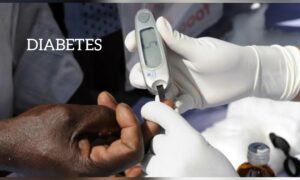
According to World Diabetes Foundation (WDF), over five million people are living with either Type 1 or Type 2 Diabetes in Nigeria. However, millions are still unaware of their status. The general symptoms of diabetes include increased hunger, increased thirst, weight loss, blurred vision, frequent urination, extreme fatigue, tingling, numbness of hands and feet, itching and yeast infection, wounds and sores that are slow to heal.
Diabetes mellitus is managed in two ways; the non-drug treatment and drug treatment, but it is important to note that education is involved in both ways. People living with Diabetes should be educated on lifestyle modification in the aspects of diet and exercise and on blood sugar monitoring, identifying symptoms, emergencies and complications, medications, and foot care. Also, people without diabetes should be educated on the fact that Diabetes is a lifelong disease with no cure yet. It can be prevented through lifestyle modifications and knowing one’s health status by having regular medical checkups even when you feel healthy.
The first way to manage Diabetes Mellitus which is the non-Drug treatment entails healthy and appropriate diet, adequate physical activities and regular blood sugar and blood pressure checks. The second which is the drug treatment entails the use of oral glycemic tablet and insulin injection. The insulin injection should be administered either alone or alongside oral glycemic tablets for Type 2 Diabetes Mellitus but administered alone for Type 1 Diabetes Mellitus on abdomen, thighs, buttocks, or arms.

Myths and misconceptions about Diabetes
There are many mistaken beliefs about Diabetes; some of these are highlighted below.
• Diabetes is not that serious.
Fact: According to American Diabetes Association, Diabetes causes more deaths than breast cancer and HIV/AIDS combined, people with Type 2 Diabetes (the most common form of the disease) may go a long while, even years, before being diagnosed. This is because, they may downplay their symptoms or write them off to other causes.

• Being overweight causes Diabetes.
Fact: Gaining weight does not necessarily need the person is going to get Type 2 Diabetes. Having a body mass index over 25 is just one of several risk factors for Diabetes, but there are many overweight people who do not ever get the disease.

• Having Diabetes means you must eat foods that are different from everyone else’s.
Fact: People with Diabetes do not need to follow a restricted diet but instead should try to follow the same healthy eating guidelines as everyone else, including choosing foods that are lower in fat, higher in nutrients, and contain an appropriate amount of calories.

• A Diabetes diagnosis means you automatically need Insulin.
Fact: That is the case with Type 1 Diabetes but not with type 2 Diabetes. In some cases, proper diet, exercise, and oral medications, if needed, can keep Type 2 Diabetes under control for some time before Insulin becomes necessary.

• Only older people are at risk of having Diabetes
Fact: Even children are being diagnosed with Type 2 Diabetes. However, those most at risk for Type 2 Diabetes are adults 45 years and older and those of any age who are sedentary and overweight.

Monday Health Burst is an initiative of Centre for Family Health Initiative (CFHI) to tackle issues of basic health concerns. Join us every Monday for more health-related articles on all our social media platforms.

MONDAY HEALTH BURST Read More »

MONDAY HEALTH BURST

HEALTHY DIETING

According to the Dietary Guidelines for Americans 2015–2020, a healthy eating plan includes eating of fruits, vegetables, whole grains and fat free or low-fat milk and milk products. They are low in saturated fats, trans fats, cholesterol, salt (sodium), and added sugars. While unhealthy diet includes overeating of fatty and greasy food, and of milky products, sweet foods, highly flavoured food, too pungent food, as well as drinking too much alcohol, leading to the formation of Damp-Heat.

Increased production of processed foods, rapid urbanization and changing lifestyles have led to a shift in dietary patterns. People are now consuming more foods high in energy, fats, free sugars and salt/sodium, and many people do not eat enough fruits, vegetables and other dietary fibre such as whole grains. Healthy eating is all about balance. Hence, it is possible to enjoy ones favorite meals, but the key point is eating them less often and balancing them with healthier foods with more physical activities.

Some general tips for healthy dieting include less intake of high-calorie foods and intentionally replace them with lower-calorie versions. Consuming a healthy diet throughout the life-course helps to prevent malnutrition in all its forms as well as a range of non-communicable diseases and conditions.

Monday Health Burst is an initiative of Centre for Family Health Initiative (CFHI) to tackle issues of basic health concerns. Join us every Monday for more health-related articles on all our social media platforms.

MONDAY HEALTH BURST Read More »

SPEAK WEDNESDAY

DISRUPTING PATRIARCHY

According to Wikipedia, Patriarchy is a social system in which men hold primary power and predominate in roles of political leadership, moral authority, social privilege and control of property. Some patriarchal societies are also patrilineal, meaning that property and title are inherited by the males only.

Patriarchy influences different areas of the society including culture, family, school, the workplace and relationships. Its presence can translate to inequality and gender-based violence. The idea of patriarchy is not peculiar to a specific group of people, but one that extends and supersedes all borders, socioeconomic class, race, and more.

In Nigeria, it is observed by different researchers including European Scientific Institute that . Hence, there is the commonality of general belief system that the best place for women is in the ‘Kitchen’. This trend has brought about tremendous misrepresentation of women right at the level of the family down to the circular society. Women are therefore discriminated upon from, in most cases, acquiring formal education, accessing proper health care, receiving equal pay, among others.

In so many parts of the world, women are forbidden to own landed properties or inherit any. In cases where the diseased did not have male children, his properties are distributed amongst his male relatives, excluding his widow and daughters who are left to fend for themselves. In these societies, women who are financially stable have to buy properties in the name of their fathers or other male relatives. All these expose women to violence before they are born until they are aged.

Zig Ziglar once said, the first step to finding a solution is to recognize there is a problem. Because of how ingrained patriarchy is in the society, it may be difficult to identify. However, if patriarchy can be learnt, it can be unlearnt. Together we can achieve a society with equal opportunities for all human irrespective of the gender differences.

Speak Wednesday is an initiative of Centre for Family Health Initiative to stop the cycle of domestic violence by breaking the silence around gender based violence and gender bias. Join us every Wednesday on all our social media handles for more episodes.

SPEAK WEDNESDAY Read More »

SPEAK WEDNESDAY

THE ROLE OF WOMEN IN HEALTH COMMUNICATION

Health communication encompasses the study and use of communication strategies to inform and influence individual and community decisions for health promotion. Health communication can help raise awareness of health risks and solutions by providing the skills and motivation needed to influence social and behavioral change, and increase demand for appropriate health services.

According to World Health Organisation (WHO), women make up 75% of the healthcare workforce in many countries affirming women’s indispensable contributions in health communication. Effective communication with health care providers on health matters is crucial in the delivery of high quality health care. Findings from National Library of Medicine (NIM) have proven that female health care providers are likely to use more patient-centred communication strategies by asking more questions, engaging in more information sharing, encouraging patient participation during interactions, and providing more psychosocial counselling to patients compared to the men.

The practices of health communication have contributed to health promotion and disease prevention in several areas. In early 2003 for example, WHO epidemiologists learned that a deadly disease known as severe acute respiratory syndrome (SARS) was quickly spreading to other countries from China. WHO and other public health officials were able to place announcement in local media such as the radio and newspaper. The radio was able to quickly disseminate the information as it is easily accessed and reaches people at the grassroots level. Also, in the case of the present Pandemic, through health communication, different countries became more prepared for Corona Virus and plans were put in place to mitigate the spread.

Moji Makanjuola is a female health journalist in Nigerian who has contributed significantly to the improvement and development of health journalism. She is a Media Consultant to the United Nations Women, after working for decades in the Nigerian Television Authority (NTA) where she rose to the position of head of health and gender desk. She was a pioneer member of the Centre for Diseases Control (CDC), Atlanta in USA. Presently, she is the Executive Director of International Society of Media in Public Health, and the Chief Executive Officer of Bronz and Onyx. Other examples of Nigerian women who are key players in health communication include; Princess Osita-Oleribe, the Co-Founder, Centre for Family Health Initiative (CFHI); Babafunke Fagbemi, Executive Director, Centre for Communication and Social Impact (CCSI); Dr. Mojisola Odeku, Project Director, Nigerian Urban Reproductive Health Initiative (NURHI); Vivianne Ihekweazu, Managing Director, Nigeria Health Watch, among others.

Female participation in health communication does not only enable timely information access to the family members, it also strengthens gender transformative change to improve women health and access to health care and services. For effective health communication strategies, more women should be involved in the process of disease control right from the planning stage through to implementation and evaluation.

Speak Wednesday is an initiative of Centre for Family Health Initiative to stop the cycle of domestic violence by breaking the silence around gender based violence and gender bias. Join us every Wednesday on all our social media handles for more episodes.

SPEAK WEDNESDAY Read More »