Hygiene

MONDAY HEALTH BURST

FOOD SAFETY PRECAUTIONS
Food safety is a scientific discipline describing handling, preparation, and storage of food in ways that prevent food-borne illnesses. It is very important to make sure the foods we eat are not contaminated with probable harmful bacteria, toxins, parasites & chemicals.

A critical part of healthy eating is keeping foods safe and the precautions are summarized as clean, separate, cook and chill. Individuals in their own homes can reduce contaminants by following safe food handling practices.

  • Wash hands with soap and water

Wet hands with clean running water and apply soap. Wash for at least 20 seconds under running water and pat dry with a clean paper towel or hand dryer.

  • Sanitize surfaces

Surfaces should be frequently sanitized by washing with mixture of hot soapy water plus disinfectants or bleach.

  • Clean and discard refrigerated foods once a week.

At least once a week, throw out refrigerated foods that should no longer be eaten. Cooked leftovers should be discarded after 4 days; raw poultry and ground meats, 1 to 2 days.

  • Keep appliances clean

Clean cooking appliances regularly inside-out paying attention to the handles and buttons where cross-contamination from hands can occur.

  • Rinse produce

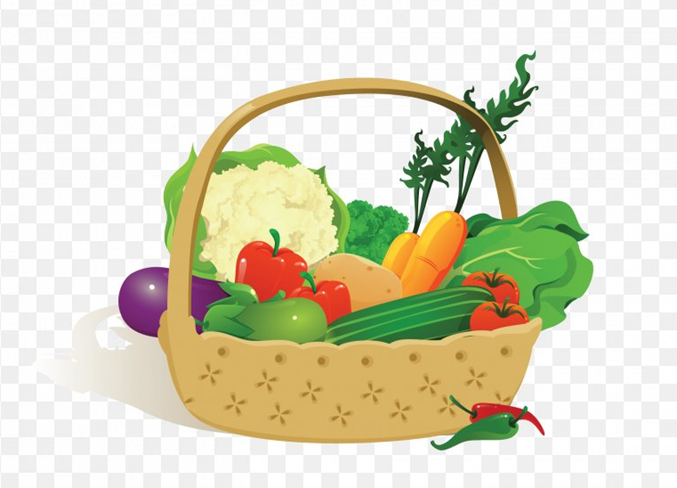
Even if you plan to peel or cut the produce before eating, it is important to thoroughly rinse it first to prevent microbes from transferring from the outside to the inside of the produce.

  • Separate foods when shopping

Separate raw foods in plastic bags and store below ready to eat foods in the refrigerator.

Separate foods when preparing and serving. Never place cooked food back on the same plate or cutting board that previously held raw foods.

  • Use a food thermometer when cooking

A food thermometer is an appliance used to ensure that food is safely cooked and that cooked food is held at safe temperatures until eaten.

  • Cook food to safe internal temperatures

Cook all raw beef, pork, lamb, and veal steaks, chops, and roasts to a safe minimum internal temperature of 145 °F. Cook all poultry, including ground turkey and chicken, to an internal temperature of 165 °F for safety and quality.

  • Keep foods at safe temperatures

Hold cold foods at 40 °F or below. Keep hot foods at 140 °F or above. Foods are no longer safe to eat when they have been in the danger zone between 40-140 °F for more than 2 hours

In order to remain healthy, it is important to observe these food safety precautions. Foods must be safely bought, prepared and stored.

MONDAY HEALTH BURST Read More »
MONDAY HEALTH BURST

MONDAY HEALTH BURST

Studies are limited in how effective the use of face masks on healthy individuals affect the outcome of prevention of a respiratory virus. However, during the Covid-19 pandemic, we have seen nations use the precaution of implementing the use of face masks nationwide and have seen remarkable results on the prevention of the spread of the virus together with hand washing and social distancing. This among other studies led to the recommendation of non medical masks by WHO and Nigeria Centre for Disease Control (NCDC).

According to WHO guidelines, appropriate use and disposal of face masks are essential to ensure that they are effective and to avoid any increase in transmission. Hence, the need for proper sensitization to the proper way of using a face mask and how to dispose it, since so many people had little or no knowledge of what a face mask is prior to the pandemic.

Below are recommended steps on the correct use of face masks by Practices in Healthcare Settings:

  • Place the mask carefully, ensuring it covers the mouth and nose and tie it securely to minimize any gaps between the face and the mask.
  • Avoid touching the mask while wearing it.
  • Remove the mask appropriately by not touching the front of the mask but untie from behind.
  • After removal, clean hands using an alcohol-based hand sanitizer or wash with soap and water.
  • Replace masks as soon as they become dampened.
  • Do not re-use single-use masks.
  • Discard single-use masks after each use and dispose of them immediately upon removal.
  • For non medical masks, make sure to wash with disinfectant as well as soap and water after single use and make sure to dry under the sun. It is also advisable to have more than one non medical mask.

#StaySafe #MondayHealthBurst

MONDAY HEALTH BURST Read More »

MONDAY HEALTH BURST – PROPER HYGIENE AND SANITATION

MONDAY HEALTH BURST – PROPER HYGIENE AND SANITATION:

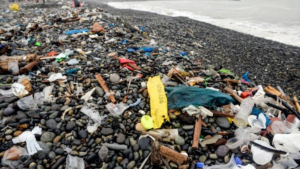
Simply put, hygiene is the personal practices we imbibe that contribute to healthy living like hand washing, hair trimming and keeping nails short and clean, bathing, brushing of teeth morning and evening, among others. Sanitation on the other hand, is the actions and use of tools we combine towards keeping our environment clean, safe and healthy. These include effective drainage and proper waste disposal, how we prepare food, maintain toilet facilities and washing stations.
According to WHO, these practices are important towards the availability of clean water, combating Neglected Tropical Diseases (NTP) like helminths via contaminated soil and water, lymphatic filariasis which affects 1 billion of the world’s poorest people in about 149 countries. It includes prevention of water borne diseases like diarrhoea, cholera and breeding of organisms that cause malaria and onchocerciasis.
Globally, 2.4 billion people lack access to proper toilet facilities, hence, the high rate of open defecation. Over 946 million people worldwide practice open defecation according to a WHO report, leading to contamination of the soil and nearby water bodies, often resulting in diseases affecting communities.
To ensure we understand the scope and scale of the need for hygiene and sanitation, we need to start with us as individuals, making sure we imbibe hygienic practices and sanitize our environment by disposing waste properly, recycling, cleaning of our homes and surroundings, culminating in the next step of community led sanitation. Communities can provide proper latrines and waste disposal means which is an important part of sanitation and can drastically reduce diseases in the communities.
To help build and maintain a healthy community and personal health, especially in this prevailing pandemic, we must embrace proper hygiene and sanitation.
#HygieneAndSanitation #MondayHealthBurst #Stayhome #Staysafe

MONDAY HEALTH BURST – PROPER HYGIENE AND SANITATION Read More »